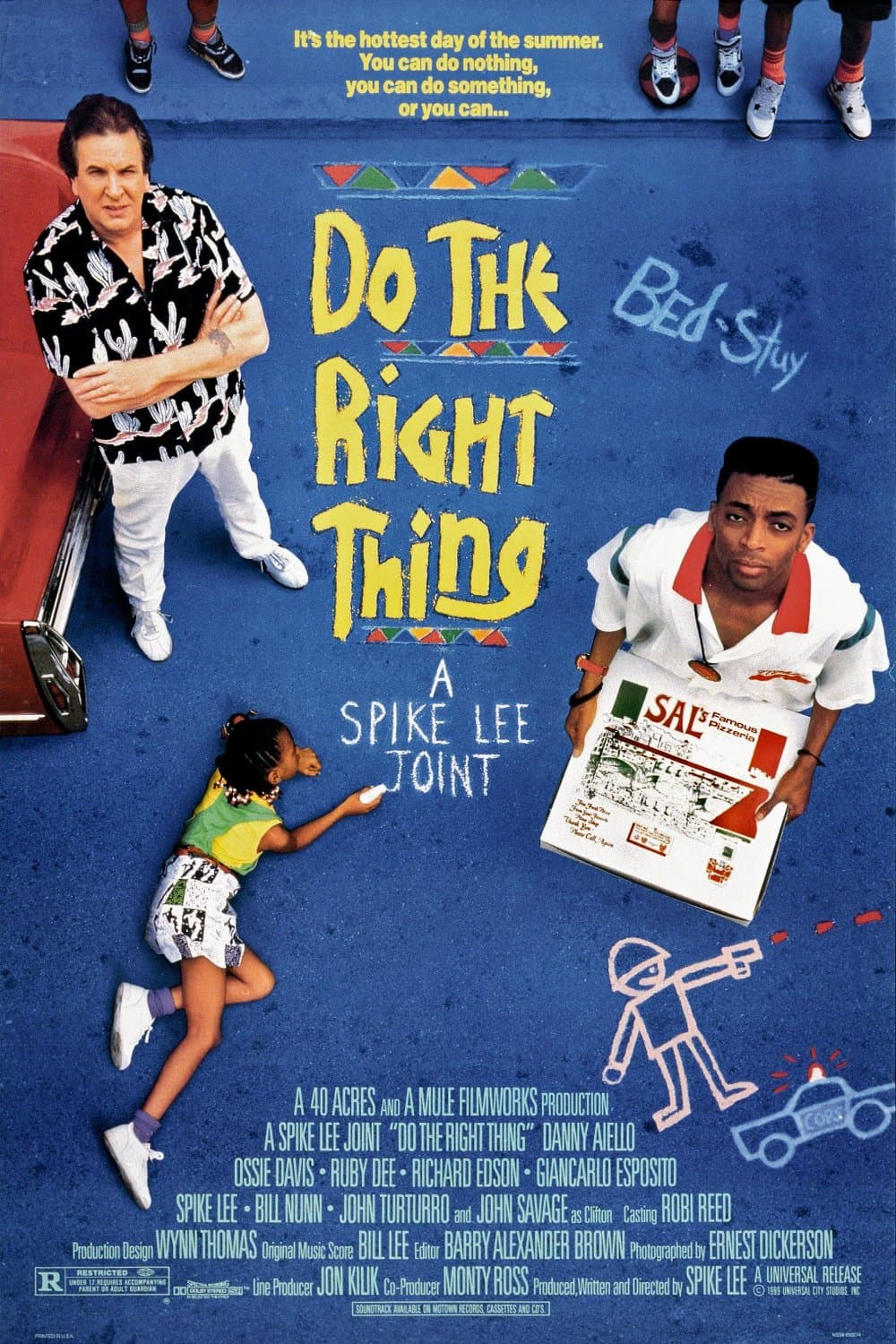
Do the Right Thing
Directed by Spike Lee
1989
No American film has been braver about refusing to resolve: one Brooklyn block on the hottest day of the year, and Lee will not tell you who was right.
★ 8.2
 skopia
No American film has been braver about refusing to resolve: one Brooklyn block on the hottest day of the year, and Lee will not tell you who was right.
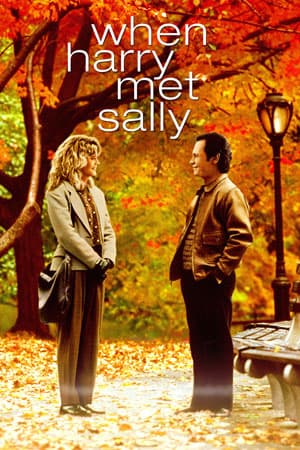
Every romantic comedy since has been trying to write this conversation: two people argue for twelve years about whether men and women can be friends, and Ephron's dialogue wins.

Casting Sean Connery as the father was the best idea the series ever had: the bickering carries a treasure hunt that would otherwise just be a rerun.
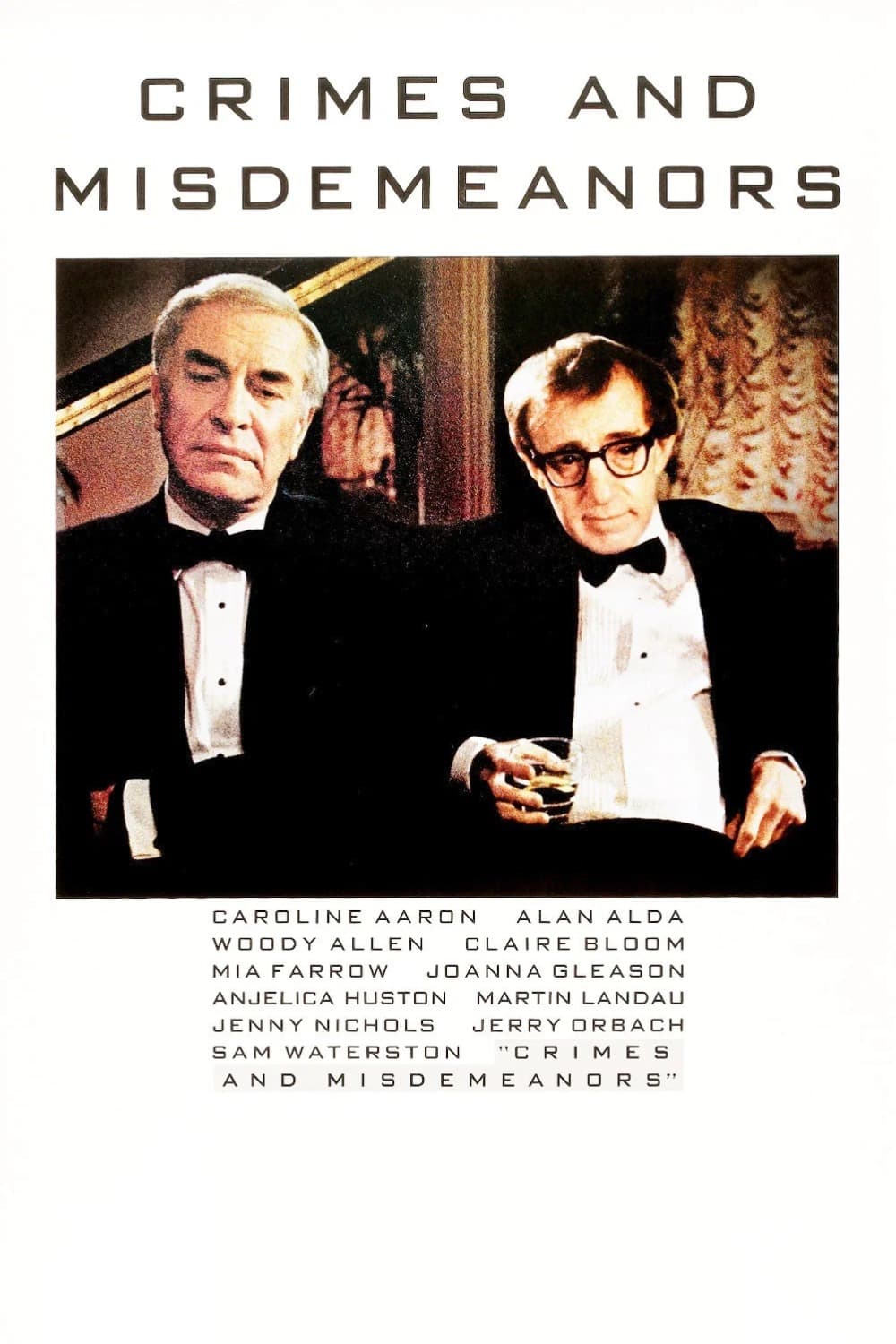
Allen's most serious film, and his only one that asks whether anyone is watching at all: a respected doctor is cornered by a woman he cannot pay off.
Woo shoots gunfights the way other directors shoot musical numbers: two pistols, slow motion, doves, and underneath it a straight-faced story about honor between a hitman and the cop hunting him.
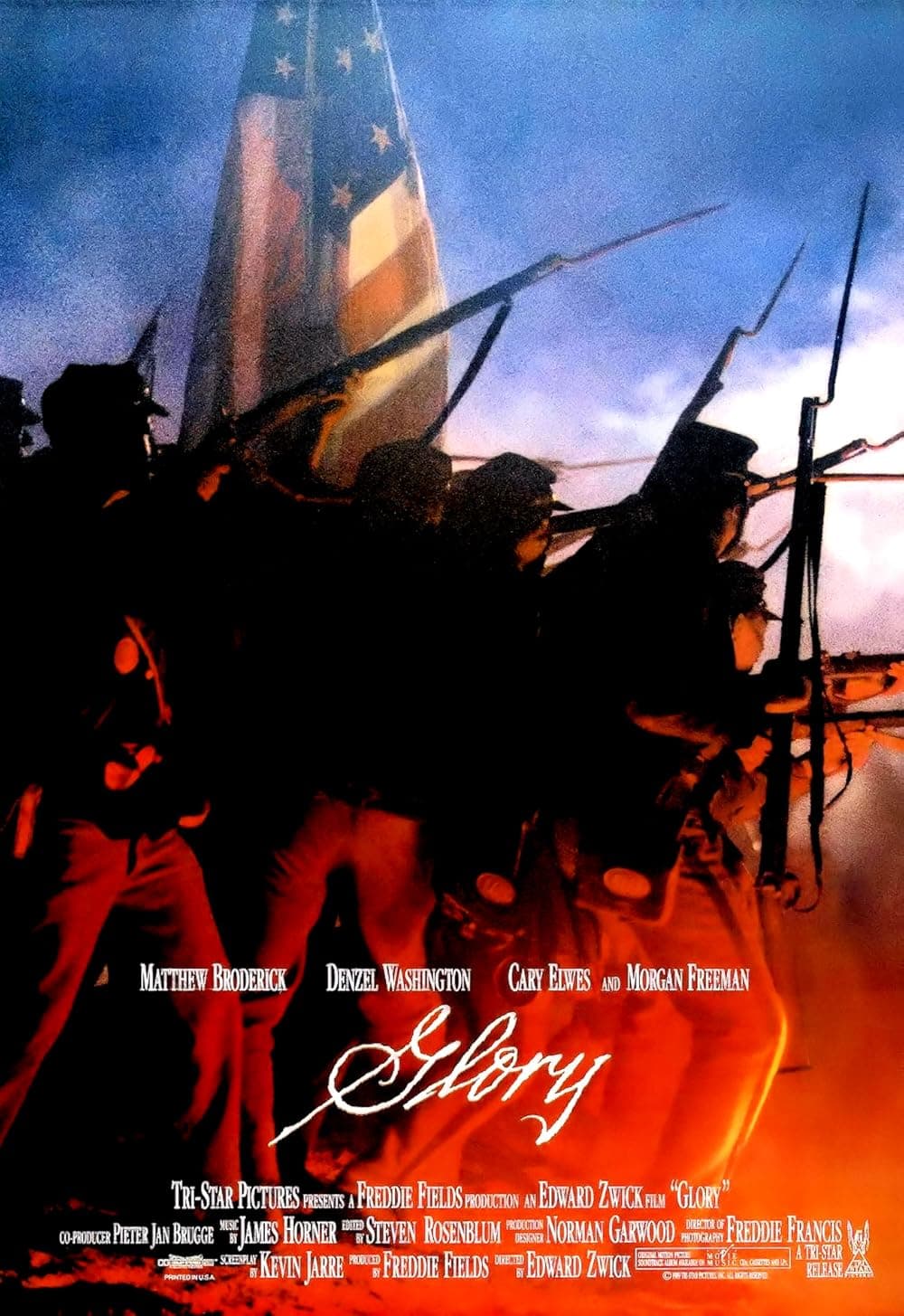
The Civil War film that finally noticed who else was fighting it: the 54th Massachusetts fights for boots, for pay equal to white soldiers, and for permission to be used at all.
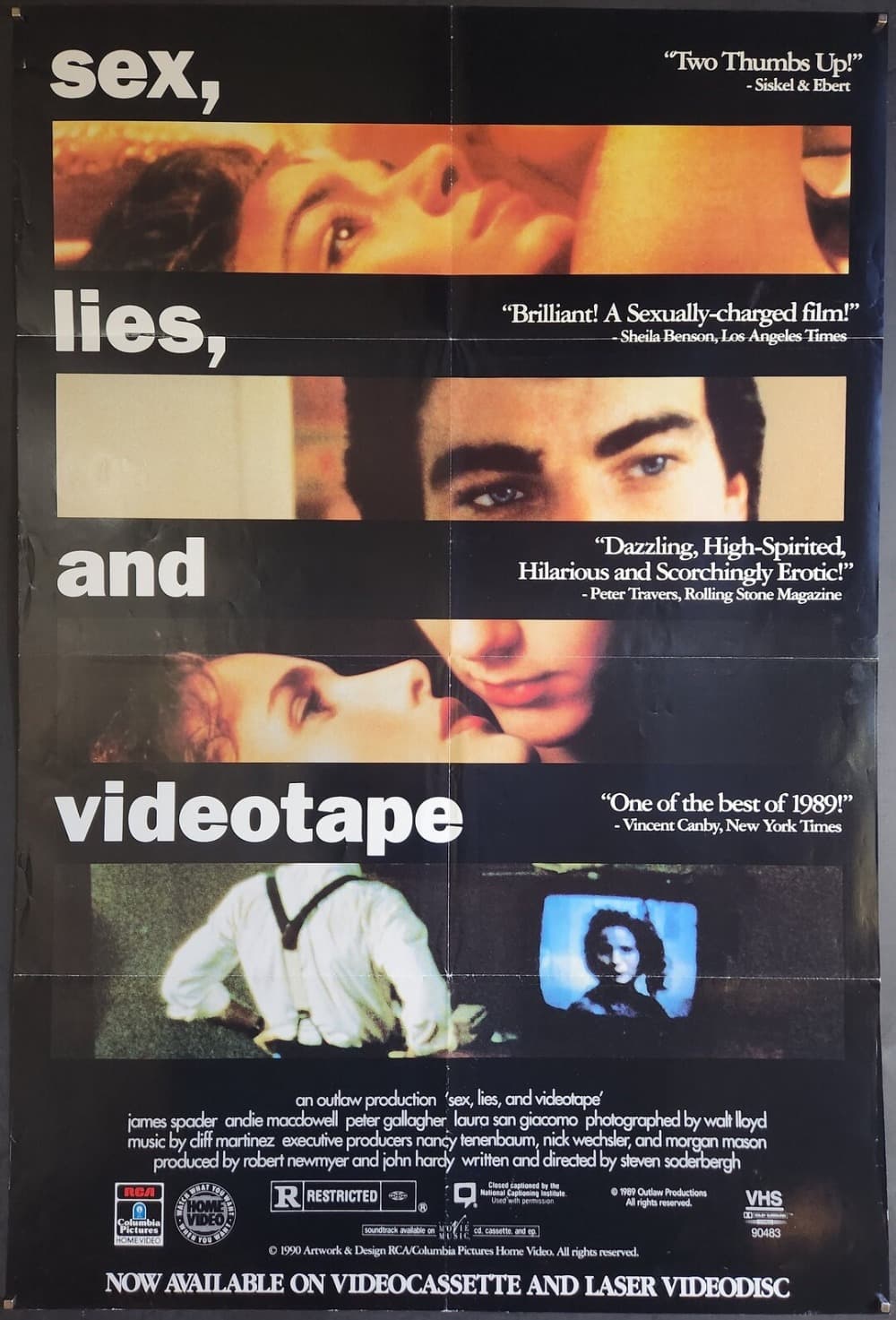
American independent film became a business the week Soderbergh took the Palme d'Or at twenty-six: he made it for a million dollars, and it is four people talking about what they want.
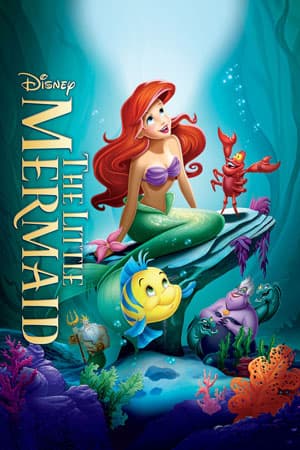
Disney's renaissance starts here: Howard Ashman and Alan Menken wrote the songs like Broadway numbers, and the studio remembered how to make an animated musical that adults would sit through.
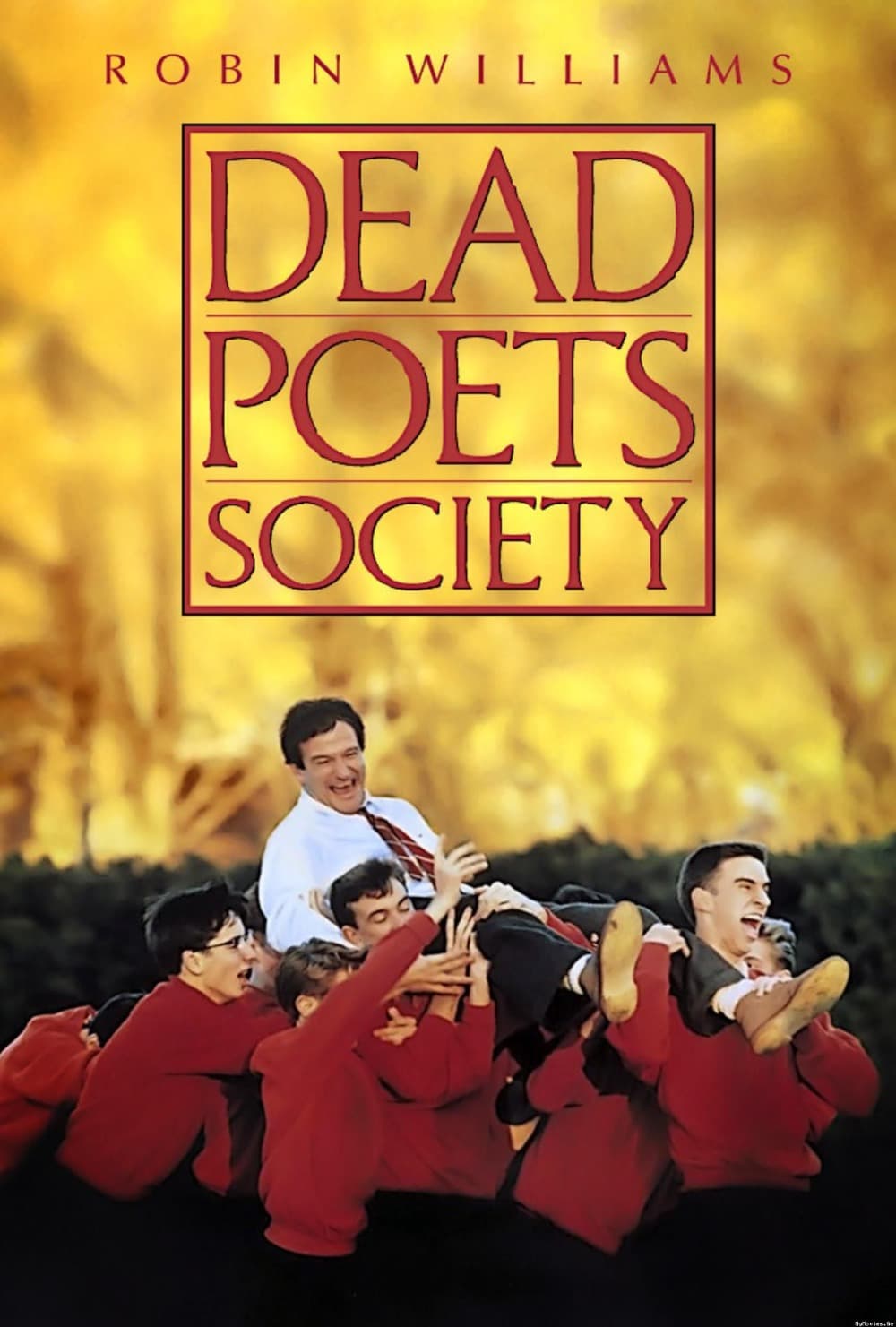
Nobody who saw it at the right age has stopped quoting it: Robin Williams plays a teacher who tells boys at a 1959 boarding school that poetry is worth risking something for.
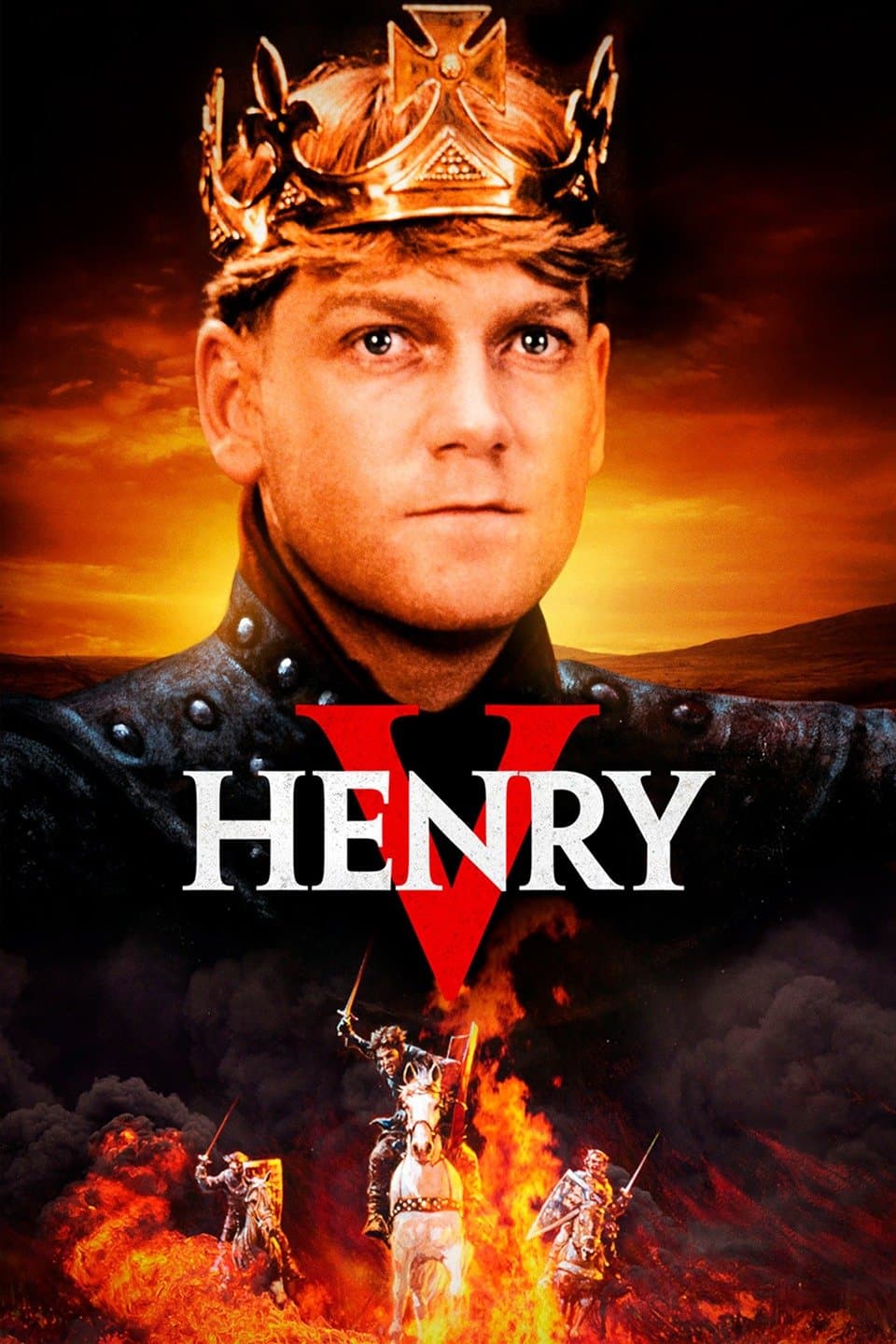
Branagh was twenty-eight and directing himself in Shakespeare, which should have been a disaster: the long single take across the mud after Agincourt is the finest shot in eighties British cinema.
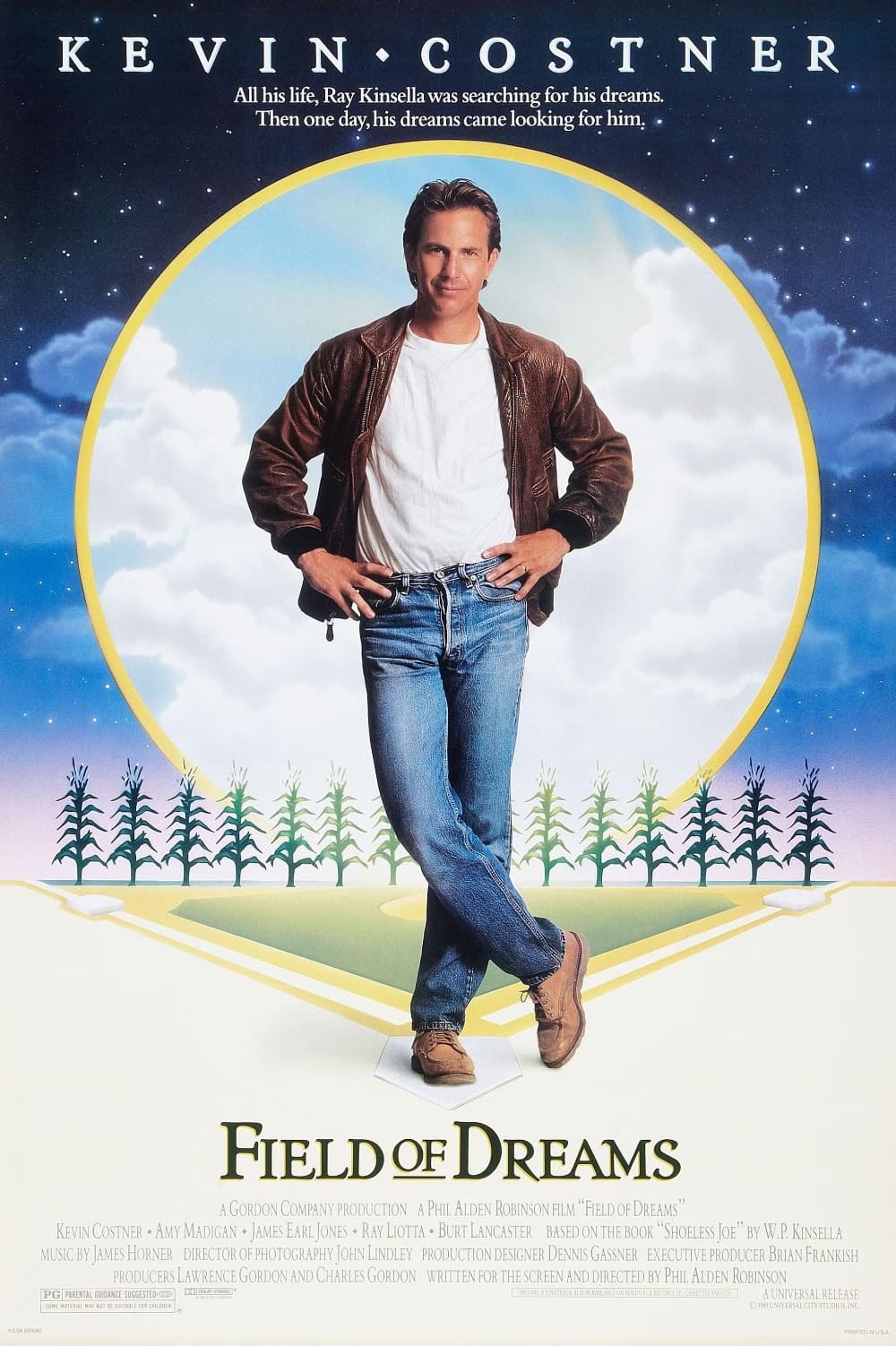
They built the field on an Iowa farm and people still drive to see it: a man plows under his corn because a voice tells him to, and the last reel gets everyone.
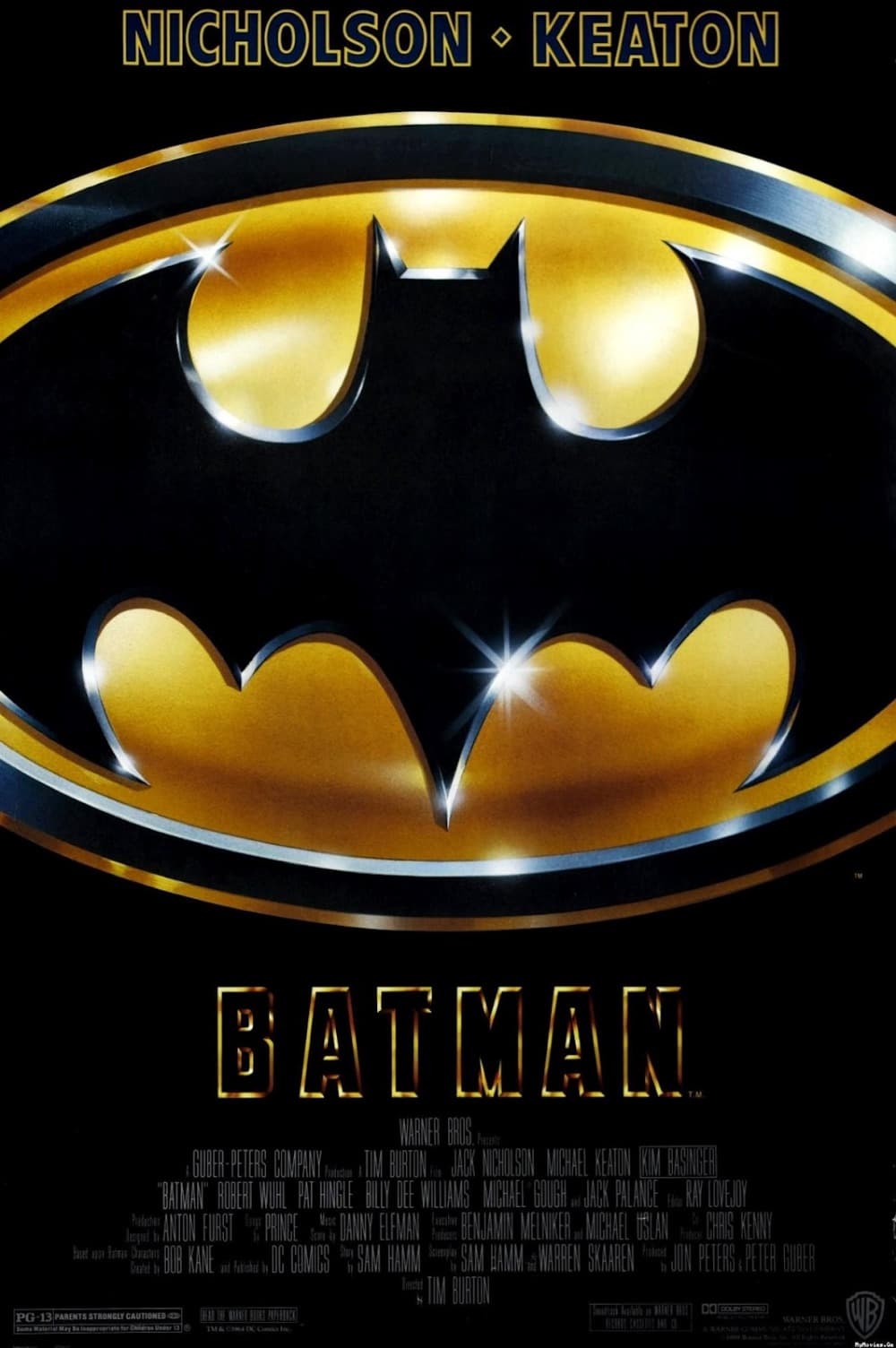
Fifty thousand people wrote to Warner Bros protesting the casting of a comedy actor as Batman: Burton and Michael Keaton made the character gothic, and Prince wrote the songs.

Ron Kovic wrote the book and then the screenplay with Oliver Stone, who had been to the same war: a Long Island boy enlists in 1967, and Tom Cruise abandons his own image.
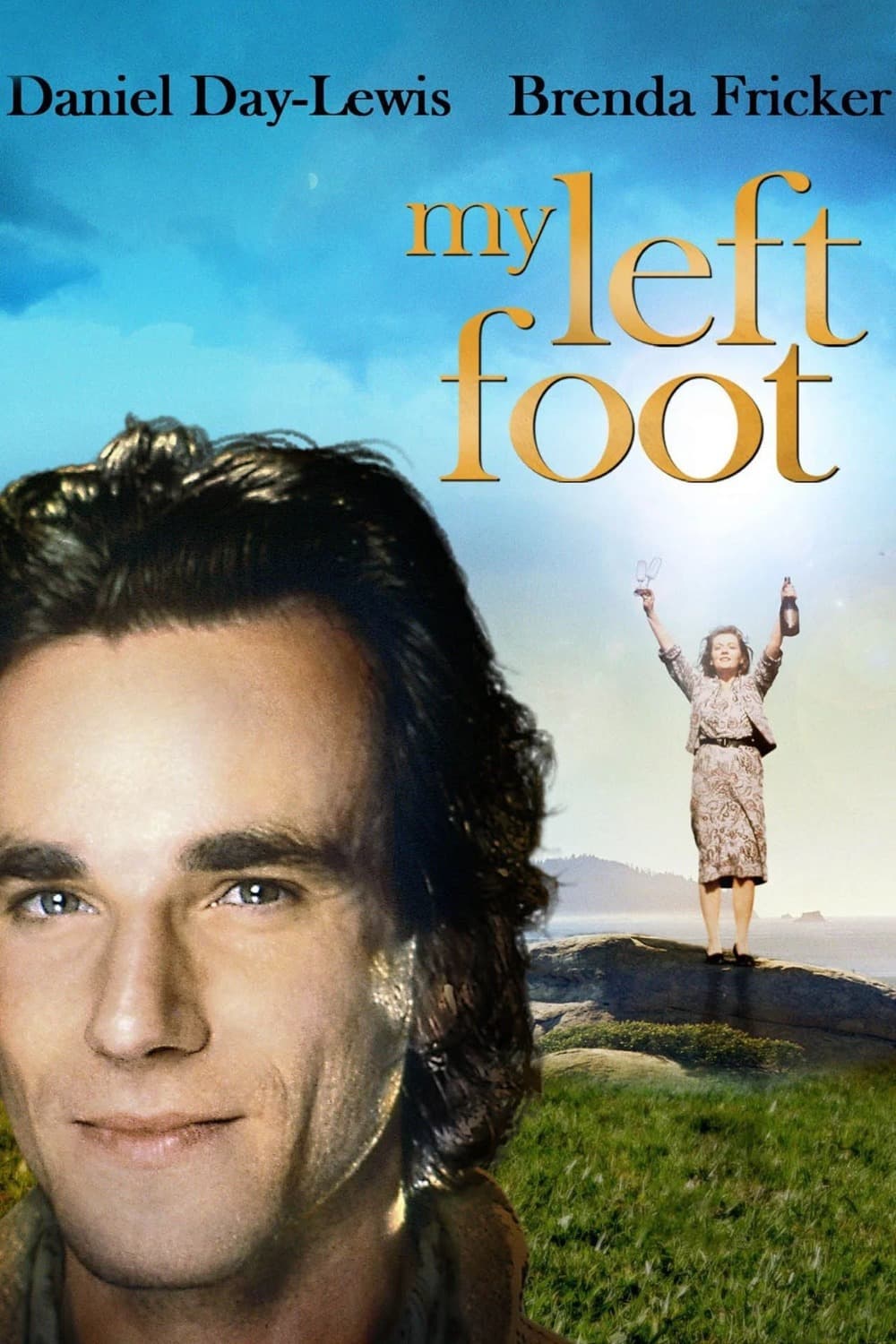
Christy Brown wrote and painted with one foot, and nothing here makes him saintly: Jim Sheridan films a Dublin family that treats him as theirs, loudly and without any ceremony.
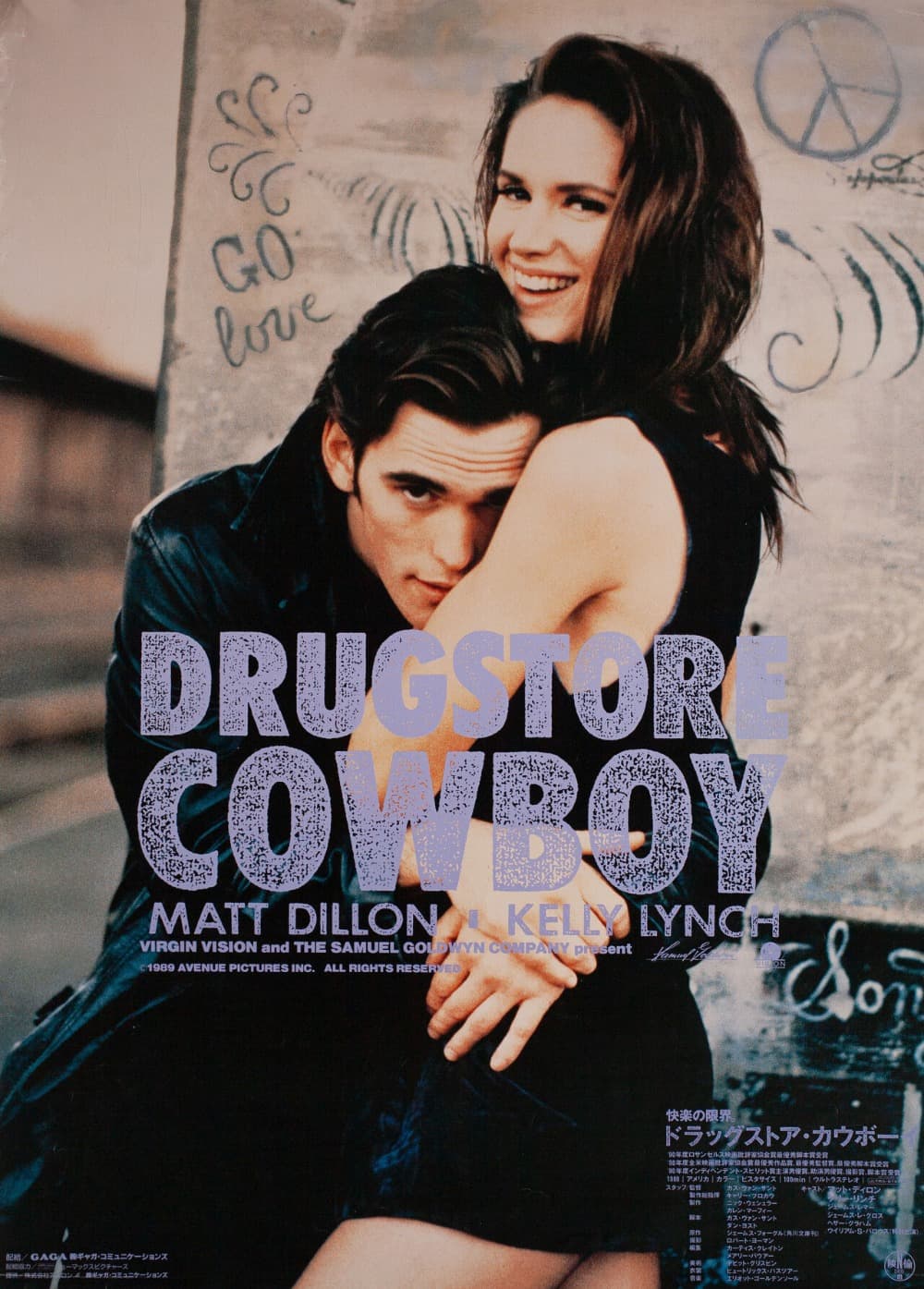
William Burroughs turns up as a defrocked priest and somehow that is not the oddest thing here: Van Sant films a crew robbing pharmacies in 1971 Portland with no lecture attached.
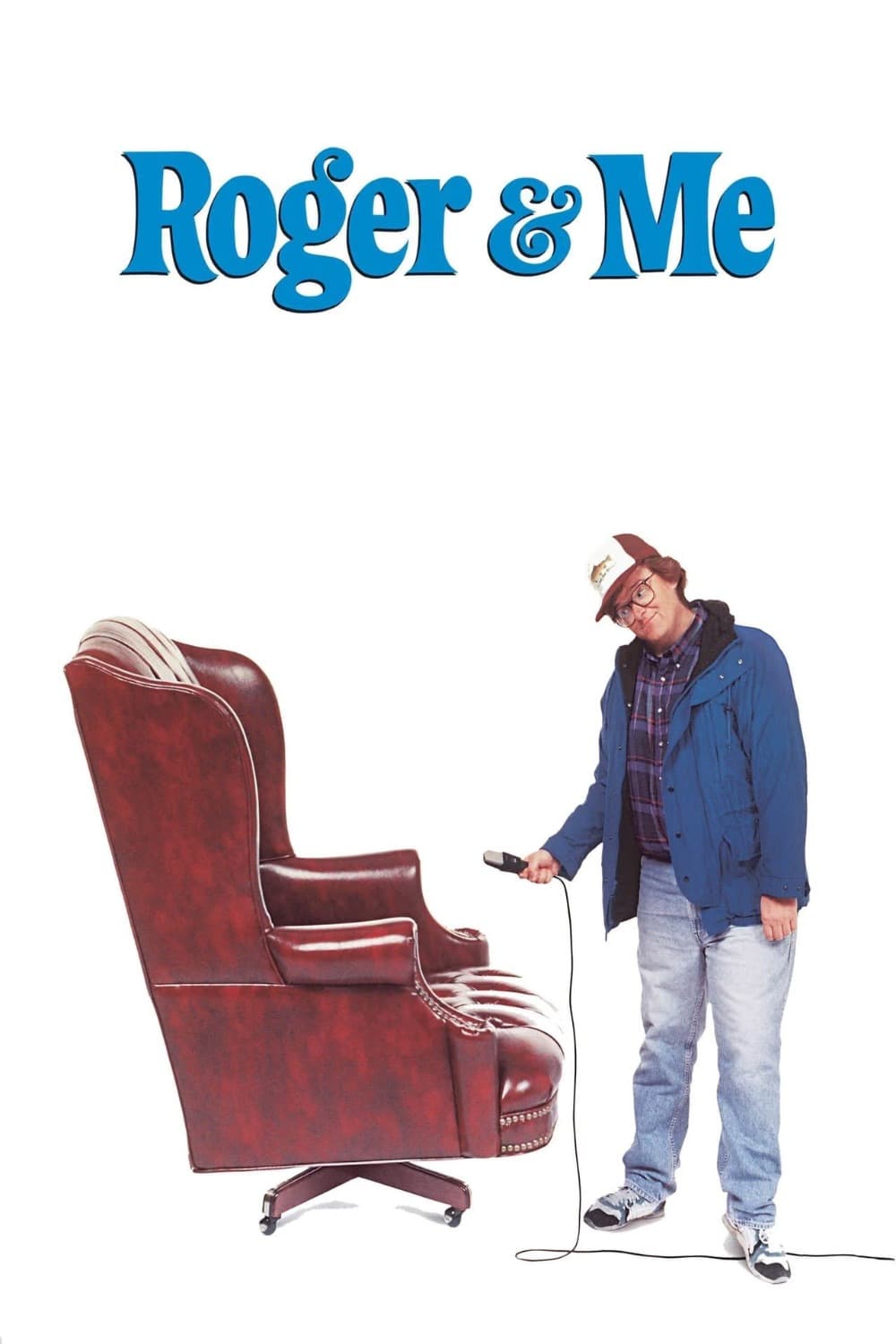
Michael Moore invented a whole documentary style here, himself as the persistent nuisance: Flint, Michigan after General Motors leaves, filmed by someone who grew up in it.

Written by John Hughes, with Chevy Chase back as the same hapless father a third time: a man books two weeks off to build the perfect family Christmas out of things that break.
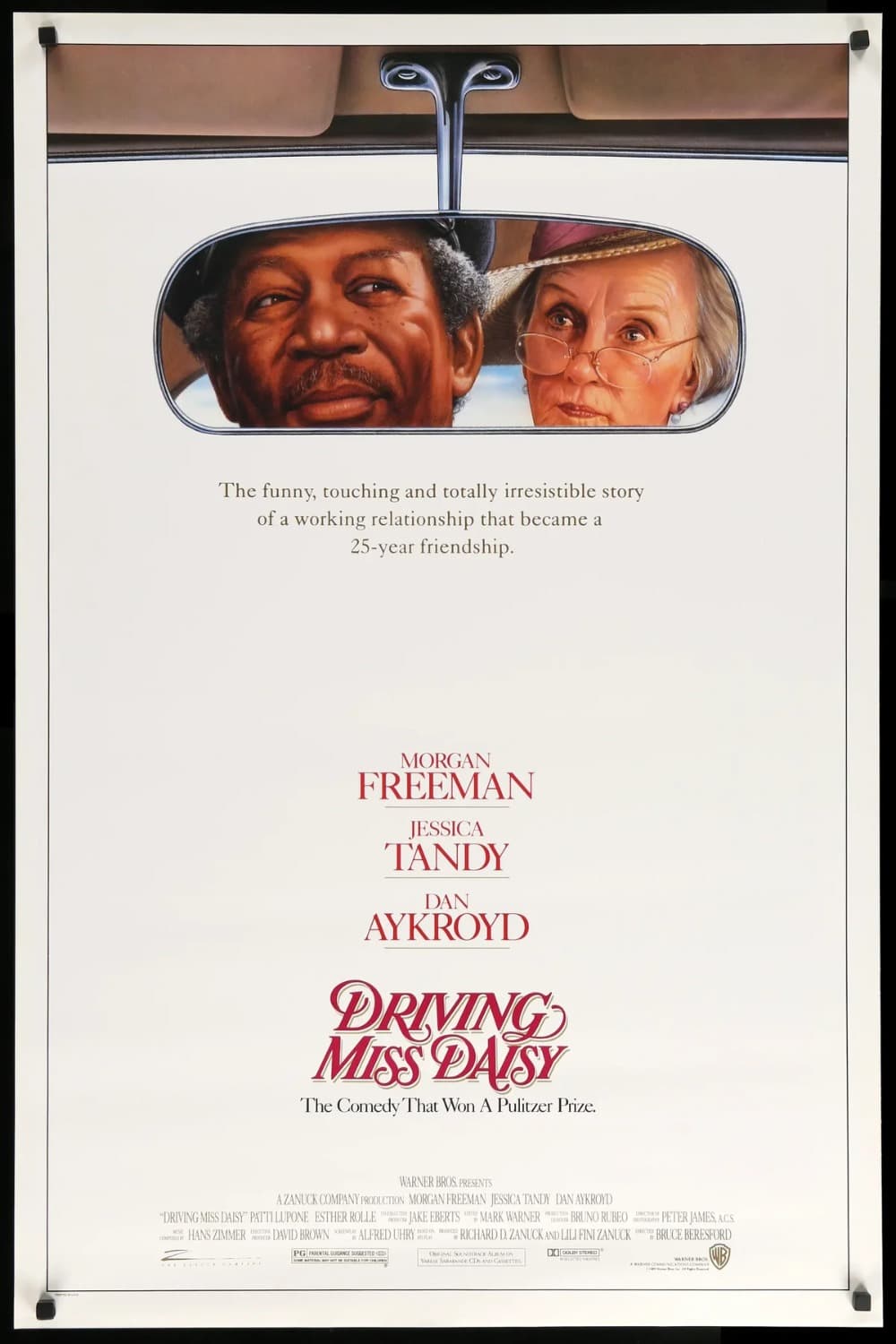
Jessica Tandy was eighty when she won Best Actress, the oldest ever: twenty-five years of an Atlanta employer and her chauffeur, played so lightly that people underrate what the film is doing.