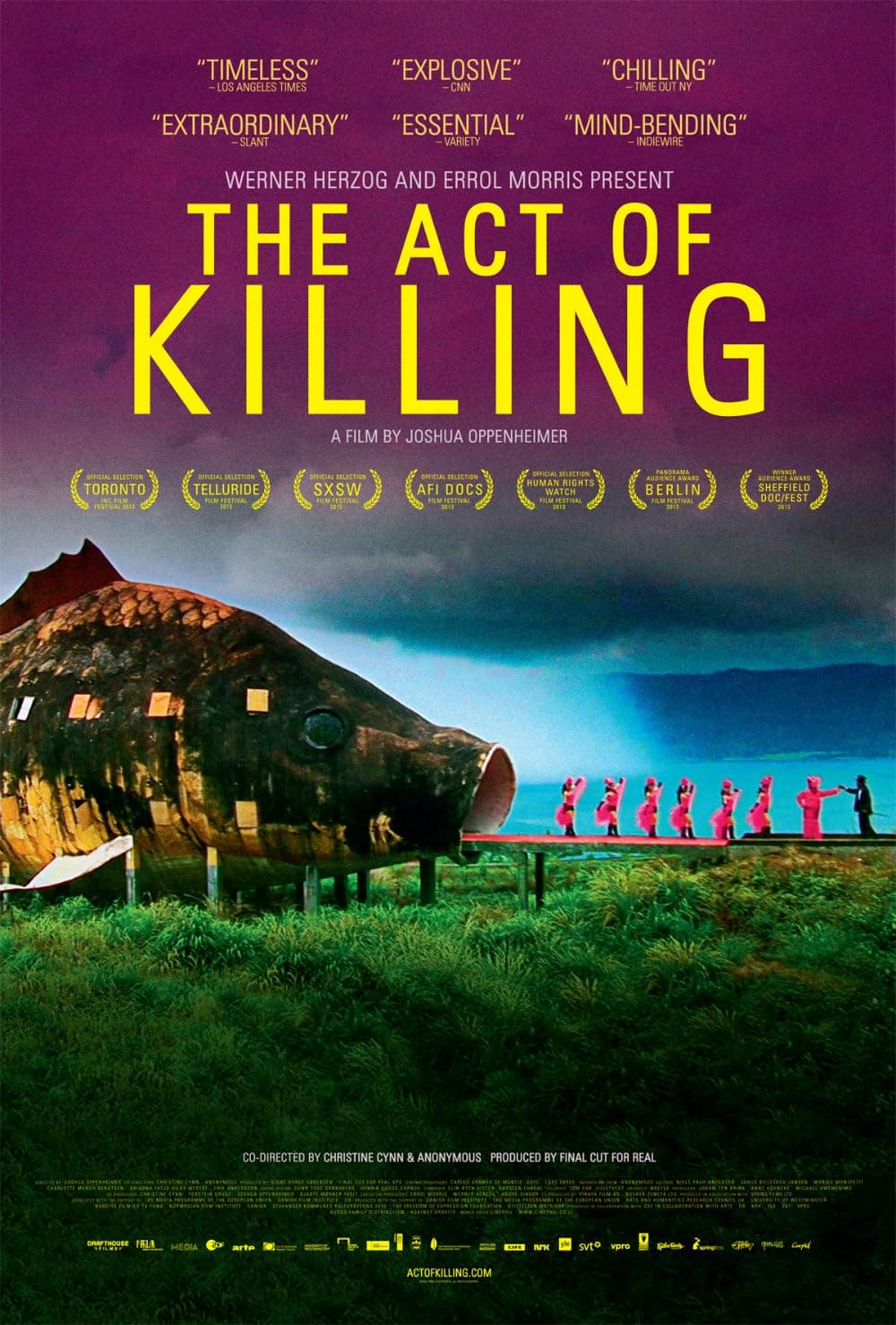
The Act of Killing
Oppenheimer asked the men who carried out Indonesia's mass killings to restage them as movie scenes, and they agreed gladly: no documentary has ever been braver or harder to sit through.

Oppenheimer asked the men who carried out Indonesia's mass killings to restage them as movie scenes, and they agreed gladly: no documentary has ever been braver or harder to sit through.

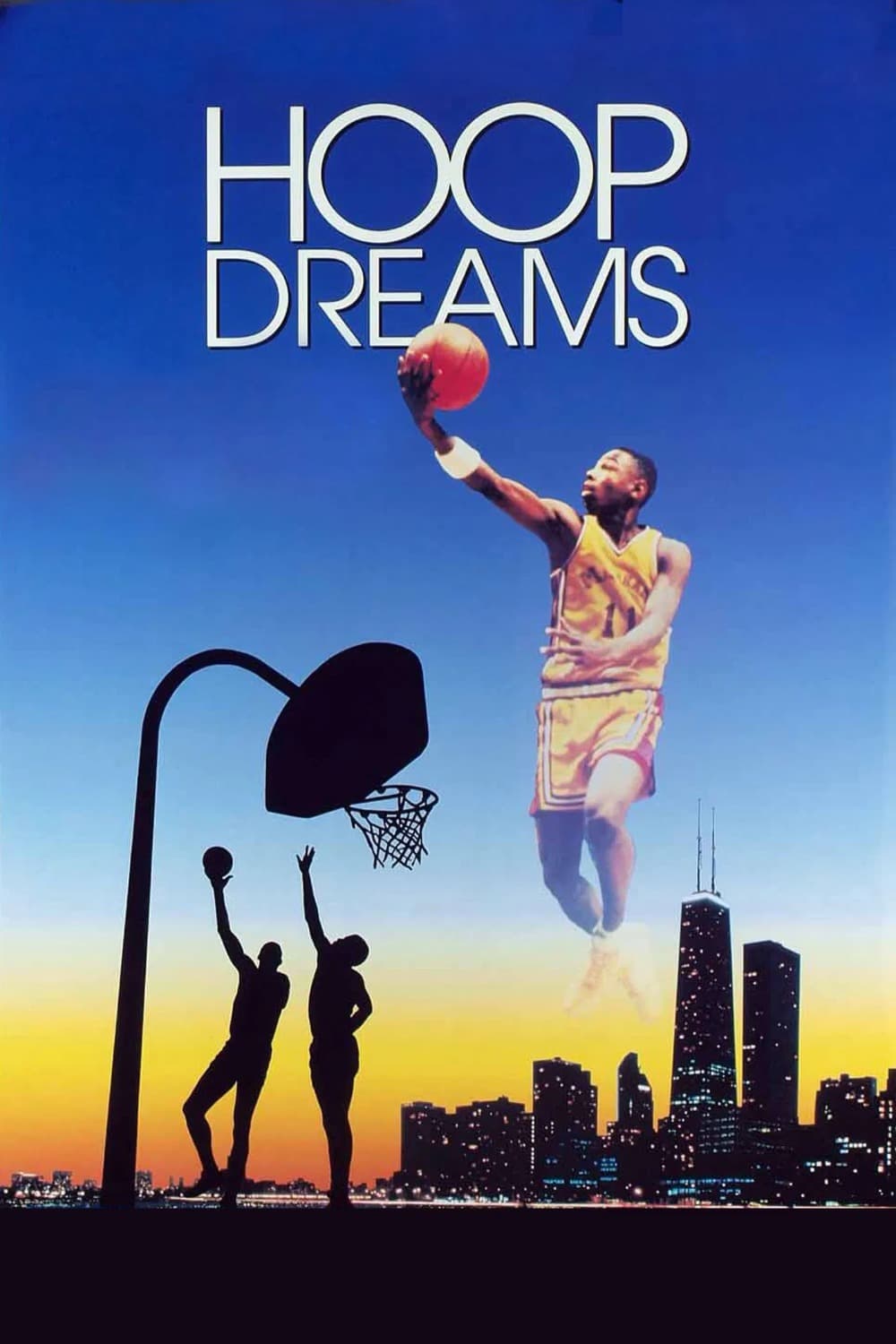
Its exclusion from the documentary Oscar shortlist caused enough outrage that the Academy changed its rules: five years with two Chicago teenagers, and it is barely about basketball.

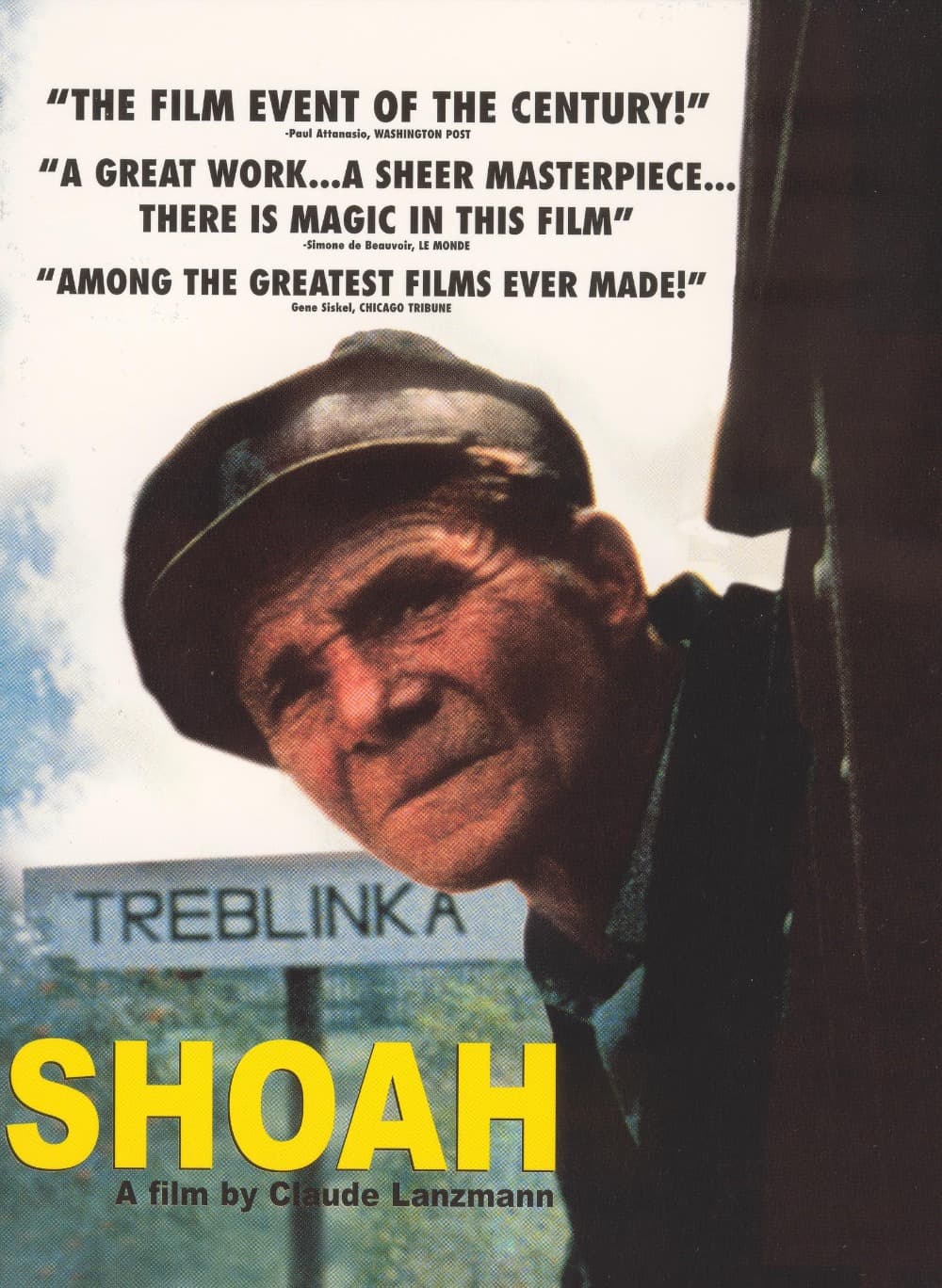
Nine hours long, with no archive footage at all: Lanzmann spent eleven years getting survivors, bystanders and perpetrators to describe what they saw, standing on the actual sites.

A documentary that overturned a real murder conviction: Morris reconstructed the same killing over and over from contradictory testimony, and the case collapsed within a year of release.

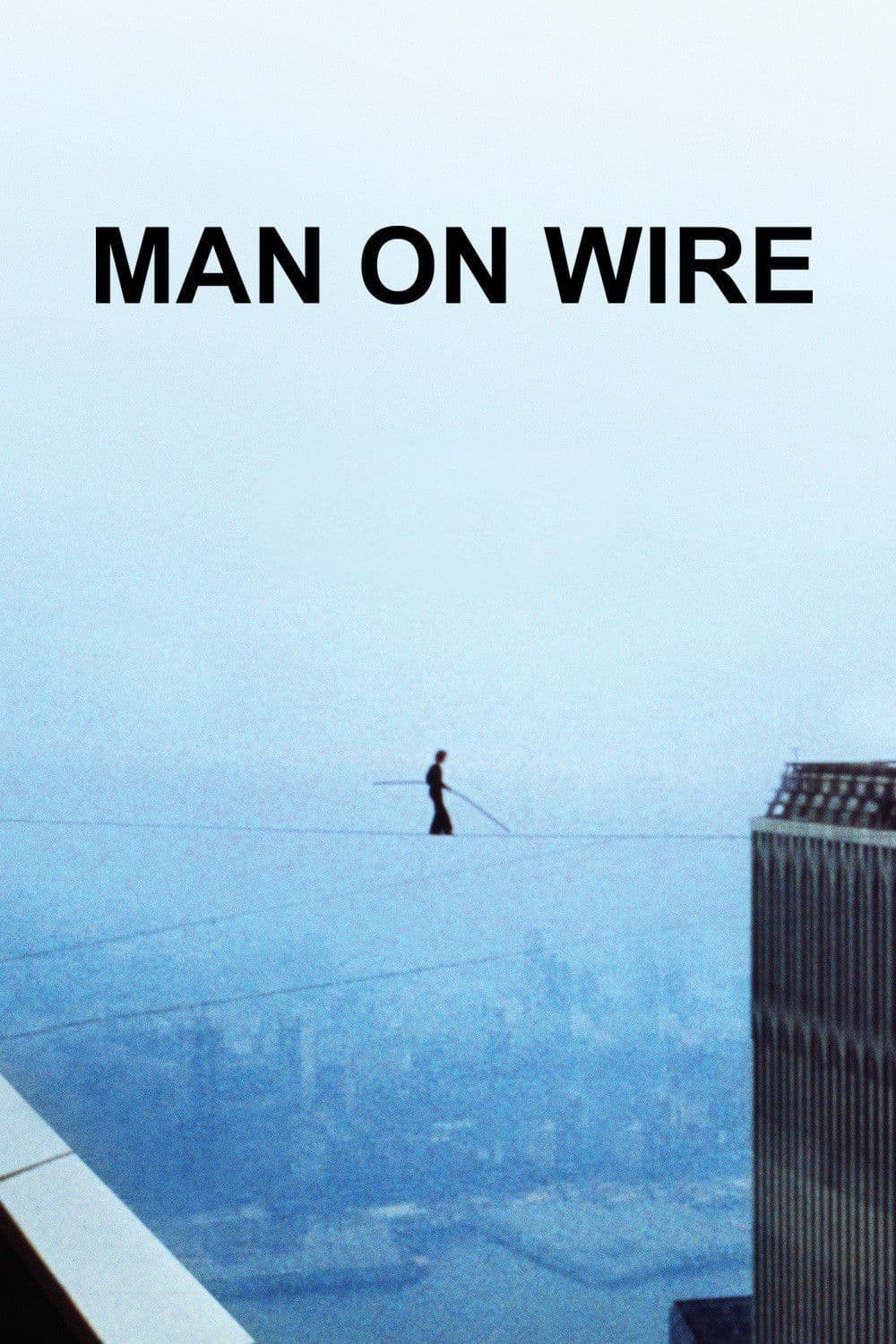
Petit walked a wire between the Twin Towers in 1974 and Marsh tells it as a heist: the planning, the break-in, and forty-five minutes in the air.

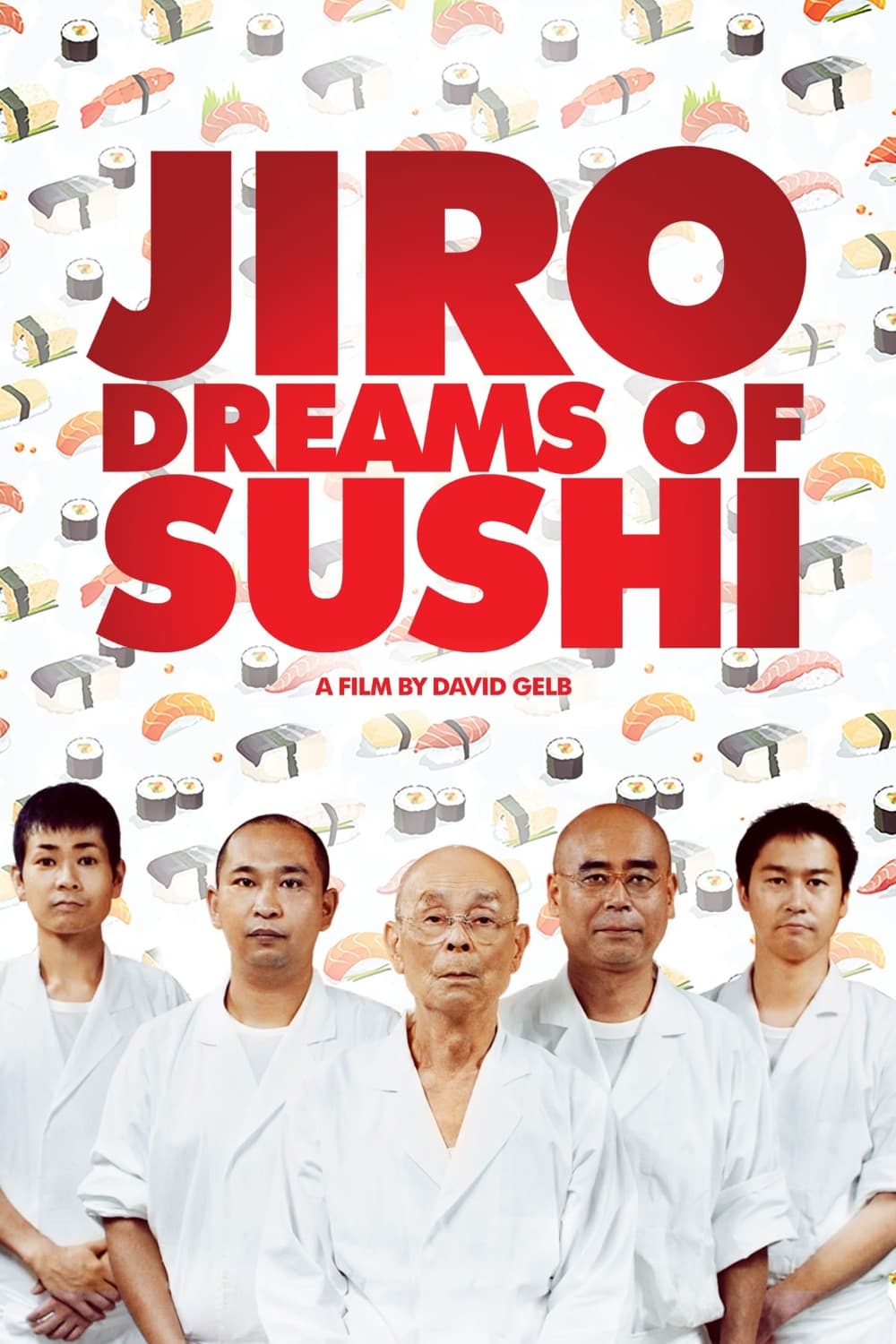
It will alter how you think about doing one thing for an entire lifetime: an eighty-five-year-old sushi master in a Tokyo subway station, still not satisfied with himself.

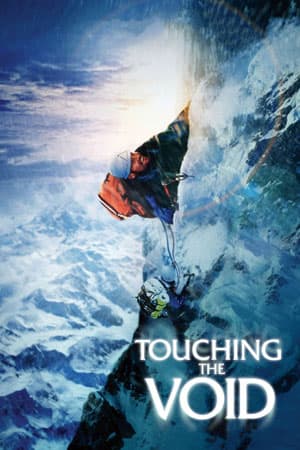
You will not believe it is true and it is: two climbers in the Andes, one broken leg, and a decision that neither man has ever fully stopped explaining.

A rock concert storyboarded like a feature and shot on 35mm by seven camera crews: The Band's 1976 farewell is the concert film everything else gets measured against.

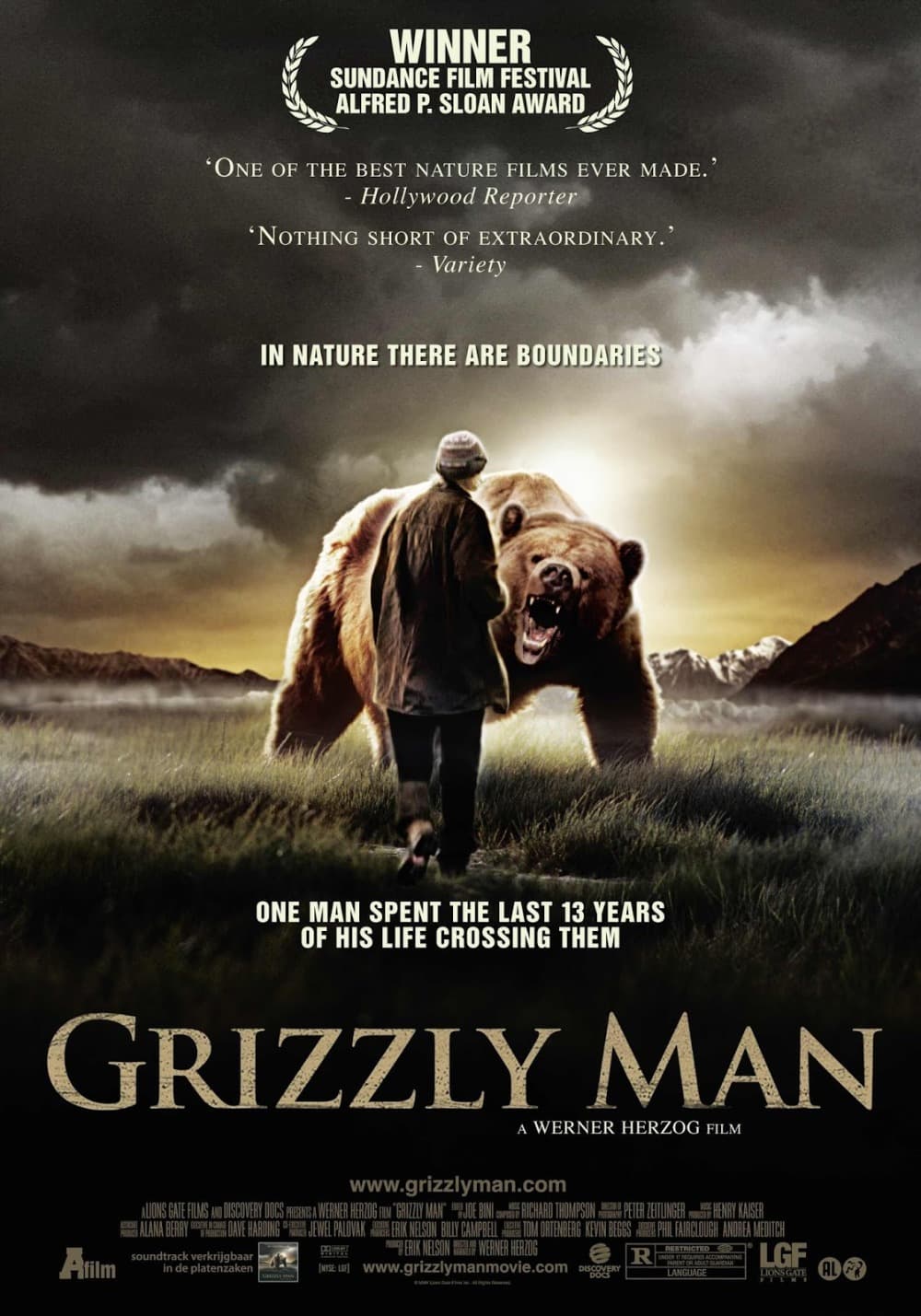
A hundred hours of video shot by a man who camped among Alaskan grizzlies, edited by Werner Herzog, who disagrees with him completely: two views of nature, arguing across the cut.

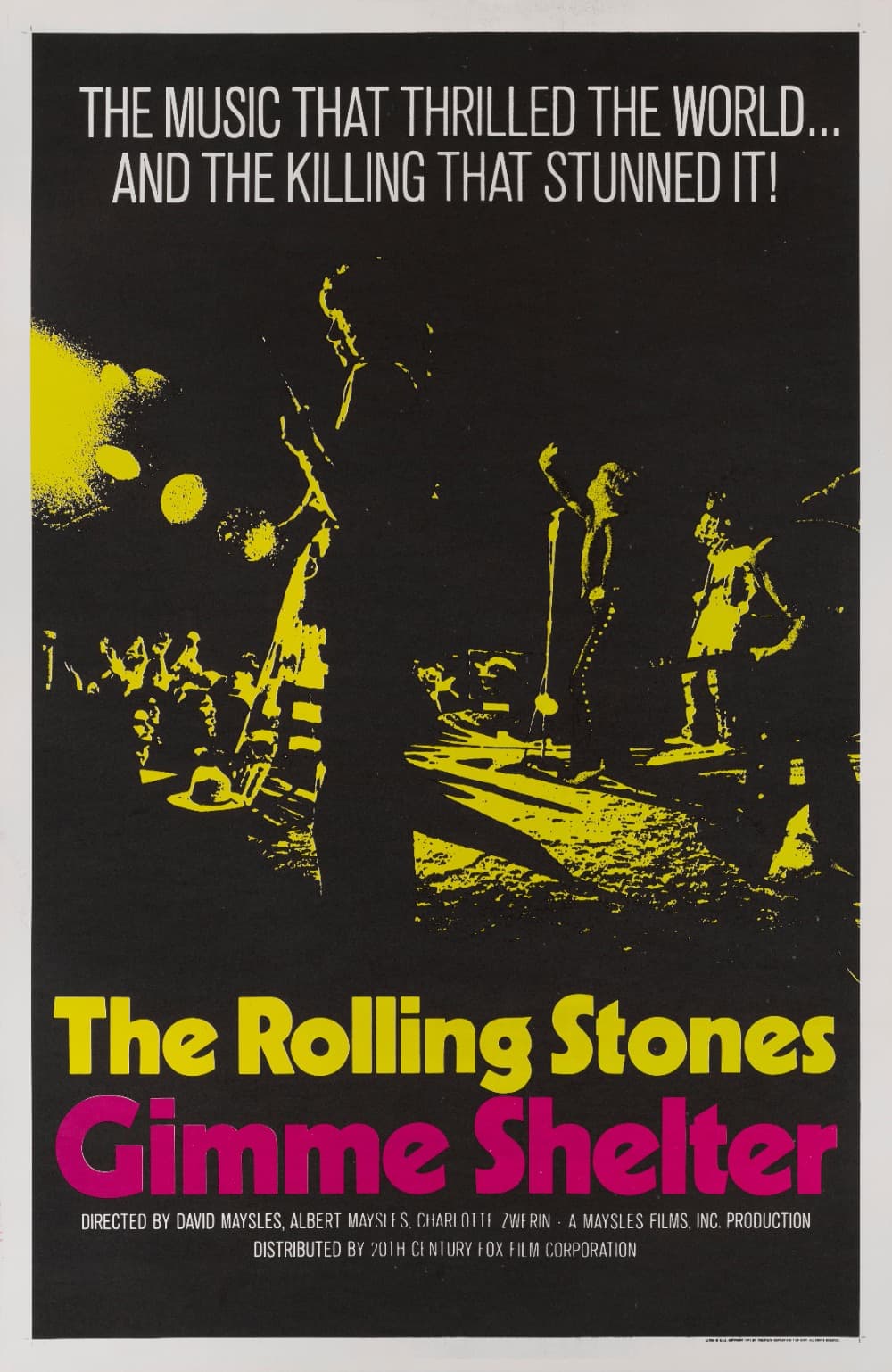
The sixties end on camera here: the Maysles followed the Rolling Stones to a free concert at Altamont, then sat Mick Jagger at an editing bench and made him watch what happened.

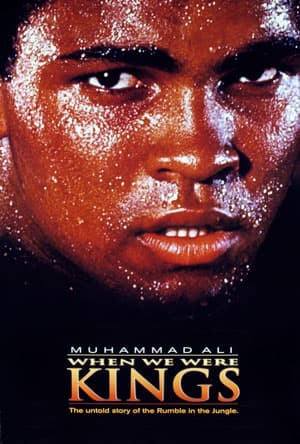
Leon Gast shot the footage in 1974 and could not finish the film for twenty-two years: Ali in Kinshasa, talking constantly, in the weeks before the biggest fight of his life.

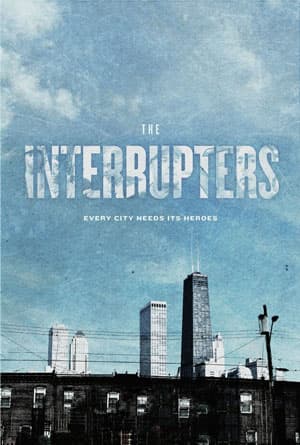
Steve James followed former gang members whose entire job is talking people out of retaliation: Chicago violence filmed as something interruptible, one conversation on one corner at a time.

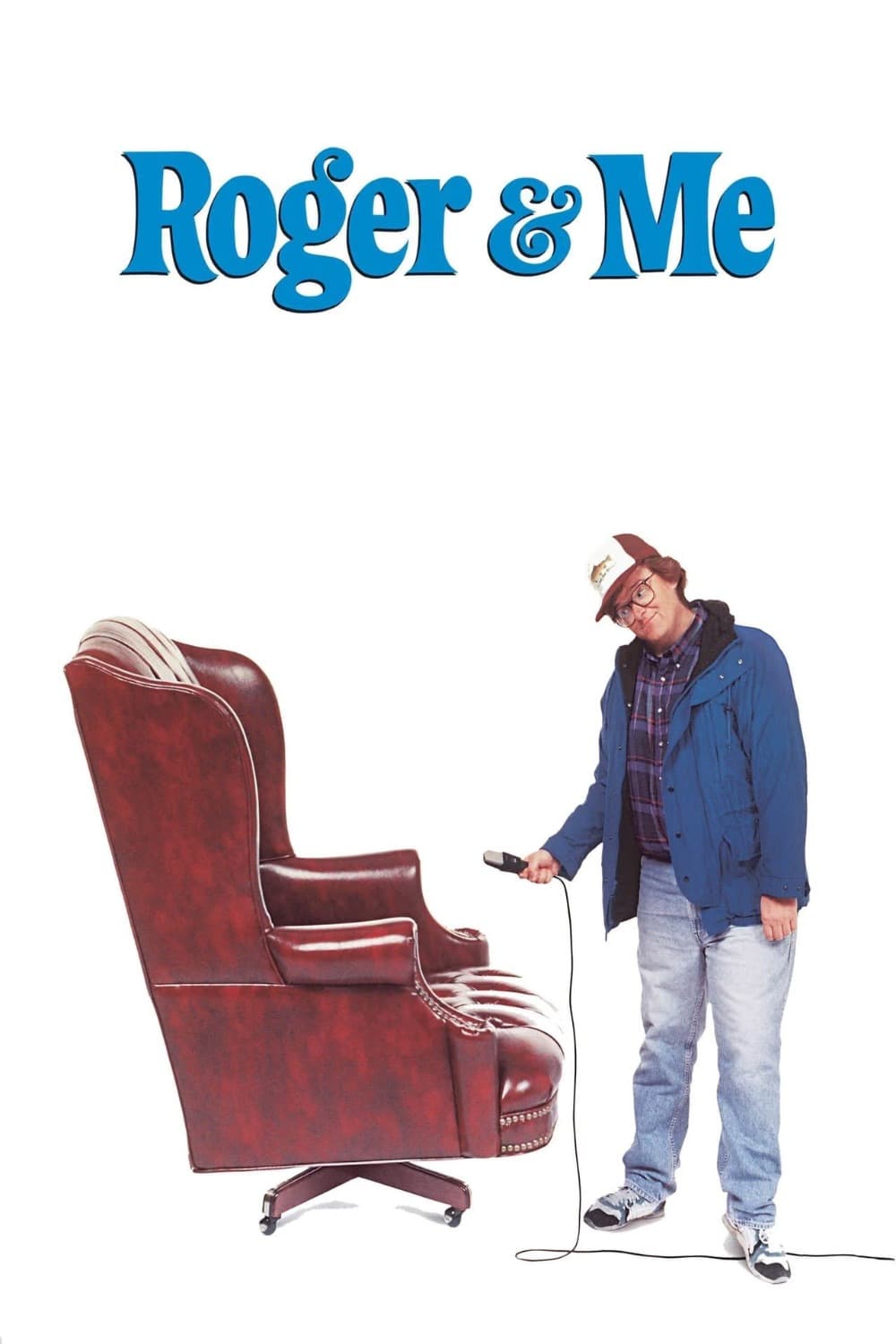
Michael Moore invented a whole documentary style here, himself as the persistent nuisance: Flint, Michigan after General Motors leaves, filmed by someone who grew up in it.

Herzog went to Antarctica announcing he would not film penguins, then made the saddest scene about one anyway: he is really there to interview the people who chose the place.

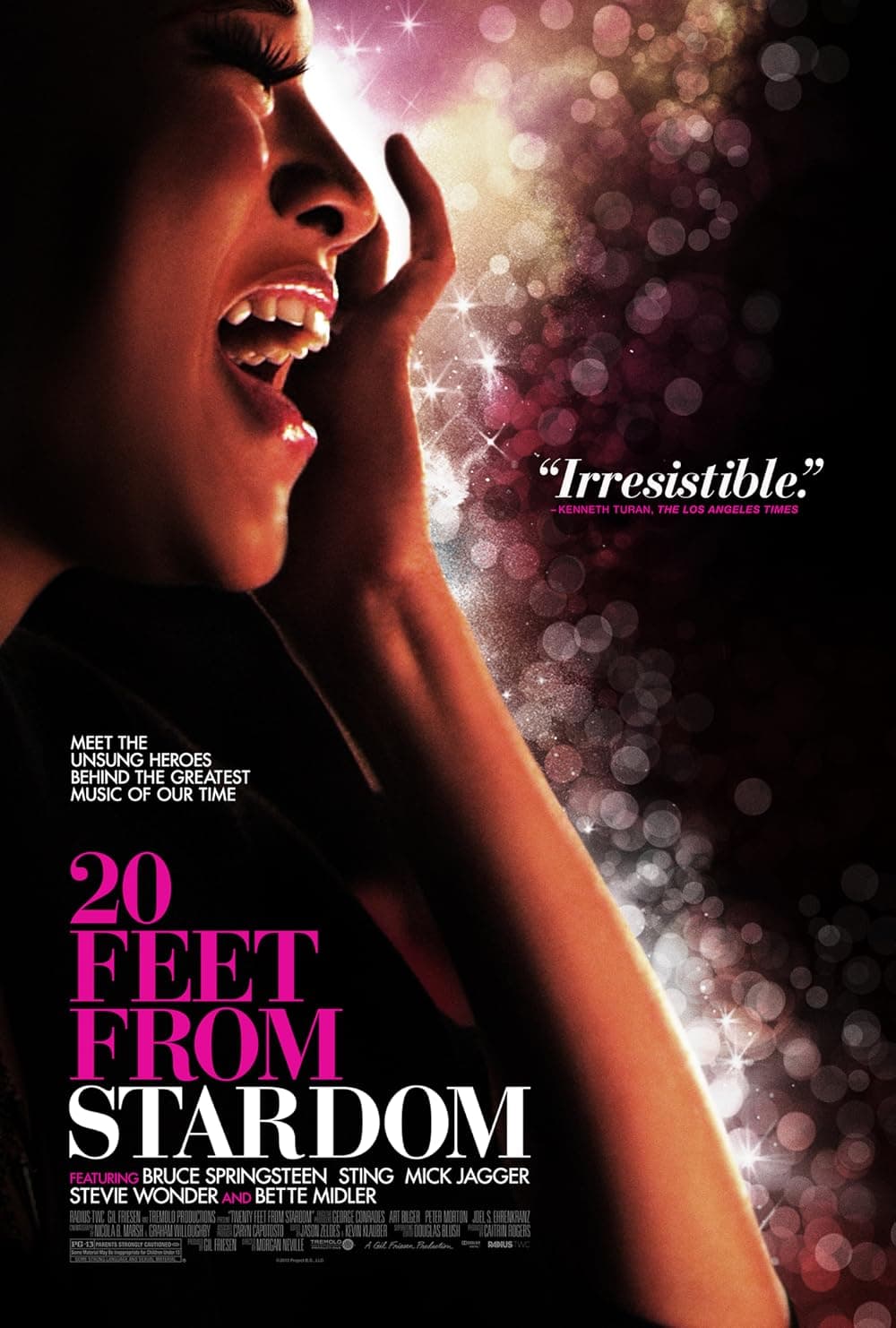
The backing vocals everyone can sing were recorded by people nobody could name: Darlene Love, Merry Clayton and Lisa Fischer finally get the camera, and the singing is extraordinary.

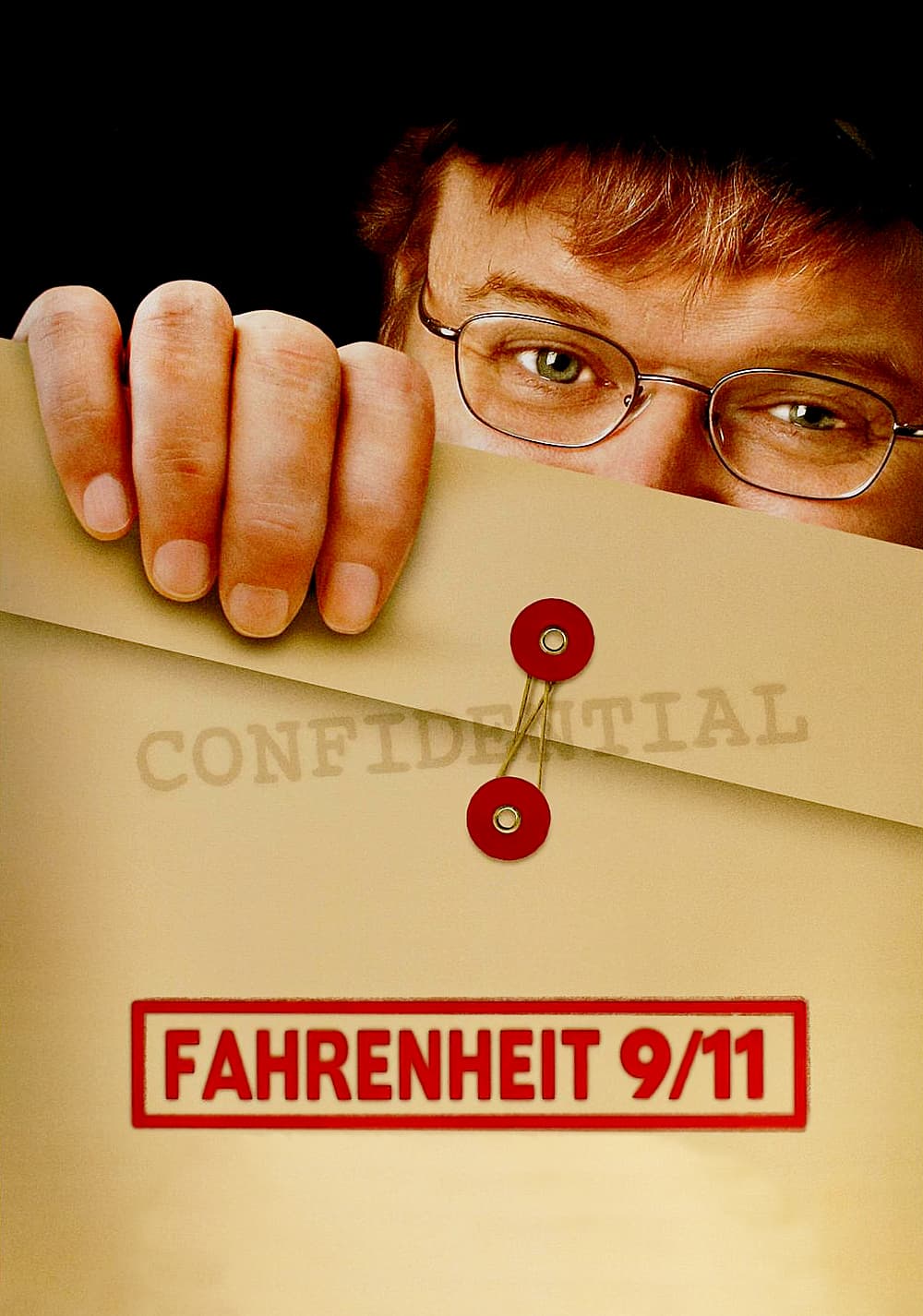
Disney refused to release it and it held the documentary box office record for five years: Michael Moore won at Cannes with an argument aimed squarely at an election five months away.

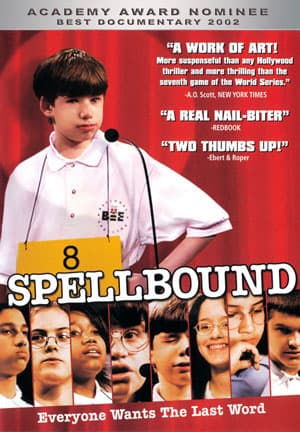
Eight children and one spelling bee, and it is unbearably tense: Jeffrey Blitz found that how American families prepare for it reveals everything about them, and the finals are agony.

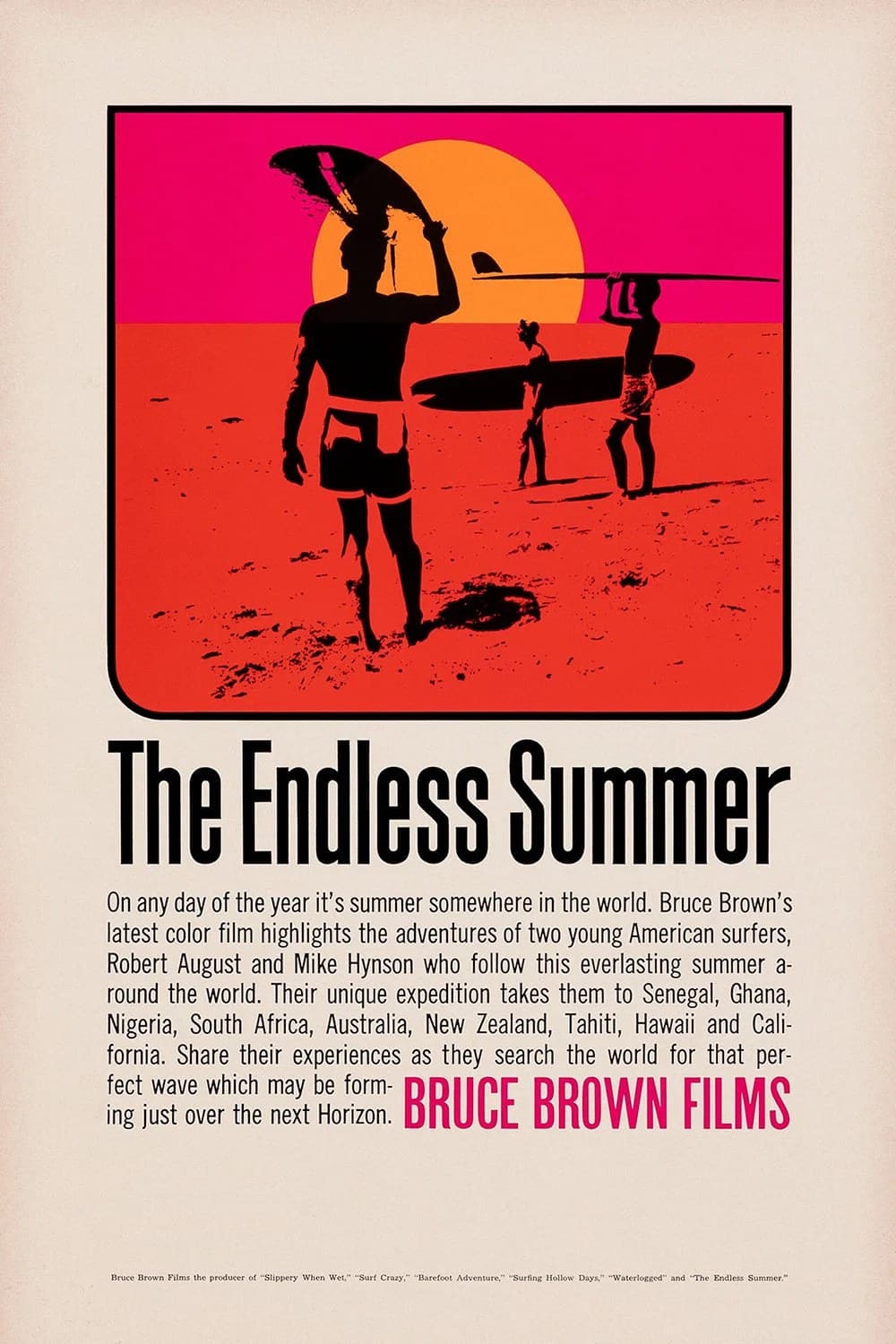
Bruce Brown could not get a distributor so he rented cinemas himself, starting in Wichita in January snow: two surfers follow summer around the world, and the narration is unhurried and dry.

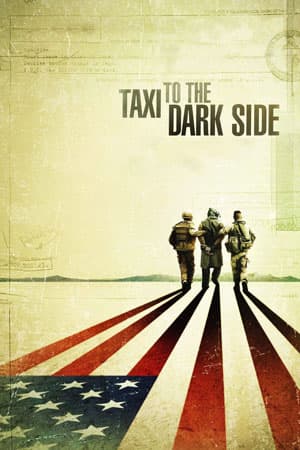
Alex Gibney's father was a naval interrogator and told him to make it: an Afghan taxi driver died in American custody at Bagram, and the film follows the policy up the chain.

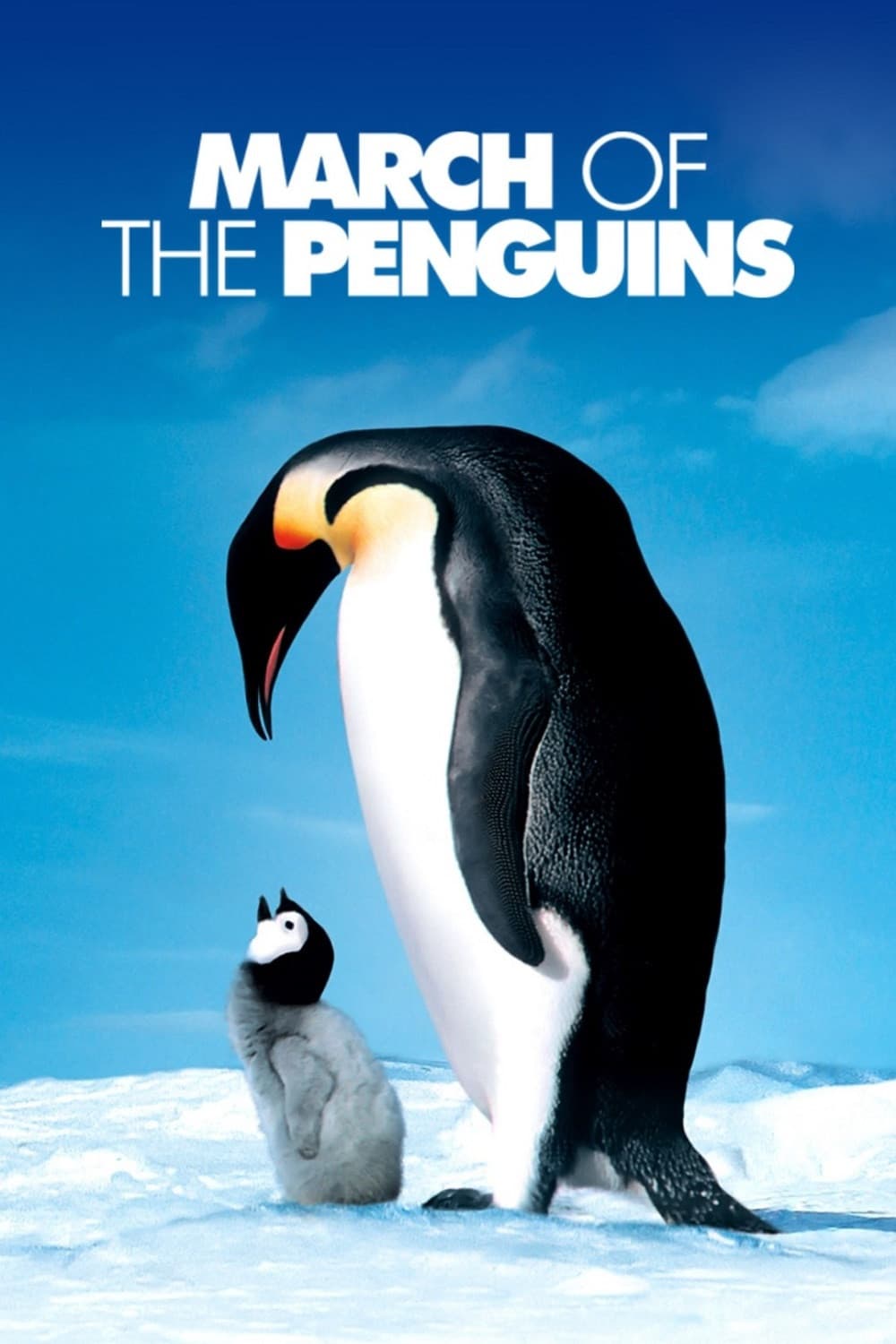
The American release swapped the French version's talking penguins for Morgan Freeman narrating, and it became a phenomenon: a colony walks seventy miles inland to breed in the Antarctic winter.