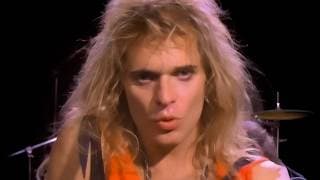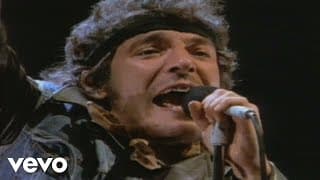
Born in the USA
1984 · From Born in the USA
Take four, April 1982, a Yamaha synth from Roy Bittan, and the most misheard chorus in American rock.
★ 8.7
 skopia
Take four, April 1982, a Yamaha synth from Roy Bittan, and the most misheard chorus in American rock.

Reagan's campaign tried to borrow the title song, which is sung by a veteran who cannot get a job. Seven singles went top ten.
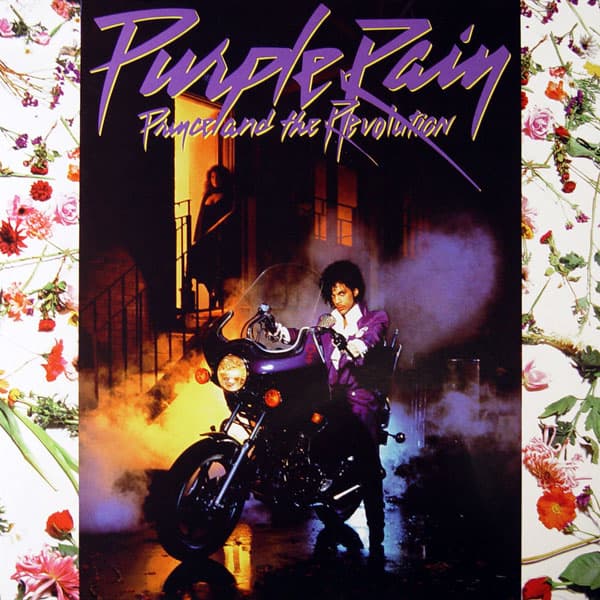
When Doves Cry has no bass on it at all, which Prince did deliberately. Several tracks were taped live at a Minneapolis club.

American distributors cut ninety minutes out of it and destroyed the reviews: restored to full length, Leone's fifty-year gangster elegy drifts between decades like an opium dream.
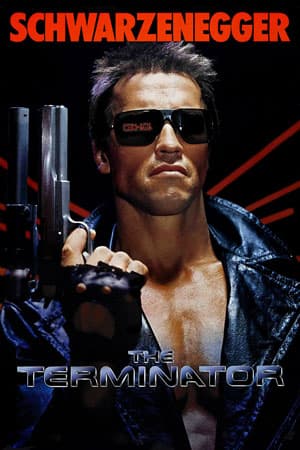
Cameron made it for six million dollars and launched two careers and a franchise: a machine that cannot be bargained with, cannot be reasoned with, and absolutely will not stop.
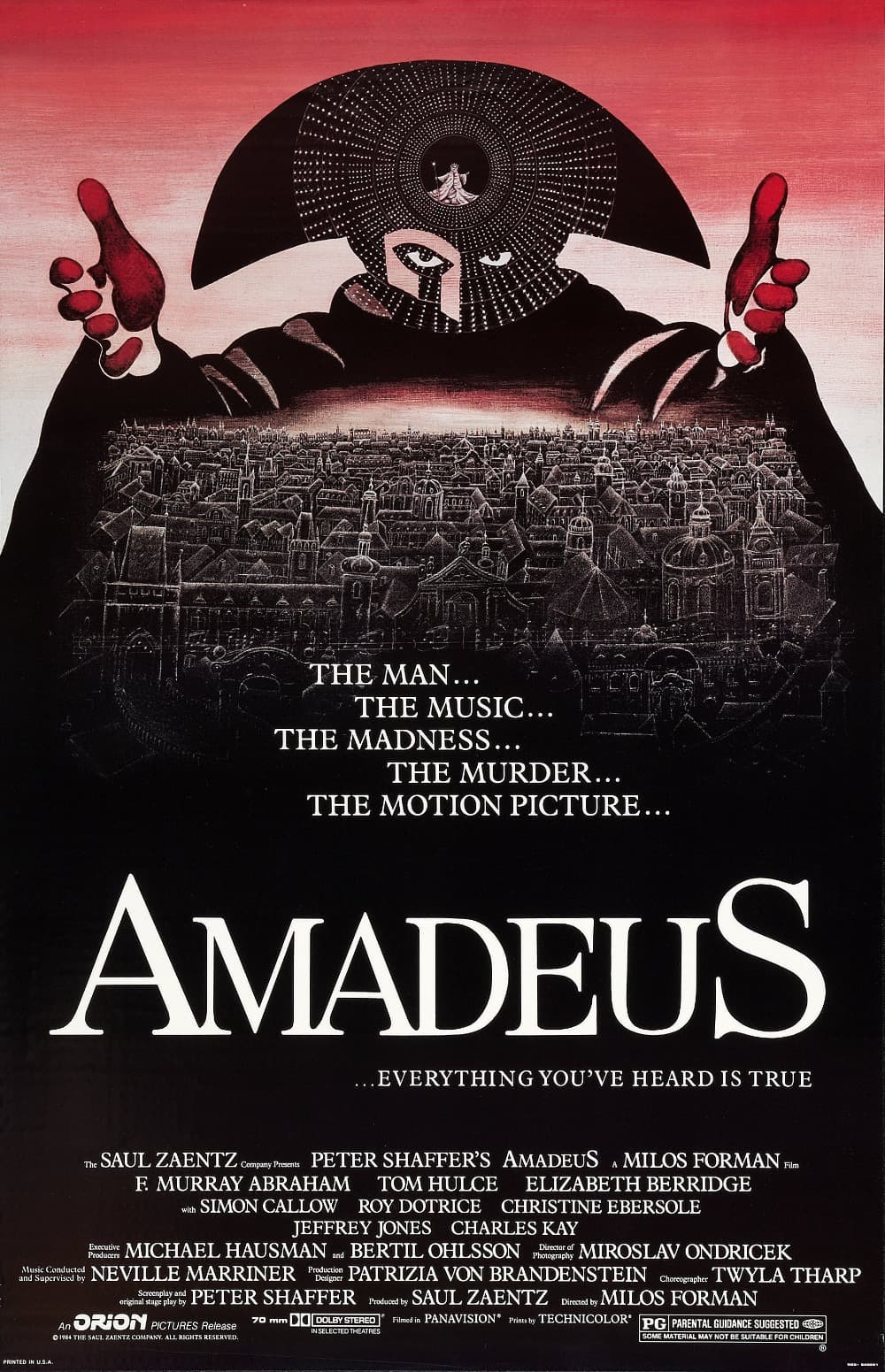
It sent a whole generation out to buy Mozart records: Salieri narrates his own jealousy from an asylum, and the music keeps making his case better than he can.

Kundera puts a Prague surgeon who cannot stop having affairs, the woman who loves him, and the Soviet tanks of 1968 together, then asks whether a life lived once can weigh anything.
A Steinberg and Kelly demo Rodgers disliked at first, six weeks at number one, and a seventeen-foot wedding cake.

Cliff Richard turned it down, Bucks Fizz shelved it, and Turner at forty-four took it to number one.
Written at seventeen on a bus, scrapped at Muscle Shoals, saved by Steve Gregory's saxophone in one breath.
Real musicians find it painful to watch because everything in it has happened to them: Reiner and his cast improvised almost the entire film from a bare outline.
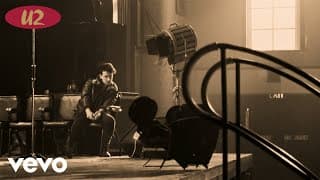
The Edge's chords came out of a soundcheck in Japan; Bono fixed the third verse's timeline on record only in 2023.
Campbell built the track on a LinnDrum, Petty passed, and Henley wrote middle age onto somebody else's demo.

Lauper lifted the title from a TV Guide film listing, and Rob Hyman's harmony makes the chorus ache.

Marr's melody came from a New York hotel room, the title from Sandie Shaw, and misery never sounded so cheerful.
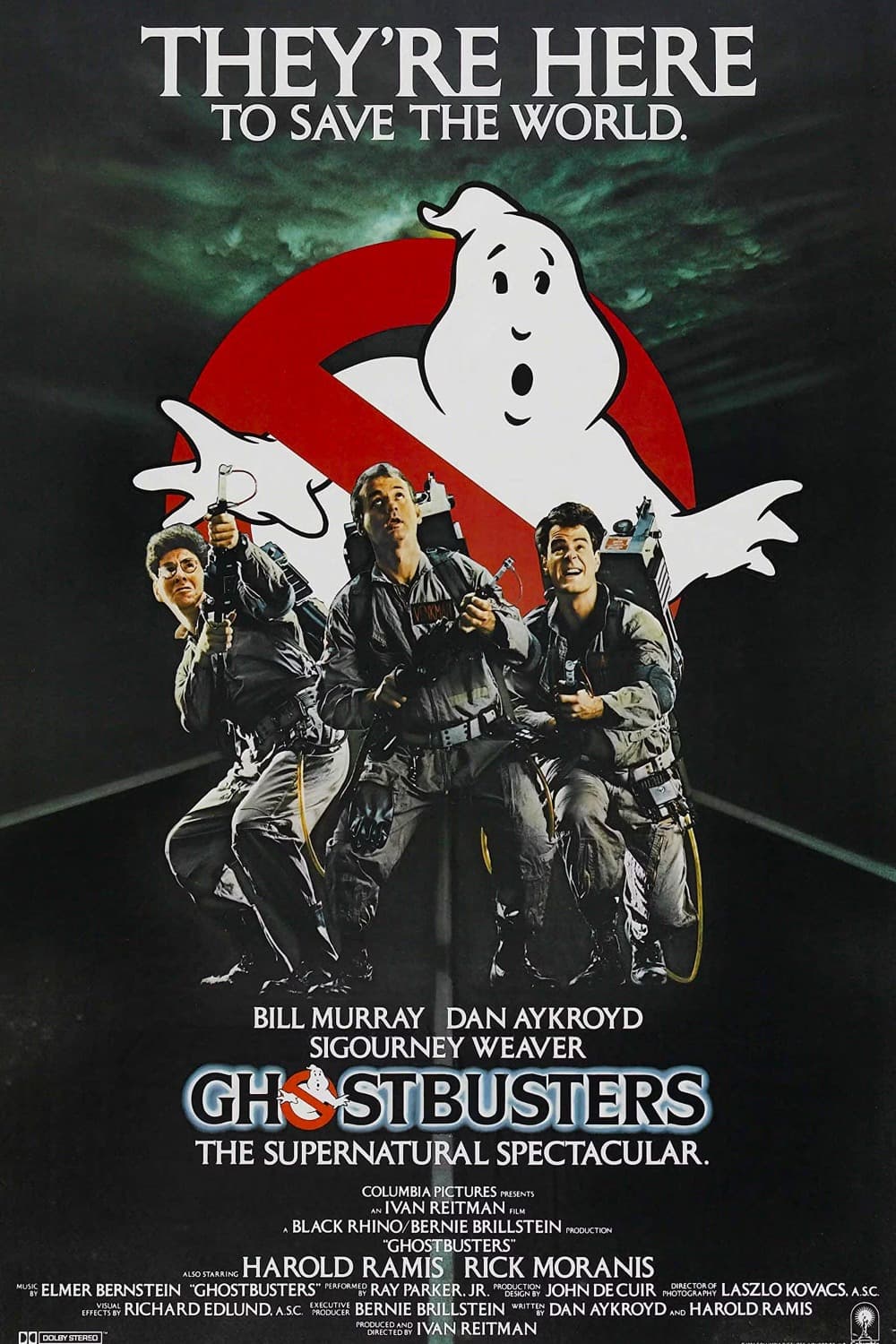
It should not work at all and it works completely: three academics start a small business catching ghosts in New York, and Murray ad-libs freely on top of the script.

Forty-five songs, most under two minutes, and the title is a joke about obeying the speed limit. D. Boon was dead within eighteen months.
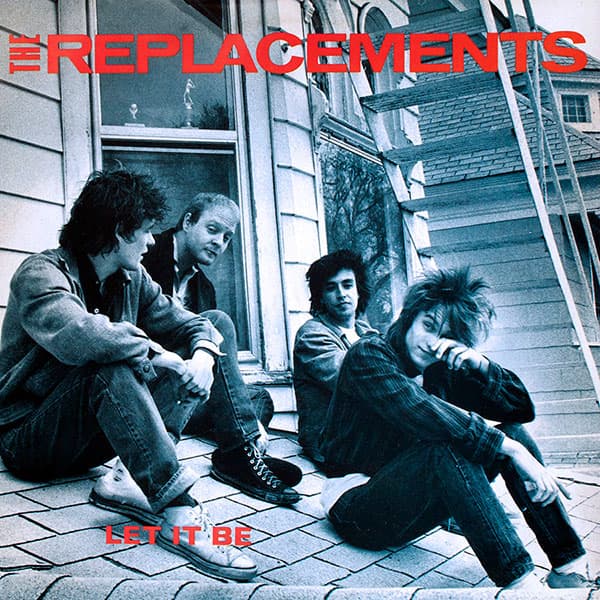
They called it Let It Be mostly to annoy people. The songs run from a joke about answering machines to Westerberg howling that he is unsatisfied.