Billie Jean
1982 · From Thriller
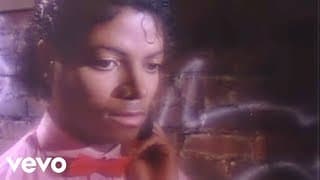
That bassline, mixed and remixed until it gleamed, and the four minutes that integrated MTV.
★ 9.8
 skopia
That bassline, mixed and remixed until it gleamed, and the four minutes that integrated MTV.
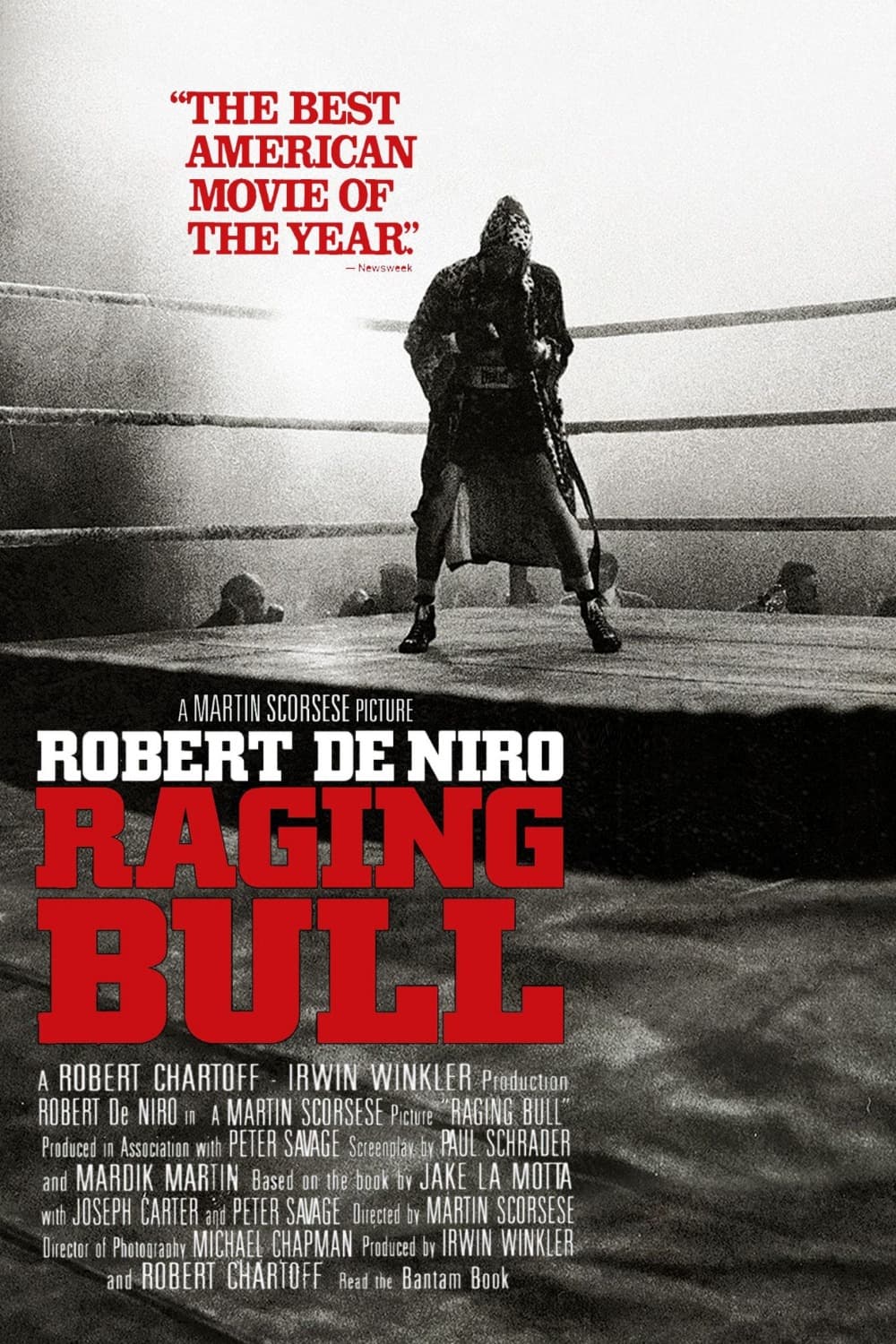
Scorsese shot boxing as penance rather than sport, and audiences come out feeling bruised: De Niro's jealousy destroys everyone near him, in the blackest black and white imaginable.
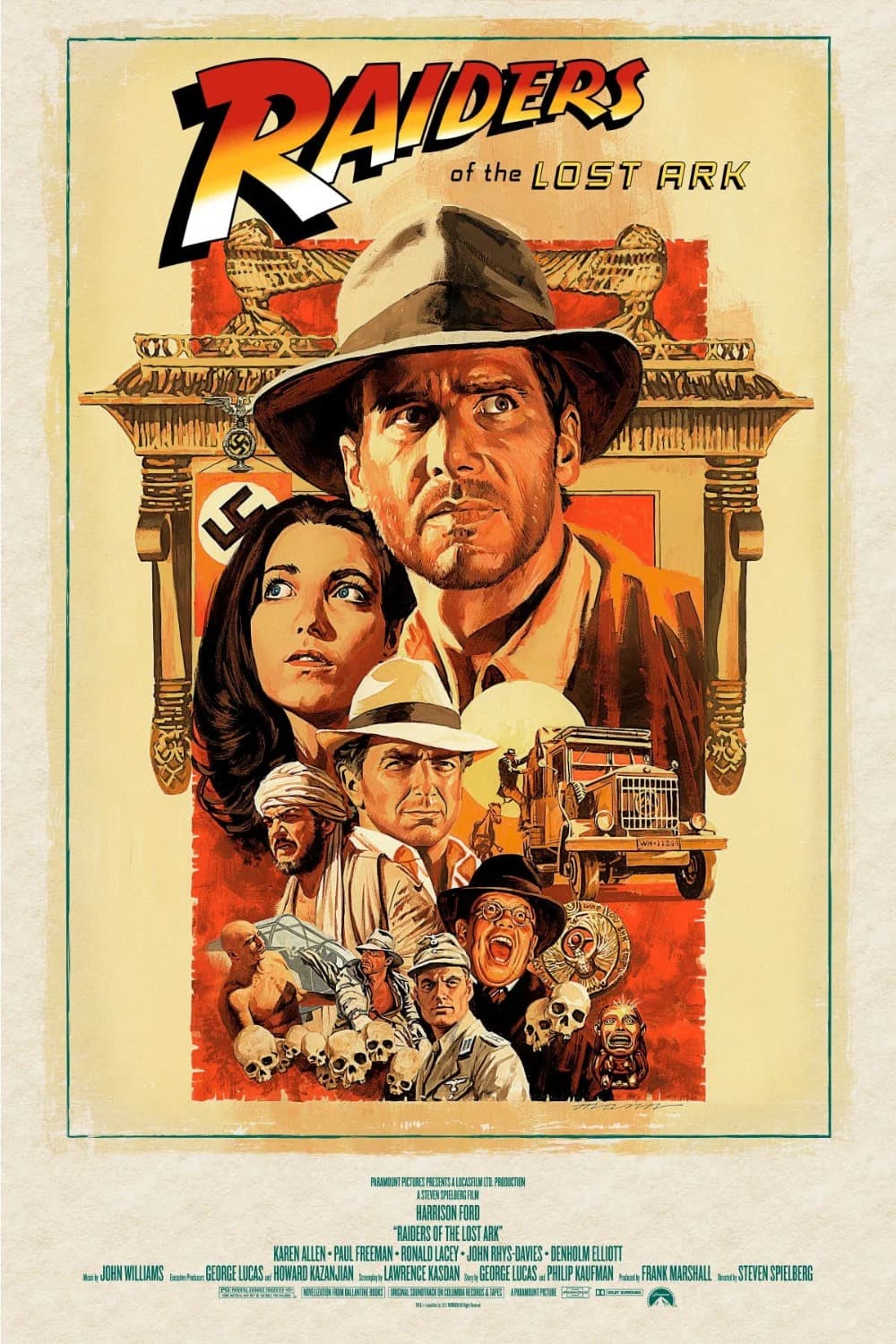
Every adventure film since is measured against it: Spielberg and Lucas built a machine of chases and near misses so efficient that forty years of imitation have not worn it out.
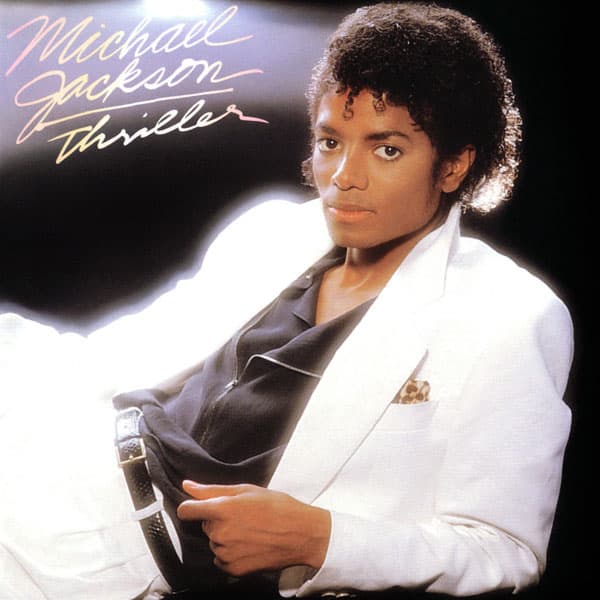
Quincy Jones and Jackson remixed the whole record because the first version sounded thin, and Eddie Van Halen played his solo for free.
The record that proved hip hop could report and not just party, and the edge everyone's been close to since.

Everyone learned how to make a sequel from this: the pressure builds for two hours, the tone stays darker than anyone expected, and one line near the close rearranged a generation's childhood.
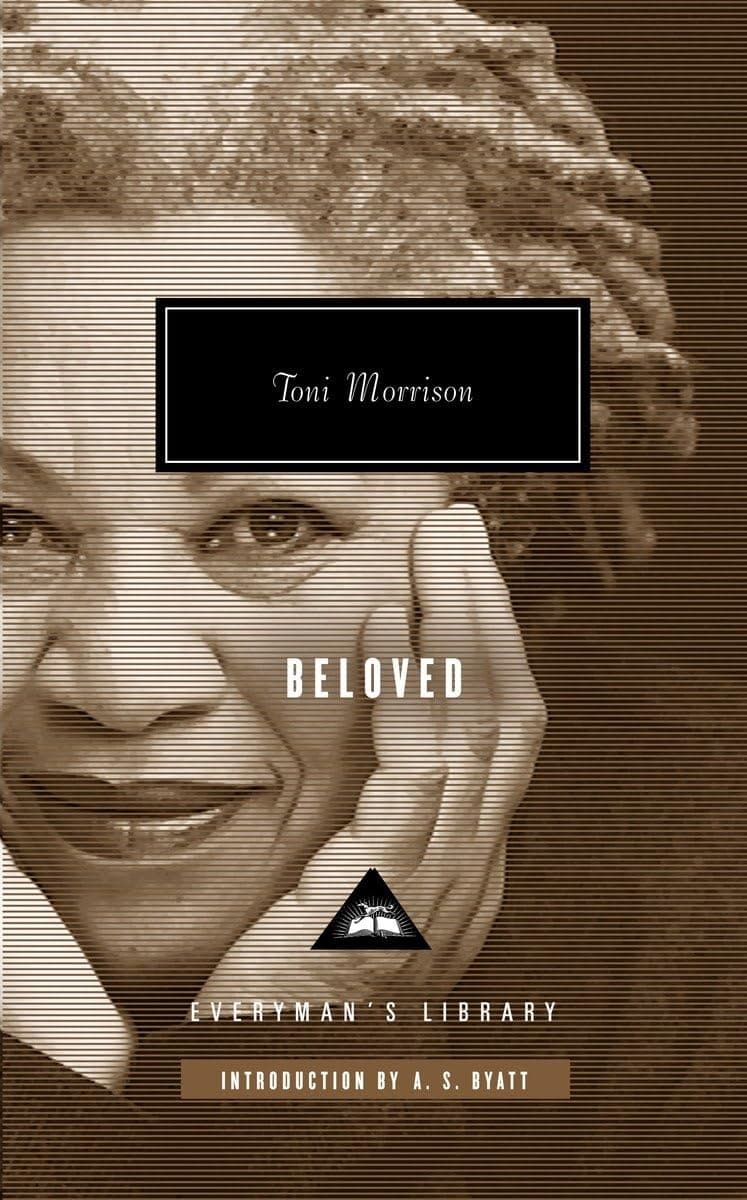
Sethe escaped slavery years ago and cannot escape the daughter she lost, who comes back to the house as a young woman. Morrison writes American history's worst chapter with unbearable tenderness.
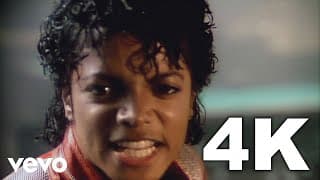
Van Halen dropped in, played the solo for free, and Jackson made rock and pop the same building.
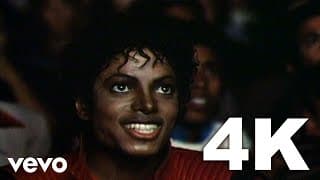
Vincent Price cackling over a disco-funk groove, and a fourteen-minute video that turned pop into event television.
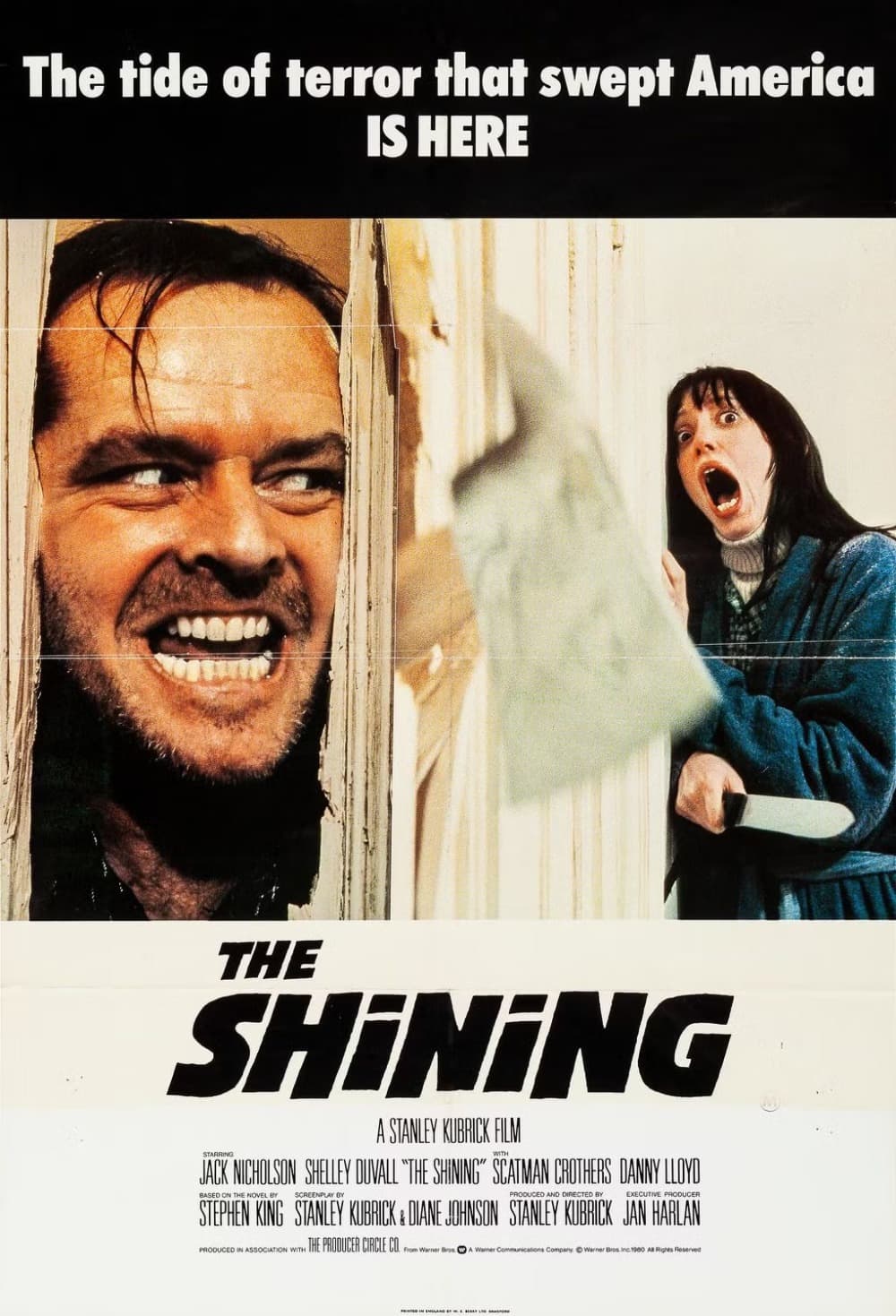
Whole documentaries exist about what this film means: Kubrick threw out most of King's novel, sent a Steadicam gliding down those corridors, and left a dread nobody can explain away.
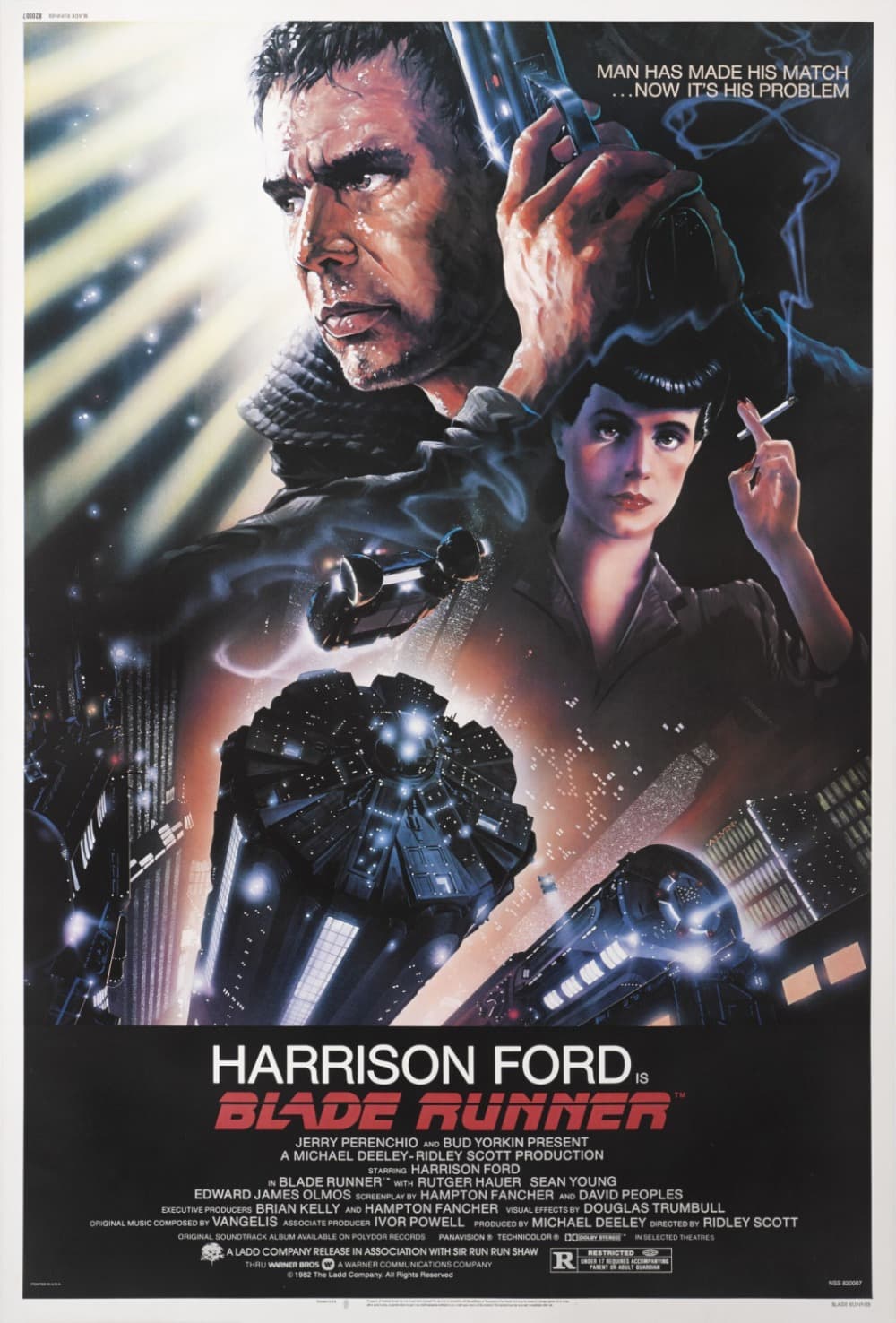
It flopped, then quietly redesigned the future: every rainy neon city of the last forty years is borrowing from Ridley Scott, and the mood still outlasts the plot.

Scalp hunters ride the Mexican border in 1849, among them a runaway Tennessee boy and the hairless giant Judge Holden. McCarthy writes the violence in Old Testament prose and never once looks away.
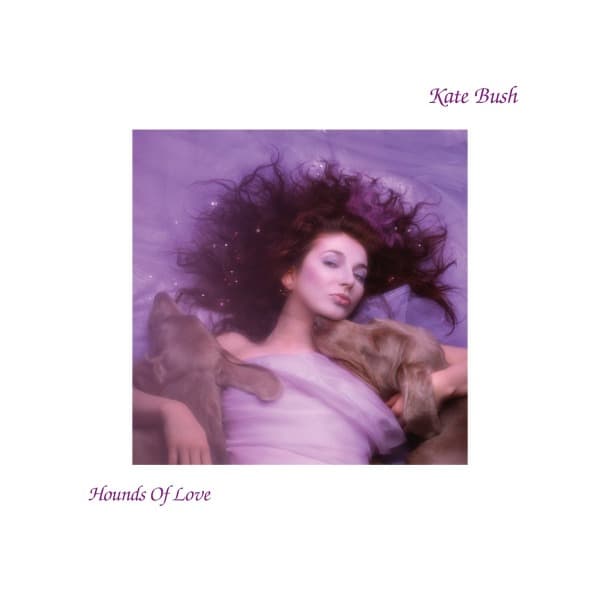
Bush built her own studio at home so nobody could interfere, then gave over an entire side to a woman drowning through one night.

The producers used sirens, squeals and feedback as rhythm instruments, which is why it sounds less like music than like an emergency.
Byrne borrowed a preacher's cadence, Eno hummed the chorus melody, and the band looped its own jams like samplers.
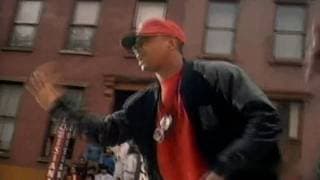
Spike Lee asked for a defiant anthem, and the Bomb Squad answered with layered samples and Branford Marsalis's saxophone.
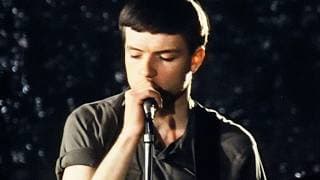
The title flips Captain and Tennille into its opposite, and the single arrived a month after Curtis's death.
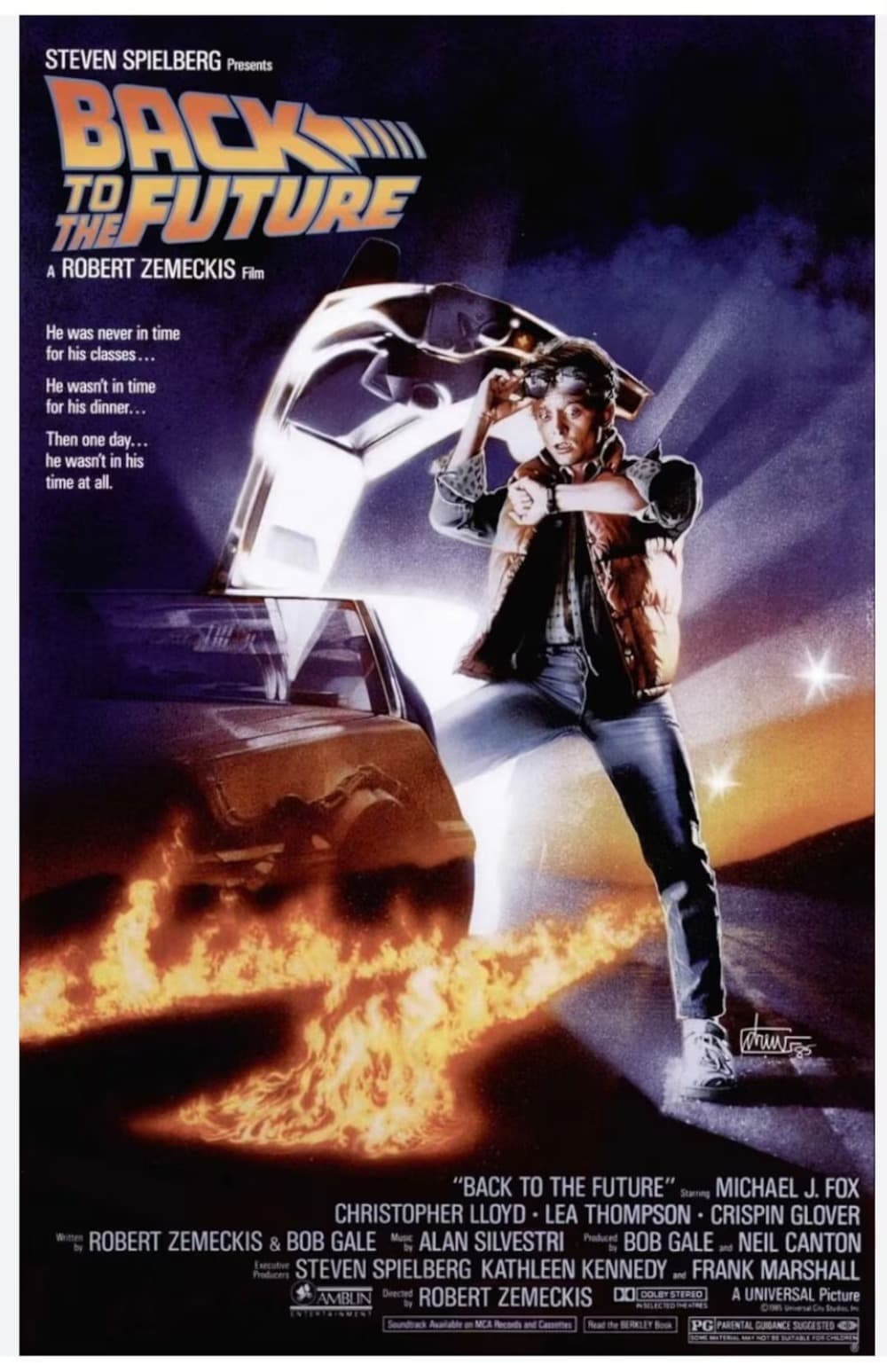
Screenwriting teachers use it as the worked example: every joke and every prop planted early comes back later, and the whole machine runs without a single wasted second.
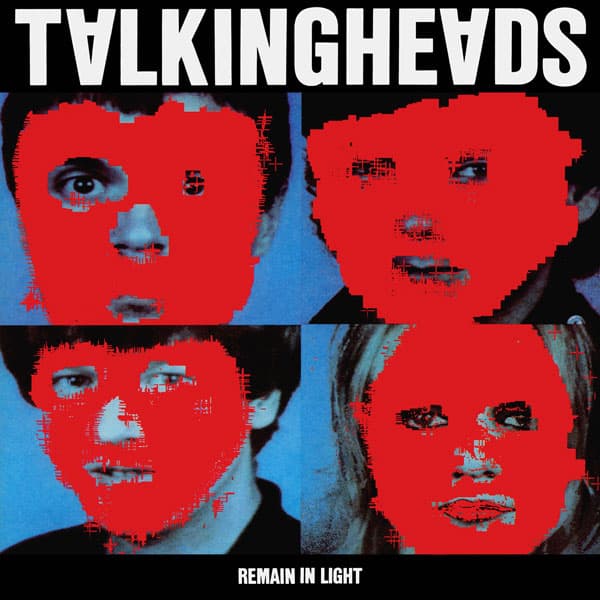
Most of it is built on a single chord that never changes, with the interest coming entirely from layers of interlocking rhythm.
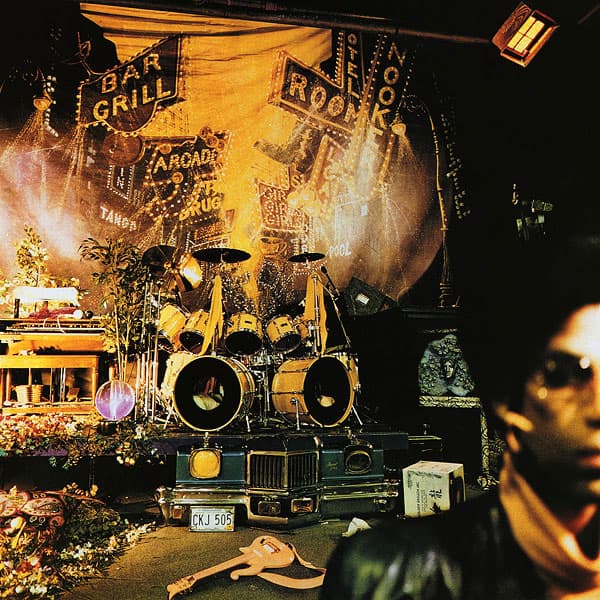
It was meant to be a triple album and the label refused. Some of it is sung by a sped-up alter ego called Camille.
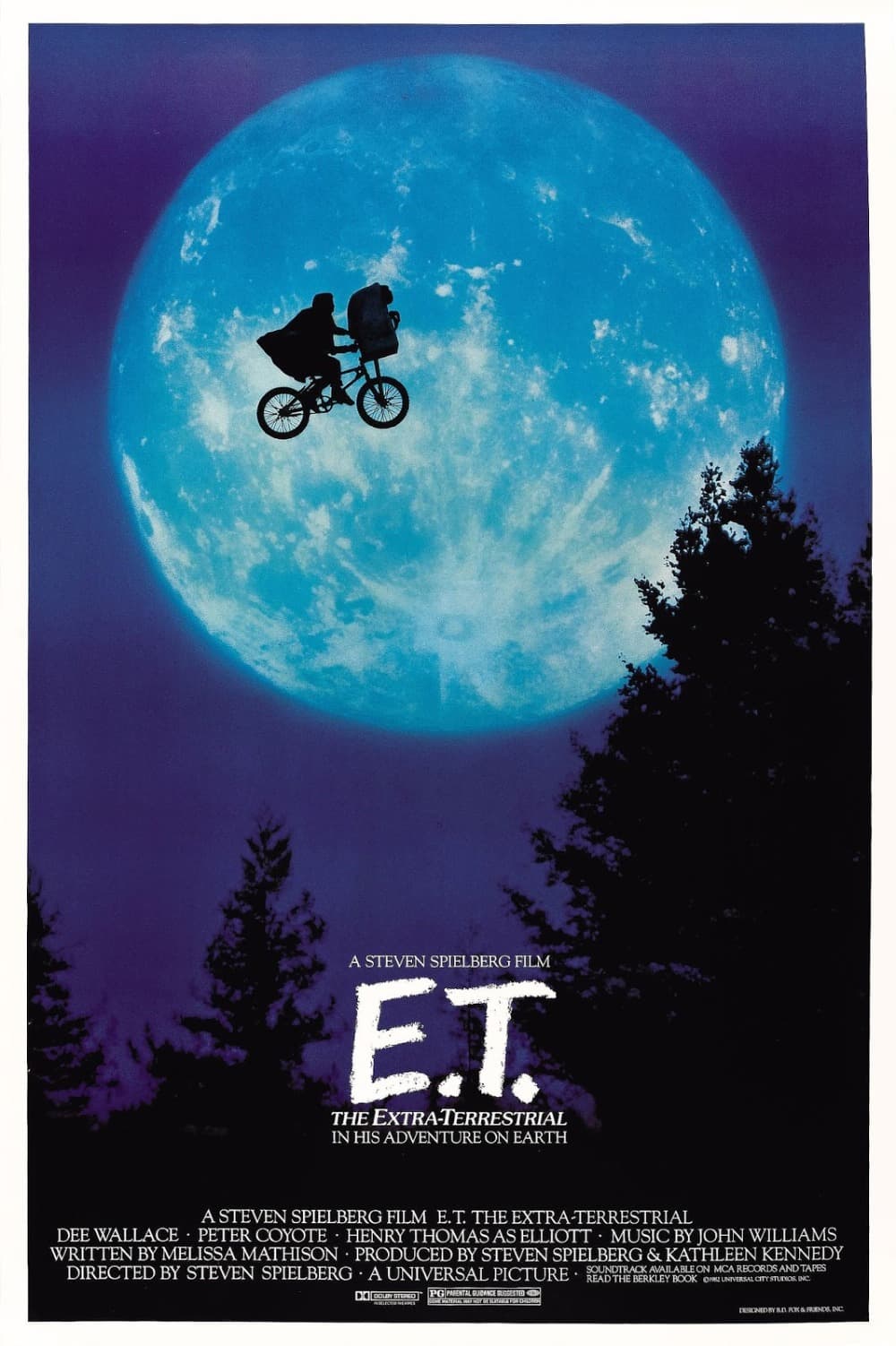
Highest grossing film in the world for a decade, and it earns every cent: Spielberg shot at child height so the adults are legs and voices, and wrecks entire cinemas.
Dre and Yella built it in a Torrance studio on almost no money, and Compton stopped being invisible.
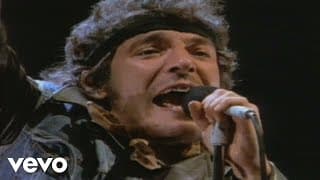
Take four, April 1982, a Yamaha synth from Roy Bittan, and the most misheard chorus in American rock.

It sold almost nothing for a year until MTV agreed to play Welcome to the Jungle once, at four in the morning. Then it never stopped.
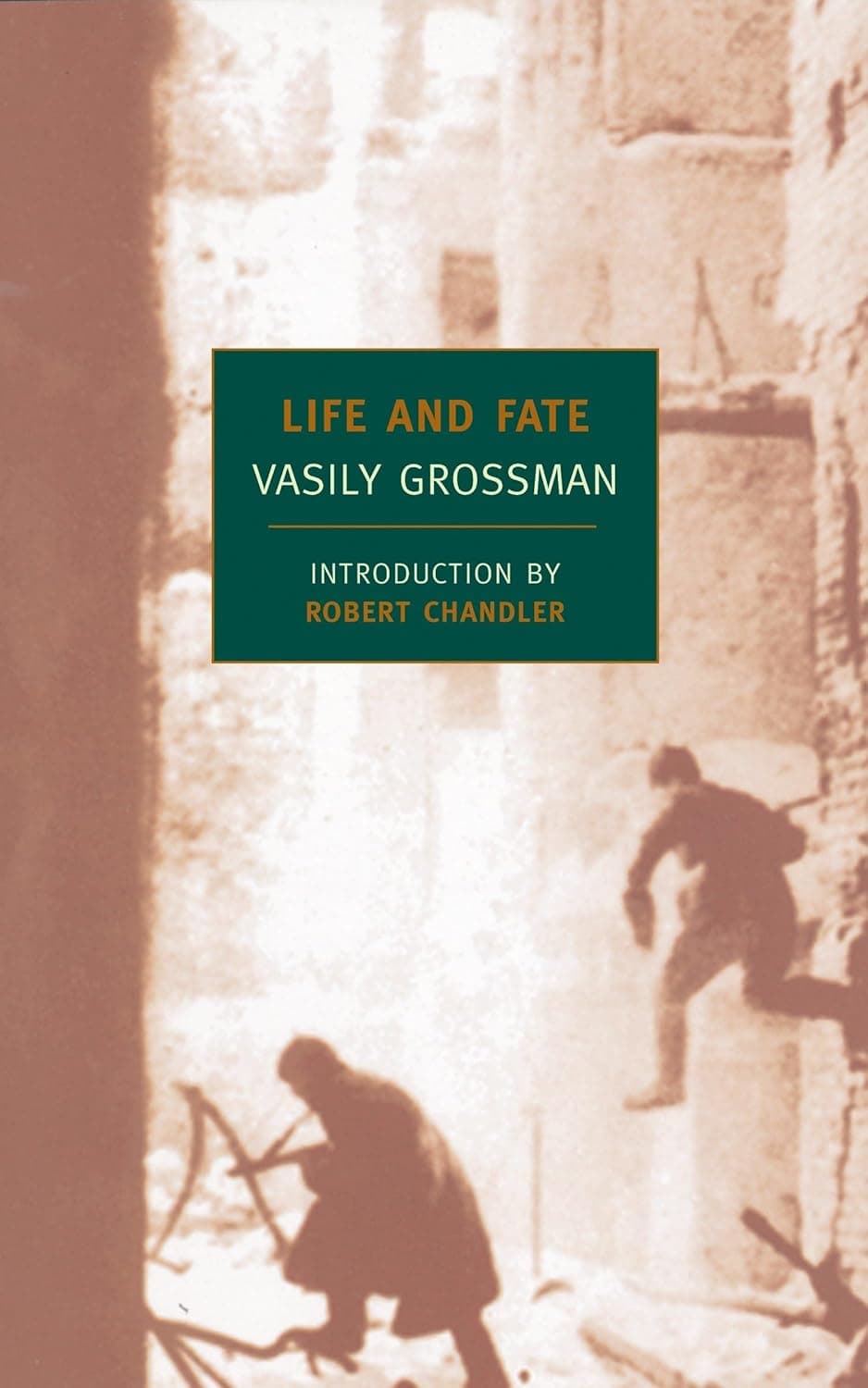
During the siege of Stalingrad, a Soviet physicist receives his mother's last letter from a Nazi ghetto. Grossman wrote the war at Tolstoy's scale and said plainly that both tyrannies were one thing.
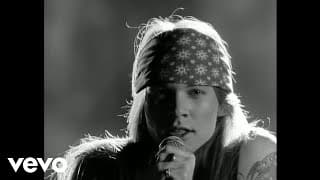
Slash was goofing through a warm-up he called a circus melody; an hour later the band had this.
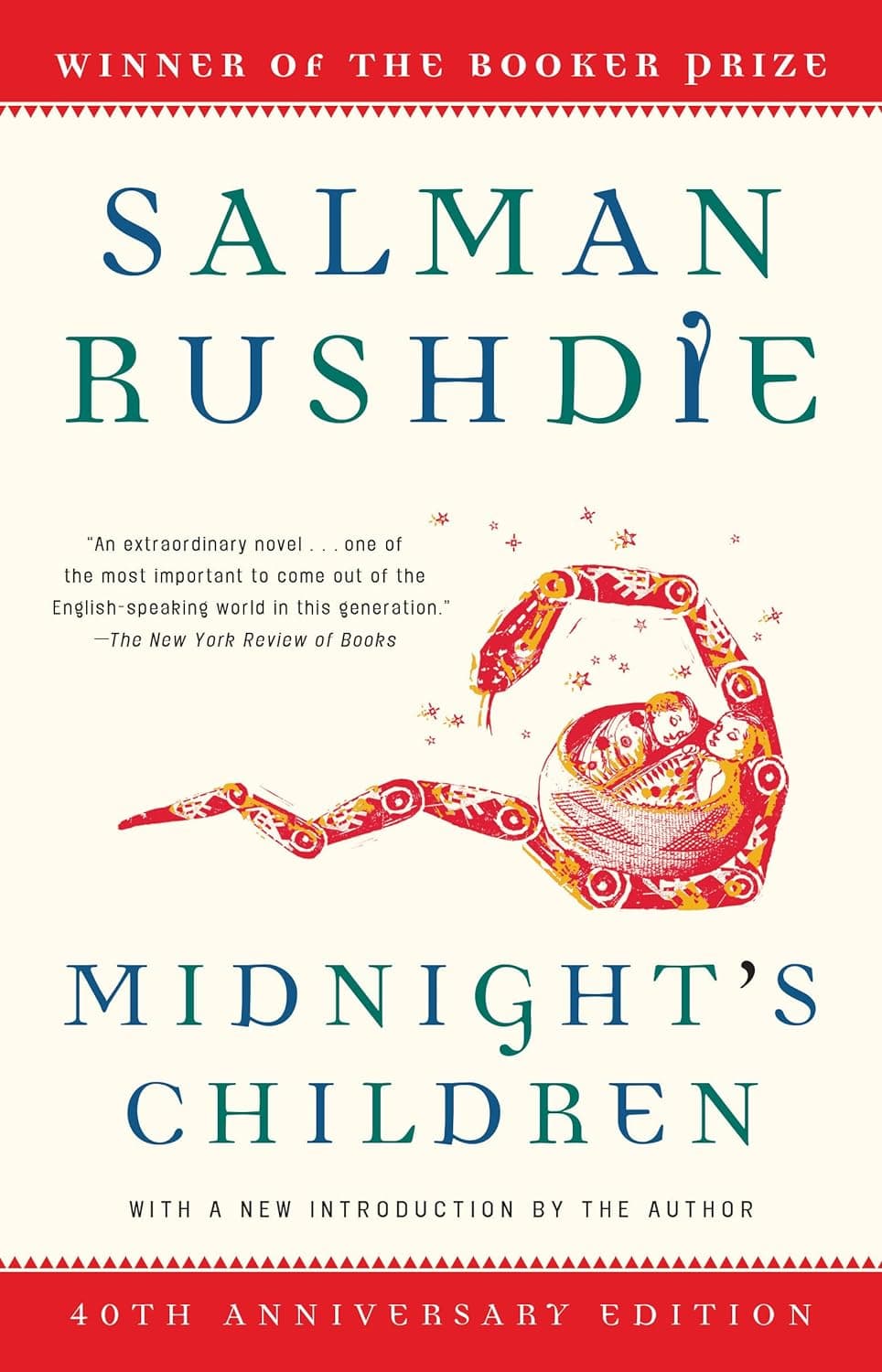
Saleem Sinai is born at the exact midnight India becomes independent, which gives him telepathy and welds his life to the country's. Sixty years of history arrive as one unreliable, delighted confession.
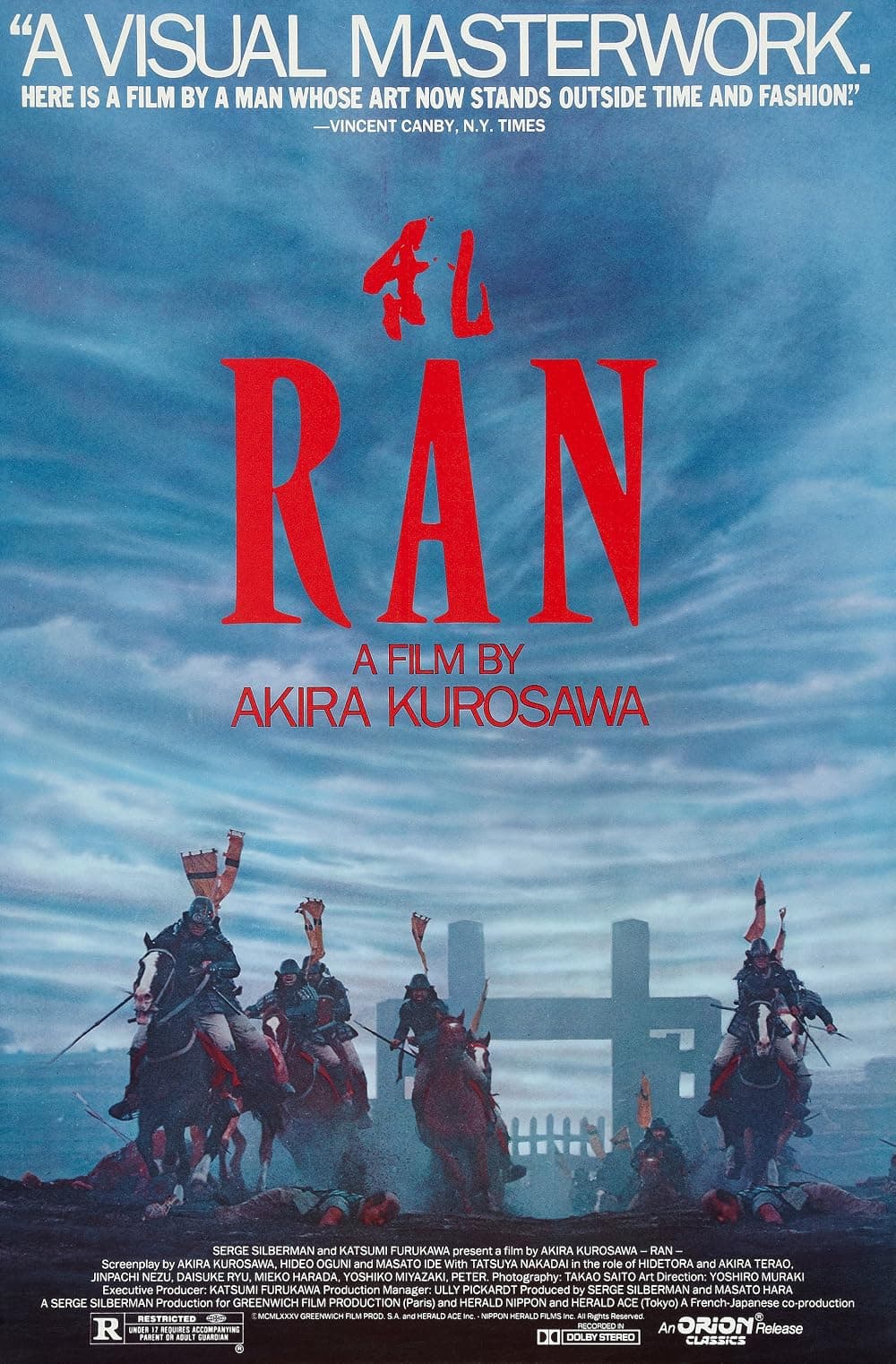
Kurosawa was seventy-five and his eyesight was failing when he made it: King Lear moved to feudal Japan, with a great battle that plays to music and nothing else.
Structured as a mock trial with Dre presiding, and it drew a warning letter from an FBI assistant director.
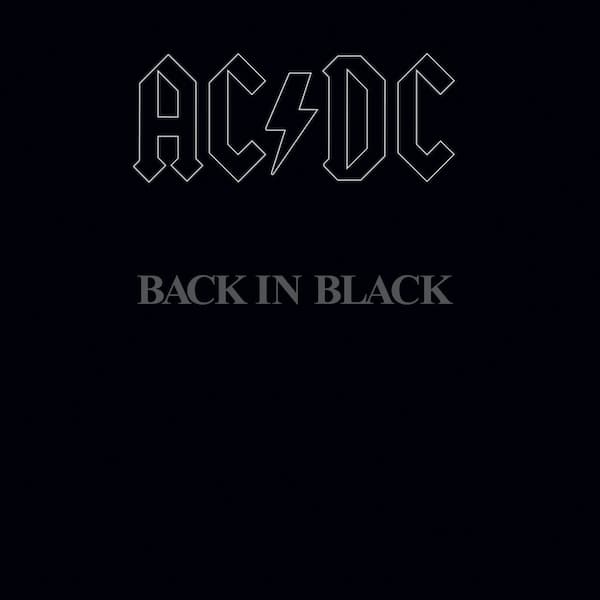
Their singer had died five months earlier. They hired Brian Johnson, put out a record in an all-black sleeve, and sold fifty million.

Reagan's campaign tried to borrow the title song, which is sung by a veteran who cannot get a job. Seven singles went top ten.
Johnson was told the Bon Scott tribute could not be morbid, so he wrote a celebration over Angus Young's riff.
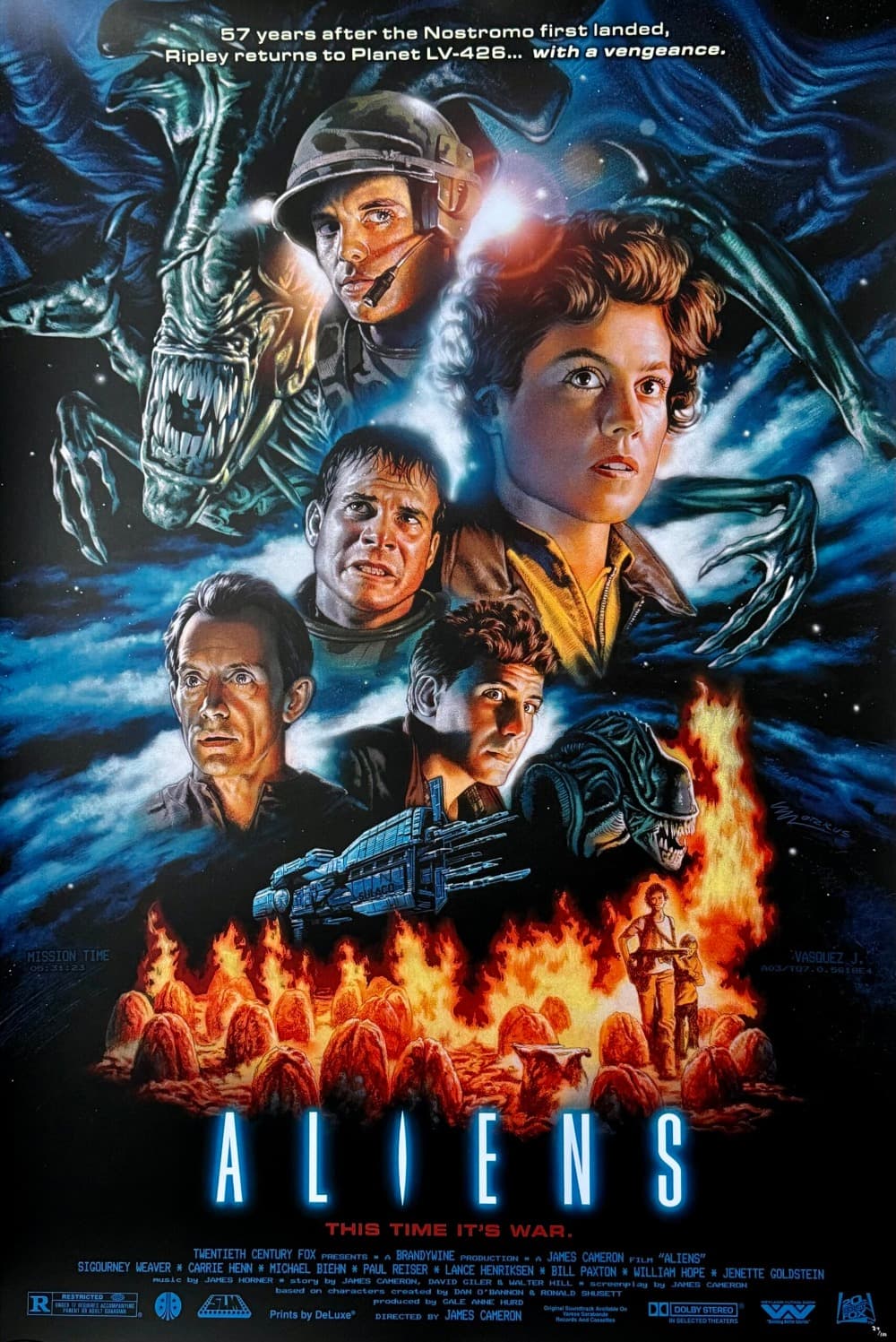
Almost no sequel changes genre and survives it: Cameron turned Scott's haunted house into a war picture, and an action performance drew a rare Academy Award nomination.
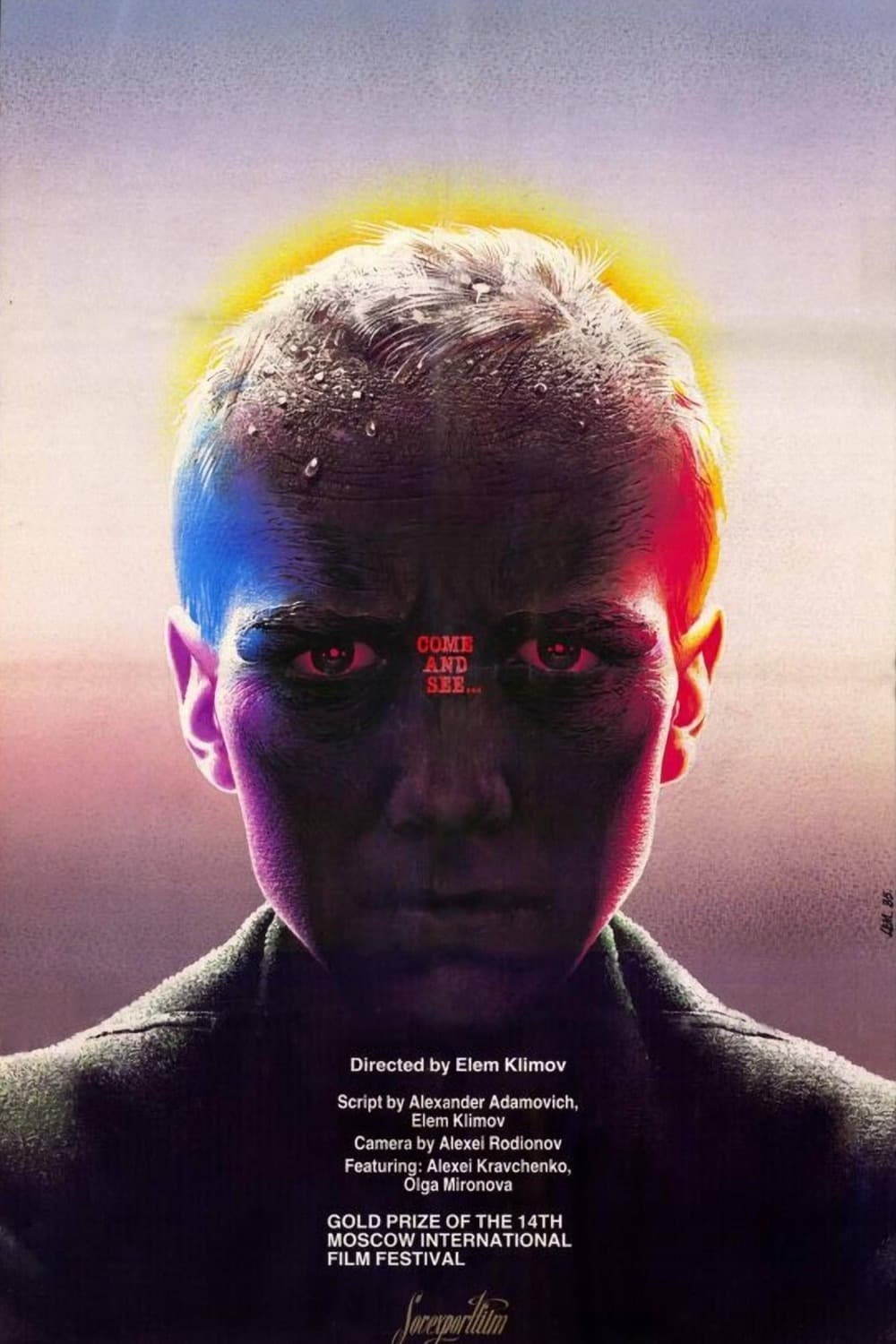
No other war film can follow it: Klimov put a boy's face through the destruction of Belarus and let it age visibly, and nobody watches it twice lightly.
A single voice and acoustic guitar close Uprising, with a line lifted from Marcus Garvey and Marley already ill.

It uses well over a hundred samples, which would be unaffordable to clear today, and it sold so badly the label gave up on them.
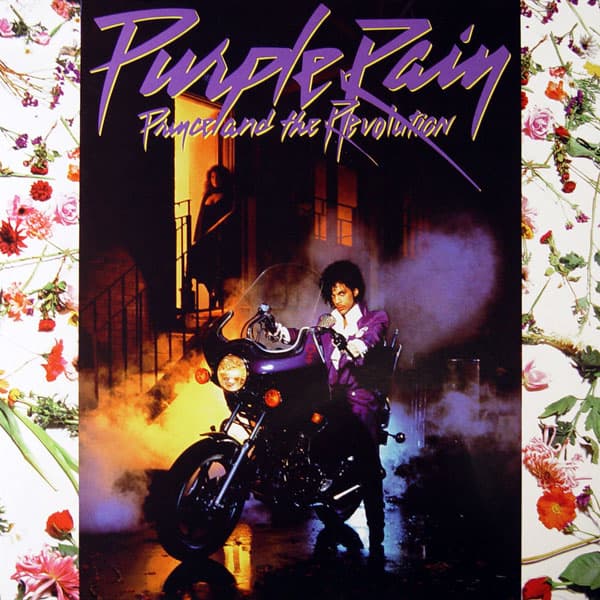
When Doves Cry has no bass on it at all, which Prince did deliberately. Several tracks were taped live at a Minneapolis club.
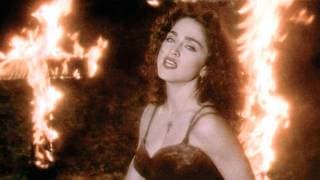
Patrick Leonard co-wrote it, Prince played the intro guitar, and Pepsi pulled its five million dollar ad but paid anyway.
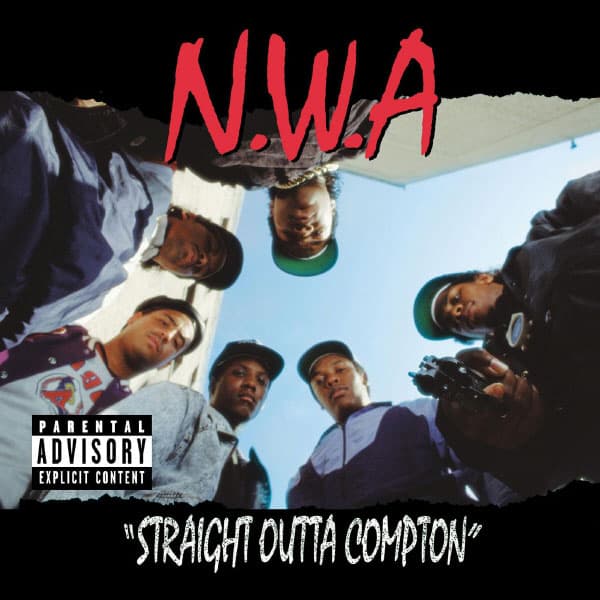
The FBI wrote to their record label objecting to one of the songs, which did more for sales than any advertising could.
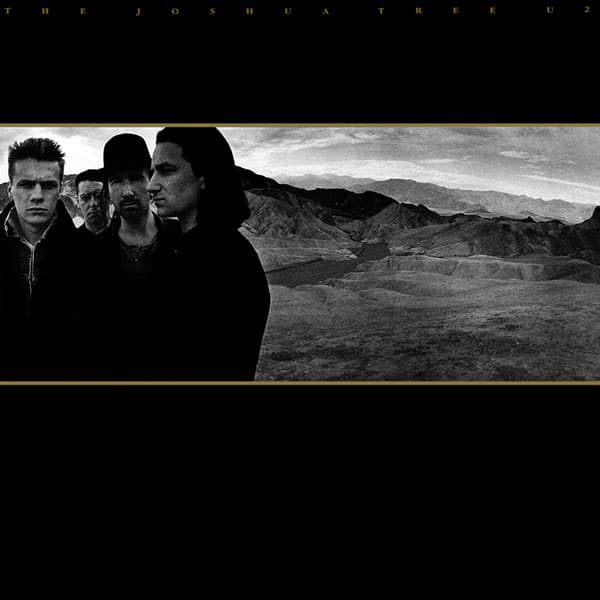
Where the Streets Have No Name took so long to record that Brian Eno considered wiping the tape to force them to start again.

Slash's riff, McKagan's breakdown recycled from his old punk band, and roughly three hours from nothing to finished song.

The band were in a legal fight with their label while making it, and the title track opens with a clip from a 1962 British film.
Eno reckoned half the album's sessions went into it and nearly wiped the tape; the Edge's delay does the rest.
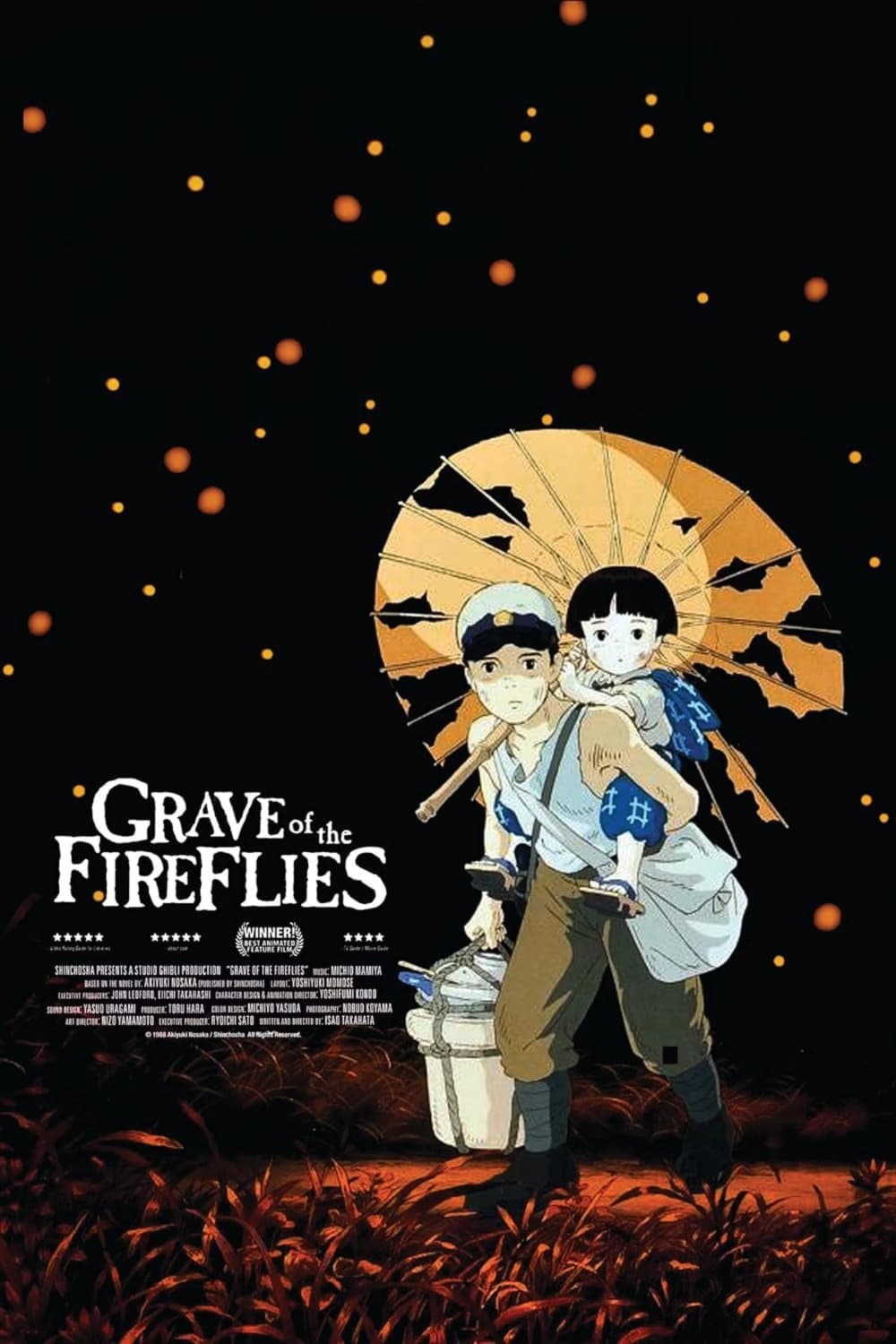
Nobody recommends this one lightly: Takahata put two children through the last months of the war in Japan, and being animated makes it harder to bear, not easier.
A die-cut sleeve modelled on a floppy disk, an Oberheim drum machine, and the best-selling twelve-inch single ever pressed.
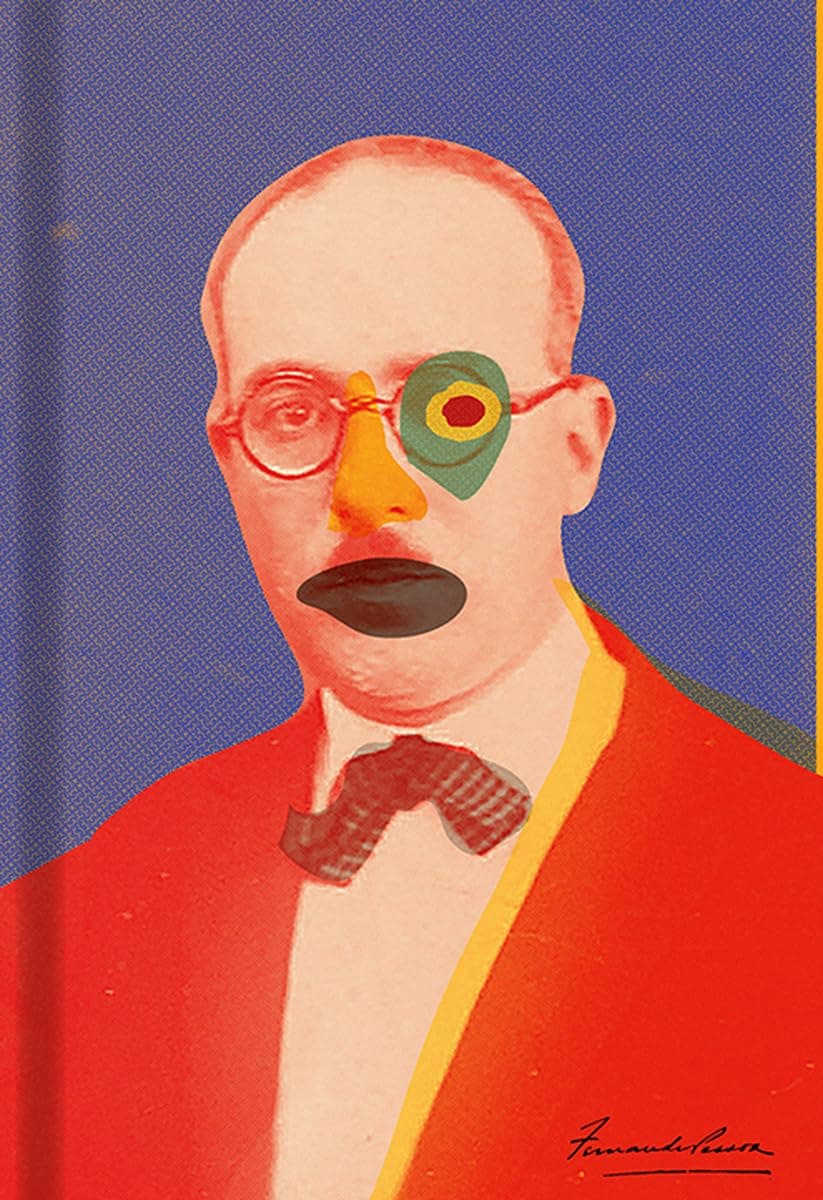
Pessoa invented an assistant bookkeeper in Lisbon and gave him hundreds of fragments on being alive in a rented room. Open the book anywhere and someone is already thinking your thoughts.

Turned down as a young man, Florentino Ariza waits fifty-one years for the woman he loves to be widowed. García Márquez makes old age more erotic than youth.
Bowie lived near Mountain Studios, dropped in, and one evening's jam became a UK number one with a disputed bassline.
Jones thought nobody would play something so morbid; Sherrill spent eighteen months coaxing the vocal onto tape.
Marr faked the strings on an Emulator, credited them to the Hated Salford Ensemble, and Britain waited six years.
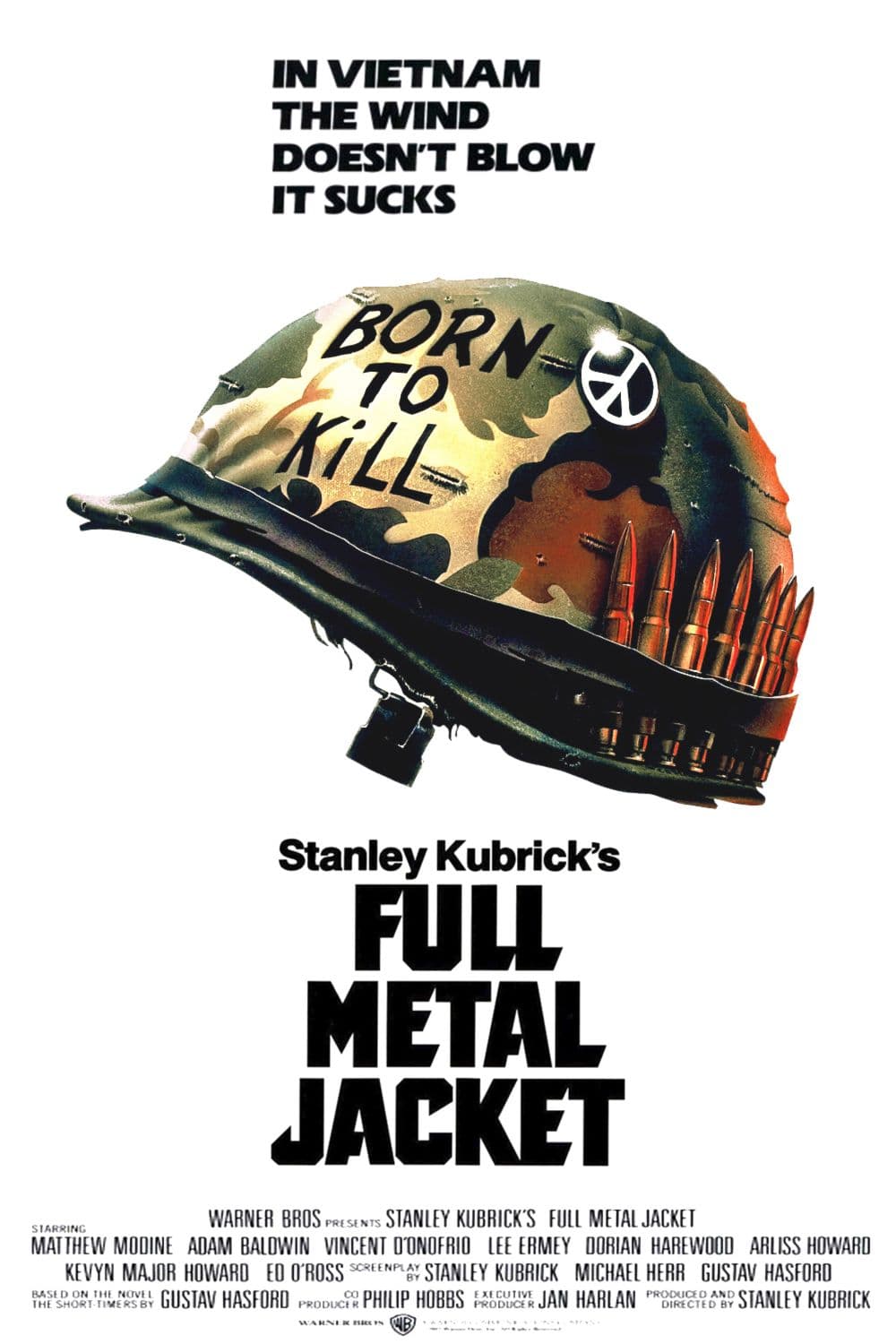
The first half is the most quoted boot camp ever filmed: Kubrick found a real Marine drill instructor, let him write half his own material, and made basic training terrifying.

They sampled so freely that the Turtles sued them, and the case helped make sample clearance the expensive business it has been ever since.
Bambaataa welded Kraftwerk's Trans-Europe Express to a Roland 808, and Tommy Boy paid Kraftwerk a dollar per record.
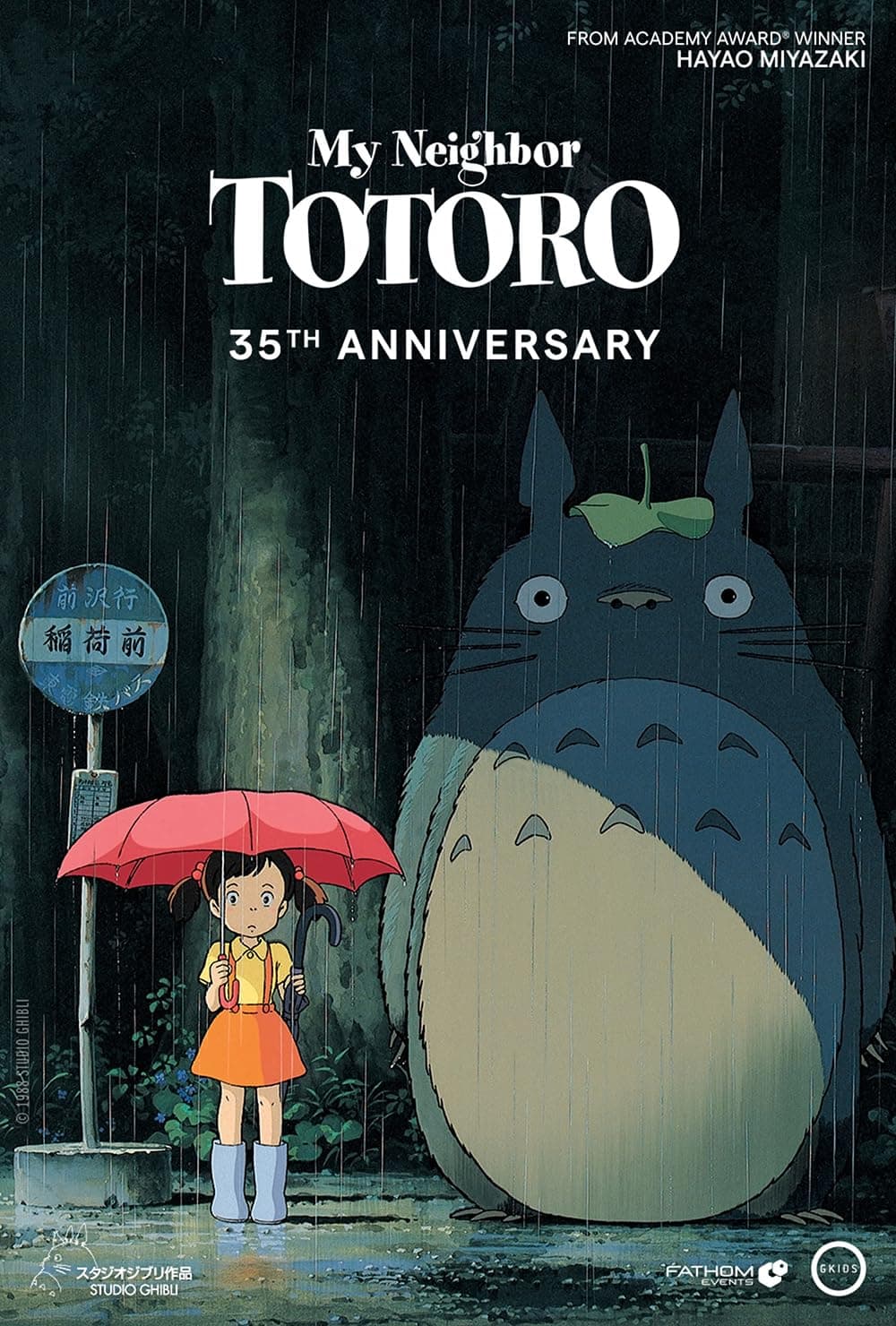
Children's films almost never dare to have no villain: Miyazaki made eighty minutes of pure safety out of two sisters and a forest spirit, and it became Ghibli's emblem.
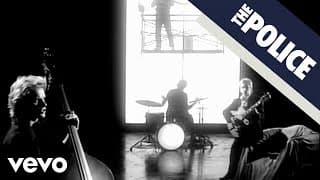
Sting woke at Fleming's Goldeneye with the melody; Summers cut that arpeggio in one take and made surveillance sound tender.
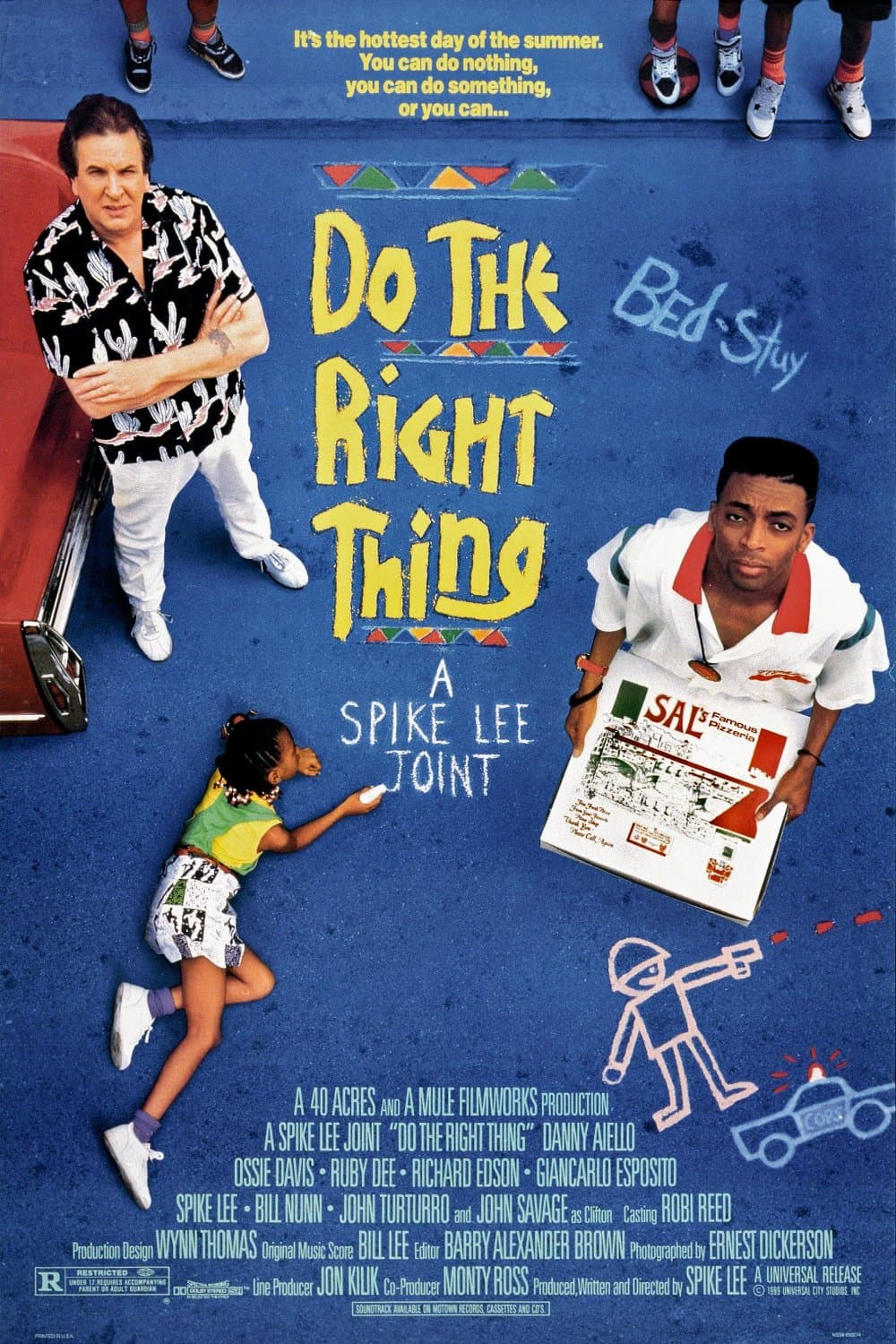
No American film has been braver about refusing to resolve: one Brooklyn block on the hottest day of the year, and Lee will not tell you who was right.
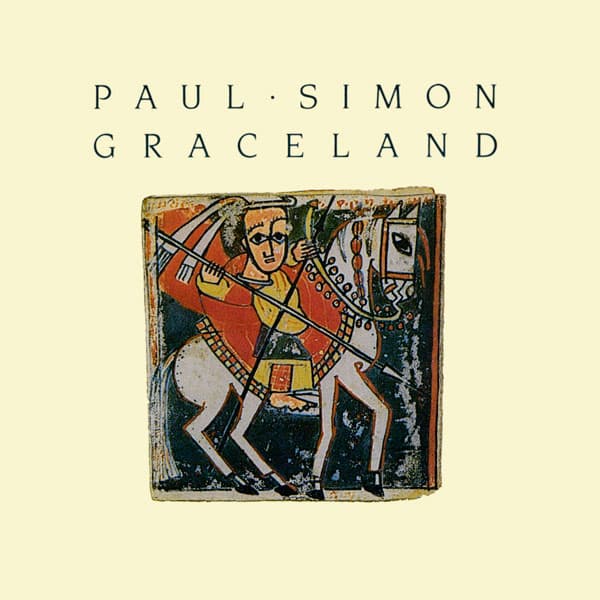
Simon recorded with South African musicians in defiance of the cultural boycott and was condemned for it. Bakithi Kumalo's fretless bass runs through everything.
Marr's shudder came from four Fender Twins with their tremolos fighting, and Morrissey put a lonely man in a nightclub.
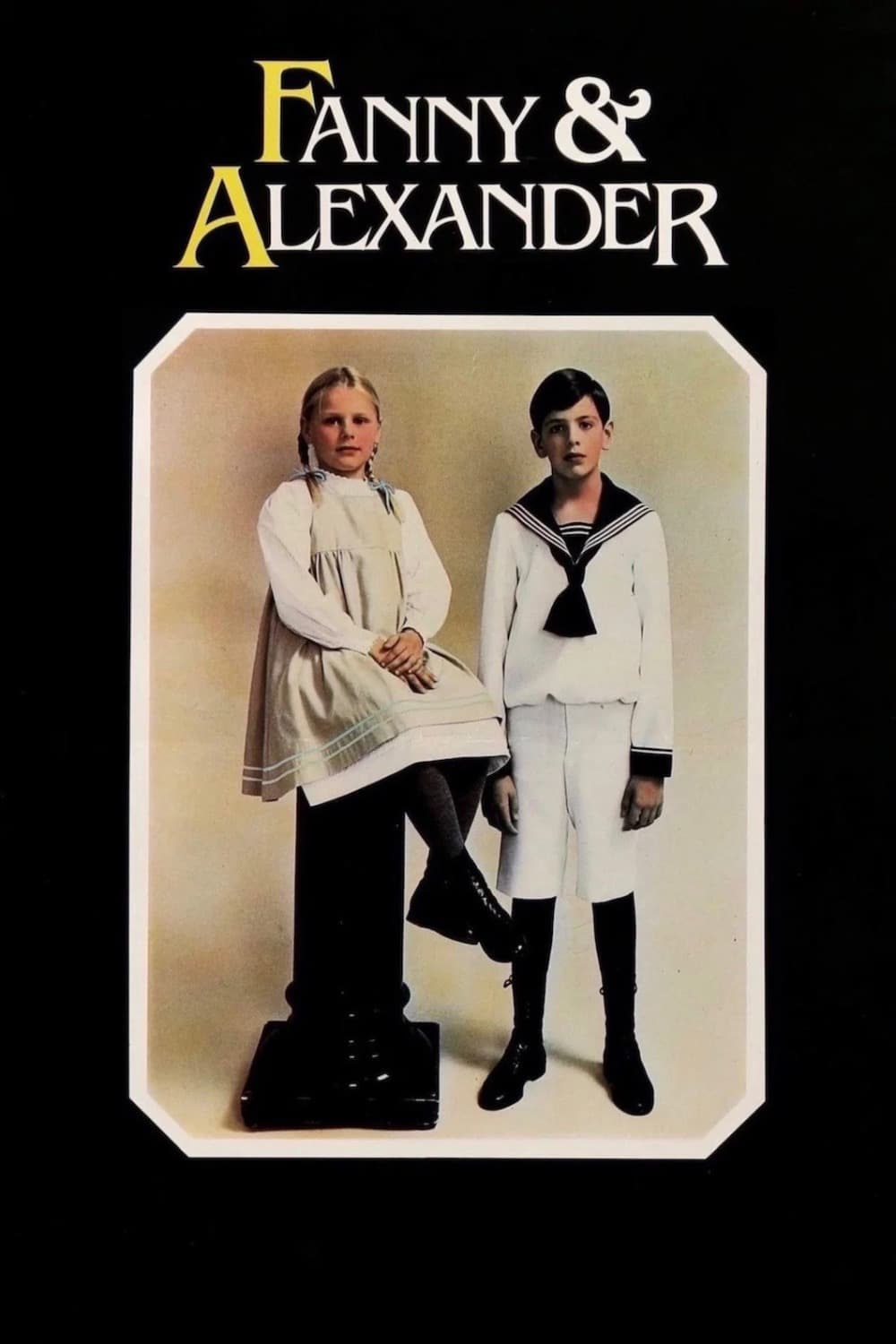
Bergman meant it as his farewell to cinema and made it the warmest thing he ever did: five hours in its full version, of Christmas light, ghosts, cruelty and childhood.
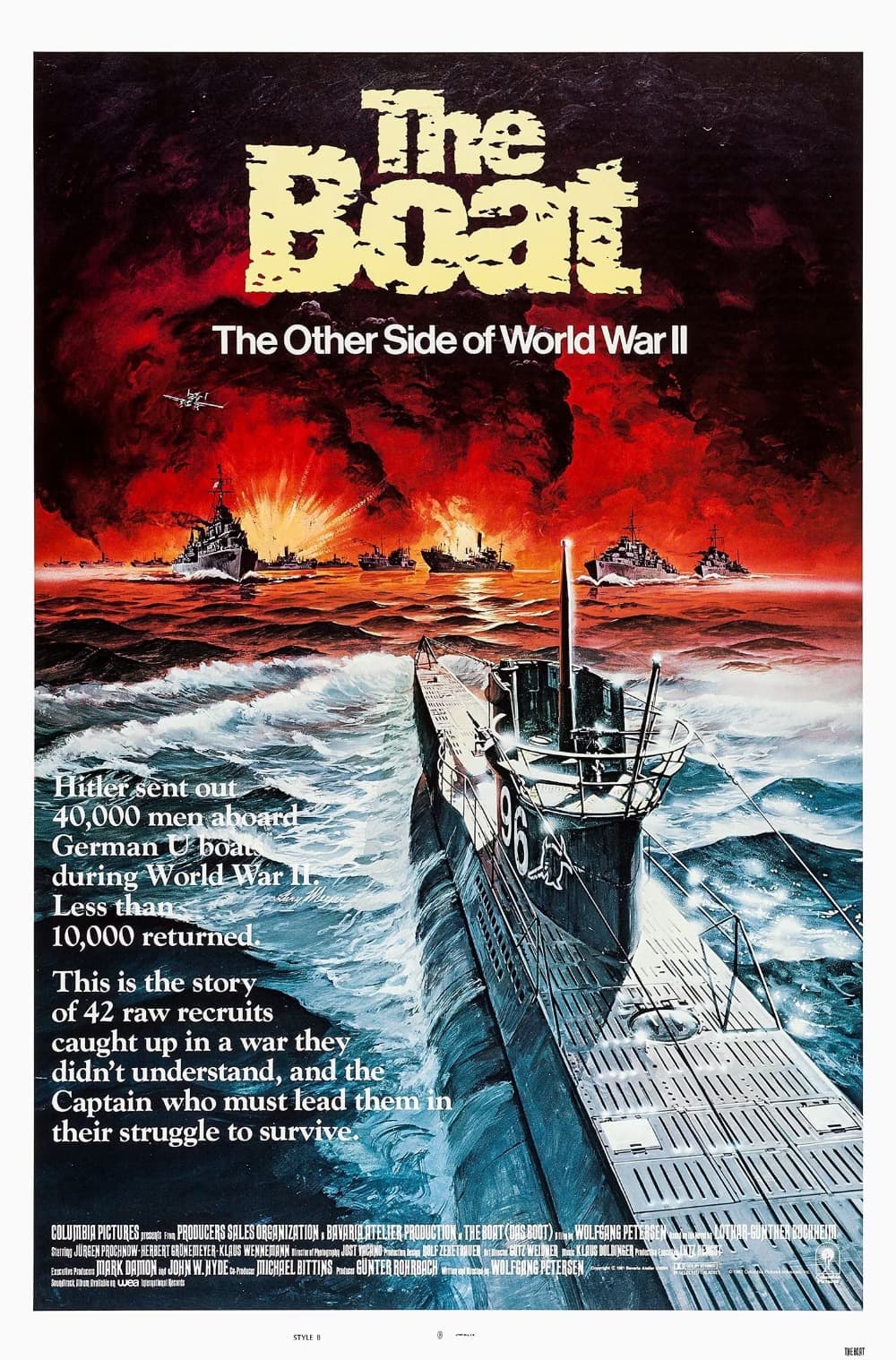
No war film has ever been this claustrophobic: Petersen ran a camera the length of a U-boat again and again until the steel walls start pressing in on you.
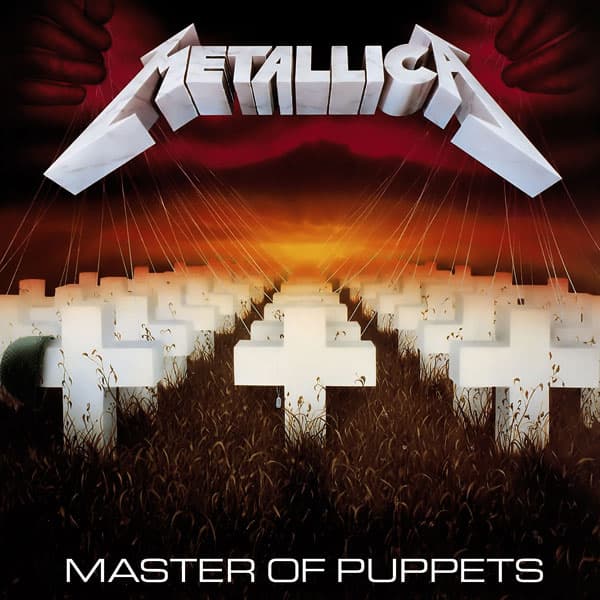
No singles and no videos, and it sold millions anyway. Bassist Cliff Burton was killed when the tour bus crashed in Sweden months later.
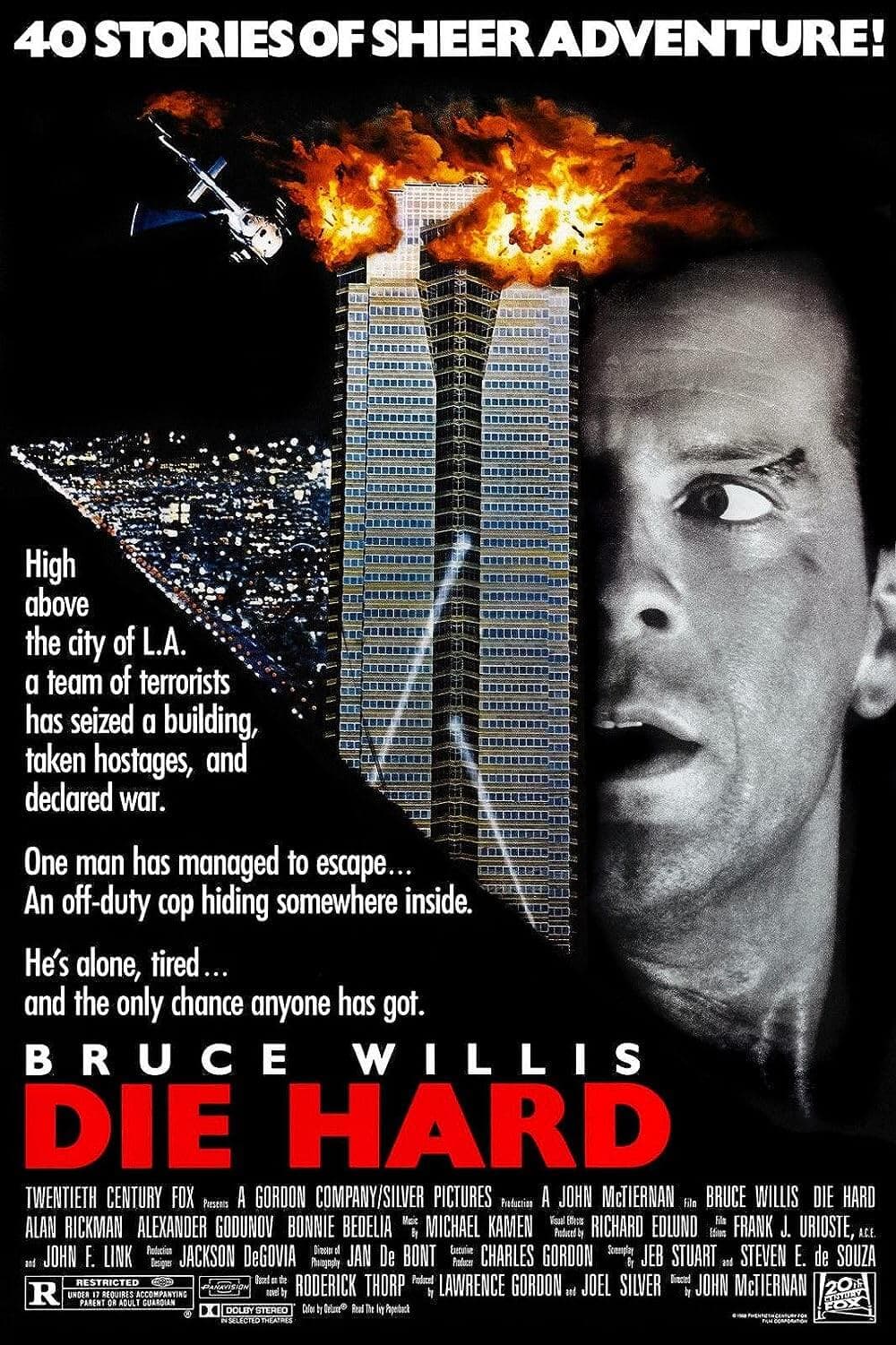
Hollywood spent the next decade pitching films as Die Hard on a boat, a bus, a plane: McTiernan built the action machine everyone has been copying since 1988.
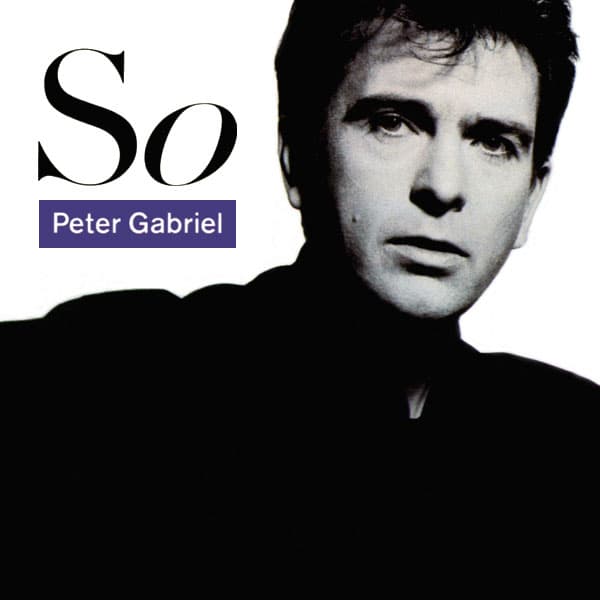
The Sledgehammer video was shot frame by frame with Gabriel lying under glass for sixteen hours. Youssou N'Dour sings the end of In Your Eyes.
The Edge was sent a prototype Infinite Guitar by Michael Brook, and U2 had their first American number one.
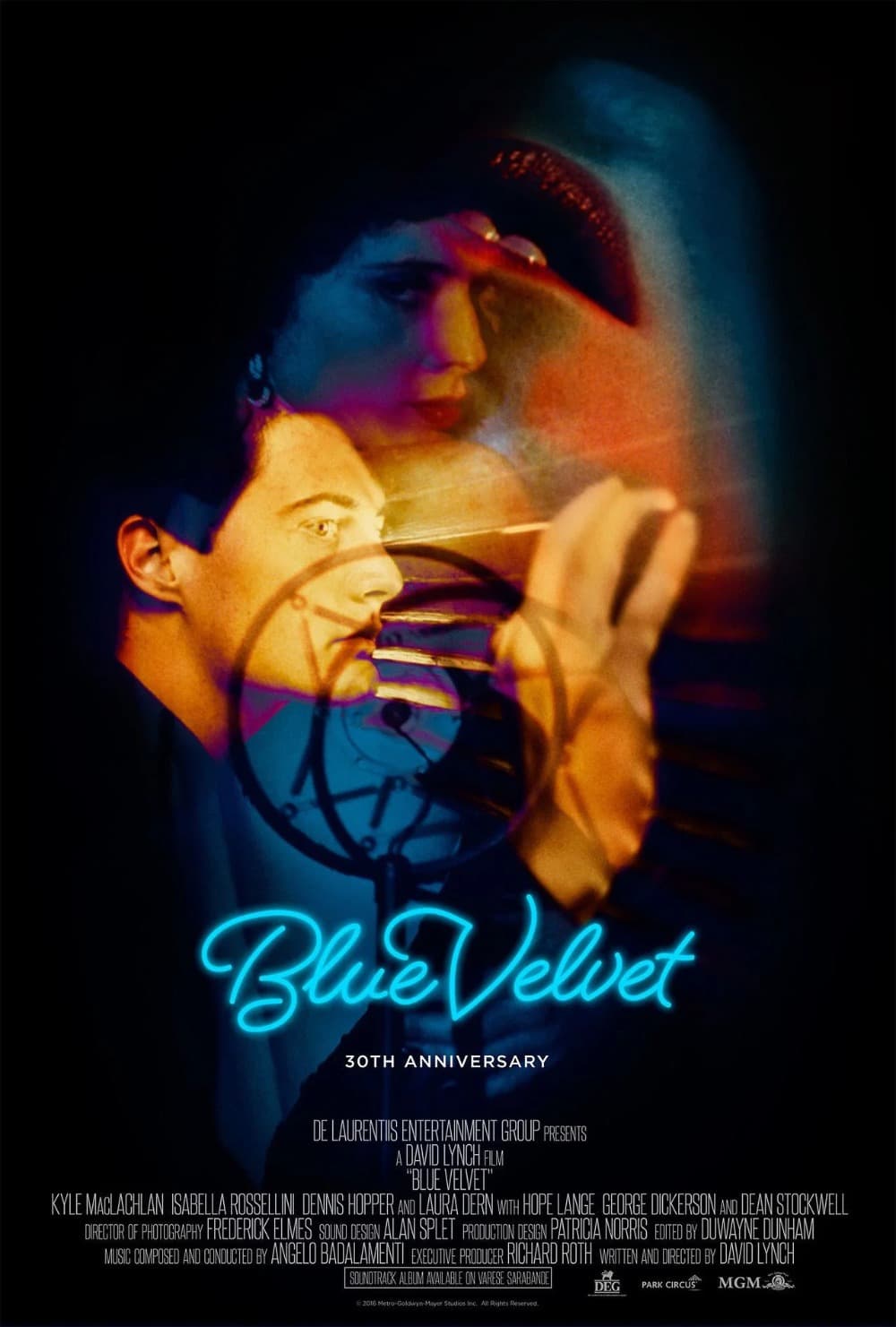
Lynch invented his own genre here and the word Lynchian dates from it: a severed ear in a field leads into the underside of an ordinary American town.
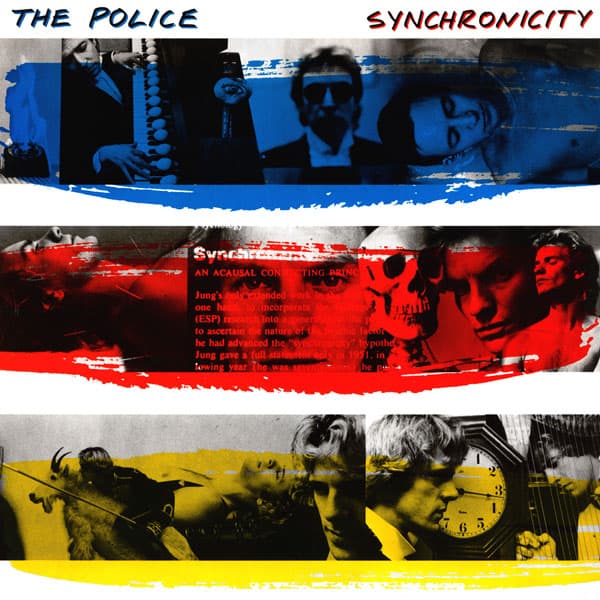
The three of them recorded in separate rooms because they could no longer stand each other, and then made the biggest album of the year.
Recorded on a secondhand eight-track in a Chalk Farm attic, and an American number one by September.

American distributors cut ninety minutes out of it and destroyed the reviews: restored to full length, Leone's fifty-year gangster elegy drifts between decades like an opium dream.

At a London crossing in 1933 a physicist grasps how a chain reaction could work. Rhodes follows the idea to Los Alamos and Hiroshima, making the physics clear and the human cost unbearable.
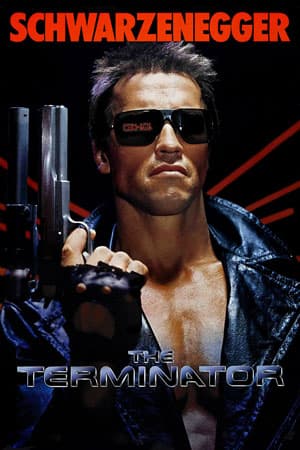
Cameron made it for six million dollars and launched two careers and a franchise: a machine that cannot be bargained with, cannot be reasoned with, and absolutely will not stop.

McPherson carries the whole Civil War in one volume, from the fights over slavery in the 1840s through Antietam to the surrender at Appomattox, and it reads like dispatches filed the same day.
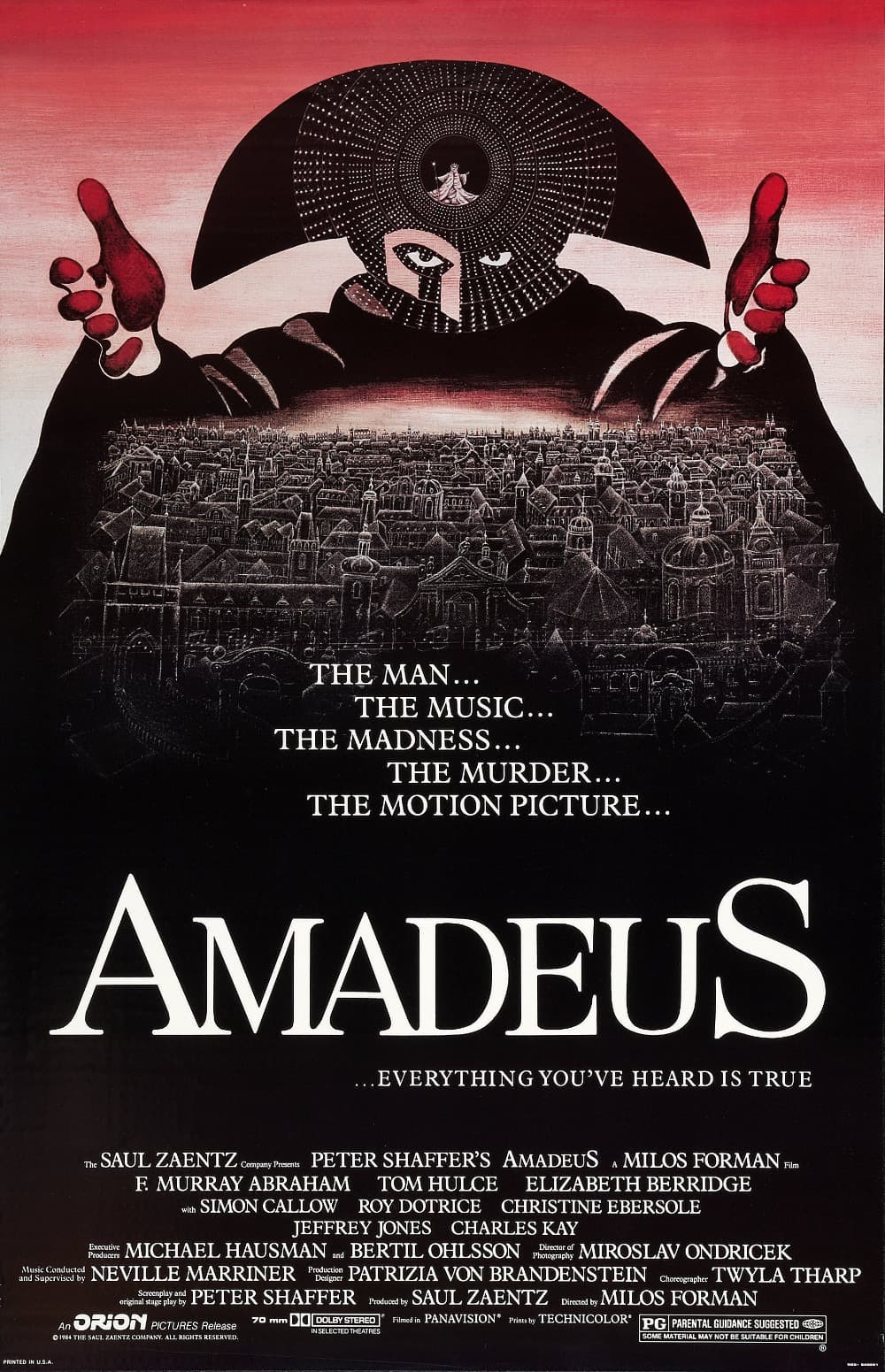
It sent a whole generation out to buy Mozart records: Salieri narrates his own jealousy from an asylum, and the music keeps making his case better than he can.
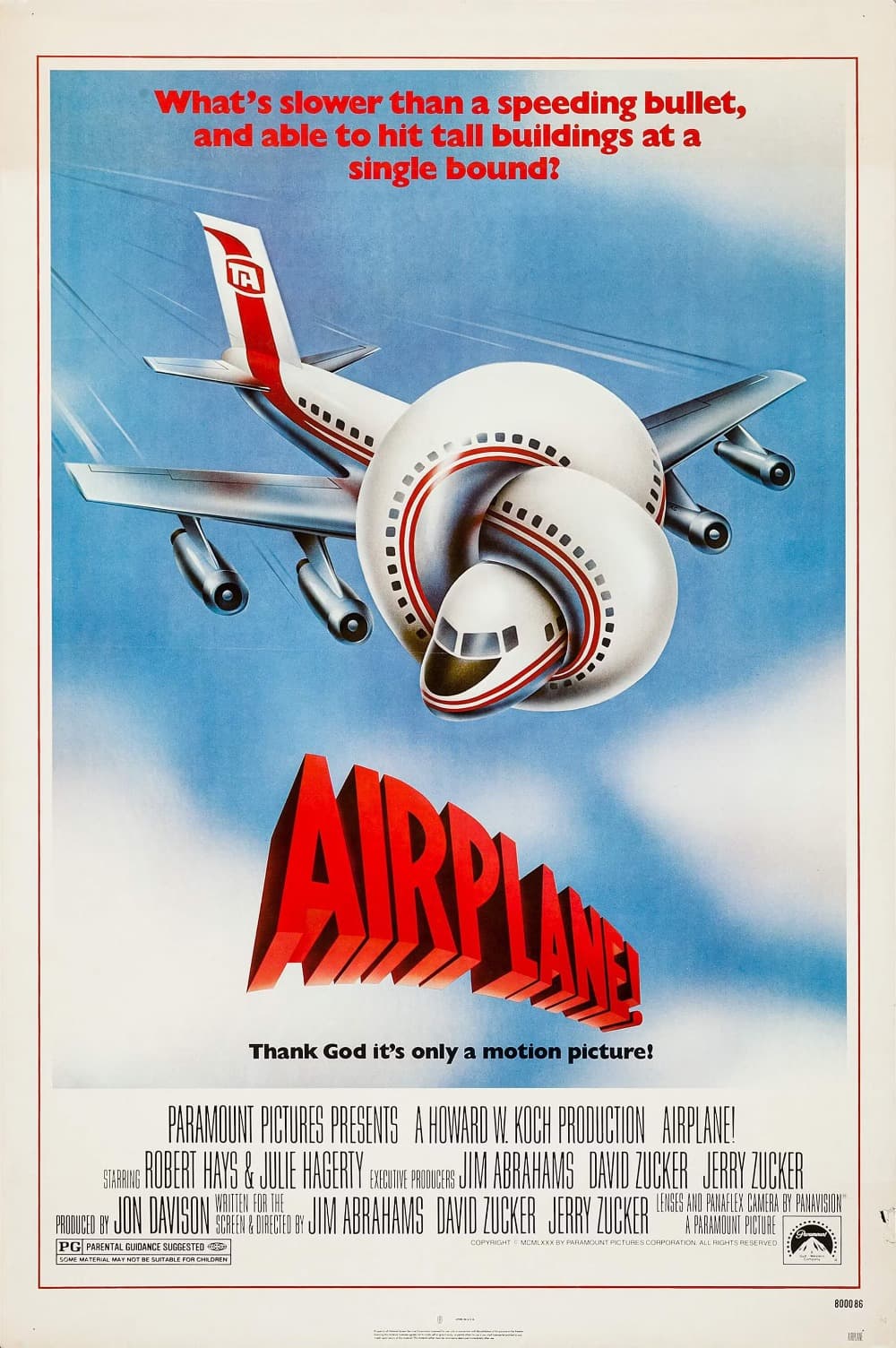
It fires jokes at a rate almost nothing before it attempted and lands most of them: the trick was casting dramatic actors and telling them to play everything straight.
Marr stacked roughly fifteen guitar tracks and dropped a knife on the strings; Morrissey lifted a line from Sleuth.
Stevie Wonder's gear failed at the Mandela tribute, Chapman went on with a guitar, and the record went top ten.
No. Try not. Do...or do not. There is no try.
Gaye programmed the TR-808 himself in a Belgian studio, and it finally won him the first Grammys of his career.
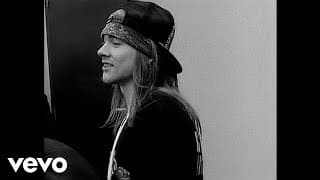
Written in a rental van home from San Francisco, and the final two minutes simply double the tempo.

Monks are dying at an Italian abbey in 1327, the library is a labyrinth no one may enter, and a Franciscan detective and his novice go in. Eco made medieval theology a thriller.
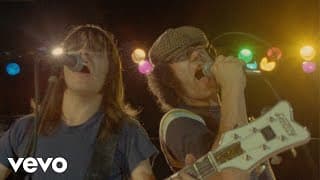
Recorded at Compass Point in Nassau with Mutt Lange, Johnson's first single, and a riff that swings rather than pounds.
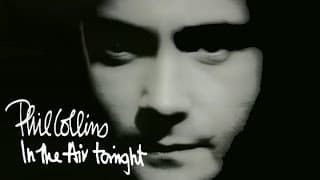
Padgham's talkback-microphone accident on Peter Gabriel's third album, a Roland CR-78 pattern, and pop's most anticipated drum entrance.

Kundera puts a Prague surgeon who cannot stop having affairs, the woman who loves him, and the Soviet tanks of 1968 together, then asks whether a life lived once can weigh anything.
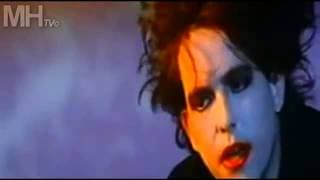
Smith traced it to a day at Beachy Head with Mary Poole; Williams sped the tempo, adding the opening fill.

Driving across England in 1956 to see the housekeeper he worked beside, a butler remembers the Nazi sympathizer he served with pride. What he cannot bring himself to say is the whole novel.
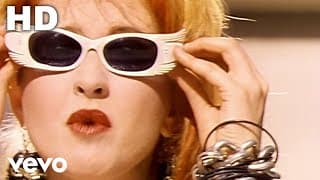
Robert Hazard wrote it in 1979 from a man's point of view, and Lauper flipped it into female solidarity.
A Steinberg and Kelly demo Rodgers disliked at first, six weeks at number one, and a seventeen-foot wedding cake.

In the theocracy that replaced the United States, fertile women are assigned to powerful men to bear their children. Atwood put nothing in it that had not already happened somewhere.
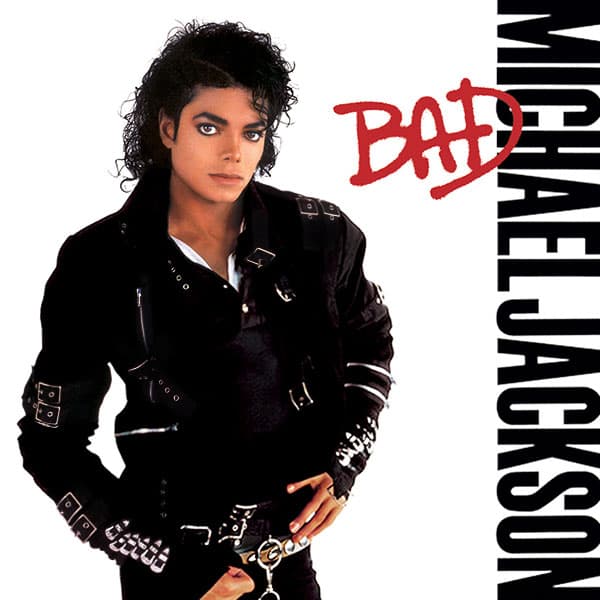
Prince was supposed to sing the title track with Jackson and turned it down. Five singles from it went to number one anyway.
Deacon's bassline owes Chic, Michael Jackson talked them into releasing it, and Queen landed their biggest-selling single.
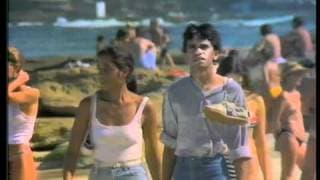
Nile Rodgers on rhythm guitar, an unknown Stevie Ray Vaughan on lead, and Bowie's biggest-selling single by a distance.
Two years in the making, with MacColl finally singing the woman's part, and it still stalled at number two.
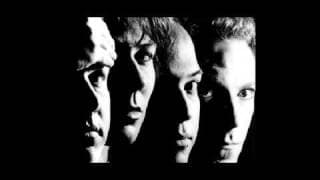
Francis traced the lyric to a fish that followed him diving; Albini taped Deal's vocal in a bathroom.
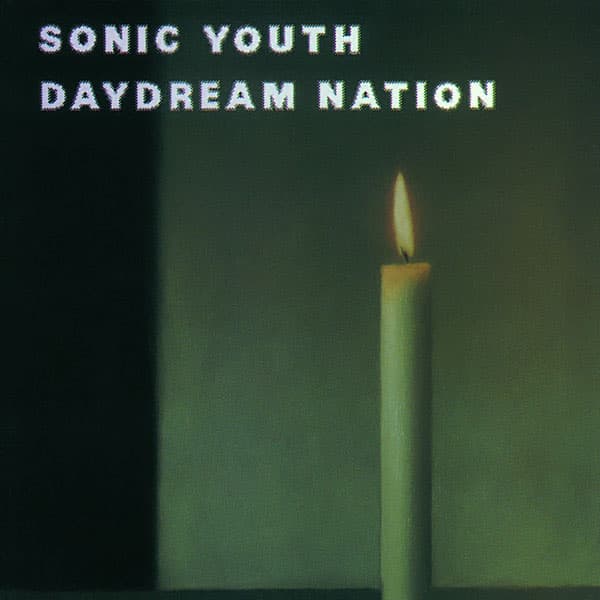
A Gerhard Richter candle painting on the sleeve, a double album made on almost no money, and the last thing before they signed to a major.

Cliff Richard turned it down, Bucks Fizz shelved it, and Turner at forty-four took it to number one.
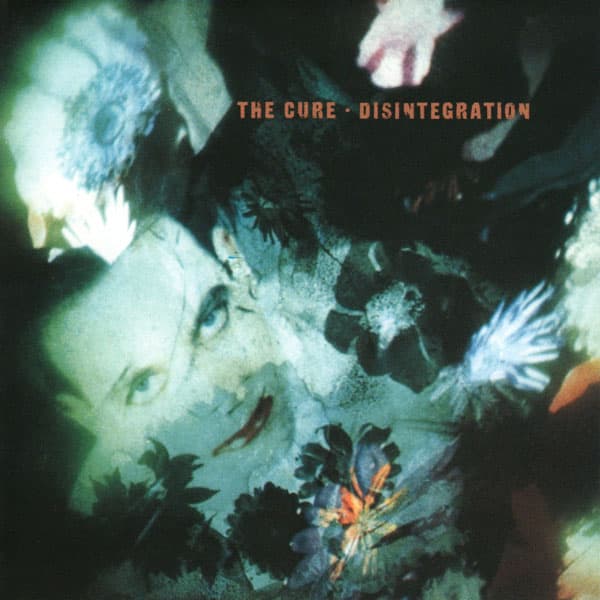
Robert Smith turned thirty, decided he was finished, and made the biggest record of the band's life about it.
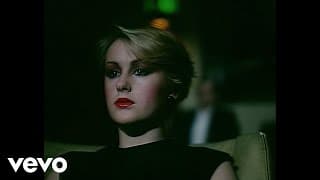
Oakey thought it the weakest thing on Dare; it became Britain's best-selling single of 1981 and Christmas number one.
Two voices and no instruments at all: Doug E. Fresh's beatbox under Slick Rick's storytelling, sampled ever since.
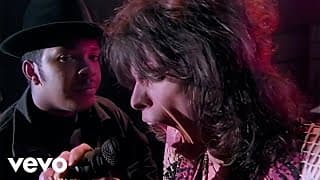
Rubin had to talk Run-DMC into it; Tyler smashed through the video's wall and Aerosmith got a career back.
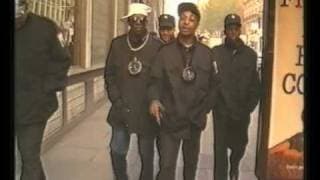
First released on the Less Than Zero soundtrack, it opens with Malcolm X and never stops arguing rap's case.
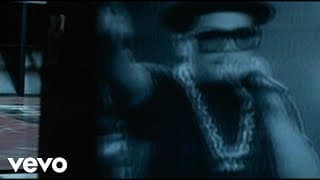
An Oberheim drum machine, a few scratches, and two voices. Everything before it suddenly sounded old school.
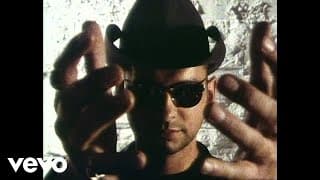
Priscilla Presley's memoir gave Gore the idea, Flood cut it in Milan, and Cash later called it evangelical.
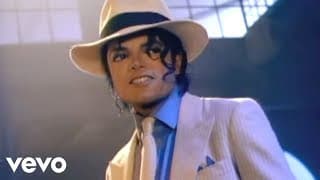
Jackson took the chorus line from a CPR dummy named Annie, and the anti-gravity lean later earned a patent.
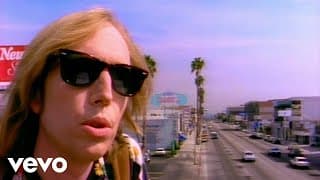
Two days of writing with Jeff Lynne, Mike Campbell's twelve-string, and Ventura Boulevard turned into the whole San Fernando Valley.
Mullen's marching snare was cut at the foot of a Windmill Lane stairwell, and Bono insisted it was no rebel song.
A jam demoed under the title The Weather Girls became a gospel hymn about doubt, and U2's second American number one.
Cut twice, once for Bobby Orlando and again with Stephen Hague, Tennant half-rapping London class anxiety to number one.
Parton played the typewriter part on her acrylic fingernails, credited on the album, then took it to number one.
Walden thought the demo too country, funked it up, and Houston cut it while shaking off a bronchial infection.
Sampedro joked about the free world after a Soviet tour collapsed, and Young debuted the song in Seattle unrehearsed.
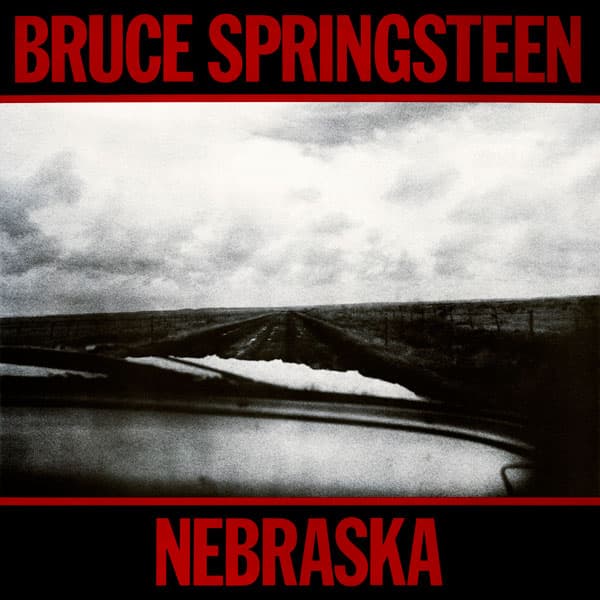
He taped it alone on a four-track in his bedroom, carried the cassette around in his pocket, and it ended up released as it was.
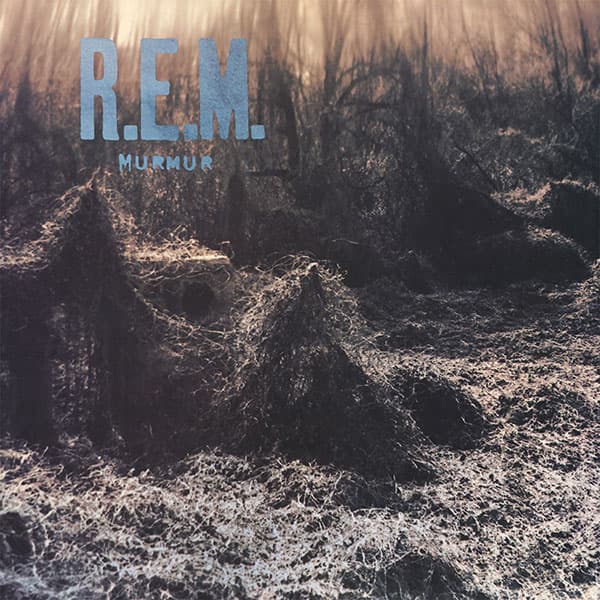
Stipe's words are deliberately buried in the mix, and nobody could work them out. Rolling Stone still named it album of the year over Thriller.
The Runaways passed, so Jett recorded it twice herself; the second version spent seven weeks at number one.
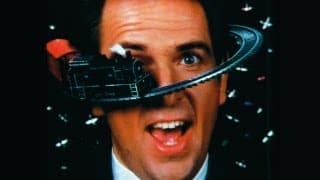
Gabriel wanted real brass, hired the Memphis Horns' Wayne Jackson, then knocked his old band Genesis off number one.
Hib-Tone pressed about a thousand copies in 1981, and Stipe mumbled lyrics he hadn't finished writing.
Coldcut took 700 pounds for the remix, added Ofra Haza, and Rakim's minute-long verse reset how rappers rhymed.
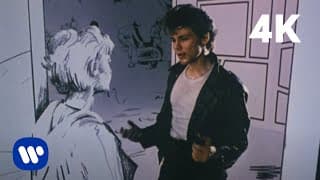
Two releases flopped before the third one broke, Furuholmen's Juno-60 riff intact and a video rotoscoped over sixteen weeks.
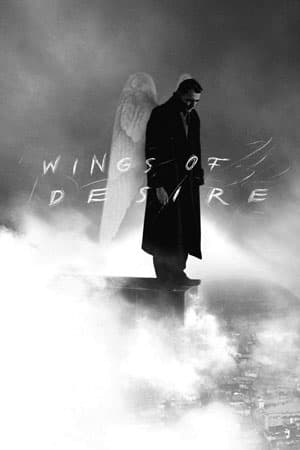
Wenders filmed a divided Berlin two years before the Wall came down and caught something nobody could stage again: angels listening in on what the people below are thinking.
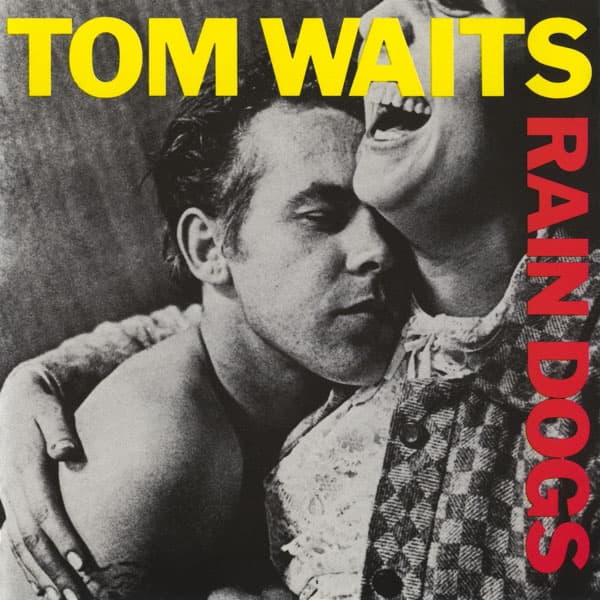
Waits had Marc Ribot play guitar as though he had never been taught, and Keith Richards turns up on three tracks.
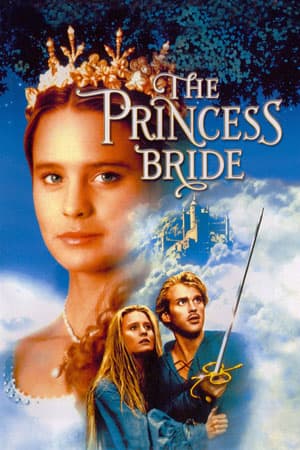
It barely registered in cinemas and built its whole following on video: pirates, giants, a six-fingered man, and a grandfather reading to a boy who does not want the story.
Ulvaeus wrote it in an hour over whisky; the video came ten days after his divorce from Fältskog was final.
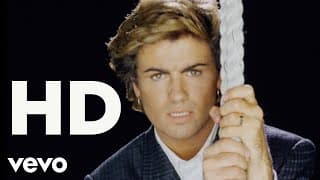
Written at seventeen on a bus, scrapped at Muscle Shoals, saved by Steve Gregory's saxophone in one breath.
It missed the UK top forty, all Fairlight sequencing except Hook's bass, and now every indie disco needs it.
A Northern soul flop from 1964 rebuilt on synthesizers at Advision, Marc Almond's first vocal take kept intact.
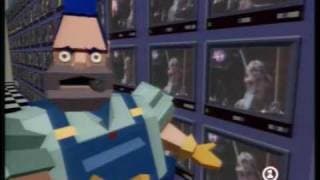
Knopfler borrowed a pen in a New York appliance store to copy down a delivery man's complaints about MTV.
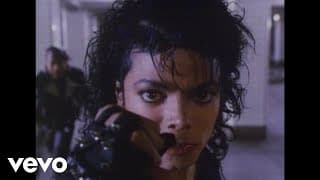
Scorsese shot eighteen minutes in a Brooklyn subway station, and the brass hits point straight back at James Brown.
A church organ quoting Wham!'s Freedom, then Hugh Burns's Bo Diddley rhythm, and four weeks at number one.
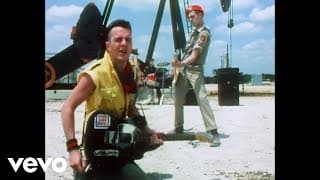
Topper Headon cut the drums, piano and bass himself, and Strummer finished the lyrics in the studio bathroom.
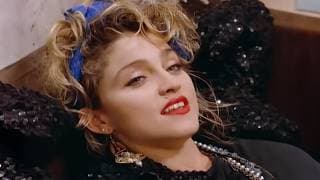
Written for another singer, rebuilt with Stephen Bray for a Desperately Seeking Susan dance scene, then buried on a B-side.
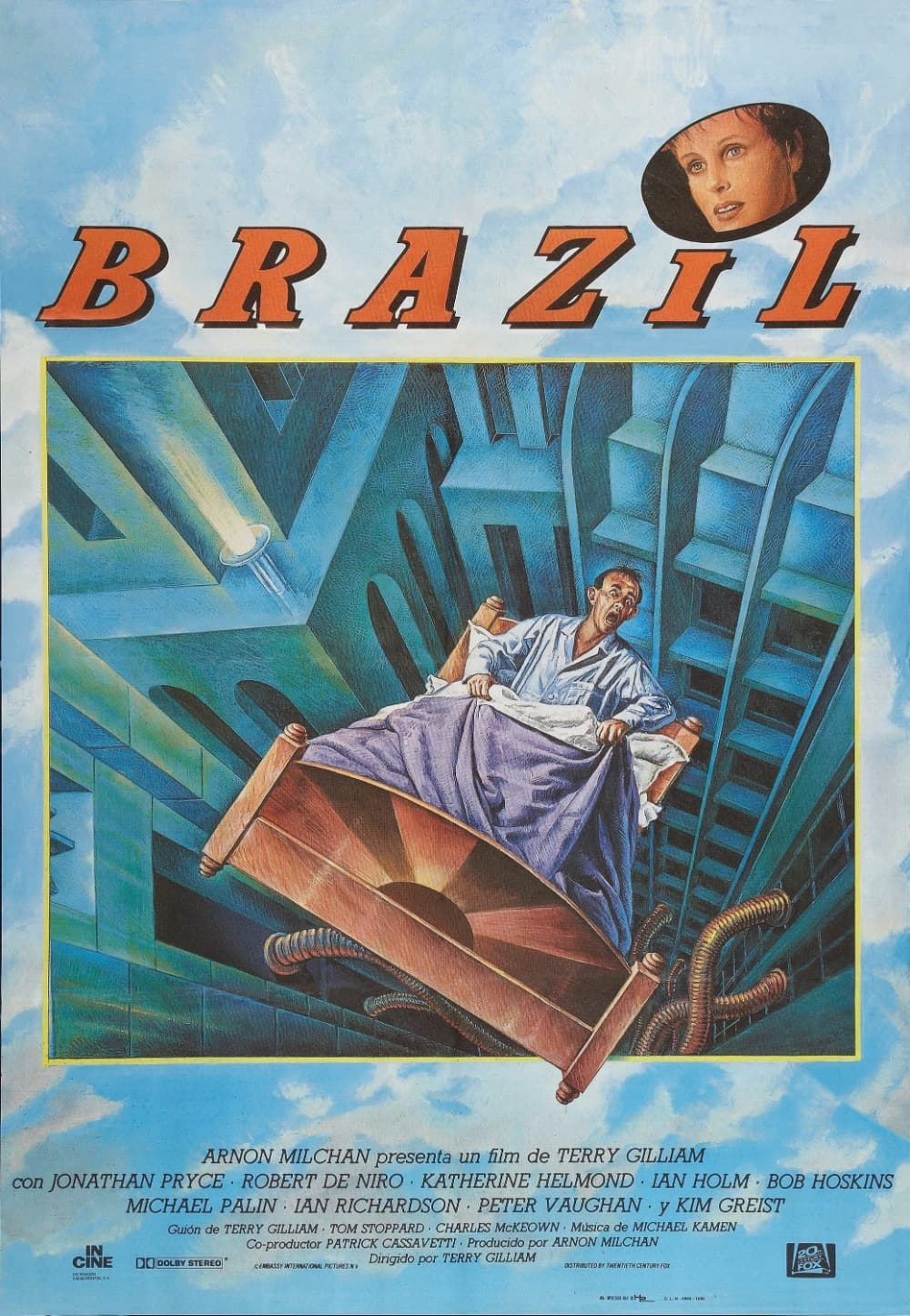
The bleakest comedy ever made about paperwork: Gilliam imagined a state that tortures you politely and misfiles the forms afterward, and had to fight his own studio to release it.
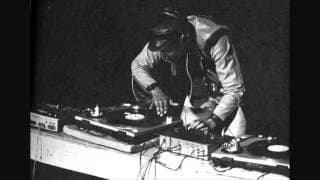
Three turntables, two mixers, ten to fifteen takes, and a record built entirely out of ten other records.
Real musicians find it painful to watch because everything in it has happened to them: Reiner and his cast improvised almost the entire film from a bare outline.