Like a Rolling Stone
1965 · From Highway 61 Revisited
A snare crack, a sneer, and Kooper's uninvited organ swirling through the song that split rock open.
★ 10.0
 skopia
A snare crack, a sneer, and Kooper's uninvited organ swirling through the song that split rock open.
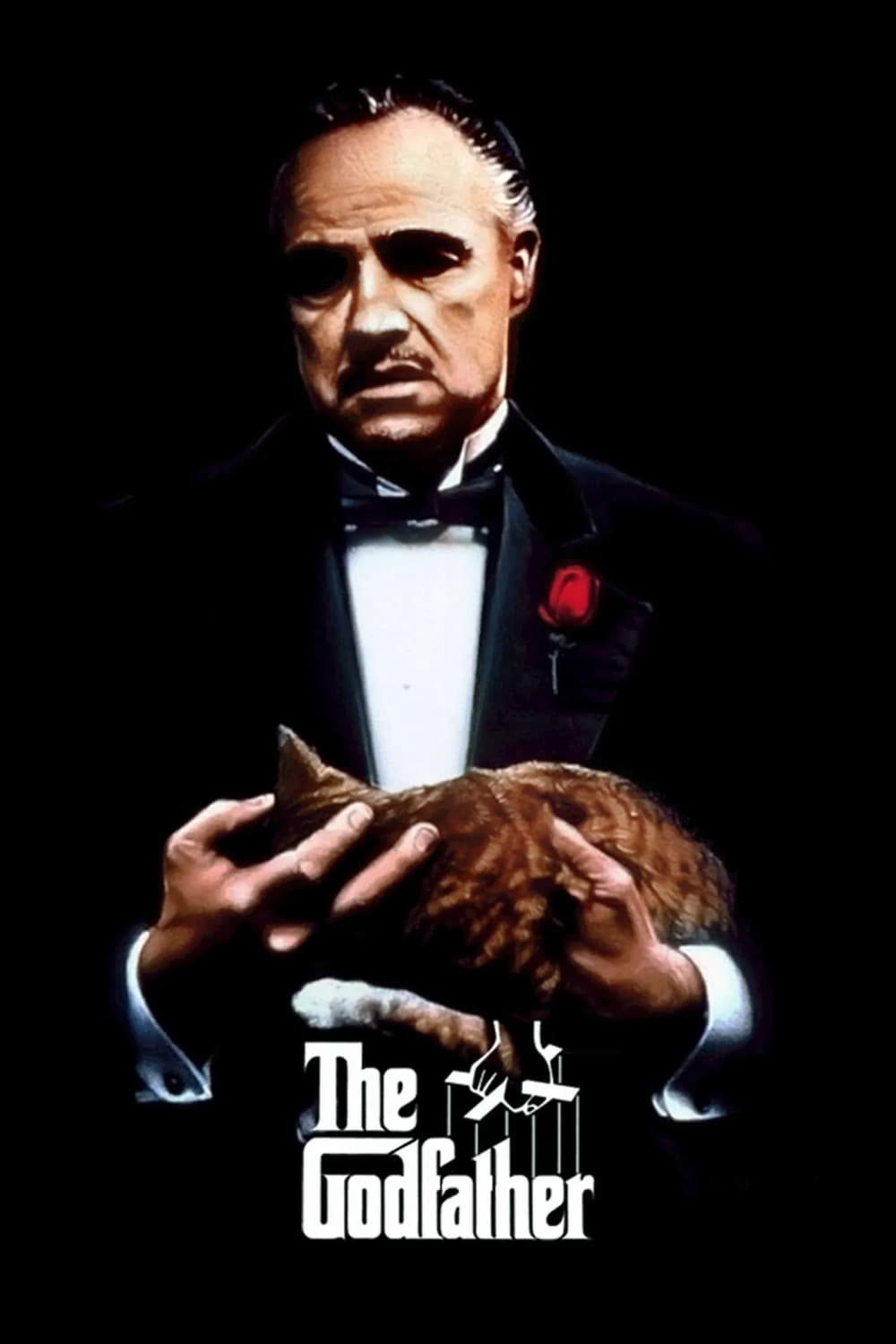
The summit of the American crime film: Coppola turned an immigrant family's rise and rot into the country's own epic, and made damnation look like a coronation.
Aretha takes Otis Redding's song away from him for good, spells out the demand, and never gives it back.
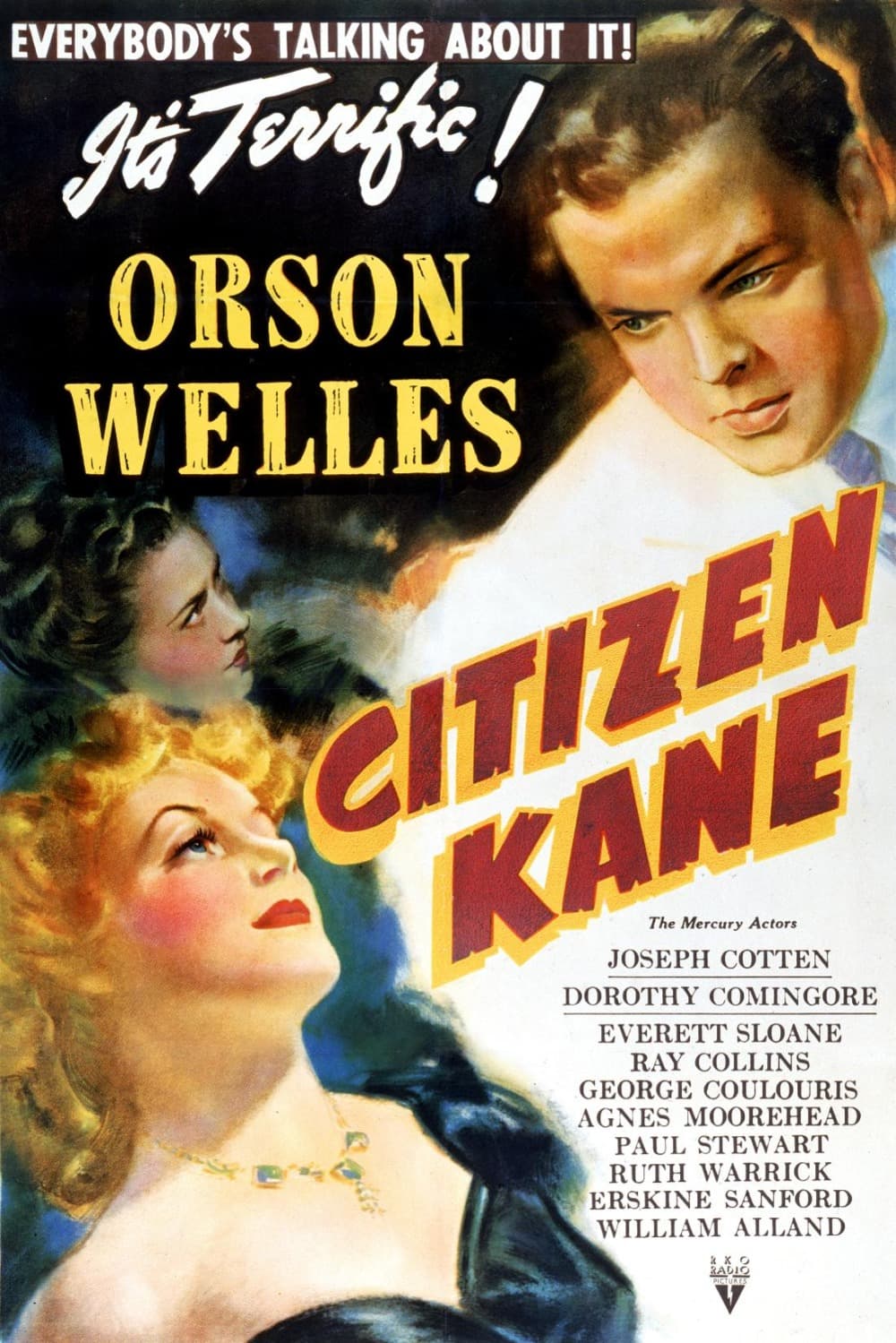
Welles was twenty-five and had never directed a feature before: he built a portrait of a man whose whole life nobody around him can add up, and changed everything.
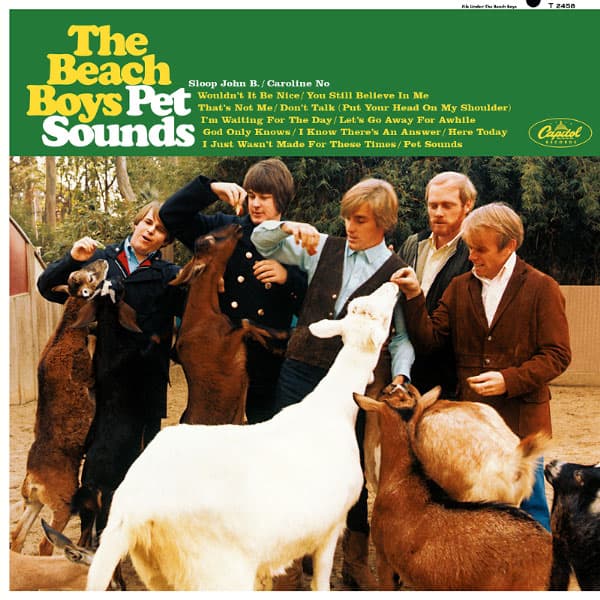
Brian Wilson made it with session players while the rest of the band toured, using bicycle bells, dog whistles and a Coca-Cola can.
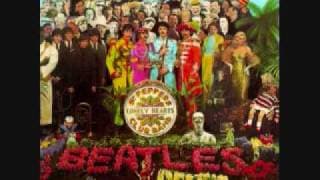
Two unfinished songs bolted together, an orchestra climbing to nothing, and the last piano chord in pop.
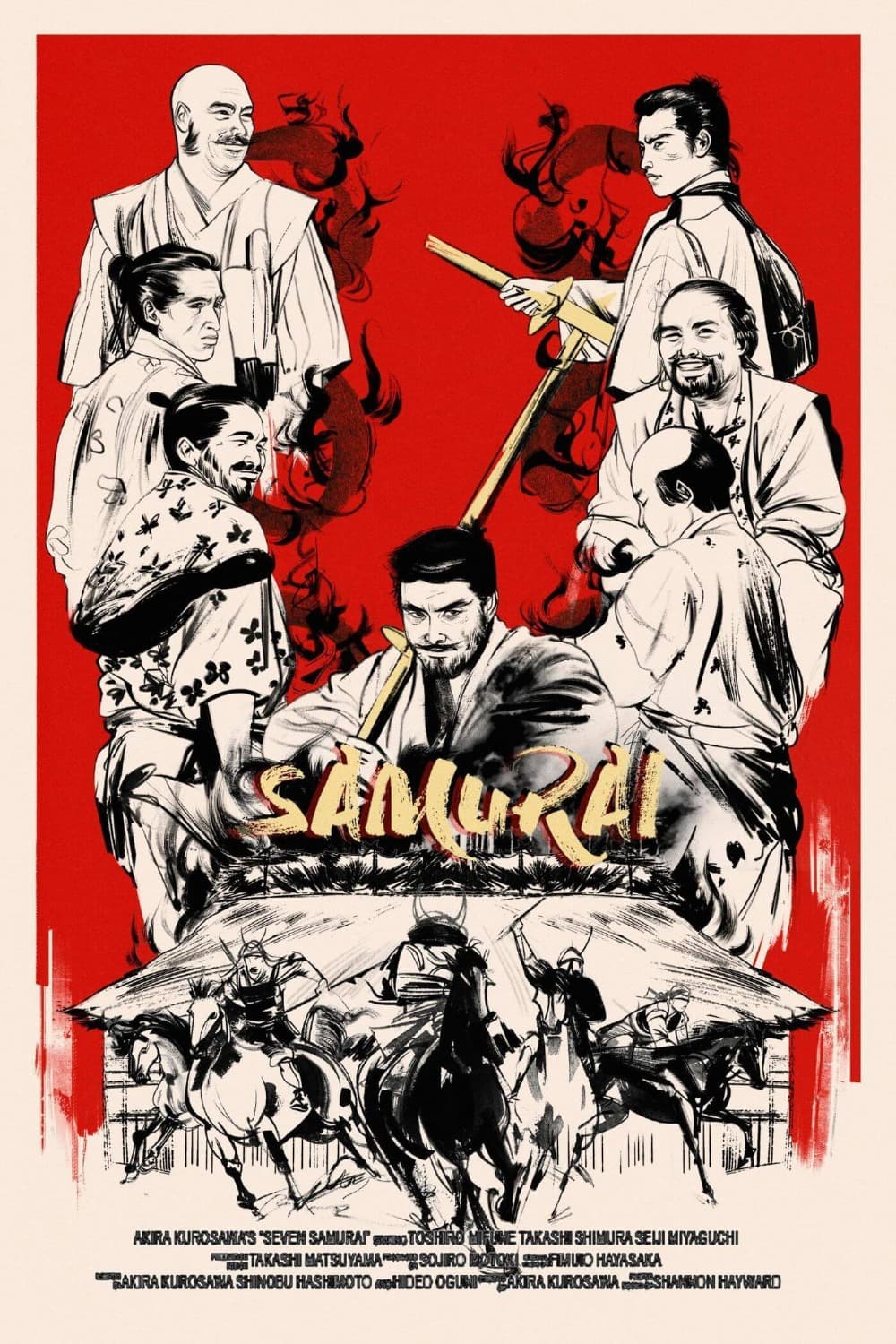
Every film about assembling a team for one last job descends from this one: Kurosawa makes seven men matter, then stages a battle in the mud nobody has equaled.
Four chords, a mumble nobody could decipher, and the riff that ended one decade of rock and started another.
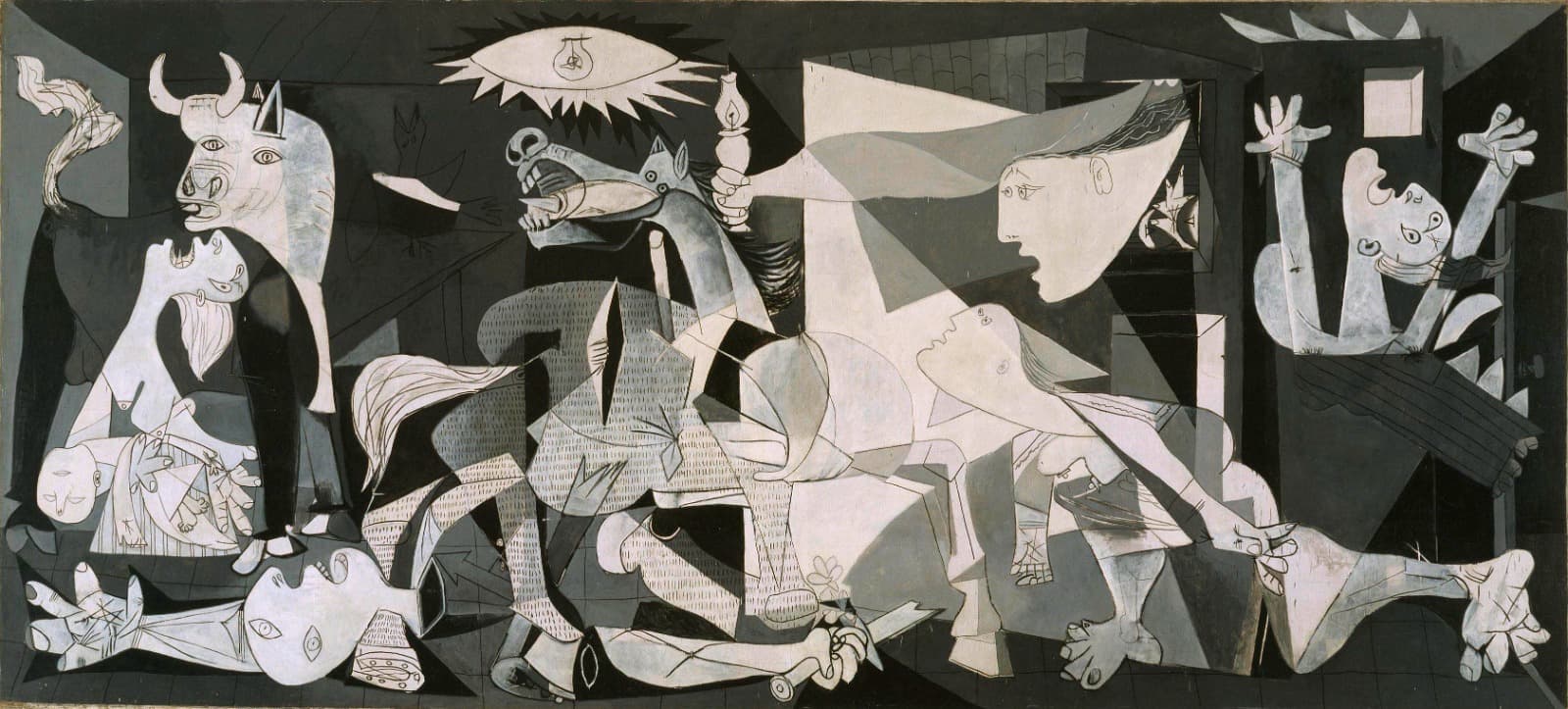
A screaming horse, a mother with her dead child, all in grey. Picasso painted it in weeks after German bombers leveled a Basque town.
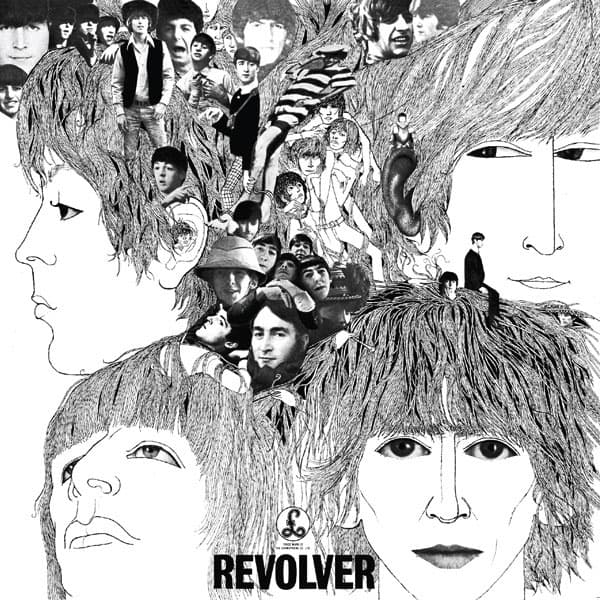
On Tomorrow Never Knows, engineers held five tape loops on pencils and mixed them live. No Beatle plays an instrument on Eleanor Rigby.
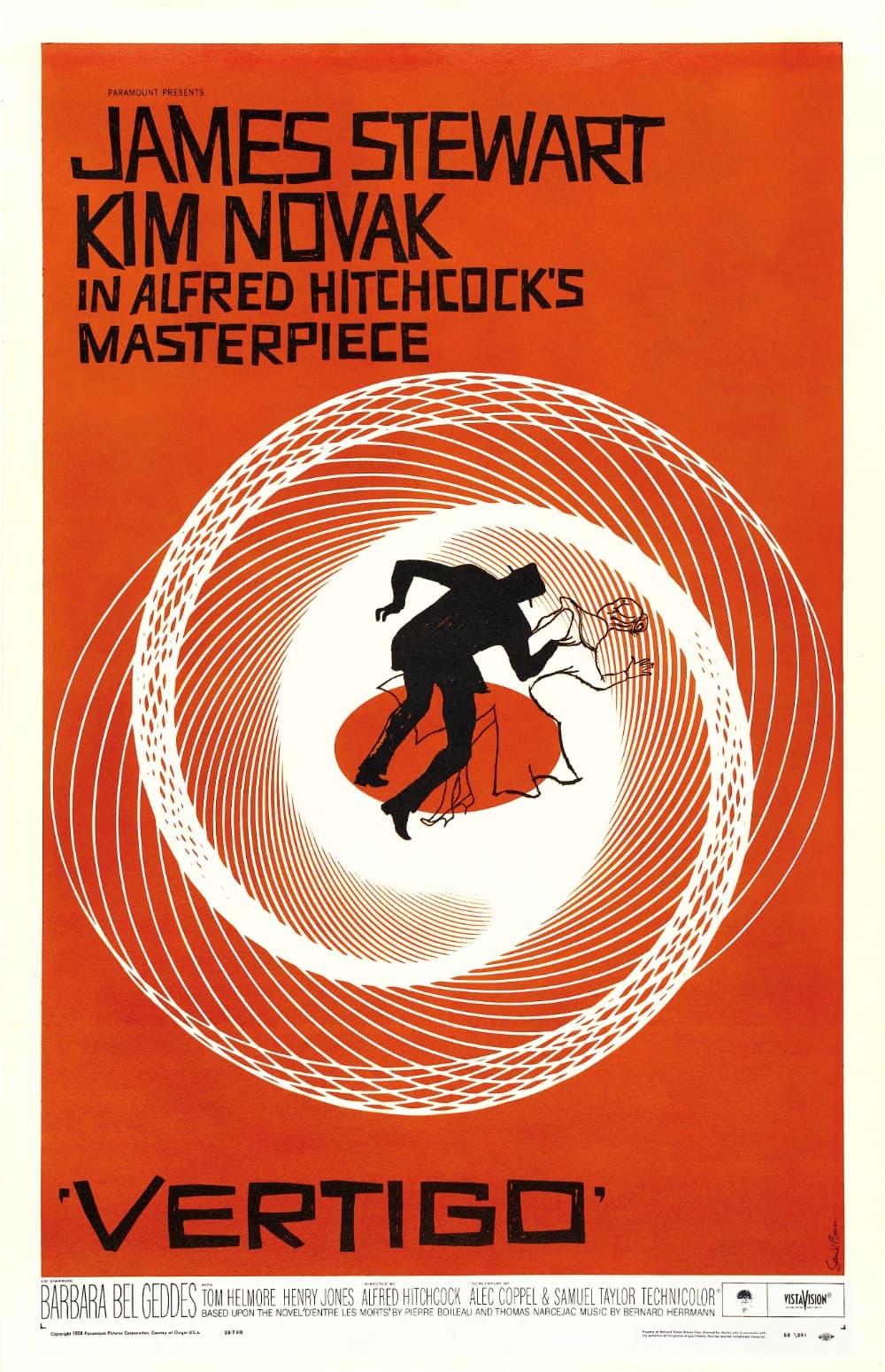
Nobody has ever made obsession look this beautiful or this sick: a man falls for an image instead of a person, and Hitchcock follows him past every point it should stop.
Party chatter, a sax that sighs, and Gaye asking the question Motown begged him not to ask.
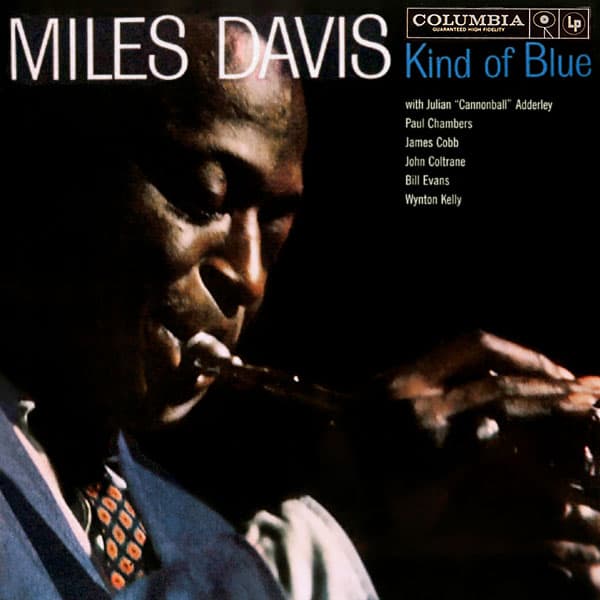
Davis handed the players sketches on the day and most of what you hear is a first take. Two sessions, and it was done.
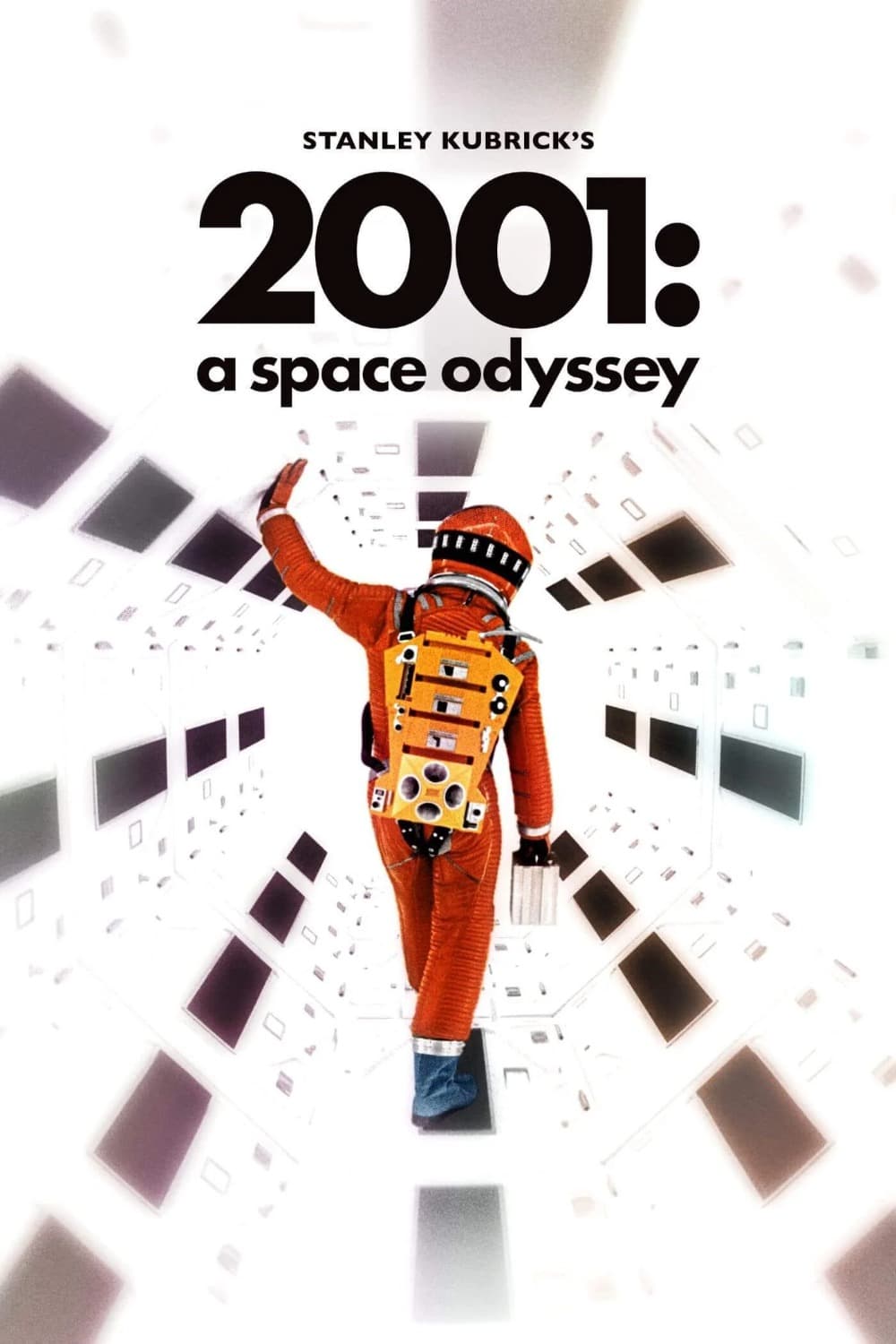
Kubrick took the audience from the first bone tool to the far side of Jupiter, explained almost nothing, and made every science fiction film since look domestic by comparison.
Keith dreamt the fuzz riff, taped it half-asleep, and woke up holding the sound of teenage frustration.
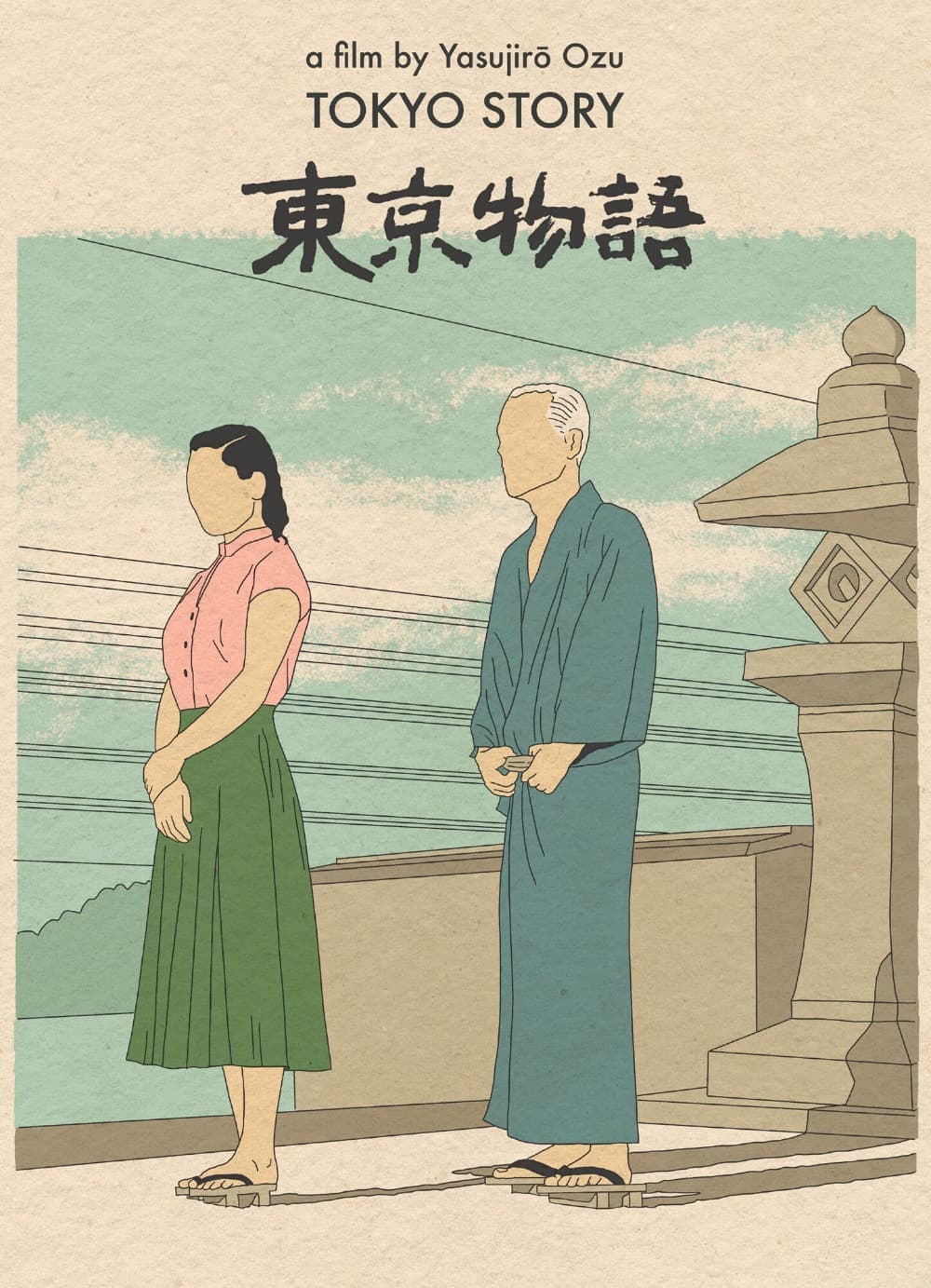
The quiet masterpiece of ordinary life: Ozu finds the ache of a whole century in parents visiting children who have no time for them, and it will find you too.
Brian Wilson's pocket symphony, months and a fortune spent chasing one shimmering theremin line into the sunlight.
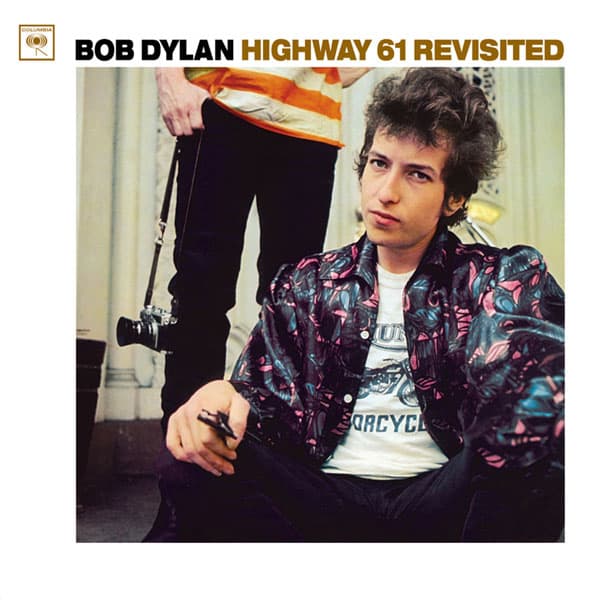
Al Kooper was not the organ player and sat down at it anyway, which is the sound everybody remembers from Like a Rolling Stone.
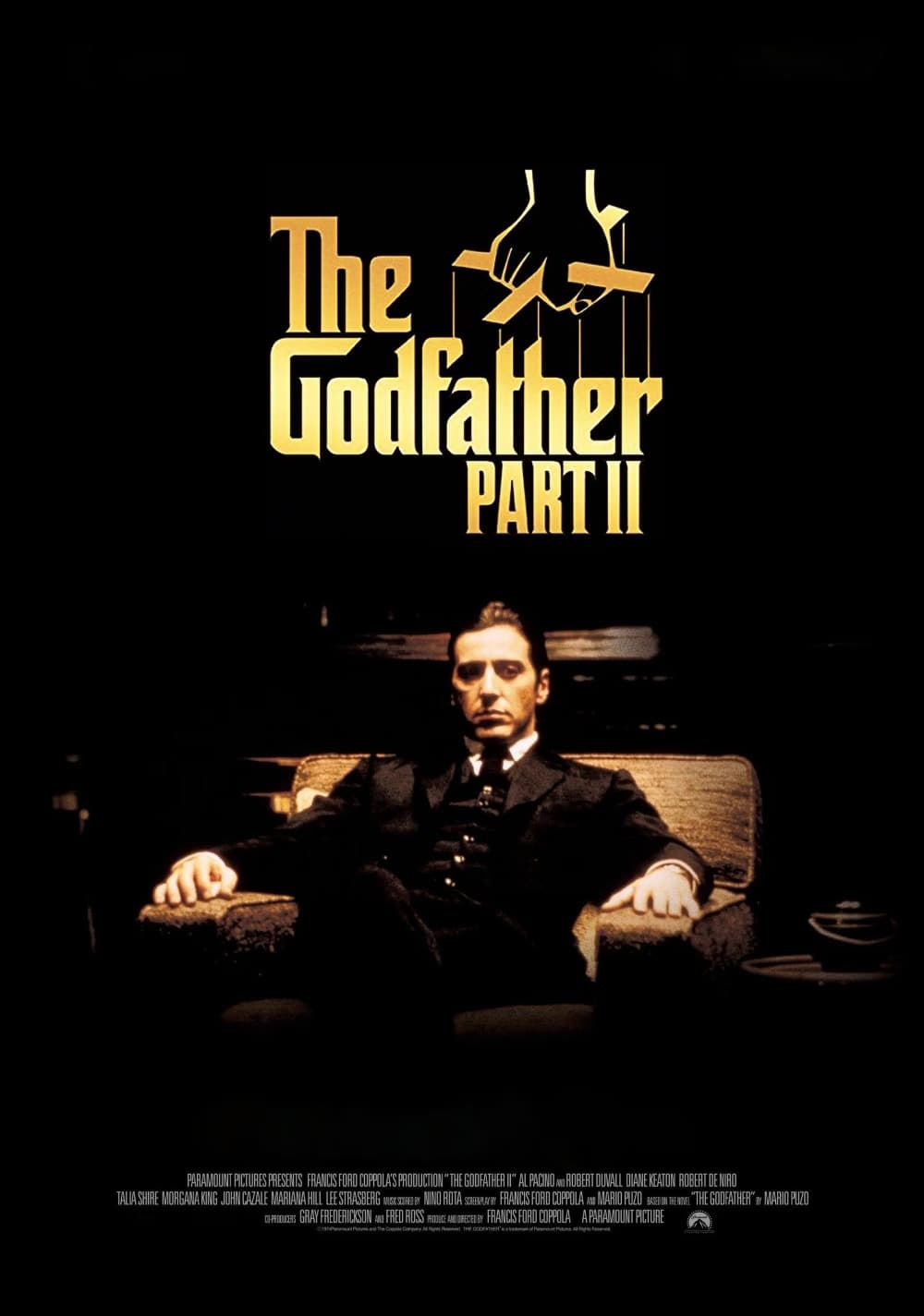
Coppola did what almost nobody manages, and made a sequel with a real claim to surpassing the original: two eras of one family run side by side, and the colder one wins.
That bassline, mixed and remixed until it gleamed, and the four minutes that integrated MTV.

Berry Gordy called it the worst thing he had ever heard and refused to release it until Gaye said he would never record for Motown again.
Chuck Berry's intro lick is rock's opening statement, a country boy's origin myth now drifting past the solar system.
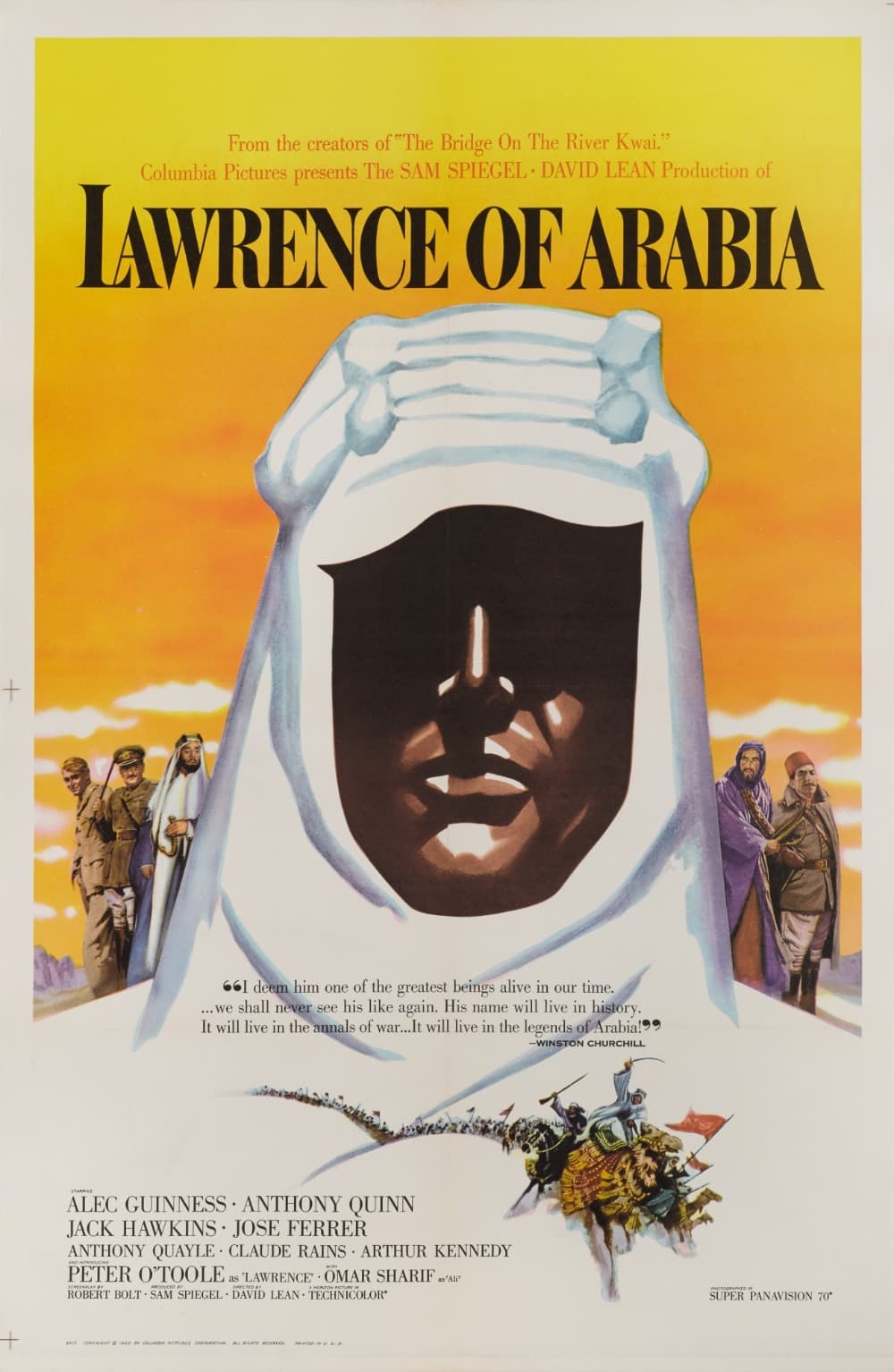
There is no better argument for seeing a film on the largest screen you can find: Lean's desert swallows the frame, and a British officer dissolves inside it over nearly four hours.
Two takes in different keys and tempos spliced into one, a Mellotron haze over Lennon's Liverpool childhood.
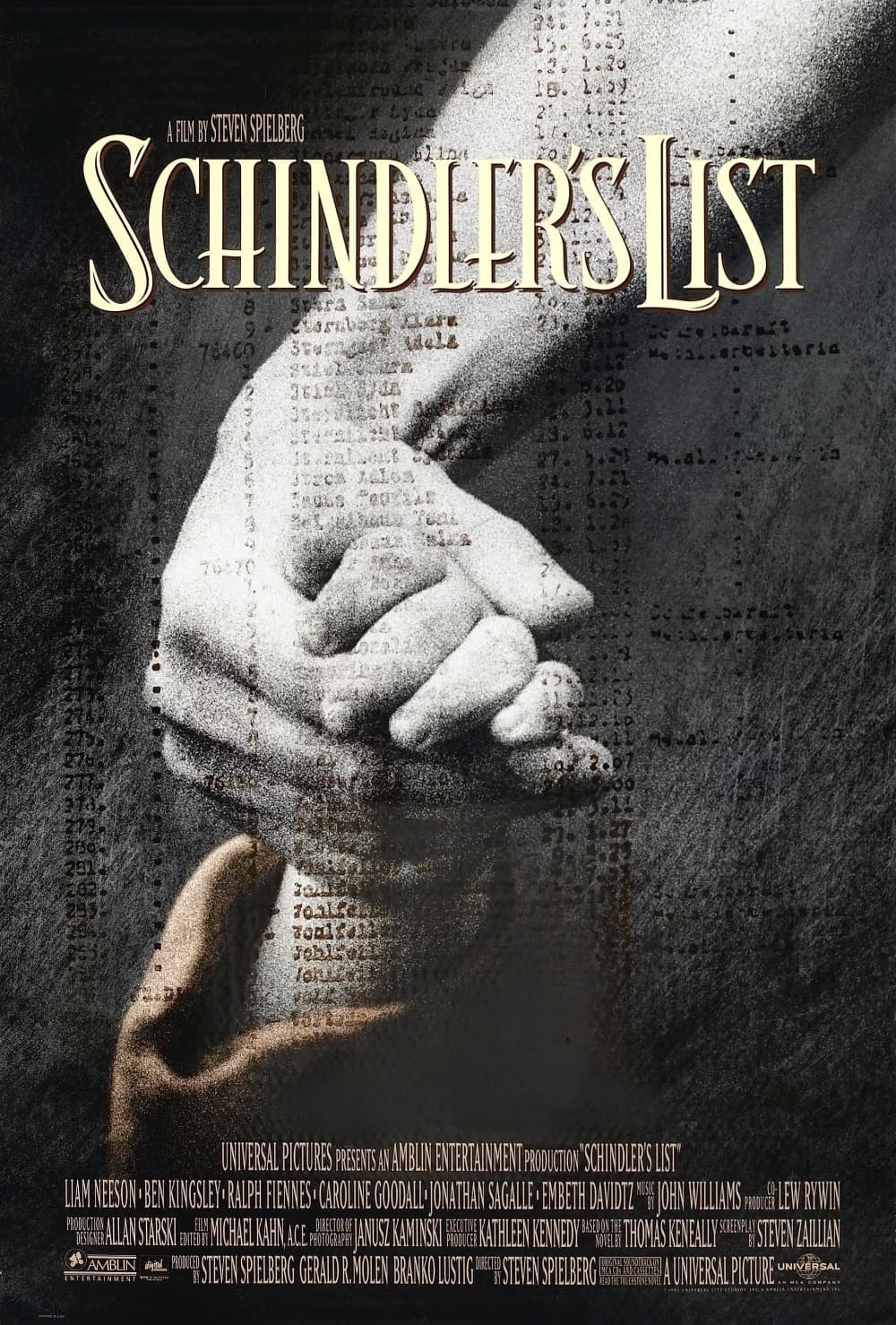
More people have understood the Holocaust through this film than through any other: Spielberg took no fee, shot it in black and white, and gave the last word to the survivors.
Cooke wrote it after a motel turned him away, and sang it like a hymn he already knew by heart.
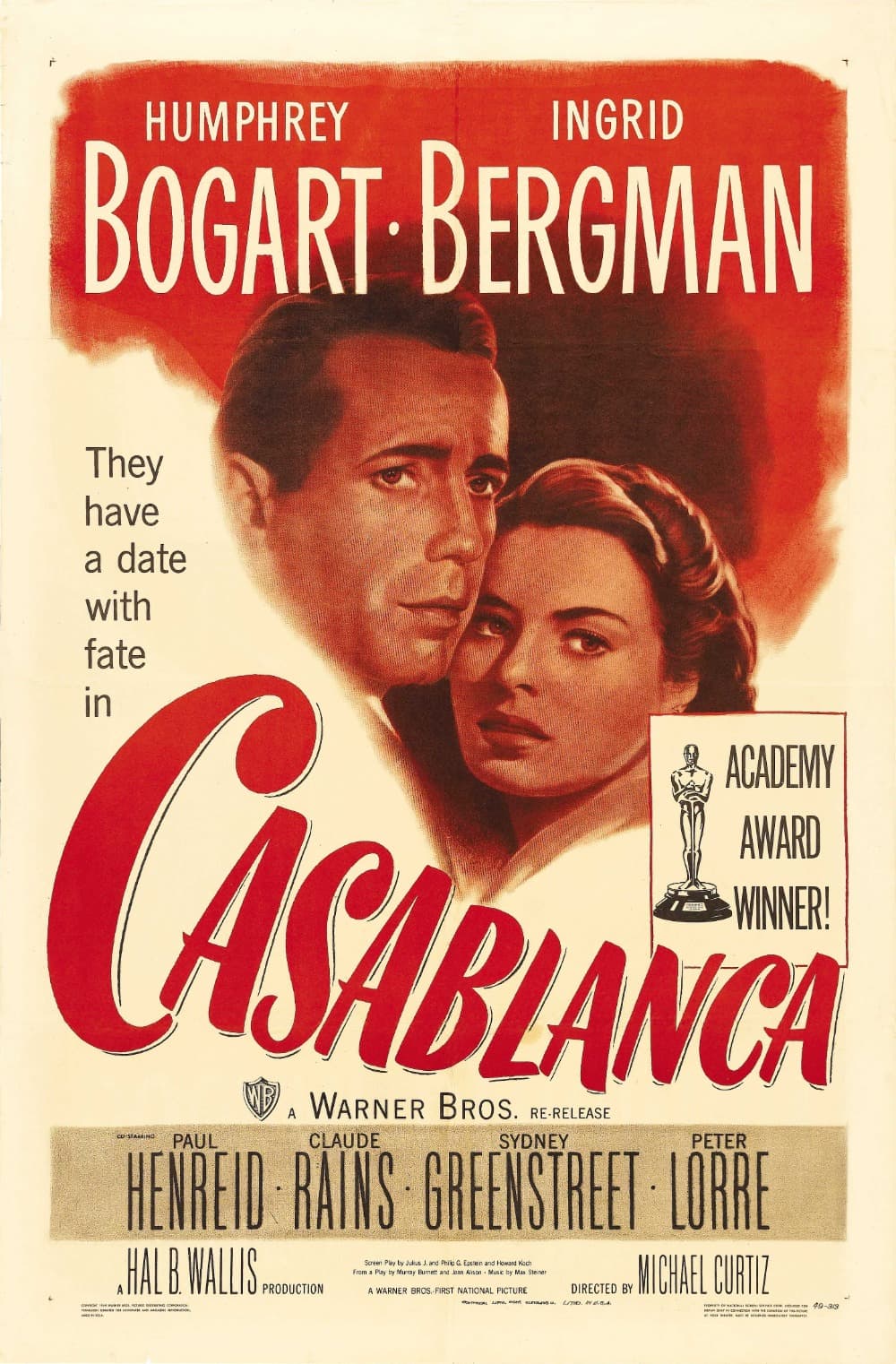
Proof that a studio picture thrown together in a hurry can outlive everything around it: eighty years on, the lines are still in the language and the romance still lands.
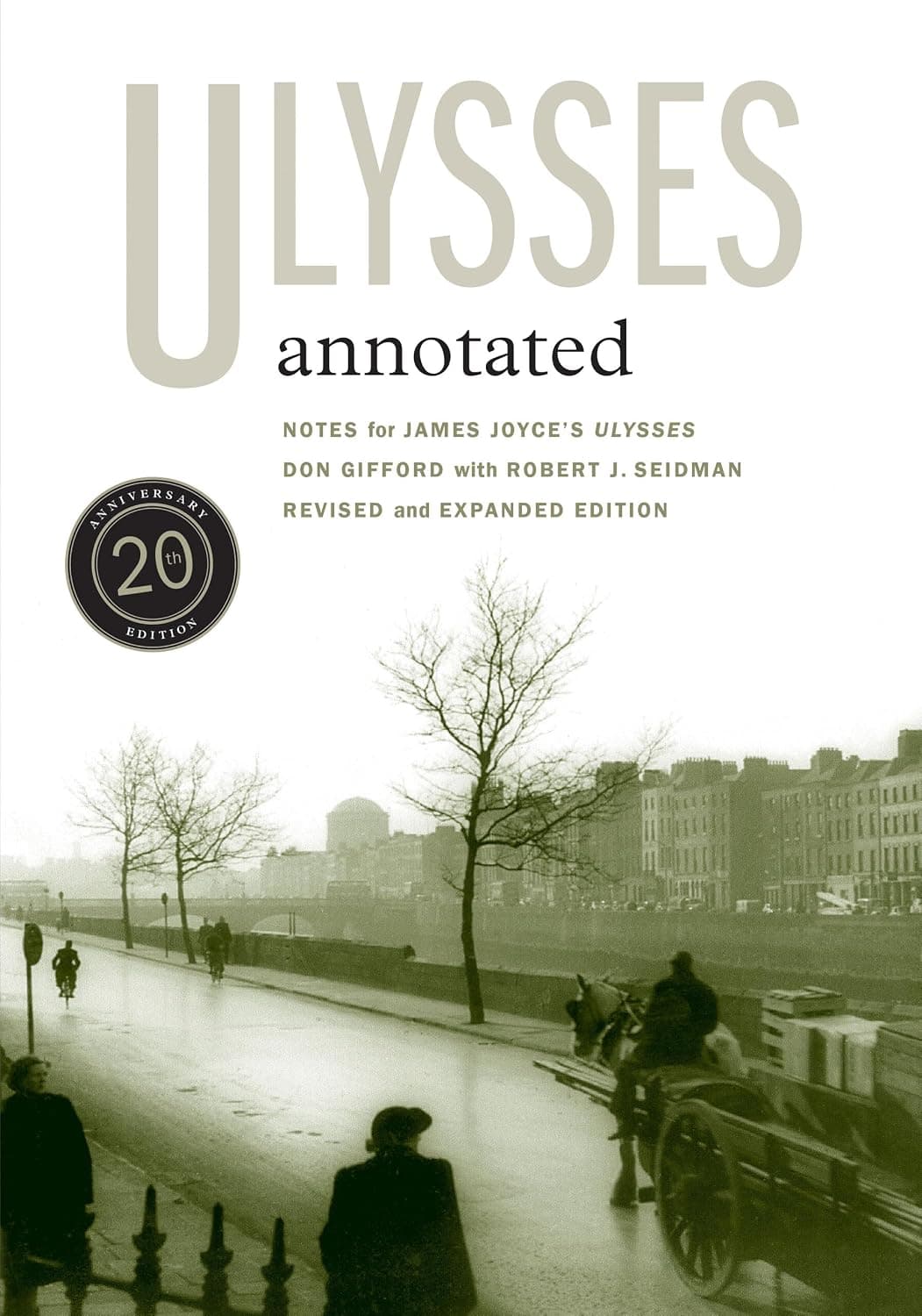
Leopold Bloom walks Dublin for one day in June 1904, and Joyce pours the whole English language into it. Bloom, advertising canvasser and cuckold, is the kindest man in fiction.
It opens by admitting doubt and spends the next two minutes refuting it; McCartney still calls it the greatest.
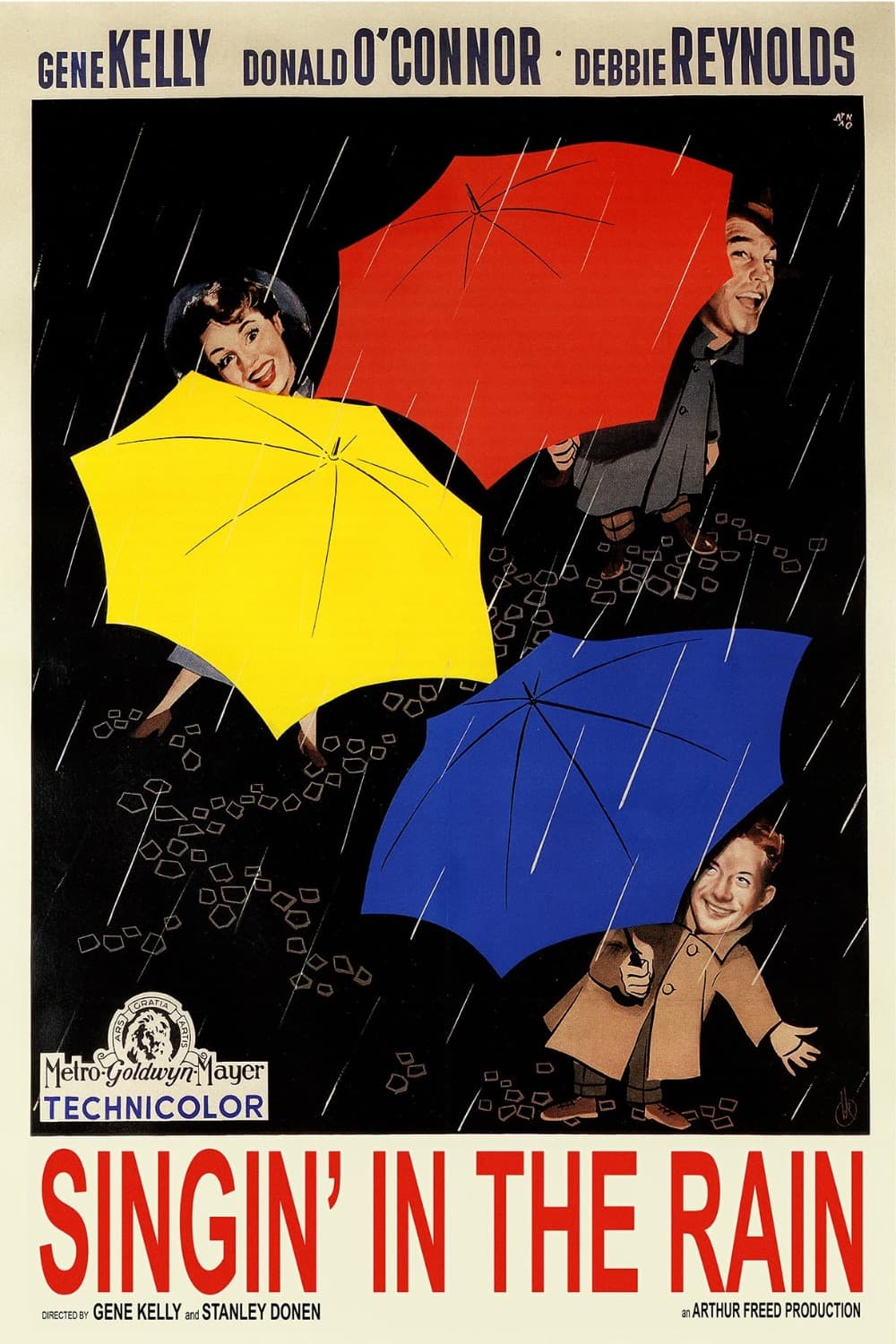
Nothing else on film is this happy, and the subject is an industry in a panic: Hollywood's terror at the arrival of sound became two hours of pure delight.
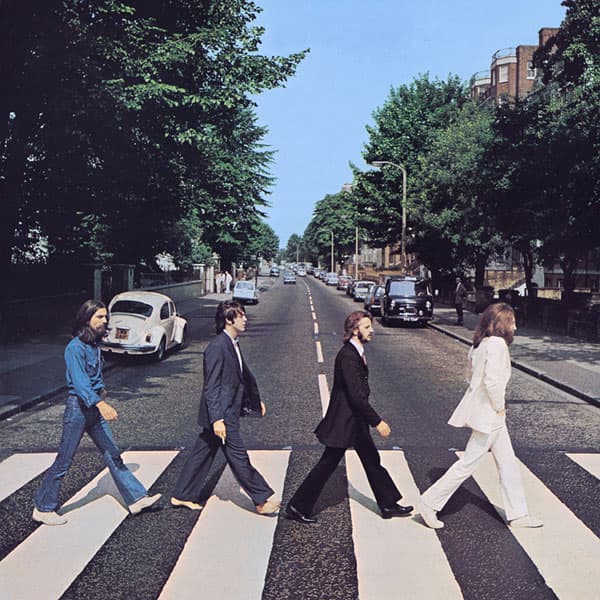
The last album they recorded together, with side two stitched out of songs nobody had finished. The cover shoot took about ten minutes.

The most complete account of memory ever written. A man tastes a madeleine, and three thousand pages of remembered love, jealousy, and vanished aristocrats change permanently how you look at your own past.
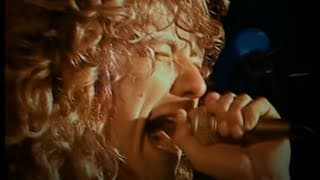
Page's riff, Plant's howl, and a theremin freakout in the middle that still sounds like the roof coming off.
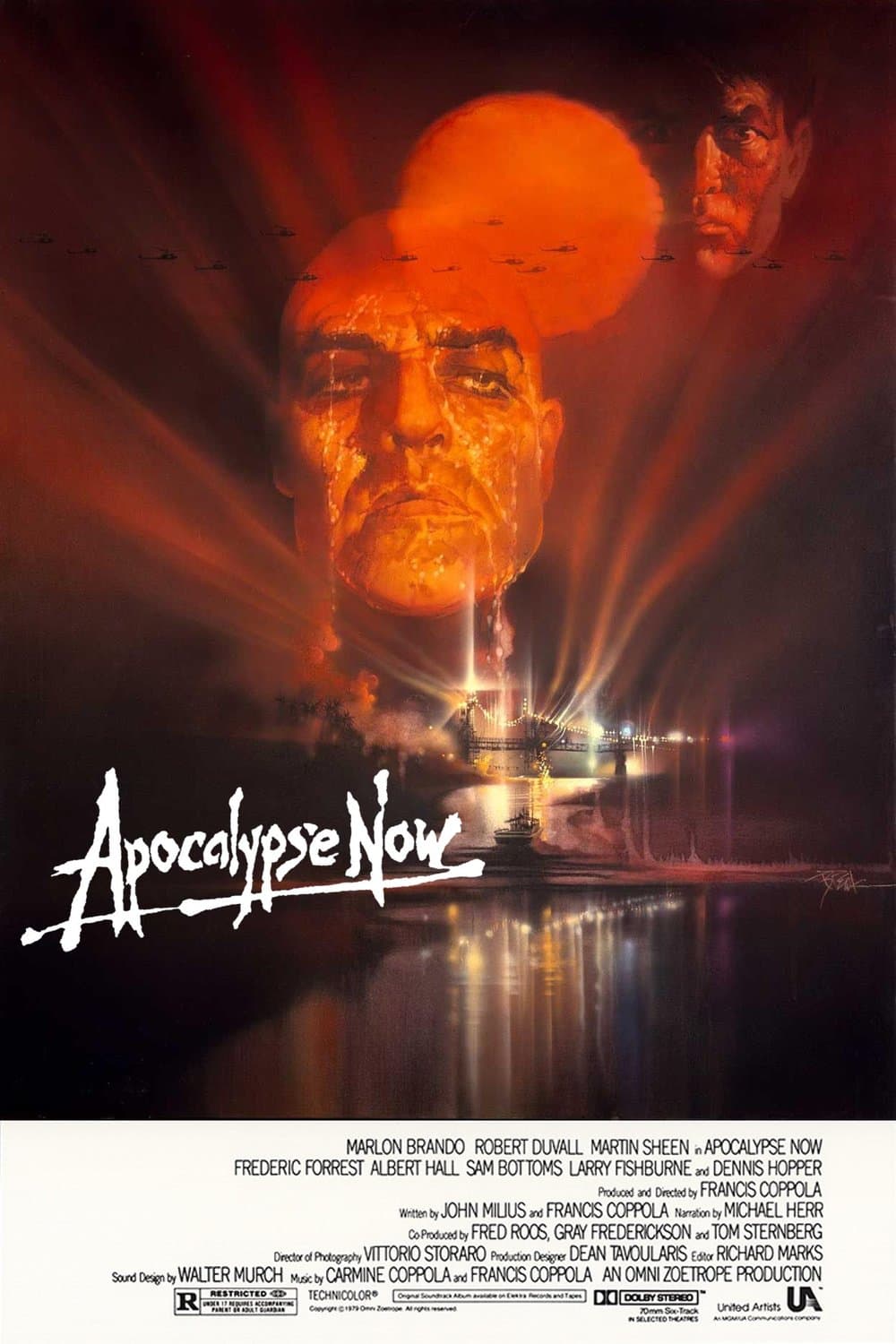
No production has ever gone further off the rails or shown it more clearly: Coppola's Vietnam abandons the war film for pure hallucination, and the helicopters over the trees are permanent.
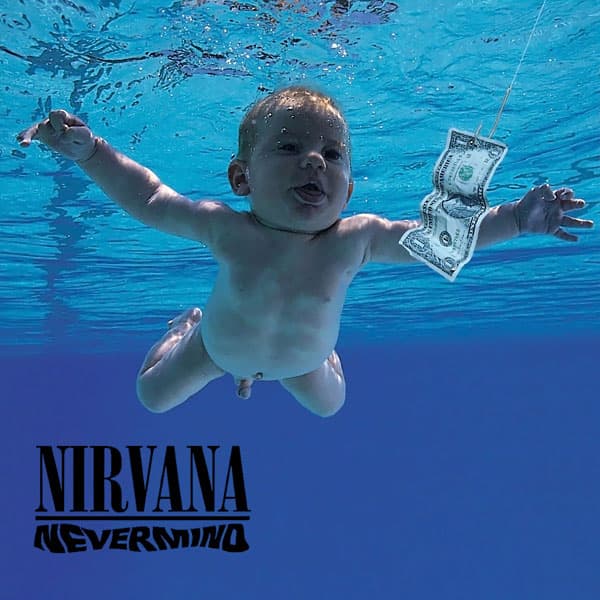
The baby on the cover was paid two hundred dollars. Four months after release it knocked Michael Jackson off the top of the chart.
The only thing we have to fear is fear itself.
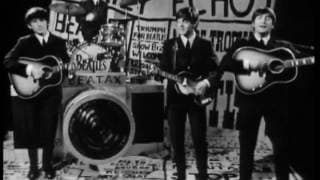
Handclaps, that leaping chord under "I can't hide," and five weeks later America belonged to them.