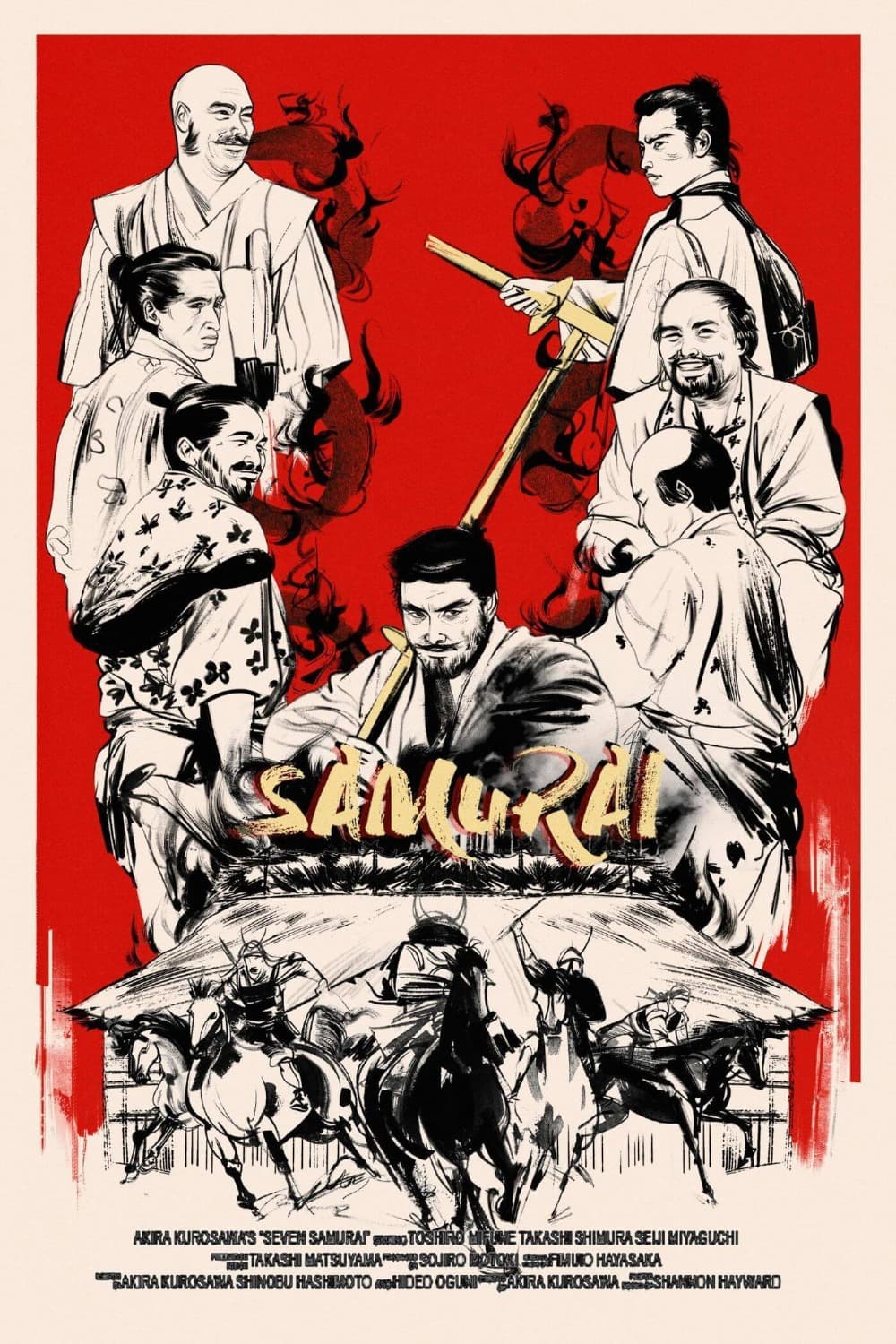
Seven Samurai
Directed by Akira Kurosawa
1954 · Japan
Every film about assembling a team for one last job descends from this one: Kurosawa makes seven men matter, then stages a battle in the mud nobody has equaled.
★ 9.9
 skopia
Every film about assembling a team for one last job descends from this one: Kurosawa makes seven men matter, then stages a battle in the mud nobody has equaled.
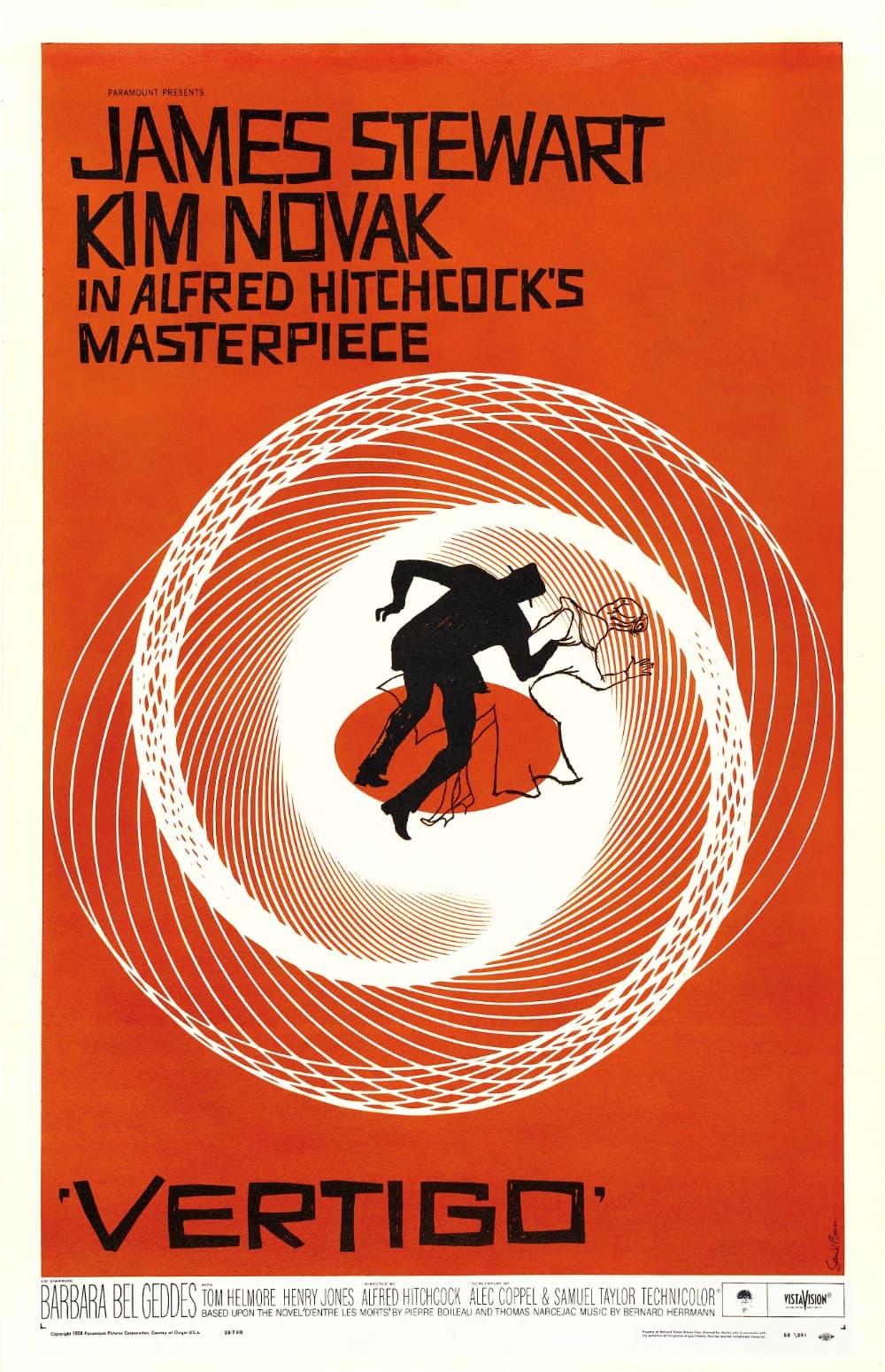
Nobody has ever made obsession look this beautiful or this sick: a man falls for an image instead of a person, and Hitchcock follows him past every point it should stop.
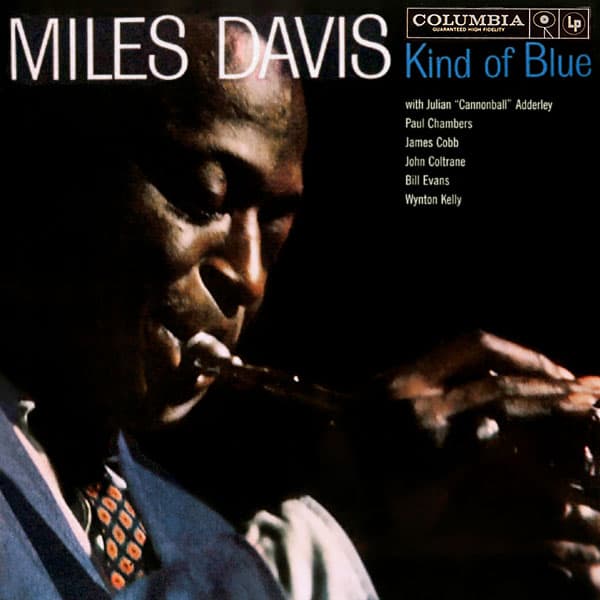
Davis handed the players sketches on the day and most of what you hear is a first take. Two sessions, and it was done.
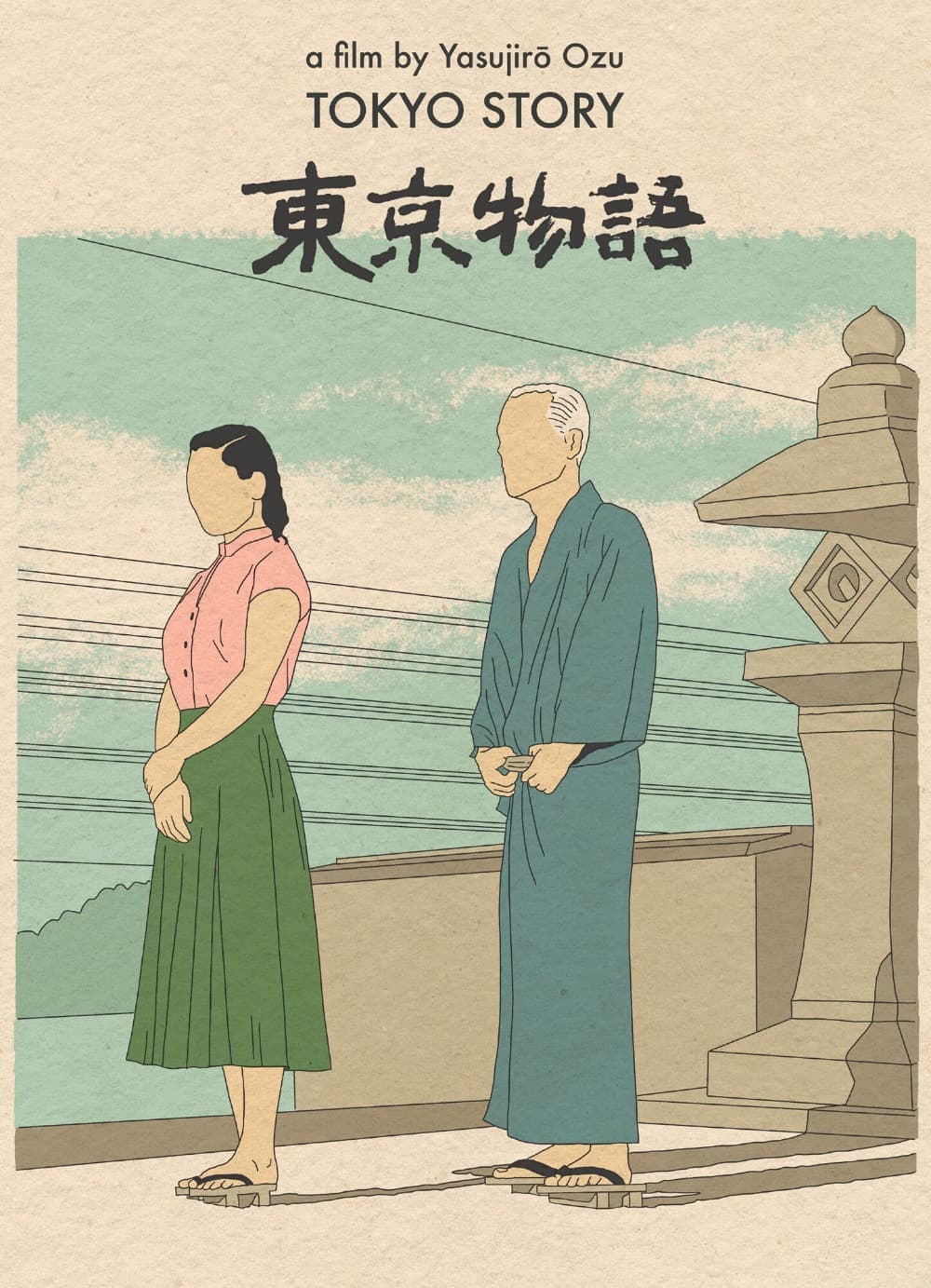
The quiet masterpiece of ordinary life: Ozu finds the ache of a whole century in parents visiting children who have no time for them, and it will find you too.
Chuck Berry's intro lick is rock's opening statement, a country boy's origin myth now drifting past the solar system.
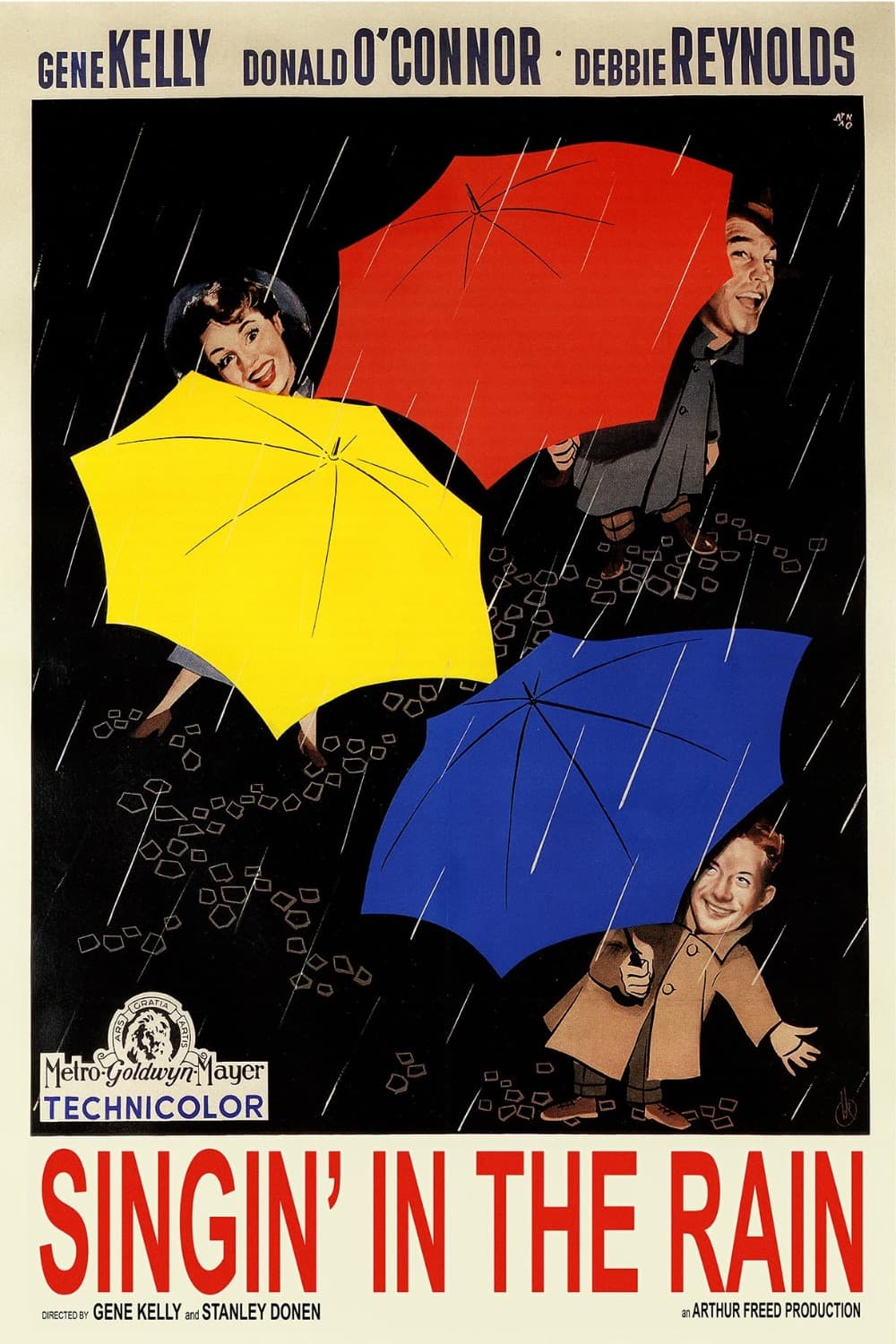
Nothing else on film is this happy, and the subject is an industry in a panic: Hollywood's terror at the arrival of sound became two hours of pure delight.
Elvis's first RCA single, all cavernous echo and empty rooms, the loneliest number one ever cut.
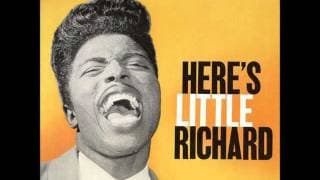
A nonsense holler cleaned up just enough to press, and the moment rock and roll stopped asking permission.
Leiber and Stoller wrote it for Big Mama Thornton; Elvis took it, sped it up, and set it on fire.
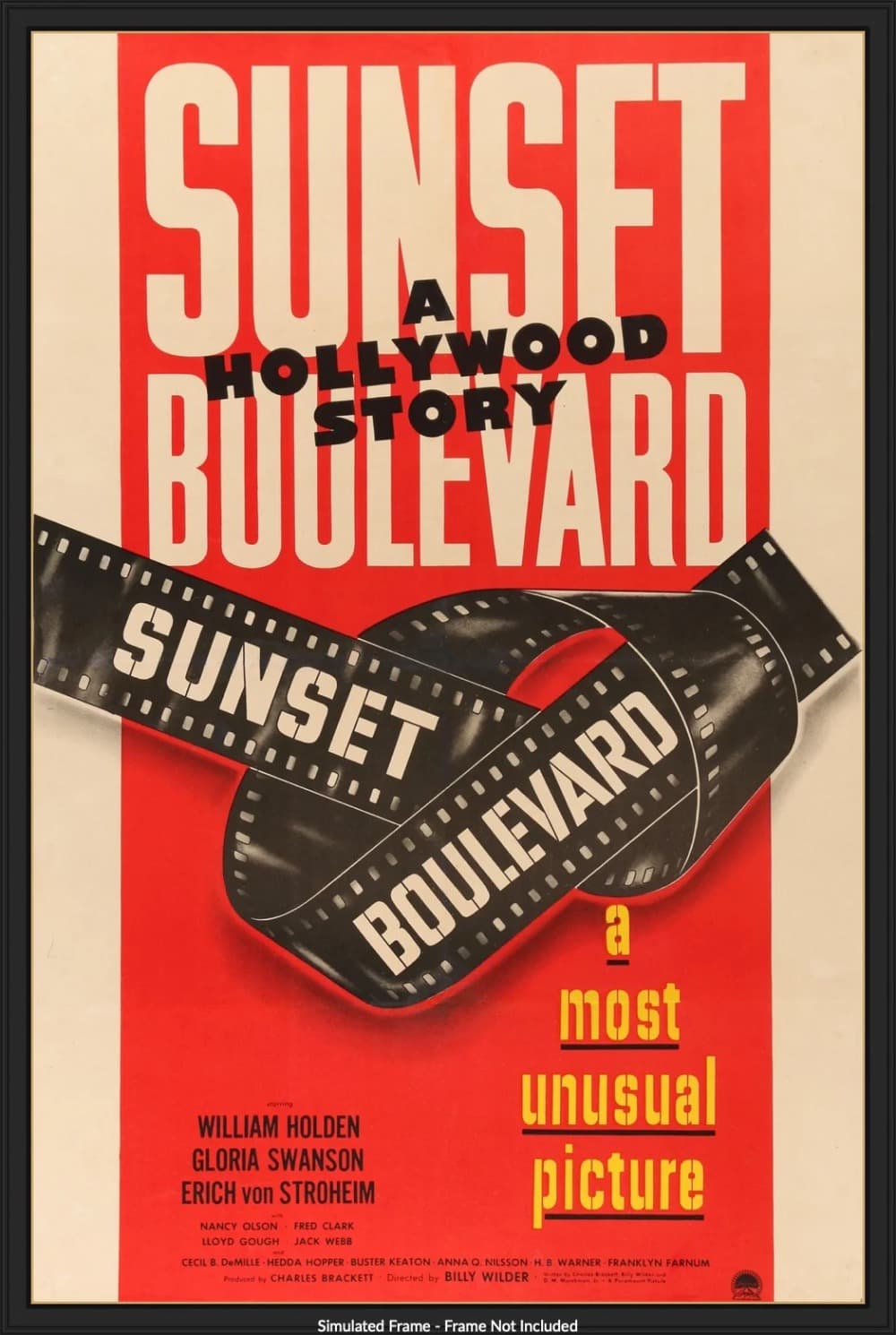
Hollywood has never been crueler about itself: Louis B. Mayer told Wilder he had disgraced the industry, which is the highest praise the film could possibly have received.
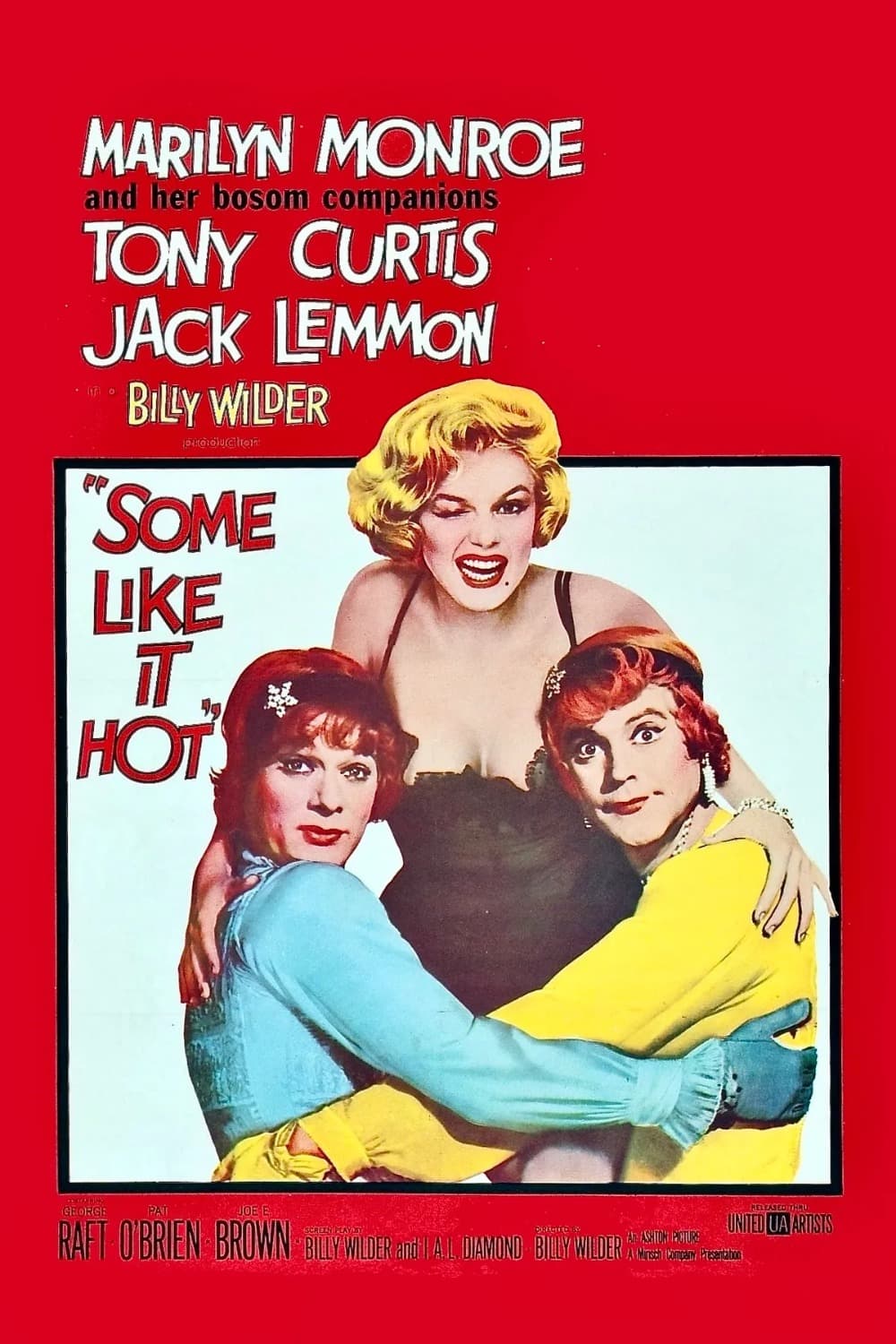
American comedy has never been funnier, and the Legion of Decency was appalled: Wilder ran a single disguise for two hours without ever letting the joke thin out.
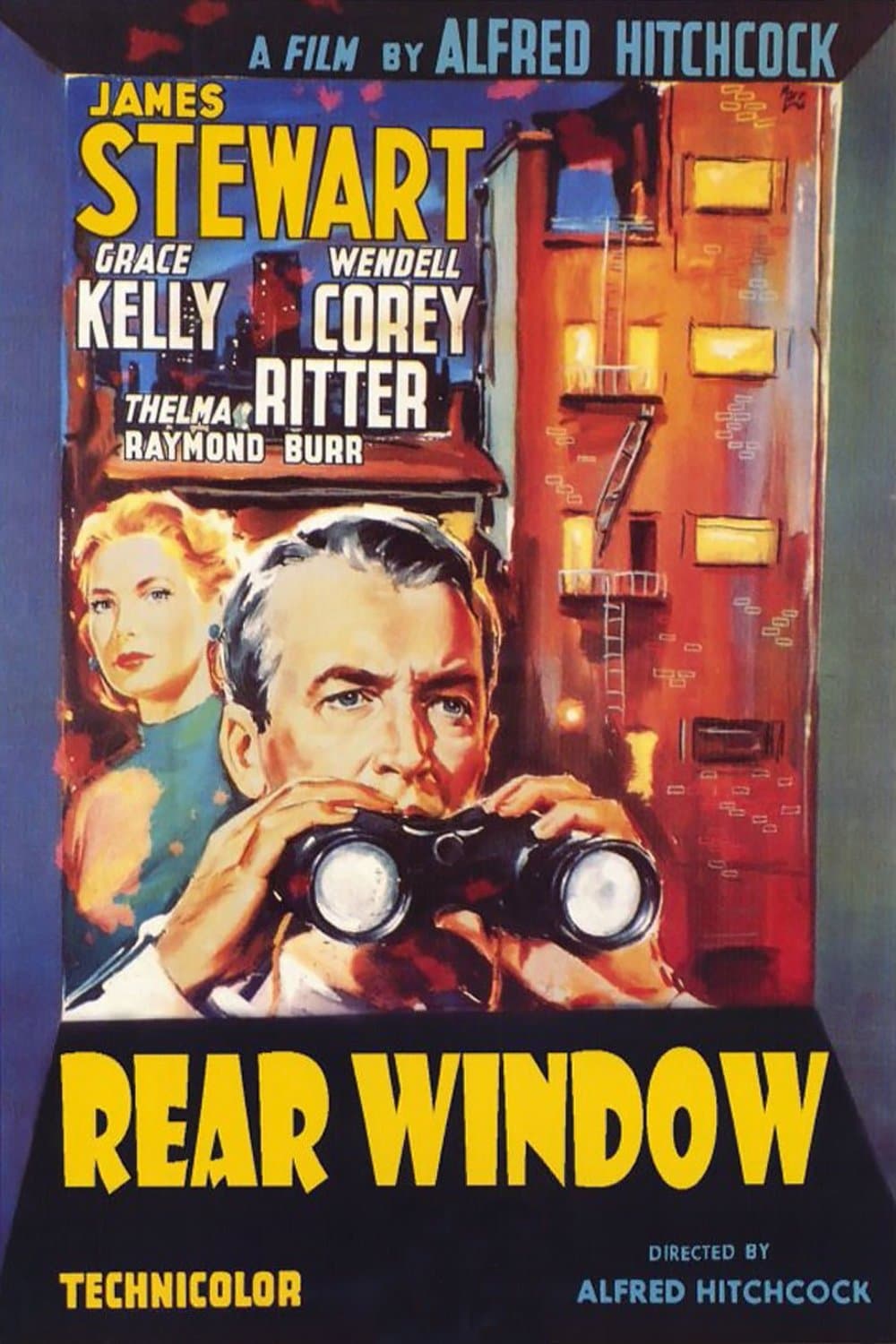
Suspense has never been constructed more purely, and the real subject is the audience: Hitchcock traps you in one room with a man who cannot stop watching his neighbors.
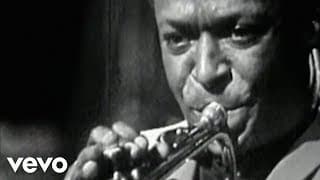
Two chords and all the space in the world, Davis proving that less was the most radical idea in jazz.

Borges invented a library holding every possible book and a man cursed with perfect memory. The stories run ten pages and leave the world looking like something someone made up.
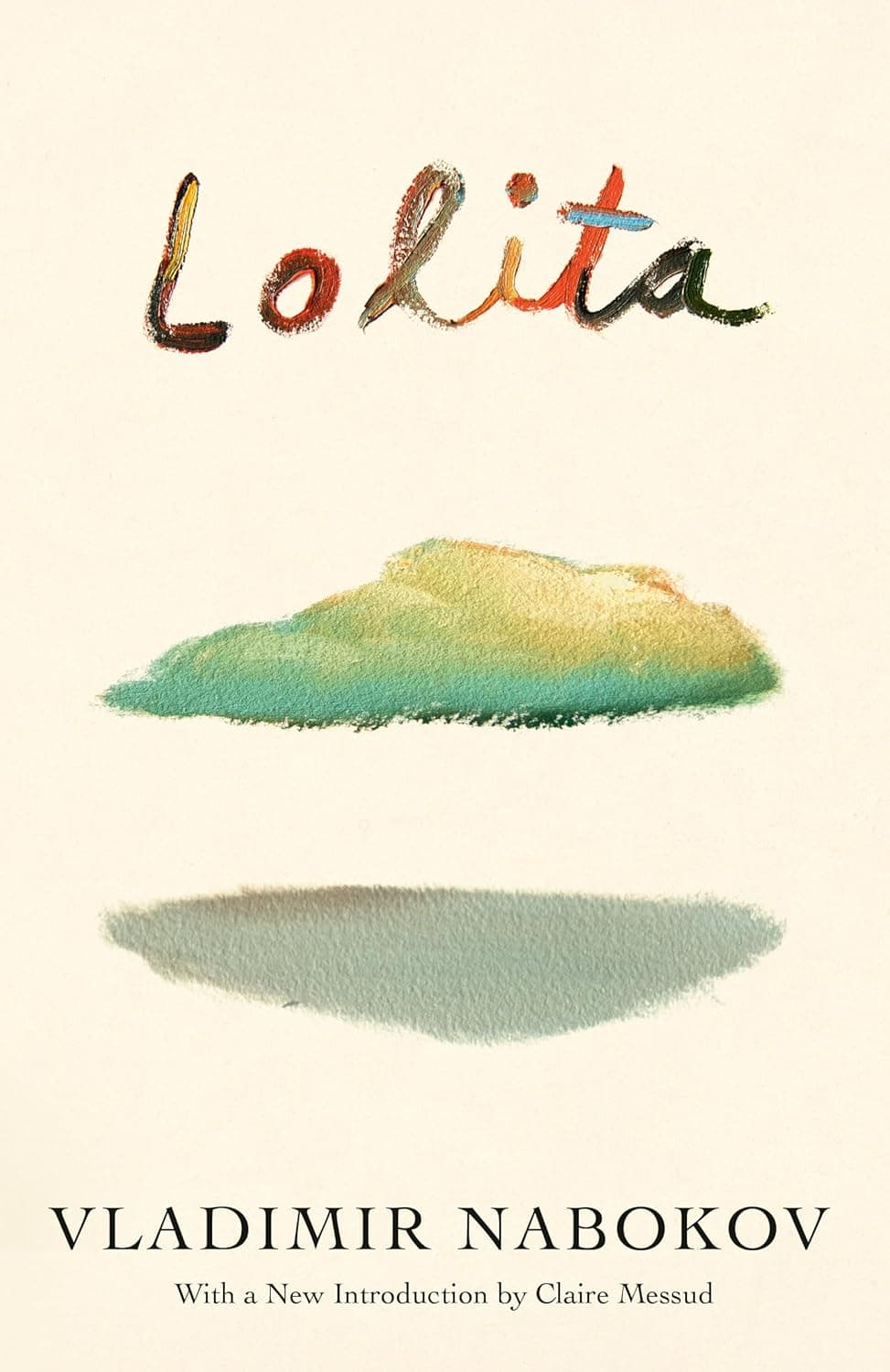
Humbert Humbert explains how he became stepfather to a twelve-year-old girl and drove her across America. Nabokov gives the monster the most beautiful prose in English and dares you to enjoy it.
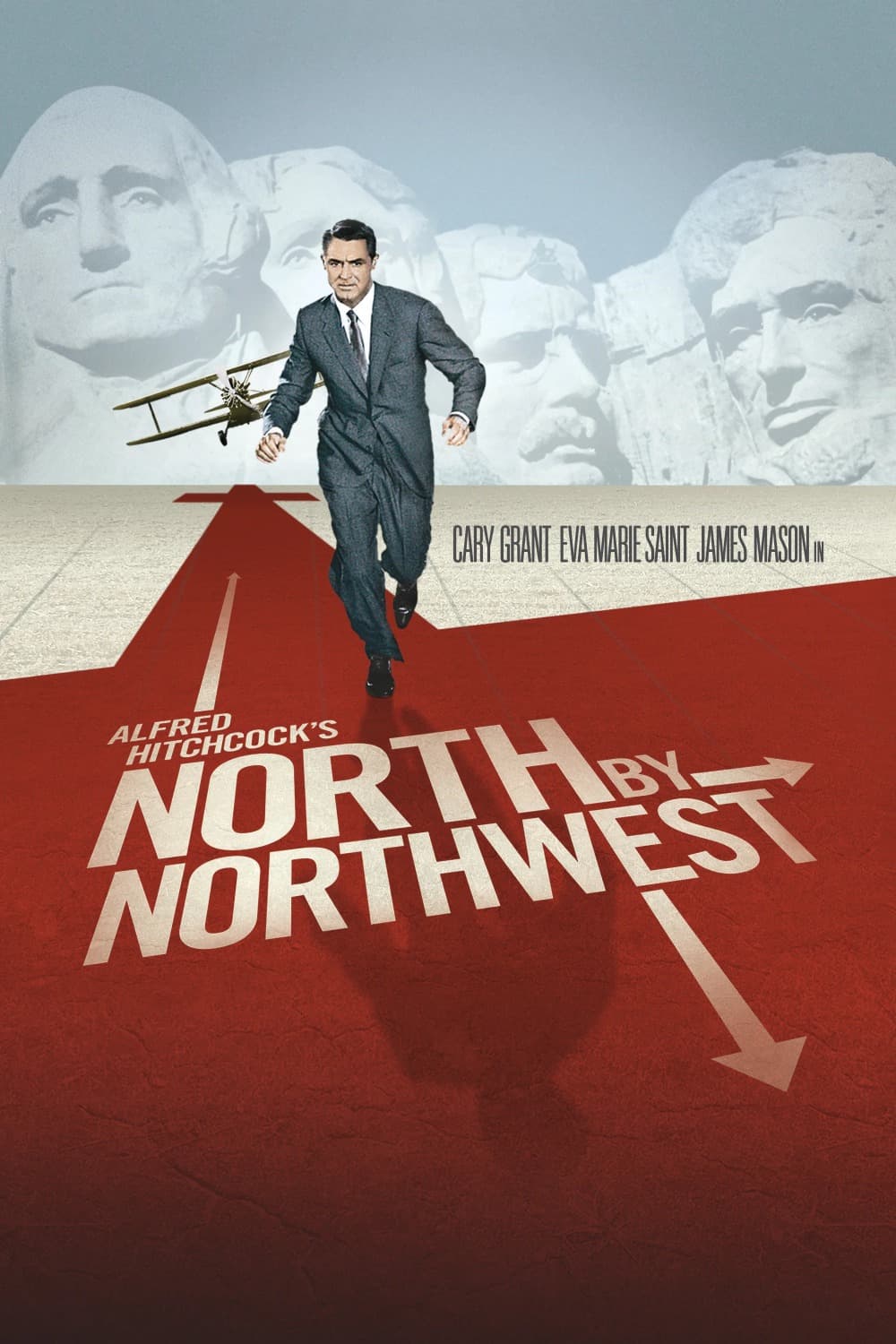
Every spy thriller since owes it something, James Bond most of all: Hitchcock chases an innocent man across America by crop duster and over Mount Rushmore, enjoying himself throughout.
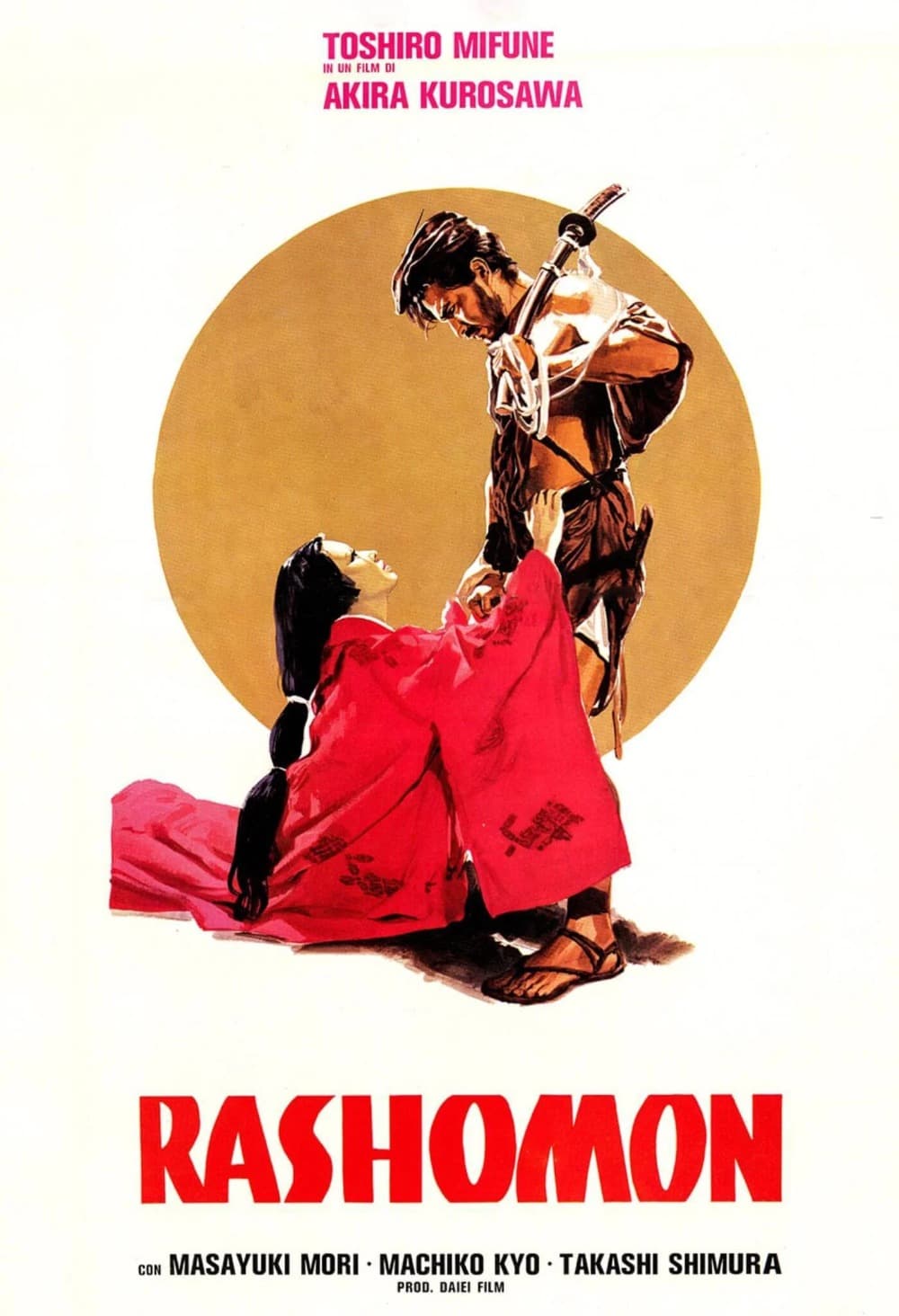
Kurosawa gave the language a word for irreconcilable testimony and opened Japanese cinema to the world: four accounts of one killing, none of which can be squared with another.
Twelve minutes left at a Pennsylvania dance, so Charles improvised it on his Wurlitzer and many stations banned it.
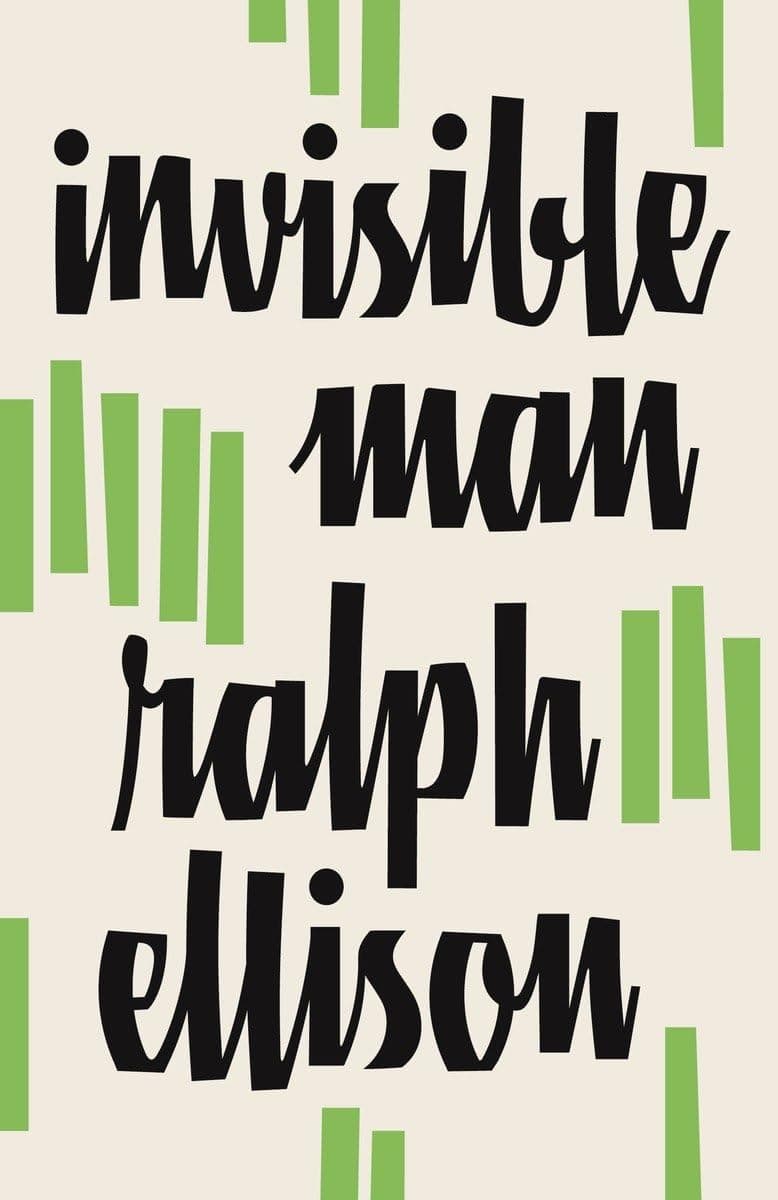
Thrown out of college, then used by a Harlem political movement, a nameless Black man ends up living in a cellar on stolen light. Ellison writes American rage with jazz timing.
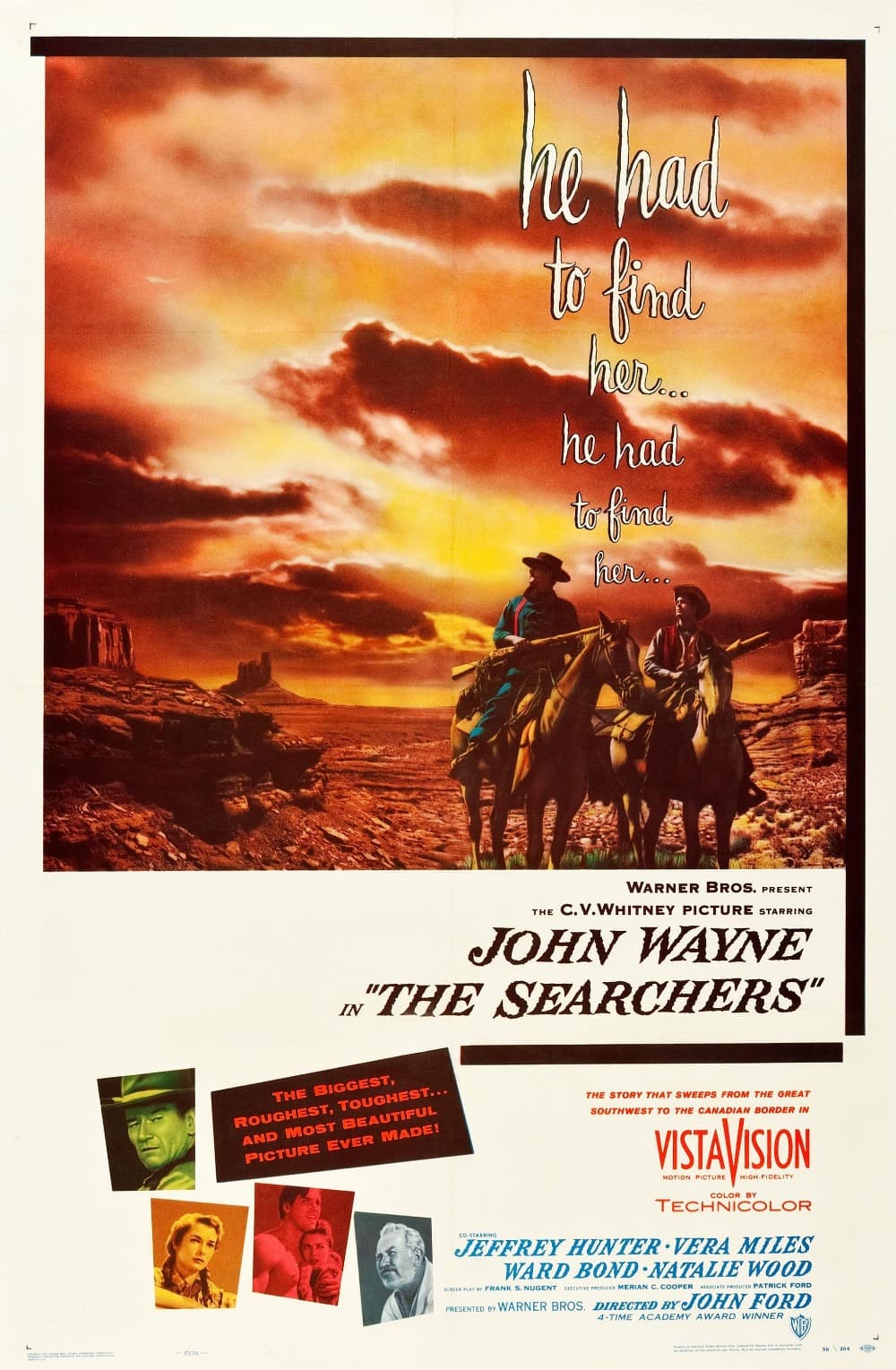
Other directors have been stealing from this western for seventy years: Ford put John Wayne's racism on screen without excusing it, and framed his story in a much-copied doorway.