
Collected Fictions
1951 · 576 pages
Borges invented a library holding every possible book and a man cursed with perfect memory. The stories run ten pages and leave the world looking like something someone made up.
★ 9.1
 skopia
Borges invented a library holding every possible book and a man cursed with perfect memory. The stories run ten pages and leave the world looking like something someone made up.

Holden Caulfield is thrown out of prep school and spends three days loose in New York, telling you about it. Salinger got the voice so exact that teenage fiction has echoed it since.
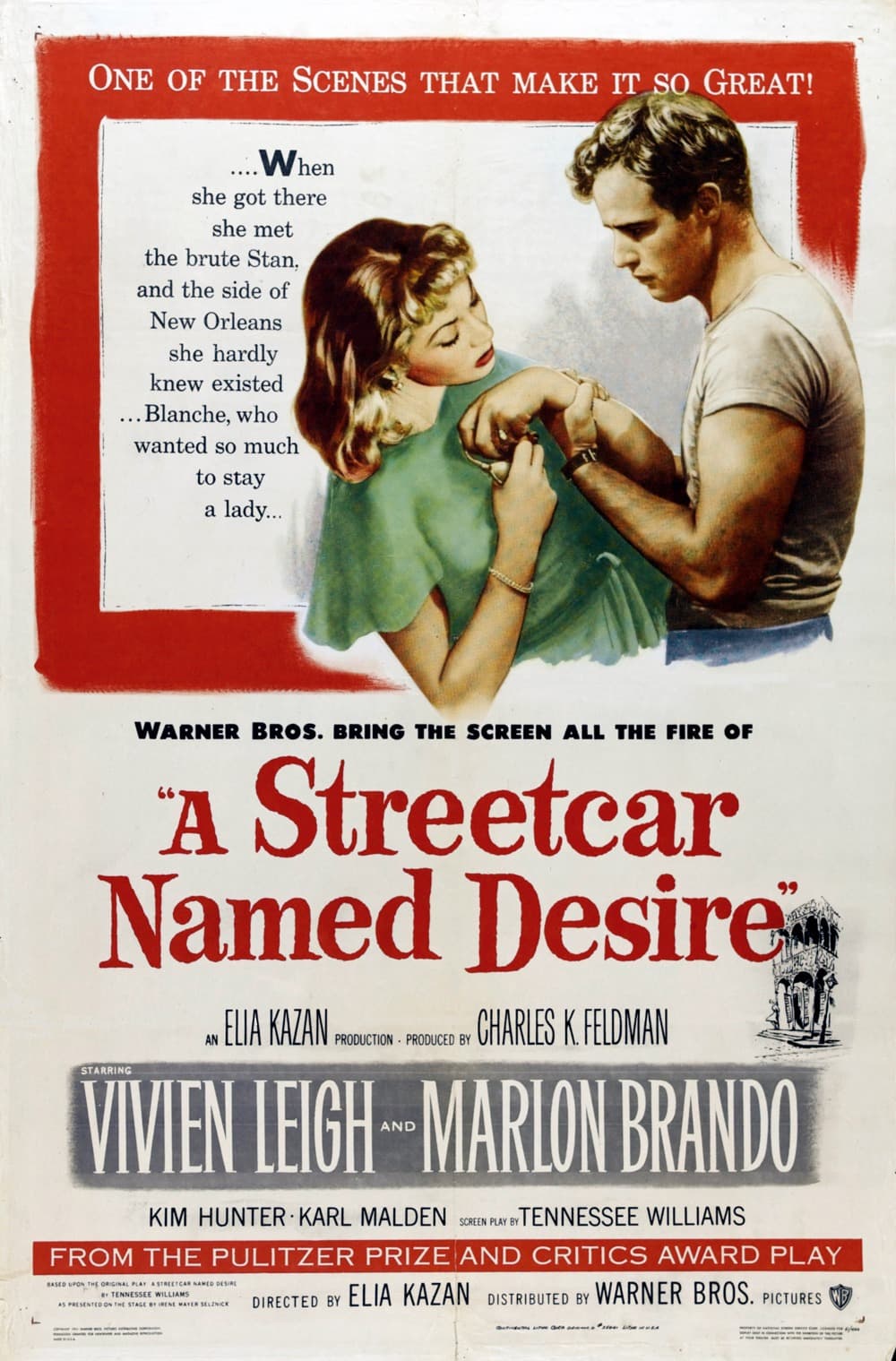
Three of its four leads won Academy Awards and the fourth was Brando: this is where screen acting stopped being theatrical and started being something else entirely.

Kizart's amp fell off the car, Phillips stuffed the blown cone with paper, and distorted guitar entered the language.
Johnson's 1936 triplet figure run through an amplifier, Sonny Boy Williamson on harmonica, and a riff everybody stole.

Williams wrote it for Little Jimmy Dickens, recorded it first himself, and held country number one for eight weeks.
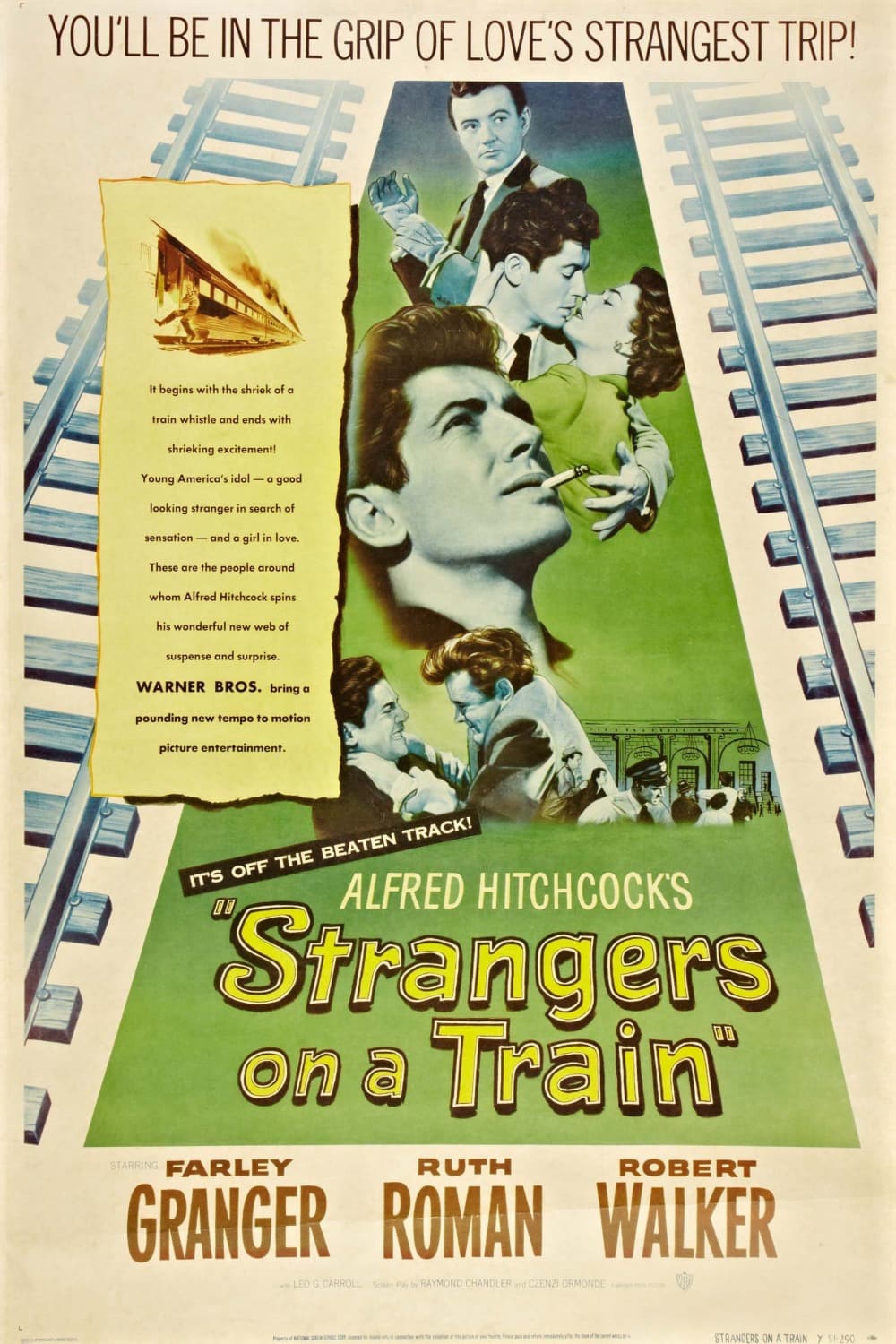
The premise is so clean that thrillers have been borrowing it for seventy years: two men meet on a train and one of them proposes swapping murders.

Nabokov reassembles a Russian childhood of tutors and butterfly nets, the revolution that took it, and a father shot dead in Berlin. He handles his own memory like a specimen under glass.

Runciman tells the Crusades from Constantinople looking west, and the men in armor come off badly. Three volumes of grand narrative build toward his verdict: one long act of intolerance in God's name.

Jealousy narrated from the inside by a man who hates the God he does not believe in. A wartime bomb falls on the lovers, and the woman makes a promise she keeps.

One hundred fifty-three fragments on private life inside a ruined civilization: how we give gifts, keep house, and speak to friends. Adorno's verdict is that wrong life cannot be lived rightly.

Dying, the emperor Hadrian sets down his life for the young Marcus Aurelius. Yourcenar rebuilds a second-century mind so completely that his grief for Antinous, the lover who drowned, arrives as your own.
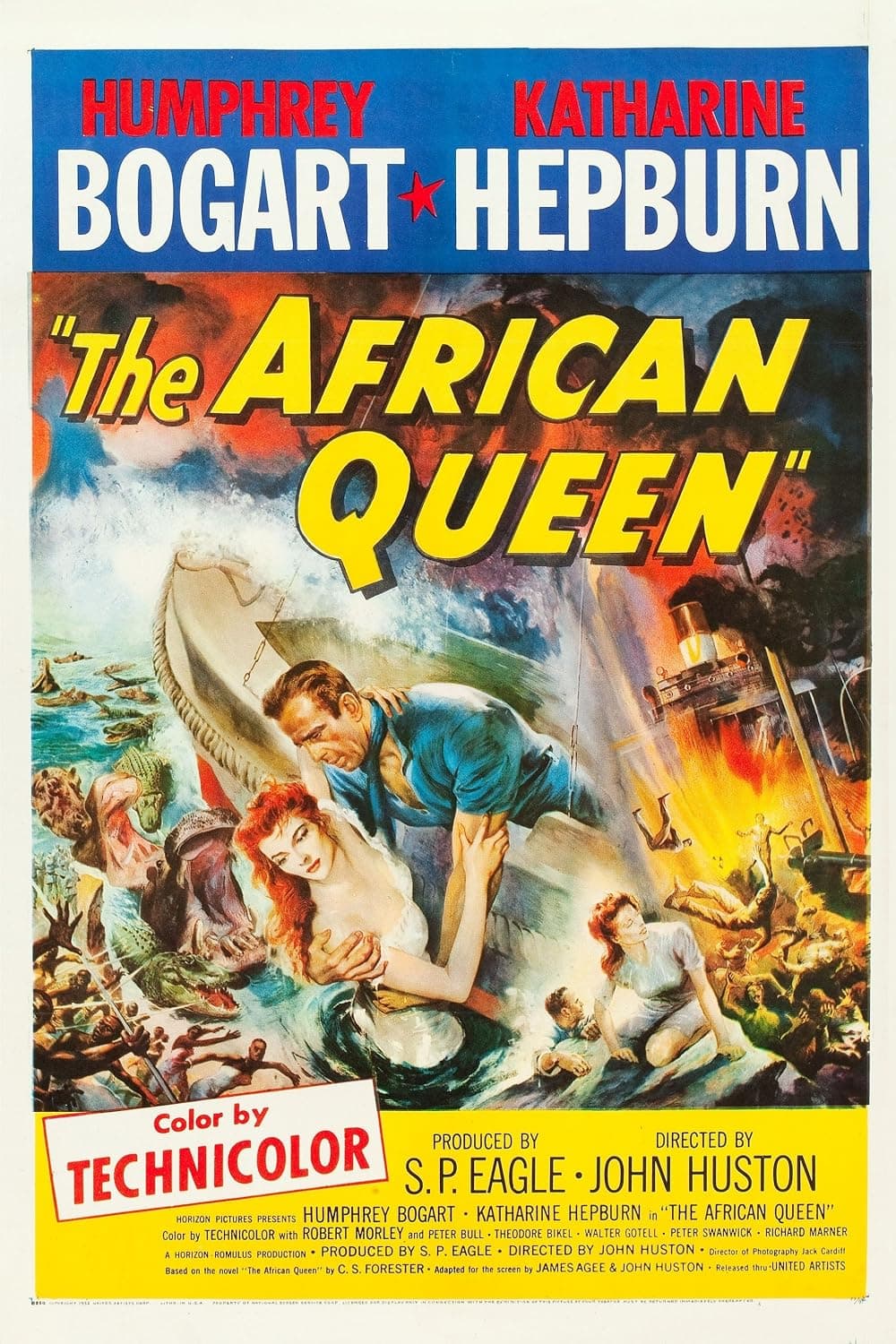
Huston took the production into the Congo and almost everyone fell ill: what came back is Bogart and Hepburn on a battered steam launch, insulting each other into something like love.

Still the fullest American novel of army life. Private Prewitt refuses to box for his company and the army sets about breaking him, on a Hawaii post months before Pearl Harbor.