
Collected Fictions
1951 · 576 pages
Borges invented a library holding every possible book and a man cursed with perfect memory. The stories run ten pages and leave the world looking like something someone made up.
★ 9.1
 skopia
Borges invented a library holding every possible book and a man cursed with perfect memory. The stories run ten pages and leave the world looking like something someone made up.

Holden Caulfield is thrown out of prep school and spends three days loose in New York, telling you about it. Salinger got the voice so exact that teenage fiction has echoed it since.
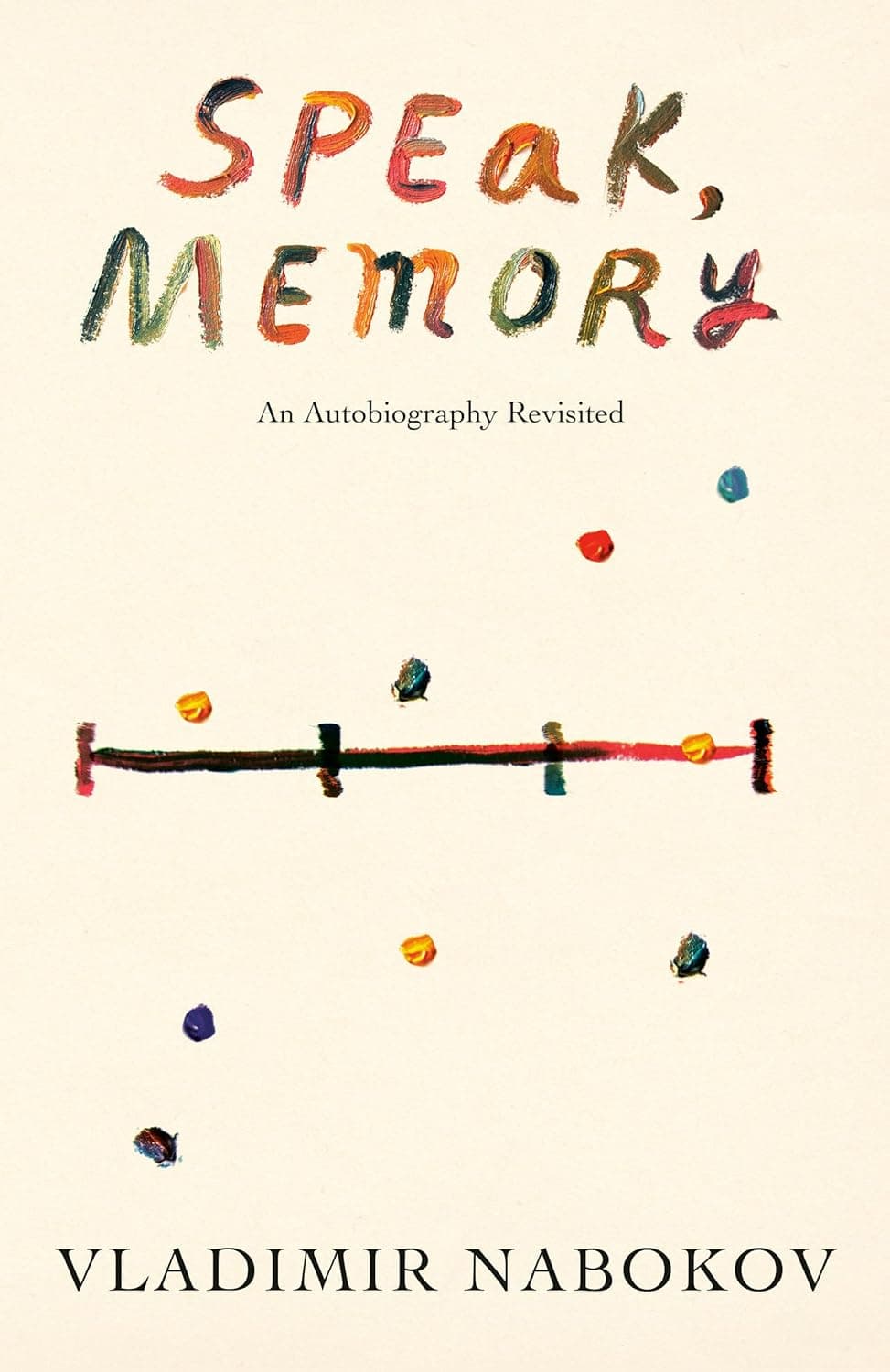
Nabokov reassembles a Russian childhood of tutors and butterfly nets, the revolution that took it, and a father shot dead in Berlin. He handles his own memory like a specimen under glass.

Runciman tells the Crusades from Constantinople looking west, and the men in armor come off badly. Three volumes of grand narrative build toward his verdict: one long act of intolerance in God's name.

Jealousy narrated from the inside by a man who hates the God he does not believe in. A wartime bomb falls on the lovers, and the woman makes a promise she keeps.

One hundred fifty-three fragments on private life inside a ruined civilization: how we give gifts, keep house, and speak to friends. Adorno's verdict is that wrong life cannot be lived rightly.

Dying, the emperor Hadrian sets down his life for the young Marcus Aurelius. Yourcenar rebuilds a second-century mind so completely that his grief for Antinous, the lover who drowned, arrives as your own.

Still the fullest American novel of army life. Private Prewitt refuses to box for his company and the army sets about breaking him, on a Hawaii post months before Pearl Harbor.

Hari Seldon predicts the Galactic Empire's fall and thirty thousand years of darkness, then founds a colony to cut the wait to one thousand. Paul Krugman went into economics wanting Seldon's job.

Herzog and Lachenal reached Annapurna's summit in June 1950, the first men atop an eight-thousand-meter peak. Frostbite cost Herzog every finger and toe during the descent. No mountaineering book has sold like it.
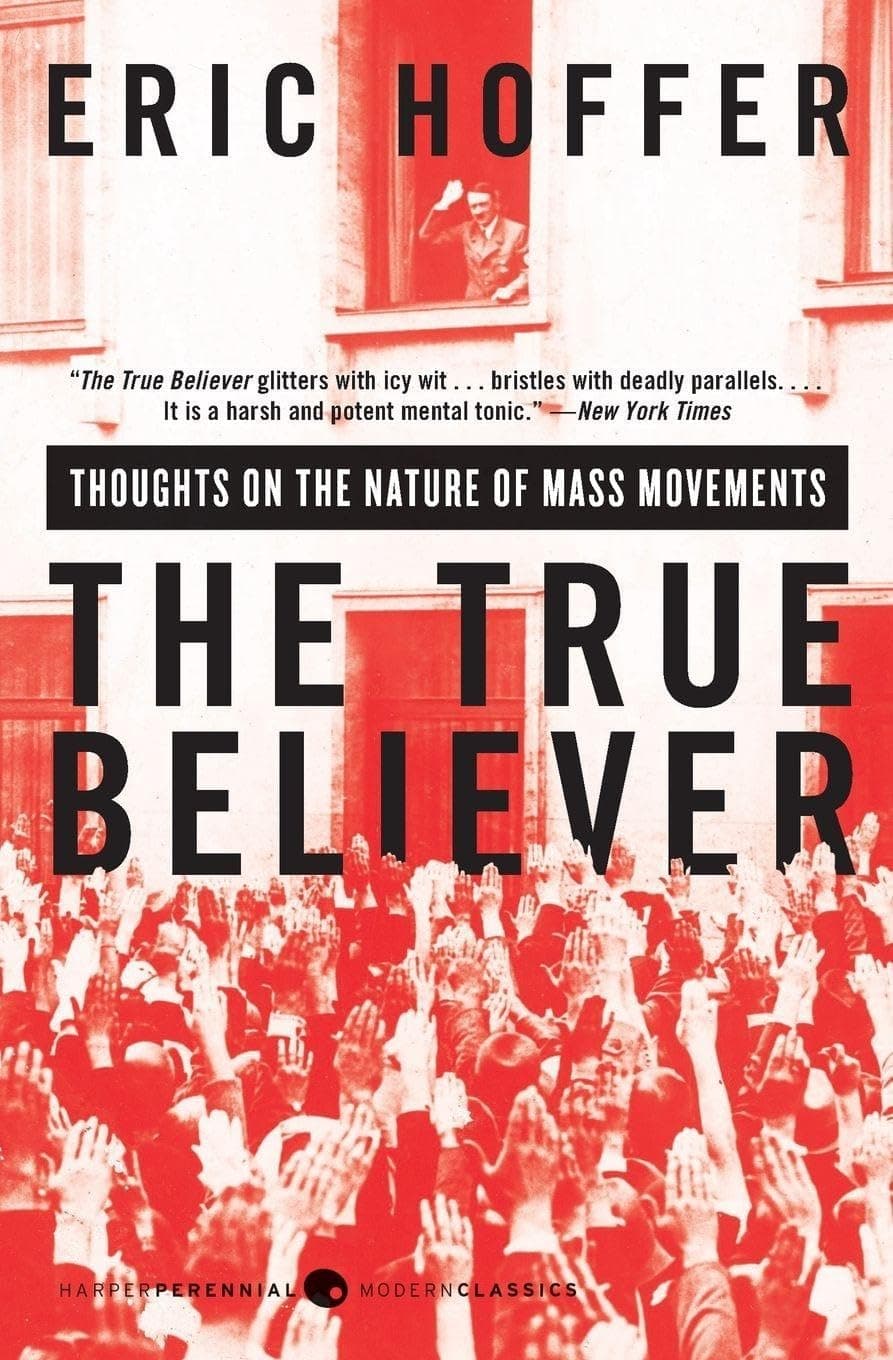
Mass movements are interchangeable, Hoffer argues: converts join not from conviction but to be rid of themselves. Eisenhower handed the book around, and every new wave of fanaticism sends Americans back to it.
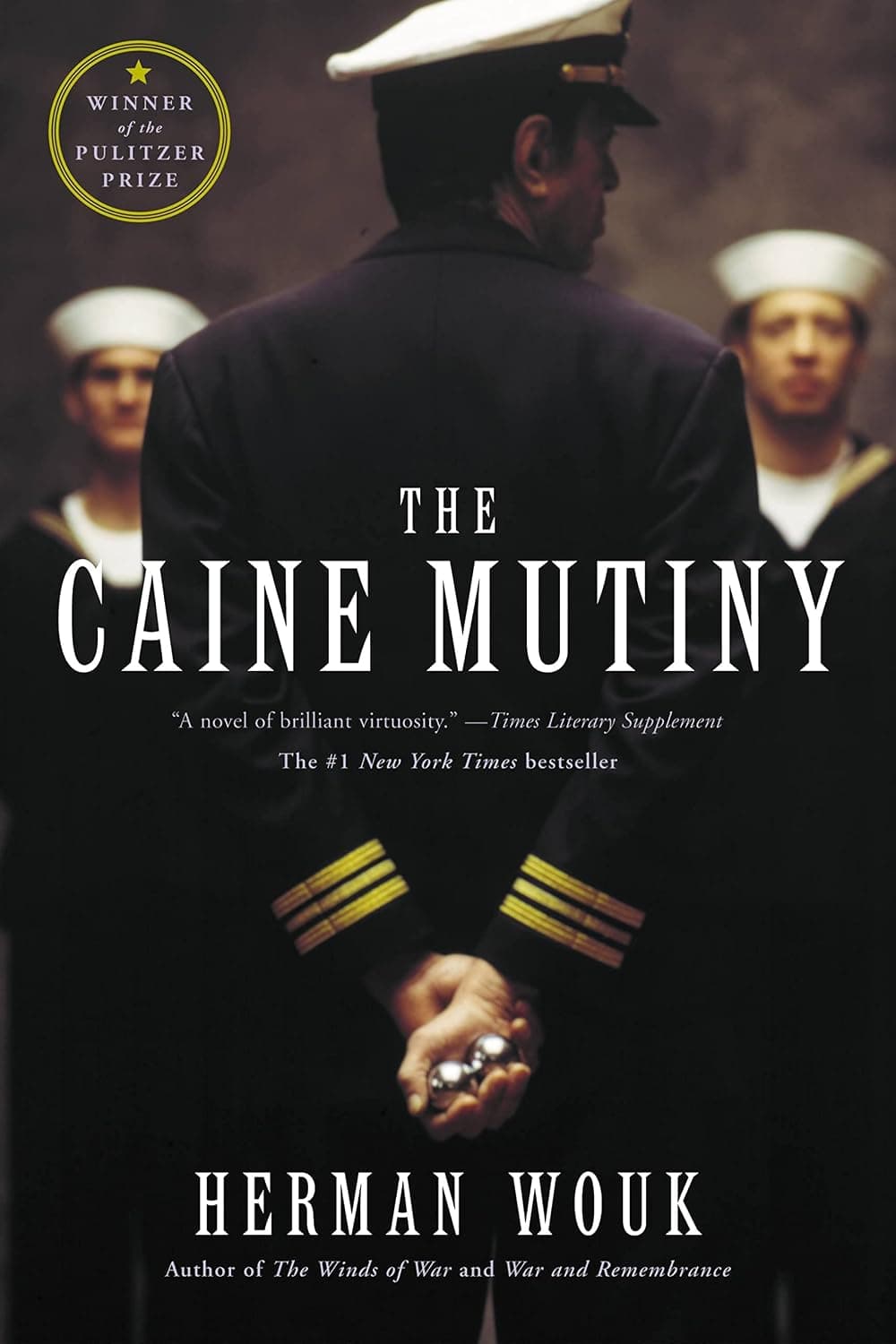
Missing strawberries send Captain Queeg hunting a duplicate key through his own ship, and in a typhoon his executive officer takes command. Wouk's trial asks what a crew owes a failing captain.

Bored in a hospital bed, a Scotland Yard inspector studies a portrait of Richard III and reopens the murder of the two princes, working entirely from chronicles and documents fetched to his bedside.