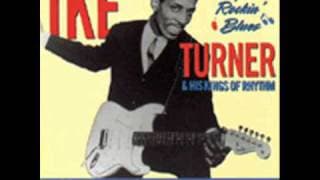
Rocket 88
1951
Kizart's amp fell off the car, Phillips stuffed the blown cone with paper, and distorted guitar entered the language.
★ 7.5
 skopia
Kizart's amp fell off the car, Phillips stuffed the blown cone with paper, and distorted guitar entered the language.
Johnson's 1936 triplet figure run through an amplifier, Sonny Boy Williamson on harmonica, and a riff everybody stole.
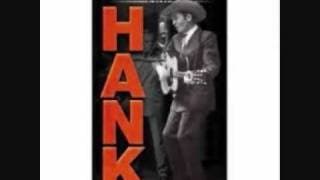
Williams wrote it for Little Jimmy Dickens, recorded it first himself, and held country number one for eight weeks.
Bill Brown's bass voice, not McPhatter's tenor, carried fourteen weeks at R&B number one past nervous radio programmers.
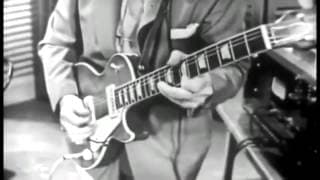
Twelve guitar parts and twelve vocals, by Paul's own count, layered in a Queens apartment studio; nine weeks at number one.
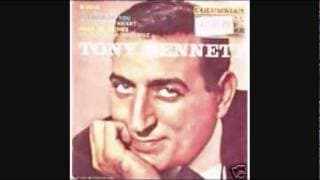
Mitch Miller took a Hank Williams country ballad, wrapped it in Percy Faith's strings, and country crossed over.
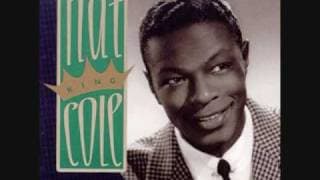
Sidney Lippman and Sylvia Dee handed Cole a teenage lament, and Capitol got five weeks at number one.

A 1940 flop revived by a film, cut with Percy Faith conducting, and ten weeks at number one.
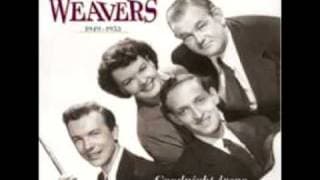
Cecil Sharp collected it in Appalachia in 1916; Seeger's arrangement and Terry Gilkyson's voice sold a million.
Cahn and Brodszky wrote it for The Toast of New Orleans; Lanza's tenor turned it into two million records.

Miller threatened to fire Clooney if she refused, Stan Freeman played harpsichord, and it sat six weeks at number one.
Written in 1934 and revived by a crowded field of 1950 covers; Como's held number one for eight weeks.
A Juventino Rosas waltz from 1888, fitted with English words for The Great Caruso and sung to number three.