Johnny B. GoodeChuck Berry
Johnny B. Goode
1958 · From Chuck Berry Is on Top
Chuck Berry's intro lick is rock's opening statement, a country boy's origin myth now drifting past the solar system.
★ 9.8
 skopia
Chuck Berry's intro lick is rock's opening statement, a country boy's origin myth now drifting past the solar system.
Elvis's first RCA single, all cavernous echo and empty rooms, the loneliest number one ever cut.
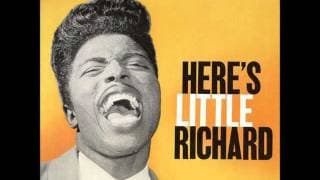
A nonsense holler cleaned up just enough to press, and the moment rock and roll stopped asking permission.
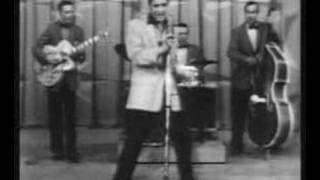
Leiber and Stoller wrote it for Big Mama Thornton; Elvis took it, sped it up, and set it on fire.
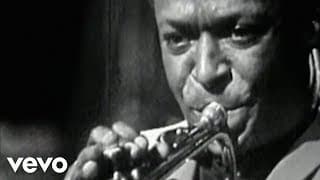
Two chords and all the space in the world, Davis proving that less was the most radical idea in jazz.
Twelve minutes left at a Pennsylvania dance, so Charles improvised it on his Wurlitzer and many stations banned it.
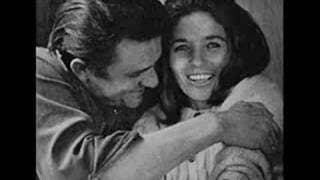
Cash slipped paper under his guitar strings for that snare tick, and hums to find each new key.
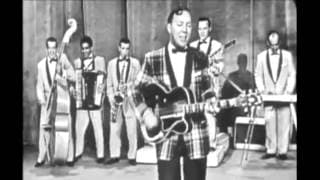
Cut in leftover studio minutes with Sammy Davis Jr. waiting outside, it flopped until Blackboard Jungle put it under the credits.
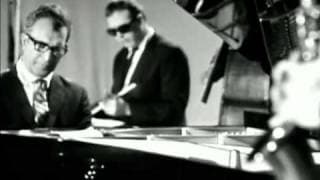
Morello kept soloing in five, so the quartet built him a tune in 5/4; Desmond wrote the theme.
Presley started clowning through an Arthur Crudup blues on a break; Sam Phillips heard it and rolled tape.
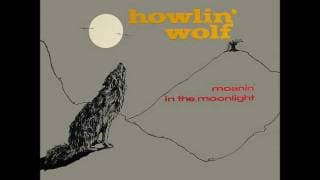
One chord, no changes, Sumlin's guitar circling, and Wolf's howl answering the trains whose sparks named the song.
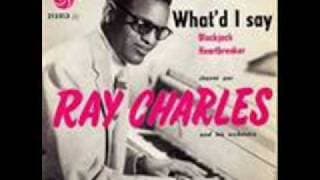
Charles took a gospel record he heard on tour, swapped the subject, and cut soul music's blueprint in Atlanta.
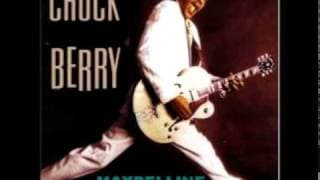
Ida Red, a 1938 Bob Wills fiddle tune, turned into a car chase, with Johnnie Johnson's piano running underneath.
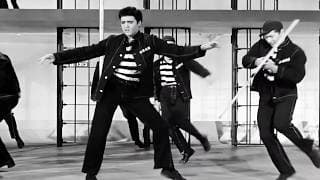
Leiber and Stoller wrote it as a goof; Scotty Moore's solo nearly derails the take and Presley never blinks.
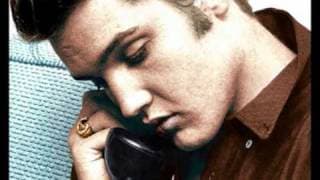
Blackwell gave Presley half the writing credit; the Jordanaires hum behind a vocal so relaxed it barely seems to try.
Holly took the title from a John Wayne line and recut it in Clovis after Decca shelved the first version.
Waters answered Bo Diddley's answer to his own song in 1955, holding one chord and a stop-time riff throughout.
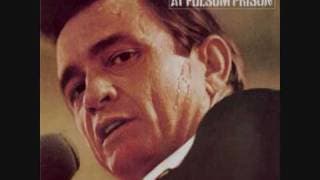
A prison film in Germany gave Cash the song; he borrowed the melody from Gordon Jenkins and later paid up.
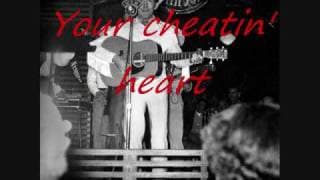
A lyric dictated from a car seat, one last Nashville session, and six weeks at country number one.
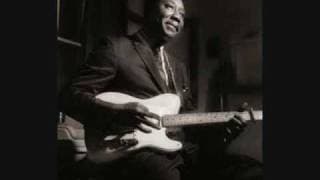
One man, one electric guitar, no band; the Chess single that later named a magazine and a British group.