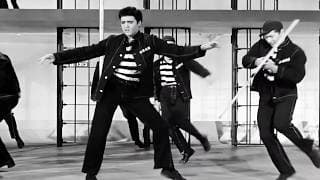
Jailhouse Rock
1957
Leiber and Stoller wrote it as a goof; Scotty Moore's solo nearly derails the take and Presley never blinks.
★ 8.3
 skopia
Leiber and Stoller wrote it as a goof; Scotty Moore's solo nearly derails the take and Presley never blinks.
Holly took the title from a John Wayne line and recut it in Clovis after Decca shelved the first version.
Cooke credited it to his brother L.C. to dodge his publisher, then carried it to number one on both charts.
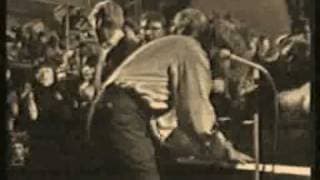
One microphone, Roland Janes muted behind the boogie piano, and a July 1957 television debut that turned it national.
Cut in Clovis as "Cindy Lou" until Allison's girlfriend got the title, and his paradiddles never let up.
Lewis argued theology with Sam Phillips between takes at Sun, decided the devil could wait, and cut it anyway.
Felice and Boudleaux Bryant's plot is an alibi, Boston banned it as suggestive, and it still topped the pop chart.
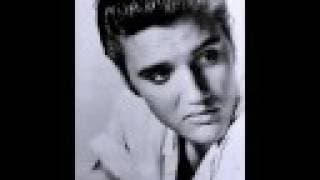
A shaken Pepsi bottle gave Blackwell the title, and Presley's version held number one for two solid months.
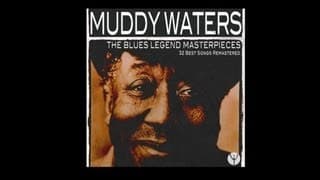
Waters heard Ann Cole sing it on tour, cut a single that flopped, then made it his signature at Newport.
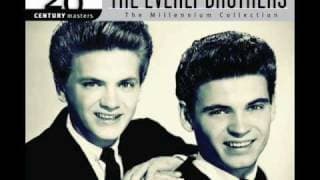
Some thirty acts turned the Bryants' song down; Don Everly's intro, written for something else, took it to number two.
Jerry Allison pounded the beat out on a cardboard box, and a B-side that never charted outlived nearly everything.
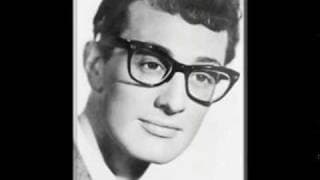
A celesta played by the producer's wife, Jerry Allison slapping his knees for drums, and two minutes of pure lift.
Jerome Green's maracas, Jody Williams on lead guitar, graveyard imagery, and a shuffle that skips the Bo Diddley beat.
Willie Dixon on bass, Lafayette Leake on piano, Chicago in May 1957, and Berry arguing the case for backbeat.
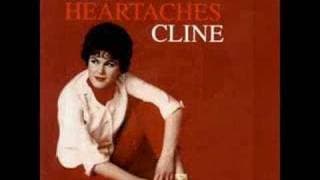
Written for Kay Starr and shelved, resisted by Cline, then sung to victory on Arthur Godfrey's talent show.
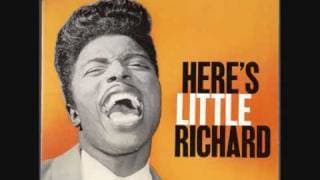
Charles Connor's drum intro opens it, and Bonham borrowed the same beat for Led Zeppelin's Rock and Roll.
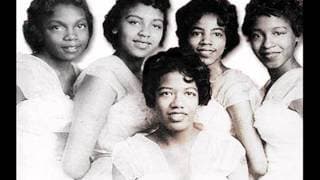
A Manhattan church studio, Richard Barrett's piano figure, and a sixteen-year-old lead vocal that opened the girl-group era.
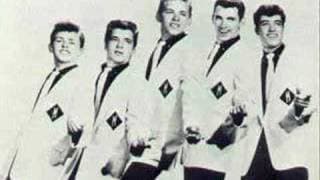
Five Mount Vernon high schoolers, a Billy Myles song, and Bob Scholl's lead floating over the sweetest doo-wop changes.