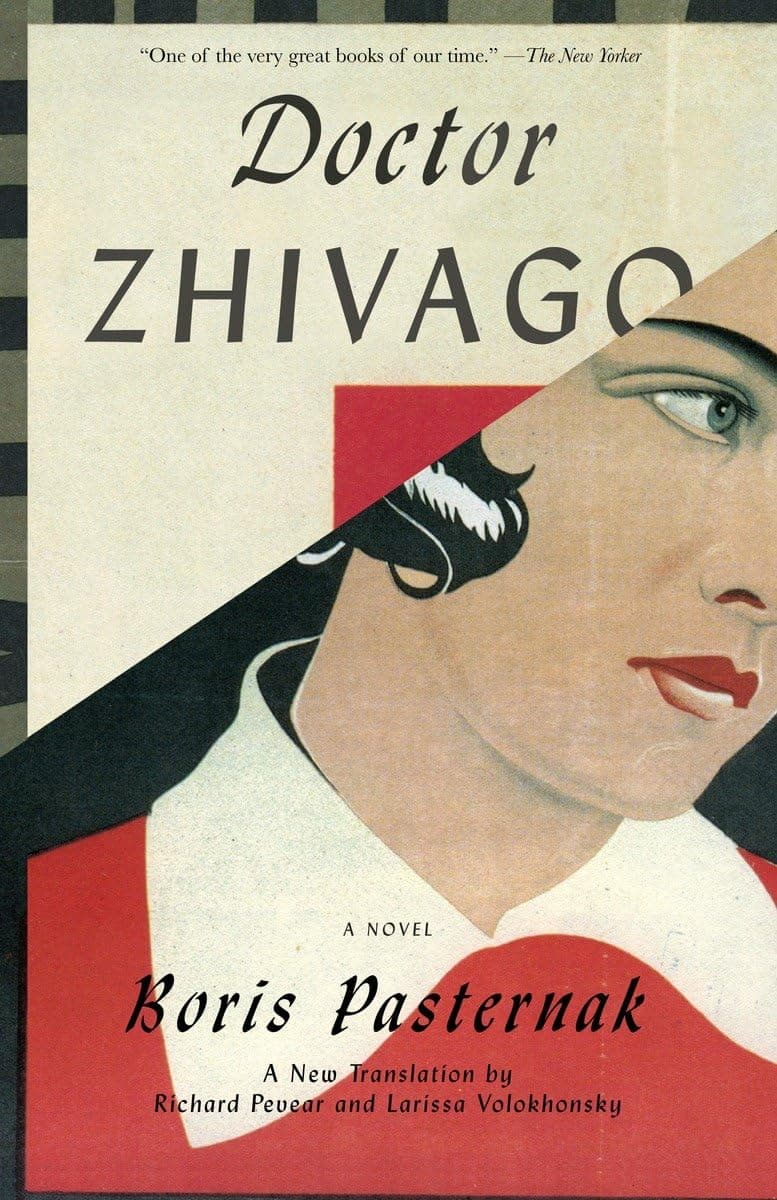
Doctor Zhivago
1957 · 673 pages
Yuri Zhivago, a doctor who writes poetry, is carried through war and revolution and away from the women he loves. Pasternak lets history arrive like weather, and the Soviets banned it outright.
★ 8.4
 skopia
Yuri Zhivago, a doctor who writes poetry, is carried through war and revolution and away from the women he loves. Pasternak lets history arrive like weather, and the Soviets banned it outright.

A Cairo merchant rules his household as a tyrant and drinks his nights away with singers while his wife may not step outside. Over three generations, revolution and war reach inside that house.
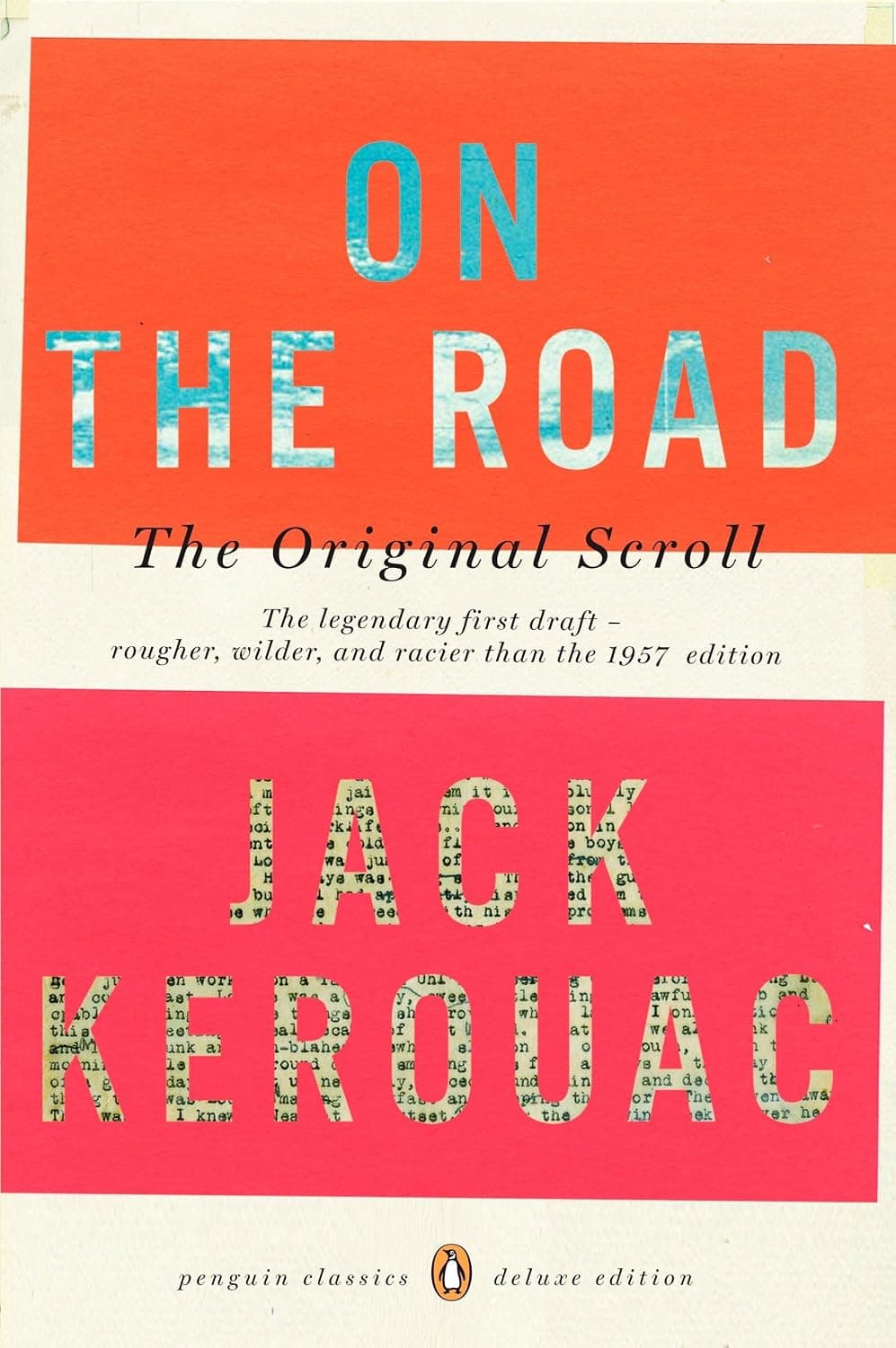
Sal Paradise crosses and recrosses America with Dean Moriarty, a car thief who talks nonstop and cannot sit still. Kerouac made restlessness the American subject, and the prose runs on the same fuel.

At twelve, refusing a plate of snails his father demands he eat, Cosimo climbs into an oak and never touches ground again. He reads, loves, and fights the eighteenth century from the branches.

Hoggart set down working-class Leeds as he had lived it, then indicted the slick magazines displacing it. Seven years later he founded the Birmingham center that made popular culture an academic discipline.
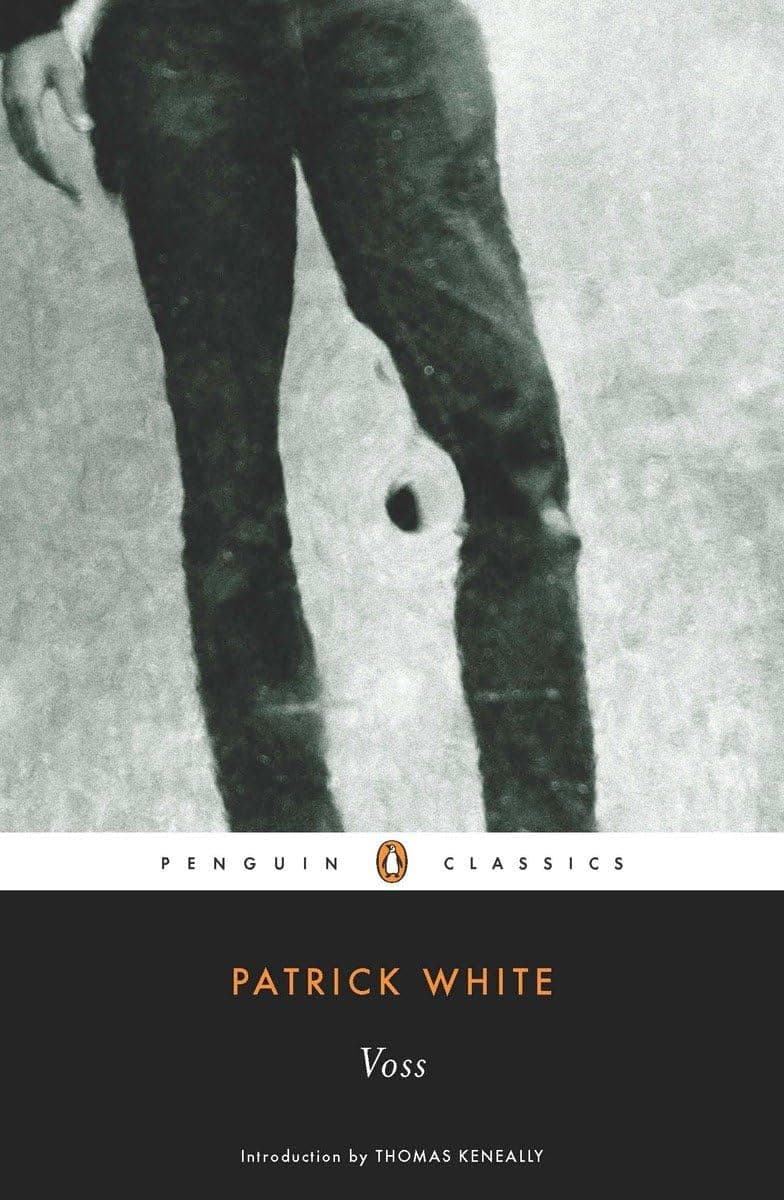
In 1845 a German explorer attempts to cross Australia, bound across the desert to a woman in Sydney he barely knows. It took the inaugural Miles Franklin Award, Australia's foremost literary prize.

Bachelard reads the house as our first universe: the cellar holds our fears, the attic our reveries, and drawers, shells, and corners hold the rest. Architects have designed by it since the 1960s.

Leander Wapshot pilots a decrepit ferry while his rich cousin dangles the family fortune at his sons, payable only if they father sons. Cheever sends the boys into an America that baffles them.
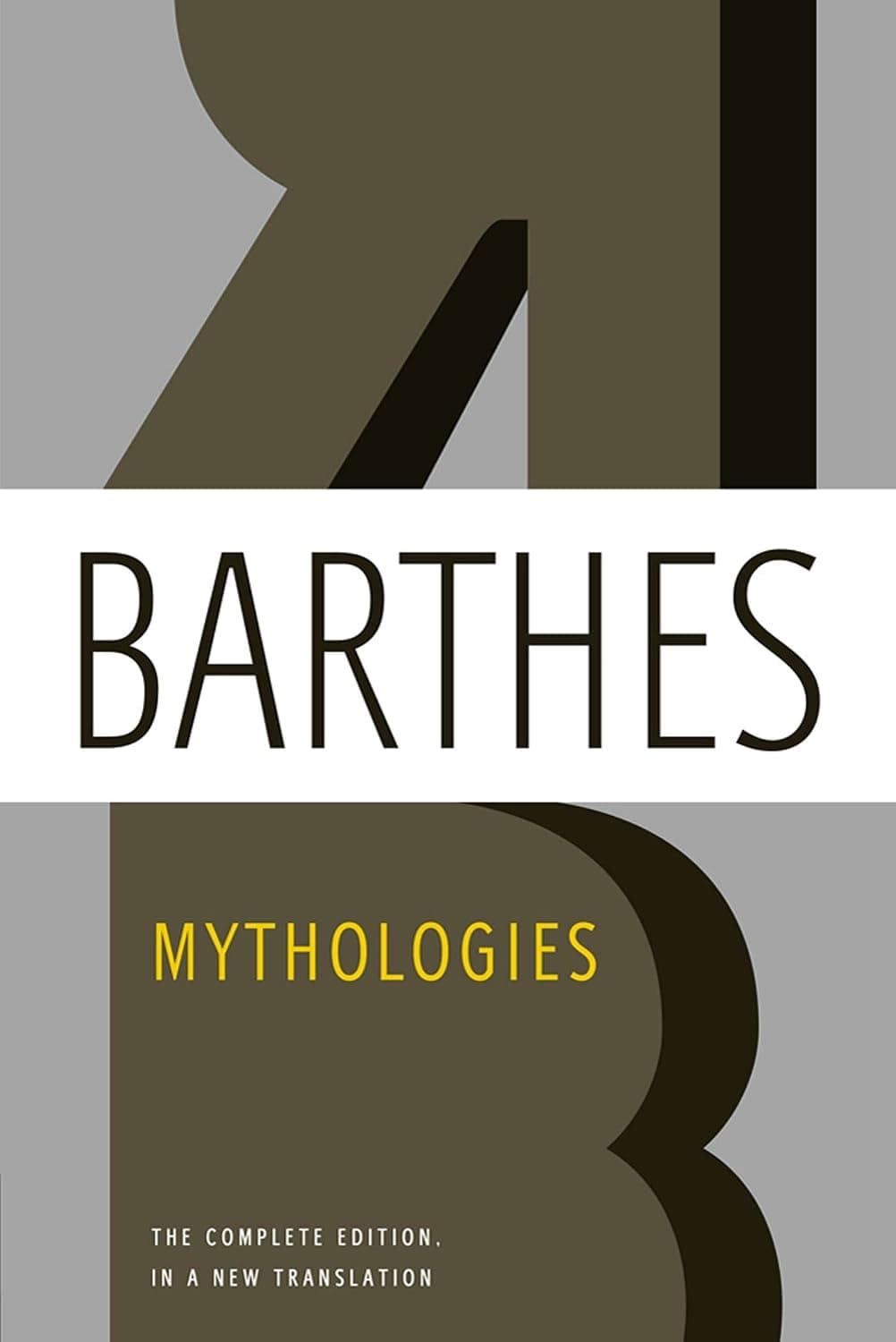
A magazine cover shows a black soldier saluting the French flag, and Barthes explains what that image says about empire. His essays on wrestling and steak made every ordinary object readable as ideology.

A cat in a striped hat arrives where two children are stuck indoors, and takes the place apart. Seuss did it in 236 words and buried the Dick and Jane primer.

Knoxville, 1915: a man is called out at night to his sick father and killed on the road home. Agee follows the six-year-old son through the days after, in prose of unbearable precision.
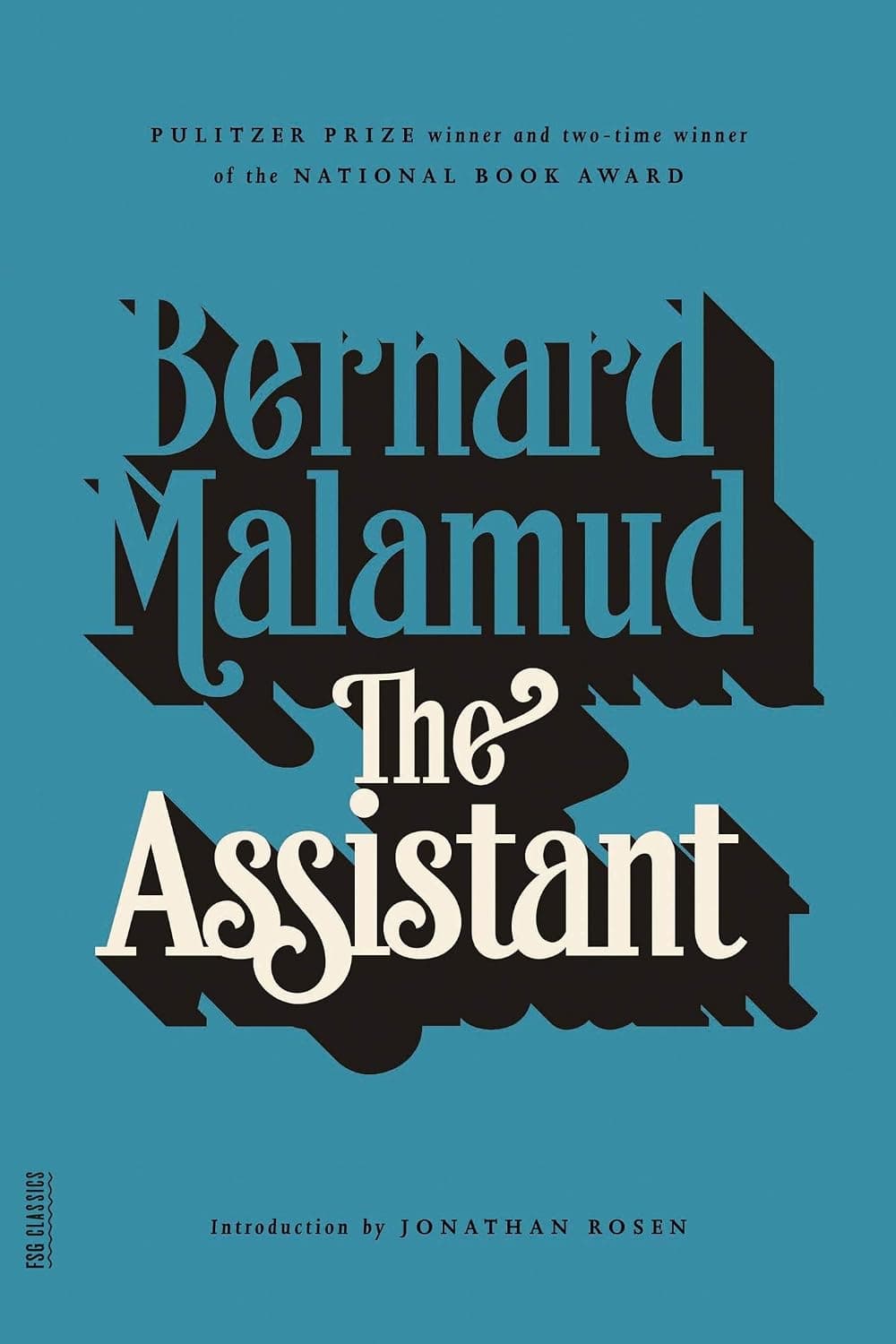
In a failing Brooklyn grocery, the drifter who helped rob the place returns to work for the Jewish owner without pay. Malamud turned that store into the moral center of Jewish American fiction.

Rasmussen teaches you to feel a building before you name its style: the hardness a child finds bouncing a ball off a wall, Rome's Spanish Steps descending in the rhythm of a polonaise.
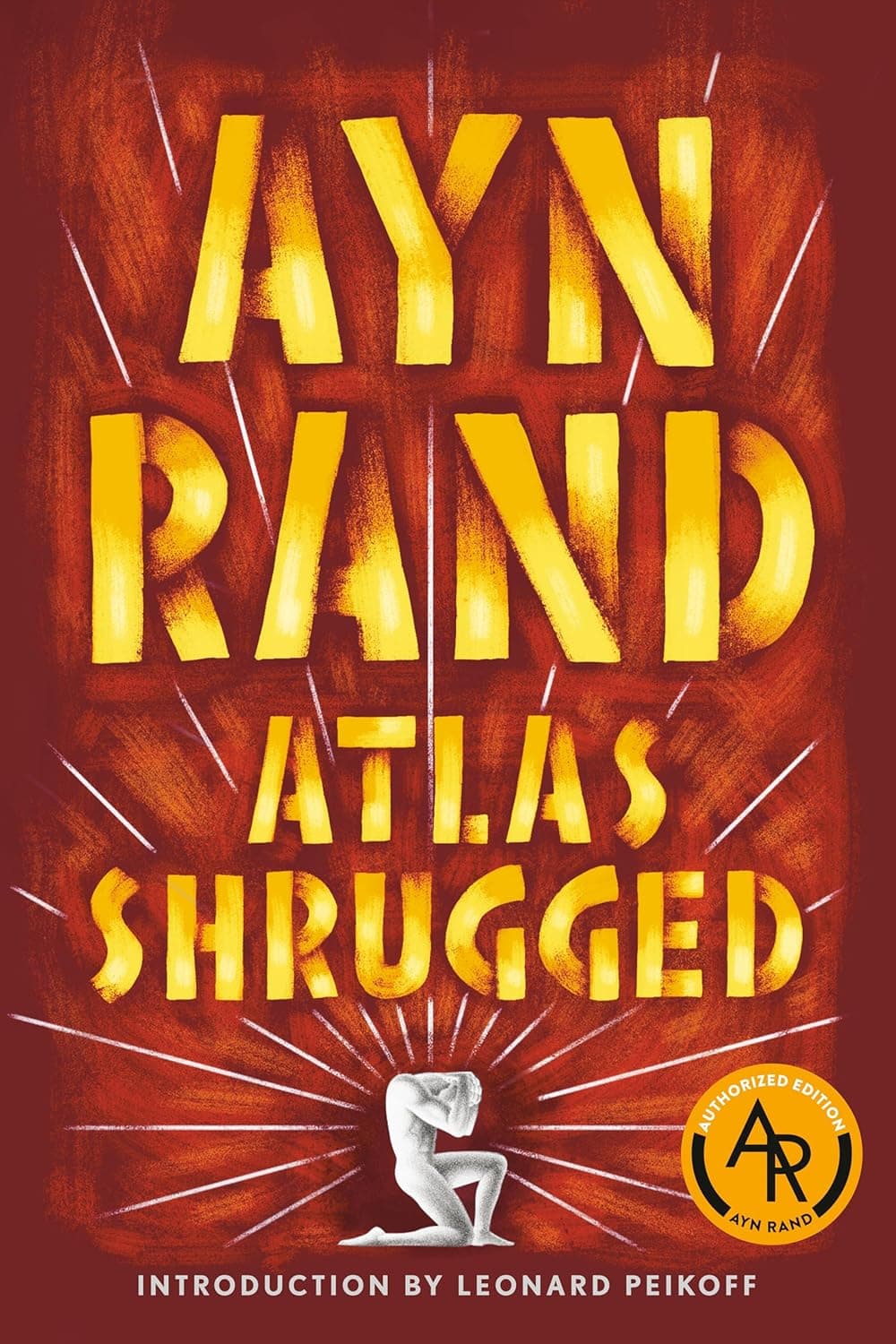
The people who keep the world running go on strike. Dagny Taggart holds her railroad together as the competent vanish, and Rand's case that selfishness is a virtue still powers American libertarianism.

Colonialism does its damage both ways, Memmi argues: the settler corrupted by privilege he will not renounce, the colonized shrunk to the myth invented for him. He was a Tunisian Jew, and both.

Jackson, a pious Harlem hearse driver, loses his savings to a con man promising to turn tens into hundreds. Himes wrote the funniest and most violent Harlem in American crime fiction.
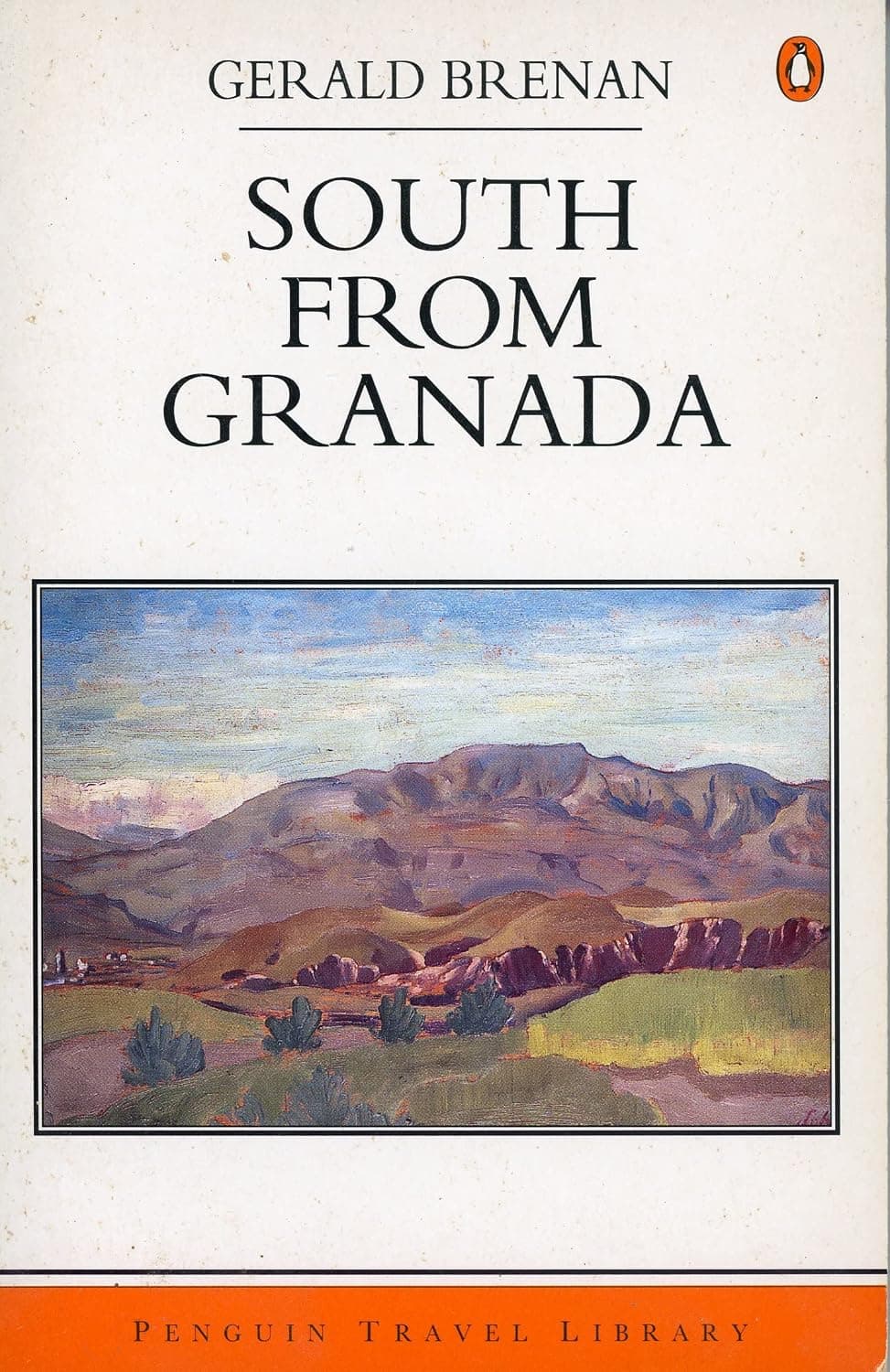
In 1920 an Englishman settled in the mountains south of Granada, in a village called Yegen. Brenan sets down its customs, its poverty and its gossip, an Andalusia the Civil War would erase.

Buying a house in the hill village of Bellapais, Durrell watched Cyprus slide from Mediterranean idyll into insurgency, and ended up speaking for the British government as his Greek friends turned against him.