Lolita
1955 · 317 pages
Humbert Humbert explains how he became stepfather to a twelve-year-old girl and drove her across America. Nabokov gives the monster the most beautiful prose in English and dares you to enjoy it.
★ 9.1
 skopia
Humbert Humbert explains how he became stepfather to a twelve-year-old girl and drove her across America. Nabokov gives the monster the most beautiful prose in English and dares you to enjoy it.
Wiesel was a religious teenager when his town was emptied and he arrived at Auschwitz with his father. He tells it in short flat sentences, and the flatness is unbearable.
Looking for the father he never met, a man walks into a Mexican town where everyone he speaks to is dead. Voices drift free of their bodies, and magical realism follows.

Baldwin buries his father on his nineteenth birthday while Harlem riots, and winters as the only Black man in a Swiss village. He turns his own life into an argument about America.

On a Georgia back road a grandmother who talked her family into a detour meets an escaped killer. O'Connor's stories stay funny until the violence arrives, which is how grace arrives too.
Benjamin asks what photography did to art and answers that a work loses its aura once anyone can copy it. Elsewhere history appears as an angel blown backward, staring at the wreckage.
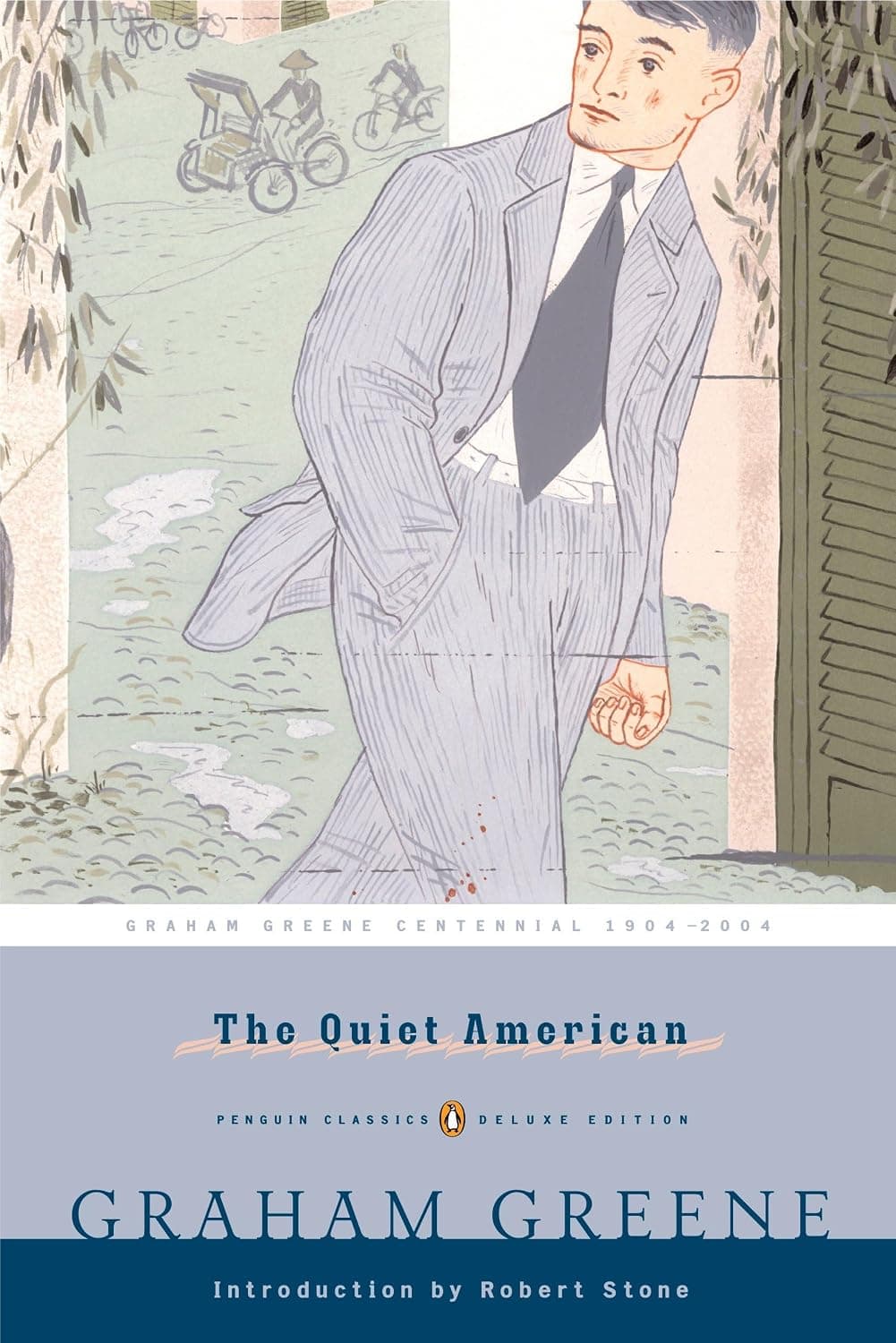
Greene put a British correspondent and an idealistic young American in Saigon, fighting over the same woman and over a theory. He saw the American war in Vietnam a decade before it started.

Levi-Strauss opens by declaring he hates traveling and explorers, then takes you into Brazil's interior among the Bororo and Nambikwara. Science, memoir, and philosophy run together in mourning for what contact destroyed.

Galbraith reconstructs how a country talked itself into buying stock with borrowed money, from the Florida land boom onward, and names the bezzle: the embezzlement a rising market hides and a crash exposes.

Sent to Italy to fetch a shipping magnate's son, Tom Ripley falls for the life instead, murders his friend, and wears his name. Highsmith makes you want him to get away with it.

Powell's twelve novels follow one English generation from a boarding school in 1921 into the 1970s. These first three introduce the narrator Nick Jenkins and Widmerpool, the ridiculous boy whose rise never stops.
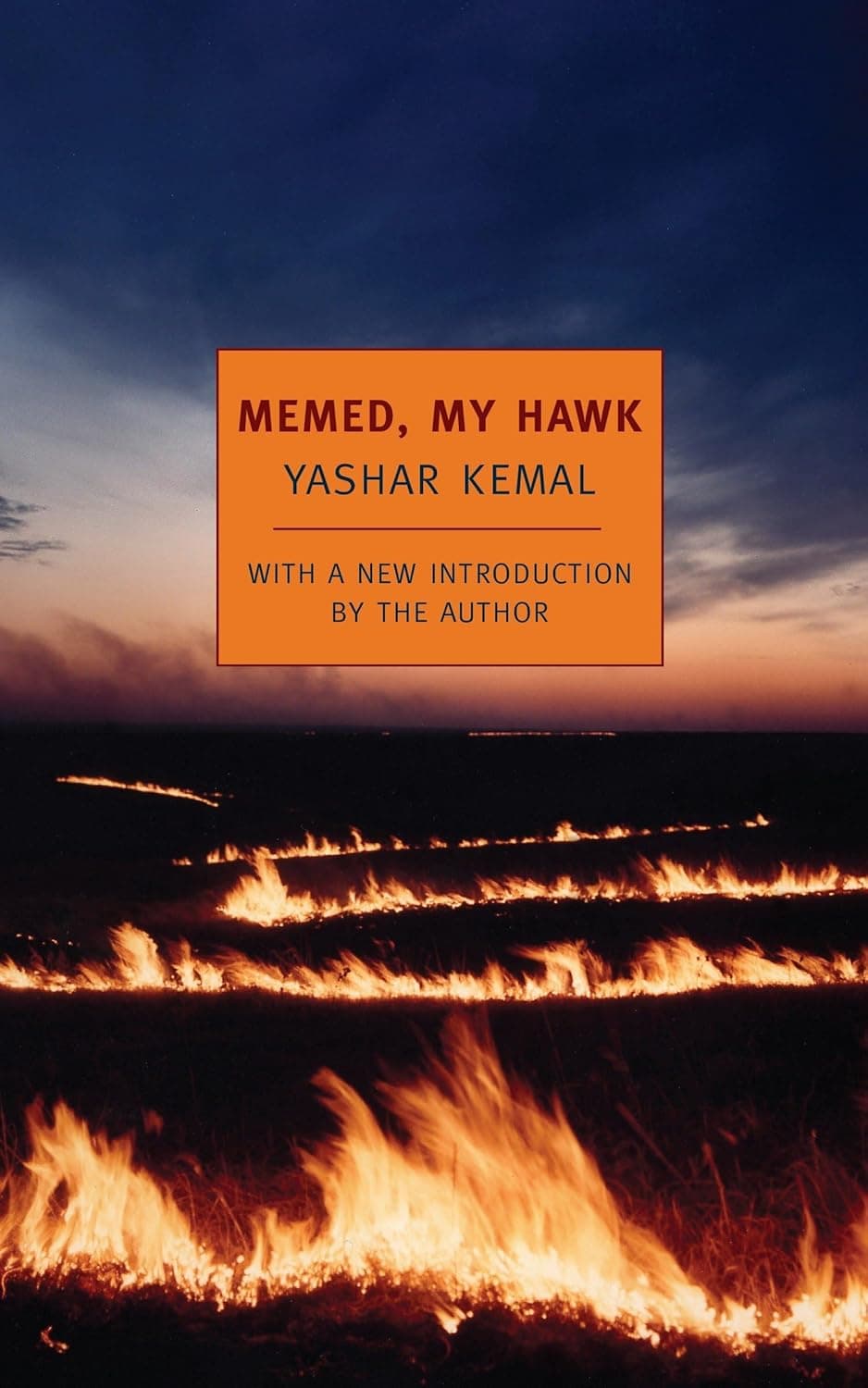
Five villages belong to Abdi Agha. The boy Memed runs, is dragged back, kills, and takes to the mountains, where Kemal turns a peasant's revolt into an epic of Turkey's Çukurova plain.
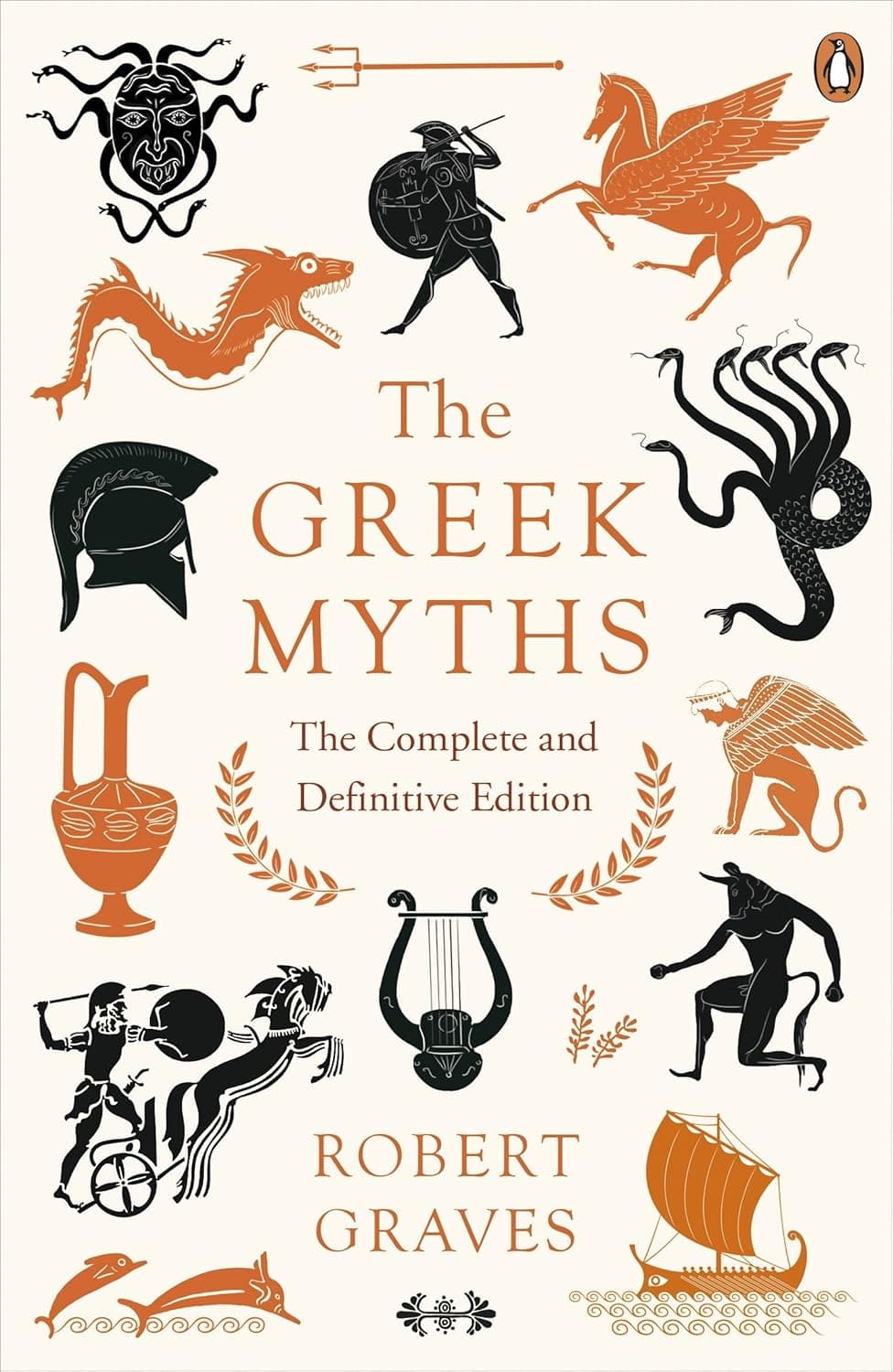
Graves retells every Greek myth, cites his ancient sources, then argues underneath that all of it encodes a matriarchal religion the Greeks overthrew. Generations of English readers got their mythology from him.

Marx called religion the opium of the people. Aron answered that Marxism is the opium of intellectuals, then took apart the founding myths of Left, Revolution and Proletariat. Paris shunned him for decades.

Sister Mary Bradley, a grandmother Hughes invented, tells death to wait because her feet are caught in the sweet flypaper of life, then walks you through DeCarava's photographs of her Harlem block.