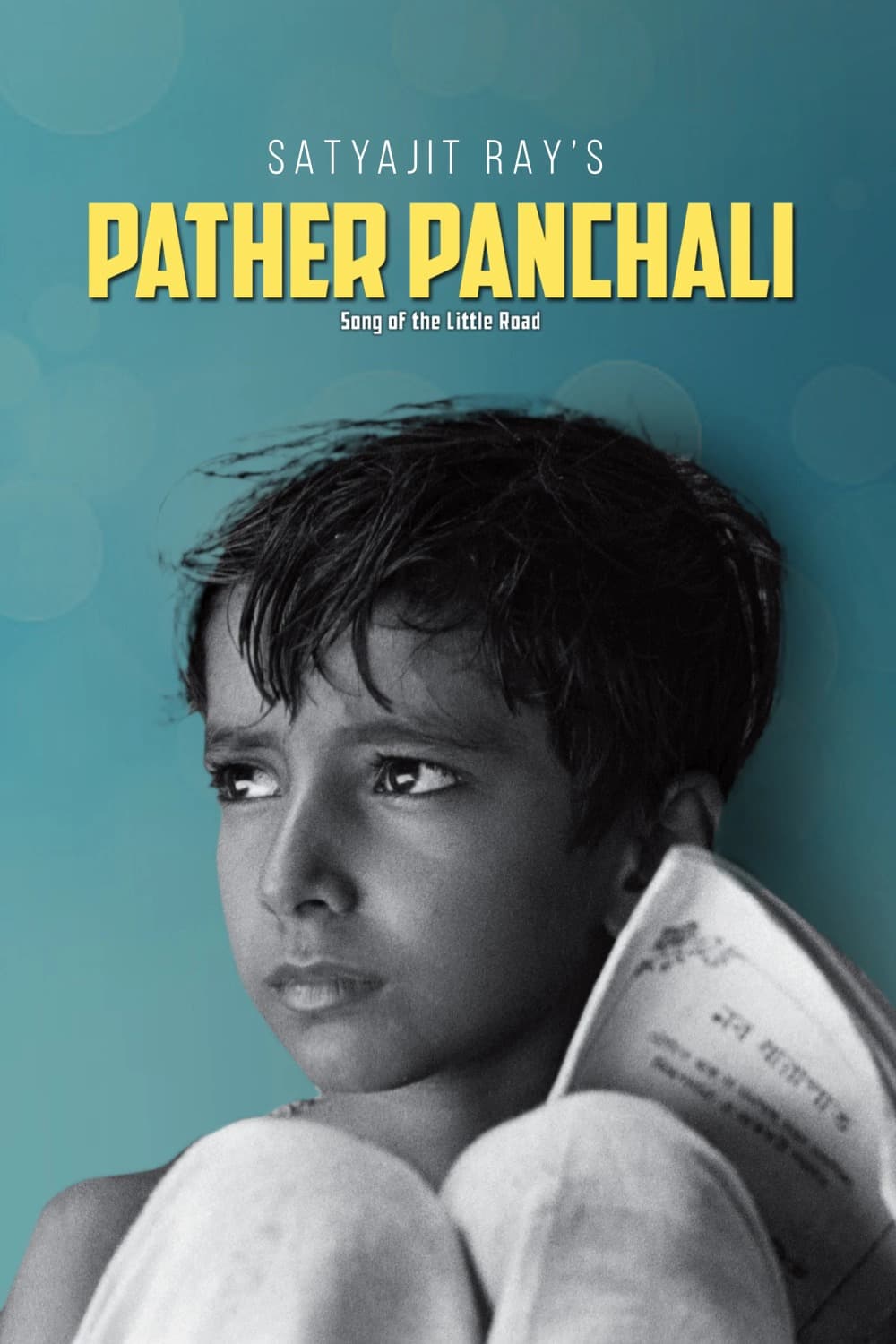
Pather Panchali
Directed by Satyajit Ray
1955
Indian cinema arrived in the world with this: Ray shot it on weekends with a first-time crew and no money, and the children seeing a train is pure wonder.
★ 8.5
 skopia
Indian cinema arrived in the world with this: Ray shot it on weekends with a first-time crew and no money, and the children seeing a train is pure wonder.
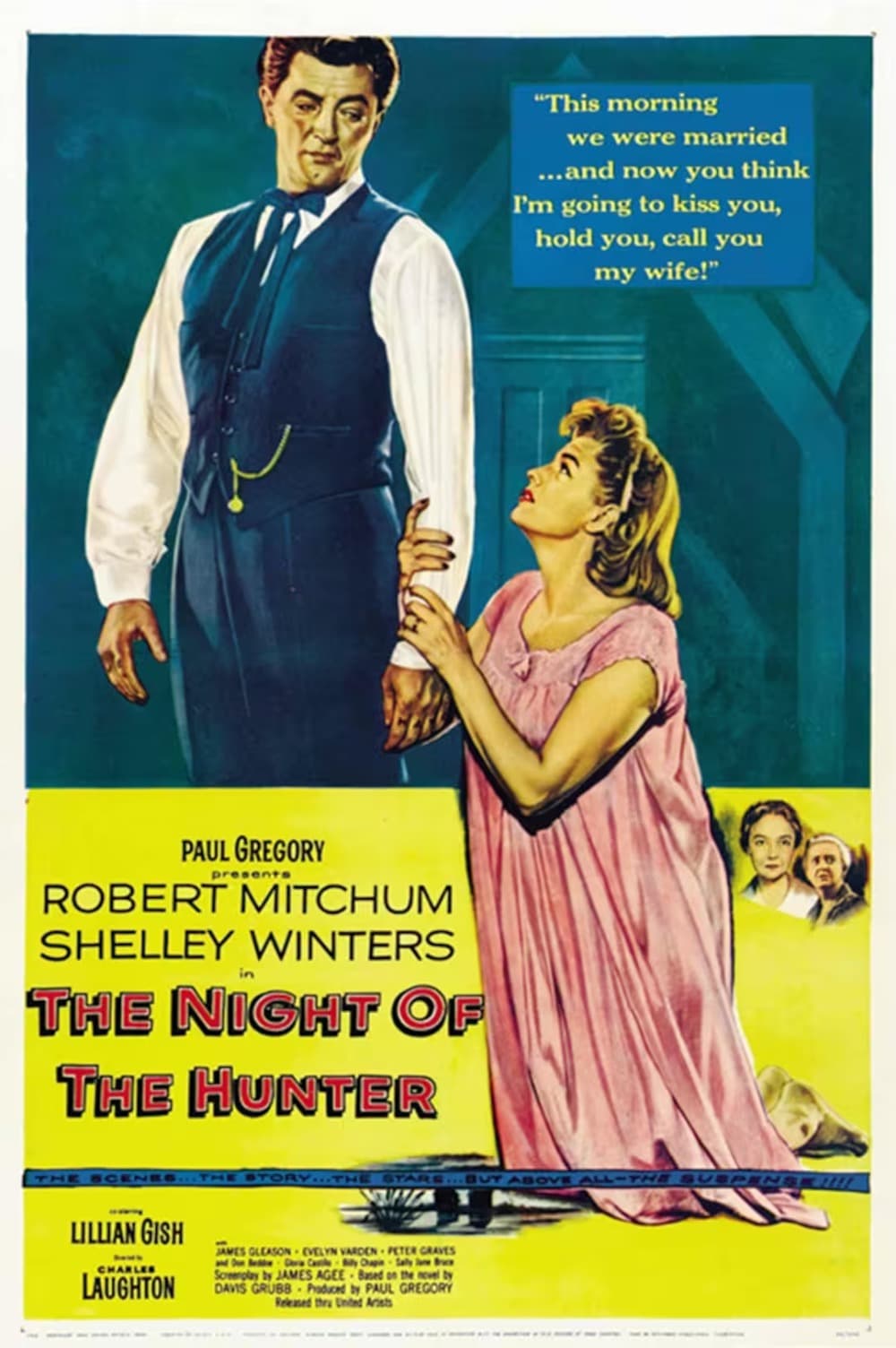
Charles Laughton never directed again after it failed, and critics have spent seventy years calling it a masterpiece: a preacher with tattooed knuckles and two children on a river.
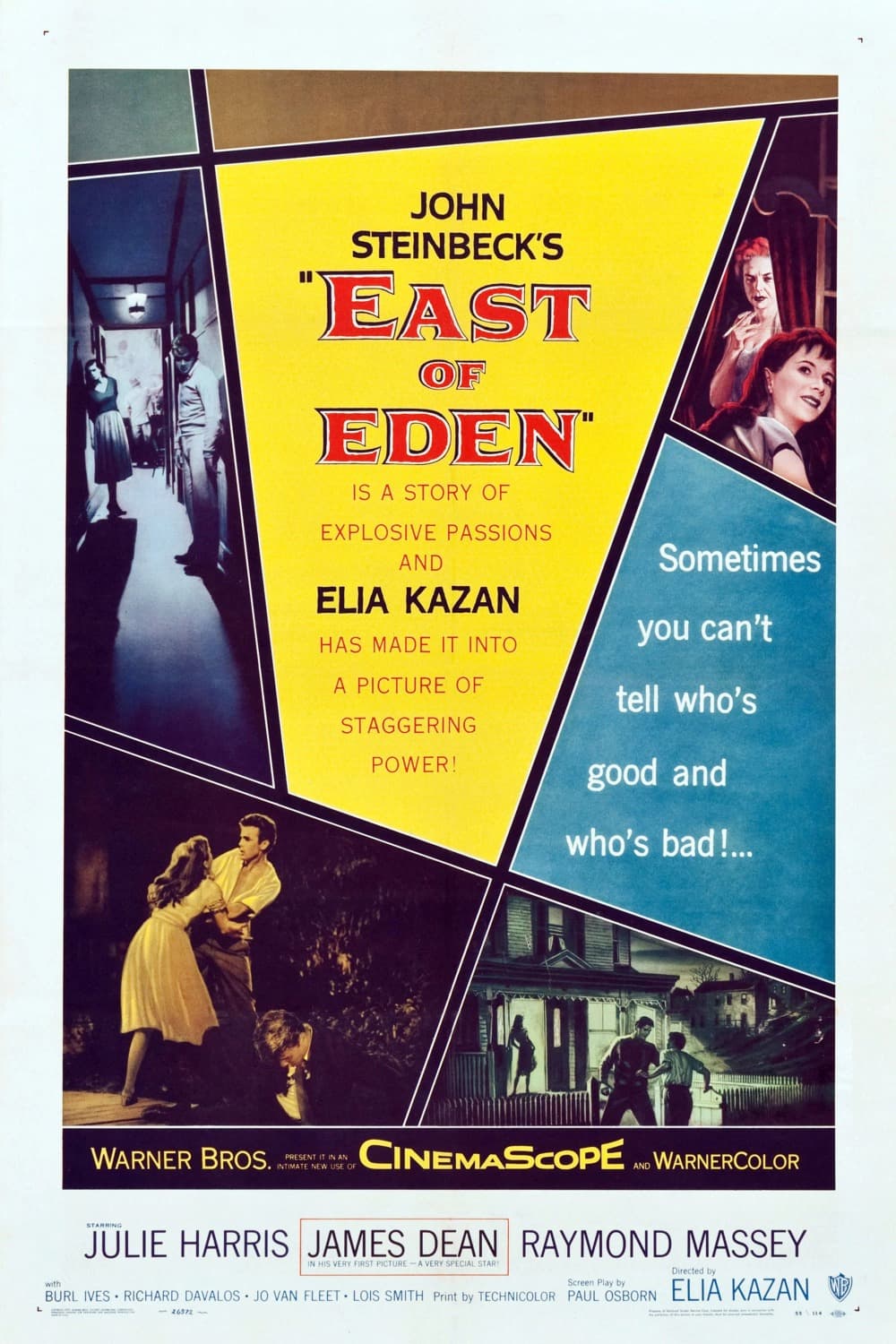
The only James Dean performance released while he was still alive: Steinbeck's Cain and Abel moved to a California lettuce valley, and Dean improvises his way through it.
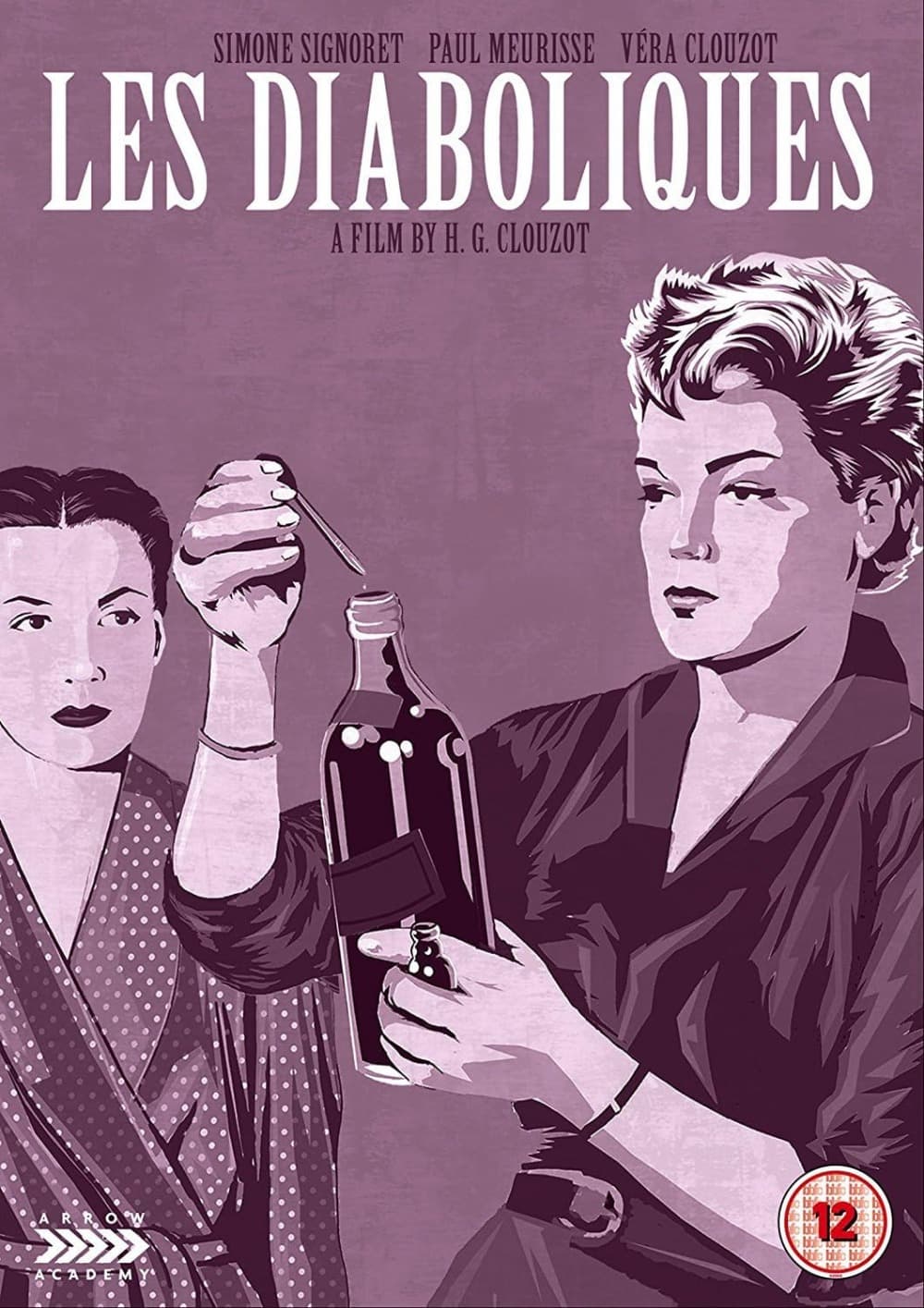
Clouzot got to the material just before Hitchcock could buy it and made the more frightening film: a wife and a mistress conspire against the same terrible man.
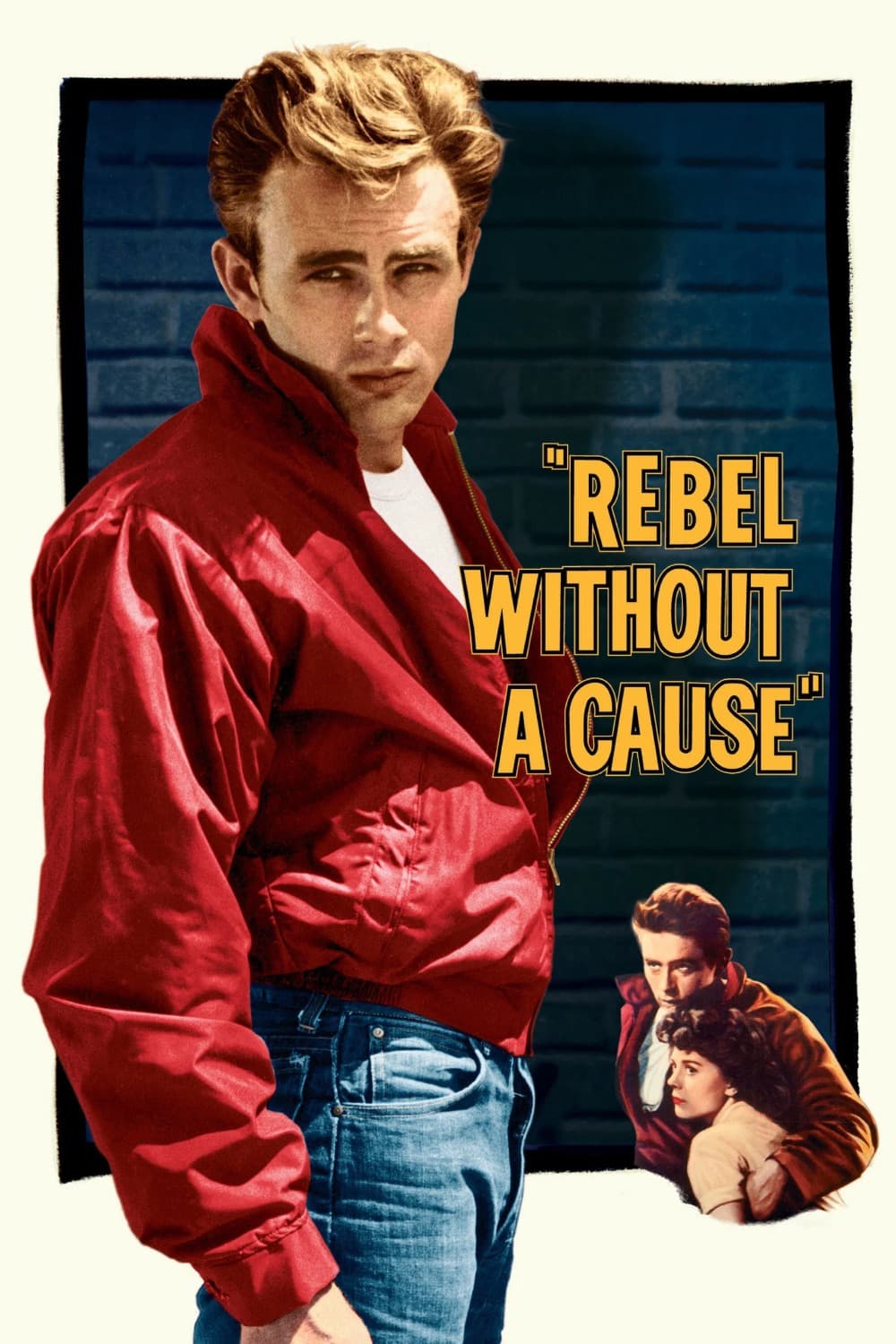
The teenager as a subject starts here: James Dean in a red jacket, a knife fight at an observatory, and parents who have no idea what is happening.
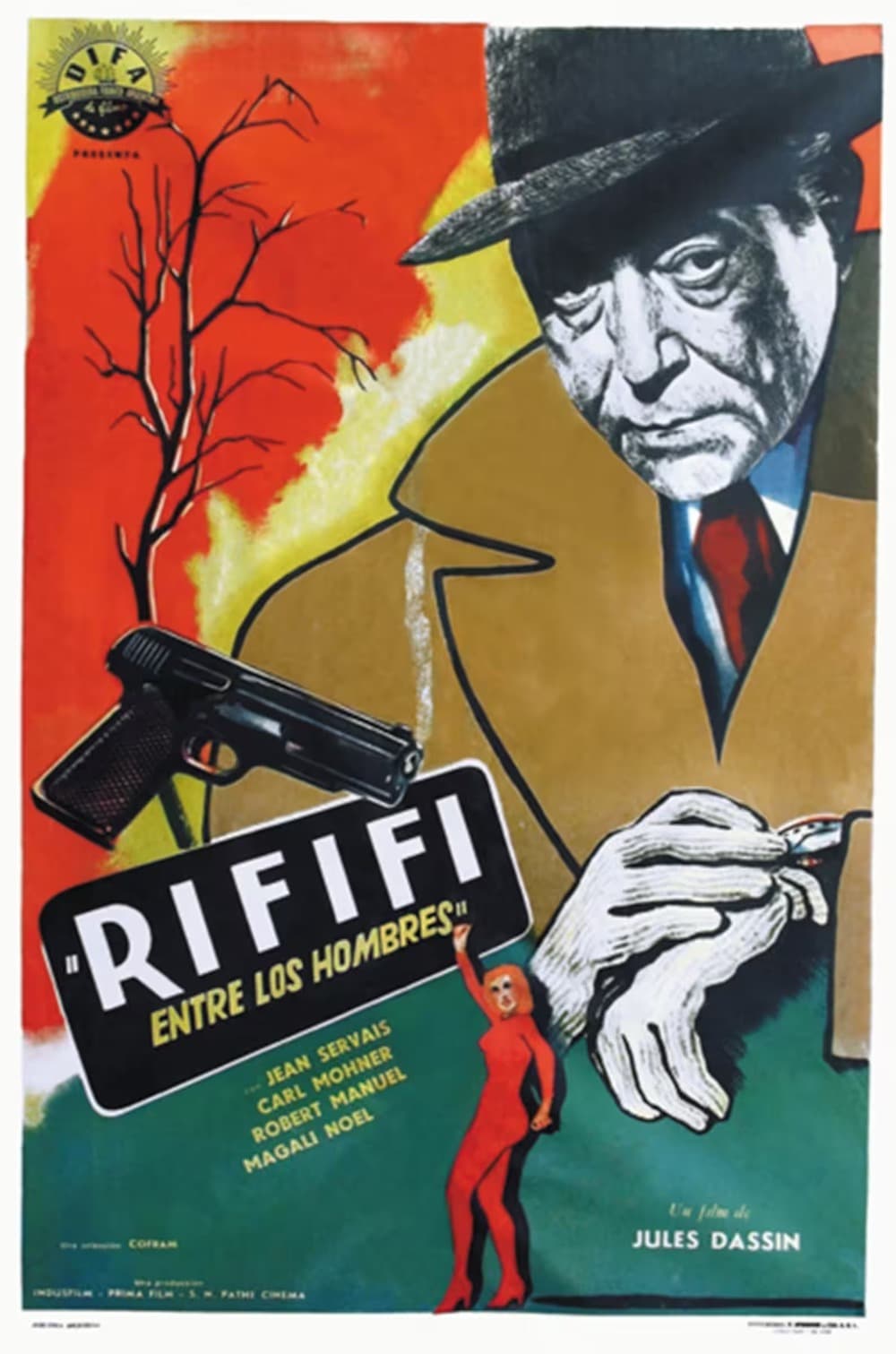
Dassin was blacklisted out of Hollywood and made this in France for almost nothing: the half-hour robbery at its center plays in near-total silence, and the genre has been imitating it since.
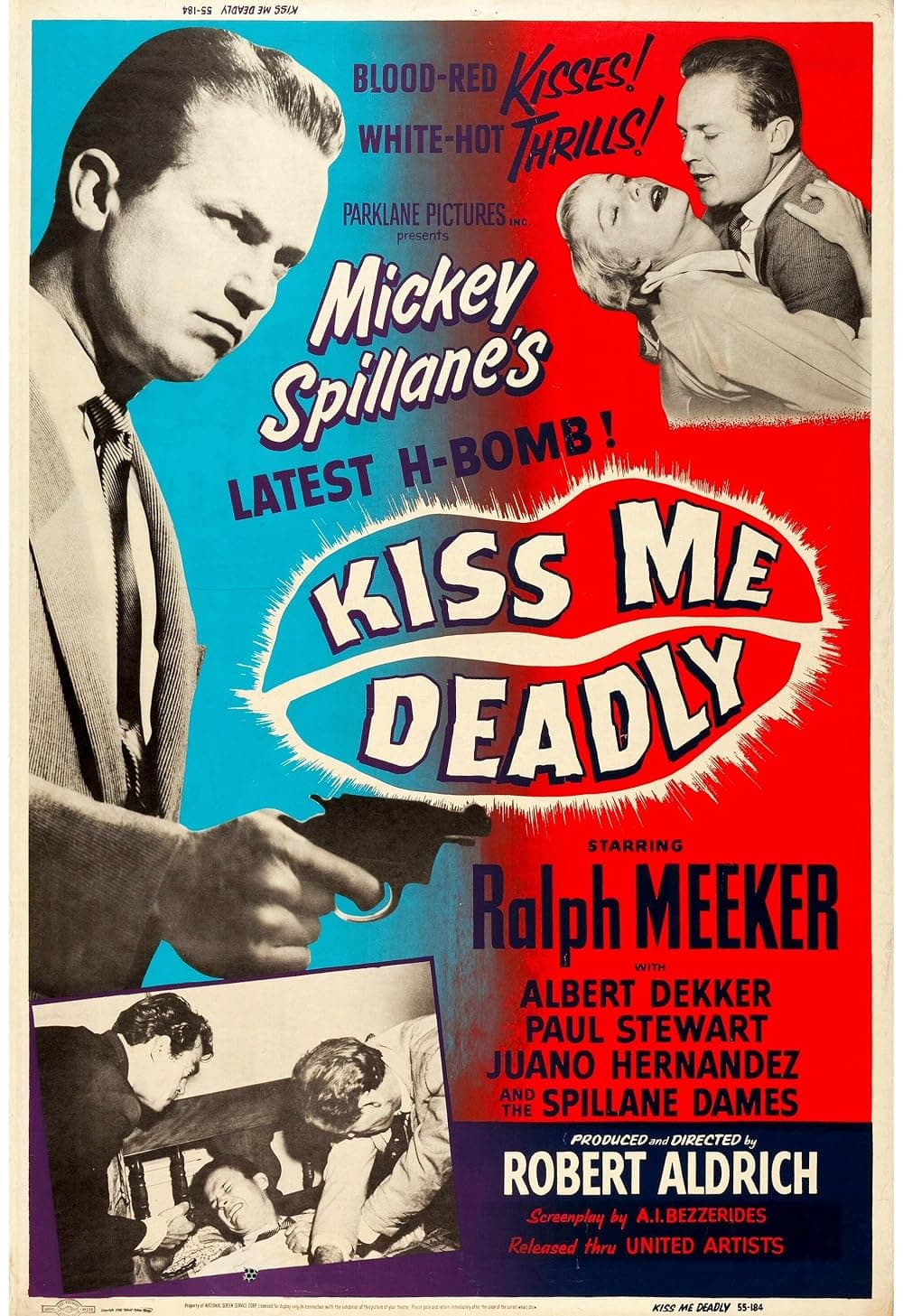
Film noir's meanest specimen: Robert Aldrich turned Mickey Spillane's detective into a thug worse than the criminals he chases, and gave the genre an ending nobody in 1955 was ready for.
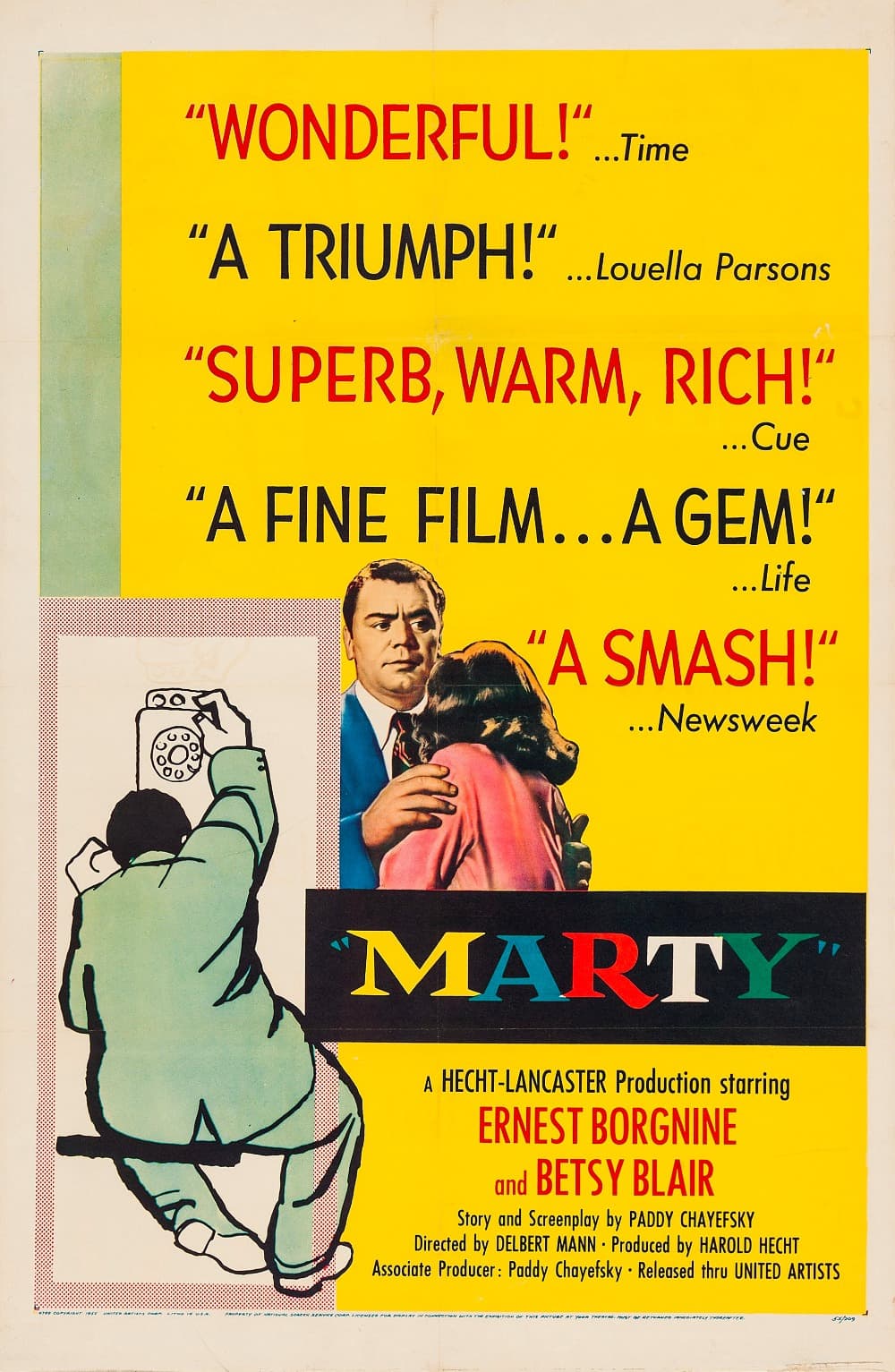
It holds both Best Picture and the Palme d'Or, which only three other films manage: a Bronx butcher who has given up on meeting anybody meets somebody, and it runs ninety-three minutes.
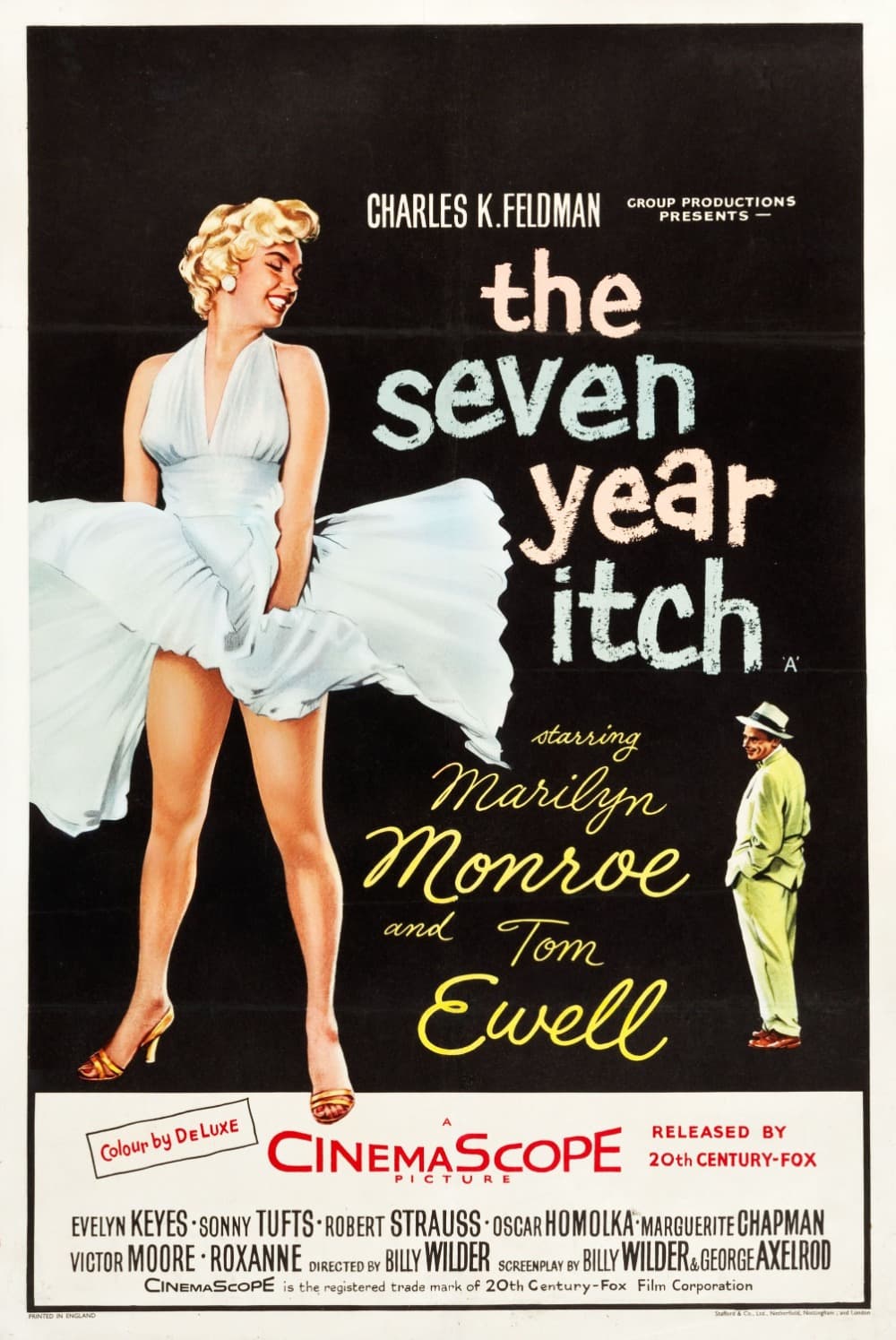
The subway grate photograph is more famous than the film: Billy Wilder strands a Manhattan husband alone for the summer, Marilyn Monroe moves in upstairs, and the fantasies start immediately.