Heartbreak HotelElvis Presley
Heartbreak Hotel
1956
Elvis's first RCA single, all cavernous echo and empty rooms, the loneliest number one ever cut.
★ 9.6
 skopia
Elvis's first RCA single, all cavernous echo and empty rooms, the loneliest number one ever cut.
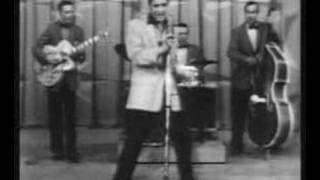
Leiber and Stoller wrote it for Big Mama Thornton; Elvis took it, sped it up, and set it on fire.
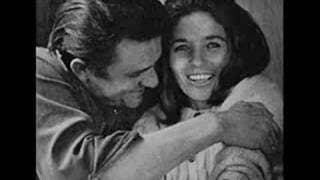
Cash slipped paper under his guitar strings for that snare tick, and hums to find each new key.
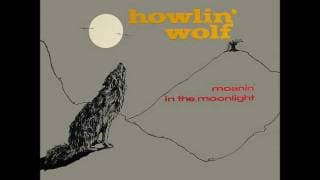
One chord, no changes, Sumlin's guitar circling, and Wolf's howl answering the trains whose sparks named the song.
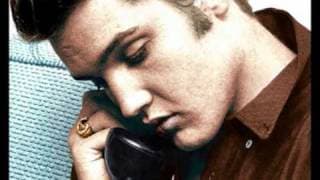
Blackwell gave Presley half the writing credit; the Jordanaires hum behind a vocal so relaxed it barely seems to try.
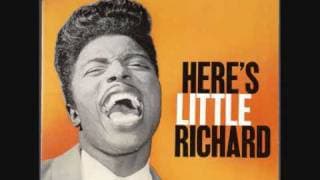
Blackwell built the lyric to run too fast for Pat Boone, and Richard shouted it out at Cosimo Matassa's J&M.
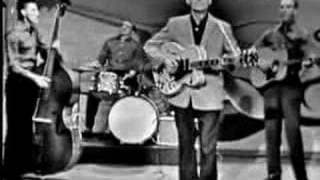
Cash suggested the phrase, Phillips talked him into changing one word, and Sun got its first million seller.
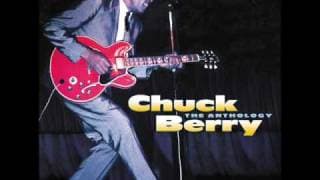
His sister Lucy monopolized the family piano for classical, so Berry wrote his rebuttal, with Johnnie Johnson answering back.
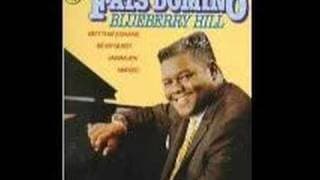
Nobody in the room had the lyrics, so Bunny Robyn spliced three broken takes into Domino's biggest hit.
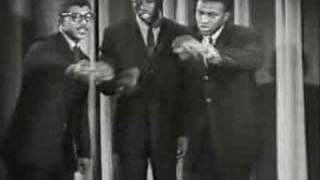
February 1956, a New Haven church basement, and a song Parris had written on Army guard duty.
Herman Santiago built it from a neighbor's love letters; Lymon, thirteen, took the lead and the credit fight ran decades.
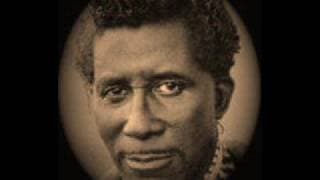
Intended as a blues ballad until the producer brought wine; Hawkins said he never remembered recording it.
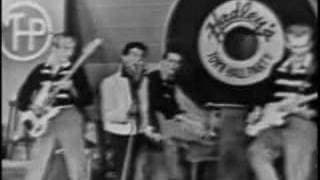
Cut in Nashville as a B-side, flipped by radio, and Cliff Gallup's guitar breaks took it to number seven.
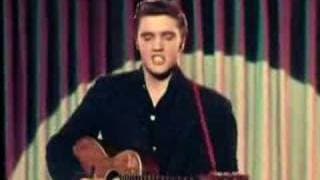
Scotty Moore and Bill Black behind him in New York, and Presley made RCA hold the single for Perkins.
Syd Nathan hated it and fired Ralph Bass for cutting it, then rehired him when it reached R&B's top five.
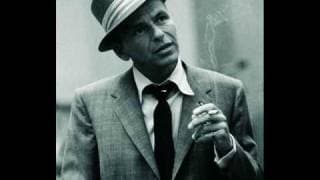
A 1946 film tune reborn in Riddle's arrangement on the album that topped Britain's first LP chart, Sinatra audibly beaming.
Berry wrote it after watching an arrest in California, then cut it in Chicago with Johnnie Johnson and Willie Dixon.
A Civil War ballad from 1861, reworked by Ken Darby and sung on Ed Sullivan weeks before the single arrived.
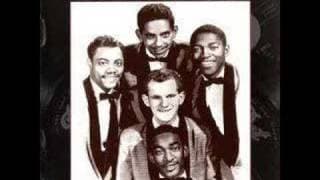
Airmen stationed in Pittsburgh, a demo cut in a DJ's basement, and bass singer Clarence Quick's nonsense-syllable hook.
Flipside of Blue Suede Shoes, cut at Sun with both Perkins brothers, and later Ringo's turn on Beatles for Sale.