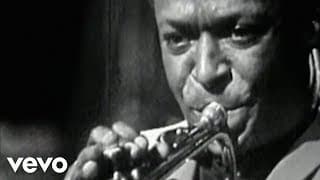
So What
1959 · From Kind of Blue
Two chords and all the space in the world, Davis proving that less was the most radical idea in jazz.
★ 9.2
 skopia
Two chords and all the space in the world, Davis proving that less was the most radical idea in jazz.
Twelve minutes left at a Pennsylvania dance, so Charles improvised it on his Wurlitzer and many stations banned it.
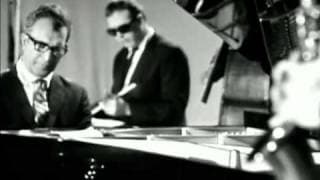
Morello kept soloing in five, so the quartet built him a tune in 5/4; Desmond wrote the theme.
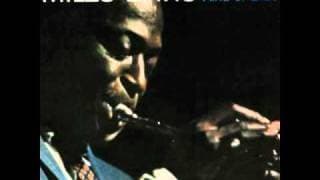
A twelve-bar blues in 6/8, take two the only complete one, and Paul Chambers' bass figure underneath everything.
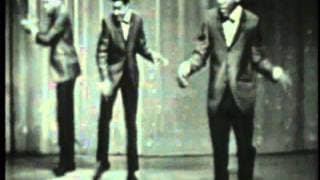
Ronald Isley improvised the call and response onstage extending Lonely Teardrops, and RCA packed the room with friends answering.
Lester Young died two months before the session, and Mingus answered with a slow blues named for his hat.
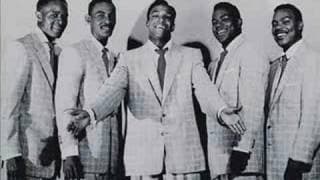
Strings, timpani and a Brazilian baion; Wexler reportedly dismissed the playback as a radio caught between two stations.
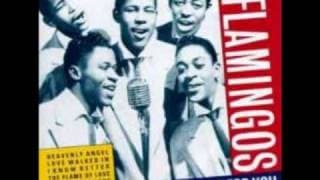
Terry Johnson dreamed the arrangement, called the group to rehearse at 4 a.m., and Goldner drowned it in reverb.
Richard Wess's arrangement climbs a semitone verse after verse, and Darin rides the tension to his only number one.
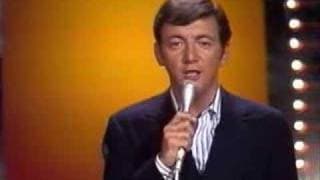
Charles Trenet wrote it about the sea; Jack Lawrence's English lyric made it a love song, and Darin swung it.
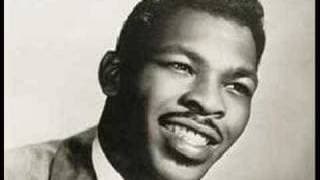
An 1895 St. Louis barroom killing, remade by Price into a number one he re-recorded clean for American Bandstand.
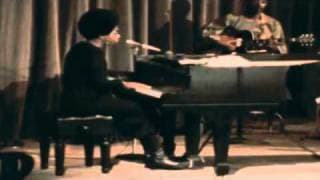
Sharp and Karpeles collected this Scottish ballad in the Appalachians in 1916; Simone slows it to near-stillness at Town Hall.
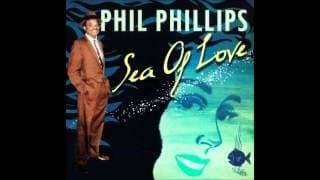
A Lake Charles bellhop wrote it for a woman, and Khoury's tiny label carried the swooning triplets to number two.
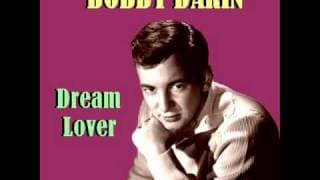
Neil Sedaka on piano, Darin's own chord discovery, and a wish for an ideal partner that topped Britain.