
Like a Rolling Stone
1965 · From Highway 61 Revisited
A snare crack, a sneer, and Kooper's uninvited organ swirling through the song that split rock open.
★ 10.0
 skopia
A snare crack, a sneer, and Kooper's uninvited organ swirling through the song that split rock open.
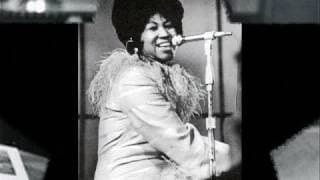
Aretha takes Otis Redding's song away from him for good, spells out the demand, and never gives it back.
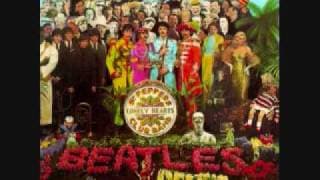
Two unfinished songs bolted together, an orchestra climbing to nothing, and the last piano chord in pop.
Keith dreamt the fuzz riff, taped it half-asleep, and woke up holding the sound of teenage frustration.
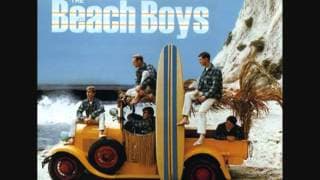
Brian Wilson's pocket symphony, months and a fortune spent chasing one shimmering theremin line into the sunlight.
Two takes in different keys and tempos spliced into one, a Mellotron haze over Lennon's Liverpool childhood.
Cooke wrote it after a motel turned him away, and sang it like a hymn he already knew by heart.
It opens by admitting doubt and spends the next two minutes refuting it; McCartney still calls it the greatest.
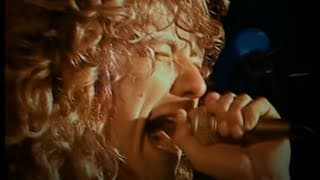
Page's riff, Plant's howl, and a theremin freakout in the middle that still sounds like the roof coming off.
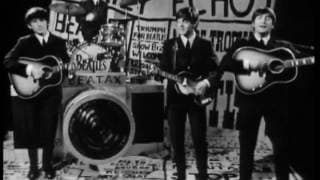
Handclaps, that leaping chord under "I can't hide," and five weeks later America belonged to them.
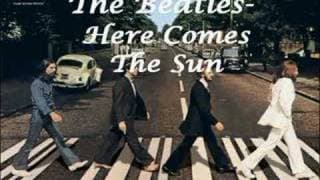
Harrison wrote it in Clapton's garden while skipping a business meeting, and it sounds exactly like that relief.
Seven minutes, four of them just na-na-na, and somehow nobody has ever wanted it to end sooner.
McCartney dreamt the melody, called it "Scrambled Eggs" for weeks, then let a string quartet make it immortal.
Merry Clayton's voice cracking on "murder" is the sound of the sixties ending, mid-take, in one syllable.
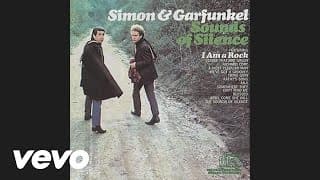
A folk flop until a producer secretly overdubbed electric guitars, and the duo heard their number one on the radio.
That four-note bassline, a gospel hymn turned into a promise, and one of the warmest vocals ever recorded.

Hal Blaine's four-beat drum intro is the most imitated in pop, and Ronnie Spector owns everything after it.
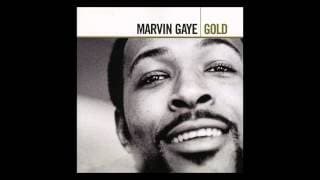
Motown shelved Gaye's version for over a year; it came out sounding like paranoia set to a Funk Brothers groove.
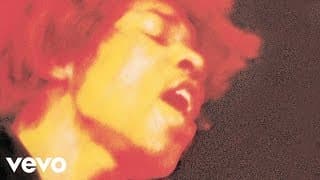
Hendrix took Dylan's parable and lit it, and Dylan has played it Hendrix's way ever since.
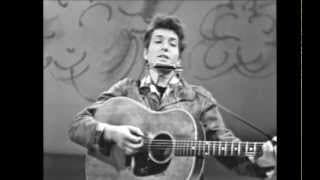
Nine questions, no answers, and the song the civil rights movement adopted whole and never gave back.
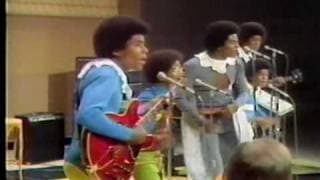
A child singing about regret over the springiest bassline Motown ever cut, and selling it completely.
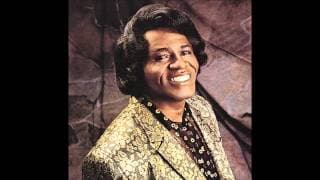
The record where the beat moved to the one and funk quietly began. James Brown never looked back.

Lennon's first draft listed bus stops in Liverpool; Martin's piano solo, taped at half speed, sounds baroque.
Smokey Robinson wrote it for his wife Claudette, then handed David Ruffin his first Temptations lead vocal.
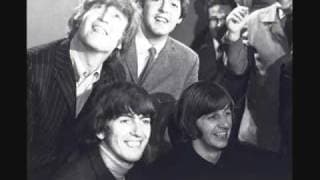
No Beatle plays an instrument on it; George Martin's string octet does everything, sawing away at two solitary lives.
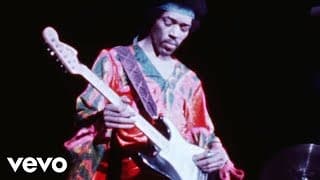
The intro is a tritone, medieval music's forbidden interval, and Roger Mayer's new Octavia pedal makes the solo scream.
Faithfull handed Jagger Bulgakov, Richards turned the folk sketch into samba and played both bass and the solo.
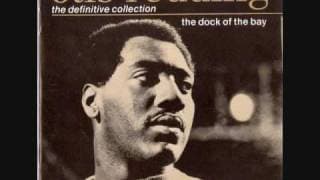
Redding cut the vocal three days before the plane crash, and Cropper finished it into the first posthumous American number one.
Willie Nelson wrote it; Cline, back after a car wreck bruised her ribs, nailed the vocal in one take.
Spector printed 3:05 on the label of a 3:45 record, and it became the century's most-played song on American radio.
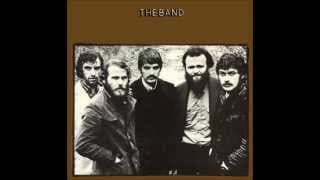
Robertson saw Nazareth stamped inside his 1951 Martin, and Helm sang the burden every verse hands over.
Lennon and McCartney started it on a tour bus after a Newcastle show; Martin thought the sixth-chord ending corny.
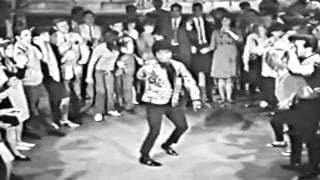
Brown recycled a flop he'd cut on Yvonne Fair, added Maceo Parker's alto, and landed his highest-charting single.
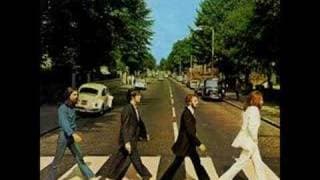
Lennon started it as a campaign song for Timothy Leary, then Ringo muffled his drums with tea towels.
Entwistle's bass solo needed a Fender after his Danelectro strings snapped, and Daltrey stuttered his way into history.
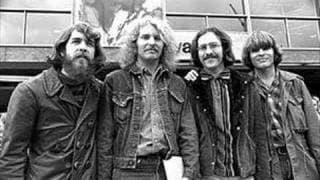
Twenty minutes of writing, and Fogerty had the sound of every draft board sending someone else's son.
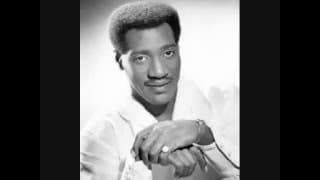
A 1932 Tin Pan Alley ballad, rearranged by Isaac Hayes, until Redding and Al Jackson tear the roof off.
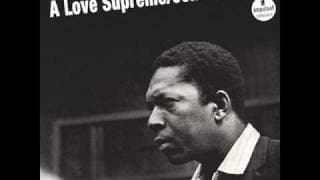
Garrison's four notes, then Coltrane overdubbing the chant nineteen times, one December day at Van Gelder's.

Anita Carter cut it first, her sister June wrote it with Merle Kilgore, and Cash added the mariachi trumpets.
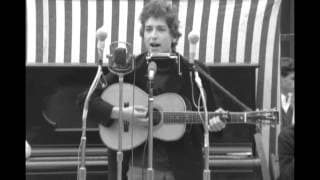
Bruce Langhorne's giant Turkish frame drum gave Dylan the image, and the Byrds' cover turned it into folk rock.