What's Going On
1971 · From What's Going On
Party chatter, a sax that sighs, and Gaye asking the question Motown begged him not to ask.
★ 9.9
 skopia
Party chatter, a sax that sighs, and Gaye asking the question Motown begged him not to ask.
Garfunkel's voice climbing a gospel staircase, the last verse arriving like the cavalry.
Barry Gibb's falsetto over a drum loop so metronomic that paramedics still use it to time chest compressions.
Months of wall-of-sound overdubs poured into one getaway car, and every word still sounds like escape.
Eight minutes that climb from recorders to Page's solo, never released as a single and never needing to be.
Moroder's pulsing synth track, Summer floating above it, and the record Eno reportedly called the sound of the future.
Dolly pleading with her rival rather than fighting her, written the same day as "I Will Always Love You."
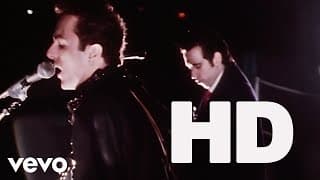
Strummer borrowing the BBC's wartime call sign to announce the end of the world, and sounding thrilled about it.
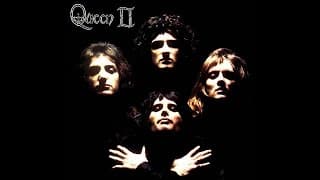
Six minutes with no chorus and so many vocal overdubs the tape wore transparent. Still nothing else like it.
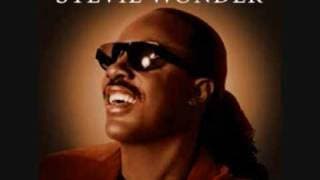
Wonder wrote that clavinet riff for Jeff Beck, heard it back, and sensibly kept it for himself.
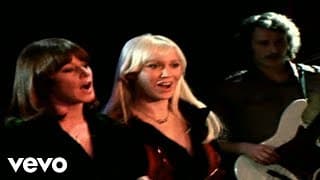
Seventeen and gliding across the floor, the rare disco record that sounds like joy and ache at once.
Recorded beside the Berlin Wall, Fripp's feedback howling while Bowie sings himself hoarse over a single defiant day.
Big Bank Hank auditioned outside the pizzeria where he worked, rapping lines borrowed from Grandmaster Caz's notebook.
That opening arpeggio is a Lowrey organ's marimba repeat function; Dave Arbus's violin sends the ending careening.
Nicks wrote it in a black velvet studio room at Sausalito's Record Plant; it remains the band's only US number one.
McCartney dreamed of his mother Mary telling him it would be all right; Harrison cut two different solos.
A tranquilizer shot before a 1977 Philadelphia show gave Waters the lyric; Gilmour brought the chords and the solo.
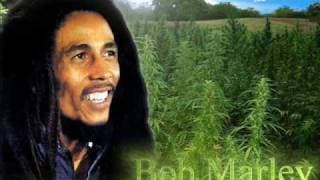
Marley credited it to Tata Ford, whose Trenchtown soup kitchen the royalties kept running; the title means woman, don't cry.
Felder demoed it on a four-track in Malibu, and his Les Paul duels Walsh's Telecaster through the outro.
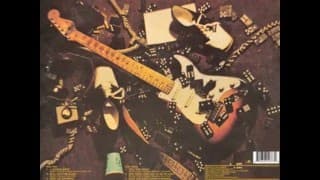
Clapton wanted his friend's wife; Duane Allman's slide answers every line, then Jim Gordon's piano coda changes everything.
Tommy wanted a Bay City Rollers chant; the album around it cost $6,400 and took seven days.
Page tuned to DADGAD, Plant wrote it driving through southern Morocco, and none of them had seen Kashmir.
Willie Mitchell and Al Jackson handed Green a track; he reportedly had the lyric in five minutes.
Iommi's riff arrived as three-minute filler for the album, Butler wrote the words fast, and Sabbath had their biggest UK hit.
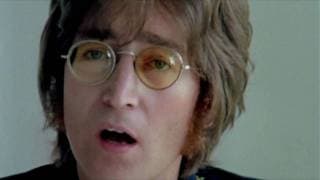
Grapefruit, Ono's book of poems, supplied the idea; Lennon supplied the piano; in 2017 she finally got the credit.
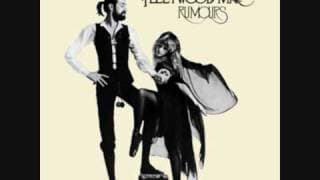
Buckingham aimed Mick Fleetwood at the Street Fighting Man groove, then sang a breakup line Nicks demanded he cut.
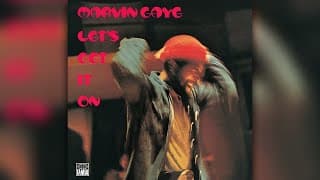
Ed Townsend conceived it as a spiritual; Gaye kept the backing track, rewrote the lyric, and Billboard number one followed.
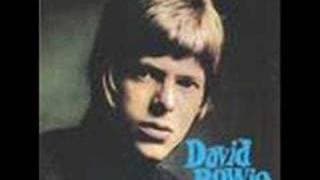
Rick Wakeman's piano, Bowie's own saxophone, and a stutter on the title that flopped before it defined him.
Written as "No Future," banned by the BBC, and stuck at number two amid loud suspicion of chart rigging.
Withers bought a small piano, ran his fingers up the keys, and found the coal-town kinship he missed.
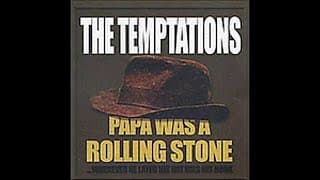
Nearly four minutes of bass, hi-hat and lone trumpet before anyone sings, and the groove never sags.
Willis wanted real words instead of ba-dee-ya; White refused, and the groove outlived any lyric she could have written.
Bittan's piano, a harmonica, and a screen door slamming; Springsteen lifted the title from a Robert Mitchum film poster.
A 1965 Studio One ska tune rebuilt for Exodus, with Mayfield credited to keep the borrowing legal.
Jackson wrote it himself and steered the session; a whisper, a water-bottle rattle, then Louis Johnson's bass takes over.
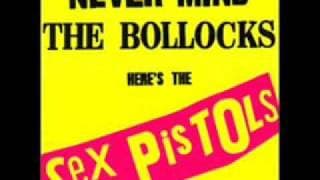
Lydon picked anarchist because it rhymed with antichrist; EMI dropped the band six weeks later and punk was loose.
Dylan recut it in Minneapolis with his brother producing, then spent decades rewriting a story already told out of order.
Called Walpurgis until the label balked at the witchcraft, and Butler aimed the lyric at politicians who start wars.
Herbie Flowers doubled upright and electric bass for a session fee, and Bowie's old sax teacher played the closing solo.
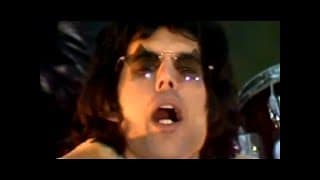
May came home from a Stafford gig where the crowd sang back, and built a chorus from stomps and claps.
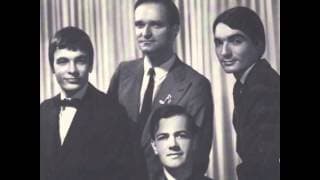
Kraftwerk's rhythm rode a train across Europe, name-checked Bowie and Iggy Pop, then turned up inside Afrika Bambaataa's Planet Rock.
Buried as a B-side until DJs flipped it, and Gaynor cut the vocal in a back brace after spinal surgery.
Edwards' bassline turned up on Rapper's Delight within months; the settlement put Chic's names on rap's first pop hit.
Osbourne heard Iommi's riff and called it a big iron bloke walking; Butler built the science fiction around that.
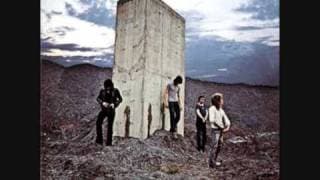
Eight and a half minutes, a Lowrey organ run through a VCS3, and Daltrey's scream tearing into the final verse.
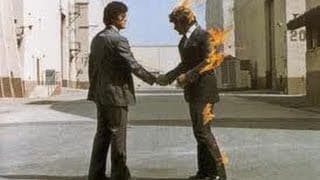
Gilmour's twelve-string comes through a recorded car radio, and Grappelli's violin sits buried near the very end.
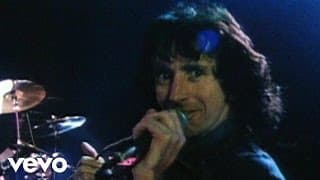
Mutt Lange took over production, the band cut it in London in 1979, and America finally caught on.
One of Brown's first dates with the new J.B.s, Bootsy Collins on bass at eighteen, Bobby Byrd answering every line.
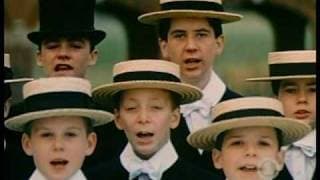
Ezrin sent Gilmour to the discos, and twenty-three Islington schoolchildren got forty minutes to sing themselves onto a number one.
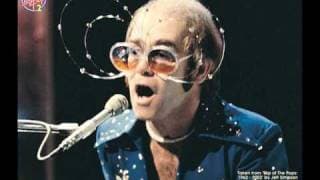
Taupin borrowed the title from a Pearls Before Swine song, and Hentschel's ARP put the loneliness in orbit.
A demo kicked around since the mid-seventies, rebuilt on a Roland drum machine that appalled their punk friends.
Skip Pitts on wah-wah, Willie Hall riding sixteenths on hi-hat, and the first Academy Award won by a Black composer.
Written and taped in a three-hour burst, Wonder on clavinet and drums, the keyboard snarling through a Mu-Tron filter.
Wonder played most of it himself, then broke it open with a spoken street scene running past seven minutes.
Blackmore's four notes in parallel fourths, written after a flare gun burned the Montreux Casino down during a Zappa show.
Withers was building airplane toilets when he cut this, and he left the unfinished bridge as twenty-six repeats.
Flack heard Lori Lieberman's version on a plane's in-flight audio, rewrote the chords, and took Record of the Year.
Zeppelin played Reykjavik in 1970, and Plant came back with Vikings, Valhalla, and that double-tracked wail.
Taupin scribbled the lyric over breakfast at a kitchen table, and Buckmaster's strings turned it into John's first Top 10.
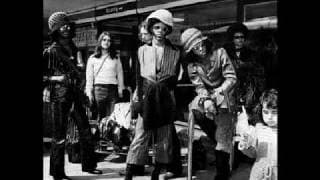
A rhythm box edited into a heartbeat, Billy Preston on Pianet, and three weeks at number one.
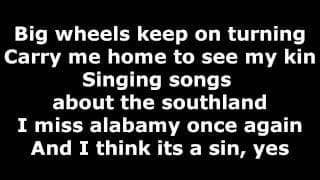
An answer record to Neil Young's "Southern Man," riding Ed King's riff and a name-check for the Muscle Shoals Swampers.
Aspen in 1974, Nicks weighing whether to quit music, and Buckingham Travis-picking a Martin D-18 underneath.
Cut at Muscle Shoals in December 1969, with Jim Dickinson on tack piano after Ian Stewart refused the minor chords.
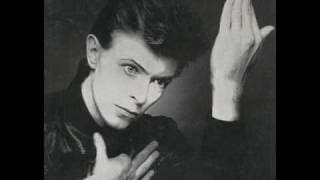
Cut at Trident in November 1971, never a single, and Ronson's riff draws the character as sharply as the words.
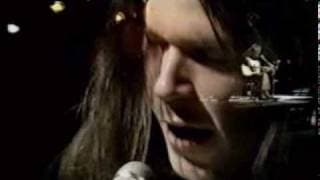
A back injury kept Young seated with an acoustic guitar; Taylor and Ronstadt were in Nashville and sang behind him.
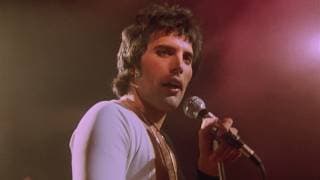
Mercury wrote it with audience participation in mind, and a 2011 study named it the catchiest song in pop.
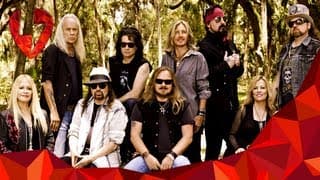
Collins's chords sat unused for two years until Van Zant found the melody; the long outro was his onstage rest.
Bootsy Collins on bass, Fred Wesley and Maceo Parker newly arrived from James Brown, and Parliament's first gold single.
Razor-blade tape splices turned rejected scraps into the one Rumours song credited to all five, McVie's bass ending it.
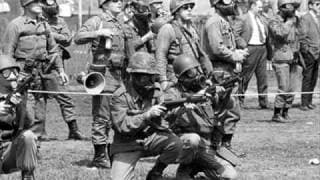
Seventeen days between the Life photographs from Kent State and four voices cutting it live in a Los Angeles room.
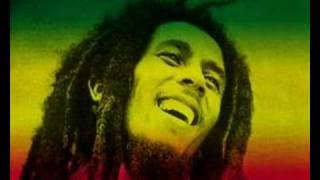
Written with Tosh after Marley toured Haiti, and the last song he ever sang onstage, Pittsburgh, September 1980.
Browne could not finish the second verse, Frey did, and Leadon's double-time banjo drives the Eagles' debut single.
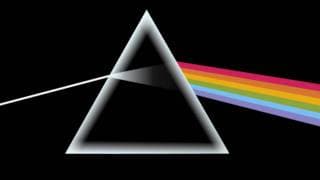
Seven beats to the bar, a tape loop of coins and cash registers, and Pink Floyd's first American hit.
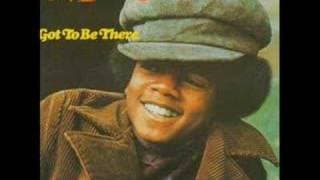
Hal Davis cut it at Hitsville West in June 1970, and Michael, eleven years old, made the ballad sound lived-in.
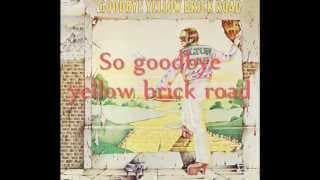
Sessions collapsed in Kingston, so the band regrouped at a French chateau and Taupin traded Oz for a Lincolnshire farm.
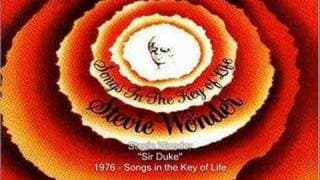
Wonder built it for Ellington after his death in 1974, then handed the melody to horns playing in unison.
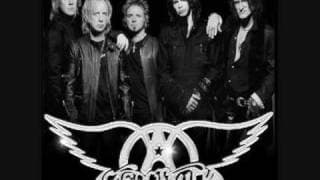
Perry built the riff at a Honolulu soundcheck; Tyler wrote the words on a Record Plant stairwell wall.
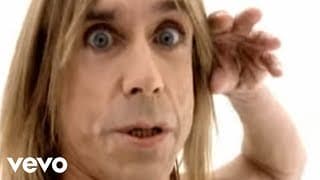
Bowie found the beat in an Armed Forces Network call sign; Hunt Sales hammered it out in Berlin.
Pop lifted the title from a Time column on Vietnam, and Bowie's mix made Williamson's guitar a threat.
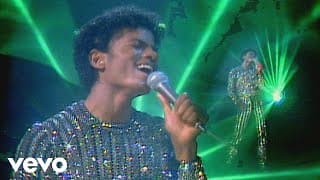
Rod Temperton offered it to Karen Carpenter first; Quincy Jones and Jackson took it to number one.
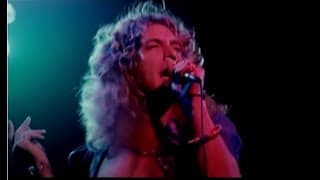
Jones wrote the riff, Page took the stop-start idea from Fleetwood Mac, and a stray labrador supplied the title.
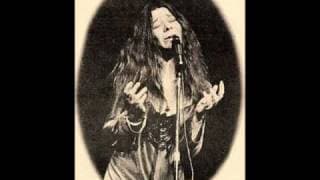
Joplin taped the vocal days before her death; Kristofferson did not hear it until the day after.
Four notes known as Syd's theme, and Barrett himself turning up at Abbey Road mid-session, unrecognized by the band.
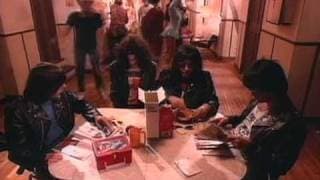
Joey wrote it stranded in a shut-down London at Christmas, and Johnny's solo is one note, repeated.
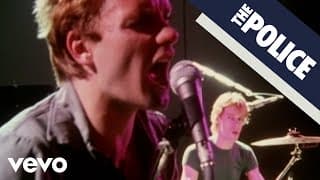
Copeland turned Sting's bossa nova into a tango, and the piano clang at the top was an accident they kept.
Cut at Muscle Shoals days before Altamont, Bobby Keys on tenor, and a lyric Jagger later said he would censor.
De Niro called the first theme too weak, so Kander and Ebb wrote this one in anger.
Cissy Houston's version turned Weatherly's midnight plane to Houston into a train to Georgia.
A novel called Triad set Nicks going; years later she learned she had described a Welsh goddess exactly.
Released as a B-side until DJs flipped it, with a mandolin credited only to a name Stewart said slipped his mind.
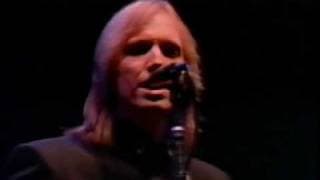
Petty cut it on the Fourth of July, 1976, and Roger McGuinn heard the Byrds so clearly he covered it.
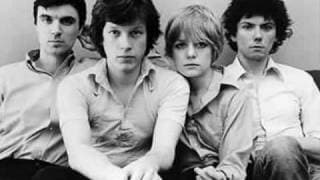
A ballad first, written at art school, until Weymouth's French bridge and bassline turned it feral.
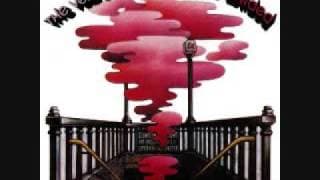
Tucker was pregnant, so Yule played bass and drums, and the bridge stayed missing from the mix for twenty-five years.
Mott were splitting up when Bowie offered them this, written within hours of hearing the band was finished.
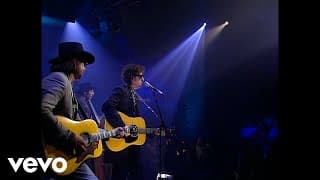
Two short verses written for a dying sheriff in Pat Garrett, with Roger McGuinn on guitar and Jim Keltner drumming.
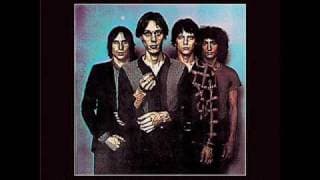
Ten minutes captured in one take; Ficca thought it was a rehearsal and Verlaine refused Andy Johns another go.
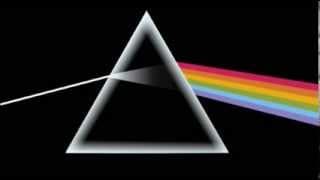
Alan Parsons taped antique-shop clocks as a quadraphonic test; Mason's rototoms follow, and the alarms still land like panic.
Gardiner found the riff wandering under apple blossom, and Bowie sings behind Iggy at Hansa by the Wall.
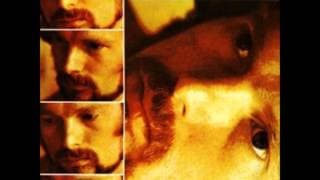
Written first as 'Into the Misty', recorded at A&R in New York, and the warmest thing Morrison ever sang.
Al Bell lifted the bassline from a Jamaican instrumental, and Mavis Staples turned Muscle Shoals into a pulpit.
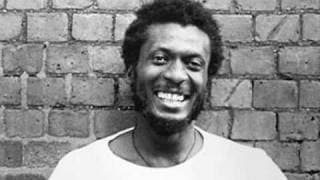
Cliff coined the phrase on set, Henzell made it the film's title, and the Dynamic Sounds session was filmed.
Bootsy passed on the bass part, so Worrell chained three Minimoogs together and gave Parliament its first R&B number one.
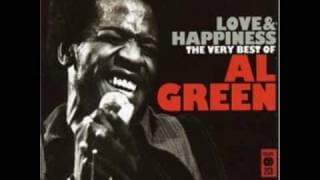
The tap opening it is Teenie Hodges counting time on a crate by his foot, and Green takes over.
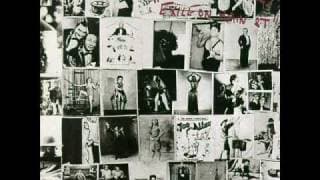
Taylor on bass, Jimmy Miller drumming the coda, and a lyric Jagger got from a housekeeper who played dice.
A lounge gig, a fake name, Bill Martin, and every regular at the Executive Room written into a verse.
Harrison started it backstage in Copenhagen, gave it to Billy Preston first, then took the first ex-Beatle number one.
Recorded live at San Francisco's Boarding House in 1978, and Devo's Mothersbaugh handed Young the phrase that titled the album.
Mercury wrote it at the piano, then three voices were multitracked into something the size of a gospel choir.
Reportedly inspired by canaries at his Hope Road windowsill, cut in London, and the gentlest reassurance in reggae.
Booked into Abbey Road as Billy Martin, McCartney played every instrument in a day and declined to release a single.
By Otis Williams's account Kendricks stayed for hours of takes; his final Temptations single spent two weeks at number one.
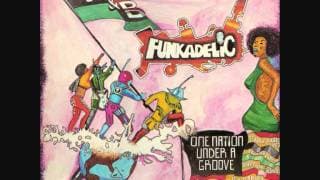
Clinton, Shider and Junie Morrison cut it at United Sound; six weeks at R&B number one, 1978's longest run.
Marley swapped police for sheriff to avoid a government fuss, and Clapton's 1974 cover became his only American number one.
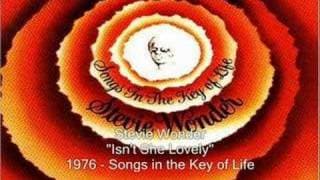
Wonder cut it for his newborn daughter Aisha, harmonica and all, and refused to shorten it for a single.
Taupin wrote it about Maxine Feibelman, the seamstress who toured with the band, and Almost Famous made it a singalong.
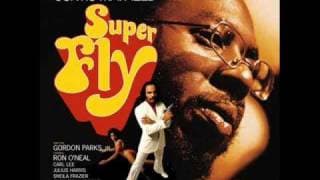
The soundtrack took three days at RCA Chicago; Johnny Pate arranged, Henry Gibson's rototoms set the strut.
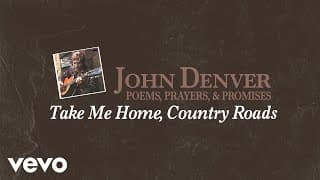
Danoff and Nivert finished it with Denver one December night, and they premiered it hours later at the Cellar Door.
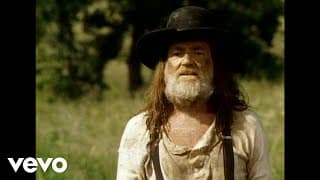
Fred Rose wrote it in the forties; Nelson's Texas version had Columbia's boss asking why he'd sent a demo.
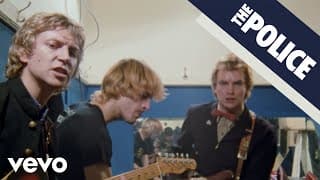
Summers' arpeggiated riff, Sting's castaway pleading over it, and the first of the Police's five UK number ones.
Five years in Scholz's basement, a hundred-dollar Yamaha twelve-string on the intro, and Delp stacking harmonies over the top.
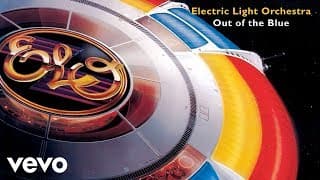
Two weeks of Alpine fog broke, and Lynne wrote this and thirteen more songs, closing it with a vocoder.
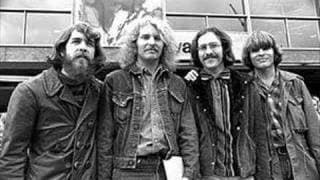
Fogerty said the rain falling on a sunny day was Creedence breaking up around him; the record aches accordingly.
Townshend's theme for the villain of his abandoned Lifehouse, and Daltrey sings the self-pity straight before Moon wrecks it.
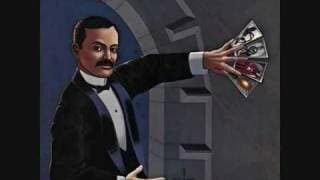
An irregular heartbeat diagnosis sent Dharma writing about mortality and lasting love, and the cowbell did the rest.
Kunkel's brushes, Carole King's piano, and three verses that hold a death, an addiction and a band's collapse.
Leslie Kong cut it in 1969, Hibbert called the subject karma, and The Harder They Come carried it worldwide.
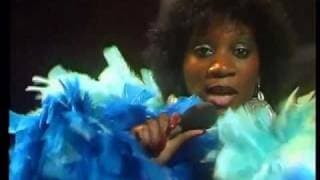
The Meters on rhythm at Sea-Saint, Toussaint producing, and Patti LaBelle singing a French hook she did not understand.
Wings lost two members on the eve of Lagos, so McCartney played the drums and built a three-part escape.
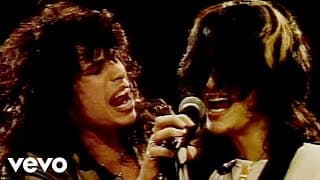
Tyler had the tune on his family's New Hampshire lodge piano years before Aerosmith; a reissue reached number six.
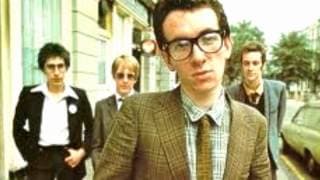
Costello glimpsed a supermarket checkout girl, Clover backed him before the Attractions existed, and one line titled his debut.
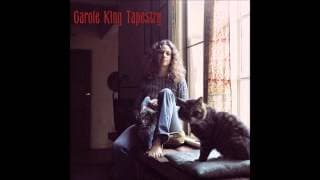
Toni Stern wrote the words in a day after her romance with James Taylor ended, and Curtis Amy's sax answers.
By Numan's account a road-rage scare in London started it; a bass riff, a Polymoog, and a UK number one.
Master Henry Gibson's congas drive it, the horns arrive like good news, and Britain sent it top twelve.
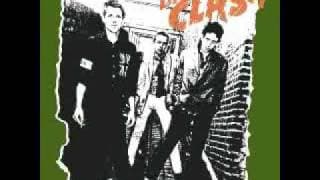
Strummer expected roots rebellion at an all-night Palais reggae bill, got showbiz, and slipped reggae bass into punk.
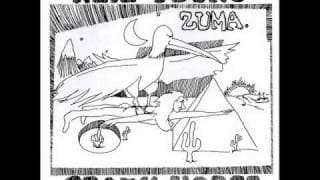
Young's tone in double drop D, a blown console that erased the last verse, and a Franco-era Spanish ban.

Tito Puente wrote it as a 1962 cha-cha-cha; Gregg Rolie's Hammond organ replaced the horn section.
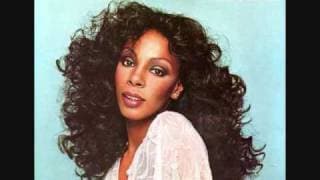
Moroder's four-on-the-floor, Jeff Baxter's rock guitar solo bolted on, and the first female rock vocal Grammy.
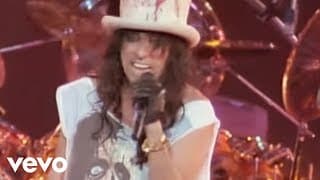
Buxton's riff, a children's chorus, a school bell fade; Cooper wanted the last three minutes of term on tape.
Richman borrowed two chords from Sister Ray and turned Route 128 after midnight into the happiest song about driving.
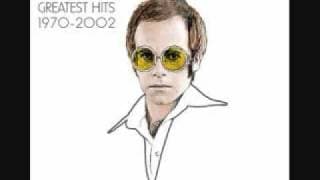
Gus Dudgeon overdubbed crowd noise from old concerts, and the fake live track topped the Hot 100.
A melody Morrison worked out on soprano sax first, then Jack Schroer's alto solo swinging over Jef Labes' piano.
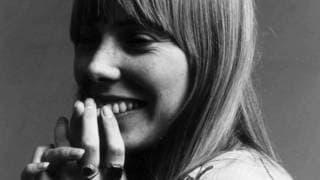
Mitchell threw back a Hawaii hotel curtain, saw mountains above a parking lot, and wrote pop's sunniest protest song.
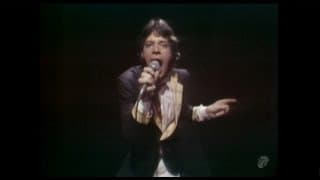
Four-on-the-floor from a Billy Preston jam, harmonica by Sugar Blue, found busking in Paris, and their last American number one.
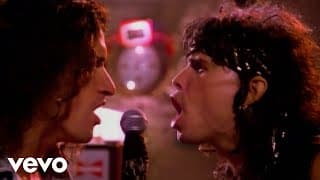
Three sounds in that intro: Hamilton's bass riff, Perry's talk box, a bass marimba. Aerosmith's first Top 40 single.
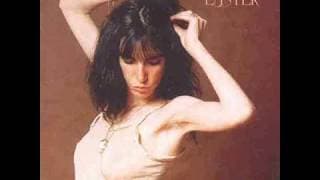
Springsteen abandoned the demo, Iovine passed Smith the cassette, and she wrote the verses waiting on a phone call.
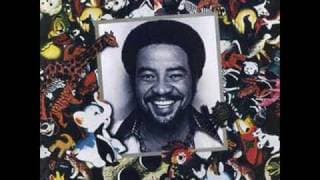
Withers holds the last note for eighteen seconds, Ray Parker Jr. plays guitar, and morning suddenly looks survivable.
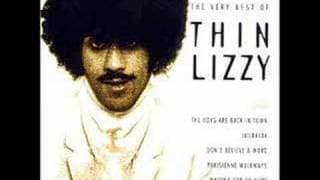
Gorham and Robertson's twin leads on a track the band nearly left off Jailbreak; Kentucky radio saved it.
Young wrote it on doctor-ordered voice rest, whistling the melody, then chased Sampedro's Stringman chords for eight electric minutes.
Piano and Bill Peterson's flugelhorn, cut at Young's Topanga home studio, written for a Dean Stockwell screenplay.
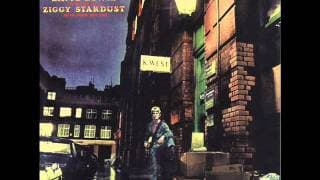
Bowie first threw it away on a fake band called Arnold Corns, then rebuilt it at Trident around Ronson.
Jimmy Ellis over eleven minutes of Philadelphia rhythm, a flop in 1976 until Saturday Night Fever made it a hit.
McCartney read the Fleming novel in a day and wrote it that afternoon; Martin's orchestra did the rest at AIR.
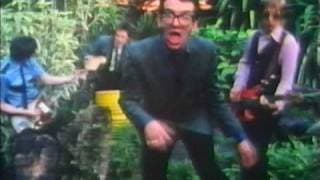
Nick Lowe wrote it for a pub-rock flop, produced Costello's B-side version, then got rich when The Bodyguard covered it.
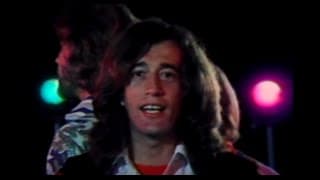
Seventeen weeks in the American top ten, and a ballad Stigwood refused to let them hand to Yvonne Elliman.
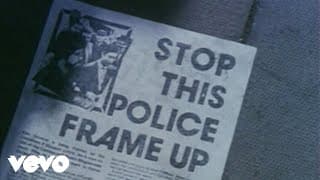
Strummer and Simonon were in the 1976 Notting Hill Carnival riot; the single ran under two minutes and reached thirty-eight.
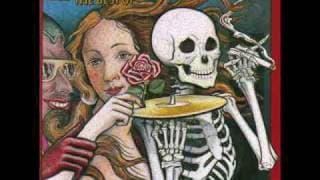
Hunter's lyric folds in a 1970 New Orleans bust, and the Library of Congress declared the record a national treasure.
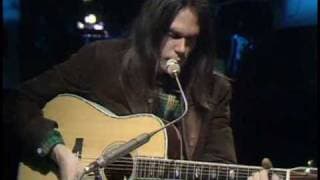
James Taylor picked up a six-string banjo he had never played, Ronstadt harmonised, and Young's ranch caretaker got a song.
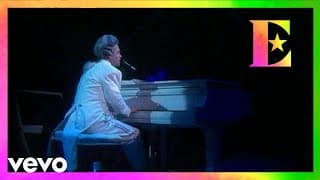
Taupin lifted the phrase from a Janis Joplin tribute and pointed it at Marilyn Monroe; the chorus does the mourning.
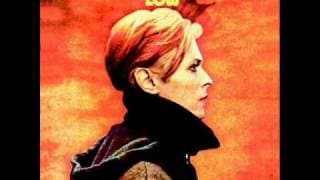
The BBC ran its long instrumental intro under programme trailers, and Bowie's ultimate retreat song went to number three.
Seger walked out of American Graffiti with a story of his own, and took six months finding the words.
Seven-four time, Steve Hunter's Martin triple-tracked at three tape speeds, and Gabriel's first record after walking out of Genesis.
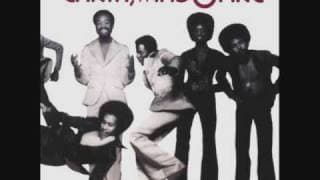
A night walk at Caribou Ranch gave White the title, and the band their only Hot 100 number one.
Green wrote it inside an hour by his account, then spent days getting Willie Mitchell to listen.
A baritone Mosrite missing its two middle strings, and a party record that talked Lennon out of retirement.
Mick Jones wrote it overnight for an NME flexi-disc that fell through, and the printed sleeves never listed it.
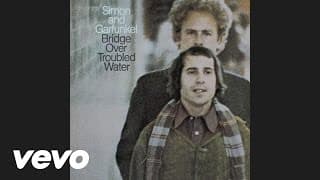
Friends banged on a piano bench at a party; Simon and Halee looped the thumping into a rhythm track.
Townshend woke in a Soho doorway after drinking with two Sex Pistols, and Keith Moon's last album took the title.
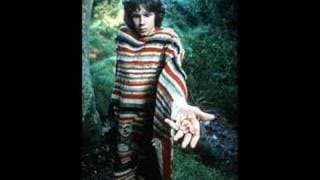
Voice, guitar, and a single overdubbed piano line, taped after eleven at night with only an engineer present.
Two minutes on addiction, taped live at UCLA's Royce Hall in January 1971 and placed unchanged on Harvest.
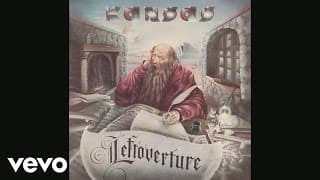
Kerry Livgren's last-minute addition to Leftoverture opens a cappella, then hands Kansas their first top forty hit.
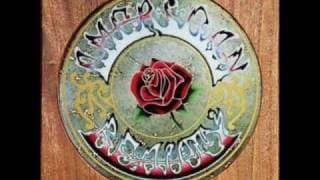
David Grisman's mandolin threading Hunter's London lyrics, a benediction the Dead tucked onto the B-side of "Truckin'".
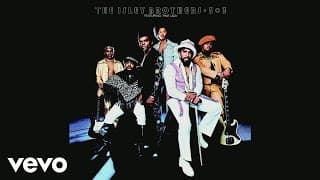
Recorded at the Record Plant in LA, with Ernie Isley's Hendrix-drenched guitar rebuilding a song the brothers cut in 1964.

Matlock's riff, lifted off ABBA's "SOS", and the sound of a generation deciding not to care.
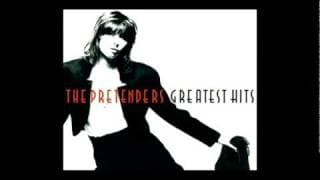
Honeyman-Scott's guitar lick came first, and Hynde told her producer he could release the thing over her dead body.
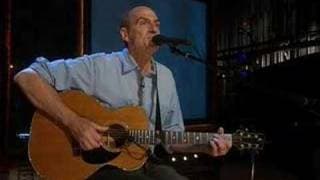
Taylor wrote it driving through the Carolinas to meet his newborn nephew, a cowboy lullaby in waltz time.
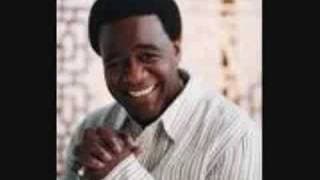
Baptism imagery over Willie Mitchell's Memphis groove, and Hi Records never bothered to release Green's version as a single.
Two deliberate key changes raise the temperature under a teenager discovering his parents are cooler than he is.
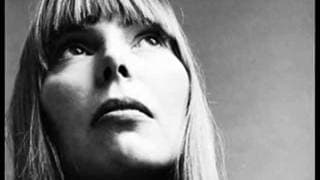
Her only American top ten hit, cut with Tom Scott's L.A. Express as she swung folk toward jazz.
Sixteen national number ones, then a second life at 12:01 a.m. on 1 August 1981 as MTV's first video.
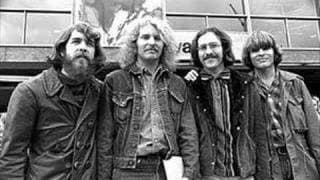
A B-side to "Travelin' Band" that outgrew it, Fogerty's unhurried strum and a question about Vietnam still hanging.
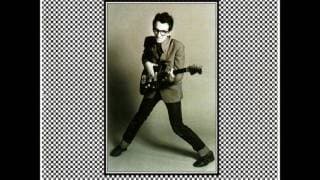
Costello wrote it after a night with the first Clash album; Nieve's piano stalks it like Bernard Herrmann.
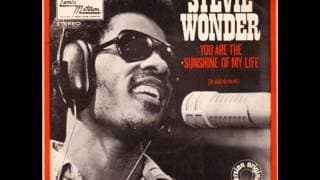
Wonder hands the first four lines to Jim Gilstrap and Lani Groves, then walks in over his own Fender Rhodes.
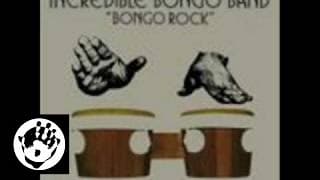
Michael Viner cut Jerry Lordan's tune in Vancouver, and Kool Herc turned its long percussion break into hip hop's foundation.
Harry turned a 1973 stalker into a chase song, and Nigel Harrison's riff supplies the relentless forward motion.
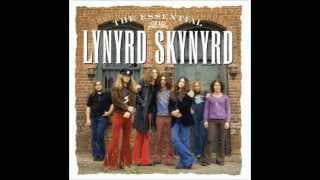
Van Zant and Rossington wrote it in an hour, putting his grandmother's and Rossington's mother's advice into song.
A thank-you note to Jagger for shouldering the band, by Richards' account, with Wood taking the solo.
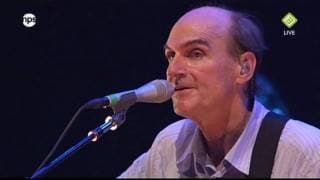
King wrote it during the Tapestry sessions; Taylor cut it with Joni Mitchell behind him for his only number one.
Ray Jackson's clavinet vamp and James Gadson's drums; it stopped at number two, blocked by Michael Jackson's "Ben".
Mitchell wrote it for David Geffen after a Paris trip, then set his escape to Jose Feliciano's guitar.
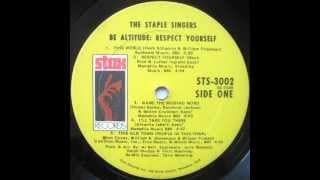
Mack Rice built it from a line Luther Ingram tossed off, and Pops and Mavis trade the sermon.
Eight days at the Record Plant with Rundgren, and Johansen's strut arrived years before punk had a name.
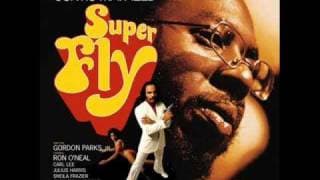
Master Henry Gibson's percussion over Lucky Scott's bass, Mayfield indicting the drug trade where the film saw only glamour.
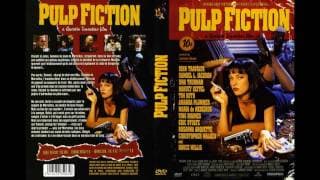
Don Boyce, the band's roadie, shouted the vocal and got a writing credit; Pulp Fiction did the rest.
A rewrite of a 1959 novelty called "The Beat Generation", with Quine and Julian's guitars turning parody into manifesto.
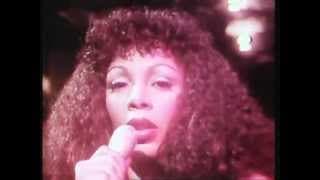
Jabara reportedly locked Summer in a hotel bathroom with a cassette until she agreed; it won the Academy Award.
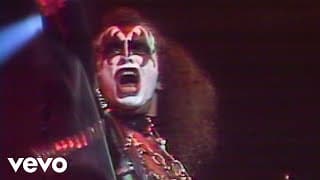
Casablanca's Neil Bogart asked for a party song; Stanley wrote the chorus, and the live take beat the studio single.
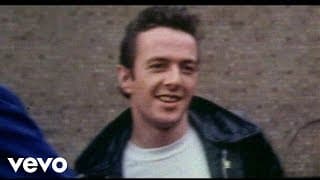
Lee Perry produced it after CBS released a single without the band's consent; Topper Headon's first Clash session.
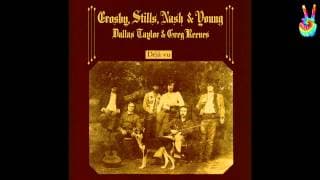
One of three Deja Vu tracks the four cut together, Young keening about the Ontario town of his childhood.
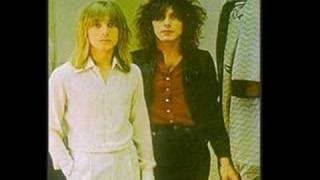
Nielsen's studio take on In Color went nowhere; the live Japanese version, crowd and all, hit number seven.
Kaya's warmest track went top ten in Britain, and its London video gave a young Naomi Campbell her debut.
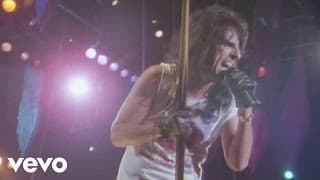
Ezrin cut an eight-minute jam down to three, and John Lydon mimed along to it to join the Sex Pistols.
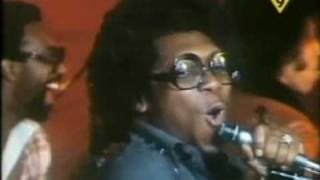
Drummer Walter Orange stepped out front, LaPread's bass line did the rest, and funk got a permanent floor-filler.
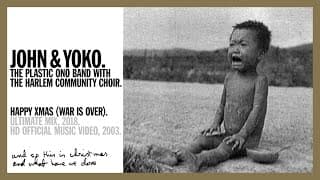
Two years after Lennon and Ono's billboards declared the war over, Spector cut it with a Harlem children's choir.
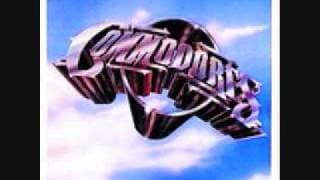
Richie traced that Sunday-morning ease to the small Alabama town he grew up in; the singer is walking away relieved.
Betts wrote and sang it, borrowing Hank Williams' title; Oakley's bass line was among his last recordings.
A lyric lifted from "Lovey Dovey", a misheard doo-wop coinage, and a Levi's ad that made it Britain's number one.
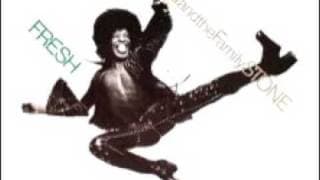
Number twelve on the Hot 100, the band's last pop top twenty, and a bass line hip hop still raids.
Booked after the Sex Pistols' visas fell through, Costello halted his SNL performance mid-song to play this unreleased attack instead.
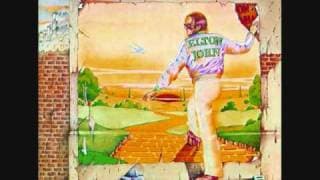
John wrote the instrumental half imagining music for his own funeral; Hentschel's ARP 2500 overdubs did the rest.
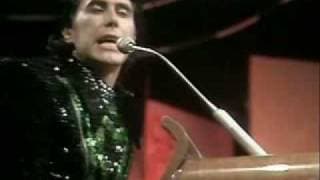
Ferry lifted the title from his own art-school painting of a giant cigarette packet, Eno's VCS3 shrieking behind him.
A Django Reinhardt tribute written to be playable with two fingers, named for the infant daughter bouncing to it.
Joey Ramone spliced a jungle-comics heroine with punk's primal charge, and Britain sent it to number twenty-two.
Steve Nieve's piano lifts its shimmer from "Dancing Queen," and Costello's biggest UK hit smuggles Belfast into a singalong.
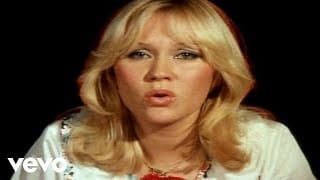
Ulvaeus chanted "tck-a-ch" to pace his jogging; it became the a cappella hook on ABBA's seventh UK number one.
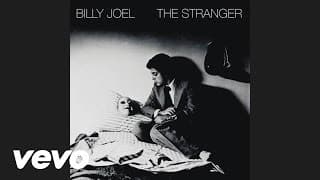
Bebop alto player Phil Woods takes the solo, and the melody Joel dreamed won Record and Song of the Year.
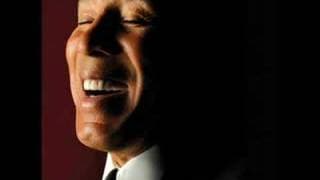
Tarplin handed over the guitar melody, and Robinson spent years finding words sensual enough to deserve it.
Lamm looked at his watch at 3:35 a.m. and had a title; Cetera sang it with his jaw wired together.
Gaudio first wrote it about Prohibition's repeal, then Judy Parker rewrote the lyric and drummer Gerry Polci sang lead.
Zawinul named it for the club where he heard Basie, Ellington and Miles, then made an instrumental a hit.
Stan Vincent's song sat on a B-side until it broke out in Philadelphia and Detroit and climbed to number eight.

Stevens called it his parting song for Patti D'Arbanville, and Jimmy Cliff took it into the UK top ten.
Never released as a single; Henley's piano sketch dated to 1968, and Jim Ed Norman's strings turned it monumental.
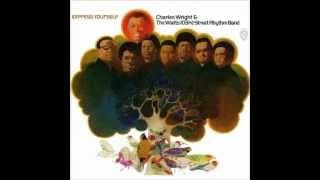
Wright wrote and produced it, took it to number three R&B, and nineteen years later N.W.A sampled the groove.
Robertson wrote it expressly for Danko's voice, and at their own Shangri-La studio the Band gave loss room to breathe.
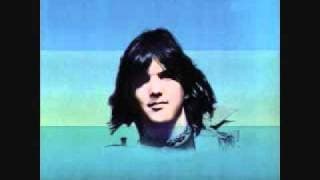
A Boston fan's poem, reworked by Parsons, Emmylou Harris on harmony, and an album out four months after his death.
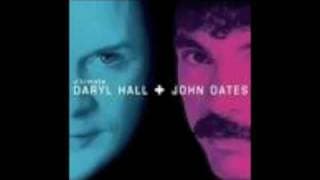
Hall wrote it about a fast-food heir, changed Rich Boy to Rich Girl, and took the duo to number one.
Casey and Finch's call-and-response chant for TK in Hialeah topped the Hot 100 in two separate runs.
Tucker was pregnant, so Doug Yule played drums, bass and the solo; Reed's Jenny finds her life on the radio.
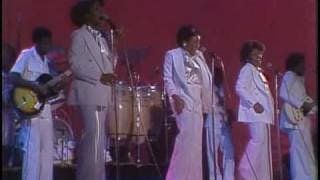
Maurice White and Al McKay wrote it, Earth Wind and Fire's rhythm section played it, and the Hutchinson sisters soared.
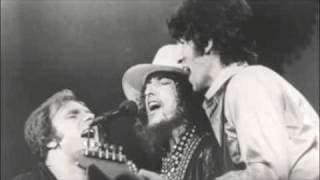
Written in Woodstock, cut in San Francisco with Modern Jazz Quartet drummer Connie Kay behind Morrison's warmest melody.
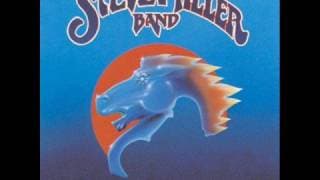
Miller ran a Stratocaster through an Echoplex for that staggered triplet echo, and the synthesizer drifts like weather.
Boyd handed Cale the demo and he improvised celeste, piano and organ around Drake's most openly loving song.
A fingerpicking exercise Livgren's wife overheard and told him to finish, now Kansas's only American top ten.
A decade after the Shirelles made it the first girl-group number one, King slowed it down with Taylor and Mitchell.
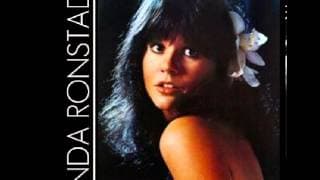
Ronstadt rejected the first take as the wrong groove; four days later Andrew Gold's solo sealed her only number one.
Written with Ivan Kral and dedicated to women like Jeanne Hebuterne, Modigliani's mistress; Rundgren produced and played the bass.
Cut live at Merriweather Post Pavilion, 1977, David Lindley's lap steel riding a song Browne wrote on his commute.
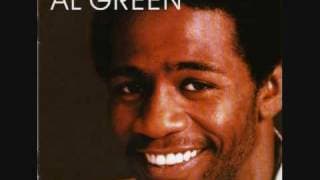
Willie Mitchell let a Bee Gees ballad run past six minutes at Royal Studios, and Green sings the whole ache.
Hunter set his lyric in Grosvenor Square, and from 1977 the Dead ran it straight into Fire on the Mountain.
Norman Harris's octave guitar riff, a B-side that DJs flipped, and five weeks atop the R&B chart.
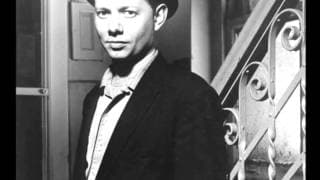
Graham Maby's bass carries the whole thing, a 1978 flop until reissue, and Jackson insisted it was a funny song.
Marching boots open the record, and a collapsed Jersey holiday sent the band to Berlin for their subject.
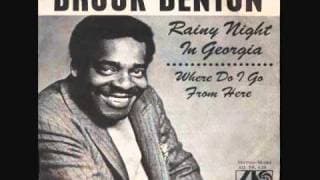
Toots Thielemans on harmonica, Cornell Dupree on guitar, Arif Mardin producing, and Benton sounding like the rain itself.
A guitar solo recorded slow and played back at double speed opens KC's first American number one.
Norbert Putnam moved the sessions to Miami for the beachfront air, and Buffett turned one ruined afternoon into the chorus.
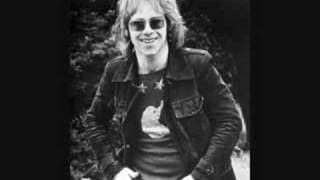
Cut in February 1971 with Paul Buckmaster conducting, a character sketch about a balloon seller and the son who leaves.
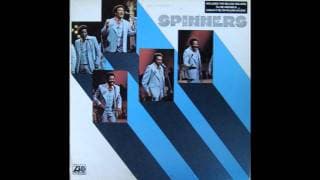
Thom Bell's arrangement at Sigma Sound, MFSB behind him, and Bobby Smith singing soft where anyone else would push.
Liberty DeVitto hated reggae, so the demo's lilt became a shuffle; the radio bans only sold more copies.
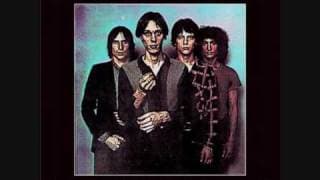
Verlaine hired Andy Johns off Goats Head Soup, cut the two guitars to separate channels, and punk got counterpoint.
Self-produced by the Wailers, and the track that opened the Lyceum nights Island taped in July 1975.
Mothership Connection opens as a pirate broadcast from space, with Maceo Parker and Fred Wesley newly defected from James Brown.
Richard Carpenter recognized Paul Williams singing a bank commercial and asked whether a whole song existed underneath.
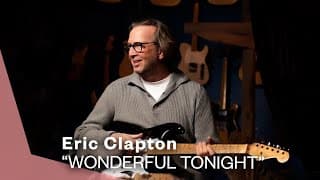
Clapton wrote it on a Martin D-28 while Pattie Boyd got ready for a Buddy Holly party, by his account.
Vanda and Young cut it at the Let There Be Rock sessions, reworking a 1976 outtake called Dirty Eyes.
A slave trader's sales pitch set to strings and Newman's warmest melody; Bobby Darin later sang it straight.
Number one in January 1976, and the murder rumor attached to that shriek was only Billy Beck reaching high.
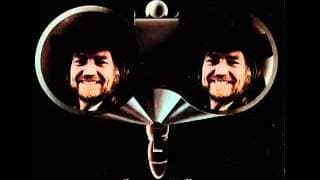
A Johnny Bush song Nelson borrowed for Shotgun Willie, then used to open nearly every concert since 1974.
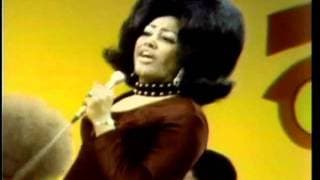
Wardell Quezergue brought five artists to Malaco in a borrowed school bus; Stax passed, then Knight's put-down sold millions.
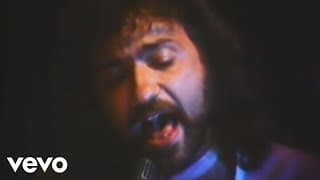
A piano ballad at first, then a synthesizer break, then guitars, angels and a starship headed skyward.
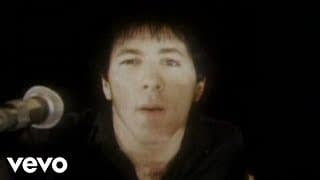
Jimmy Marinos sang it from behind the drum kit; the single stalled at 49 and never went away.
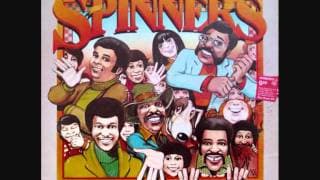
Started life as "The Fat Man", written by Bell for his teased son, and Philippe Wynne made it fly.
Newman wrote it for Eric Burdon in 1966, and Cory Wells sings the bewildered party guest straight to number one.
Acoustic guitar from James Taylor, a flute solo from Curtis Amy, and King mourning a world where nobody stays put.
A Mellotron faking the strings, producer Al Kooper credited as Roosevelt Gook, and Van Zant's rambling farewell.
Holland-Dozier-Holland hid behind the pseudonym Edythe Wayne, Dennis Coffey added electric sitar, and Britain gave it six weeks on top.
Tempchin wrote it on a poster back while sleeping on a club floor; Leadon's B-bender guitar does the rest.
Duane heard Betts's song, told him to sing it himself, and traded solos on one of his last sessions.
Brown put the writing credit in his wife's and daughters' names over IRS debts, then cut it live in two takes.
Joplin cut this satirical prayer for luxury goods a cappella in one take, three days before she died.
Two Jamaican teenagers, seventeen and eighteen, answering Trinity over Alton Ellis's riddim, number one in Britain within months.
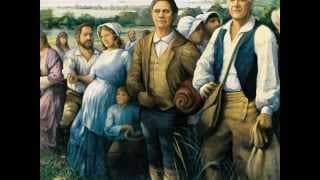
Manuel, Helm and Danko trade verses on Robertson's account of the 1755 Acadian expulsion, Byron Berline's fiddle overdubbed above.
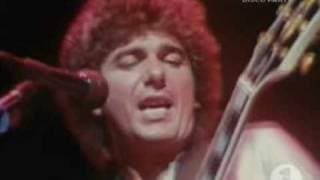
A club patron asked the band's drummer for funky music; Parissi wrote the answer on an order pad.
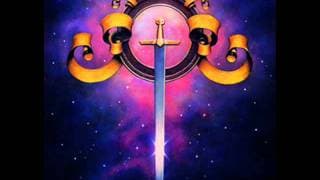
Paich's pounding piano intro, Porcaro's triplet hi-hat, and Lukather's solo, all on a debut single that hit number five.
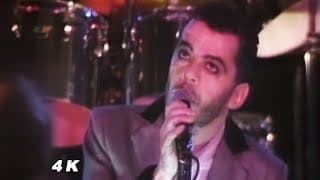
Jankel lifted the bass figure from Ornette Coleman's "Ramblin'"; the BBC banned the single, and Peel played it anyway.
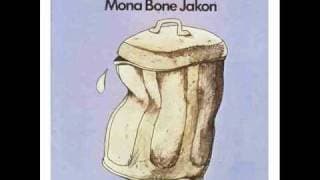
Stevens wrote it flat on his back recovering from tuberculosis; Hal Ashby later gave it to Maude's death scene.
John Cale's viola and harpsichord circle Drake's plea for a second chance, and Wes Anderson later borrowed it.
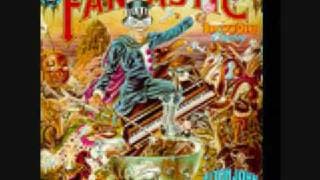
Baldry talked Elton out of a wedding in 1968, and Taupin wrote him into the chorus as Sugar Bear.
One riff played idly in Jones's apartment, and Gramm making him stop and play it again.
A piano riff hammered like a warning, written by Gramm and Jones, later sampled wholesale by M.O.P.
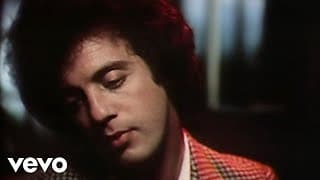
Number twenty-four on the Hot 100, and still a Song of the Year nominee; Ramone cut it at A&R.
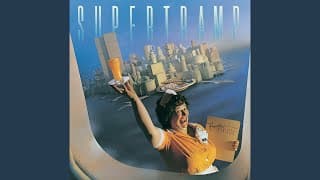
Davies wrote and sang it, Hodgson answered in falsetto, and that Wurlitzer figure runs the whole drifter's farewell.
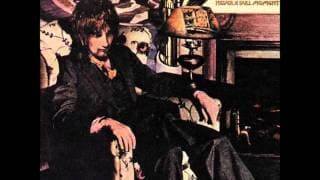
A letter to an ex, sung over acoustic guitar, fiddle and McLagan's Hammond, and another UK number one.
Cuba Gooding Sr. stepped up after Donald McPherson's death and turned heartbreak into the warmest consolation soul ever offered.
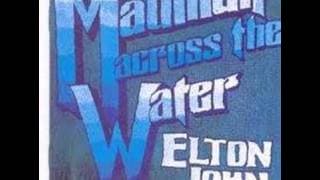
Buckmaster spilled ink across his orchestral score and rewrote all of it in a day; Spedding's electric guitar prowls underneath.
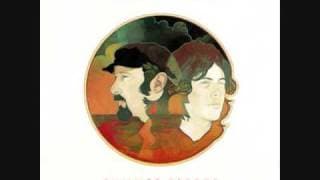
Larry Knechtel on piano, Jim Gordon on drums, and a chorus that arrives like the evening it describes.
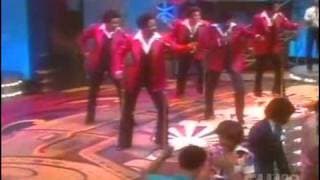
A 1966 Four Seasons song rebuilt as a medley, John Edwards out front, and two weeks at British number one.
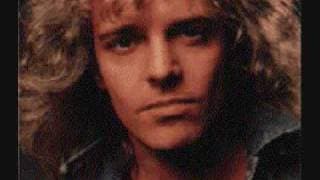
Stalled at 43 as a studio single until the live version on Frampton Comes Alive! reached the top twelve.
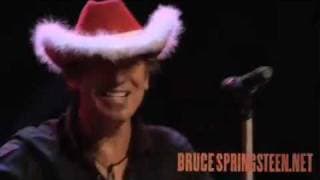
Cut live at C. W. Post College in 1975, shelved six years, then loosed on every December radio playlist since.
Ann Orson and Carte Blanche on the credits, a Motown duet pastiche that held British number one for six weeks.
A 1960 Boudleaux Bryant song the Everly Brothers cut first, remade by McCafferty's rasp into the version everyone knows.
Reed's parade of characters with nothing to their names, sung by Doug Yule over seven closing minutes of Loaded.
Stewart heard Jorge Ben's Taj Mahal at Rio Carnival, absorbed the melody unwittingly, and signed the royalties over to UNICEF.
Parazaider heard it on the radio while cleaning his pool and assumed McCartney, not his own band.
One of four songs on the demo that got Foreigner signed, and Gramm sang it at his audition.
Taupin's first New York, gunfire outside the hotel window, a rose borrowed from Spanish Harlem, all cut in France.
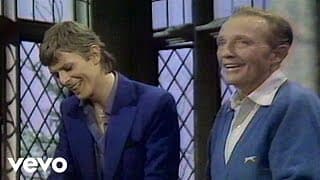
Bowie balked at the carol, so writers built the Peace on Earth counterpoint in an hour; Crosby died weeks later.