JoleneDolly Parton
Jolene
1973 · From Jolene
Dolly pleading with her rival rather than fighting her, written the same day as "I Will Always Love You."
★ 9.3
 skopia
Dolly pleading with her rival rather than fighting her, written the same day as "I Will Always Love You."
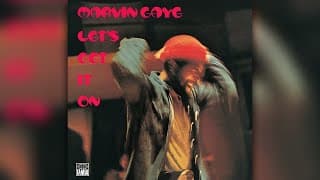
Ed Townsend conceived it as a spiritual; Gaye kept the backing track, rewrote the lyric, and Billboard number one followed.

Written and taped in a three-hour burst, Wonder on clavinet and drums, the keyboard snarling through a Mu-Tron filter.
Wonder played most of it himself, then broke it open with a spoken street scene running past seven minutes.

Flack heard Lori Lieberman's version on a plane's in-flight audio, rewrote the chords, and took Record of the Year.

Collins's chords sat unused for two years until Van Zant found the melody; the long outro was his onstage rest.
Written with Tosh after Marley toured Haiti, and the last song he ever sang onstage, Pittsburgh, September 1980.
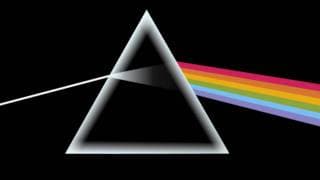
Seven beats to the bar, a tape loop of coins and cash registers, and Pink Floyd's first American hit.
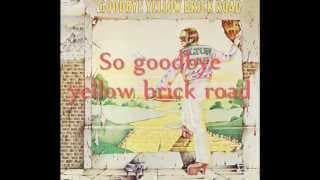
Sessions collapsed in Kingston, so the band regrouped at a French chateau and Taupin traded Oz for a Lincolnshire farm.
Pop lifted the title from a Time column on Vietnam, and Bowie's mix made Williamson's guitar a threat.
Cissy Houston's version turned Weatherly's midnight plane to Houston into a train to Georgia.

Two short verses written for a dying sheriff in Pat Garrett, with Roger McGuinn on guitar and Jim Keltner drumming.
A lounge gig, a fake name, Bill Martin, and every regular at the Executive Room written into a verse.
Marley swapped police for sheriff to avoid a government fuss, and Clapton's 1974 cover became his only American number one.
Wings lost two members on the eve of Lagos, so McCartney played the drums and built a three-part escape.
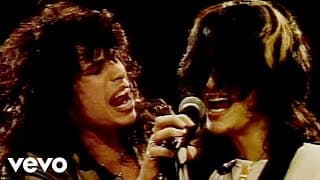
Tyler had the tune on his family's New Hampshire lodge piano years before Aerosmith; a reissue reached number six.
Gus Dudgeon overdubbed crowd noise from old concerts, and the fake live track topped the Hot 100.
McCartney read the Fleming novel in a day and wrote it that afternoon; Martin's orchestra did the rest at AIR.
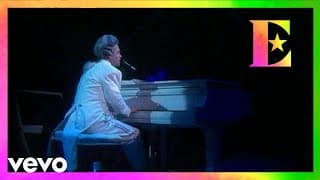
Taupin lifted the phrase from a Janis Joplin tribute and pointed it at Marilyn Monroe; the chorus does the mourning.
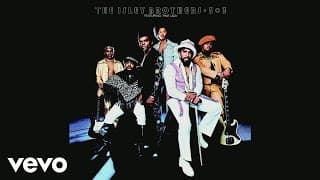
Recorded at the Record Plant in LA, with Ernie Isley's Hendrix-drenched guitar rebuilding a song the brothers cut in 1964.