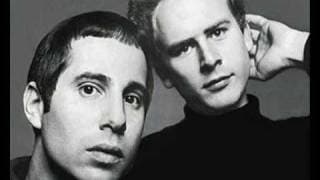
Bridge Over Troubled Water
1970
Garfunkel's voice climbing a gospel staircase, the last verse arriving like the cavalry.
★ 9.5
 skopia
Garfunkel's voice climbing a gospel staircase, the last verse arriving like the cavalry.
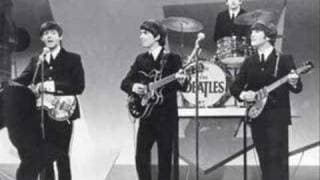
McCartney dreamed of his mother Mary telling him it would be all right; Harrison cut two different solos.
Iommi's riff arrived as three-minute filler for the album, Butler wrote the words fast, and Sabbath had their biggest UK hit.
Called Walpurgis until the label balked at the witchcraft, and Butler aimed the lyric at politicians who start wars.
Osbourne heard Iommi's riff and called it a big iron bloke walking; Butler built the science fiction around that.
One of Brown's first dates with the new J.B.s, Bootsy Collins on bass at eighteen, Bobby Byrd answering every line.
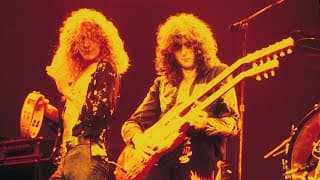
Zeppelin played Reykjavik in 1970, and Plant came back with Vikings, Valhalla, and that double-tracked wail.
Taupin scribbled the lyric over breakfast at a kitchen table, and Buckmaster's strings turned it into John's first Top 10.
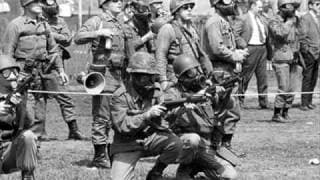
Seventeen days between the Life photographs from Kent State and four voices cutting it live in a Los Angeles room.
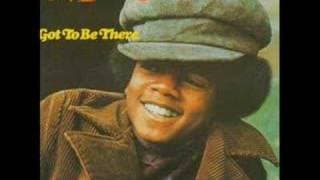
Hal Davis cut it at Hitsville West in June 1970, and Michael, eleven years old, made the ballad sound lived-in.
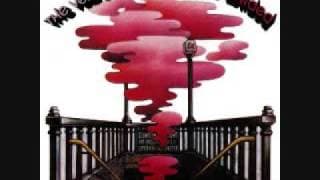
Tucker was pregnant, so Yule played bass and drums, and the bridge stayed missing from the mix for twenty-five years.
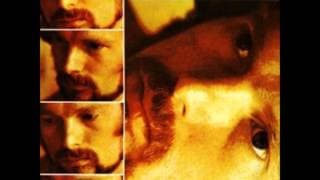
Written first as 'Into the Misty', recorded at A&R in New York, and the warmest thing Morrison ever sang.
Harrison started it backstage in Copenhagen, gave it to Billy Preston first, then took the first ex-Beatle number one.
Booked into Abbey Road as Billy Martin, McCartney played every instrument in a day and declined to release a single.
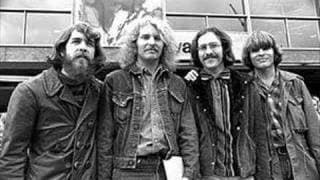
Fogerty said the rain falling on a sunny day was Creedence breaking up around him; the record aches accordingly.
Kunkel's brushes, Carole King's piano, and three verses that hold a death, an addiction and a band's collapse.
Leslie Kong cut it in 1969, Hibbert called the subject karma, and The Harder They Come carried it worldwide.
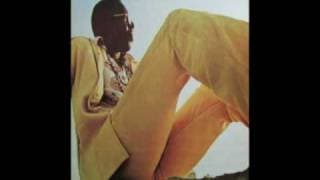
Master Henry Gibson's congas drive it, the horns arrive like good news, and Britain sent it top twelve.
Tito Puente wrote it as a 1962 cha-cha-cha; Gregg Rolie's Hammond organ replaced the horn section.