What's Going On
1971 · From What's Going On
Party chatter, a sax that sighs, and Gaye asking the question Motown begged him not to ask.
★ 9.9
 skopia
Party chatter, a sax that sighs, and Gaye asking the question Motown begged him not to ask.
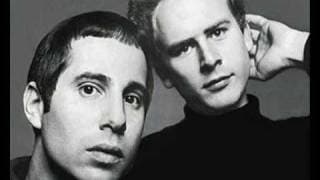
Garfunkel's voice climbing a gospel staircase, the last verse arriving like the cavalry.
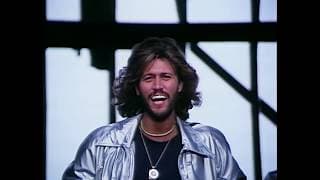
Barry Gibb's falsetto over a drum loop so metronomic that paramedics still use it to time chest compressions.
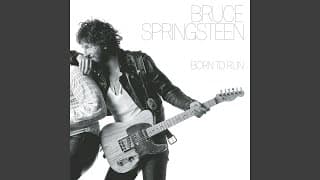
Months of wall-of-sound overdubs poured into one getaway car, and every word still sounds like escape.
Eight minutes that climb from recorders to Page's solo, never released as a single and never needing to be.
Moroder's pulsing synth track, Summer floating above it, and the record Eno reportedly called the sound of the future.
Dolly pleading with her rival rather than fighting her, written the same day as "I Will Always Love You."
Strummer borrowing the BBC's wartime call sign to announce the end of the world, and sounding thrilled about it.
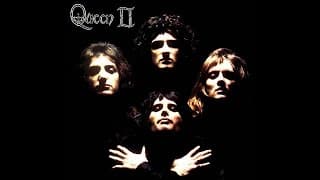
Six minutes with no chorus and so many vocal overdubs the tape wore transparent. Still nothing else like it.
Wonder wrote that clavinet riff for Jeff Beck, heard it back, and sensibly kept it for himself.
Seventeen and gliding across the floor, the rare disco record that sounds like joy and ache at once.
Recorded beside the Berlin Wall, Fripp's feedback howling while Bowie sings himself hoarse over a single defiant day.
Big Bank Hank auditioned outside the pizzeria where he worked, rapping lines borrowed from Grandmaster Caz's notebook.
That opening arpeggio is a Lowrey organ's marimba repeat function; Dave Arbus's violin sends the ending careening.
Nicks wrote it in a black velvet studio room at Sausalito's Record Plant; it remains the band's only US number one.
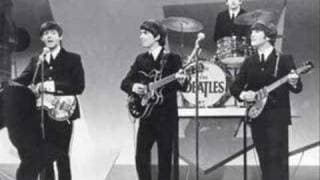
McCartney dreamed of his mother Mary telling him it would be all right; Harrison cut two different solos.
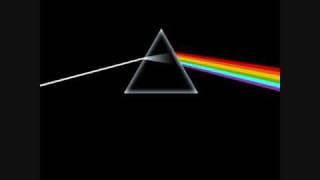
A tranquilizer shot before a 1977 Philadelphia show gave Waters the lyric; Gilmour brought the chords and the solo.
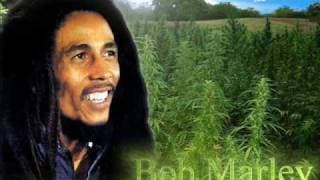
Marley credited it to Tata Ford, whose Trenchtown soup kitchen the royalties kept running; the title means woman, don't cry.
Felder demoed it on a four-track in Malibu, and his Les Paul duels Walsh's Telecaster through the outro.
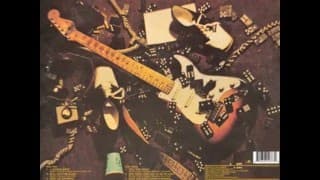
Clapton wanted his friend's wife; Duane Allman's slide answers every line, then Jim Gordon's piano coda changes everything.
Tommy wanted a Bay City Rollers chant; the album around it cost $6,400 and took seven days.
Page tuned to DADGAD, Plant wrote it driving through southern Morocco, and none of them had seen Kashmir.
Willie Mitchell and Al Jackson handed Green a track; he reportedly had the lyric in five minutes.
Iommi's riff arrived as three-minute filler for the album, Butler wrote the words fast, and Sabbath had their biggest UK hit.
Grapefruit, Ono's book of poems, supplied the idea; Lennon supplied the piano; in 2017 she finally got the credit.
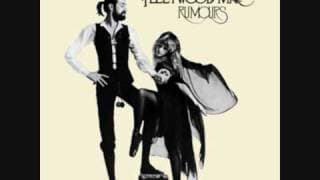
Buckingham aimed Mick Fleetwood at the Street Fighting Man groove, then sang a breakup line Nicks demanded he cut.
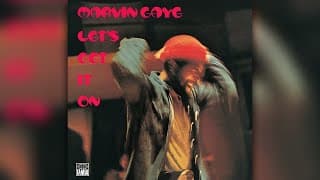
Ed Townsend conceived it as a spiritual; Gaye kept the backing track, rewrote the lyric, and Billboard number one followed.
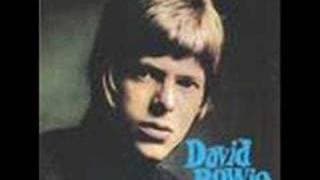
Rick Wakeman's piano, Bowie's own saxophone, and a stutter on the title that flopped before it defined him.
Written as "No Future," banned by the BBC, and stuck at number two amid loud suspicion of chart rigging.
Withers bought a small piano, ran his fingers up the keys, and found the coal-town kinship he missed.
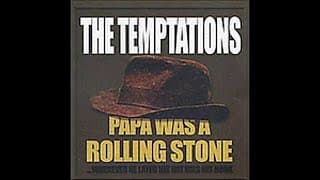
Nearly four minutes of bass, hi-hat and lone trumpet before anyone sings, and the groove never sags.
Willis wanted real words instead of ba-dee-ya; White refused, and the groove outlived any lyric she could have written.
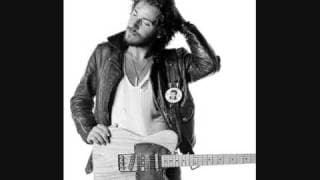
Bittan's piano, a harmonica, and a screen door slamming; Springsteen lifted the title from a Robert Mitchum film poster.
A 1965 Studio One ska tune rebuilt for Exodus, with Mayfield credited to keep the borrowing legal.
Jackson wrote it himself and steered the session; a whisper, a water-bottle rattle, then Louis Johnson's bass takes over.
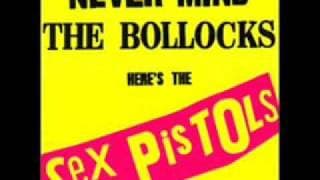
Lydon picked anarchist because it rhymed with antichrist; EMI dropped the band six weeks later and punk was loose.
Dylan recut it in Minneapolis with his brother producing, then spent decades rewriting a story already told out of order.
Called Walpurgis until the label balked at the witchcraft, and Butler aimed the lyric at politicians who start wars.
Herbie Flowers doubled upright and electric bass for a session fee, and Bowie's old sax teacher played the closing solo.
May came home from a Stafford gig where the crowd sang back, and built a chorus from stomps and claps.
Kraftwerk's rhythm rode a train across Europe, name-checked Bowie and Iggy Pop, then turned up inside Afrika Bambaataa's Planet Rock.
Buried as a B-side until DJs flipped it, and Gaynor cut the vocal in a back brace after spinal surgery.
Edwards' bassline turned up on Rapper's Delight within months; the settlement put Chic's names on rap's first pop hit.
Osbourne heard Iommi's riff and called it a big iron bloke walking; Butler built the science fiction around that.
Eight and a half minutes, a Lowrey organ run through a VCS3, and Daltrey's scream tearing into the final verse.
Gilmour's twelve-string comes through a recorded car radio, and Grappelli's violin sits buried near the very end.
Mutt Lange took over production, the band cut it in London in 1979, and America finally caught on.
One of Brown's first dates with the new J.B.s, Bootsy Collins on bass at eighteen, Bobby Byrd answering every line.
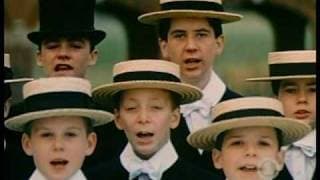
Ezrin sent Gilmour to the discos, and twenty-three Islington schoolchildren got forty minutes to sing themselves onto a number one.
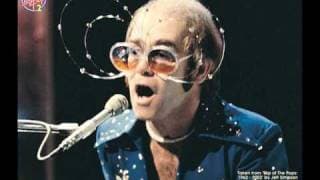
Taupin borrowed the title from a Pearls Before Swine song, and Hentschel's ARP put the loneliness in orbit.
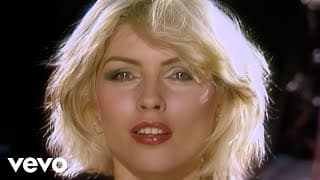
A demo kicked around since the mid-seventies, rebuilt on a Roland drum machine that appalled their punk friends.
Skip Pitts on wah-wah, Willie Hall riding sixteenths on hi-hat, and the first Academy Award won by a Black composer.
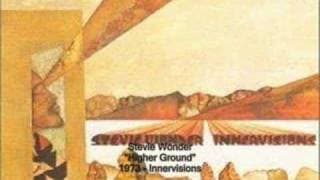
Written and taped in a three-hour burst, Wonder on clavinet and drums, the keyboard snarling through a Mu-Tron filter.
Wonder played most of it himself, then broke it open with a spoken street scene running past seven minutes.
Blackmore's four notes in parallel fourths, written after a flare gun burned the Montreux Casino down during a Zappa show.
Withers was building airplane toilets when he cut this, and he left the unfinished bridge as twenty-six repeats.
Flack heard Lori Lieberman's version on a plane's in-flight audio, rewrote the chords, and took Record of the Year.
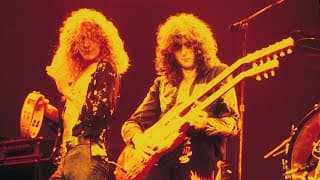
Zeppelin played Reykjavik in 1970, and Plant came back with Vikings, Valhalla, and that double-tracked wail.
Taupin scribbled the lyric over breakfast at a kitchen table, and Buckmaster's strings turned it into John's first Top 10.
A rhythm box edited into a heartbeat, Billy Preston on Pianet, and three weeks at number one.
An answer record to Neil Young's "Southern Man," riding Ed King's riff and a name-check for the Muscle Shoals Swampers.
Aspen in 1974, Nicks weighing whether to quit music, and Buckingham Travis-picking a Martin D-18 underneath.
Cut at Muscle Shoals in December 1969, with Jim Dickinson on tack piano after Ian Stewart refused the minor chords.
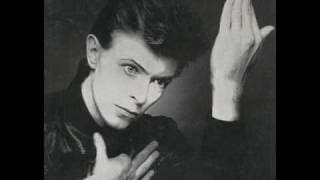
Cut at Trident in November 1971, never a single, and Ronson's riff draws the character as sharply as the words.
A back injury kept Young seated with an acoustic guitar; Taylor and Ronstadt were in Nashville and sang behind him.
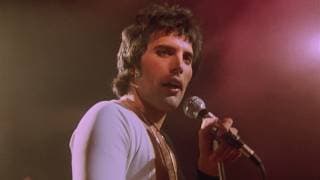
Mercury wrote it with audience participation in mind, and a 2011 study named it the catchiest song in pop.

Collins's chords sat unused for two years until Van Zant found the melody; the long outro was his onstage rest.
Bootsy Collins on bass, Fred Wesley and Maceo Parker newly arrived from James Brown, and Parliament's first gold single.
Razor-blade tape splices turned rejected scraps into the one Rumours song credited to all five, McVie's bass ending it.
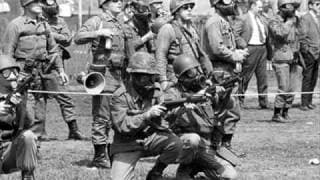
Seventeen days between the Life photographs from Kent State and four voices cutting it live in a Los Angeles room.
Written with Tosh after Marley toured Haiti, and the last song he ever sang onstage, Pittsburgh, September 1980.
Browne could not finish the second verse, Frey did, and Leadon's double-time banjo drives the Eagles' debut single.
Seven beats to the bar, a tape loop of coins and cash registers, and Pink Floyd's first American hit.
Hal Davis cut it at Hitsville West in June 1970, and Michael, eleven years old, made the ballad sound lived-in.
Sessions collapsed in Kingston, so the band regrouped at a French chateau and Taupin traded Oz for a Lincolnshire farm.
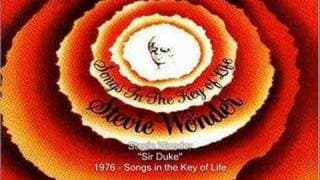
Wonder built it for Ellington after his death in 1974, then handed the melody to horns playing in unison.
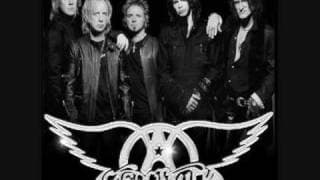
Perry built the riff at a Honolulu soundcheck; Tyler wrote the words on a Record Plant stairwell wall.
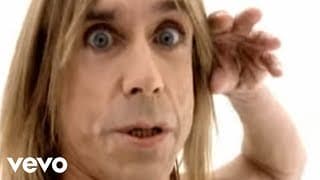
Bowie found the beat in an Armed Forces Network call sign; Hunt Sales hammered it out in Berlin.
Pop lifted the title from a Time column on Vietnam, and Bowie's mix made Williamson's guitar a threat.
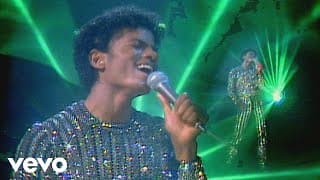
Rod Temperton offered it to Karen Carpenter first; Quincy Jones and Jackson took it to number one.
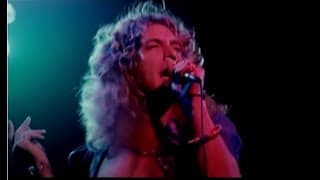
Jones wrote the riff, Page took the stop-start idea from Fleetwood Mac, and a stray labrador supplied the title.
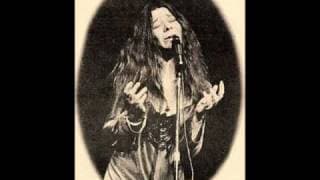
Joplin taped the vocal days before her death; Kristofferson did not hear it until the day after.
Four notes known as Syd's theme, and Barrett himself turning up at Abbey Road mid-session, unrecognized by the band.
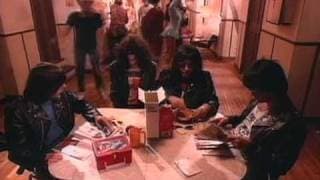
Joey wrote it stranded in a shut-down London at Christmas, and Johnny's solo is one note, repeated.
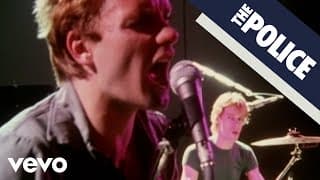
Copeland turned Sting's bossa nova into a tango, and the piano clang at the top was an accident they kept.
Cut at Muscle Shoals days before Altamont, Bobby Keys on tenor, and a lyric Jagger later said he would censor.
De Niro called the first theme too weak, so Kander and Ebb wrote this one in anger.
Cissy Houston's version turned Weatherly's midnight plane to Houston into a train to Georgia.
A novel called Triad set Nicks going; years later she learned she had described a Welsh goddess exactly.
Released as a B-side until DJs flipped it, with a mandolin credited only to a name Stewart said slipped his mind.
Petty cut it on the Fourth of July, 1976, and Roger McGuinn heard the Byrds so clearly he covered it.
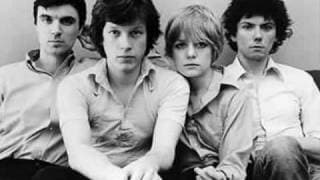
A ballad first, written at art school, until Weymouth's French bridge and bassline turned it feral.
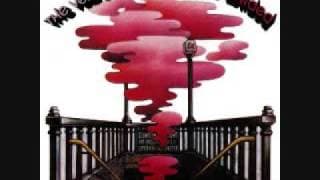
Tucker was pregnant, so Yule played bass and drums, and the bridge stayed missing from the mix for twenty-five years.
Mott were splitting up when Bowie offered them this, written within hours of hearing the band was finished.
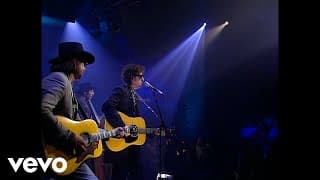
Two short verses written for a dying sheriff in Pat Garrett, with Roger McGuinn on guitar and Jim Keltner drumming.
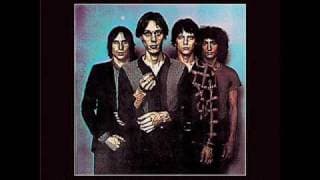
Ten minutes captured in one take; Ficca thought it was a rehearsal and Verlaine refused Andy Johns another go.
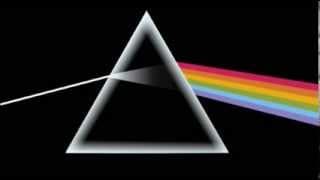
Alan Parsons taped antique-shop clocks as a quadraphonic test; Mason's rototoms follow, and the alarms still land like panic.
Gardiner found the riff wandering under apple blossom, and Bowie sings behind Iggy at Hansa by the Wall.