Born in the USA
1984 · From Born in the USA
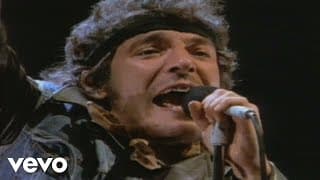
Take four, April 1982, a Yamaha synth from Roy Bittan, and the most misheard chorus in American rock.
★ 8.7
 skopia
Take four, April 1982, a Yamaha synth from Roy Bittan, and the most misheard chorus in American rock.
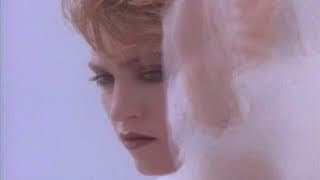
A Steinberg and Kelly demo Rodgers disliked at first, six weeks at number one, and a seventeen-foot wedding cake.
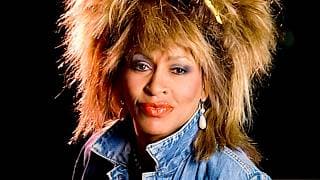
Cliff Richard turned it down, Bucks Fizz shelved it, and Turner at forty-four took it to number one.
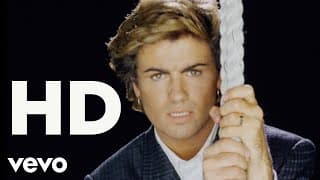
Written at seventeen on a bus, scrapped at Muscle Shoals, saved by Steve Gregory's saxophone in one breath.
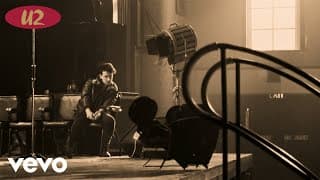
The Edge's chords came out of a soundcheck in Japan; Bono fixed the third verse's timeline on record only in 2023.
Campbell built the track on a LinnDrum, Petty passed, and Henley wrote middle age onto somebody else's demo.
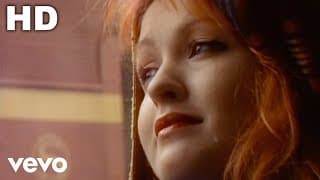
Lauper lifted the title from a TV Guide film listing, and Rob Hyman's harmony makes the chorus ache.
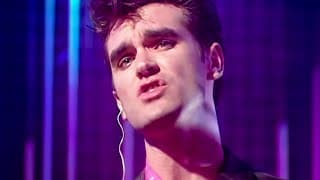
Marr's melody came from a New York hotel room, the title from Sandie Shaw, and misery never sounded so cheerful.
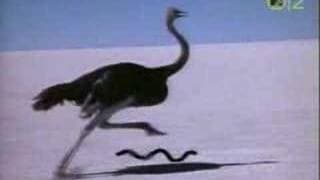
A Tim Pope video with no lip-syncing, BBC wildlife footage, and Talk Talk's only American top forty.
Michael programmed the LinnDrum in an evening, wrote the vocal next morning, and turned marital dread into a groove.
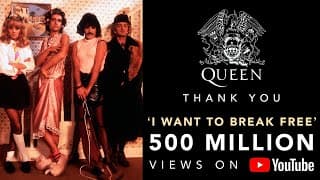
Deacon's song, Fred Mandel's Jupiter-8 solo in a single take, and a video of Queen in Coronation Street drag.
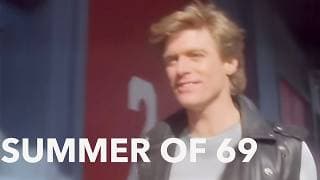
A twelve-string riff swapped for six and doubled for thickness, then a chorus about a summer Adams never actually had.
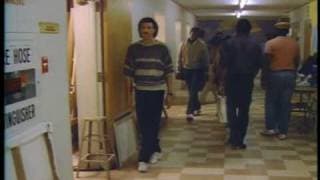
Richie thought the opening line corny until Carmichael told him to finish it; six weeks at UK number one followed.
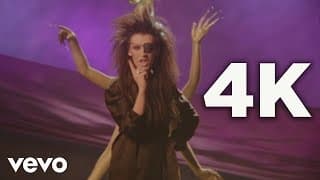
Seventeen weeks climbing to a UK number one, the first for Stock Aitken Waterman, and Burns devours it.
Jimmy Webb woke from a dream with four verses about one soul; Nelson, Kristofferson, Jennings and Cash took one each.
Two days on a dance version, scrapped for synth pads and a Cold War fear of growing old.
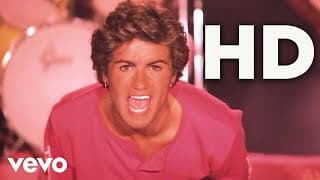
Ridgeley scrawled a note to his parents, doubled a word by mistake, and George Michael built a number one on it.
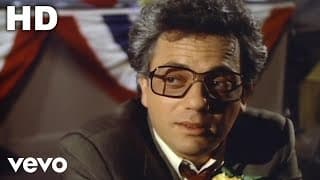
Every voice on the record is Joel's, stacked over Doug Stegmeyer's bass; doo-wop rebuilt by one man.
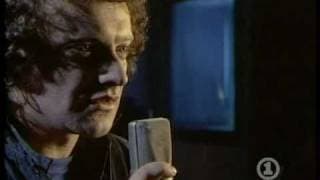
Jones wrote it alone at three in the morning, and the New Jersey Mass Choir carries the final chorus skyward.
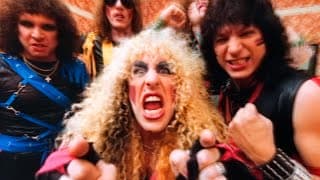
Snider hung the melody on "O Come, All Ye Faithful," and the PMRC filed it under filth anyway.
Released as a B-side, produced by Full Force, and Roxanne rejecting all three MCs set off dozens of answer records.
Raf's Italo-disco original topped Italy's chart first; Friedkin directed Branigan's video and MTV demanded cuts before airing.
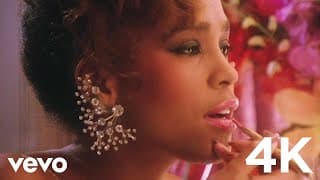
Linda Creed wrote the words while ill with cancer, and died weeks before Houston's version reached number one.
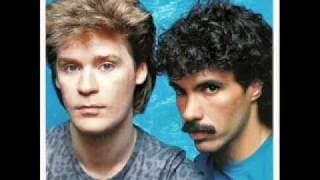
A chorus Oates stumbled into on a synthesizer he could barely operate, and the duo's sixth and last number one.
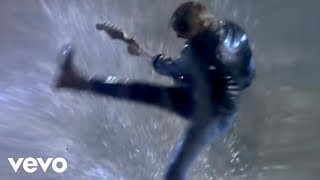
Blue Oyster Cult passed, .38 Special passed, and Adams kept the riff; the first full take made the record.
Wonder played every part himself, won the Oscar, and handed Motown its biggest-selling UK single.
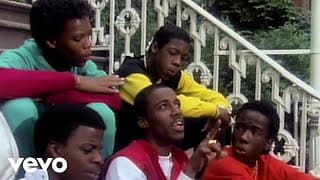
A LinnDrum, five Boston teenagers, and a spoken bridge calling out Ronnie, Bobby, Ricky and Mike by name.
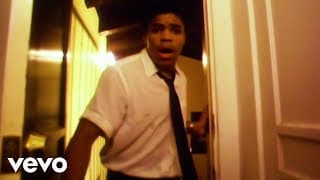
Berry Gordy's son signed to Motown without telling him, then got Michael Jackson to sing the chorus uncredited.
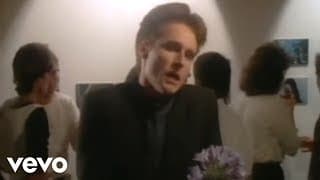
Waite heard a guitar melody on cassette and improvised the first verse on the spot; its chorus is pure denial.
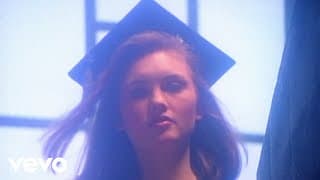
Drummer Kelly Keagy wrote it about his kid sister Christy; Jack Blades misheard the name and Christian stuck.
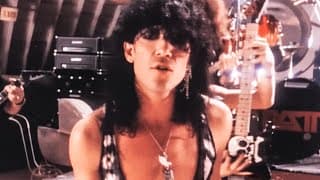
Three writers bouncing riffs between cassettes in a Hollywood apartment, and Milton Berle in the video that broke them.
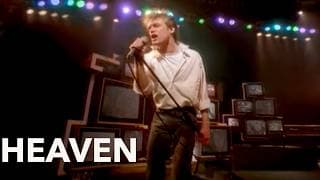
Written on tour opening for Journey, buried on a movie soundtrack first, and number one nearly two years later.
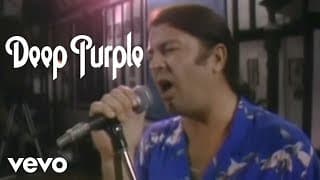
Stowe, Vermont, a mobile studio, the Mark II lineup back after eleven years, and Lord's organ doing the heavy lifting.
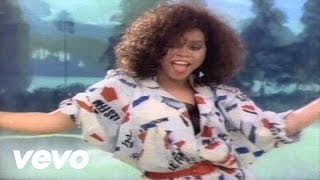
An Oscar nominee from the Footloose soundtrack, George Duke producing, and Williams audibly grinning through every chorus.
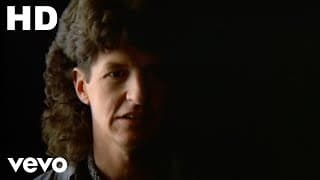
Cronin sat on the verses for years before finishing them in Hawaii, and three weeks at number one followed.
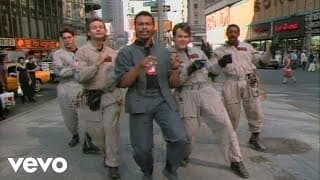
Parker had days to write it and found the hook in a late-night TV ad for a local service.
David Woodford's sax on the record, a different player miming in the video, and Frey's biggest solo hit.
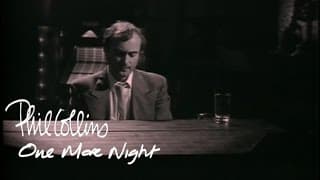
A DX7 electric piano, a drum machine, and Don Myrick's saxophone taking a number one out quietly.