
The Dark Side of the Moon
1973
They asked people around the studio questions on cue cards and used the answers. It then stayed on the American chart for fourteen years.
★ 9.5
 skopia
They asked people around the studio questions on cue cards and used the answers. It then stayed on the American chart for fourteen years.
Dolly pleading with her rival rather than fighting her, written the same day as "I Will Always Love You."

Solzhenitsyn served eight years in the camps, then gathered hundreds of survivors' accounts into a single prisoner's journey from arrest through interrogation to the labor gangs. Publishing it got him deported.
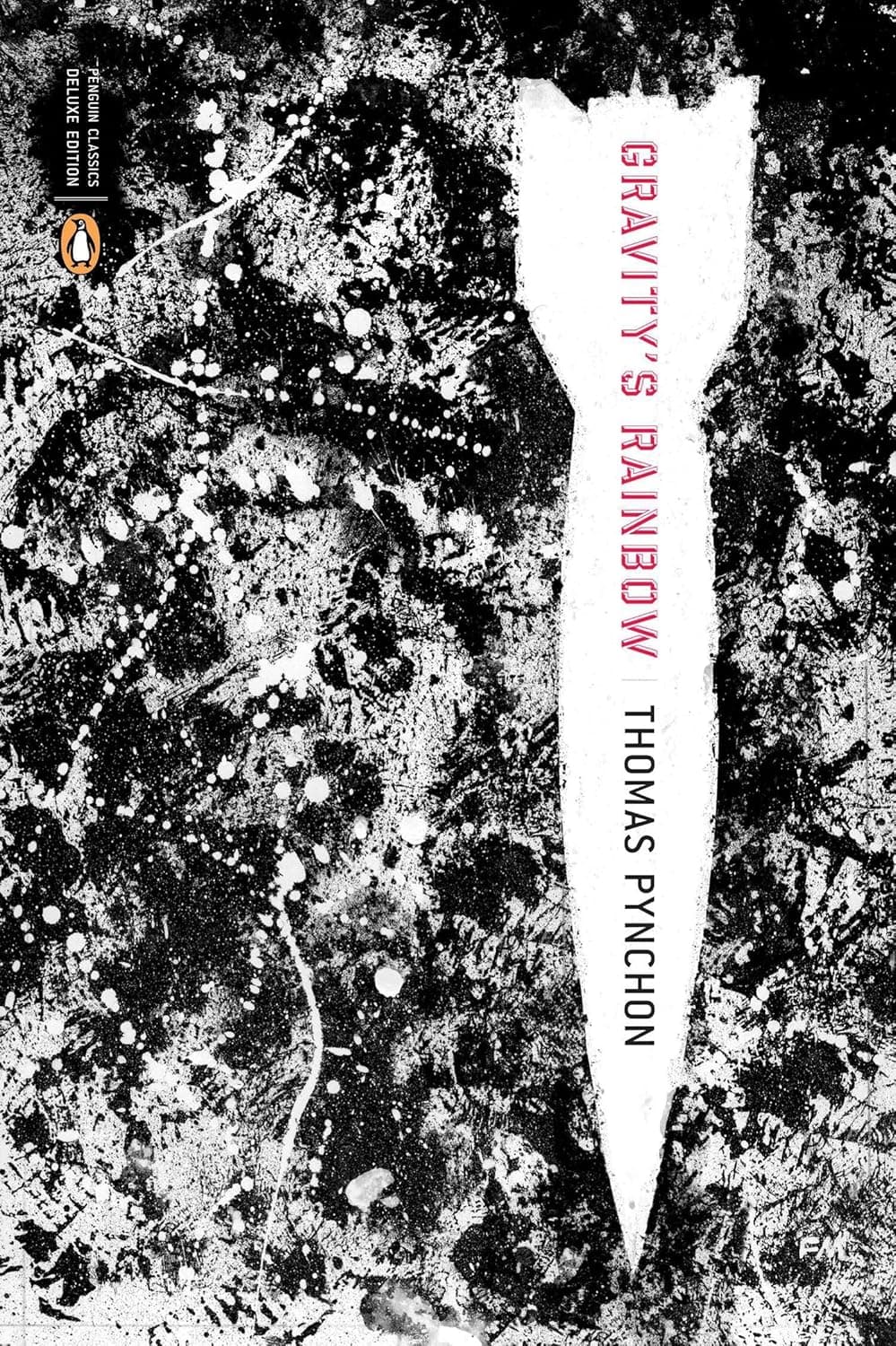
In London in 1944 the army notices that an American officer's sexual conquests keep predicting where German rockets fall. What follows is the filthiest, funniest chase ever run across a ruined continent.
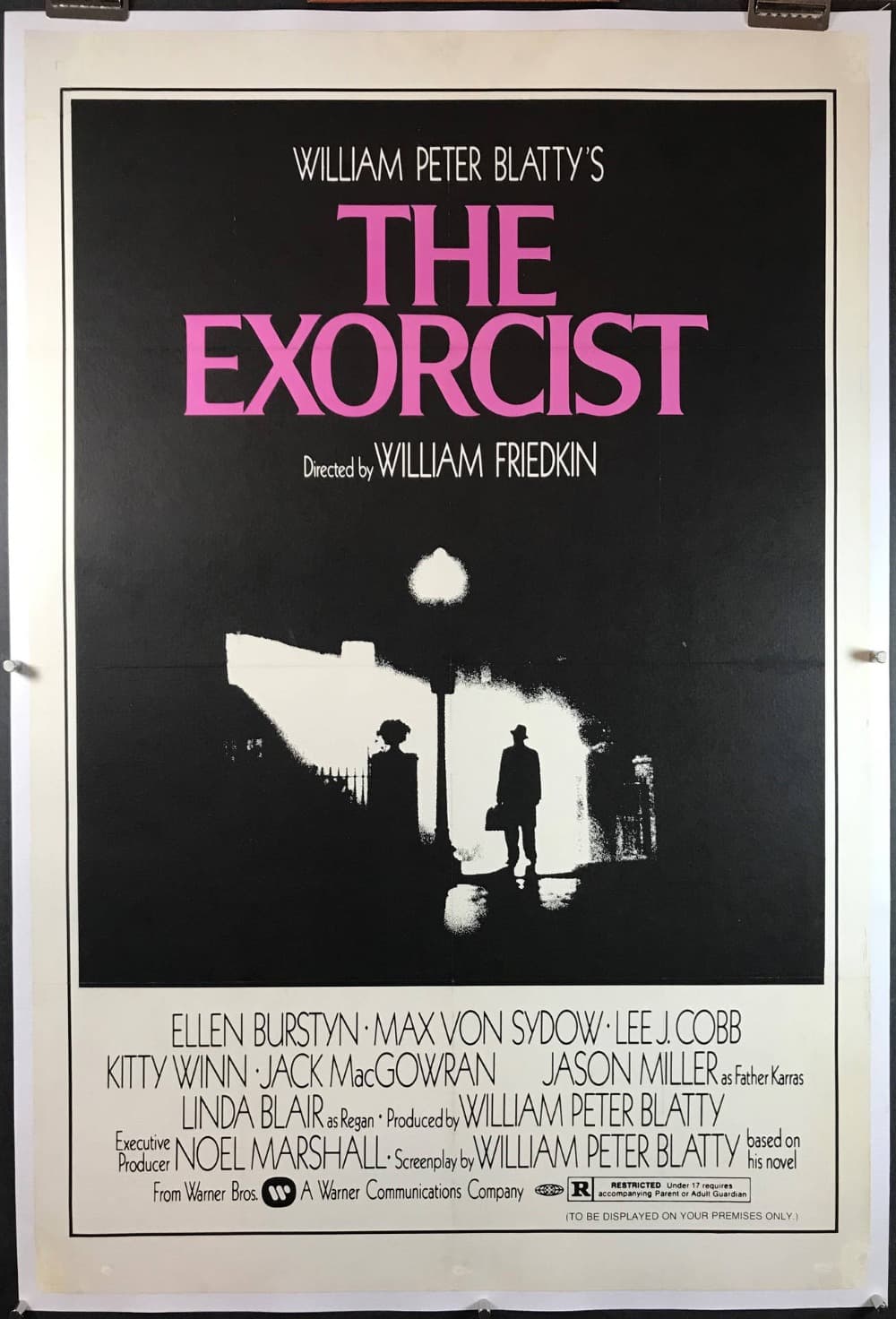
Still the one people watch with the lights on fifty years later: Friedkin shot a possession story like a documentary, and the restraint is what makes it unbearable.
Ed Townsend conceived it as a spiritual; Gaye kept the backing track, rewrote the lyric, and Billboard number one followed.
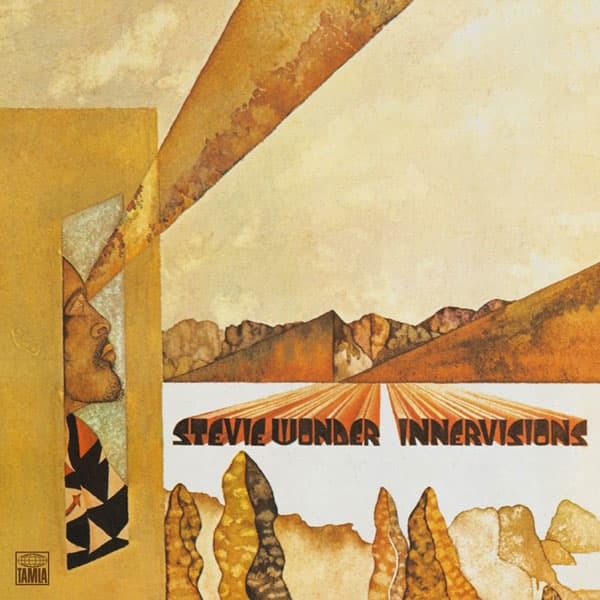
Wonder played almost every instrument on it himself. Days after it came out a car crash put him in a coma for four days.

They tried to record it in Jamaica, gave up, and made the whole double album in about two weeks in a French château instead.
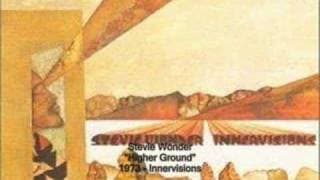
Written and taped in a three-hour burst, Wonder on clavinet and drums, the keyboard snarling through a Mu-Tron filter.
Wonder played most of it himself, then broke it open with a spoken street scene running past seven minutes.
Flack heard Lori Lieberman's version on a plane's in-flight audio, rewrote the chords, and took Record of the Year.

Collins's chords sat unused for two years until Van Zant found the melody; the long outro was his onstage rest.
Written with Tosh after Marley toured Haiti, and the last song he ever sang onstage, Pittsburgh, September 1980.
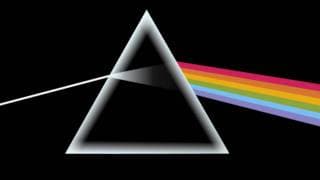
Seven beats to the bar, a tape loop of coins and cash registers, and Pink Floyd's first American hit.
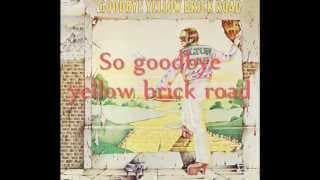
Sessions collapsed in Kingston, so the band regrouped at a French chateau and Taupin traded Oz for a Lincolnshire farm.
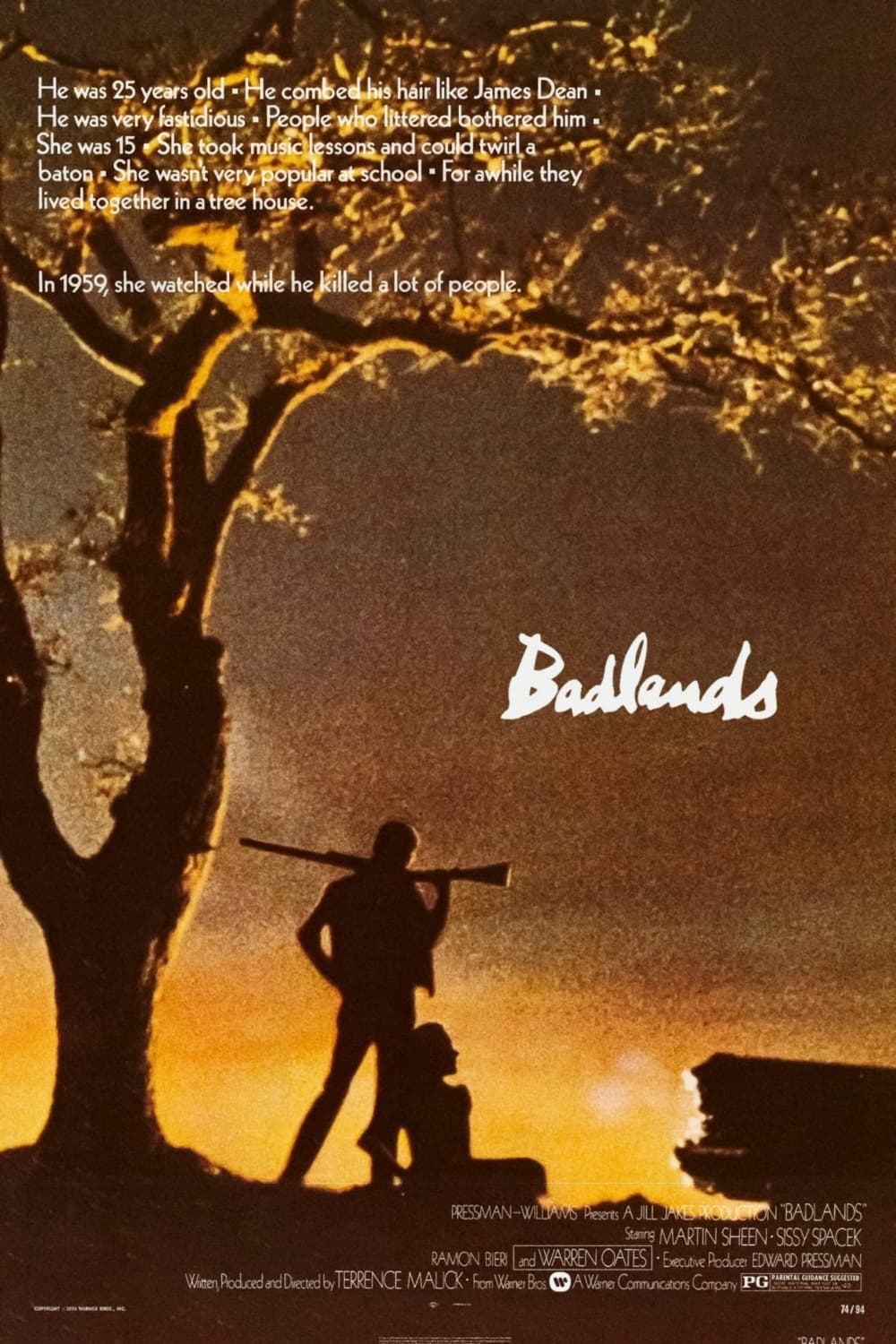
Malick's first film, and the model for every young couple on a killing spree since: the girl narrates it in the flat voice of a magazine horoscope.
Pop lifted the title from a Time column on Vietnam, and Bowie's mix made Williamson's guitar a threat.
Cissy Houston's version turned Weatherly's midnight plane to Houston into a train to Georgia.

The song called Houses of the Holy is not on Houses of the Holy. The cover children were photographed at the Giant's Causeway.
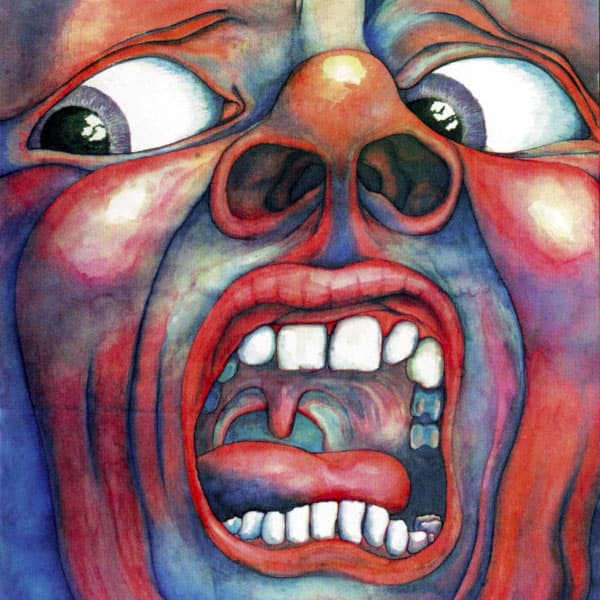
The Mellotron carries most of it, a keyboard that plays back tapes of a real orchestra instead of synthesizing the sound.

The title song began as a political lyric someone else wrote, and Gaye rewrote it into a seduction before the tape rolled.
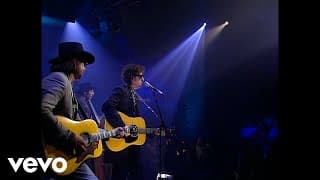
Two short verses written for a dying sheriff in Pat Garrett, with Roger McGuinn on guitar and Jim Keltner drumming.
A lounge gig, a fake name, Bill Martin, and every regular at the Executive Room written into a verse.
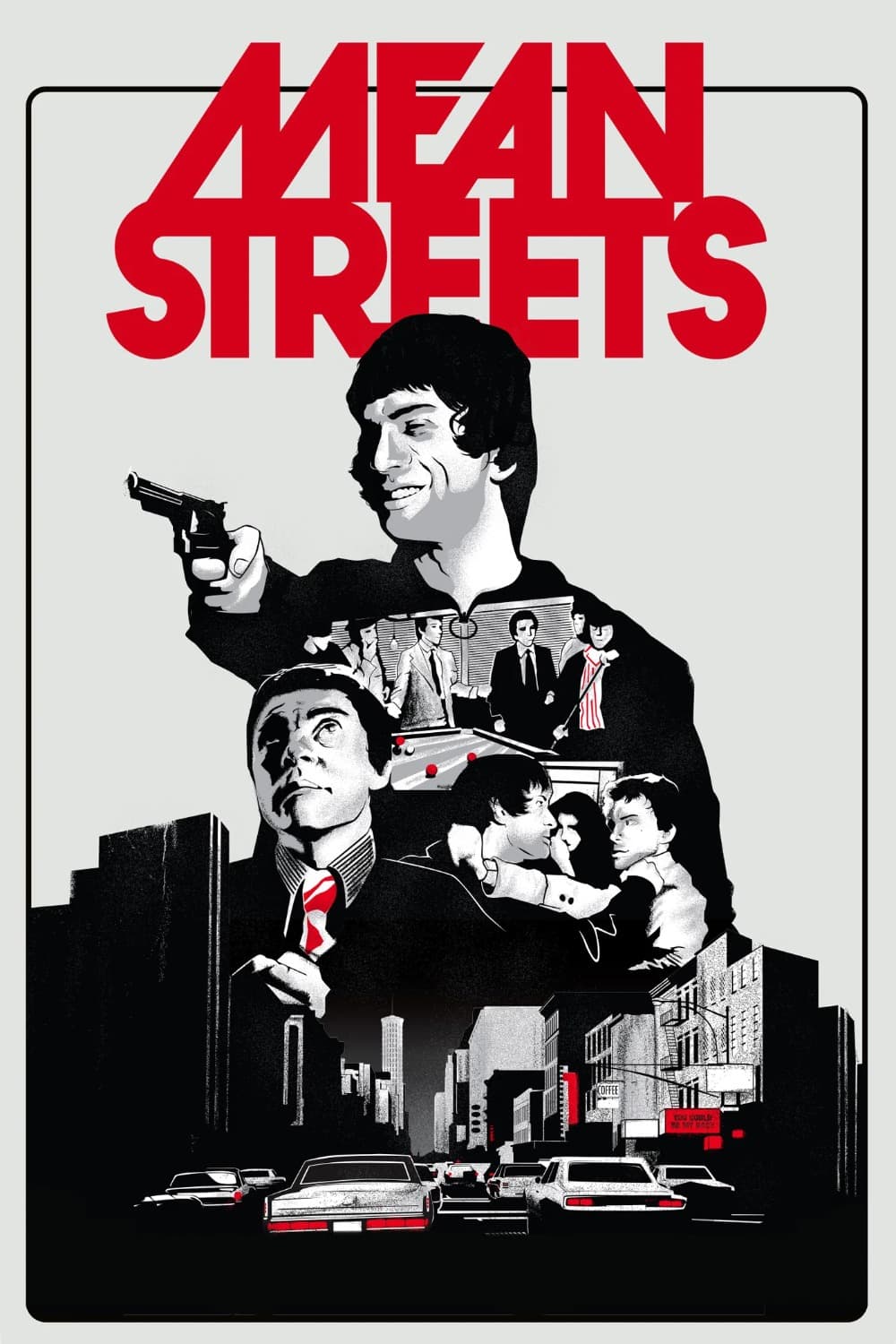
Scorsese found his whole method here at thirty: Little Italy, Catholic guilt, a handheld camera and a jukebox that never stops, most of it shot in Los Angeles.
Marley swapped police for sheriff to avoid a government fuss, and Clapton's 1974 cover became his only American number one.
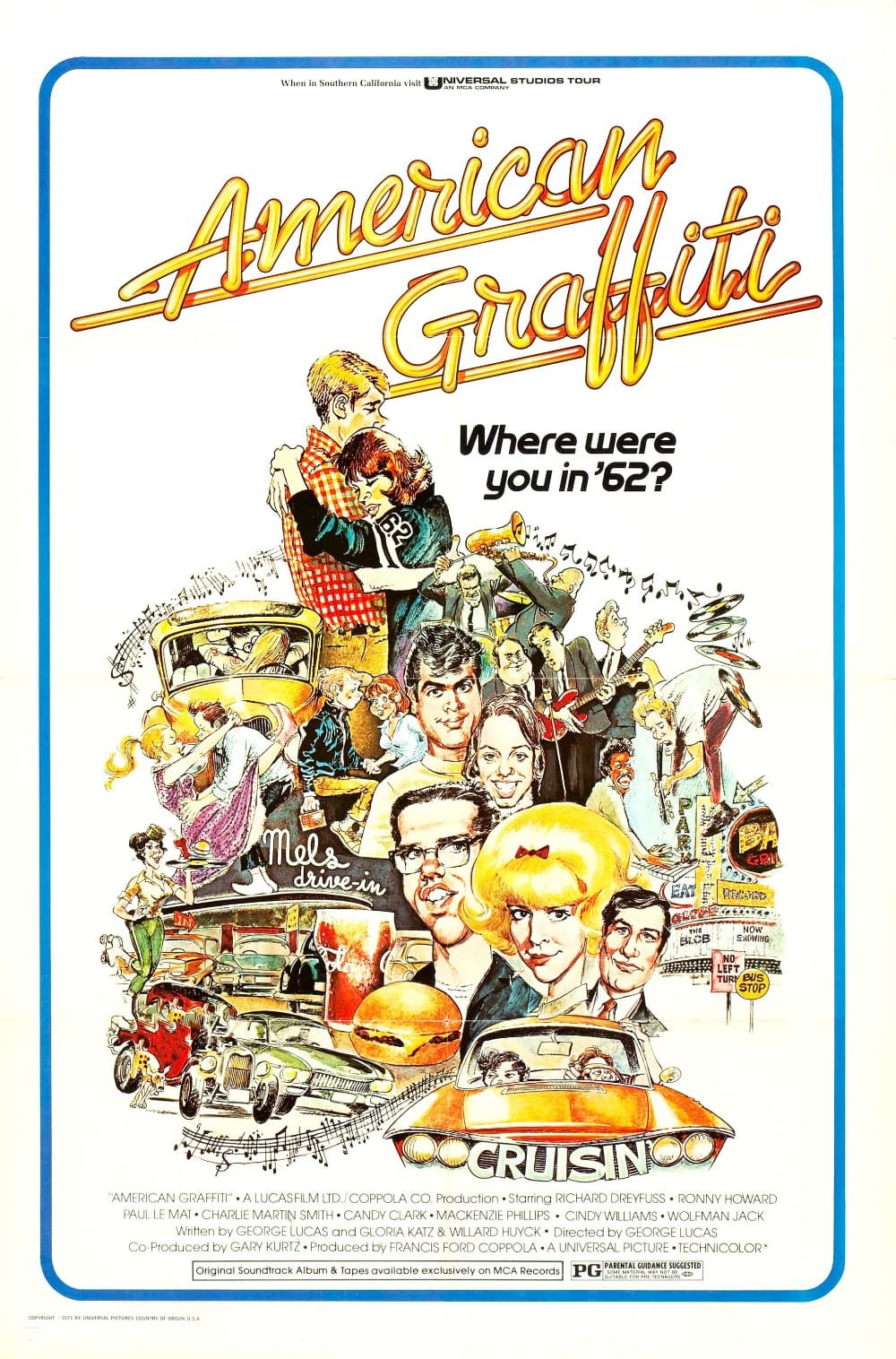
One night of cruising in 1962, with the radio playing wall to wall from start to finish: Lucas caught an America that was about to stop existing.
Wings lost two members on the eve of Lagos, so McCartney played the drums and built a three-part escape.
Tyler had the tune on his family's New Hampshire lodge piano years before Aerosmith; a reissue reached number six.
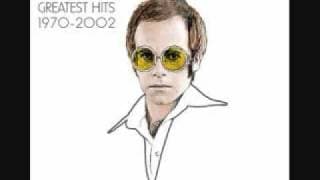
Gus Dudgeon overdubbed crowd noise from old concerts, and the fake live track topped the Hot 100.

Culture is not what people do, Geertz argues, but the meanings hung on it, and thick description means reading a Balinese cockfight the way you would read a poem.

Island Records boss Chris Blackwell added rock guitar and keyboards to make it travel, and packaged it in a sleeve shaped like a Zippo lighter.
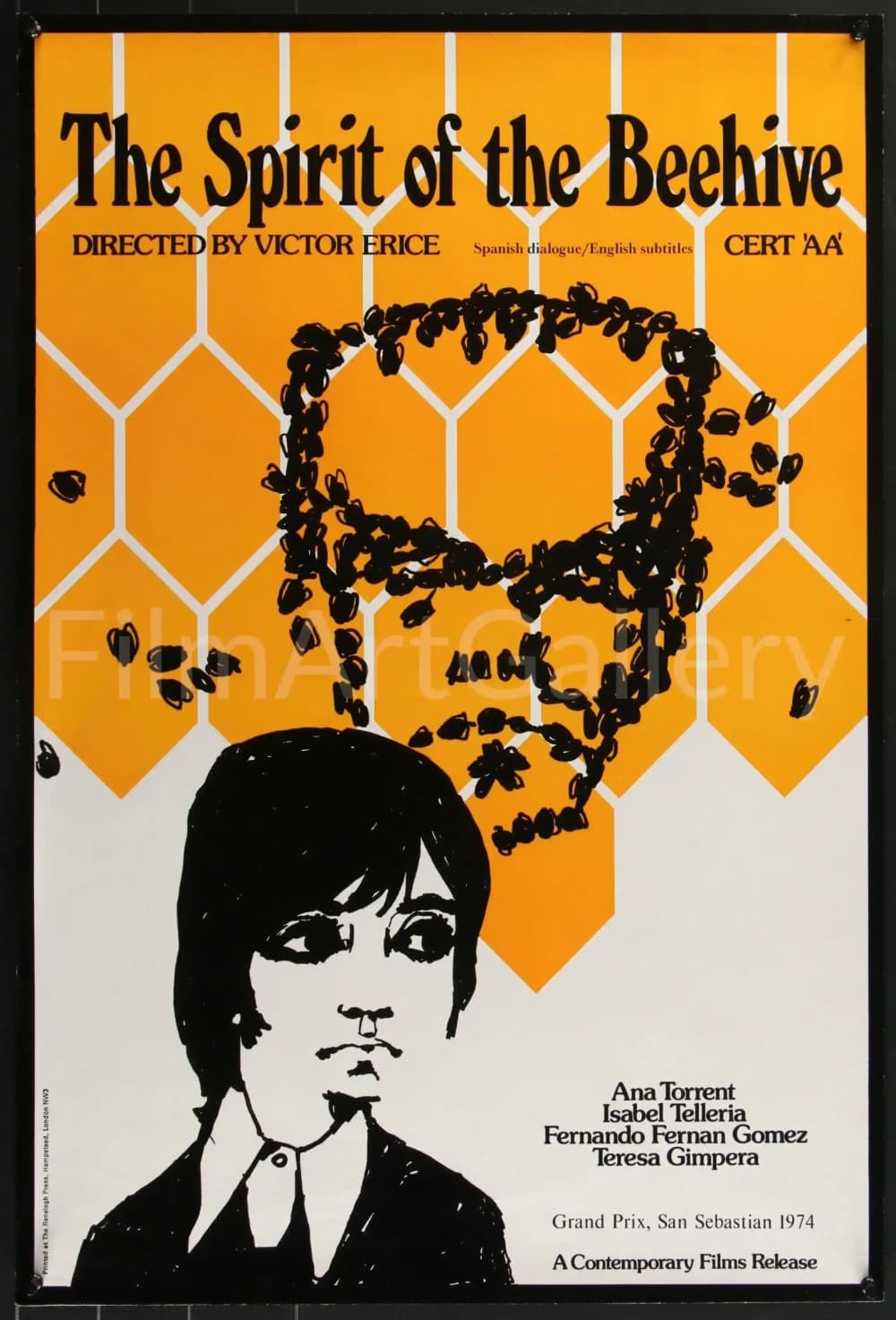
A small girl in Franco's Spain sees Frankenstein at a traveling cinema and decides the monster is real: almost nothing is said, and the silence is the point.
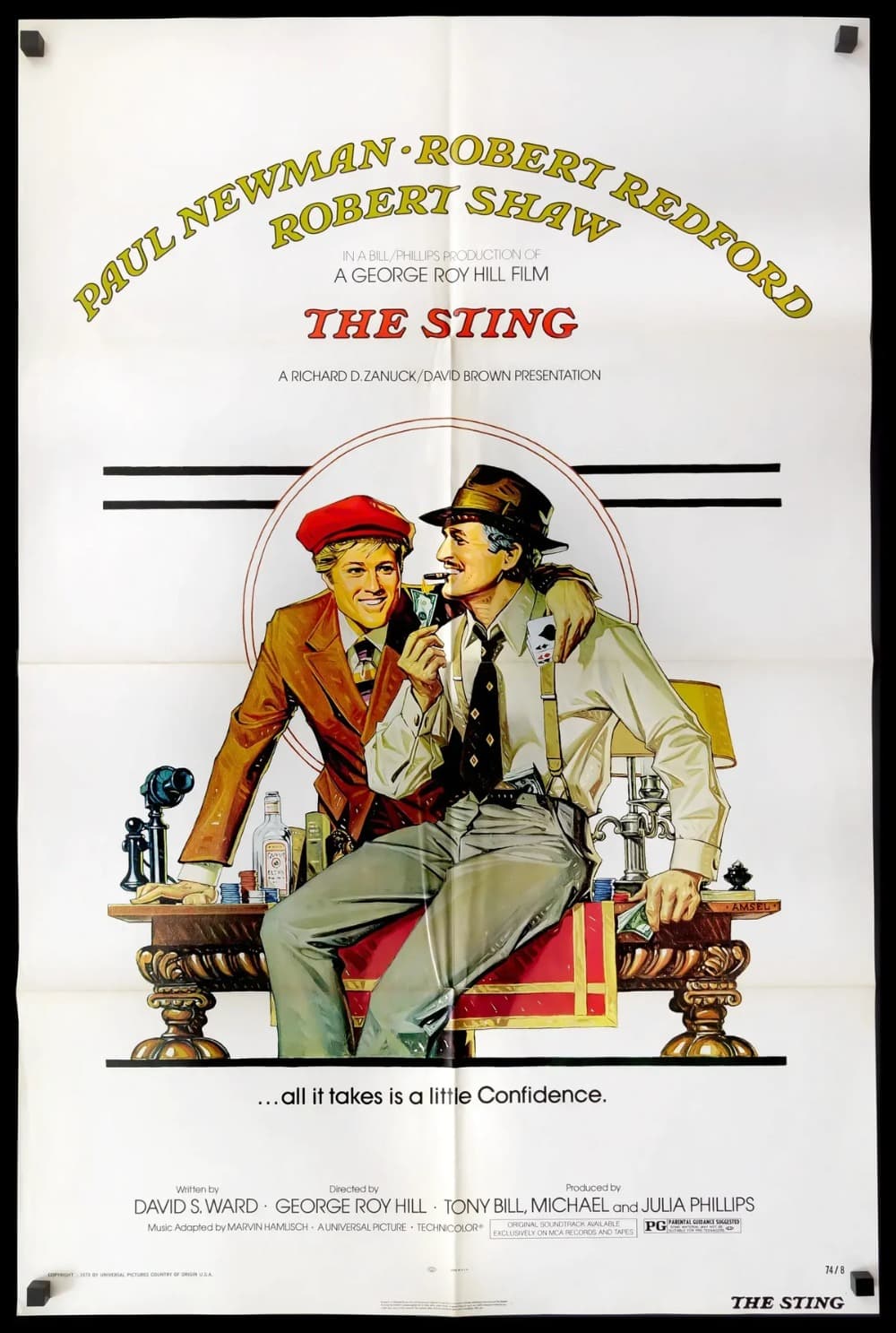
The con is played on the audience as much as on the mark, and every turn is earned: Newman and Redford again, with ragtime that put Scott Joplin back on the charts.
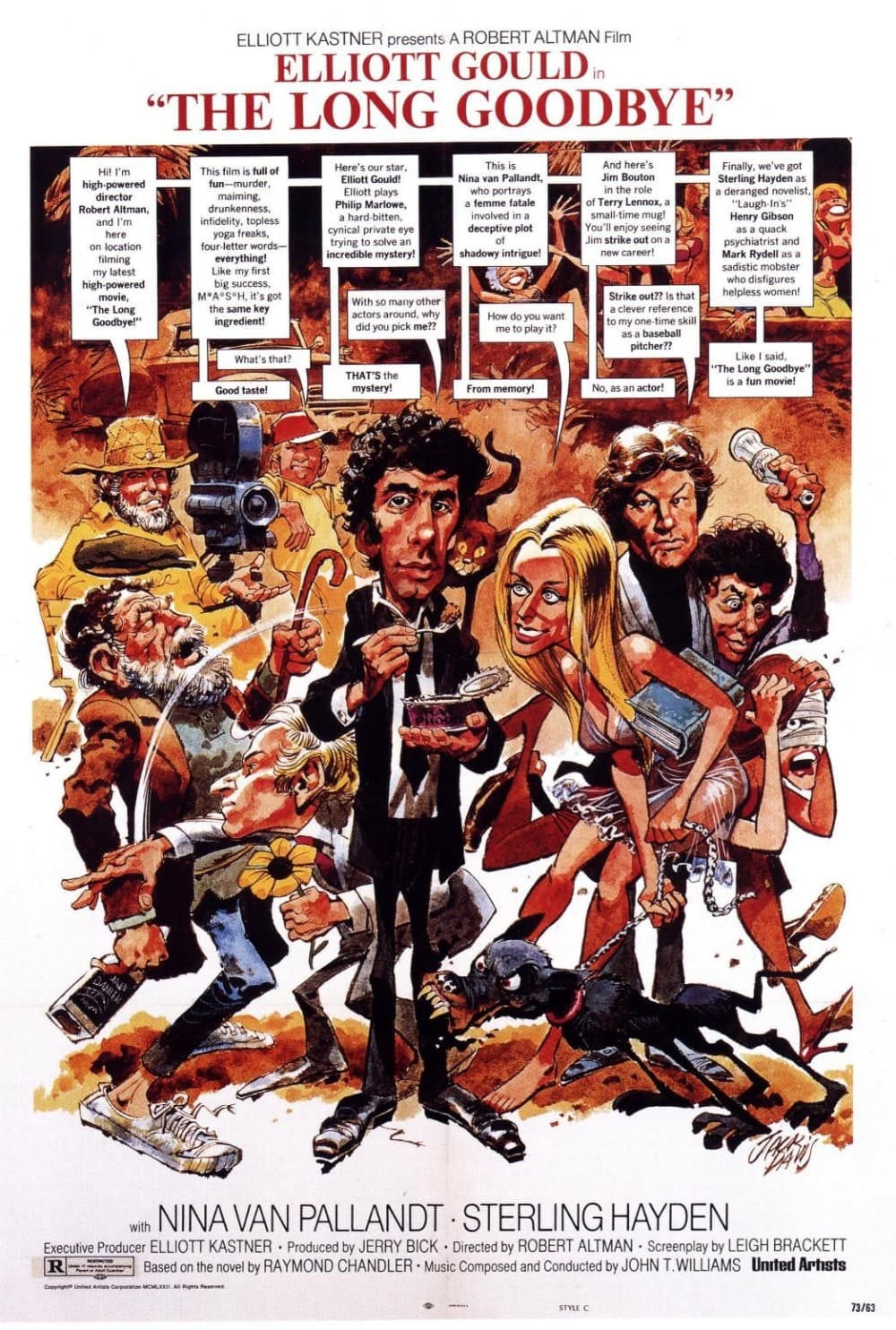
Altman dropped Chandler's detective into 1973 Los Angeles and let him be completely out of step with it: Elliott Gould mumbles through a city that has stopped caring.
McCartney read the Fleming novel in a day and wrote it that afternoon; Martin's orchestra did the rest at AIR.
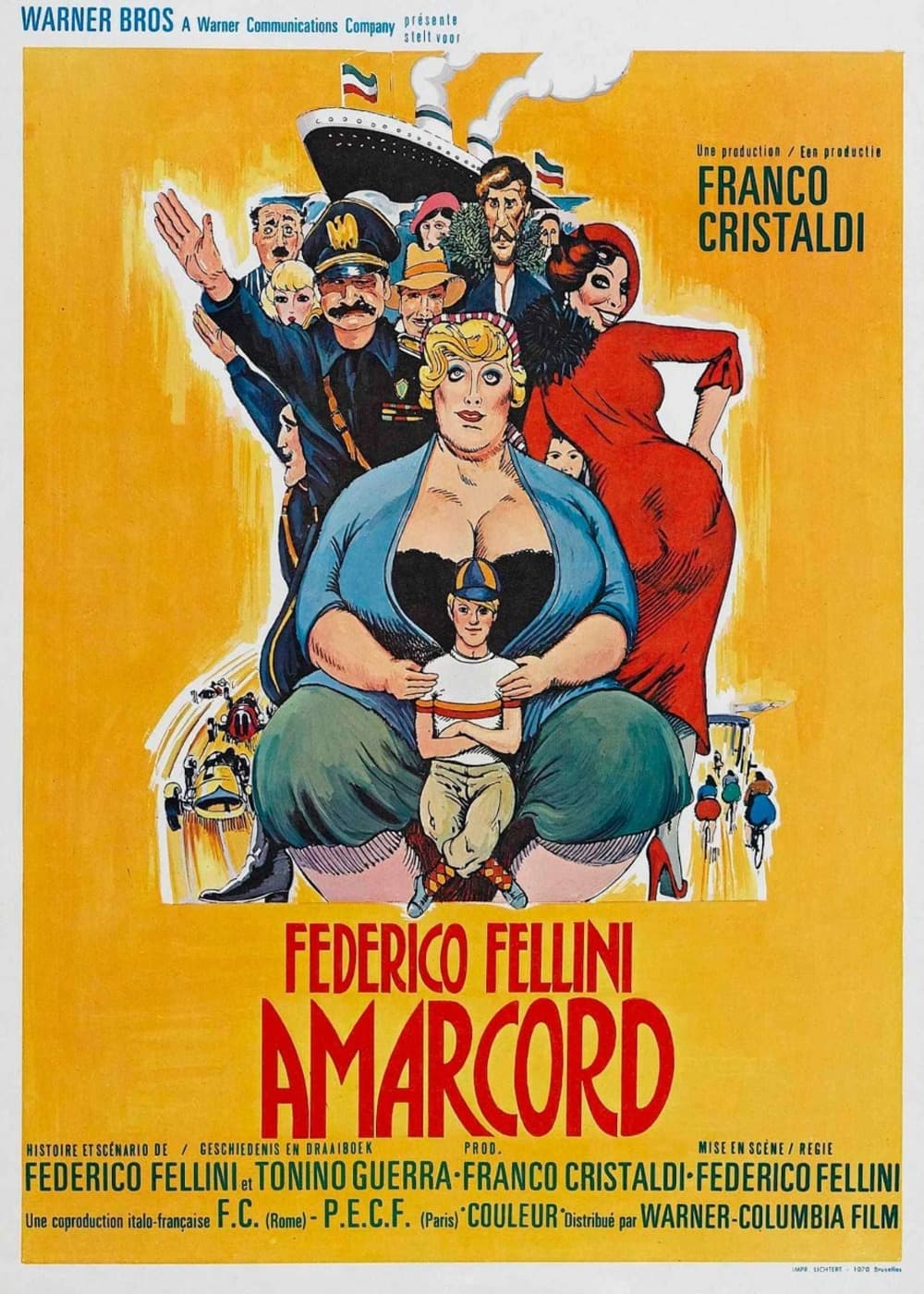
Fellini remembering his own seaside town under Mussolini and admitting he is embroidering it: no plot at all, just a year of weather, sex, food and fascism.
If they can get you asking the wrong questions, they don't have to worry about answers.
Taupin lifted the phrase from a Janis Joplin tribute and pointed it at Marilyn Monroe; the chorus does the mourning.
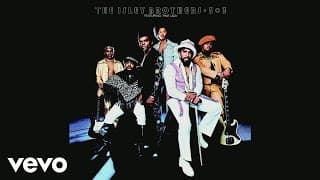
Recorded at the Record Plant in LA, with Ernie Isley's Hendrix-drenched guitar rebuilding a song the brothers cut in 1964.
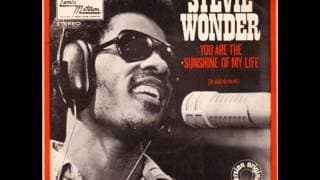
Wonder hands the first four lines to Jim Gilstrap and Lani Groves, then walks in over his own Fender Rhodes.
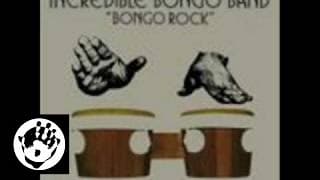
Michael Viner cut Jerry Lordan's tune in Vancouver, and Kool Herc turned its long percussion break into hip hop's foundation.
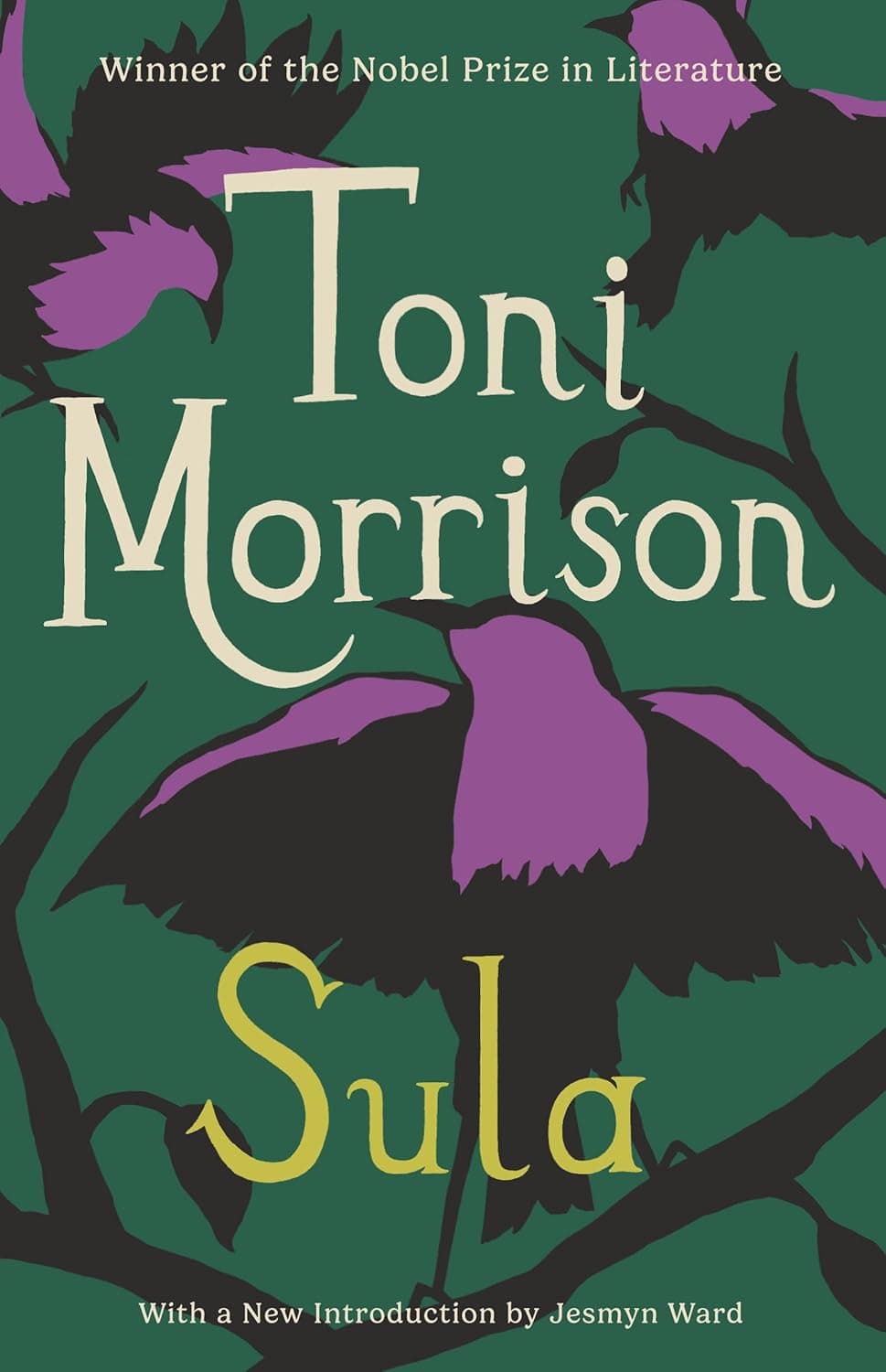
Nel stays in her Ohio town and marries. Sula leaves for ten years, returns, and the town settles on her as its evil. Morrison makes their friendship the deepest bond either will know.
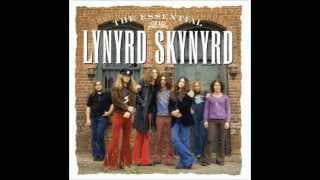
Van Zant and Rossington wrote it in an hour, putting his grandmother's and Rossington's mother's advice into song.
Get up, stand up, Stand up for your right. Get up, stand up, Don't give up the fight.
Eight days at the Record Plant with Rundgren, and Johansen's strut arrived years before punk had a name.
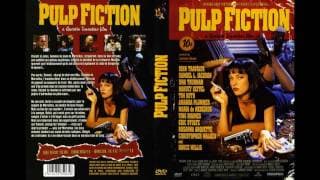
Don Boyce, the band's roadie, shouted the vocal and got a writing credit; Pulp Fiction did the rest.
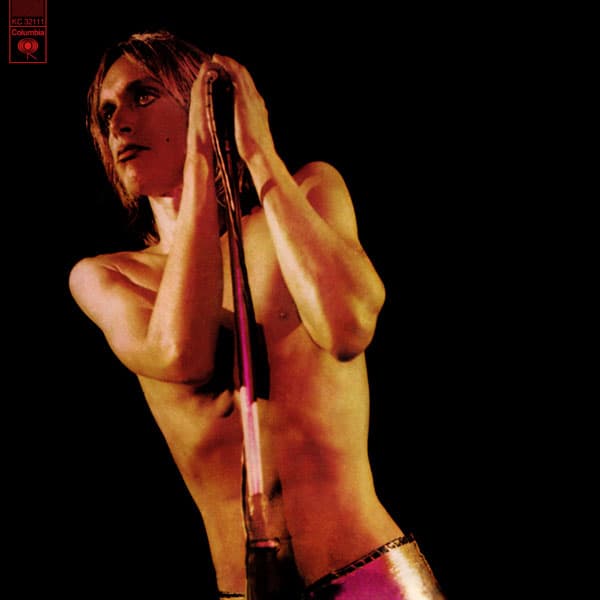
David Bowie mixed it and everyone including Iggy Pop hated the result. Iggy remixed the whole thing himself twenty-four years later.
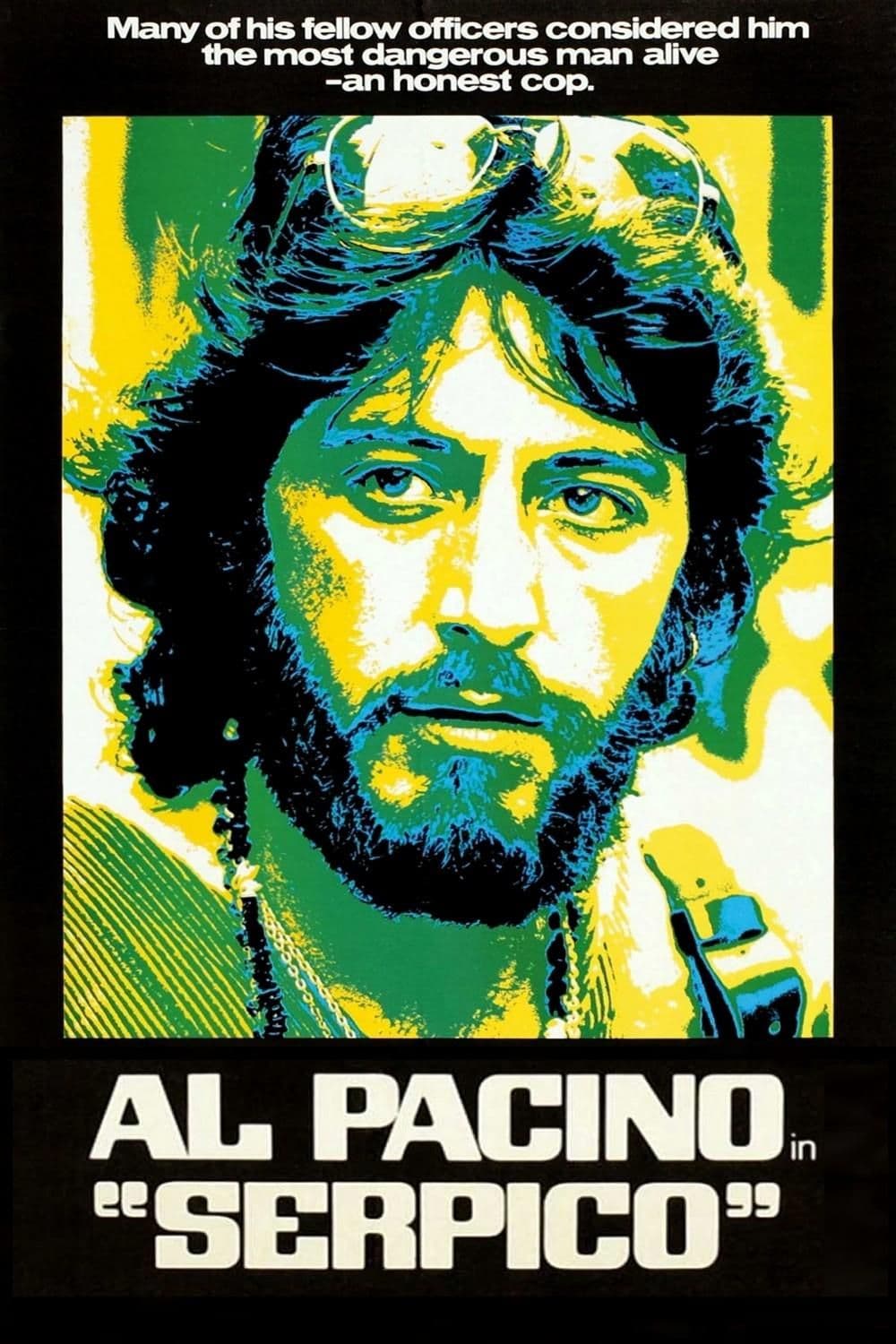
Frank Serpico was a real New York cop who would not take an envelope: Lumet films departmental corruption as an ordinary daily fact, and Pacino plays stubbornness as an entire personality.
Betts wrote and sang it, borrowing Hank Williams' title; Oakley's bass line was among his last recordings.
A lyric lifted from "Lovey Dovey", a misheard doo-wop coinage, and a Levi's ad that made it Britain's number one.
Number twelve on the Hot 100, the band's last pop top twenty, and a bass line hip hop still raids.
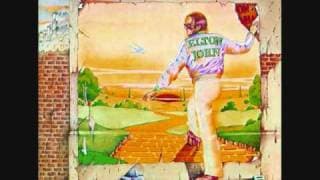
John wrote the instrumental half imagining music for his own funeral; Hentschel's ARP 2500 overdubs did the rest.
A Django Reinhardt tribute written to be playable with two fingers, named for the infant daughter bouncing to it.
Never released as a single; Henley's piano sketch dated to 1968, and Jim Ed Norman's strings turned it monumental.
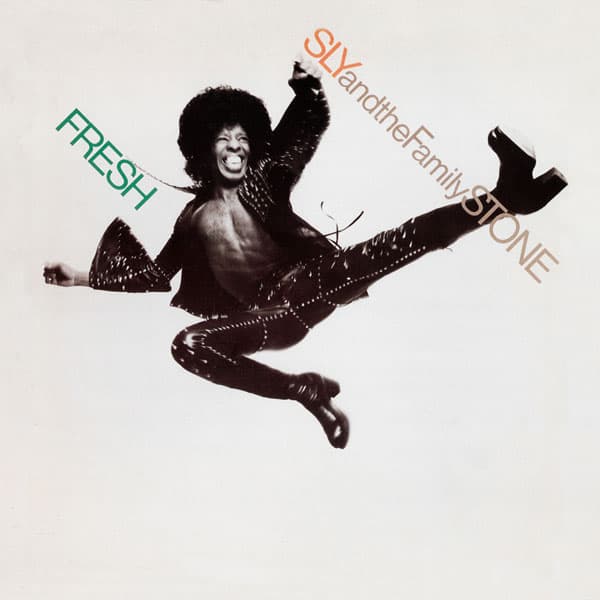
The drums land just behind the beat all the way through. Miles Davis is said to have played one track over and over for his band.
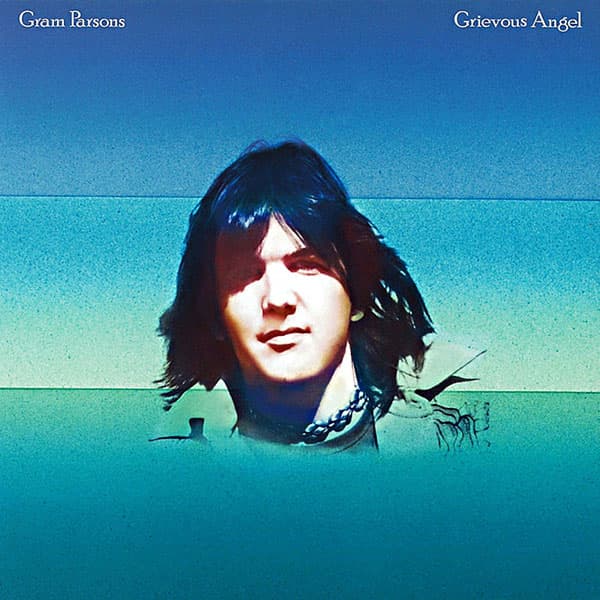
Parsons died before it came out, and his road manager stole the body from the airport and burned it in Joshua Tree, as promised.

Jimmy Cliff starred in the film as well as singing on it, and for years this was the only reggae record most Americans owned.

The band named themselves after a gym teacher who kept sending them home over their hair. Free Bird's guitar outro runs five minutes.
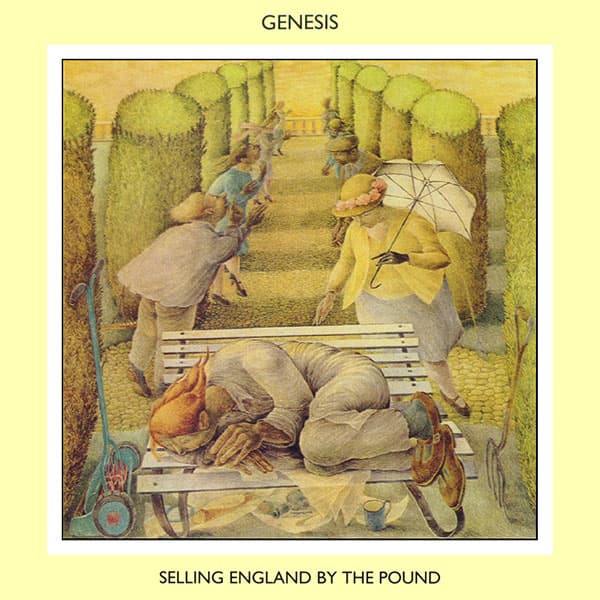
Gabriel performed these songs in costume, sometimes as a flower. John Lennon mentioned on the radio that he rather liked the band.

It sold almost nothing and Columbia nearly dropped him. Rosalita runs past seven minutes and closed his concerts for years afterwards.
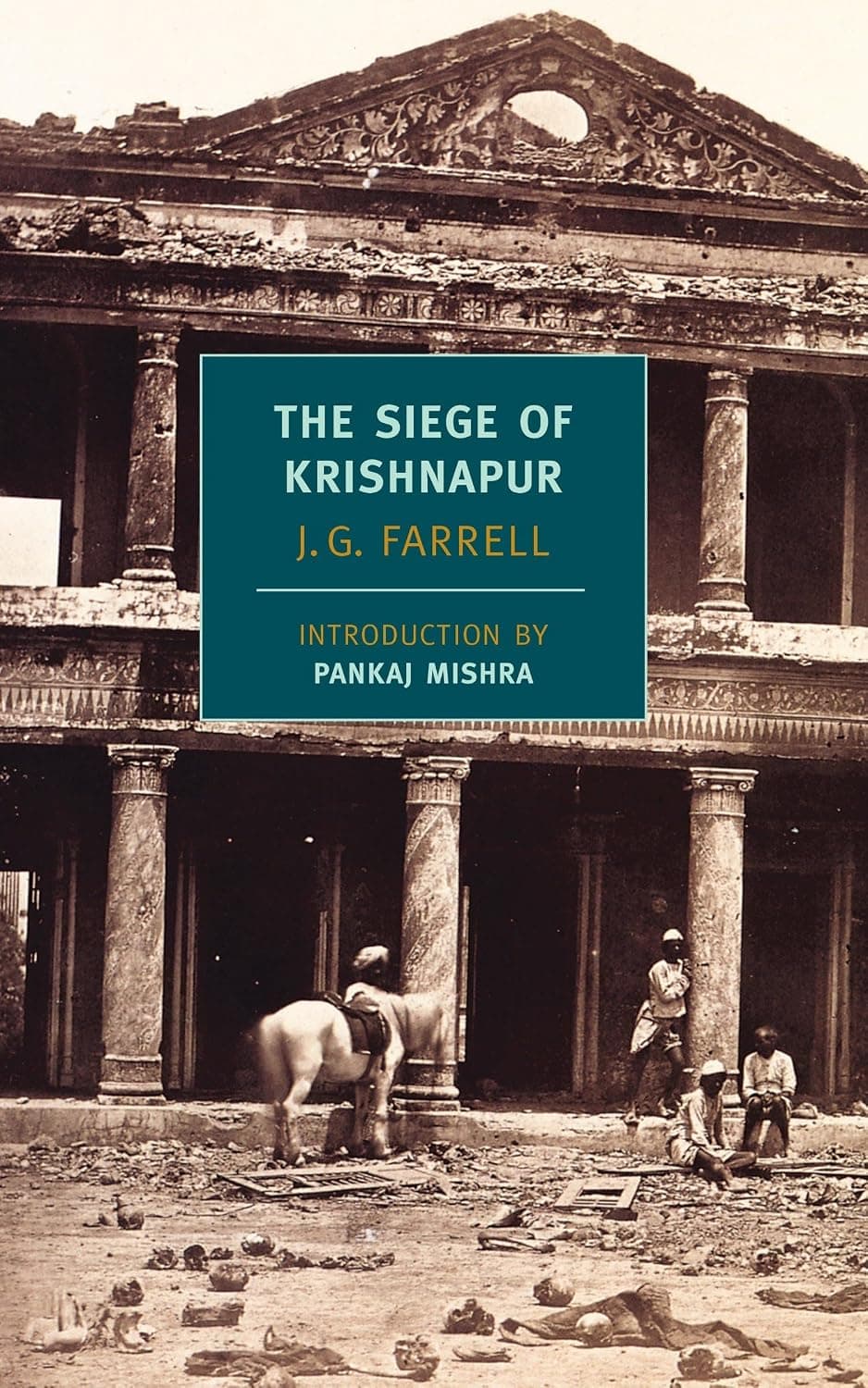
Besieged by rebels in 1857 India, British colonials run out of shot and fire the head of a Shakespeare bust from a cannon. Farrell lets their faith in progress starve alongside them.
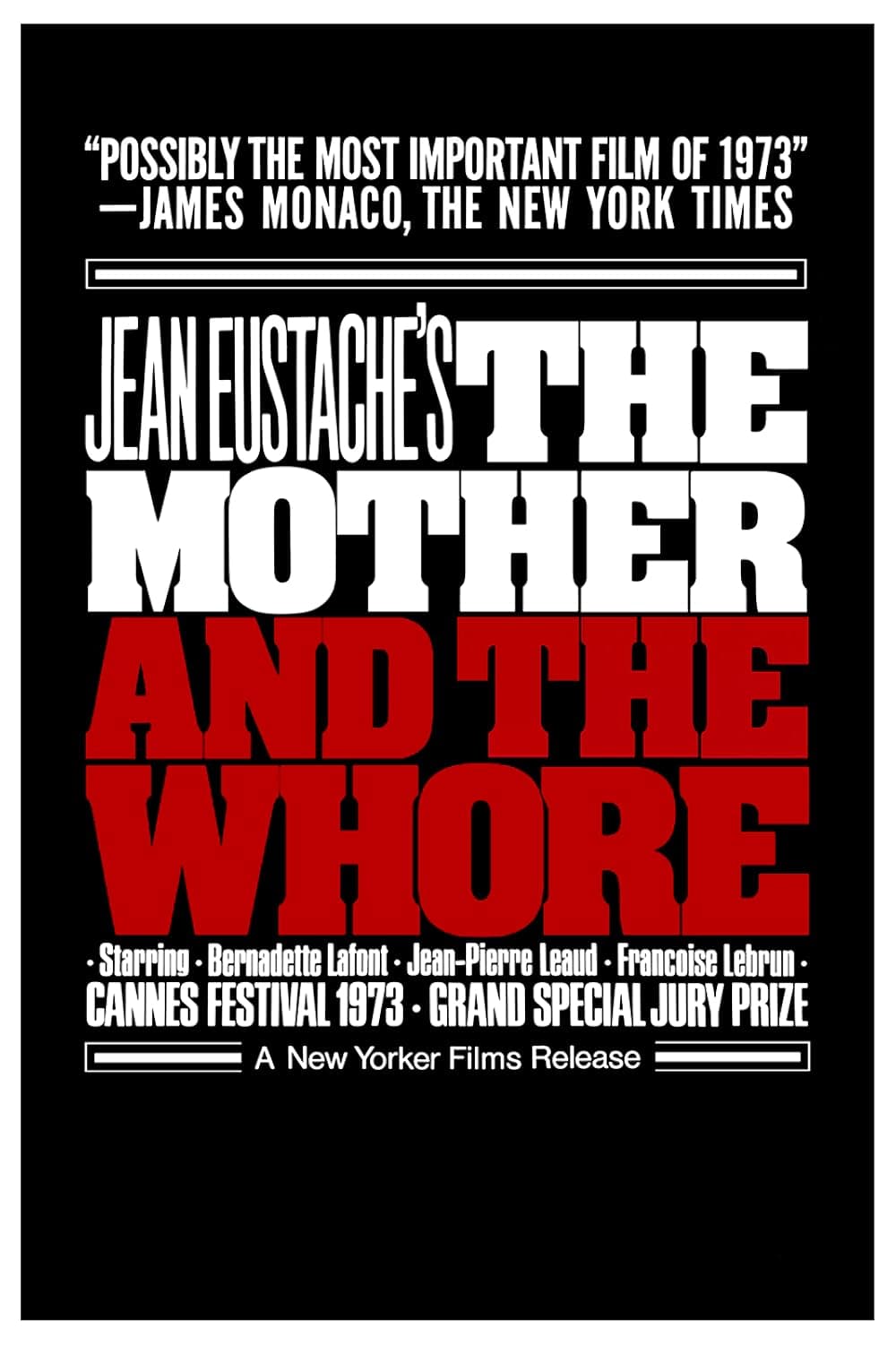
Nearly four hours of three people talking in Paris apartments, and nothing else defines what happened after 1968 so exactly: Eustache made it once and never made anything like it again.
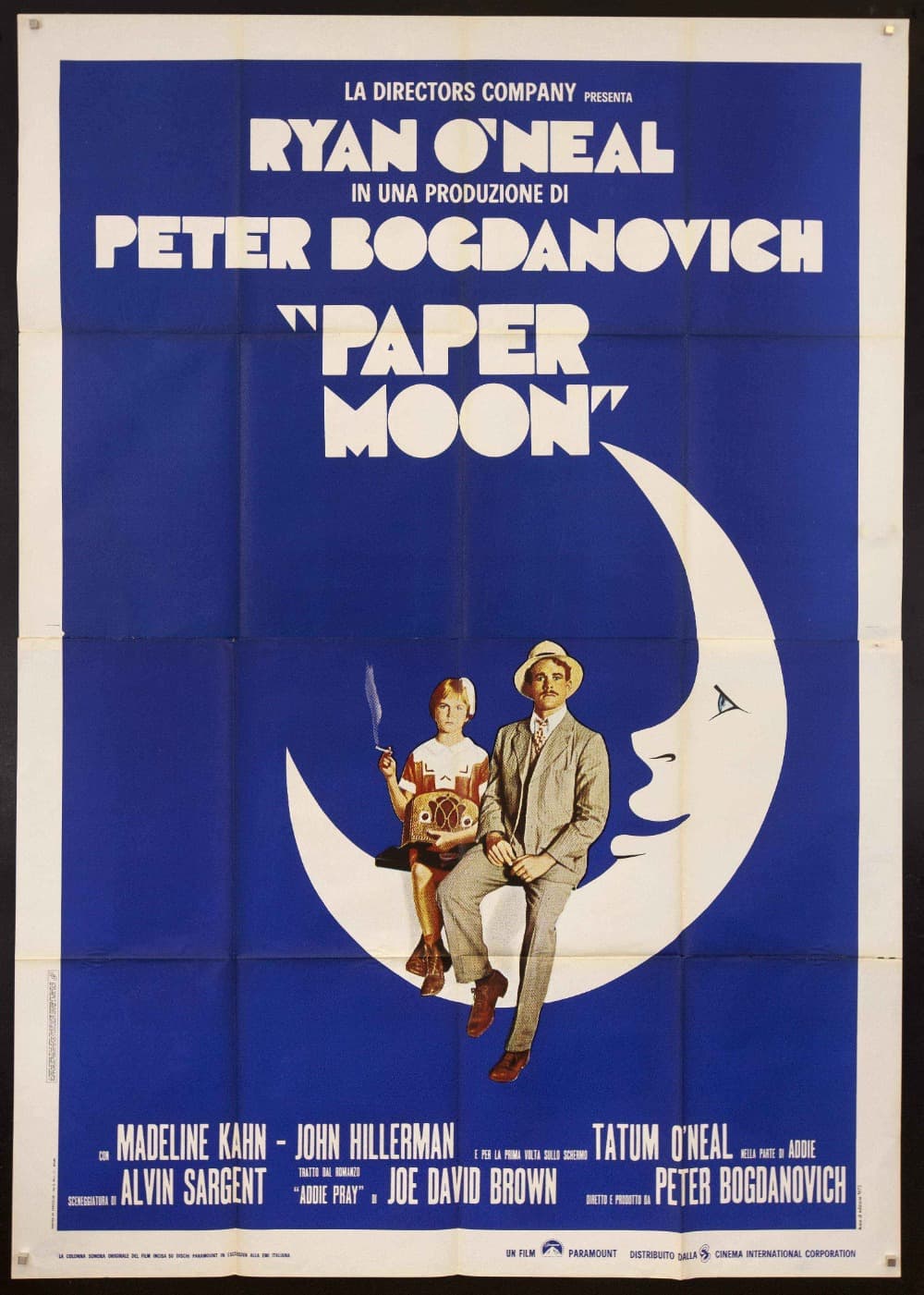
Tatum O'Neal was ten and is still the youngest winner of a competitive Academy Award: a Depression-era orphan running a Bible scam alongside someone who may be her father.
A Johnny Bush song Nelson borrowed for Shotgun Willie, then used to open nearly every concert since 1974.
Get up, stand up Stand up for your rights Get up, stand up Don't give up the fight.
A Mellotron faking the strings, producer Al Kooper credited as Roosevelt Gook, and Van Zant's rambling farewell.

Jennings won the right to use his own road band instead of Nashville session men, and gave nine of the ten songs to one unknown writer.

Todd Rundgren produced it in about a week and nobody was happy with how it sounded. It sold almost nothing and changed everything.