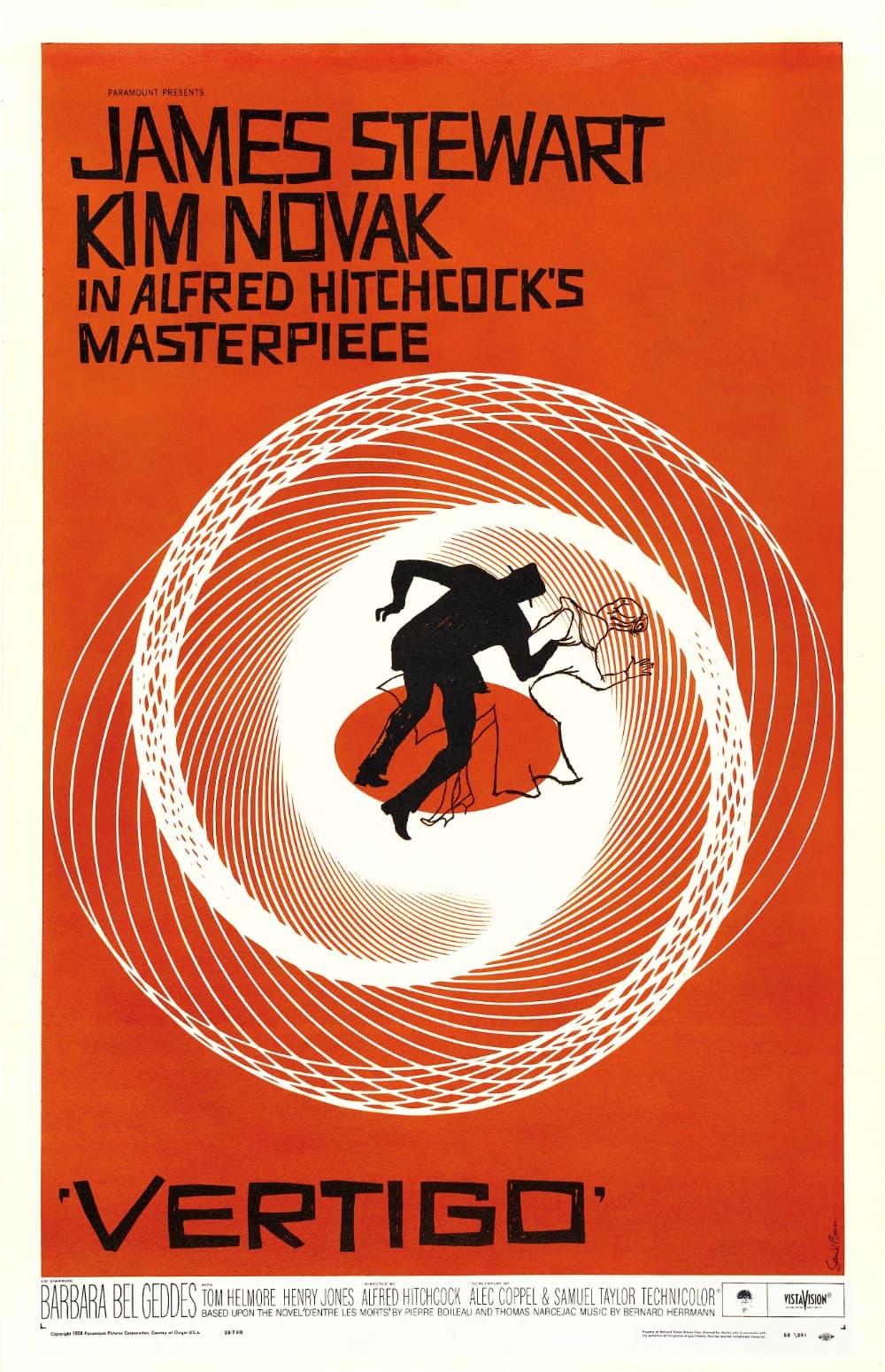
Vertigo
Directed by Alfred Hitchcock
1958
Nobody has ever made obsession look this beautiful or this sick: a man falls for an image instead of a person, and Hitchcock follows him past every point it should stop.
★ 9.9
 skopia
Nobody has ever made obsession look this beautiful or this sick: a man falls for an image instead of a person, and Hitchcock follows him past every point it should stop.
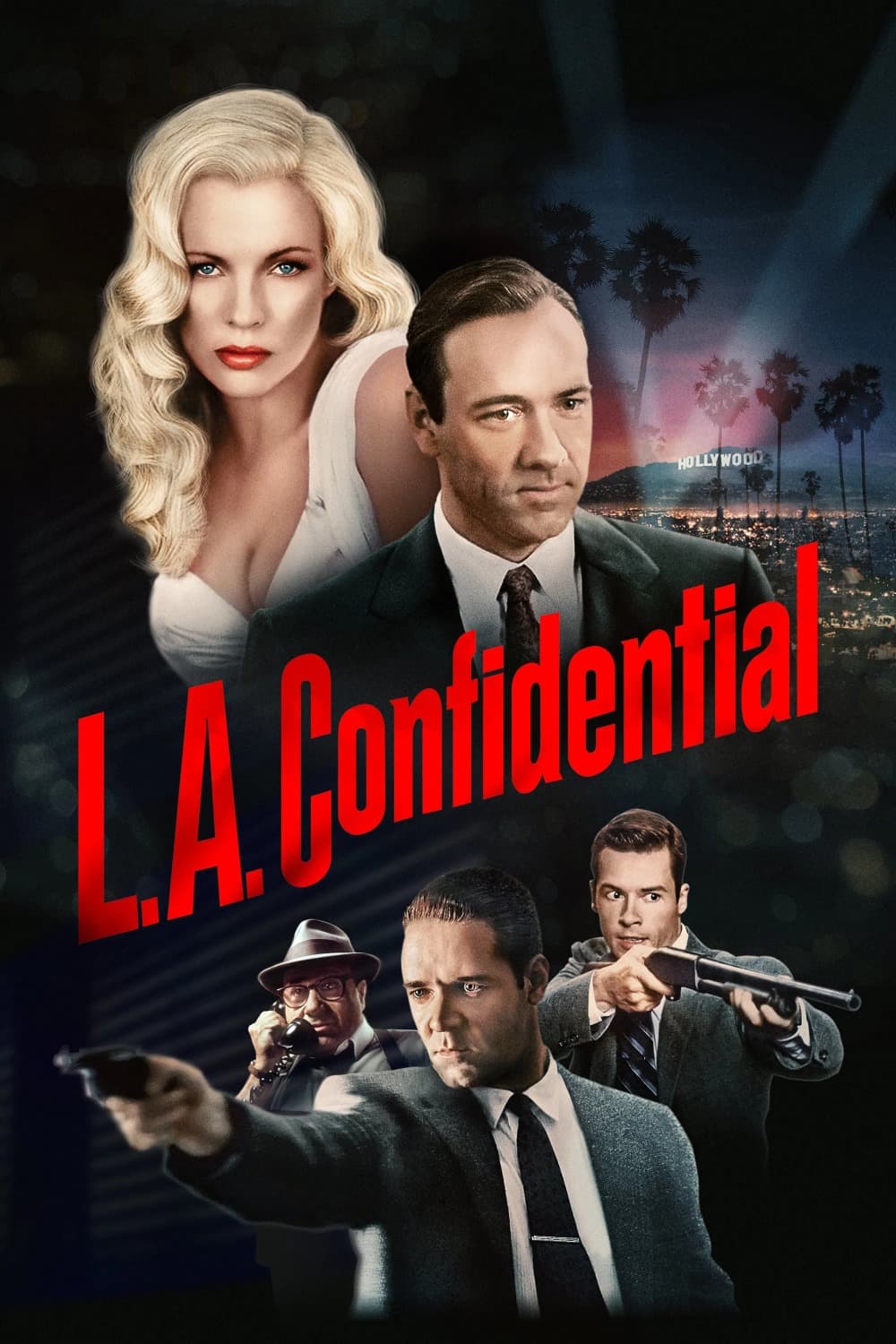
Modern film noir does not get better than this: three Los Angeles cops with nothing in common, and a plot so tightly wired people rewatch it to follow the connections.
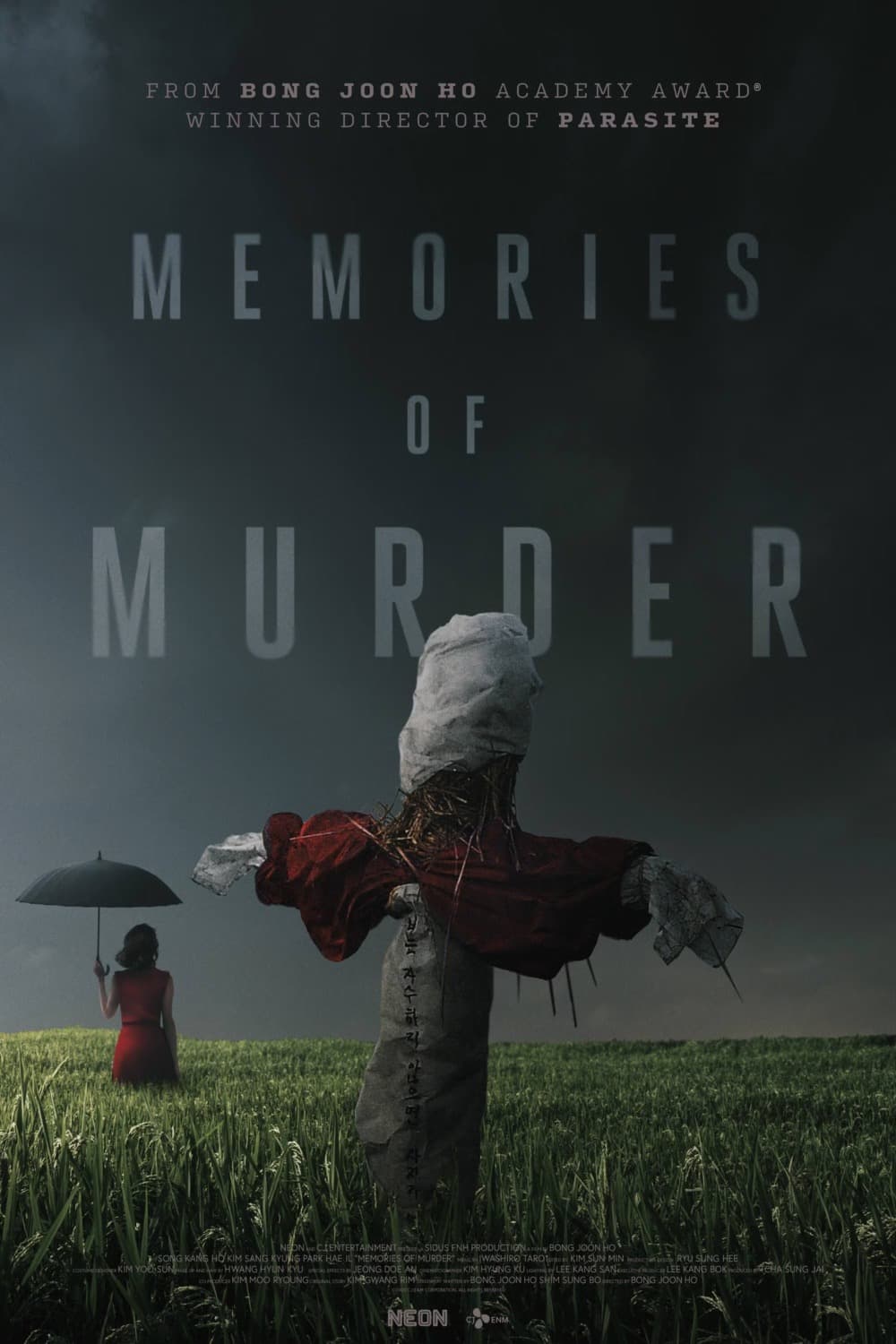
Bong made a serial killer film in which the police are the problem: it is based on a real case, and rural Korea itself ends up looking like the suspect.
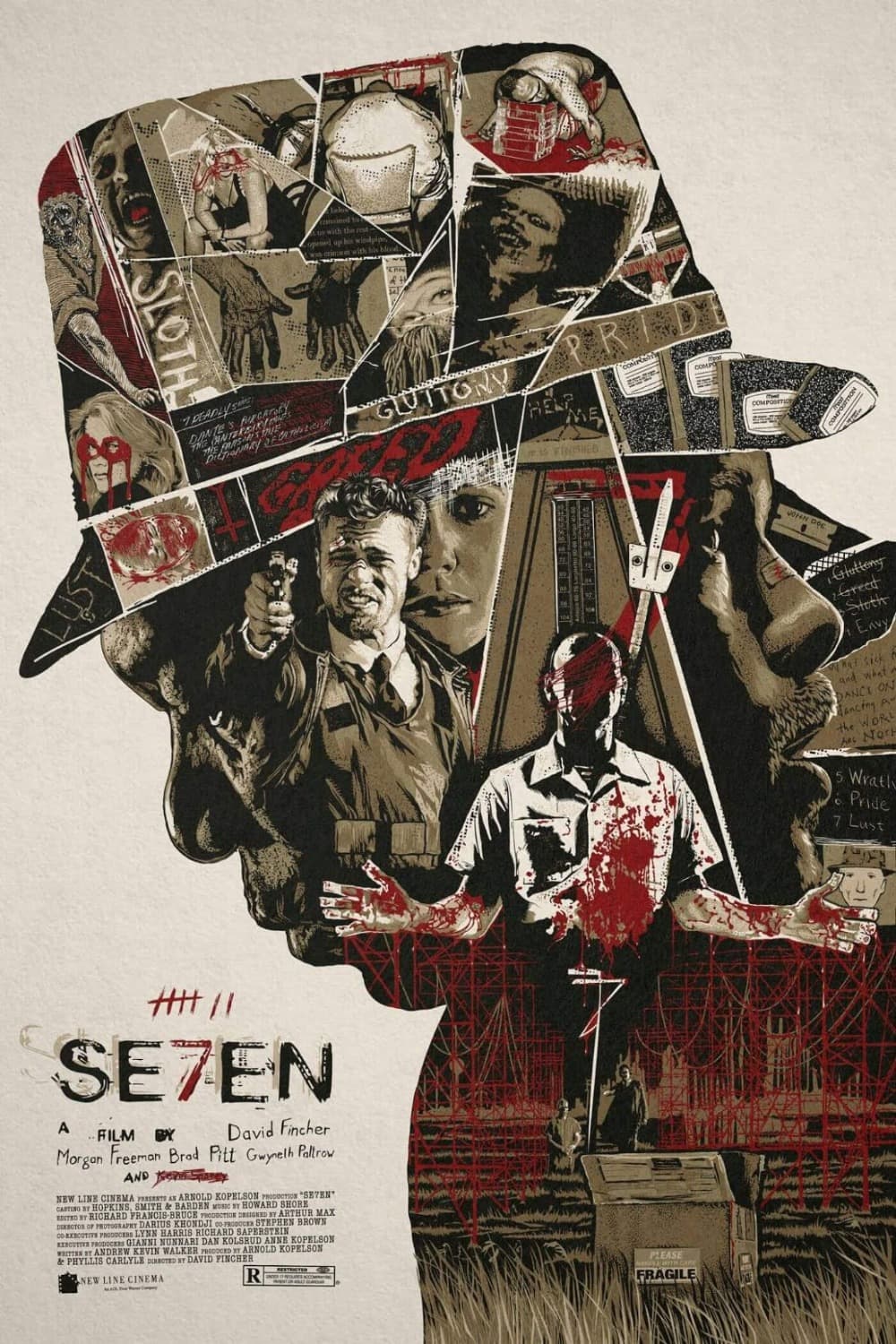
The studio wanted the ending changed and Fincher refused, and studios then spent a decade trying to reproduce the atmosphere: a procedural so bleak the rain never stops.
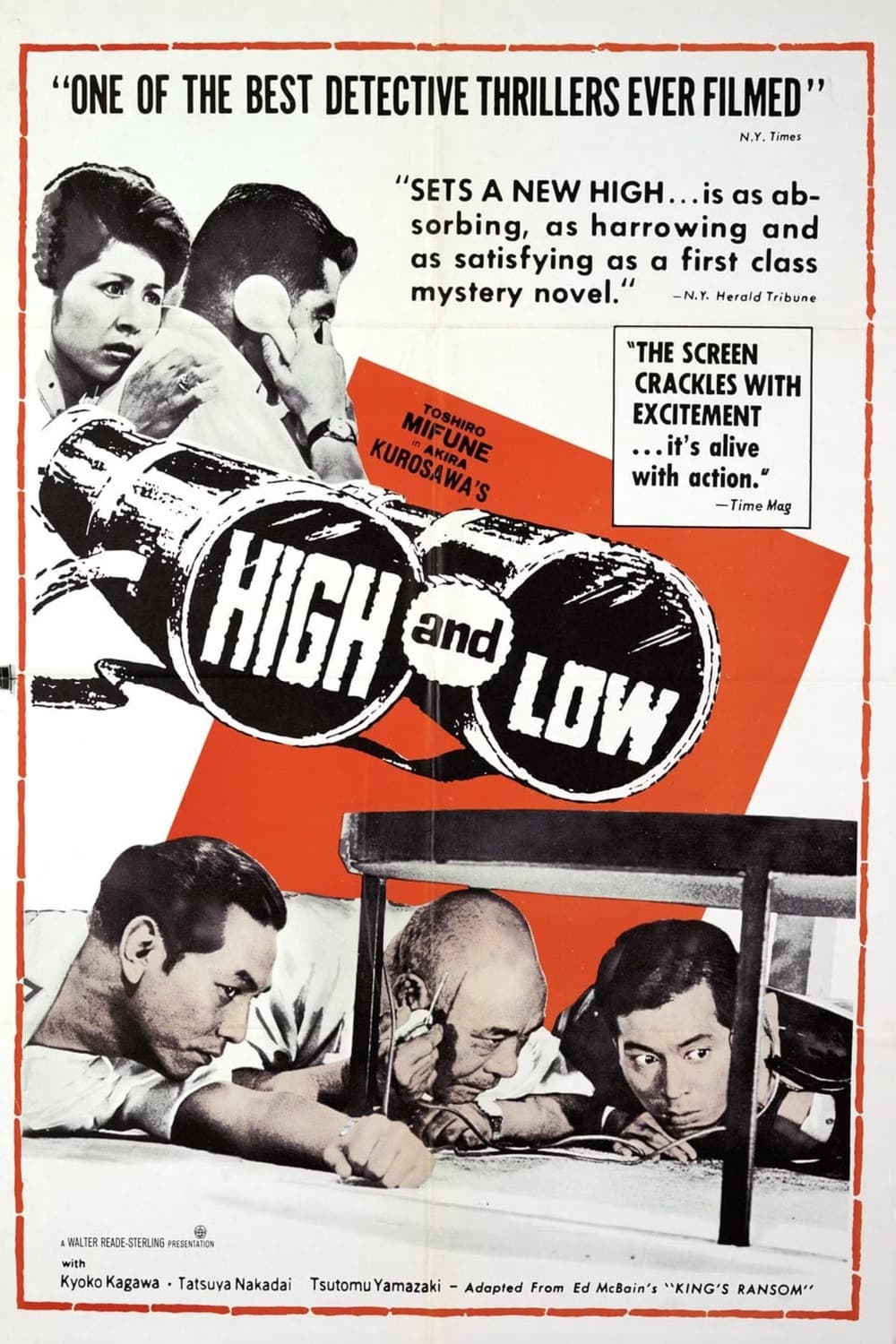
Kurosawa spends the entire first hour inside one house and it is unbearable: a rich man learns the kidnappers took the wrong child and still want his money.
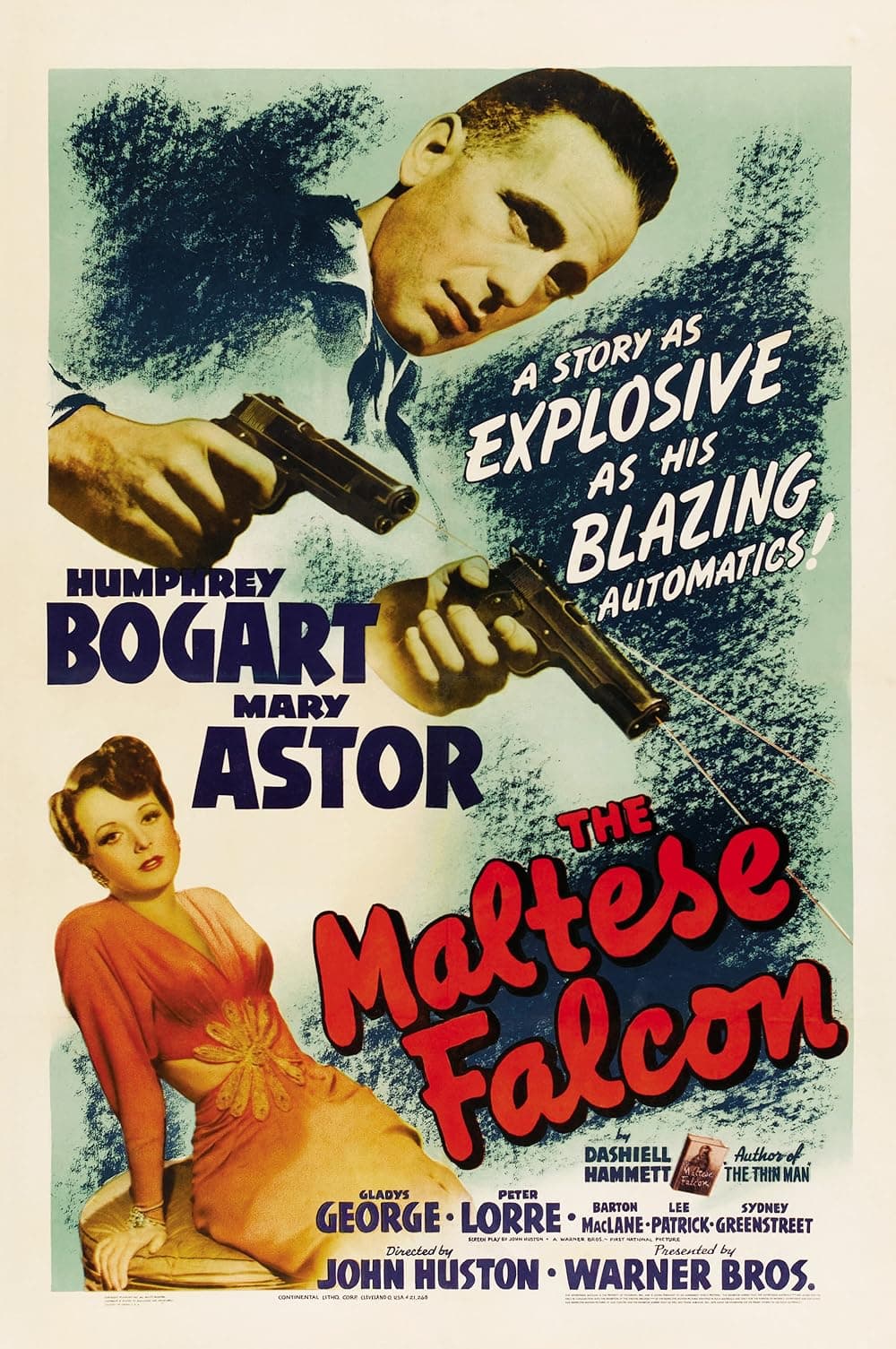
Huston's first film as a director, and the one that finally made Bogart a star: everyone chasing the black bird lies about it for a hundred straight minutes.
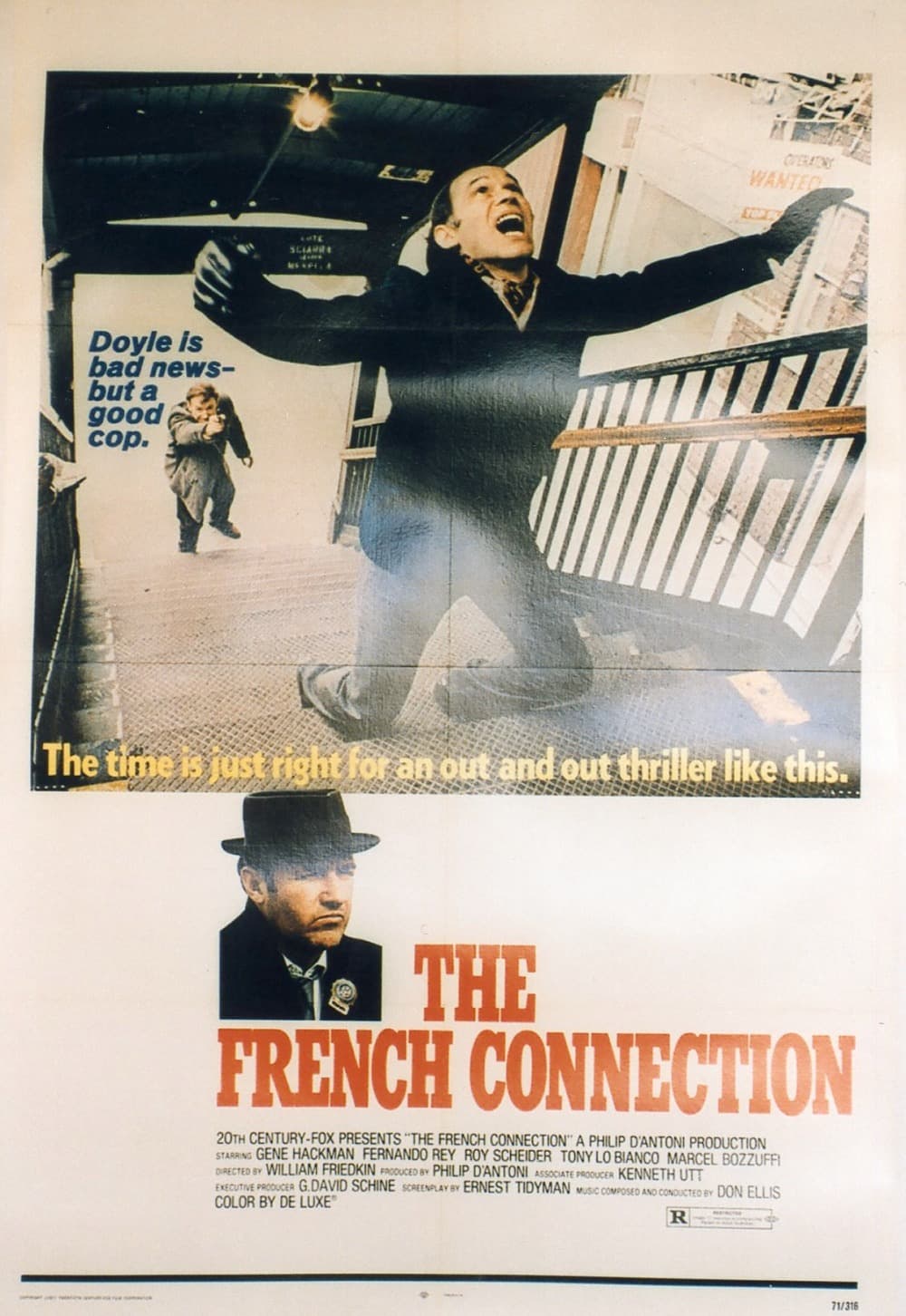
It made the car chase in Bullitt look choreographed: this one was shot without permits, at ninety miles an hour, through real Brooklyn traffic that nobody had cleared.
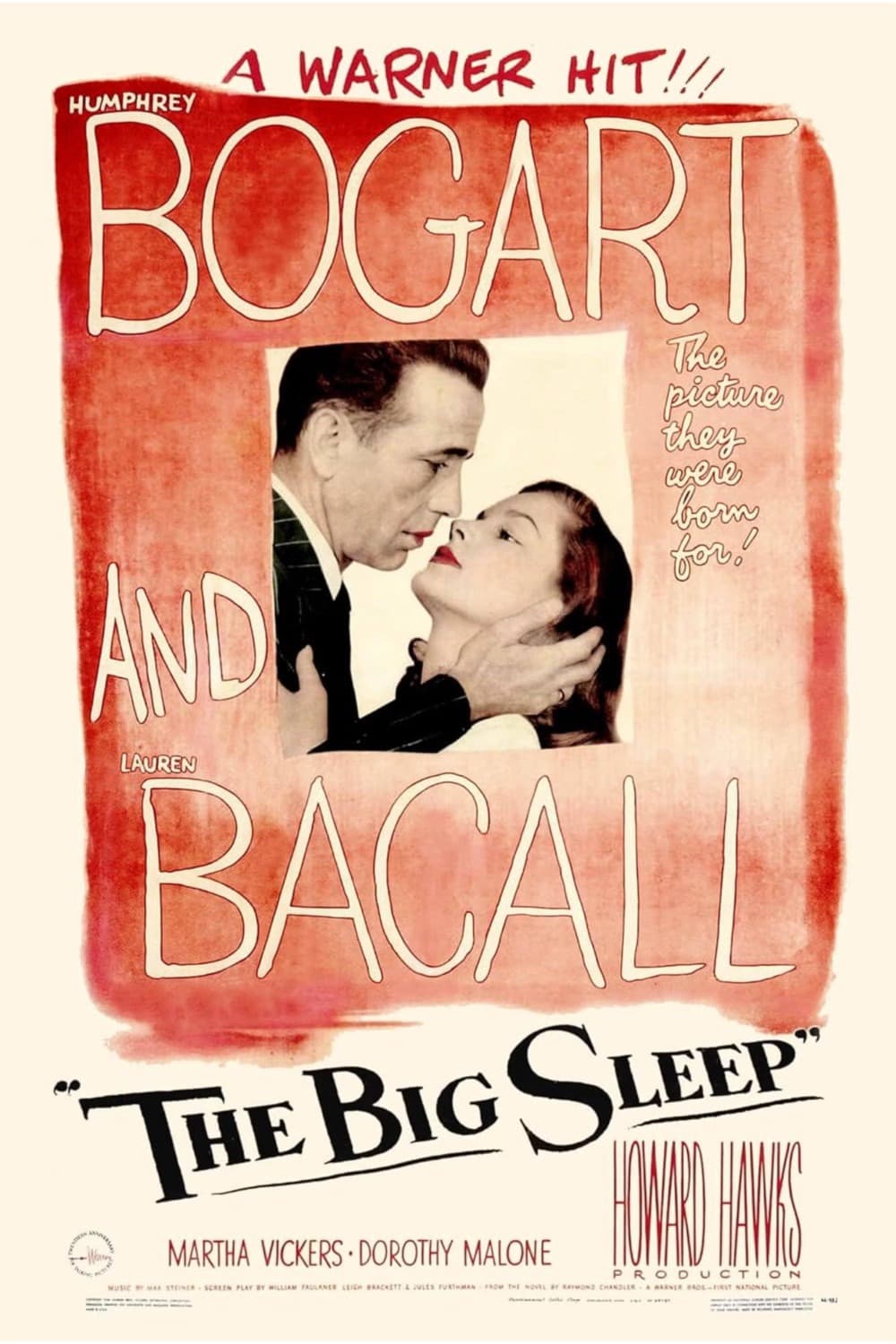
Nobody has ever been able to follow the plot, including the men who wrote it: what you watch it for is Bogart and Bacall talking, which is more than enough.
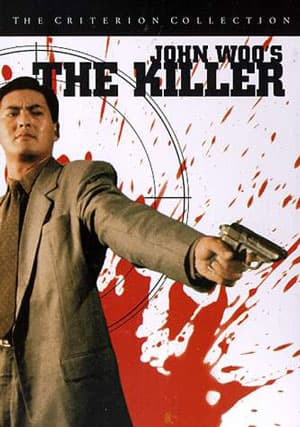
Woo shoots gunfights the way other directors shoot musical numbers: two pistols, slow motion, doves, and underneath it a straight-faced story about honor between a hitman and the cop hunting him.
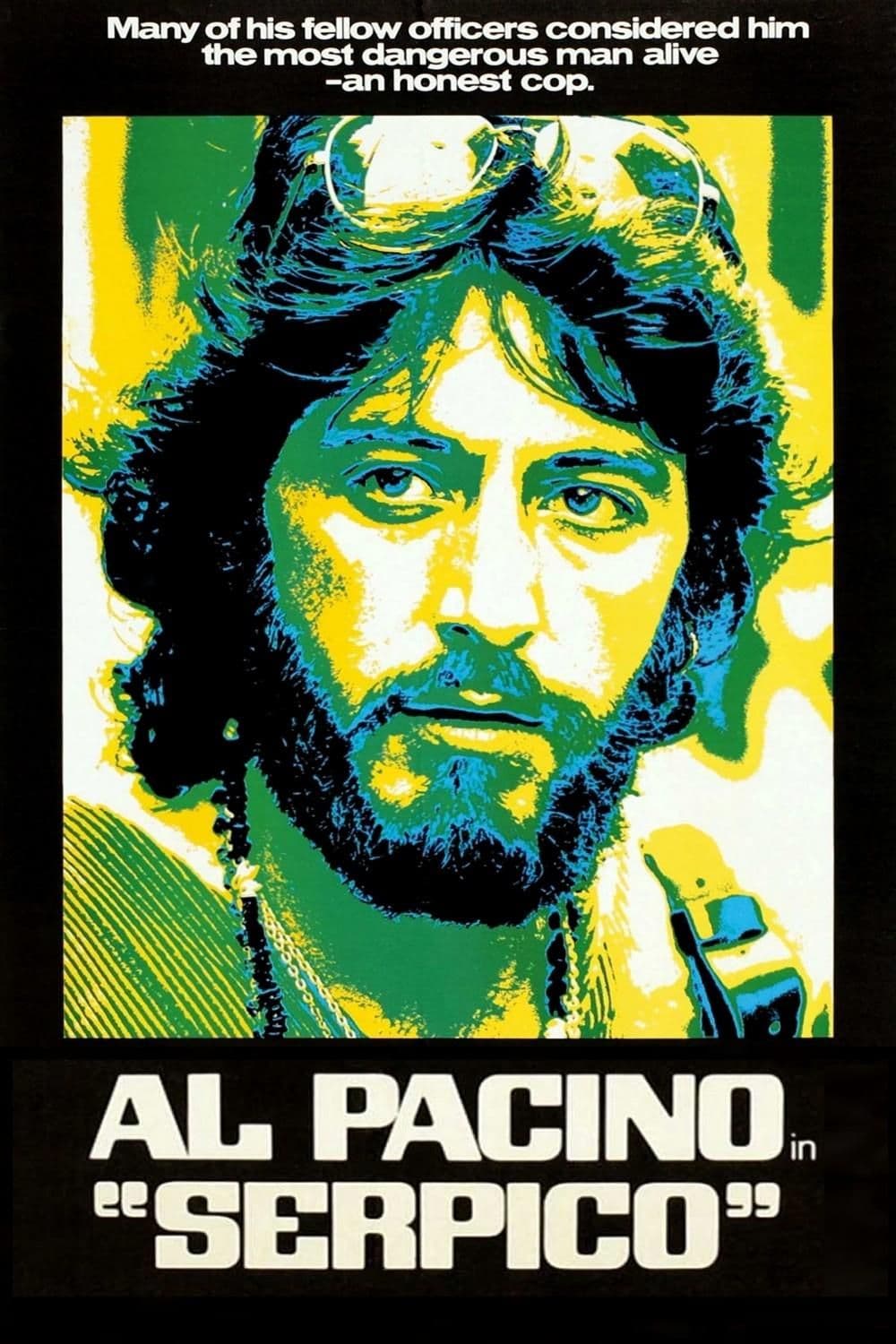
Frank Serpico was a real New York cop who would not take an envelope: Lumet films departmental corruption as an ordinary daily fact, and Pacino plays stubbornness as an entire personality.

Poitier refused to film in the Deep South, so Mississippi was recreated in Illinois: a Philadelphia detective is arrested for being Black in a small town and then asked to solve its murder.

Tarantino took the color-coded aliases straight from this for Reservoir Dogs: four men hijack a subway car under Manhattan and Walter Matthau negotiates with them by radio, entirely deadpan.
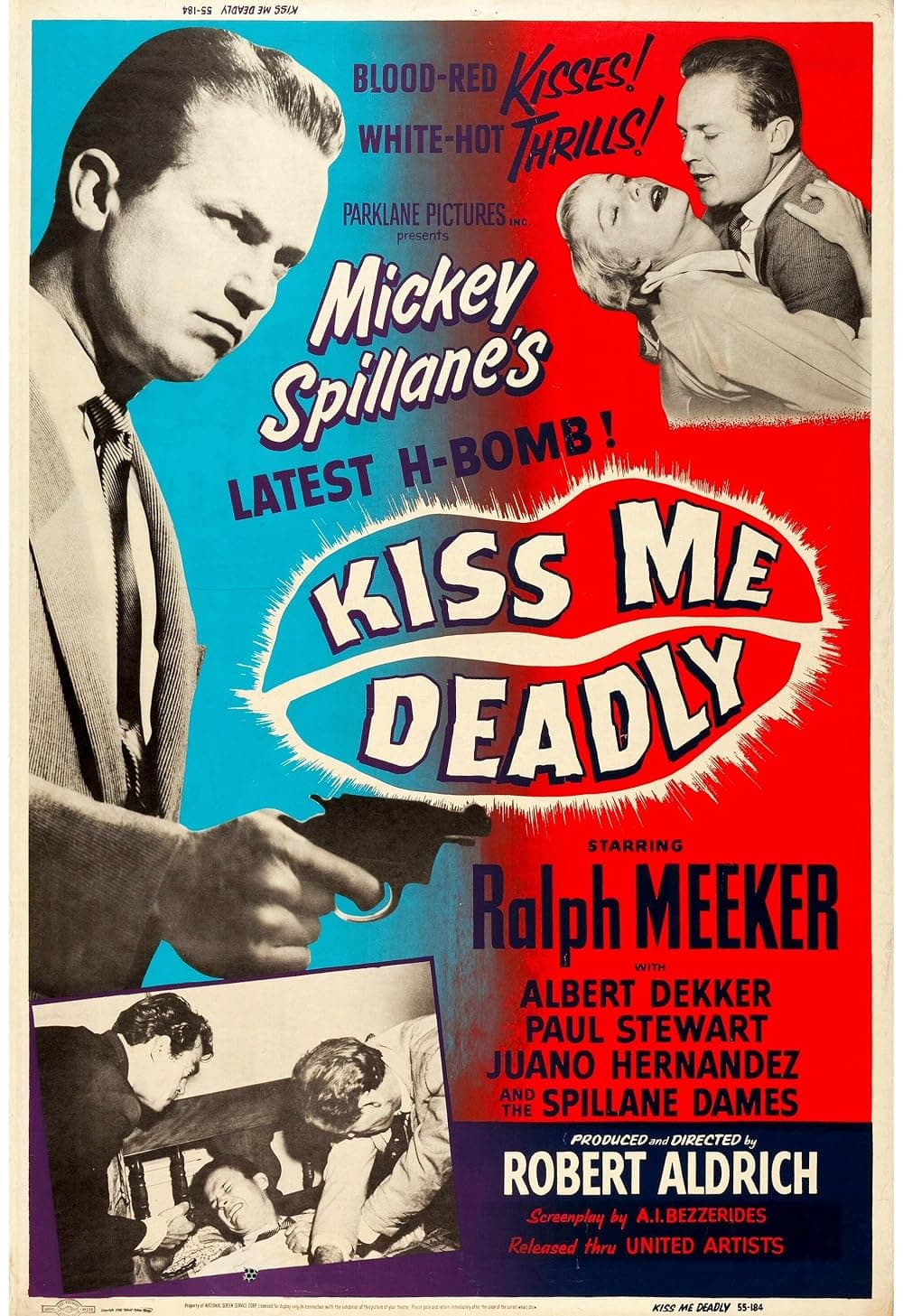
Film noir's meanest specimen: Robert Aldrich turned Mickey Spillane's detective into a thug worse than the criminals he chases, and gave the genre an ending nobody in 1955 was ready for.
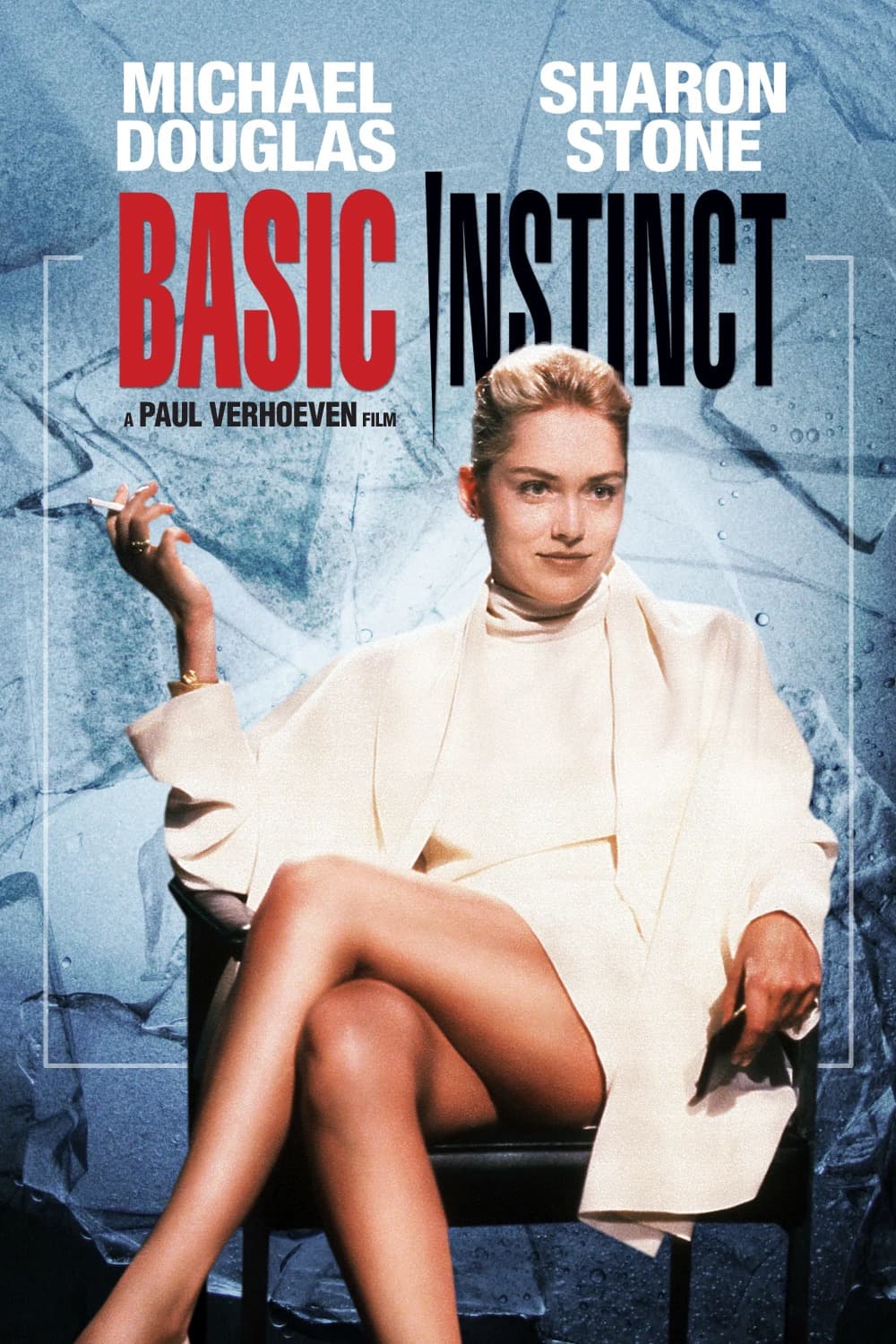
Paul Verhoeven made the decade's most notorious mainstream thriller and never once blinked: an interrogation scene everyone still knows, and a novelist who may be writing what happens next.