I'm Too SexyRight Said Fred
I'm Too Sexy
1991
A gym joke about mirror preening, built on a riff lifted from Hendrix's Third Stone from the Sun.
★ 0.9
 skopia
A gym joke about mirror preening, built on a riff lifted from Hendrix's Third Stone from the Sun.
May and Taylor wrote it, Mercury sang it, and Queen waited until 2019 to give it a video.
Eugene Record's Chi-Lites ballad, harmonica and all, remade by Young in 1990 for a number eight American hit.
Track three on The Antidote, cut-and-paste funk from the album Theo Keating built alone after his partner left.
Recorded alone in Sussex in the summer of 1979, every instrument McCartney's own, and a UK number six by January.
Rice-Oxley built it from Yeats's poem about an Irish airman, a pilot too high up to hear the guns below.
Decker's rap began as syncopated nonsense syllables, and she overdubbed herself into a duet nobody could play live.
Dub reggae bass and Indian strings under a nod to Shampoo's 1994 hit "Trouble", produced by The Partysquad.
Loso's Way yielded exactly one charting single, produced by The-Dream and Tricky Stewart, peaking at number fourteen.
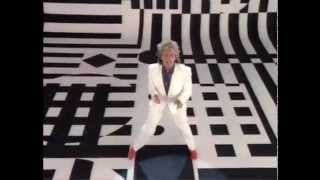
Jeff Fortgang wrote it fresh out of Yale; the Persuaders cut it first, and Stewart took it to number ten.
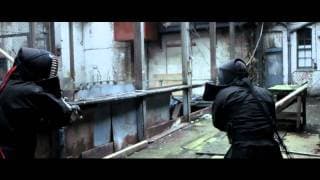
Diplo and Switch wrapped a breakup song in dubstep, and a Microsoft browser ad made it a worldwide hit.
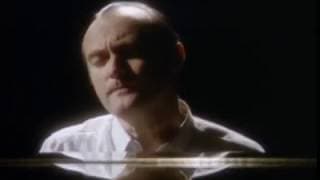
A slow burn, Hugh Padgham at the desk, Stephen Bishop harmonising behind, and Collins's fourteenth and final American top ten.
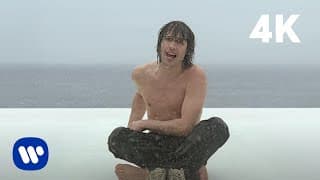
A glimpse of an ex on the London Underground, her new man beside her, and a transatlantic number one.
A 1966 Ventures instrumental on loop, twice a minor British hit, then a Mitsubishi advert made it inescapable.
Peretti, Creatore and Weiss built the melody on a 1784 French air, and UB40 held number one for seven weeks.
Critics heard the Kinks' Lola in the strum, and a Dancing on Ice slot lifted it to number fourteen.
Written in a garden shed at Farrington's father's house, stalled at fifty-eight in Britain, then Napoleon Dynamite happened.
Rutherford and B.A. Robertson had both just lost their fathers; Carrack, who lost his young, sang it.
An anarchist collective from Leeds, a sample from Brassed Off, and a chorus about ordinary people refusing to stay down.
Toni Wine and Carole Bayer Sager set lyrics to a Clementi sonatina rondo; Eric Stewart sang it to number two.
Nick Rhodes of Duran Duran co-produced it, and Limahl rode the hook to two weeks at UK number one.
A DX7 electric piano, a drum machine, and Don Myrick's saxophone taking a number one out quietly.
Three writers, a Pretty Woman soundtrack slot, and the most cheerful denial ever to reach the American top ten.
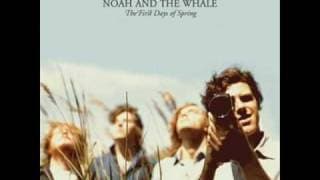
Fink wrote the whole album around his split with Laura Marling; this became its first single, and its way out.
Clapton plays the lead over Padgham's production, the closest Collins had then come to writing a blues song.
Morrison wrote it as a prayer for Avalon Sunset; Stewart's reading turned it into a wedding standard.
Phenix Horns brass over Nathan East's bass, on a song Collins first wrote for The War of the Roses.
Stowe, Vermont, a mobile studio, the Mark II lineup back after eleven years, and Lord's organ doing the heavy lifting.
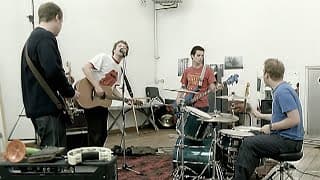
Martin called it a blatant Jeff Buckley attempt, cut at Rockfield with Ken Nelson, and the chorus soars anyway.
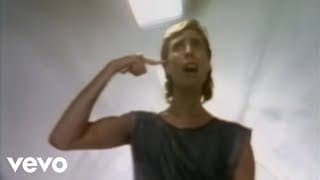
Curnin called it an indictment of dishonest politicians, Rupert Hine produced it, and America took it to number four.
Romania in February 1990, weeks of upheaval still fresh, and Edwards came home to write pop's happiest history lesson.
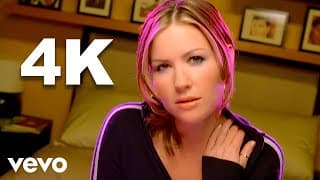
Her brother Rollo co-produced it, and the chorus flatly refuses to concede a relationship everyone knows is over.
A father's blessing written for the kids Stewart missed while touring, and similar enough to Dylan's song that they share royalties.
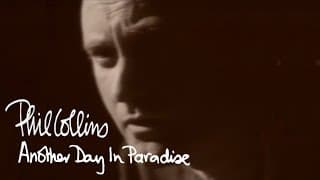
The last number one of the eighties and the first of the nineties, with David Crosby singing behind Collins.
A riff written on a bike ride, a sample Rick Rubin cleared free, and a surprise American number one.
Coverdale began it as a Tina Turner idea, Geffen told him to keep it, and it climbed to number two.
An Arabic descant improvised by Cheb Mami without hearing Sting's lyric, and both halves came out about longing.
Written out of a breakup and a Shakti Gawain self-help book, then re-released in Britain three times until it stuck.
Number two in America, three weeks atop the rock chart, and the video that closed Palmer's mannequin trilogy.
Criteria Studios in Miami, Kenny Laguna producing, the Strangeloves' 1965 hook over Barbarossa's Bo Diddley drums.
Ray Davies cut it at Konk in 1977, a department store Santa mugged by kids who want jobs, not toys.
Van Eede scribbled the title down the night it occurred to him; Terry Brown drummed it on Neil Peart's snare.
Every instrument on it is Winwood alone; the 1982 single stalled, and Tom Lord-Alge's 1987 remix reached the top ten.
Hucknall wrote the words at seventeen, his punk band cut it first, and the chorus made it an American number one.
Taupin's first New York, gunfire outside the hotel window, a rose borrowed from Spanish Harlem, all cut in France.
Waite heard a guitar melody on cassette and improvised the first verse on the spot; its chorus is pure denial.
Martin wrote the verse in Amsterdam and the outro in Iceland; the closing track waits minutes before the guitars arrive.
Elton John joined Michael onstage near Chicago in October 1991, and the live duet topped both charts.
Laura Marling's ukulele and Charlie Fink's deadpan flopped in 2007; a 2008 re-release carried the sunshine to number seven.
Cut at AIR Montserrat with the classic band reunited, and Stevie Wonder's harmonica lifting it clean off the ground.
Three days at RAK Studios in London, a row patched up, and marimbas in place of the usual dance-floor sheen.
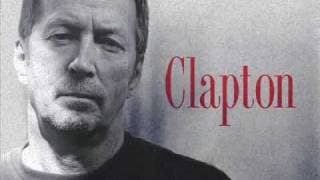
Wynonna Judd cut it first as country; Babyface gave Clapton a soul groove and the Grammys gave back three.
Buckland gave up on a guitar part and played maracas instead, and Martin's slow crawl back still aches.
Dolby storyboarded the video before writing a note, then had TV scientist Magnus Pyke shout the title's last word.
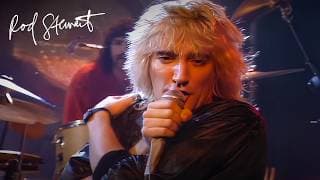
Stewart heard Jorge Ben's Taj Mahal at Rio Carnival, absorbed the melody unwittingly, and signed the royalties over to UNICEF.
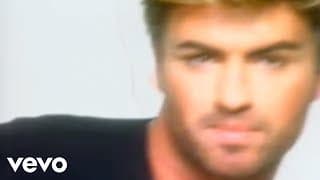
A MIDI malfunction at Sarm West handed Michael that squelching bassline; the BBC then confined it to after the watershed.
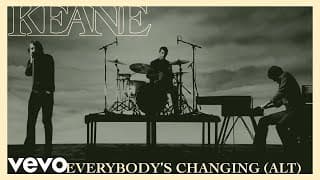
Rice-Oxley wrote it after the guitarist quit, which is why a rock band's biggest hook is played on piano.
Recorded low at first until BenZel pushed her up an octave, and the falsetto turned touring loneliness into something weightless.
A 1960 Boudleaux Bryant song the Everly Brothers cut first, remade by McCafferty's rasp into the version everyone knows.
Nile Rodgers brought the riff and the Borneo Horns; the band, down to three, answered its own bad press.
Ann Orson and Carte Blanche on the credits, a Motown duet pastiche that held British number one for six weeks.
Hollywood Records turned it down for McCartney; Tedder recut it in a new key and Cowell called it the one.
Robin Clark, credited as additional lead singer, answers Kerr line for line while Iovine pushes everything skyward.
Stalled at 43 as a studio single until the live version on Frampton Comes Alive! reached the top twelve.
One drum loop, a phone call that brought Nick Rhodes over, and Tessa Niles unleashing the diva on the chorus.
Goulding wrote it about a childhood fear of the dark, and the Hot 100 kept it fifty-two weeks.

Charli offered it to Hilary Duff, whose team passed; a film soundtrack turned that chorus into a top-ten smash.
Martin Rushent's last Human League production for seven years, with four band members trading lines over a restless synth hook.
Kimberley Rew called it simple fun; the 1985 re-recording added horns and carried the band into the American top ten.
Jam and Lewis wrote it in Minneapolis, and Oakey called that vocal the best he ever gave.
Guitarist John Spinks wrote it, Tony Lewis sang it, and producer William Wittman pushed the band past their softer demo.
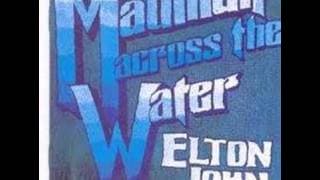
Buckmaster spilled ink across his orchestral score and rewrote all of it in a day; Spedding's electric guitar prowls underneath.
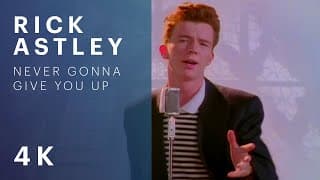
Waterman handed Astley the title after hearing him talk about his girlfriend; five weeks at number one followed.
Cut in Venice Beach with Danielle Brisebois, then adopted by The Hills and every graduation slideshow since.
A letter to an ex, sung over acoustic guitar, fiddle and McLagan's Hammond, and another UK number one.
Barley fields outside Sting's Wiltshire house, Kathryn Tickell's Northumbrian smallpipes, and a promise meant to last a lifetime.
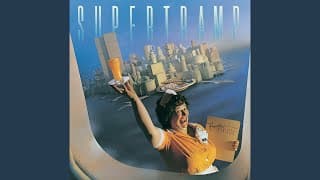
Davies wrote and sang it, Hodgson answered in falsetto, and that Wurlitzer figure runs the whole drifter's farewell.
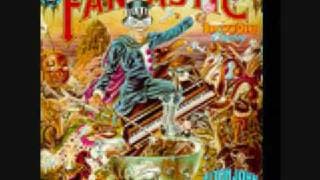
Baldry talked Elton out of a wedding in 1968, and Taupin wrote him into the chorus as Sugar Bear.
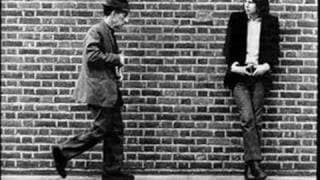
Voice, guitar and strings went down together at Sound Techniques, Robert Kirby scoring the sound of coming up short.
John Cale's viola and harpsichord circle Drake's plea for a second chance, and Wes Anderson later borrowed it.
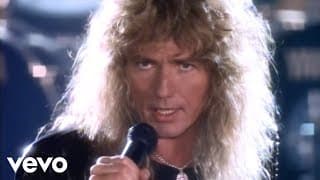
Jon Lord's Hammond organ on the 1982 original, a heartbreak song Coverdale wrote in Portugal, later a number one.
Cut in the trio's Glasgow basement studio, sibling estrangement wrapped in synth glitter and Mayberry's bright clean vocal.
Justin Hawkins in full falsetto, cut at Chapel Studios, on a riff Q placed among its 101 greatest guitar tracks.
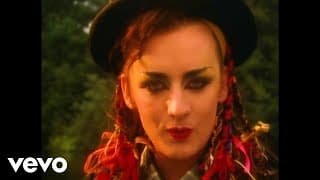
Judd Lander's harmonica, six weeks at number one in Britain, and Boy George singing about pleasing everybody.
Gillespie had gone off to Primal Scream, so a drum machine drives the Reids' highest UK charting single.
John Hughes reshot Pretty in Pink's ending and asked for 120 BPM; OMD turned it around in a day or two.
Written in 1987 and abandoned in a corner, it took Batman Forever to make it Record of the Year.
One voice layered roughly twenty times into a choir, and a settlement that added Petty and Lynne.
Cut at Paisley Park with David Z, the snare a drumhead struck with a wooden ruler under Gift's falsetto.
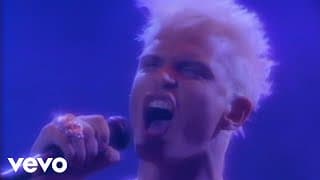
Idol's 1981 studio take missed the Hot 100 entirely; the live 1987 version knocked Tiffany off number one.
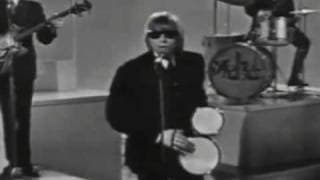
Brian Auger's harpsichord and Denny Piercy's bongos on a pop single, with Clapton confined to the middle break before quitting.
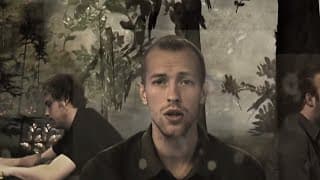
Recorded four times before Ken Nelson kept one, and Martin, by his account, apologizing for behaving badly toward his band.
Taupin rewrote his Marilyn Monroe lyric for Diana, George Martin added strings hours after the funeral, and 33 million sold.
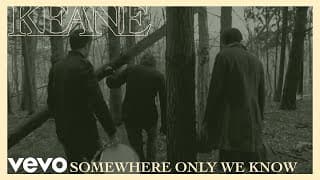
Rice-Oxley hammered it out on piano after "Heroes", and Keane proved a rock band could skip guitars entirely.
Mishra cut it in his bedroom on an Atari ST, sampling a 1932 muted trumpet, and topped the UK chart.
Pappalardi and Gail Collins wrote new words over a shelved "Lawdy Mama" take, and Clapton borrows Albert King wholesale.
Barlow says it took fifteen minutes to write; the BRIT Awards debut pushed the release forward to an instant number one.
Originally called Planet Xerox until the trademark intervened, drums spliced from other sessions, piano soaked in delay.
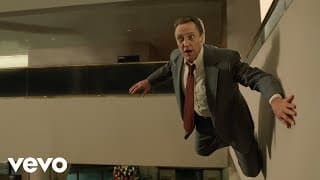
Bootsy Collins doubled in both channels, a Sly Stone sample, and Christopher Walken dancing through a Los Angeles hotel lobby.
Craig and Charlie Reid wrote it in an Edinburgh flat, sang it in undisguised Scottish accents, America followed in 1993.
Among Plant's first songwriting credits, a CBS contract having blocked him on the debut, over guitars panning across both channels.
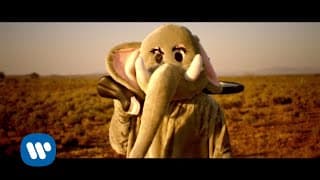
Eno took a co-writing credit and played synthesizers; it became Coldplay's second UK number one and a stadium fixture.
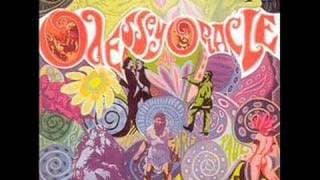
Argent's working title was "Prison Song", and the sunniest harmonies of 1967 are addressed to someone awaiting release.
Producer Hugh Jones talked Grey out of shouting, and the nuclear-apocalypse lyric arrives as the warmest chorus of 1982.
Six minutes that drift, then lift; the track Rob plays in High Fidelity to sell five copies on the spot.
Davies wrote it after seeing his sister's house on an Australian housing estate, turning suburban comfort into a cage.
Clapton wrote it on a Martin D-28 while Pattie Boyd got ready for a Buddy Holly party, by his account.
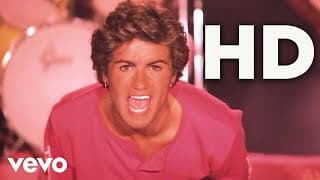
Ridgeley scrawled a note to his parents, doubled a word by mistake, and George Michael built a number one on it.
Jolley and Swain built it around oppressive heat, and The Karate Kid carried it into the American top ten.
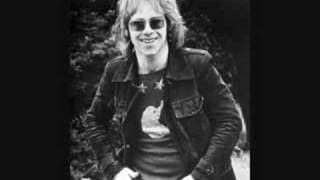
Cut in February 1971 with Paul Buckmaster conducting, a character sketch about a balloon seller and the son who leaves.
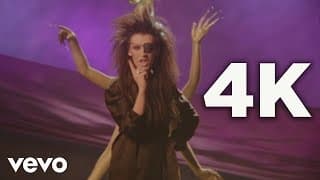
Seventeen weeks climbing to a UK number one, the first for Stock Aitken Waterman, and Burns devours it.
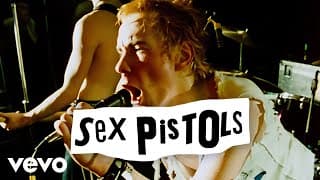
Marching boots open the record, and a collapsed Jersey holiday sent the band to Berlin for their subject.
Rosie Danvers wrapped the strings around Adele's biggest crescendo, and 21 took its third straight American number one.
Boyd handed Cale the demo and he improvised celeste, piano and organ around Drake's most openly loving song.
Will Jennings helped finish a lyric Clapton wrote after his four-year-old son died; three Grammys followed in 1993.
Camille Yarbrough's 1975 vocal over a lo-fi piano loop, and a Spike Jonze video reportedly shot for eight hundred dollars.
Take four, June 1967 at EMI, with a trumpet added later onto the mono mix and nowhere else.
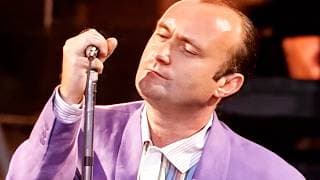
A Face Value outtake with new lyrics for Taylor Hackford's film, and Collins's first American number one.
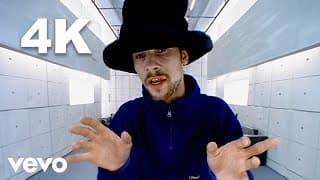
Glazer put the set on wheels and never moved the floor; four VMAs followed, Video of the Year among them.
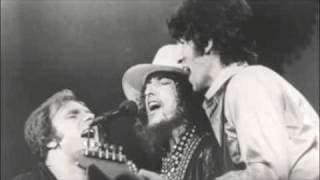
Written in Woodstock, cut in San Francisco with Modern Jazz Quartet drummer Connie Kay behind Morrison's warmest melody.
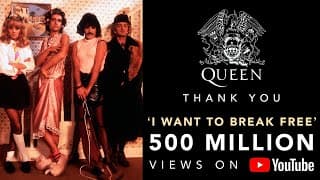
Deacon's song, Fred Mandel's Jupiter-8 solo in a single take, and a video of Queen in Coronation Street drag.
Wadge was playing chords while Sheeran showered; twenty minutes later they had a Song of the Year.
Three days to finish the music in Cuccurullo's home studio, and an elegy for a dead friend became their comeback.
Almost all acoustic guitar, one electric part running backwards, and an import single that still reached number twenty-one in Britain.
Battery Studios, London: the echoing riffs were written for a guitarist who had just joined, and they still sound airborne.
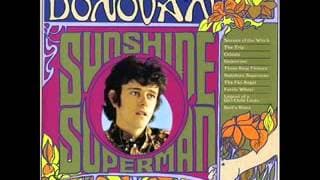
Two chords built for jamming, Mickie Most in the producer's chair, and folk-pop suddenly acquired a shiver of paranoia.
Michael programmed the LinnDrum in an evening, wrote the vocal next morning, and turned marital dread into a groove.
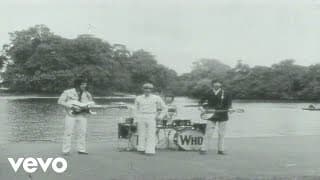
Recorded at IBC in October 1965, it stalled at 41 in Britain, then became the mod movement's calling card.
Stan Vincent's song sat on a B-side until it broke out in Philadelphia and Detroit and climbed to number eight.
Michael muted the snare while mixing a mid-tempo dance track and, by his account, suddenly had a gospel record.
Named for the tranquilizer the Hartnolls' mother took, with Kirsty Hawkshaw's vocal reversed and stretched across nine minutes.
Tom Tom Club's Genius of Love beat rebuilt as smooth British R&B, and Morrison sounding utterly unbothered about being wronged.
Page cut the unaccompanied solo at Atlantic while the rest of the track was taped across town at A&R.
Steve Nieve's piano lifts its shimmer from "Dancing Queen," and Costello's biggest UK hit smuggles Belfast into a singalong.
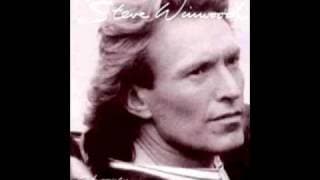
Chaka Khan's backing vocals lift Winwood's first solo number one, and the Grammy for Record of the Year followed.
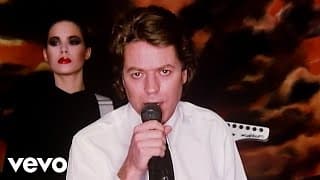
Chaka Khan's label blocked her from the duet, so Palmer sang it alone over Tony Thompson's drum intro.
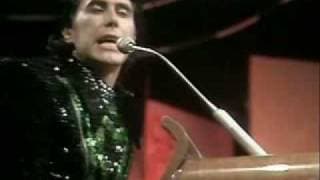
Ferry lifted the title from his own art-school painting of a giant cigarette packet, Eno's VCS3 shrieking behind him.
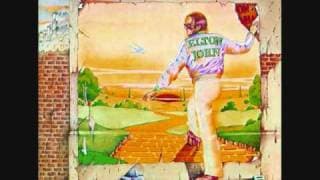
John wrote the instrumental half imagining music for his own funeral; Hentschel's ARP 2500 overdubs did the rest.
Rescued from a 1993 demo the band wrote off as too Rod Stewart, and adored everywhere except by Yorke.
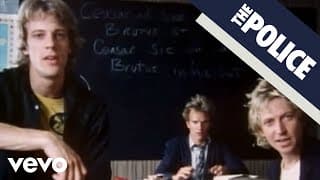
Sting drew on his years teaching and on Nabokov, then watched it become Britain's best-selling single of 1980.
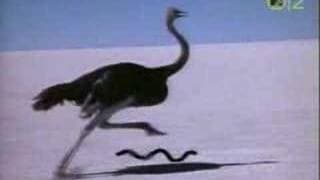
A Tim Pope video with no lip-syncing, BBC wildlife footage, and Talk Talk's only American top forty.
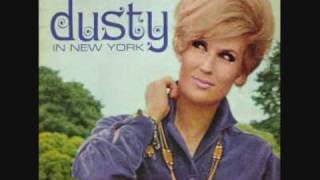
Two people who had never written a lyric rewrote a Sanremo ballad, and Springfield cut her vocal in a stairwell.
Booked after the Sex Pistols' visas fell through, Costello halted his SNL performance mid-song to play this unreleased attack instead.
Ian Stanley wrote the motif, Orzabal added melody and words, and the chorus arrives like a door kicked open.
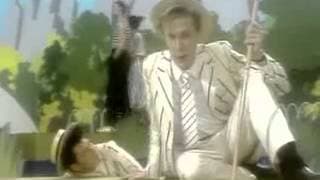
Trevor Horn's desk, Anne Dudley's strings, and Fry making his own jilting sound like the most glamorous thing available.
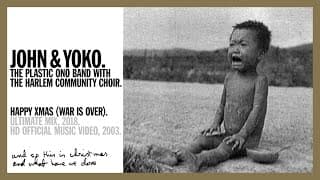
Two years after Lennon and Ono's billboards declared the war over, Spector cut it with a Harlem children's choir.
Tennant settling scores with his Newcastle Catholic school teachers, then closing the record with the Confiteor recited in Latin.
M.I.A.'s second song ever, built on a Roland MC-505 and written for Elastica; dancehall never sounded so homemade.
Trevor Horn spent about three months producing it; Seal built the chorus from a world visibly changing.
A wordless hum to open, then distortion flooding the chorus; lead single from the Mercury-winning Overgrown.
Ferry's voice drops out almost two minutes before the end, leaving a synthesizer to finish the thought.
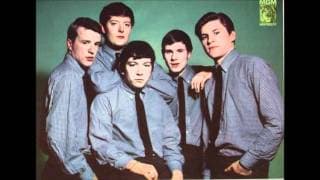
Written after Horace Ott quarreled with his girlfriend, and sped from Simone's ballad into Burdon's pleading.
Lee Perry produced it after CBS released a single without the band's consent; Topper Headon's first Clash session.
Cut live at Winterland in March 1968, Robert Johnson's blues sped up under two of Clapton's most copied solos.
Emile Haynie and Arca build a slow cathedral of bass, and Twigs sings desire in a whisper.
A thank-you note to Jagger for shouldering the band, by Richards' account, with Wood taking the solo.
Fiddle, banjo and a tempo shifting gears, then one week at number one between Billie Jean and Beat It.
Emerick taped the backing fast and slowed it on playback; Ringo called it the best record he ever made.
Ronson cut it at Daptone in Brooklyn with the Dap-Kings, Winehouse writing about infidelity and offering no apology.
Ten minutes after a Munich bath, a borrowed Fender not the Red Special, and Queen's first American number one.
Smith's six-string bass, acoustic guitars strummed to a blur, and the Cure's sunniest song about feeling old.
Costello wrote it after a night with the first Clash album; Nieve's piano stalks it like Bernard Herrmann.
Pitchfork's fifteenth-best song of the 2000s, the Dreijer siblings' synth pulse, later stripped to one acoustic guitar by Jose Gonzalez.
Cut in two New York studios in June 1969, with Mordor and Gollum folded into a restless road song.
Daniel Miller sequenced it on a Roland MC-4, Vince Clarke's last single for the band and still a terrace chant.
Townshend called it his ace in the hole and never forgave Britain for stopping it at number ten.
Sixteen national number ones, then a second life at 12:01 a.m. on 1 August 1981 as MTV's first video.
Jazz players Richard Davis and Connie Kay taped it at the last Astral Weeks session, and Morrison floats free.
Straightforward Kink copying, by Townshend's own admission, with the Ivy League on harmonies and Shel Talmy at the desk.
Matlock's riff, lifted off ABBA's "SOS", and the sound of a generation deciding not to care.
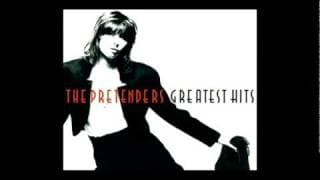
Honeyman-Scott's guitar lick came first, and Hynde told her producer he could release the thing over her dead body.
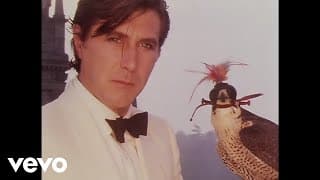
A swan song by Ferry's own account, with a wordless vocal from Yanick Etienne, found in the next studio.
Rhodes had the backing track in mind before reaching the studio; the Sri Lanka video carried it to number three.
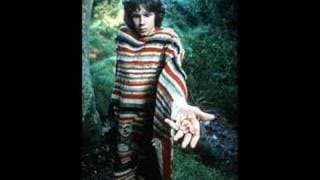
Voice, guitar, and a single overdubbed piano line, taped after eleven at night with only an engineer present.
Townshend woke in a Soho doorway after drinking with two Sex Pistols, and Keith Moon's last album took the title.
Mick Jones wrote it overnight for an NME flexi-disc that fell through, and the printed sleeves never listed it.
Smith left the vari-speed engaged at mixdown, so the released version sits a quarter-tone sharp and grins anyway.
One out-of-tune Liverpool piano, an attempt at a Harrison song abandoned, and the chord run Martin kept instead.
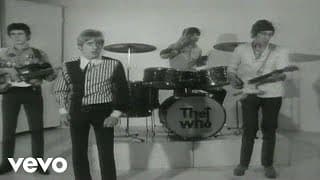
Townshend built it from a single word in "Tracks of My Tears", and American pressings rewrote the line about race.
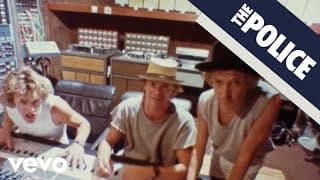
Four years in Sting's drawer before The Police cut it, and Jean Roussel's piano overdubs are why it soars.
Seven-four time, Steve Hunter's Martin triple-tracked at three tape speeds, and Gabriel's first record after walking out of Genesis.
Bob Andrews cut it in 1988 to no interest; Lillywhite's remix made it Britpop's founding jangle.
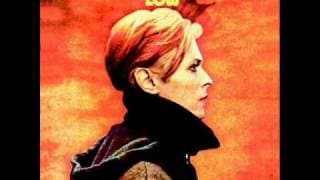
The BBC ran its long instrumental intro under programme trailers, and Bowie's ultimate retreat song went to number three.
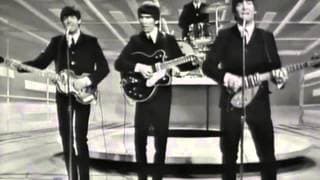
Martin spliced McCartney's count-in from take nine onto take one, and rock and roll never had a better doorway.
Brian Jones on recorder, Wyman fingering a double bass while Richards bowed it, and the Stones' most delicate number one.
Taupin lifted the phrase from a Janis Joplin tribute and pointed it at Marilyn Monroe; the chorus does the mourning.
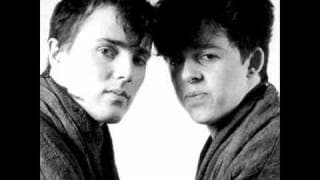
Orzabal wrote it on a small synth as an album track; Stanley heard a worldwide smash and was right.
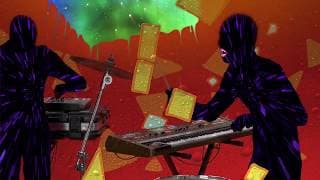
An arpeggio out of Chicago house, a sample from the Cassini Saturn probe, Lennox wanting only a home.
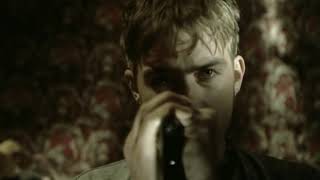
Two minutes and two seconds, track two, number two in Britain, and a whistle on the demo became that woo-hoo.
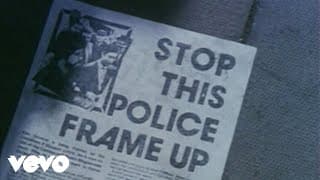
Strummer and Simonon were in the 1976 Notting Hill Carnival riot; the single ran under two minutes and reached thirty-eight.
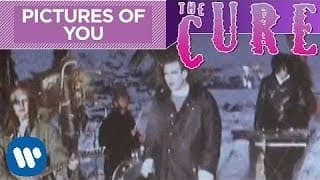
A house fire left Smith with photographs of Mary salvaged from his wallet, and one became the single's sleeve.
A minor key, a Hohner Pianet solo, and a debut single Argent wrote to fit Blunstone's upper range.
Two rock takes buried under dozens of abandoned reggae versions, dug out of the vault while assembling Tattoo You.
Eighteen takes in one November session, a Lennon ballad sped up, and Martin calling their first number one.
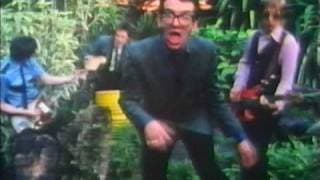
Nick Lowe wrote it for a pub-rock flop, produced Costello's B-side version, then got rich when The Bodyguard covered it.
Bryan Ferry and Billy Idol passed; Simple Minds cut it reluctantly, then kept the placeholder chant that closes it.
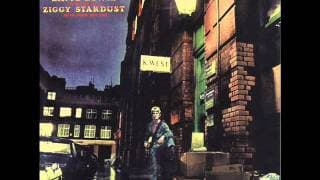
Bowie first threw it away on a fake band called Arnold Corns, then rebuilt it at Trident around Ronson.
A 5/4 intro that worried the label, Pappalardi's violas, Baker's timpani, and Clapton's wah-wah doing the talking.
Spanish backing vocals translated by the tape operator's mother over the phone, and a jeans advert made it number one.
Cocker slowed a Beatles album track to gospel tempo, with Jimmy Page on guitar and Tommy Eyre's organ intro.
Eno producing, Davide Rossi's looping strings, a deposed king narrating, and Coldplay's first number one in Britain and America.
Four-on-the-floor from a Billy Preston jam, harmonica by Sugar Blue, found busking in Paris, and their last American number one.
A melody Morrison worked out on soprano sax first, then Jack Schroer's alto solo swinging over Jef Labes' piano.
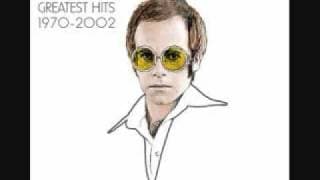
Gus Dudgeon overdubbed crowd noise from old concerts, and the fake live track topped the Hot 100.
A piano riff Martin nearly saved for the next album, rescued by their manager, then Record of the Year.
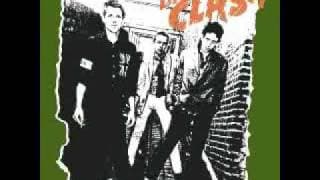
Strummer expected roots rebellion at an all-night Palais reggae bill, got showbiz, and slipped reggae bass into punk.
Nearly seven minutes, Rory Dodd's voice answering Tyler on the refrain, and Steinman's vampire love song became number one.
Master Henry Gibson's congas drive it, the horns arrive like good news, and Britain sent it top twelve.
Marr's melody came from a New York hotel room, the title from Sandie Shaw, and misery never sounded so cheerful.
By Numan's account a road-rage scare in London started it; a bass riff, a Polymoog, and a UK number one.
Costello glimpsed a supermarket checkout girl, Clover backed him before the Attractions existed, and one line titled his debut.
A white upright piano, a bout of illness, and Britain's supertax reimagined as a lounging aristocrat pleading poverty.
Jake Holmes wrote it in 1967, the Yardbirds absorbed it, Page cut it at Olympic with a violin bow.
Seven and a half minutes, Paul Weller on lead guitar, and a lyric Noel admits he chose for the rhyme.
Argent and Blunstone rowed over the vocal at Abbey Road, and the band had broken up before America noticed.
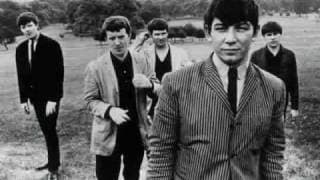
Chandler's bass walks in alone, Burdon arrives furious, and GIs in Vietnam claimed a Brill Building demo.
Townshend's theme for the villain of his abandoned Lifehouse, and Daltrey sings the self-pity straight before Moon wrecks it.
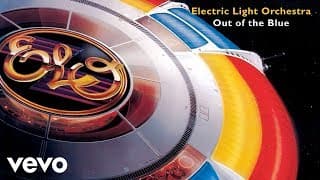
Two weeks of Alpine fog broke, and Lynne wrote this and thirteen more songs, closing it with a vocoder.
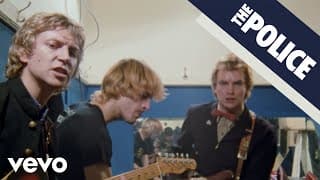
Summers' arpeggiated riff, Sting's castaway pleading over it, and the first of the Police's five UK number ones.
Owen Morris showed Bonehead the root notes for a Mellotron cello, and the track was largely done in a day.
Youssou N'Dour improvising in Wolof, and a bassline so deep it had to move up the vinyl.
Taupin wrote it about Maxine Feibelman, the seamstress who toured with the band, and Almost Famous made it a singalong.
Mushroom sent the demo to Madonna, got outvoted, and Elizabeth Fraser sang it over harpsichord and a Les McCann loop.
Ken Nelson pointed at the stars outside Rockfield, and Martin sang the melody in his worst Neil Young impression.
Booked into Abbey Road as Billy Martin, McCartney played every instrument in a day and declined to release a single.
Ray Davies's publisher wanted to sue the Doors over the riff; Davies declined, and the snarl outlived the argument.
Two point one million American advance orders, and behind them a Paris hotel upright where McCartney wrote it.
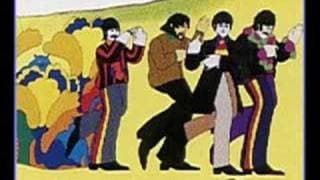
Starr sang it at dawn after ten takes, having first made them cut the line about thrown tomatoes.
Michael refused to appear, so Fincher had five supermodels lip-sync while his Faith leather jacket burned onscreen.
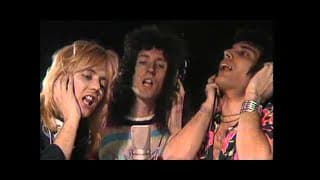
Mercury wrote it at the piano, then three voices were multitracked into something the size of a gospel choir.
Harrison started it backstage in Copenhagen, gave it to Billy Preston first, then took the first ex-Beatle number one.
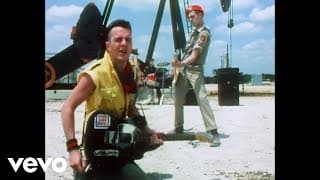
Topper Headon cut the drums, piano and bass himself, and Strummer finished the lyrics in the studio bathroom.
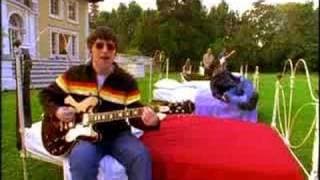
Noel's first lead vocal on an Oasis single, a phrase lifted from a Lennon tape, Manchester's anthem ever since.
A church organ quoting Wham!'s Freedom, then Hugh Burns's Bo Diddley rhythm, and four weeks at number one.
Richards cut the acoustic into a Philips cassette recorder until it distorted, Watts drumming on a 1930s toy kit.
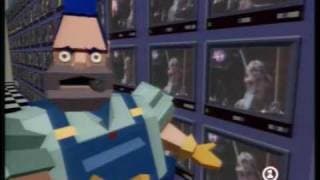
Knopfler borrowed a pen in a New York appliance store to copy down a delivery man's complaints about MTV.
A Northern soul flop from 1964 rebuilt on synthesizers at Advision, Marc Almond's first vocal take kept intact.
Written at seventeen on a bus, scrapped at Muscle Shoals, saved by Steve Gregory's saxophone in one breath.
It missed the UK top forty, all Fairlight sequencing except Hook's bass, and now every indie disco needs it.
Two songs welded together, the tempo dropping a minute in, and a sniper film lending Kapranos his double-edged title.
Taylor on bass, Jimmy Miller drumming the coda, and a lyric Jagger got from a housekeeper who played dice.
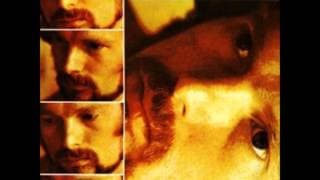
Written first as 'Into the Misty', recorded at A&R in New York, and the warmest thing Morrison ever sang.
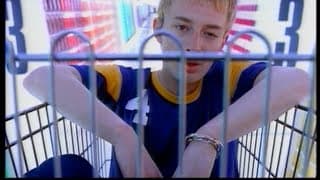
Yorke came straight from a Jeff Buckley gig, sang three takes at RAK, then burst into tears.
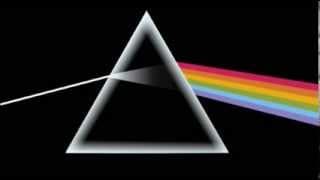
Alan Parsons taped antique-shop clocks as a quadraphonic test; Mason's rototoms follow, and the alarms still land like panic.
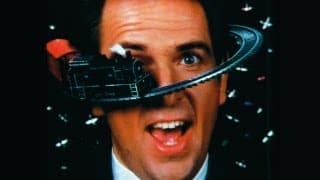
Gabriel wanted real brass, hired the Memphis Horns' Wayne Jackson, then knocked his old band Genesis off number one.
Radiohead cut version after version and kept the first take, glockenspiel and all, a lullaby about suburban despair.
Dan Wilson of Semisonic at the piano, Adele singing, nothing else added; five weeks at number one.
A stomping riff, a desert studio in Joshua Tree, and the band's first single to reach the Billboard Hot 100.
Cut at EMI in February 1965, with Harrison's Rickenbacker riff and a record Lennon later called the first heavy metal.
Beamed live to 400 million on the first global satellite link, opening on La Marseillaise, its coda quoting Bach.
Written with Paul Epworth in one afternoon after a breakup, and the credits list stiletto heels as percussion.
Mott were splitting up when Bowie offered them this, written within hours of hearing the band was finished.
Cut twice, once for Bobby Orlando and again with Stephen Hague, Tennant half-rapping London class anxiety to number one.
Radiohead opened Kid A with no guitars at all, just a Prophet-5 and Yorke's voice diced in Pro Tools.
Bruce came home from a Hendrix show carrying the riff, and Baker answered it by drumming on one and three.
Released as a B-side until DJs flipped it, with a mandolin credited only to a name Stewart said slipped his mind.
Written with Aretha in mind, handed to Springfield by Jerry Wexler; Memphis cut the track, New York got her vocal.
Cut at Muscle Shoals days before Altamont, Bobby Keys on tenor, and a lyric Jagger later said he would censor.
Gore wrote it as a harmonium ballad; Wilder and Flood put a dance beat under it over his objections.
Priscilla Presley's memoir gave Gore the idea, Flood cut it in Milan, and Cash later called it evangelical.
Four notes known as Syd's theme, and Barrett himself turning up at Abbey Road mid-session, unrecognized by the band.
Copeland turned Sting's bossa nova into a tango, and the piano clang at the top was an accident they kept.
Barrow looped Isaac Hayes' Ike's Rap II, Utley added the guitar, and Gibbons sings it like a demand.
Townshend wrote it to flatter a pinball-obsessed critic, then called it the clumsiest thing he ever wrote.
Jones wrote the riff, Page took the stop-start idea from Fleetwood Mac, and a stray labrador supplied the title.
Oakey thought it the weakest thing on Dare; it became Britain's best-selling single of 1981 and Christmas number one.
Last song of a twelve-hour day, Lennon's throat gone, one usable take, and the Beatles' only million-selling cover.
Twenty-two takes at A&R Studios, the Sweet Inspirations behind him, and a song Morrison says never paid him royalties.
Lennon stitched three unfinished songs together, then let a live BBC King Lear broadcast wander into the mix.
Sessions collapsed in Kingston, so the band regrouped at a French chateau and Taupin traded Oz for a Lincolnshire farm.
Deacon's bassline owes Chic, Michael Jackson talked them into releasing it, and Queen landed their biggest-selling single.
Nile Rodgers on rhythm guitar, an unknown Stevie Ray Vaughan on lead, and Bowie's biggest-selling single by a distance.
Gallagher wrote it in 1991, before Oasis had a record deal, pitching plain optimism against everything grunge was selling.
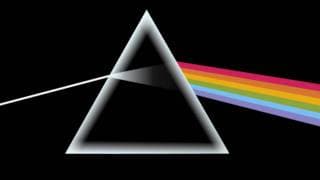
Seven beats to the bar, a tape loop of coins and cash registers, and Pink Floyd's first American hit.
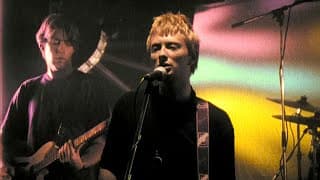
Greenwood meant those three dead notes before the chorus to wreck the song, and they are what makes it work.
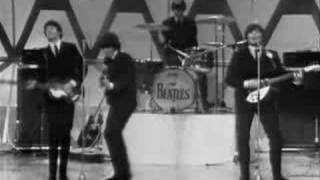
Twelve takes in April 1965, McCartney's counter-melody chasing the lead, and Lennon insisting years later the plea was real.
Fisher's Hammond nods at Bach for a bar before veering off, and Reid took the title from a party remark.
Cut at Muscle Shoals in December 1969, with Jim Dickinson on tack piano after Ian Stewart refused the minor chords.
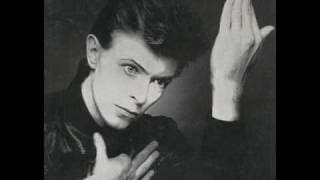
Cut at Trident in November 1971, never a single, and Ronson's riff draws the character as sharply as the words.
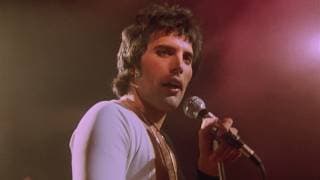
Mercury wrote it with audience participation in mind, and a 2011 study named it the catchiest song in pop.
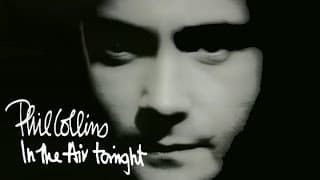
Padgham's talkback-microphone accident on Peter Gabriel's third album, a Roland CR-78 pattern, and pop's most anticipated drum entrance.
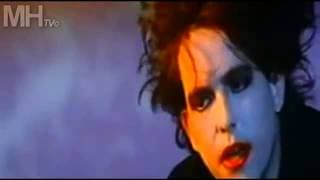
Smith traced it to a day at Beachy Head with Mary Poole; Williams sped the tempo, adding the opening fill.
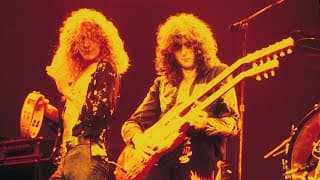
Zeppelin played Reykjavik in 1970, and Plant came back with Vikings, Valhalla, and that double-tracked wail.
Taupin scribbled the lyric over breakfast at a kitchen table, and Buckmaster's strings turned it into John's first Top 10.
Producer Jimmy Miller opens it on cowbell, and the single arrived in Britain the day after Brian Jones died.
Four sections in six minutes, named for Douglas Adams's depressed robot, cut in a sixteenth-century manor near Bath.
Blackmore's four notes in parallel fourths, written after a flare gun burned the Montreux Casino down during a Zappa show.
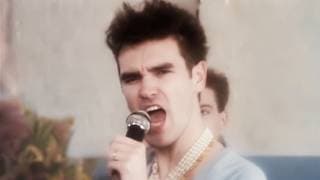
Marr stacked roughly fifteen guitar tracks and dropped a knife on the strings; Morrissey lifted a line from Sleuth.
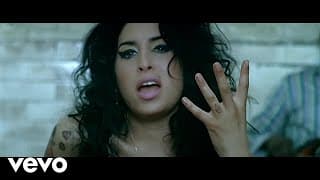
Cut live to tape at Daptone in Brooklyn with the Dap-Kings, and it took Record and Song of the Year.
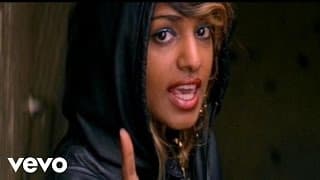
Gunshots and a cash register over a Clash loop, with Brixton kids singing a hook about immigrant stereotypes.
Built on an Andrew Oldham Orchestra recording of a Stones song; Jagger and Richards returned the credit in 2019.
Ronson cut it at Daptone with the Dap-Kings, sixties girl-group machinery rebuilt around a voice in ruins.
Harrison's sitar, widely reckoned the first on a rock record, and Lennon smuggling an affair past everyone.
Taupin borrowed the title from a Pearls Before Swine song, and Hentschel's ARP put the loneliness in orbit.
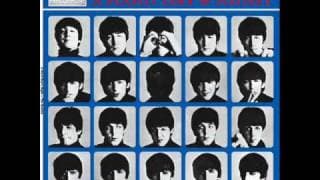
Starr's slip of the tongue supplied the title, and the opening chord is still argued over by musicologists.
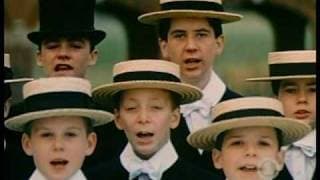
Ezrin sent Gilmour to the discos, and twenty-three Islington schoolchildren got forty minutes to sing themselves onto a number one.
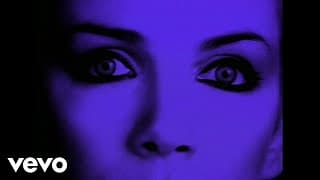
Recorded on a secondhand eight-track in a Chalk Farm attic, and an American number one by September.
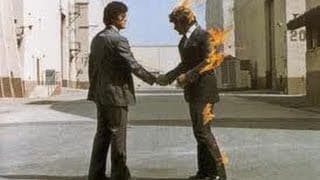
Gilmour's twelve-string comes through a recorded car radio, and Grappelli's violin sits buried near the very end.
Named for a tour joke about people behaving badly, with Greenwood's piano circling and a delay unit eating the ending.
Osbourne heard Iommi's riff and called it a big iron bloke walking; Butler built the science fiction around that.
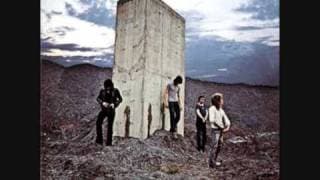
Eight and a half minutes, a Lowrey organ run through a VCS3, and Daltrey's scream tearing into the final verse.
Harrison opened a book at random, saw "gently weeps", and Clapton came in uncredited to play the solo.
McCartney heard a piccolo trumpet on a Bach broadcast, called David Mason in, and pop had never sounded brighter.
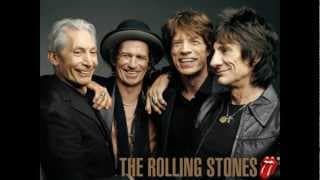
A choral intro from the London Bach Choir, Al Kooper on French horn, and producer Jimmy Miller on drums.
Marr's shudder came from four Fender Twins with their tremolos fighting, and Morrissey put a lonely man in a nightclub.
May came home from a Stafford gig where the crowd sang back, and built a chorus from stomps and claps.
Named for the gardener who woke them up, and cut with an acoustic guitar recorded into a Philips cassette recorder.
Called Walpurgis until the label balked at the witchcraft, and Butler aimed the lyric at politicians who start wars.
Released five days before Apollo 11 launched, with a children's Stylophone buzzing under an astronaut who never comes home.
Harrison lifted the opening line from James Taylor and wrote the first Beatles A-side that wasn't Lennon or McCartney.
Jones's sitar made it the first number one to feature the instrument, and Decca added the comma by mistake.
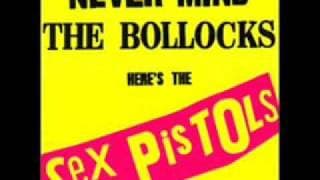
Lydon picked anarchist because it rhymed with antichrist; EMI dropped the band six weeks later and punk was loose.
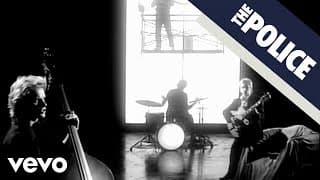
Sting woke at Fleming's Goldeneye with the melody; Summers cut that arpeggio in one take and made surveillance sound tender.
Davies started it as "Liverpool Sunset," moved it to the Thames, and Dave's tape-delay guitar did the rest.
Dave Davies took a razor blade to his little Elpico amp's speaker cone, and distortion arrived on British radio.
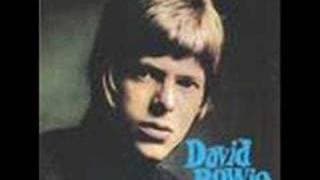
Rick Wakeman's piano, Bowie's own saxophone, and a stutter on the title that flopped before it defined him.
Written as "No Future," banned by the BBC, and stuck at number two amid loud suspicion of chart rigging.
Marr faked the strings on an Emulator, credited them to the Hated Salford Ensemble, and Britain waited six years.
Bowie lived near Mountain Studios, dropped in, and one evening's jam became a UK number one with a disputed bassline.
Hilton Valentine's arpeggio, one take at De Lane Lea, and four and a half minutes when singles ran two.
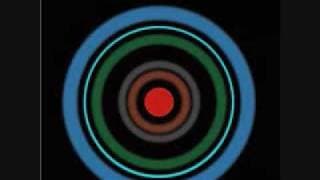
A die-cut sleeve modelled on a floppy disk, an Oberheim drum machine, and the best-selling twelve-inch single ever pressed.
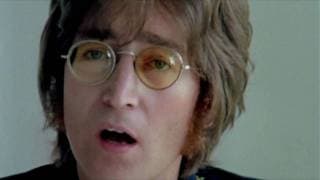
Grapefruit, Ono's book of poems, supplied the idea; Lennon supplied the piano; in 2017 she finally got the credit.
Iommi's riff arrived as three-minute filler for the album, Butler wrote the words fast, and Sabbath had their biggest UK hit.
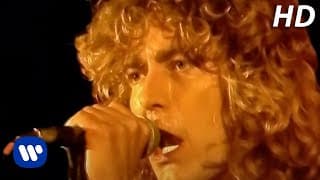
Page tuned to DADGAD, Plant wrote it driving through southern Morocco, and none of them had seen Kashmir.
Entwistle's bass solo needed a Fender after his Danelectro strings snapped, and Daltrey stuttered his way into history.
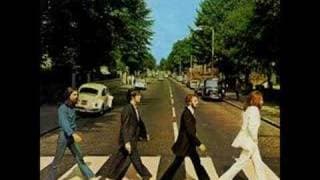
Lennon started it as a campaign song for Timothy Leary, then Ringo muffled his drums with tea towels.
Lennon and McCartney started it on a tour bus after a Newcastle show; Martin thought the sixth-chord ending corny.
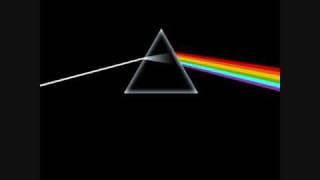
A tranquilizer shot before a 1977 Philadelphia show gave Waters the lyric; Gilmour brought the chords and the solo.
Faithfull handed Jagger Bulgakov, Richards turned the folk sketch into samba and played both bass and the solo.
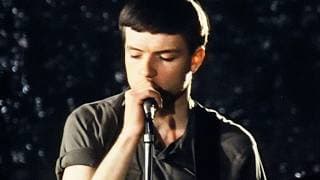
The title flips Captain and Tennille into its opposite, and the single arrived a month after Curtis's death.
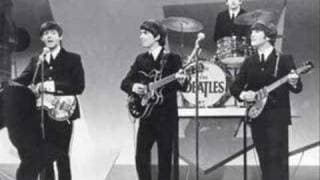
McCartney dreamed of his mother Mary telling him it would be all right; Harrison cut two different solos.