Christmas (Baby Please Come Home) (Death Cab for Cutie)
Barry, Greenwich and Spector wrote it for Darlene Love in 1963; this 2004 cover stayed off streaming for seventeen years.

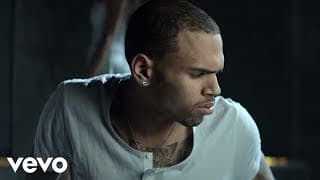
Built on SWV's Right Here and Michael Jackson's Human Nature, Brown sighing over an ex from inside a new relationship.

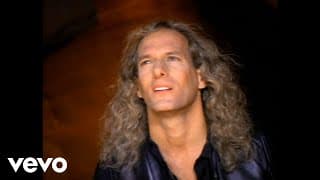
Mutt Lange co-wrote the twist, twelve weeks atop adult contemporary, and Bolton insisting the word love undersells it.

Recorded at Brooklyn's Rumpus Room with Nick Stumpf producing, and Julia Stiles stars in the video.
Romero improvised the chorus for a flamenco dancer in Venezuela; the Bayside Boys remix ran fourteen weeks at number one.

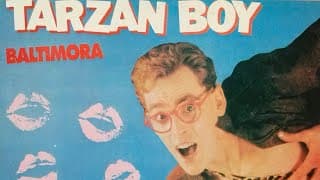
Bassi and Hackett wrote it, McShane mimed it in the video, and the Tarzan yell became the hook.
A gym joke about mirror preening, built on a riff lifted from Hendrix's Third Stone from the Sun.

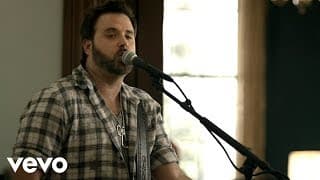
Three Nashville writers and producer Derek George handed Houser his first Country Airplay number one, and a platinum single.

William Orbit co-wrote and produced it, a Madonna collaborator turning Brown's fourth Fortune single into gleaming EDM.

A Shreveport club chant for DJ Hollywood Bay Bay, which Phunk Dawg's beat carried all the way to number seven.

Cut at the Record Plant with The Underdogs, 130 BPM of house that gave Brown his first UK number one.

Two singers who never planned a duet took Bobby Caldwell's song to number one, David Foster producing.

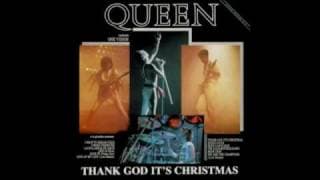
May and Taylor wrote it, Mercury sang it, and Queen waited until 2019 to give it a video.
Two uncleared vocal samples and a thirty-second meme put Baauer at number one the week Billboard started counting YouTube.

Produced by The Messengers with Nasri co-writing, the fifth single from Fortune asks a lover to ignore rumor.

Troy Taylor cut it at D2 in Atlanta, and Songz's birthday toast climbed to number nine, then double platinum.

Rasted got the idea at a Danish kitsch exhibition, and Mattel's trademark suit lost to the parody defense.

Vassar and Craig Wiseman built it from household mishaps and money worries, and it became his first country number one.