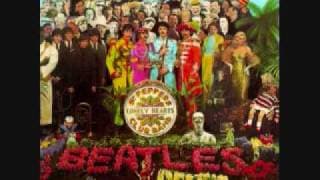
A Day in the Life
1967 · From Sgt. Pepper's Lonely Hearts Club Band
Two unfinished songs bolted together, an orchestra climbing to nothing, and the last piano chord in pop.
★ 9.9
 skopia
Two unfinished songs bolted together, an orchestra climbing to nothing, and the last piano chord in pop.
Keith dreamt the fuzz riff, taped it half-asleep, and woke up holding the sound of teenage frustration.
Two takes in different keys and tempos spliced into one, a Mellotron haze over Lennon's Liverpool childhood.
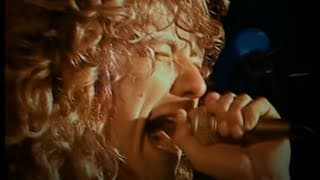
Page's riff, Plant's howl, and a theremin freakout in the middle that still sounds like the roof coming off.
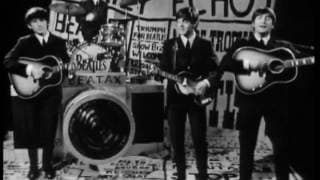
Handclaps, that leaping chord under "I can't hide," and five weeks later America belonged to them.
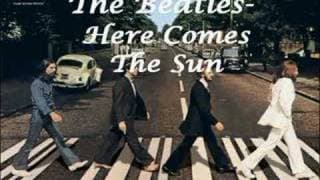
Harrison wrote it in Clapton's garden while skipping a business meeting, and it sounds exactly like that relief.
Seven minutes, four of them just na-na-na, and somehow nobody has ever wanted it to end sooner.
McCartney dreamt the melody, called it "Scrambled Eggs" for weeks, then let a string quartet make it immortal.
Merry Clayton's voice cracking on "murder" is the sound of the sixties ending, mid-take, in one syllable.
Eight minutes that climb from recorders to Page's solo, never released as a single and never needing to be.
Strummer borrowing the BBC's wartime call sign to announce the end of the world, and sounding thrilled about it.
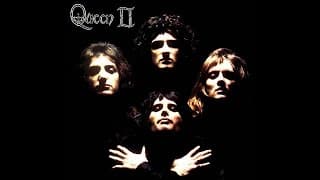
Six minutes with no chorus and so many vocal overdubs the tape wore transparent. Still nothing else like it.
Recorded beside the Berlin Wall, Fripp's feedback howling while Bowie sings himself hoarse over a single defiant day.
Lennon's first draft listed bus stops in Liverpool; Martin's piano solo, taped at half speed, sounds baroque.
That opening arpeggio is a Lowrey organ's marimba repeat function; Dave Arbus's violin sends the ending careening.
No Beatle plays an instrument on it; George Martin's string octet does everything, sawing away at two solitary lives.
McCartney dreamed of his mother Mary telling him it would be all right; Harrison cut two different solos.
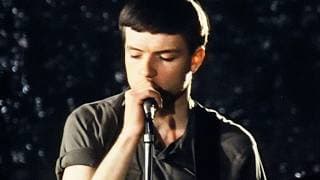
The title flips Captain and Tennille into its opposite, and the single arrived a month after Curtis's death.
Faithfull handed Jagger Bulgakov, Richards turned the folk sketch into samba and played both bass and the solo.
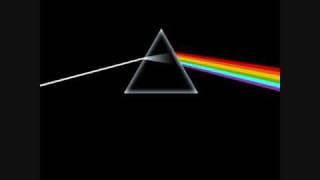
A tranquilizer shot before a 1977 Philadelphia show gave Waters the lyric; Gilmour brought the chords and the solo.