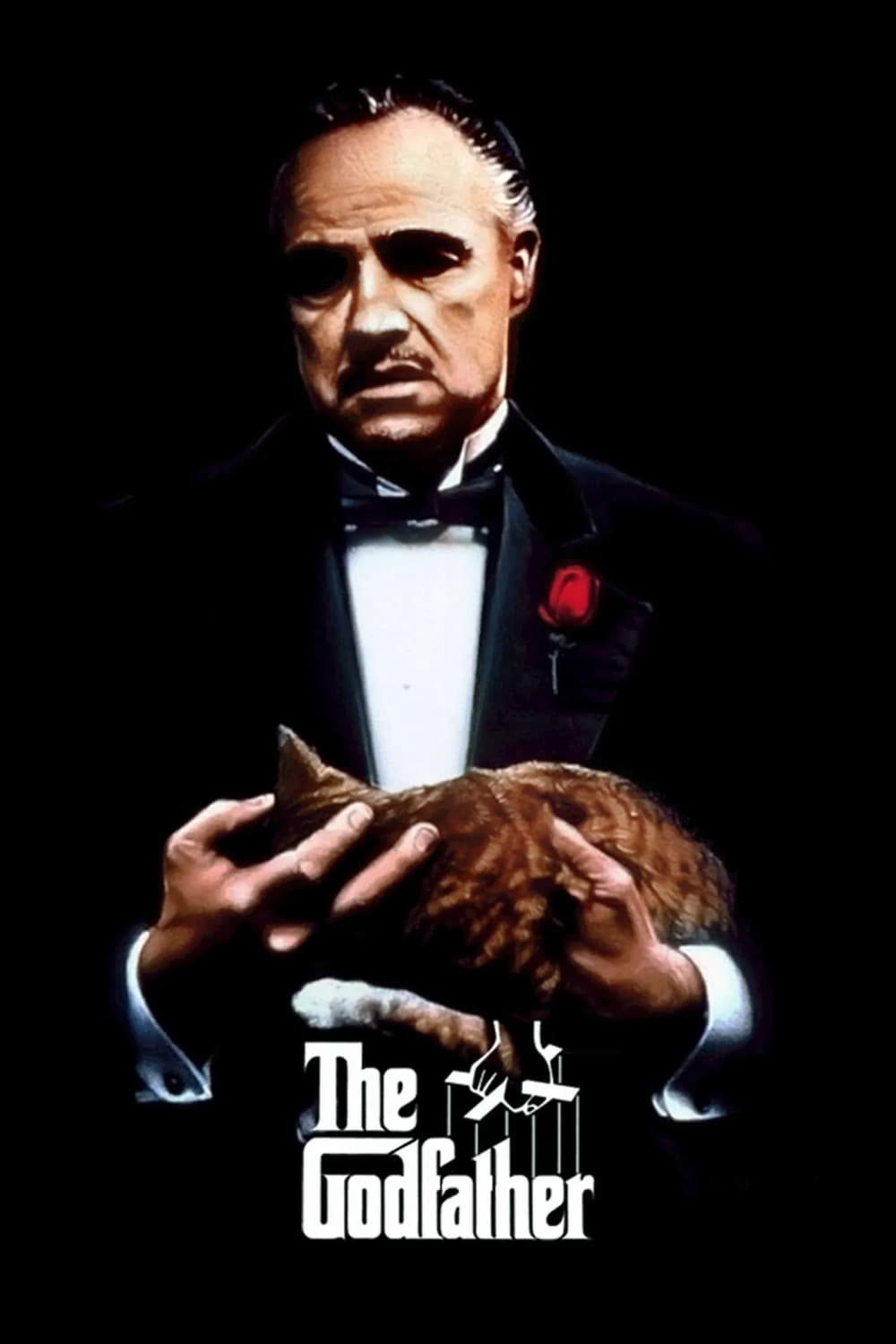
The Godfather
Directed by Francis Ford Coppola
1972
The summit of the American crime film: Coppola turned an immigrant family's rise and rot into the country's own epic, and made damnation look like a coronation.
★ 10.0
 skopia
The summit of the American crime film: Coppola turned an immigrant family's rise and rot into the country's own epic, and made damnation look like a coronation.
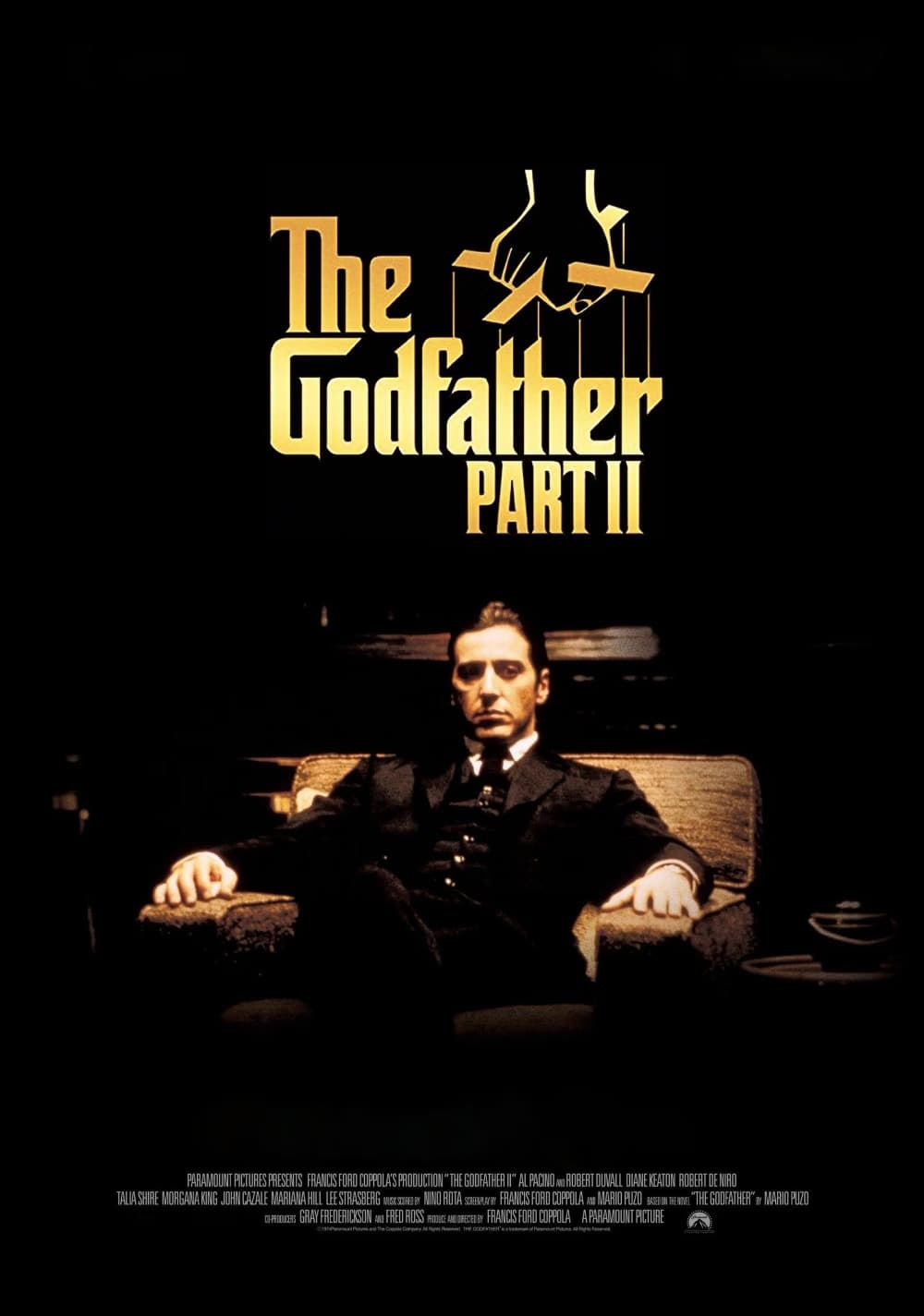
Coppola did what almost nobody manages, and made a sequel with a real claim to surpassing the original: two eras of one family run side by side, and the colder one wins.
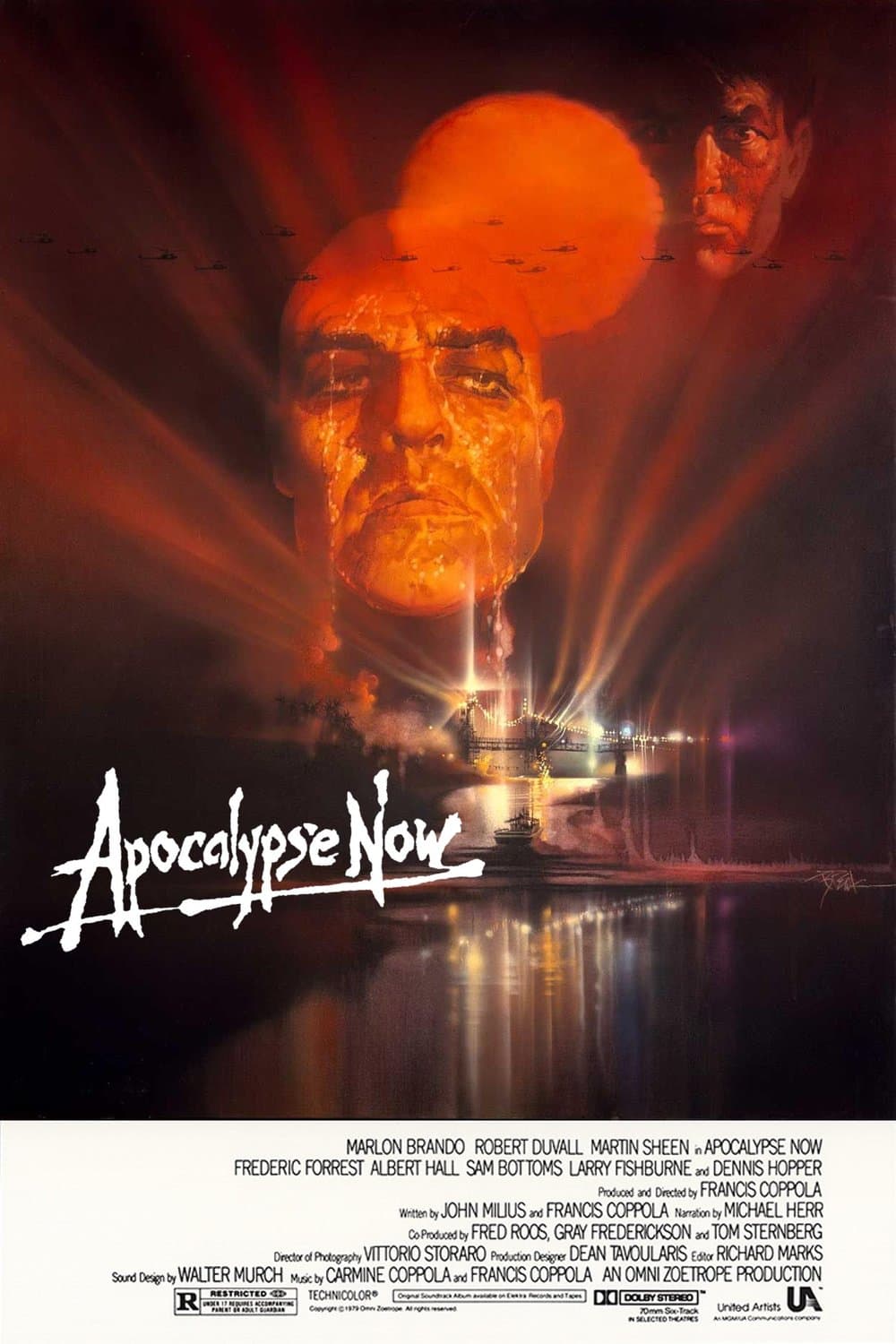
No production has ever gone further off the rails or shown it more clearly: Coppola's Vietnam abandons the war film for pure hallucination, and the helicopters over the trees are permanent.
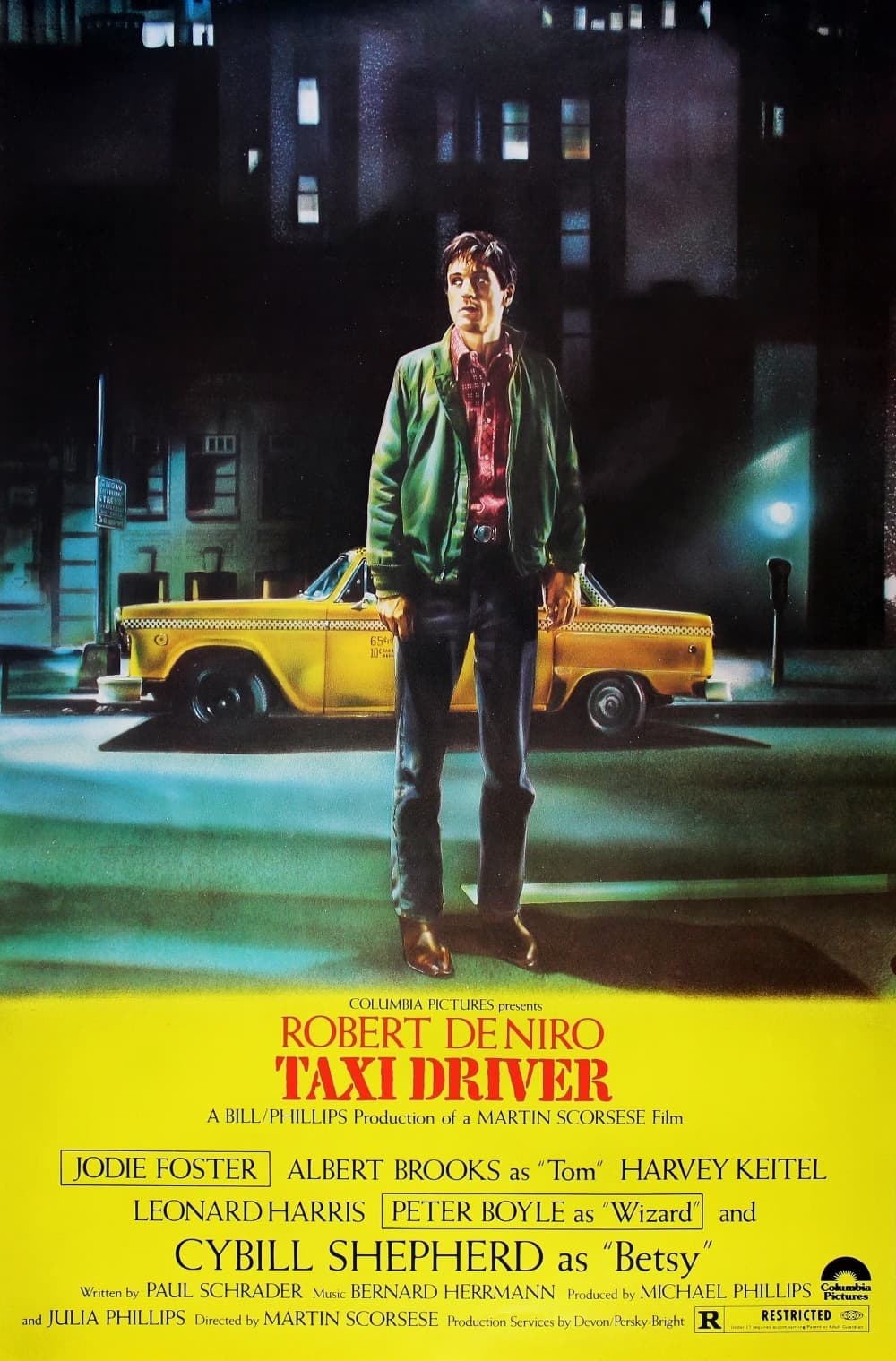
Travis Bickle escaped the picture and entered the language: Scorsese and De Niro made a lonely man's interior so exact that it stopped being about one man at all.

Modern Hollywood begins here: Lucas told the oldest story there is inside a universe that looked used and lived in, and the blockbuster has run the business ever since.
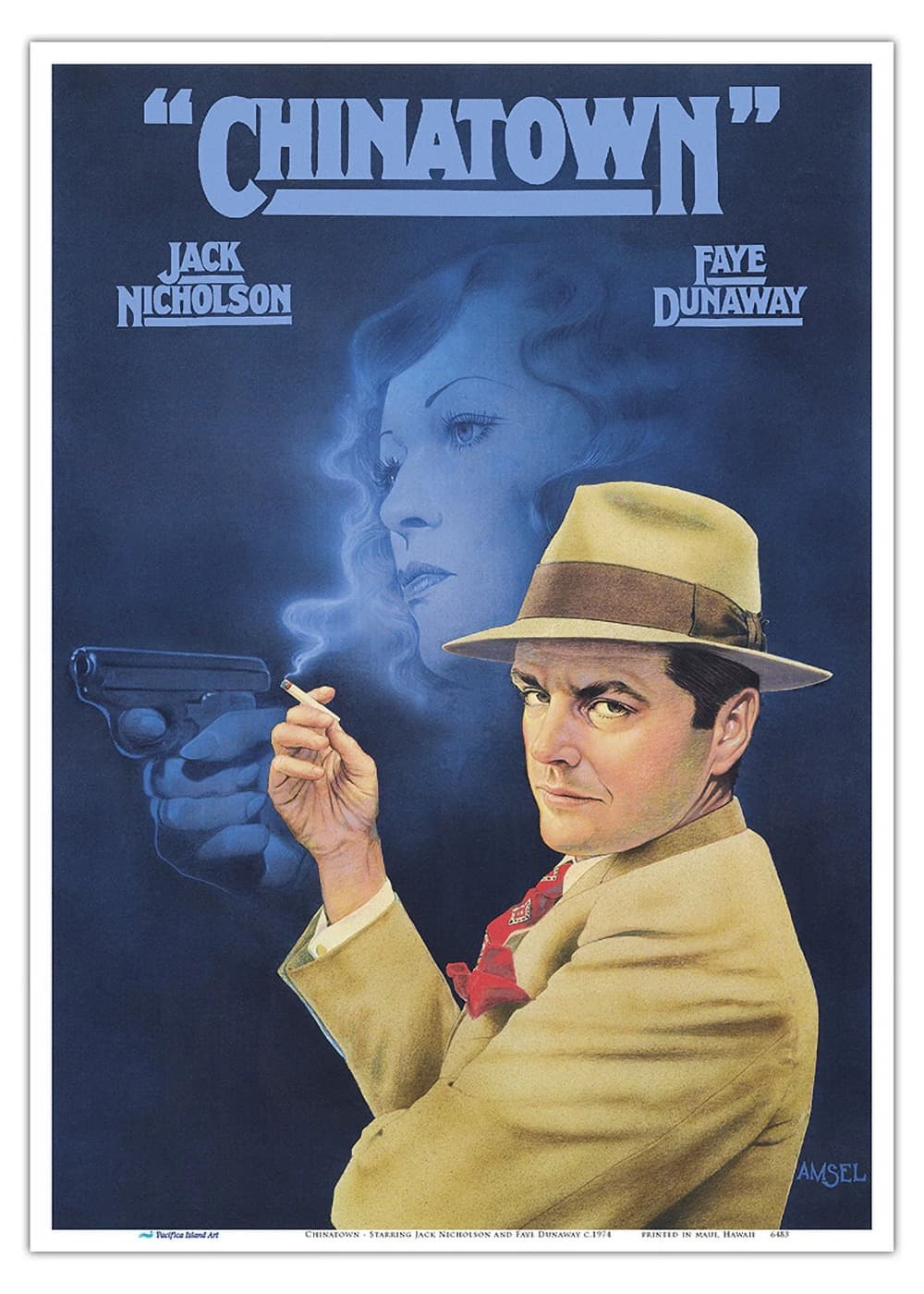
Screenwriters still take this one apart scene by scene to see how it works: Towne and Polanski built a mystery about stolen water that ends without a shred of mercy.
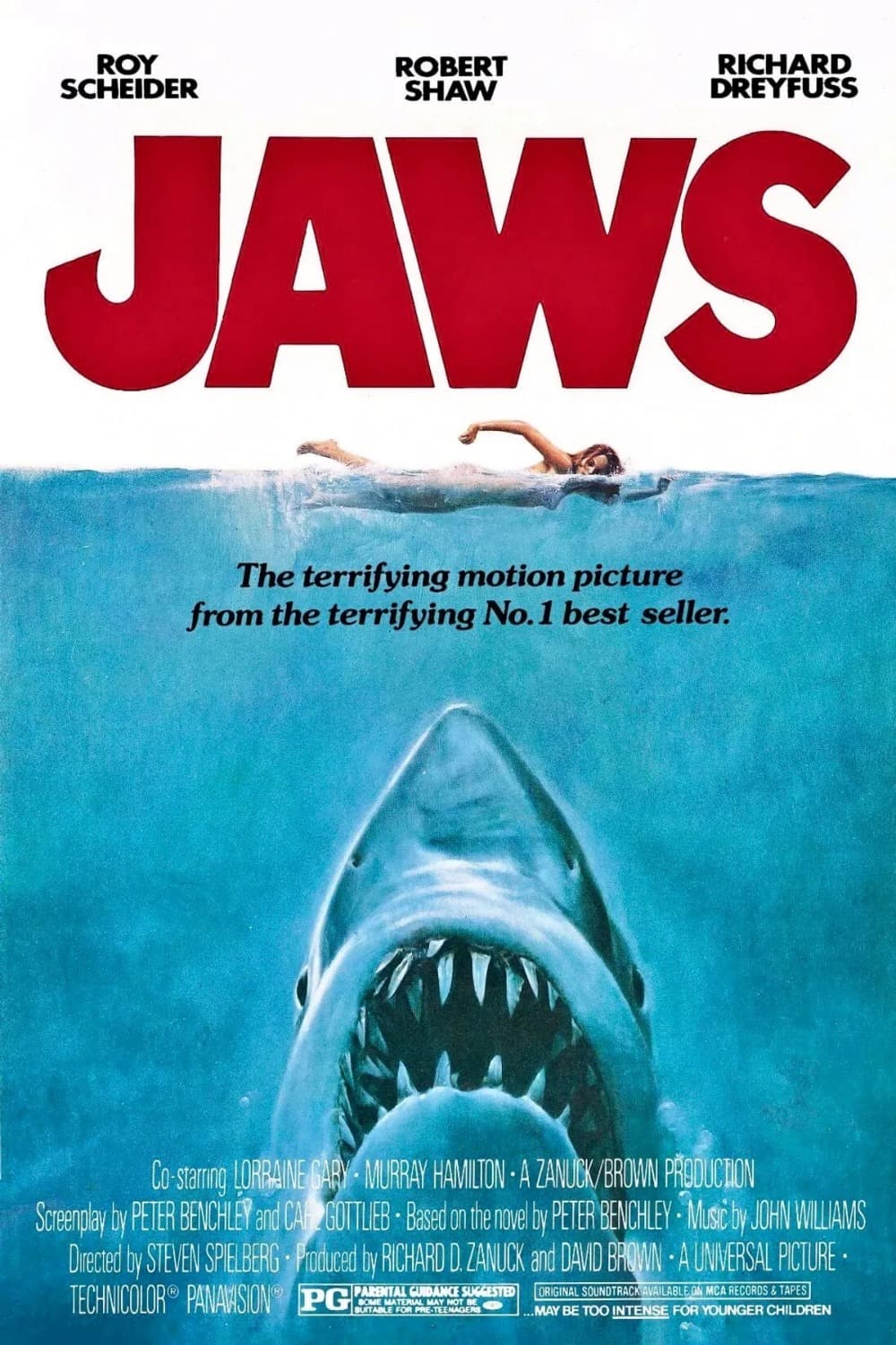
Summer blockbusters start here: the mechanical shark kept breaking, so Spielberg hid it, and accidentally proved that what you cannot see is worse than what you can.
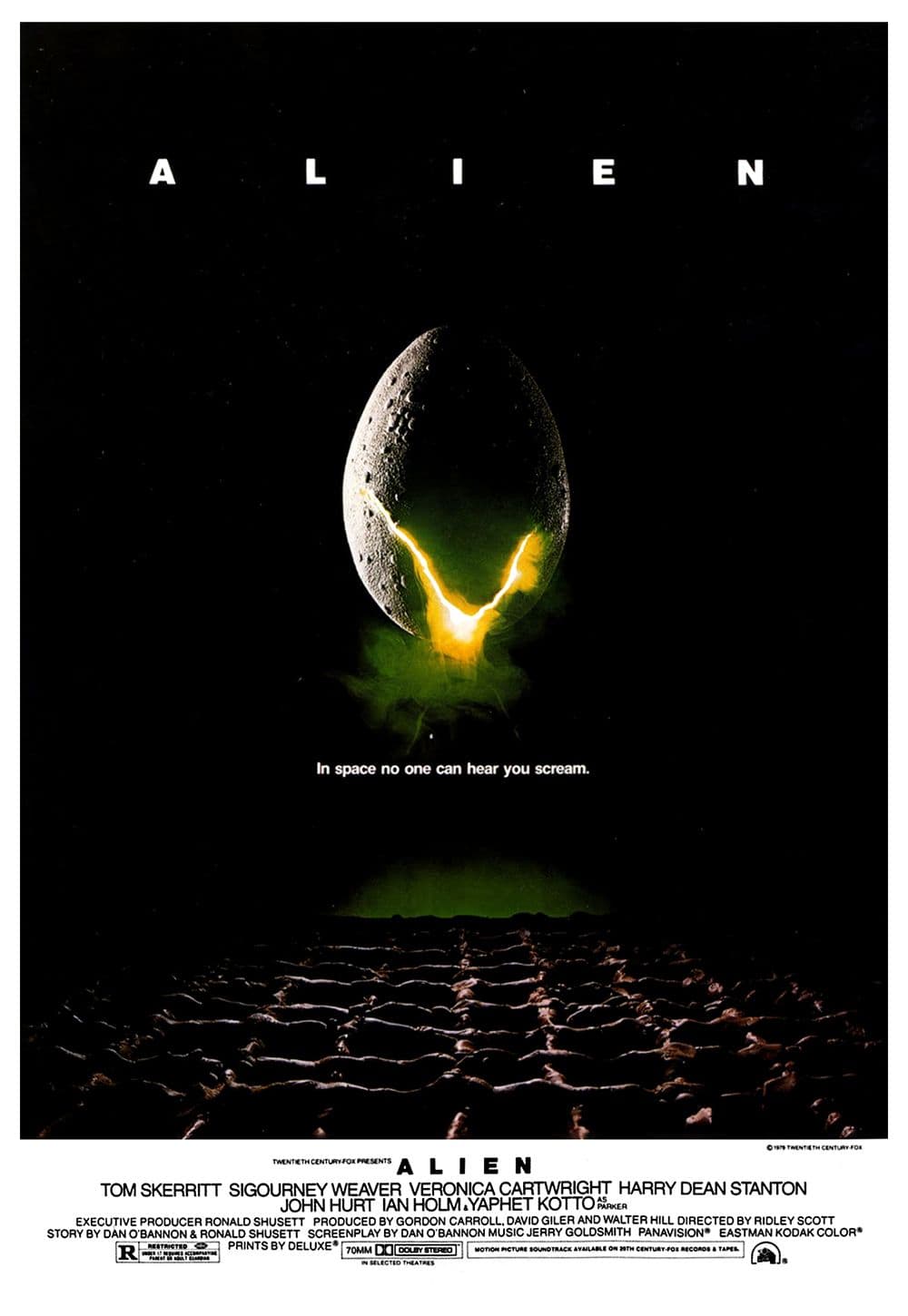
Giger's creature is still the most frightening thing anyone has designed for a screen: Scott fused haunted house and space opera, and put a woman at the center of both.

Nicholson against Nurse Ratched is the great screen battle of wills: a convict fakes insanity to serve his time in a hospital, and finds the ward already has a ruler.
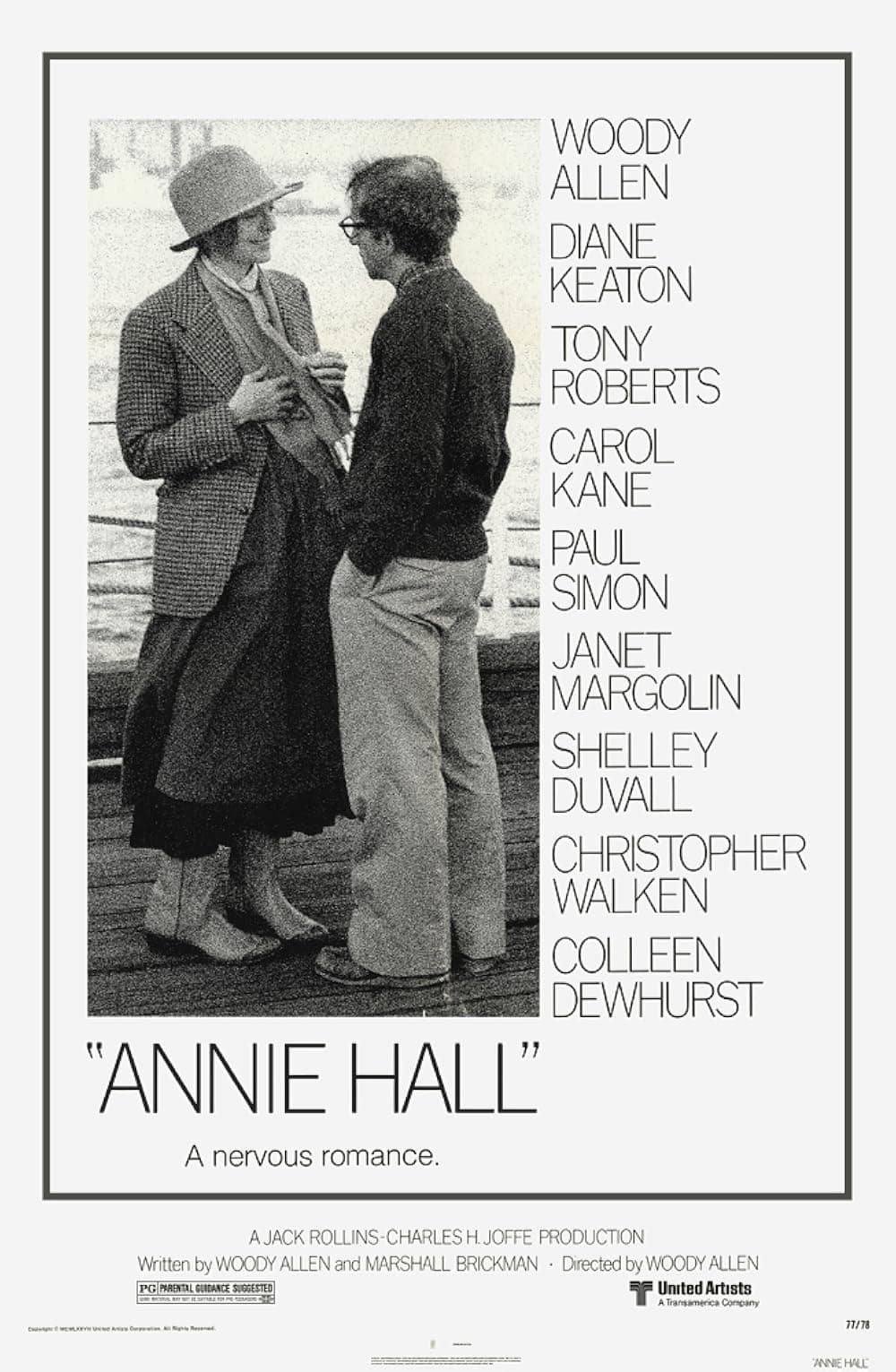
The romantic comedy has never recovered from it: Allen talks to the camera, walks into his own memories, drops subtitles over small talk, and breaks every rule the form had.
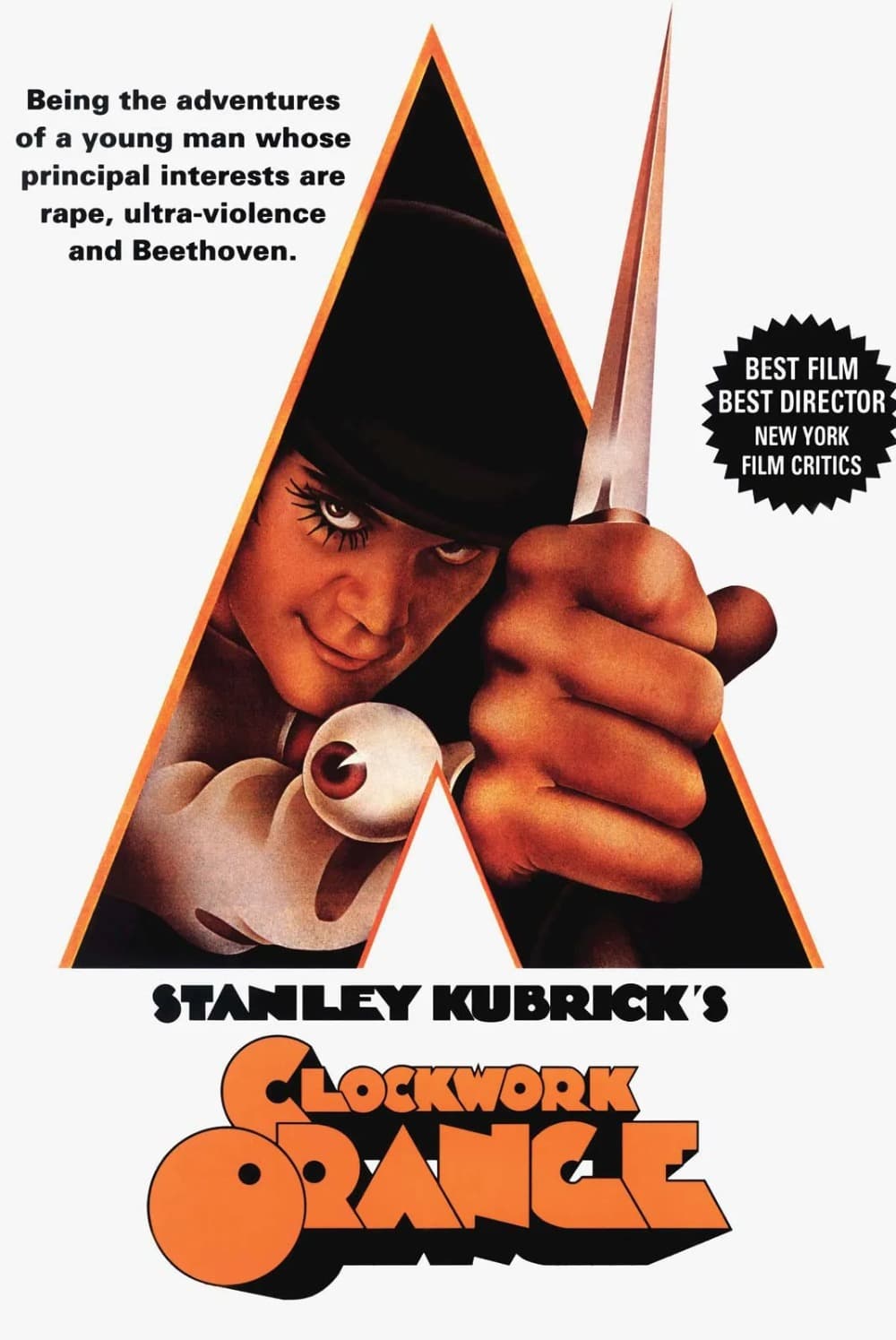
Kubrick pulled it from British cinemas himself after the reaction, and it stayed unavailable there for twenty-seven years: a state that enforces goodness, an invented slang, imagery nobody forgets.
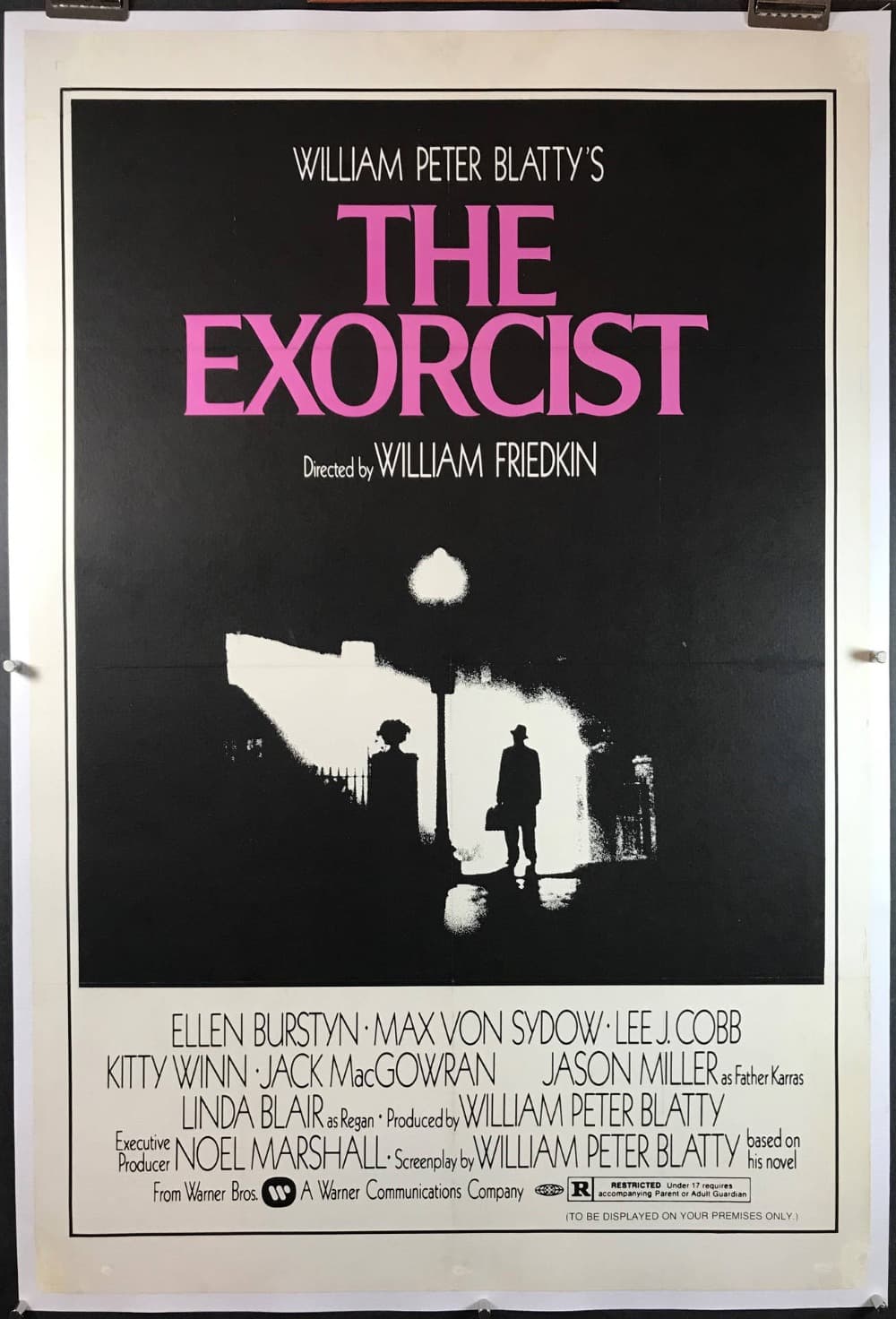
Still the one people watch with the lights on fifty years later: Friedkin shot a possession story like a documentary, and the restraint is what makes it unbearable.
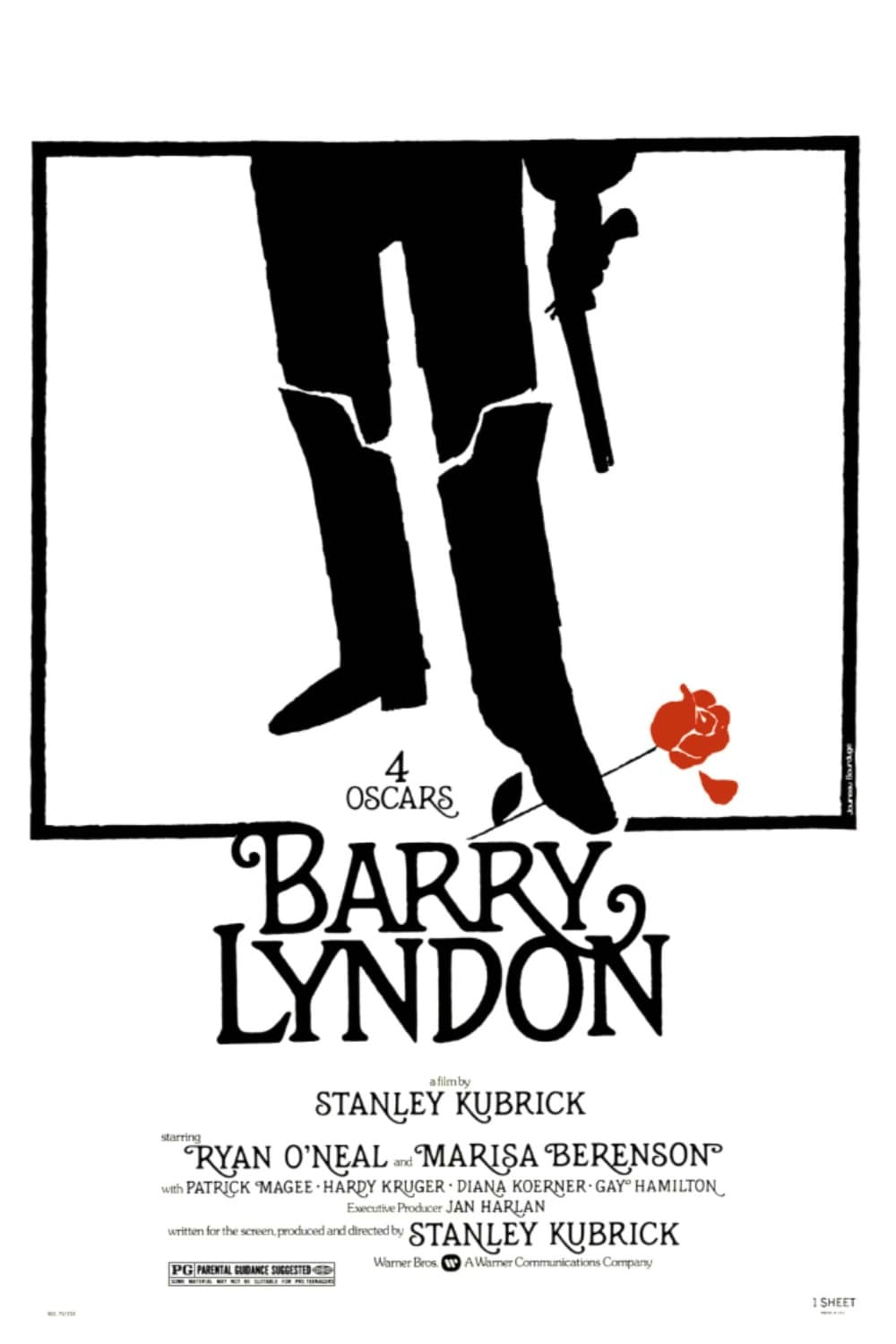
Cinematographers still study every frame: Kubrick lit interiors by candlelight alone using lenses built for NASA, and the result looks like walking through a gallery of paintings.
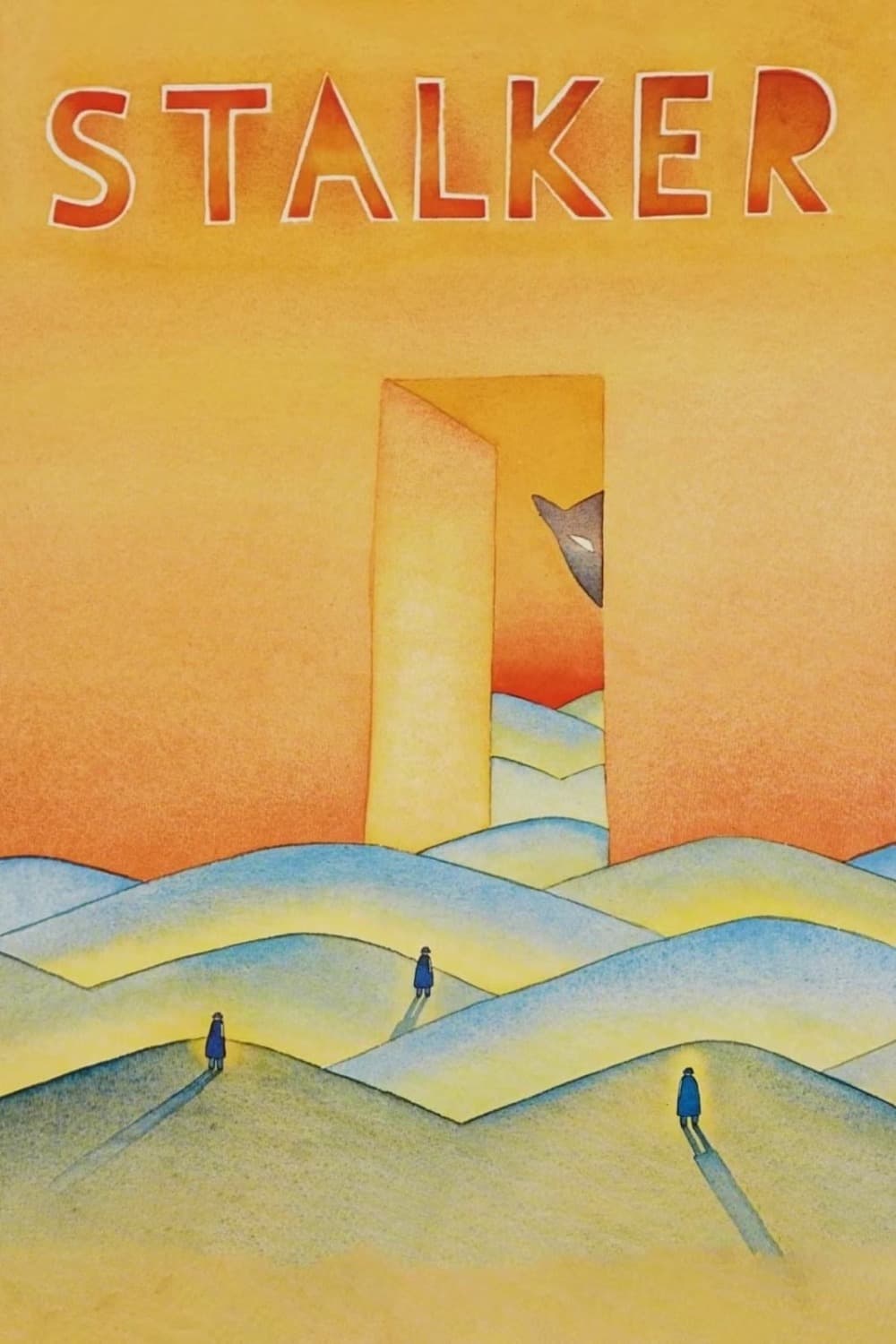
Nothing else in cinema moves this slowly and holds this completely: Tarkovsky walks three men into a forbidden zone for nearly three hours, and almost nothing happens.
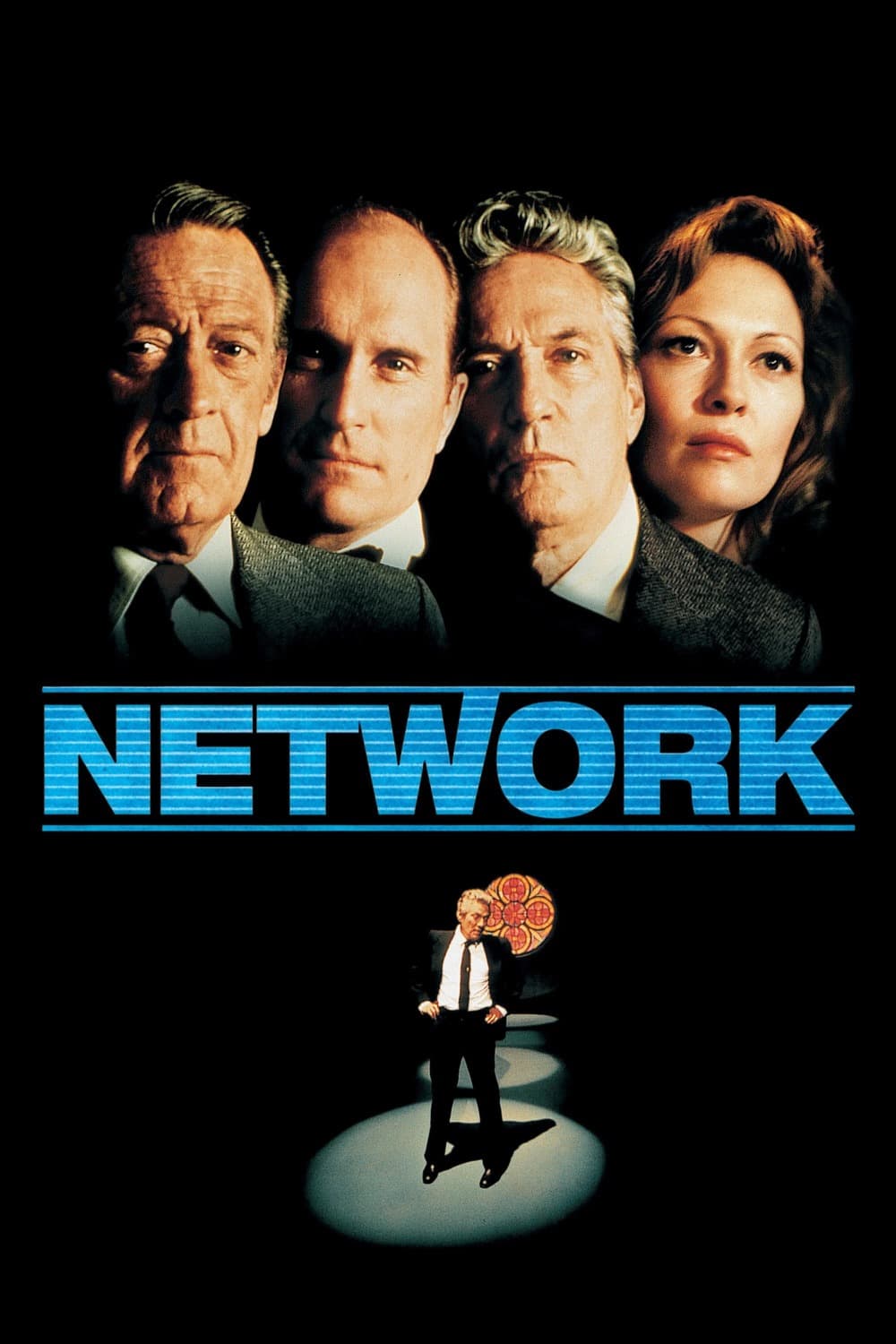
Written as satire in 1976 and now indistinguishable from television: Chayefsky imagined a network that would put a man's breakdown on air for ratings, and got everything right.
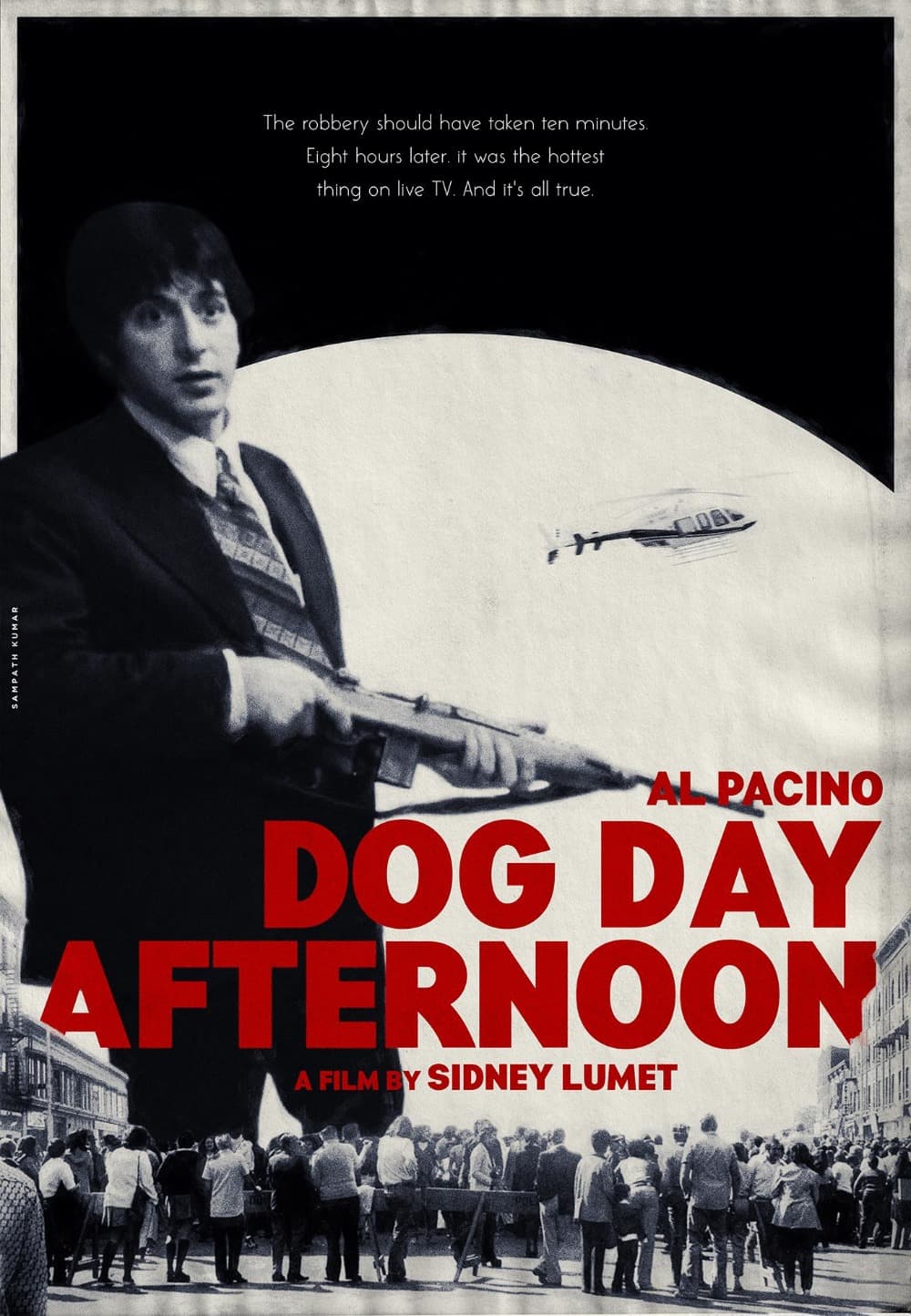
Pacino turned a real 1972 Brooklyn robbery into the most electric performance of the seventies: a bank job collapses in ten minutes and becomes a street carnival.

Spielberg made the rare first-contact film that treats the aliens as something to hope for: an ordinary man starts building a mountain in his living room and cannot say why.
Cimino spends a whole first act on a steel town and a wedding, so that when the war arrives it lands on people you already know by name.

No comedy has been quoted more relentlessly for fifty years: the Pythons could not afford horses, banged coconuts instead, and turned the budget problem into the joke.
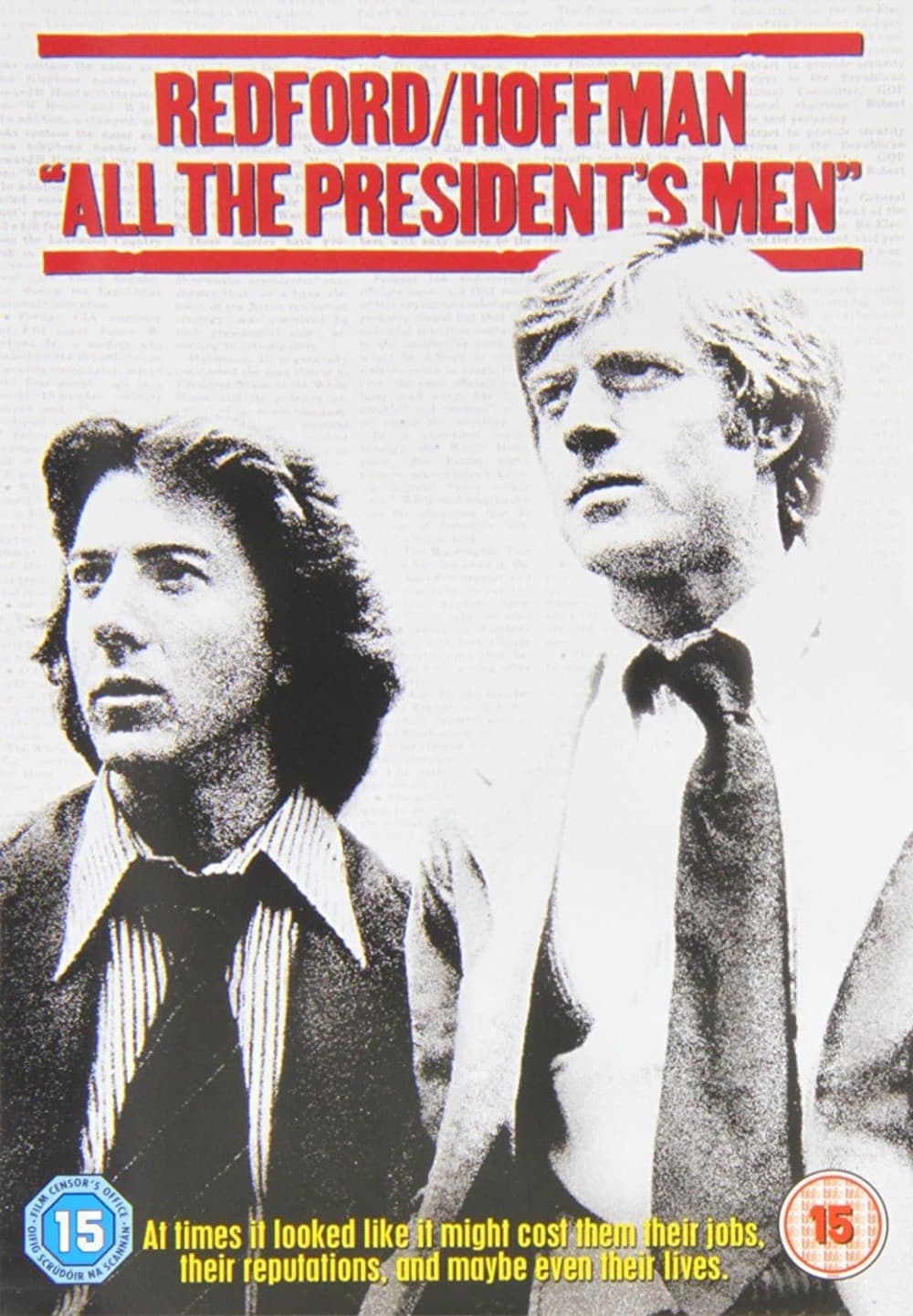
Every journalism film gets held up against this one: two reporters chase Watergate through phone calls and parking garages, and verifying a single fact becomes unbearably tense.
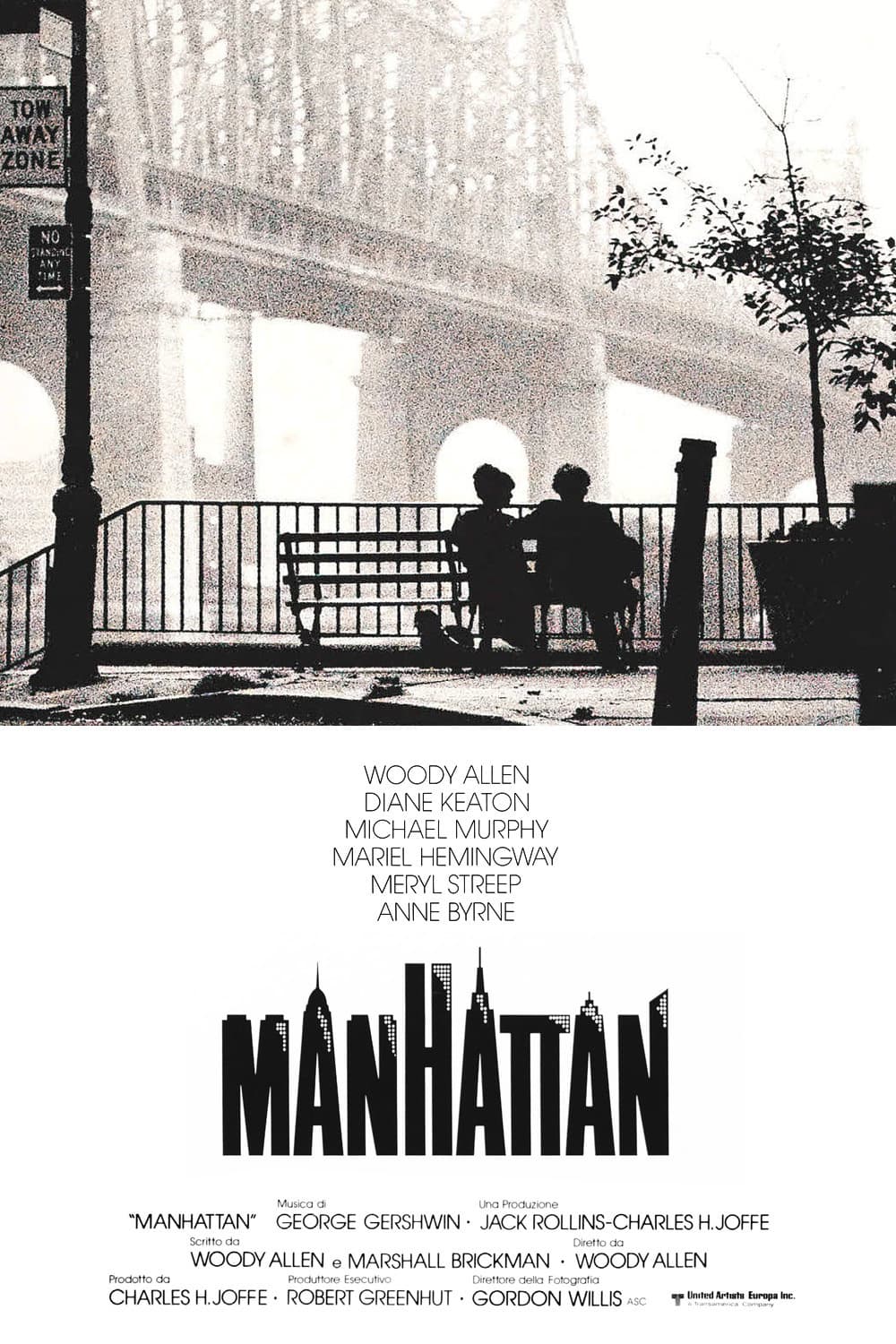
It opens with the best love letter any city has received: Gershwin over black and white Manhattan, and then two hours of people ruining their lives beautifully.
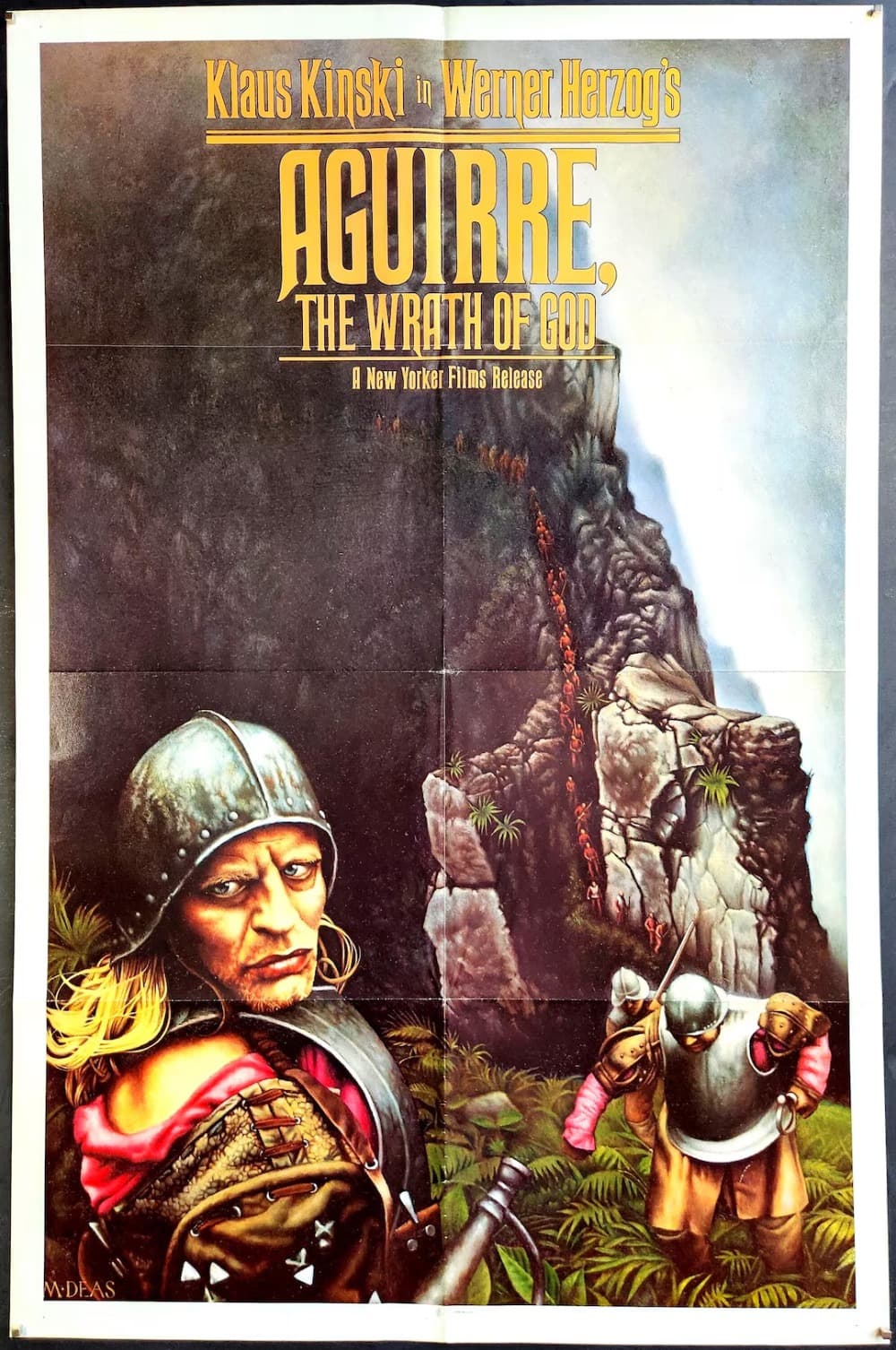
Herzog shot it for almost nothing on a real Amazon river with a lead actor he fought with constantly: Kinski's stare and a shrinking raft do everything.
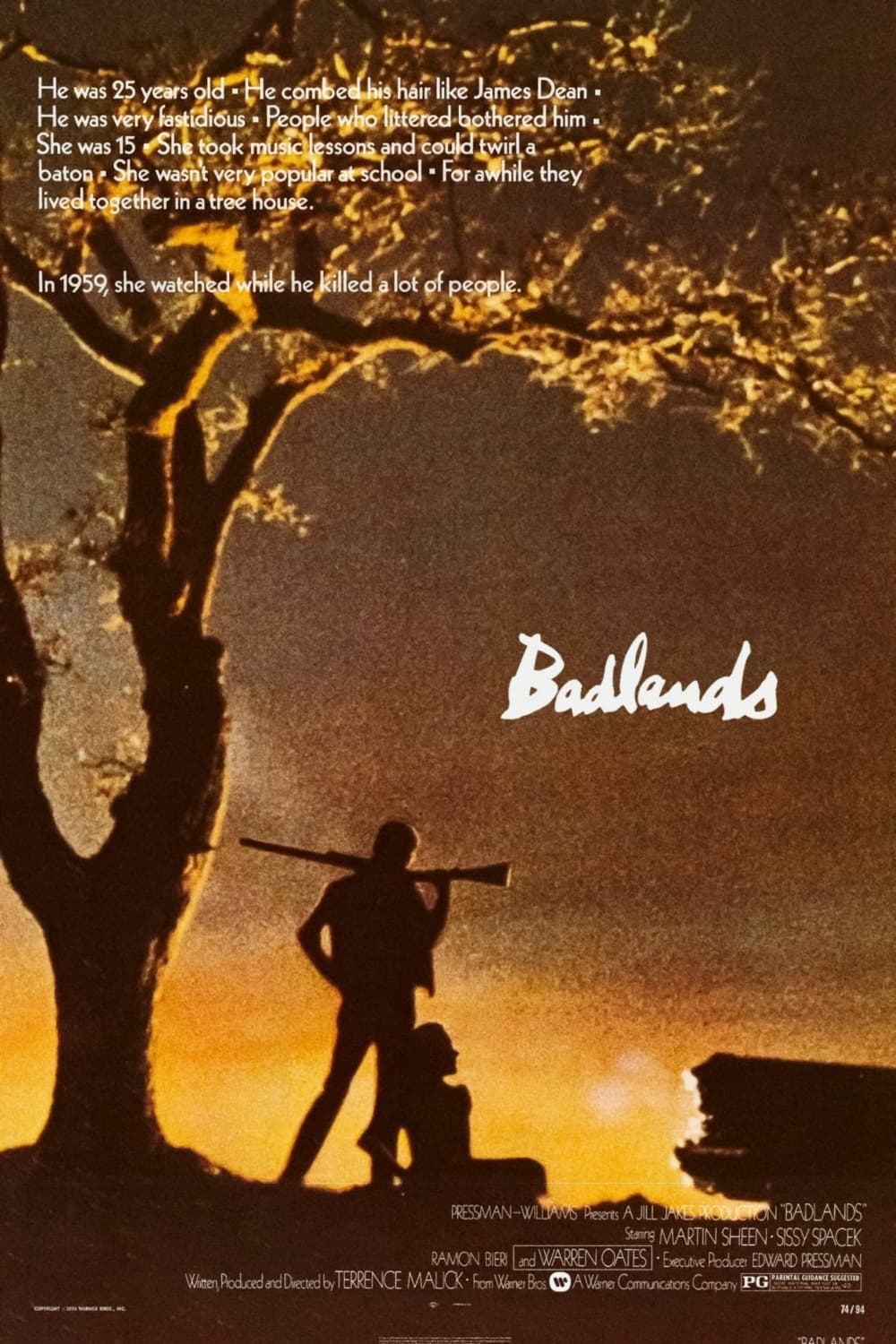
Malick's first film, and the model for every young couple on a killing spree since: the girl narrates it in the flat voice of a magazine horoscope.
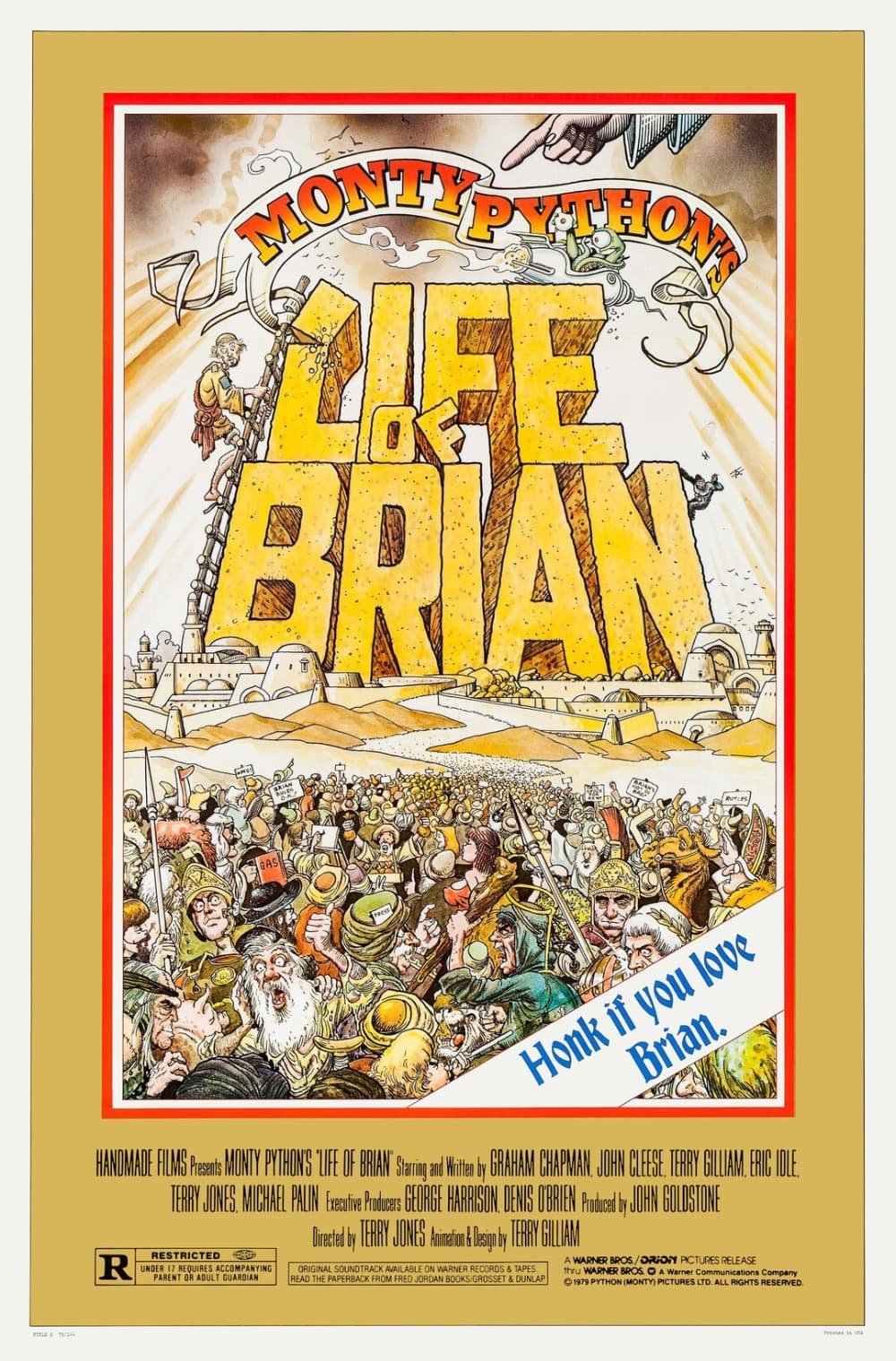
Councils across Britain banned it and Norway would not show it at all: the Pythons went after zealotry rather than faith, which is exactly why it still works.
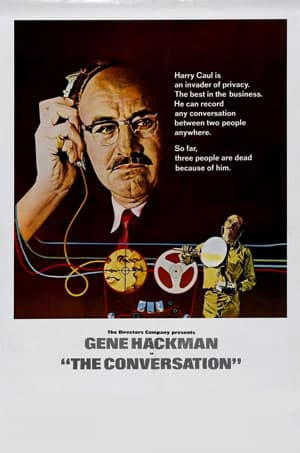
Written years before Watergate and released at its climax, it looked like prophecy: a surveillance expert starts hearing something terrible inside his own recording, and his paranoia does the rest.
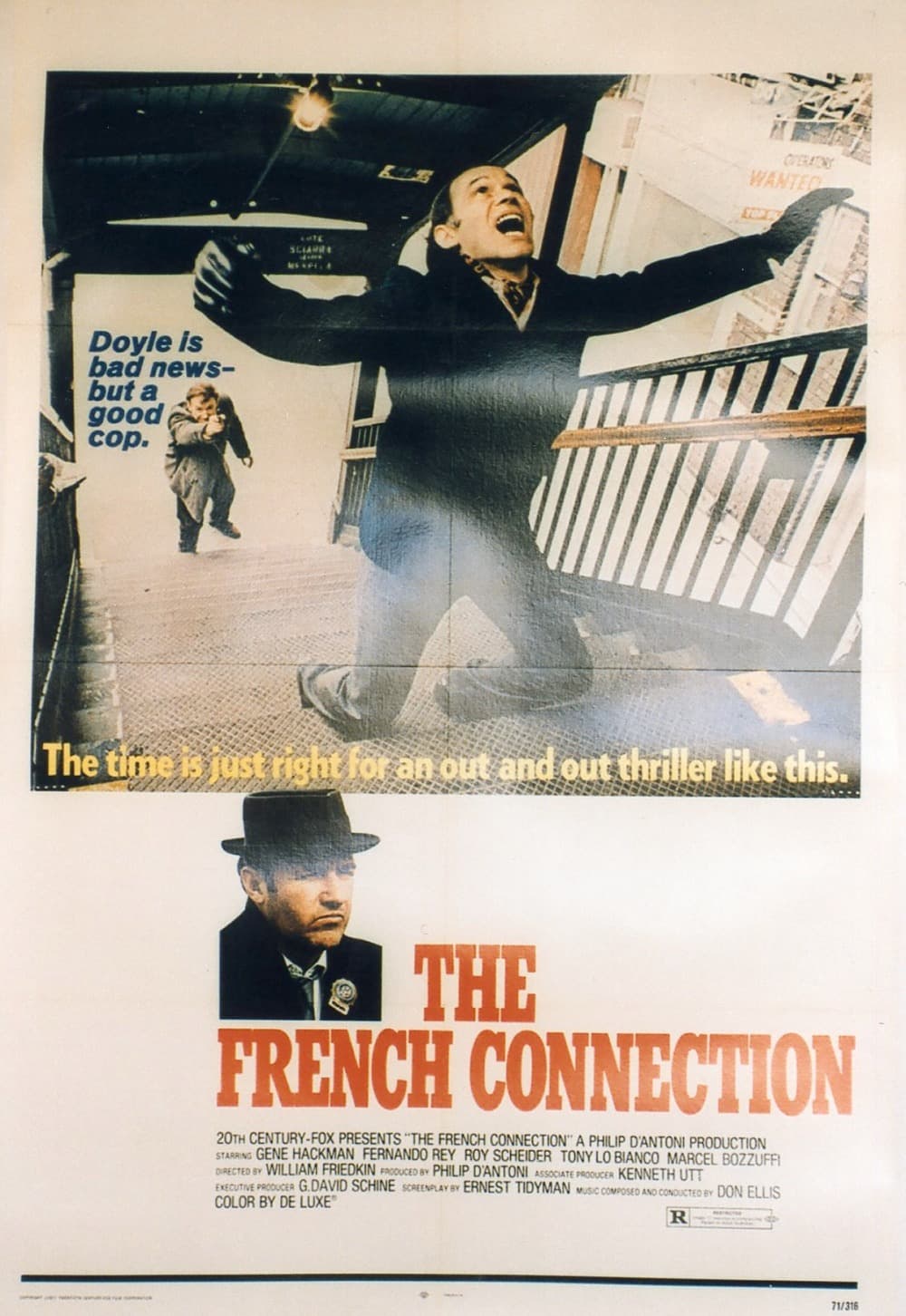
It made the car chase in Bullitt look choreographed: this one was shot without permits, at ninety miles an hour, through real Brooklyn traffic that nobody had cleared.
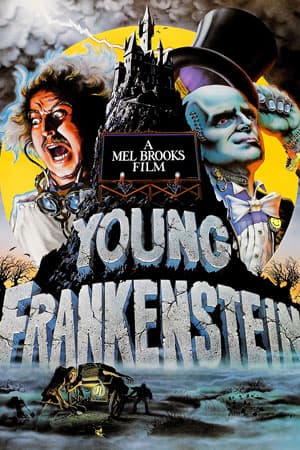
Brooks has called it his best film and he shot it using the original 1931 laboratory equipment: black and white, played completely straight, and funnier for the discipline.
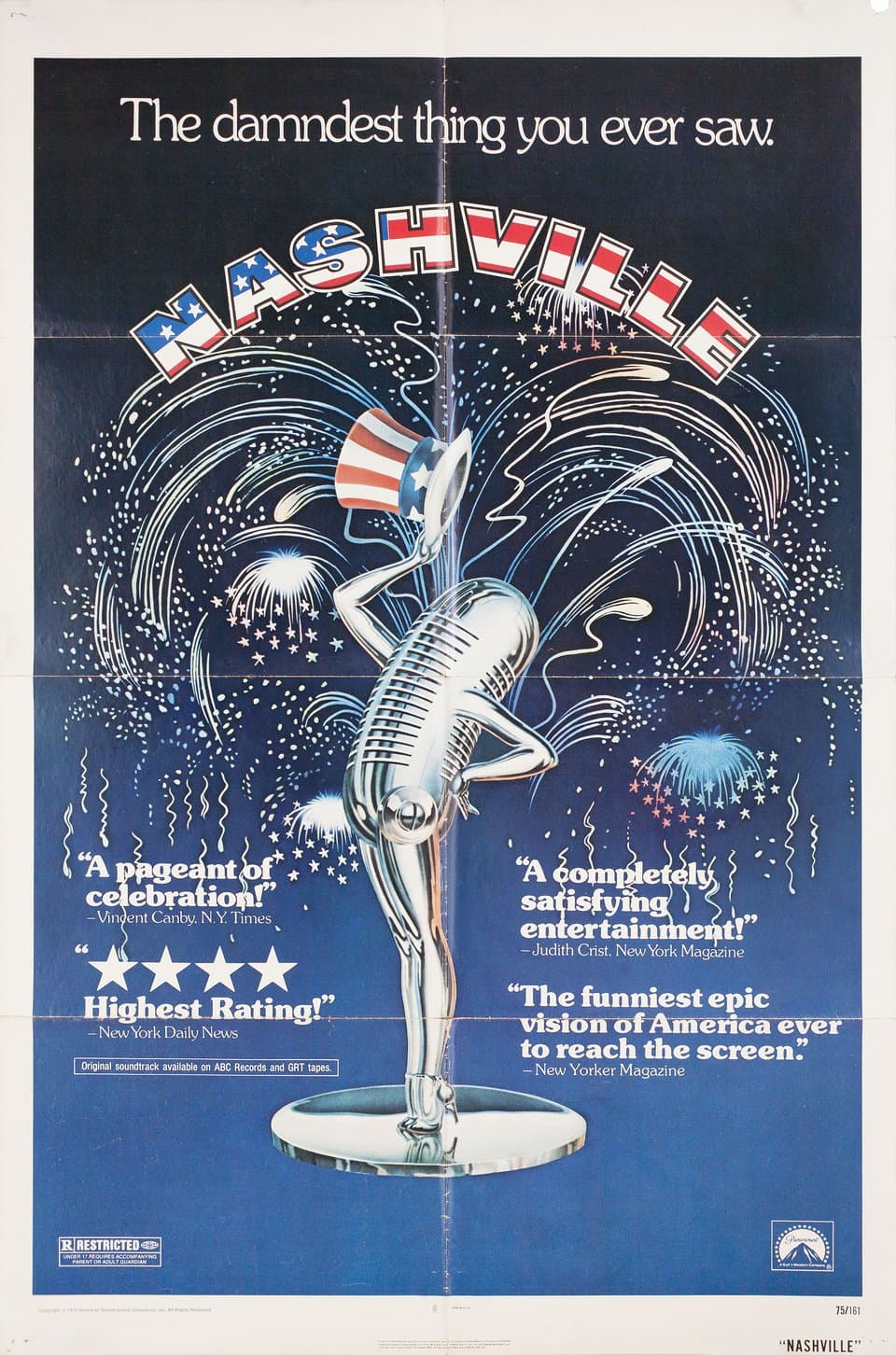
Altman's method arrives here fully formed: twenty-four characters, overlapping microphones, and five days of country music and politics that add up to a portrait of the whole country.
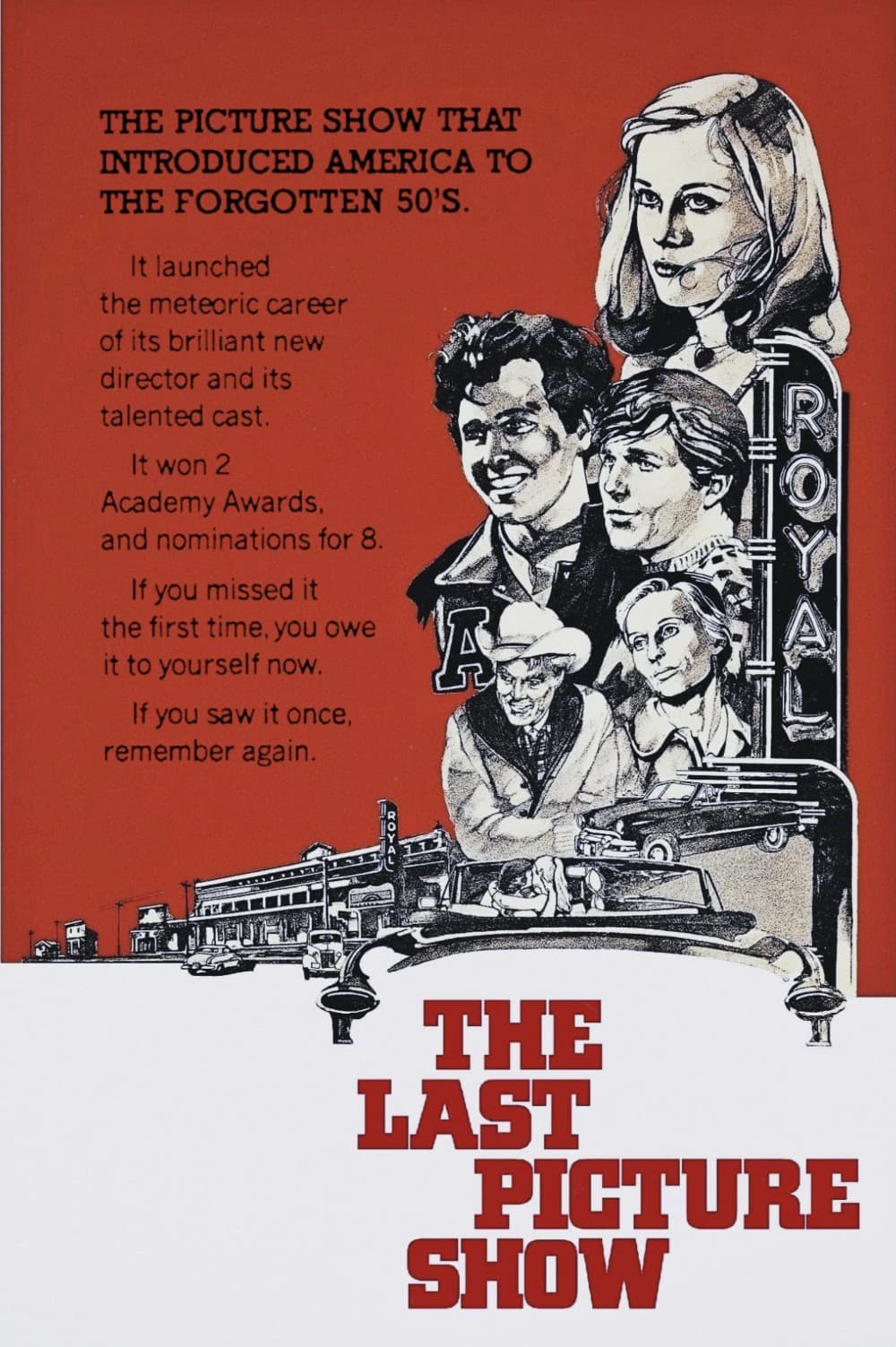
Bogdanovich insisted on monochrome in 1971, when absolutely nobody did that: a Texas town running out of reasons to exist, and the teenagers running out along with it.
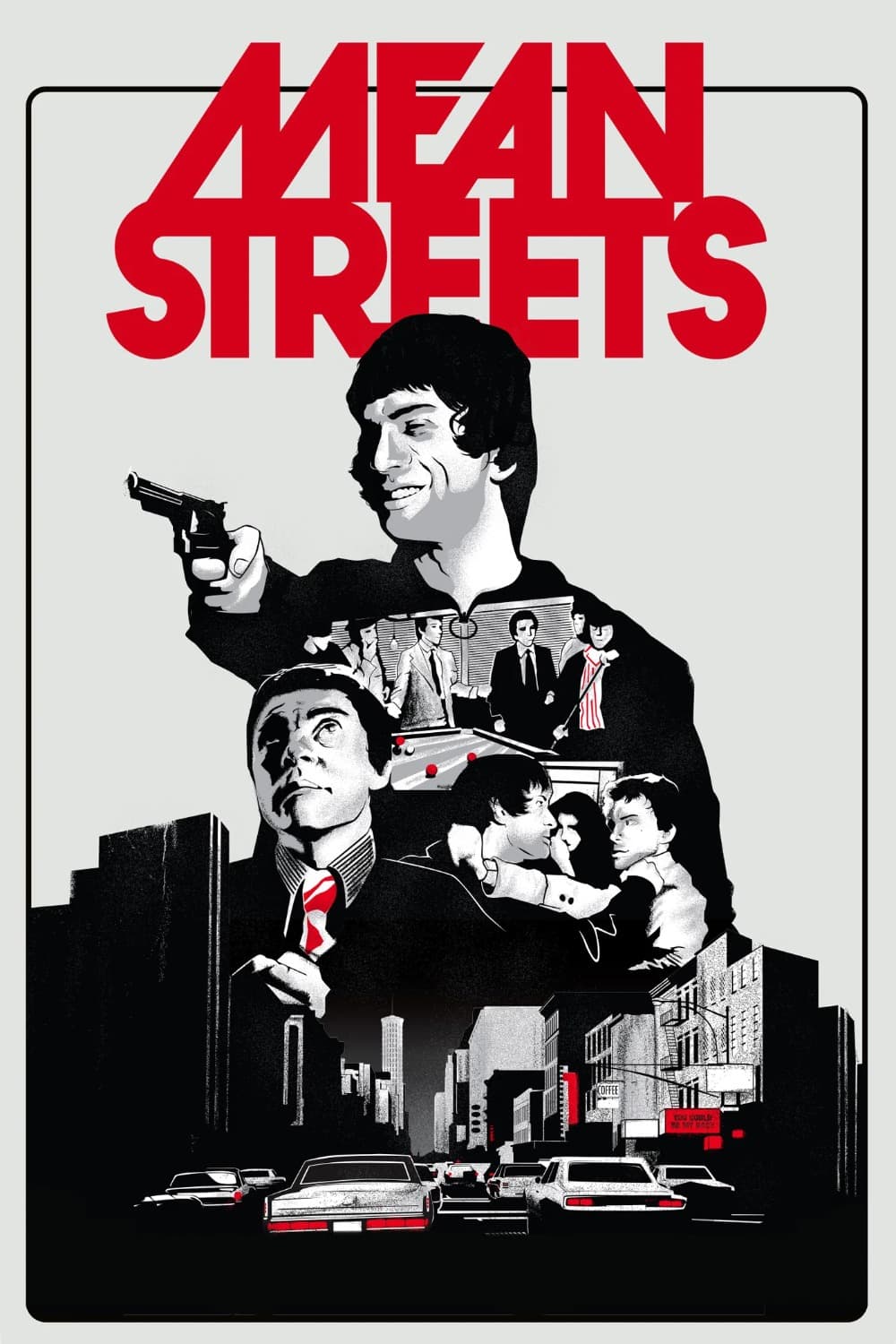
Scorsese found his whole method here at thirty: Little Italy, Catholic guilt, a handheld camera and a jukebox that never stops, most of it shot in Los Angeles.
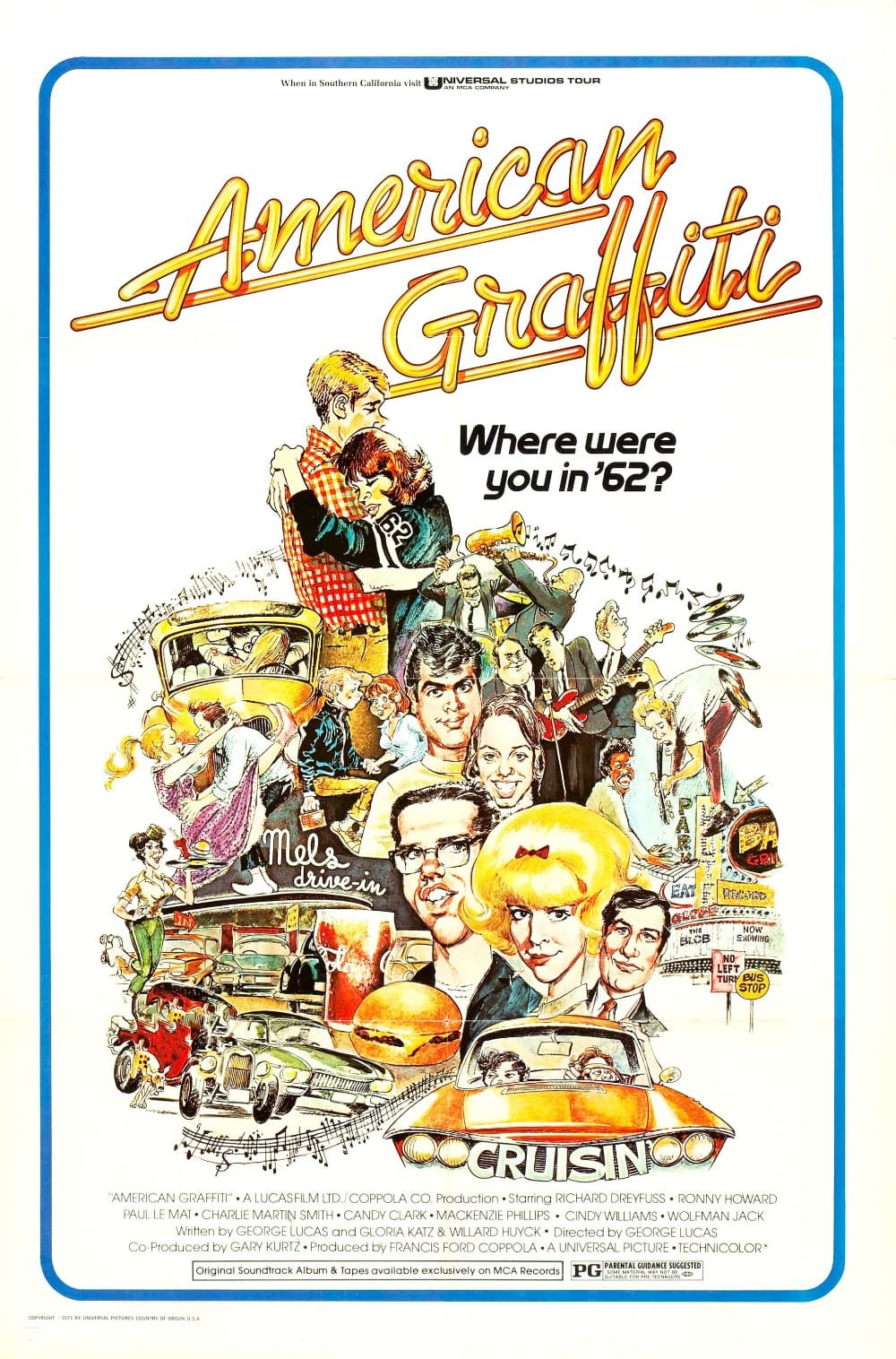
One night of cruising in 1962, with the radio playing wall to wall from start to finish: Lucas caught an America that was about to stop existing.
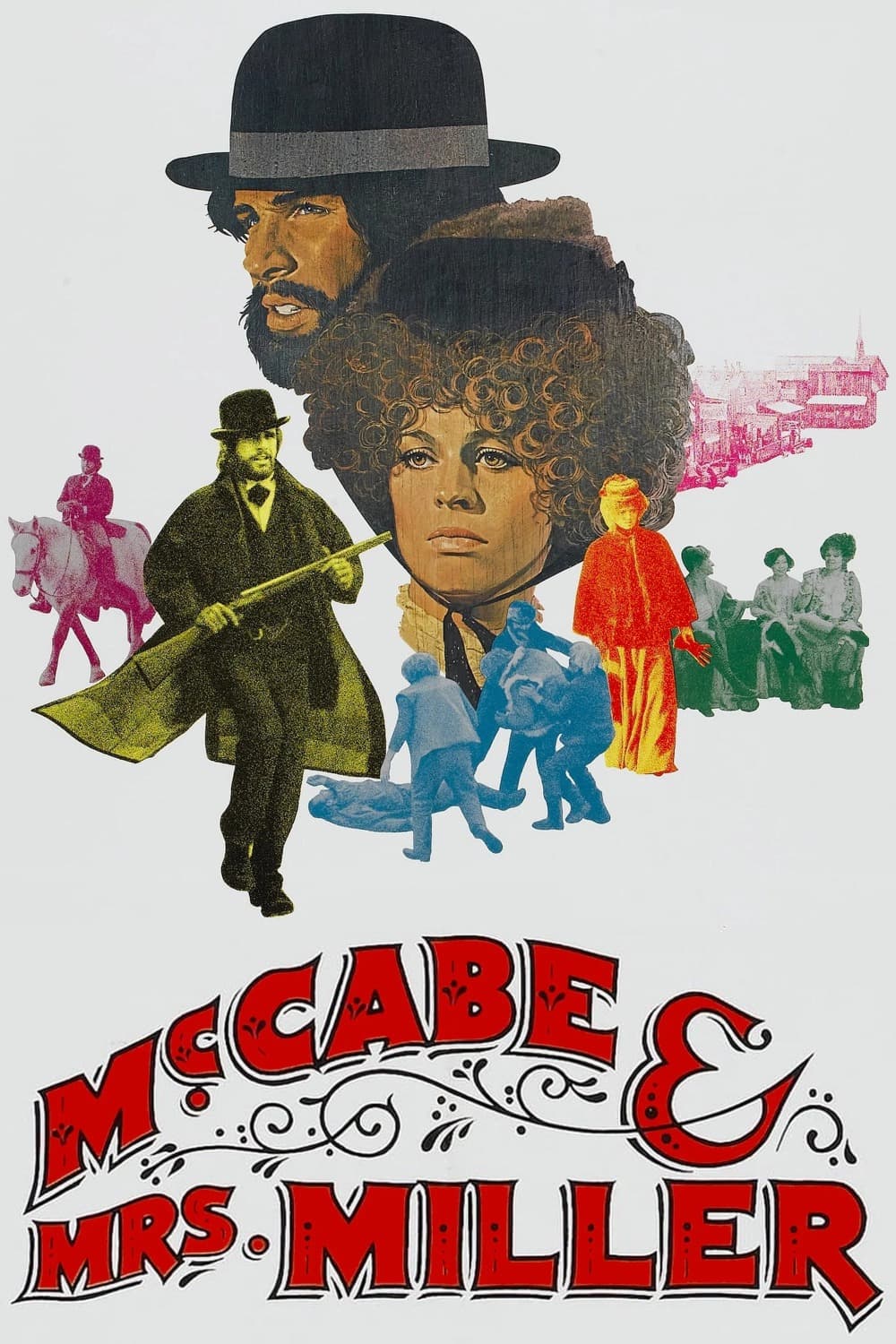
Altman made a western out of mud, snow and Leonard Cohen songs: a small-time gambler and a businesslike madam build a frontier town out of almost nothing.
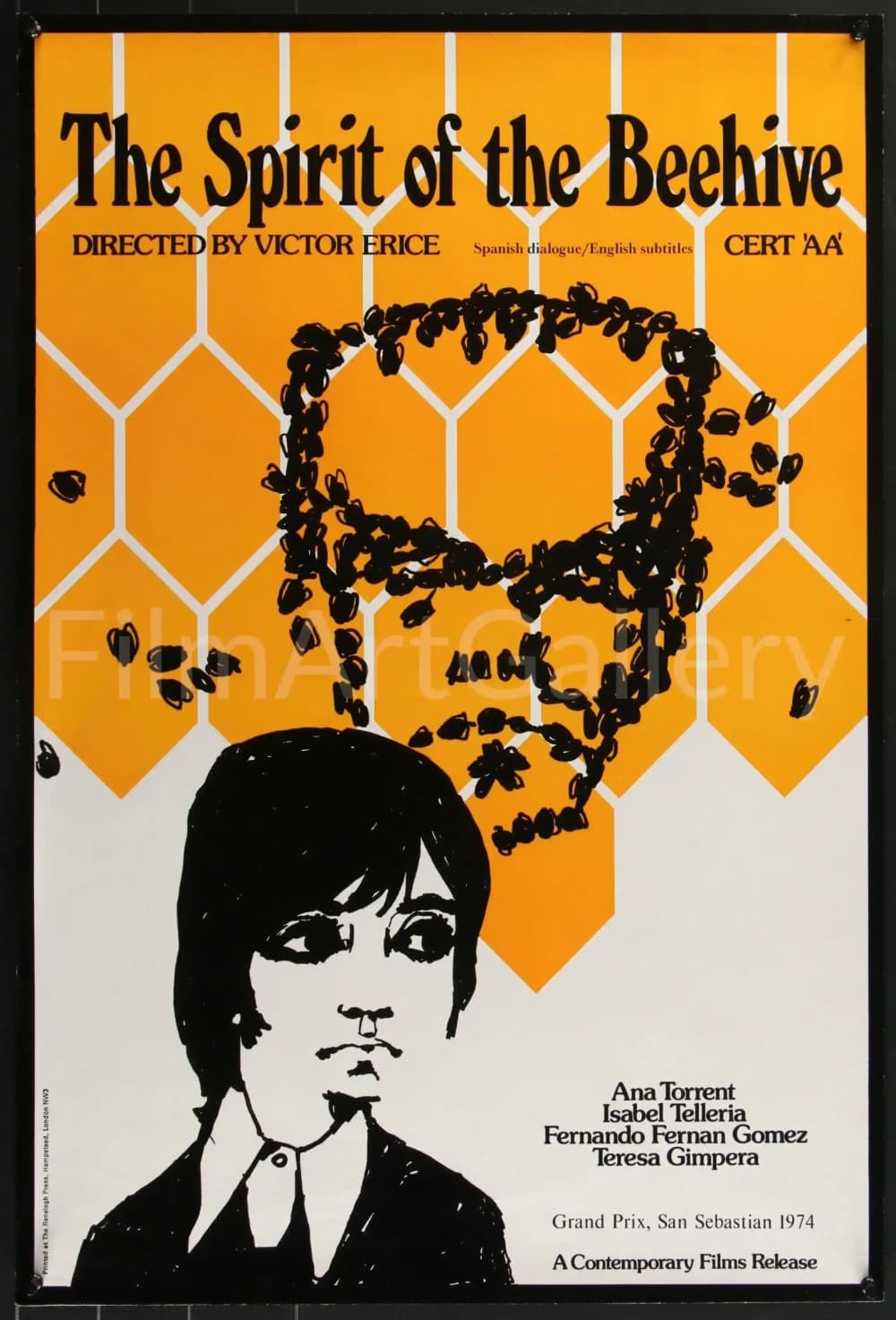
A small girl in Franco's Spain sees Frankenstein at a traveling cinema and decides the monster is real: almost nothing is said, and the silence is the point.
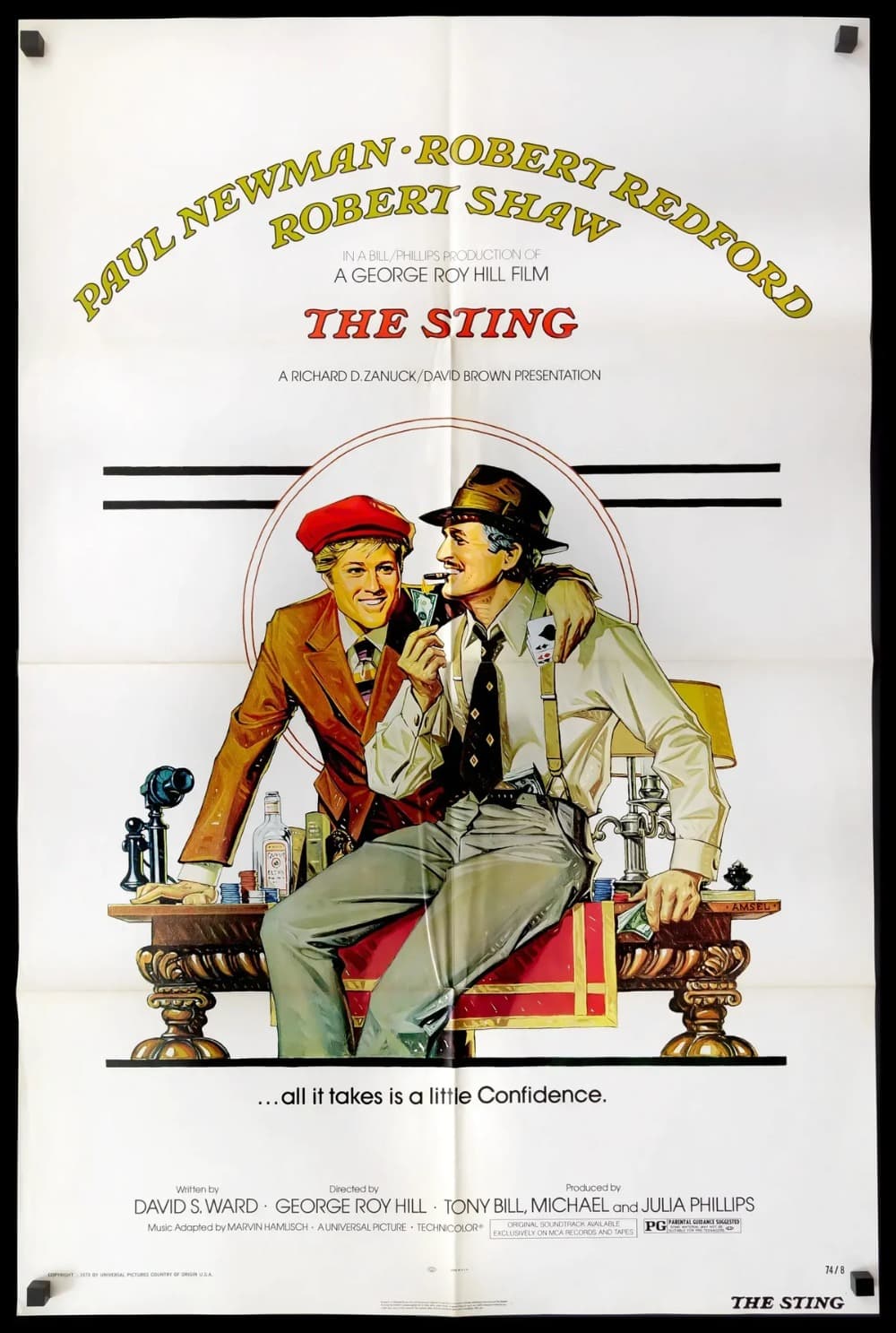
The con is played on the audience as much as on the mark, and every turn is earned: Newman and Redford again, with ragtime that put Scott Joplin back on the charts.
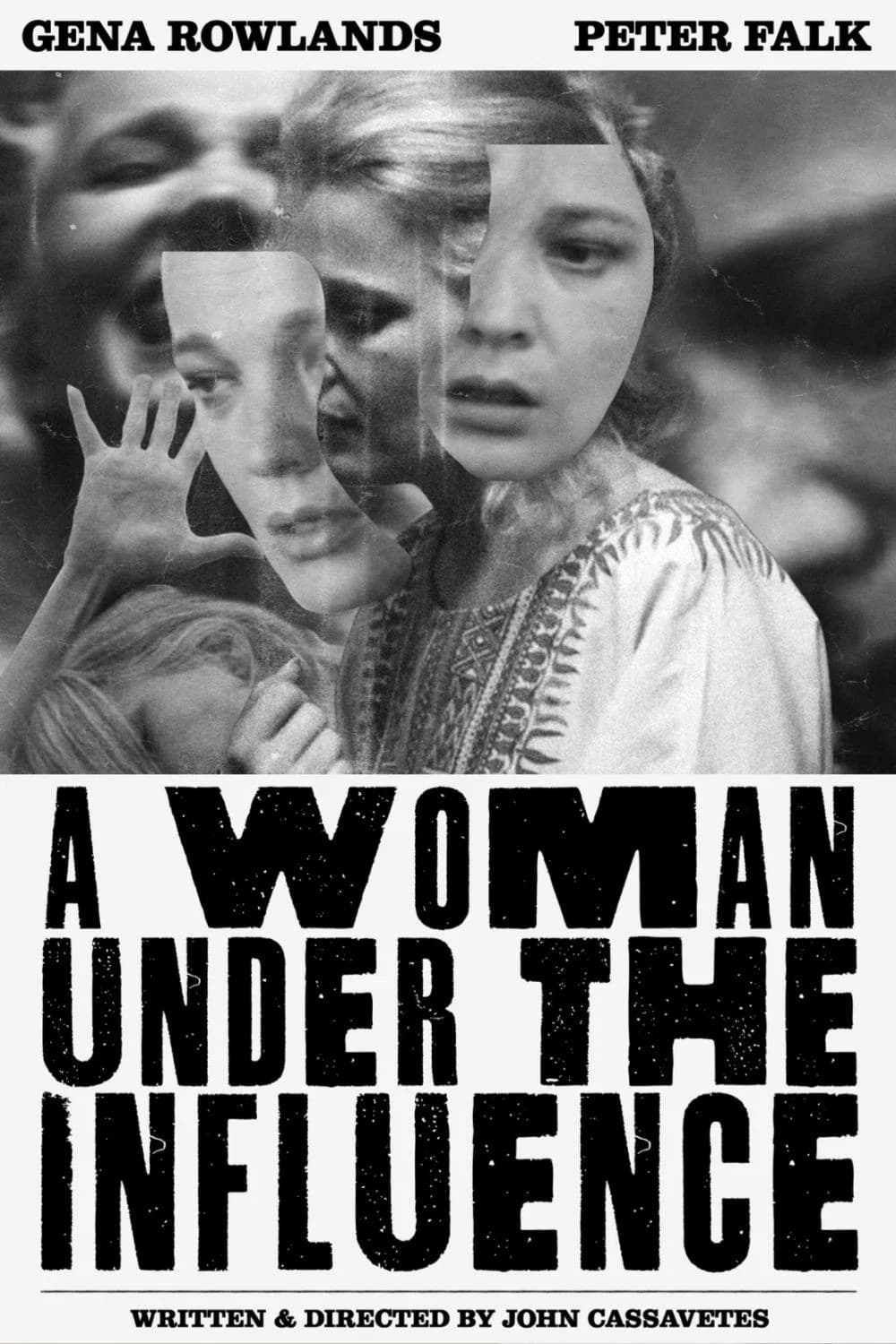
Cassavetes mortgaged his house to finance it, and Gena Rowlands gives the most exposed performance in American film: a marriage where love and damage cannot be separated.
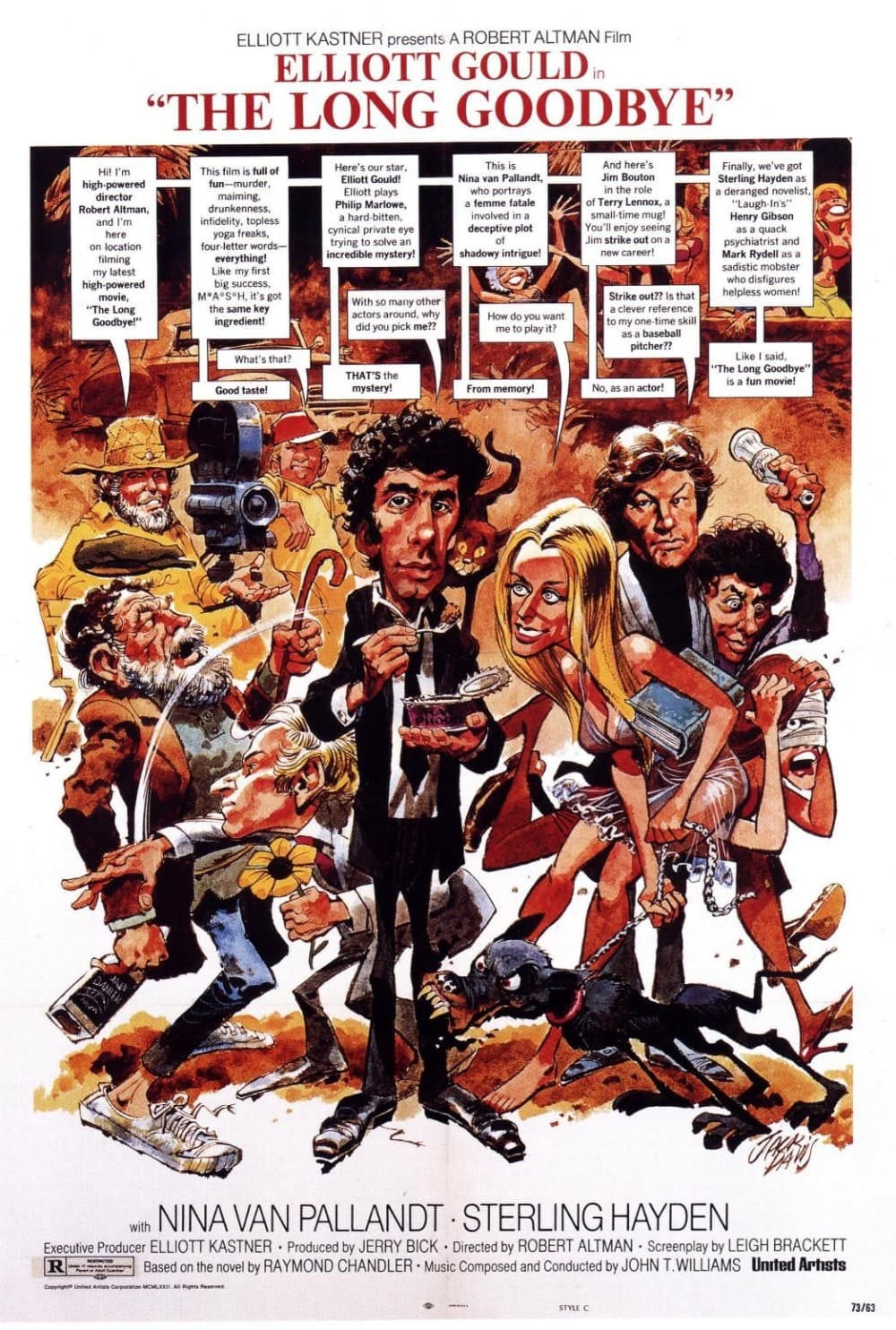
Altman dropped Chandler's detective into 1973 Los Angeles and let him be completely out of step with it: Elliott Gould mumbles through a city that has stopped caring.
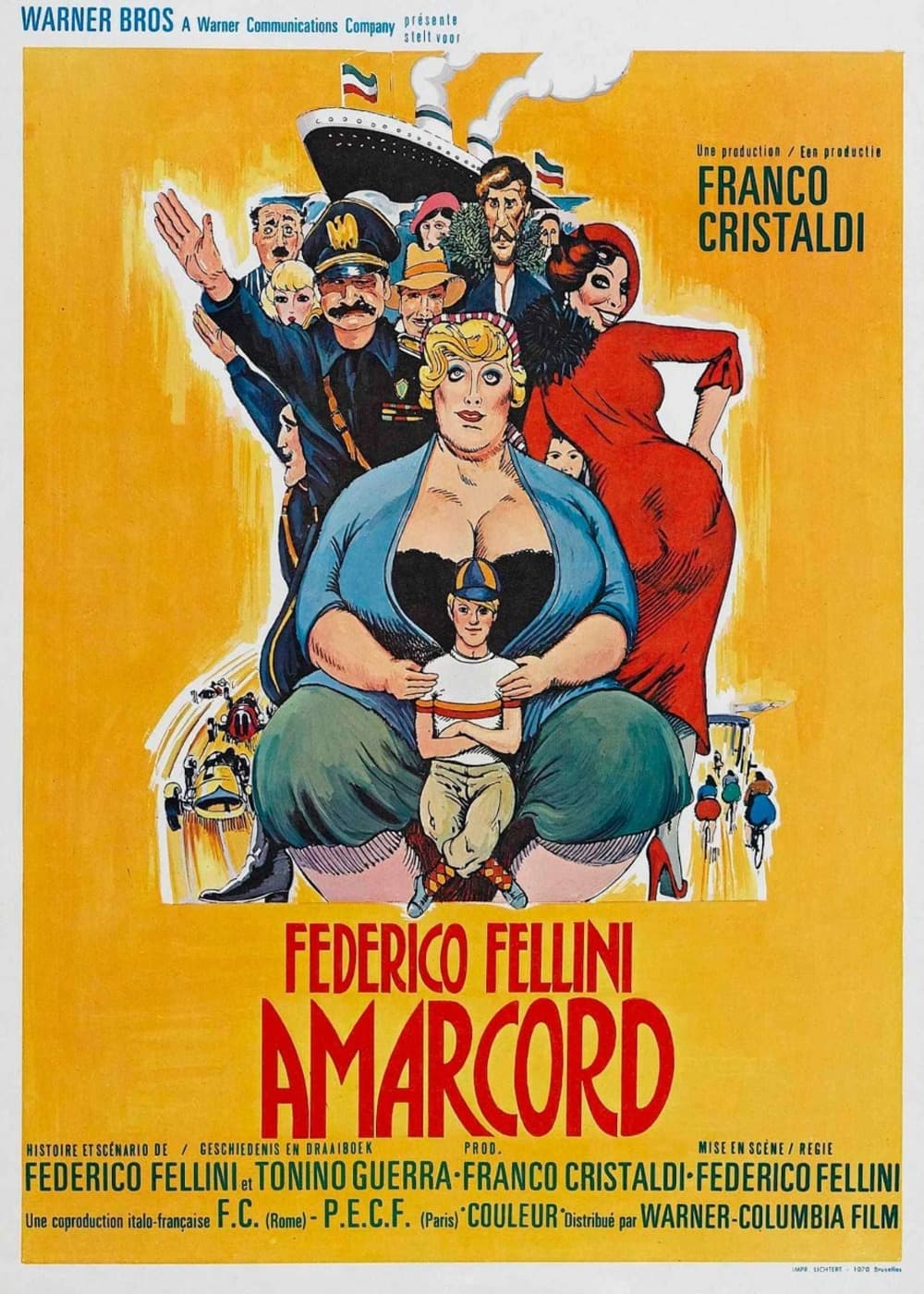
Fellini remembering his own seaside town under Mussolini and admitting he is embroidering it: no plot at all, just a year of weather, sex, food and fascism.
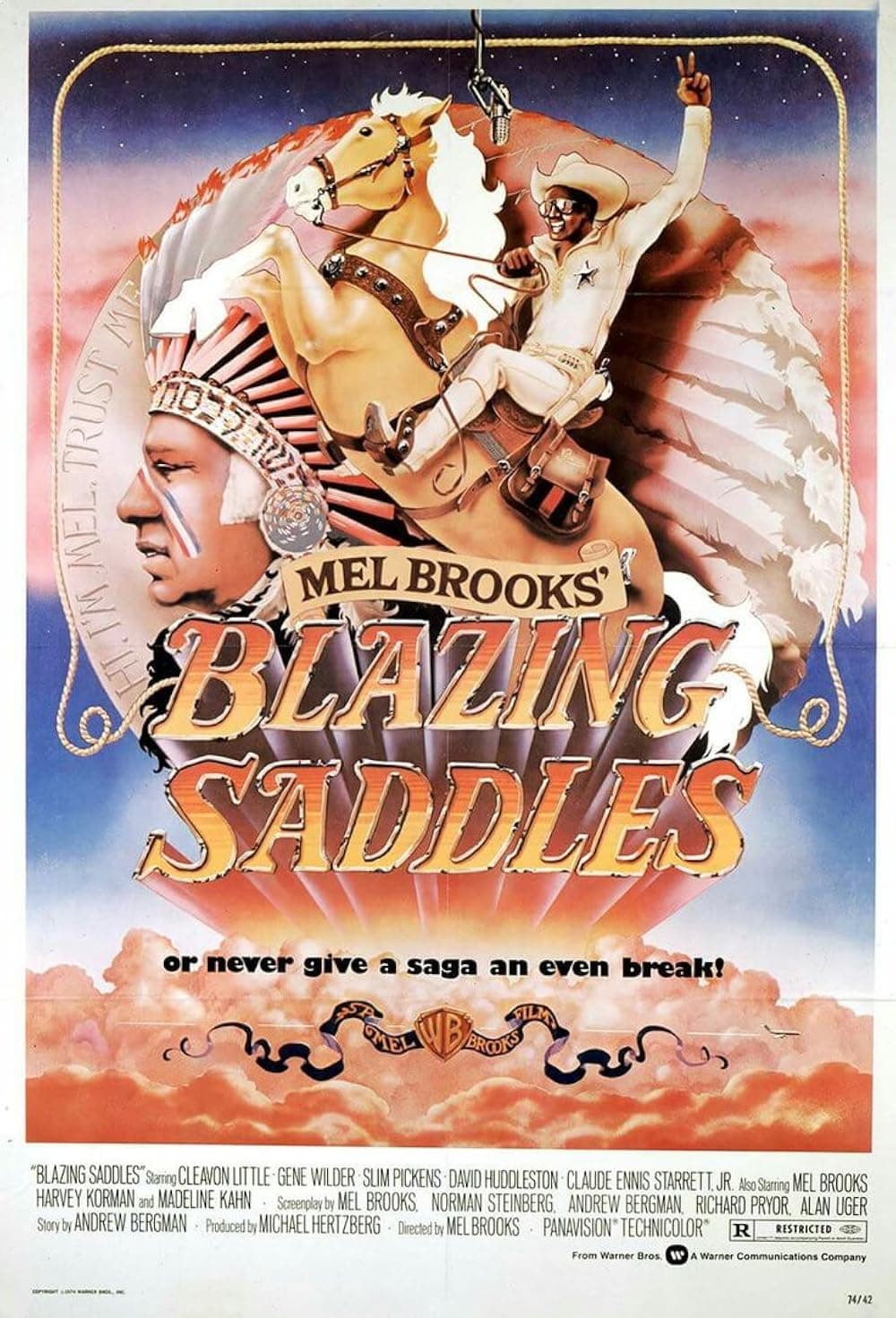
Brooks spent years saying it could not be made today and has since changed his mind: a Black sheriff arrives in a frontier town built on racism, and everybody gets hit.
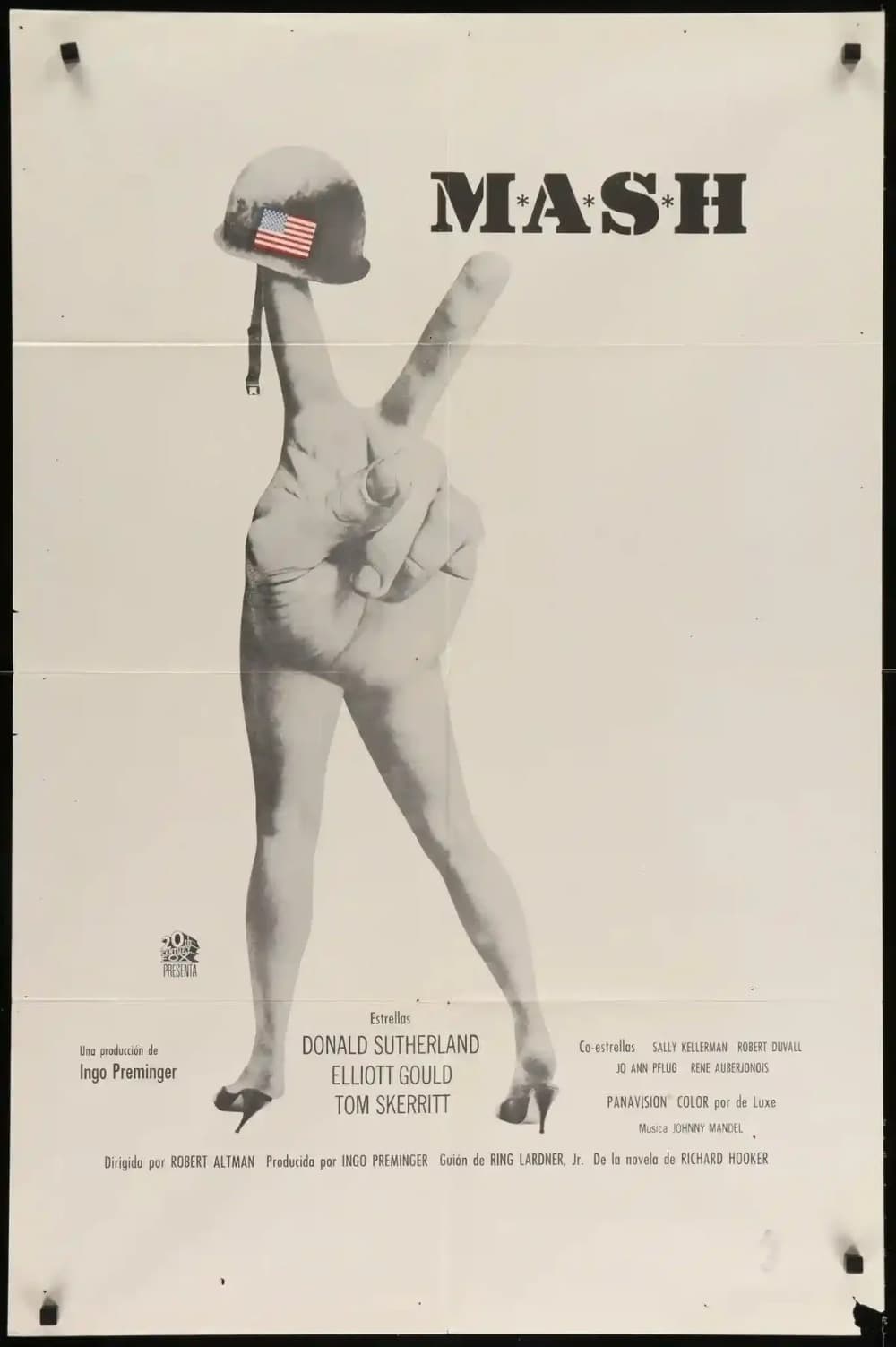
Altman's overlapping dialogue turns up fully formed: army surgeons in Korea behave appallingly in order to stay sane, and the film was really about Vietnam all along.
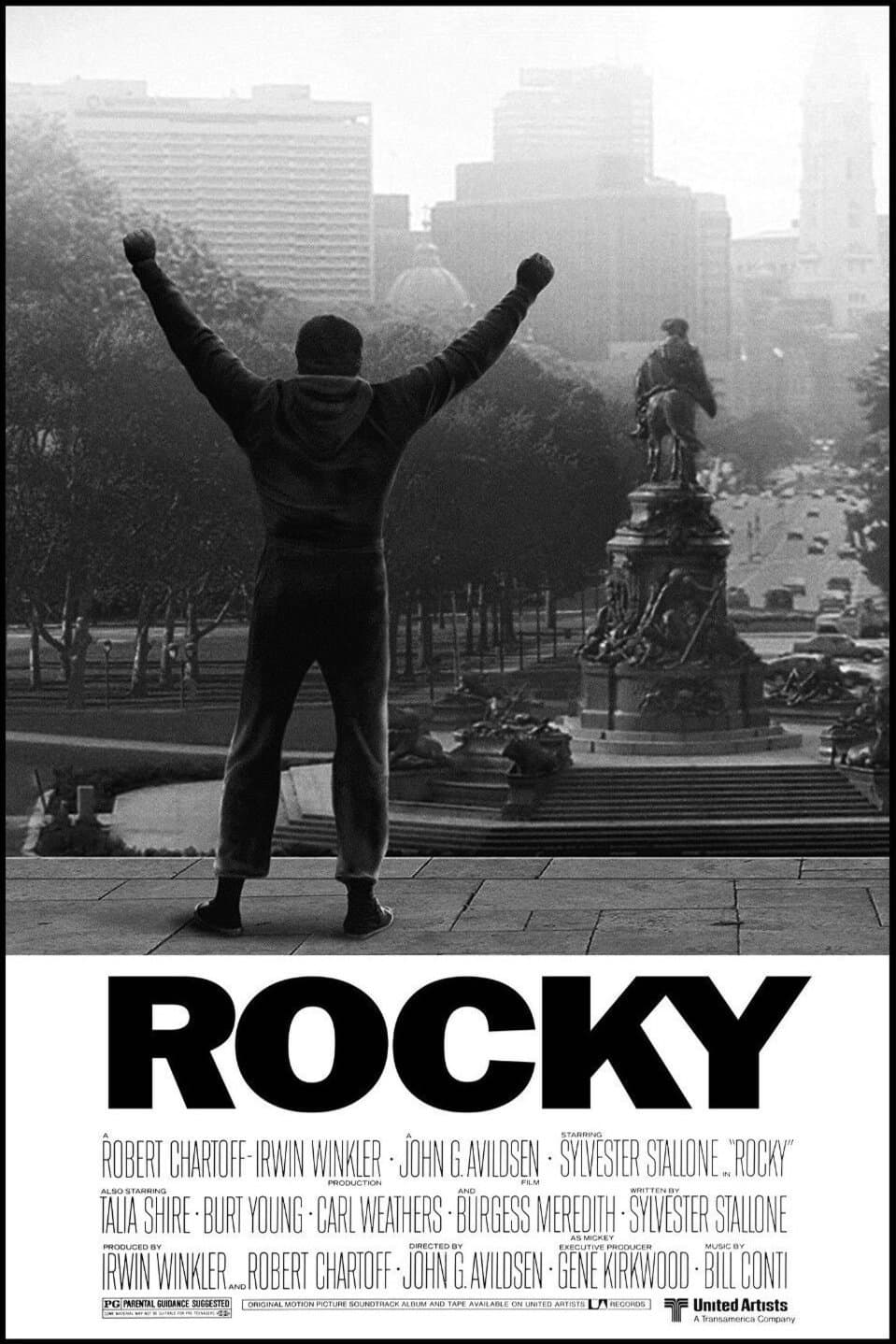
Stallone wrote it himself and would not sell the script unless he could star: a club fighter from Philadelphia is handed a title shot as a publicity stunt, and takes it completely seriously.
A rock concert storyboarded like a feature and shot on 35mm by seven camera crews: The Band's 1976 farewell is the concert film everything else gets measured against.
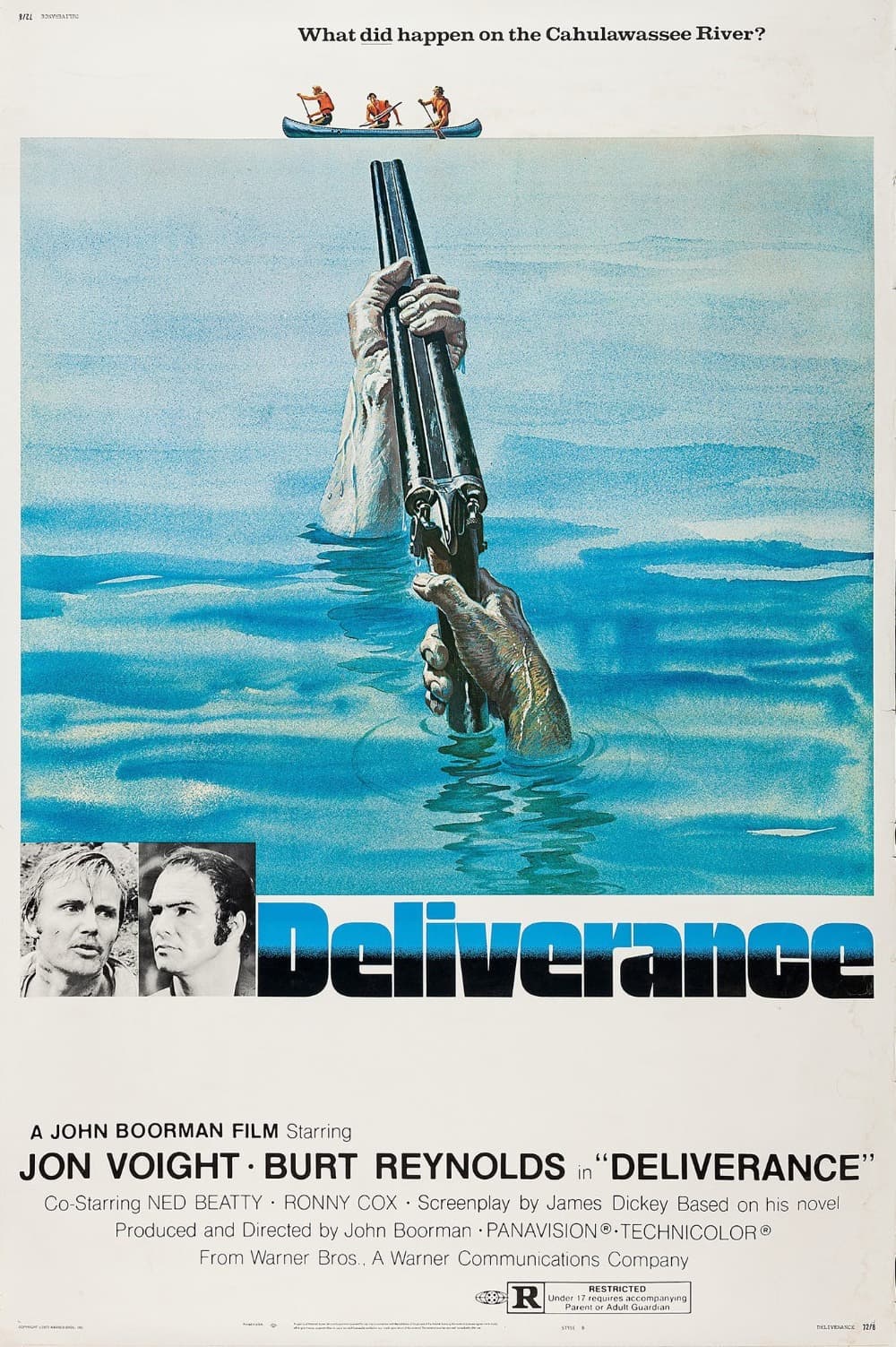
The outdoors has never felt this hostile on film: Boorman shot in sequence and made his actors run the whitewater themselves, and a weekend canoe trip turns into something much older.
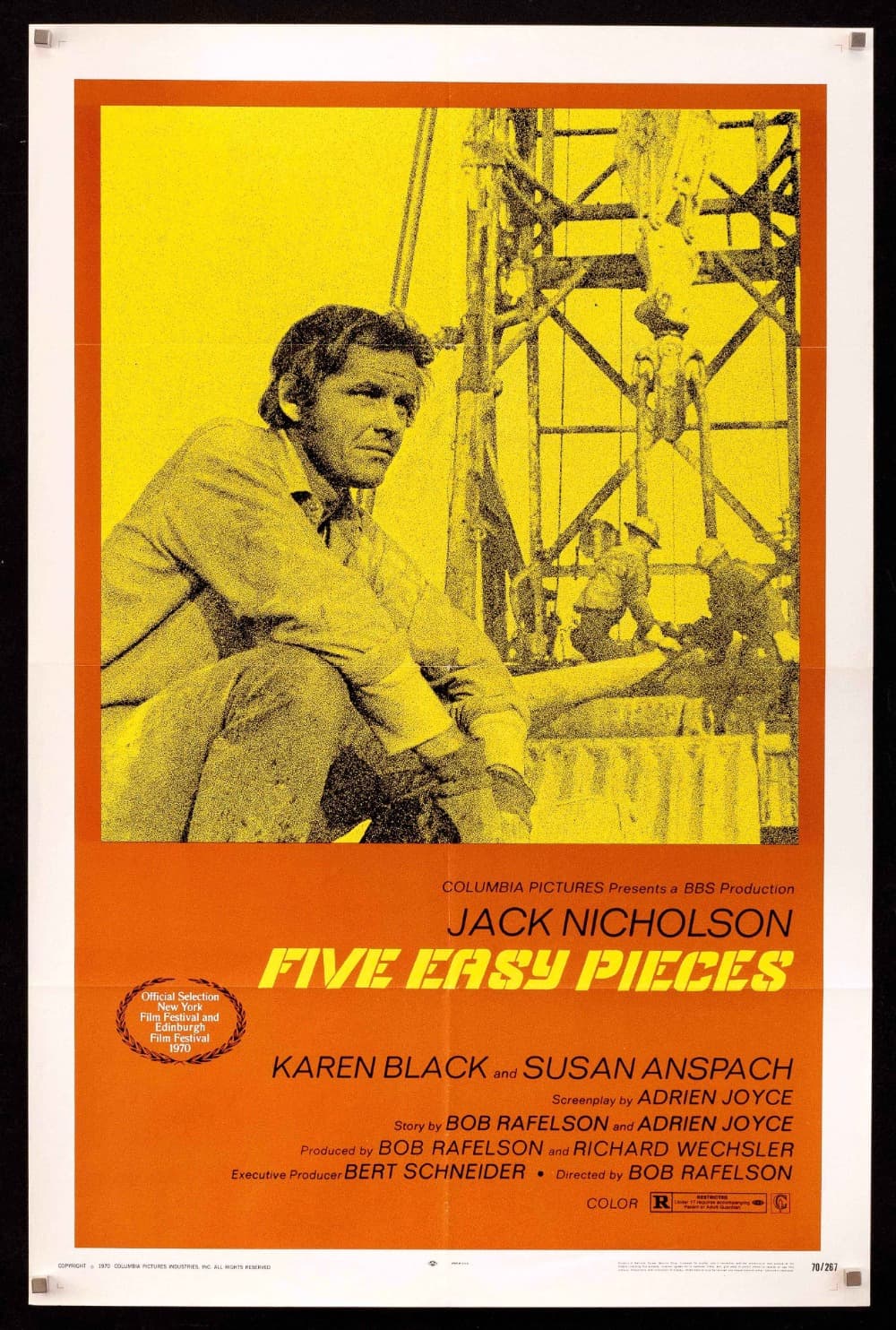
The diner scene has outlived the film's whole era: a classical pianist walked away from his family to work oil rigs, and nobody here will explain him or forgive him.
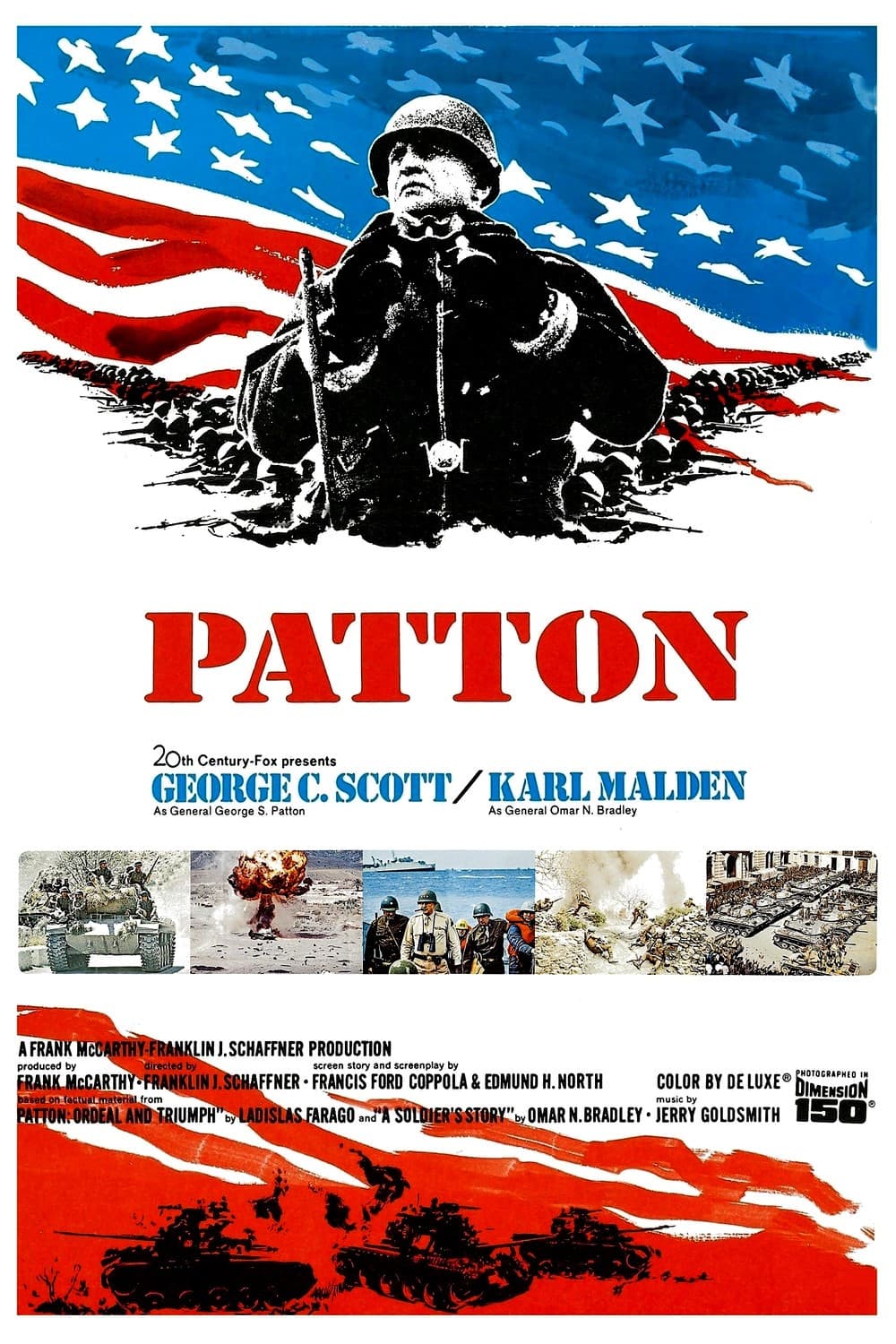
Coppola co-wrote it before The Godfather and George C. Scott refused the Oscar: a monologue in front of an enormous flag opens the most ambivalent film Hollywood ever made about a general.
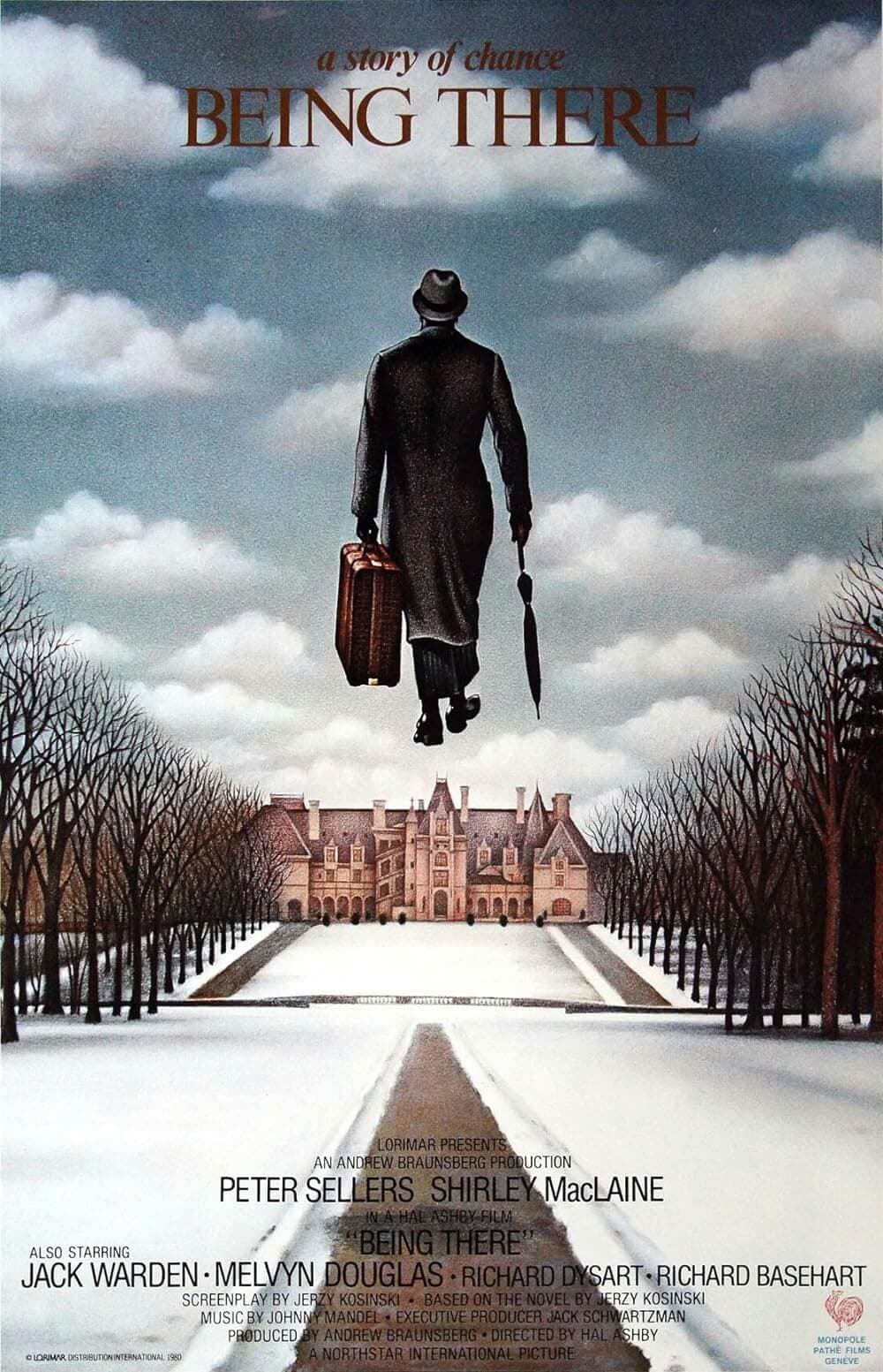
Peter Sellers chased this part for years and considered it the best work he ever did: a gardener who has only ever watched television is mistaken for a sage.
Eastwood fired the director and took over, and the union wrote a rule to stop it happening again: a Missouri farmer rides out after the war and keeps collecting strays he never wanted.
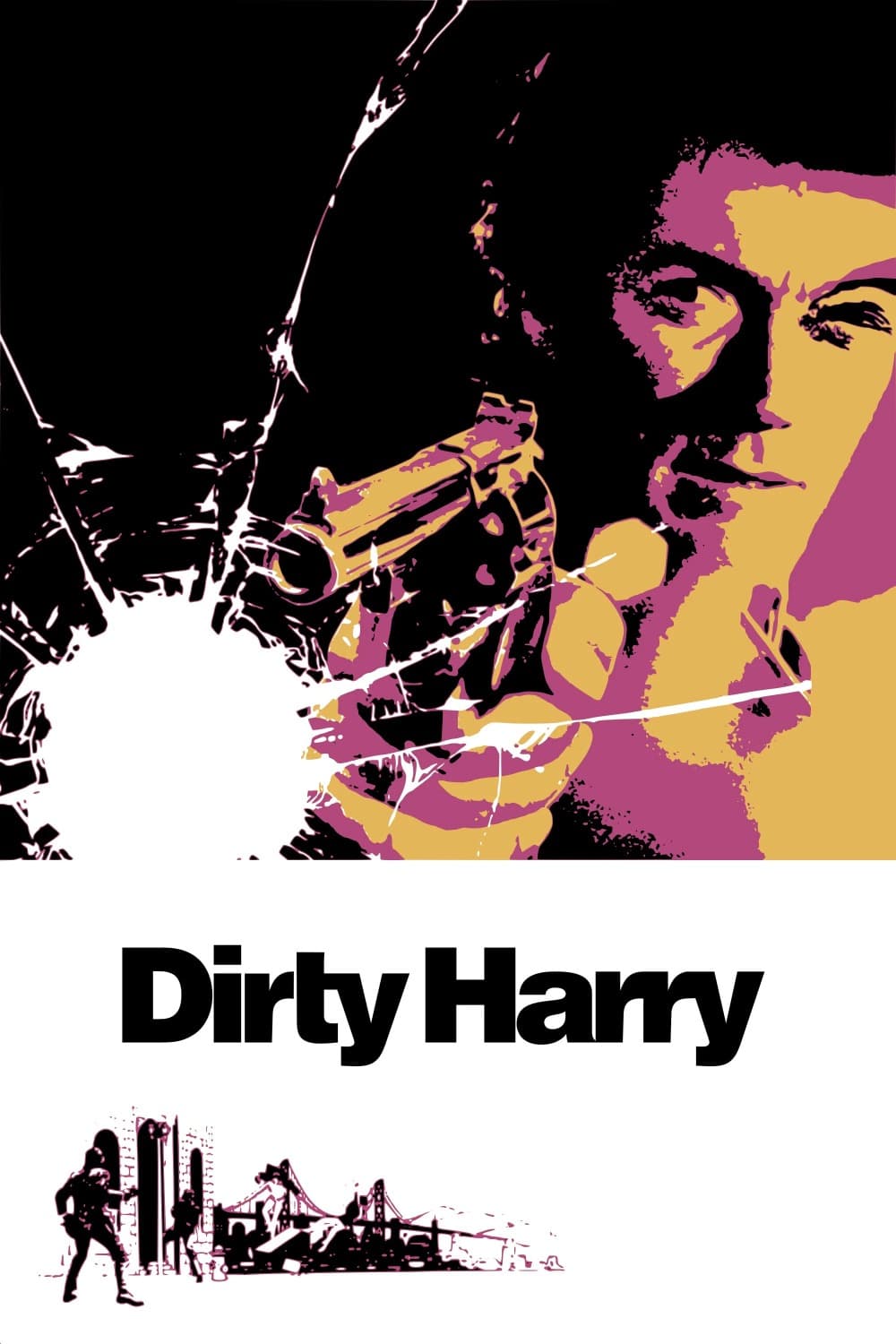
Pauline Kael called it fascist and the argument has never really ended: Eastwood's inspector chases a Zodiac-like killer through San Francisco with a .44 Magnum and open contempt for procedure.
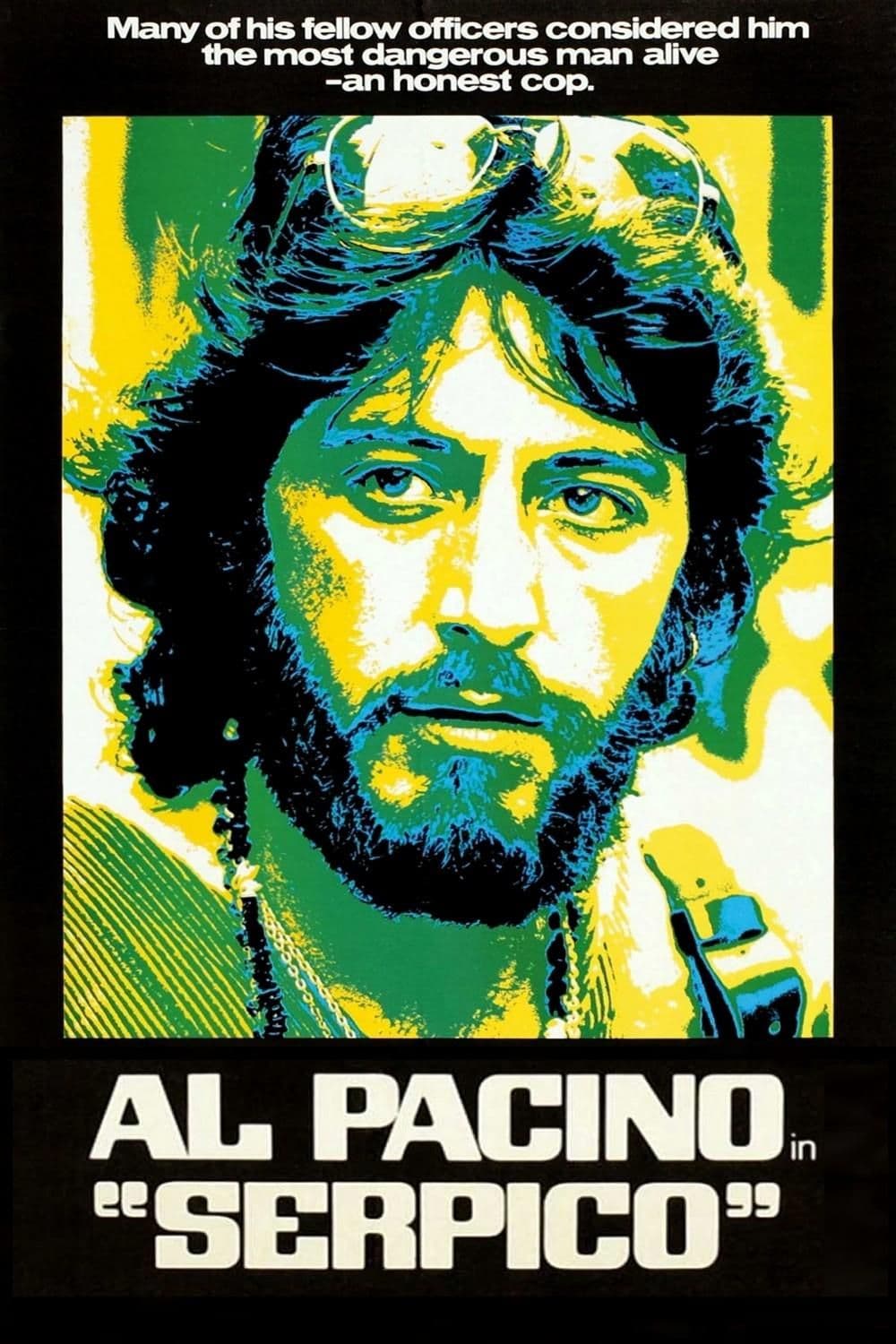
Frank Serpico was a real New York cop who would not take an envelope: Lumet films departmental corruption as an ordinary daily fact, and Pacino plays stubbornness as an entire personality.
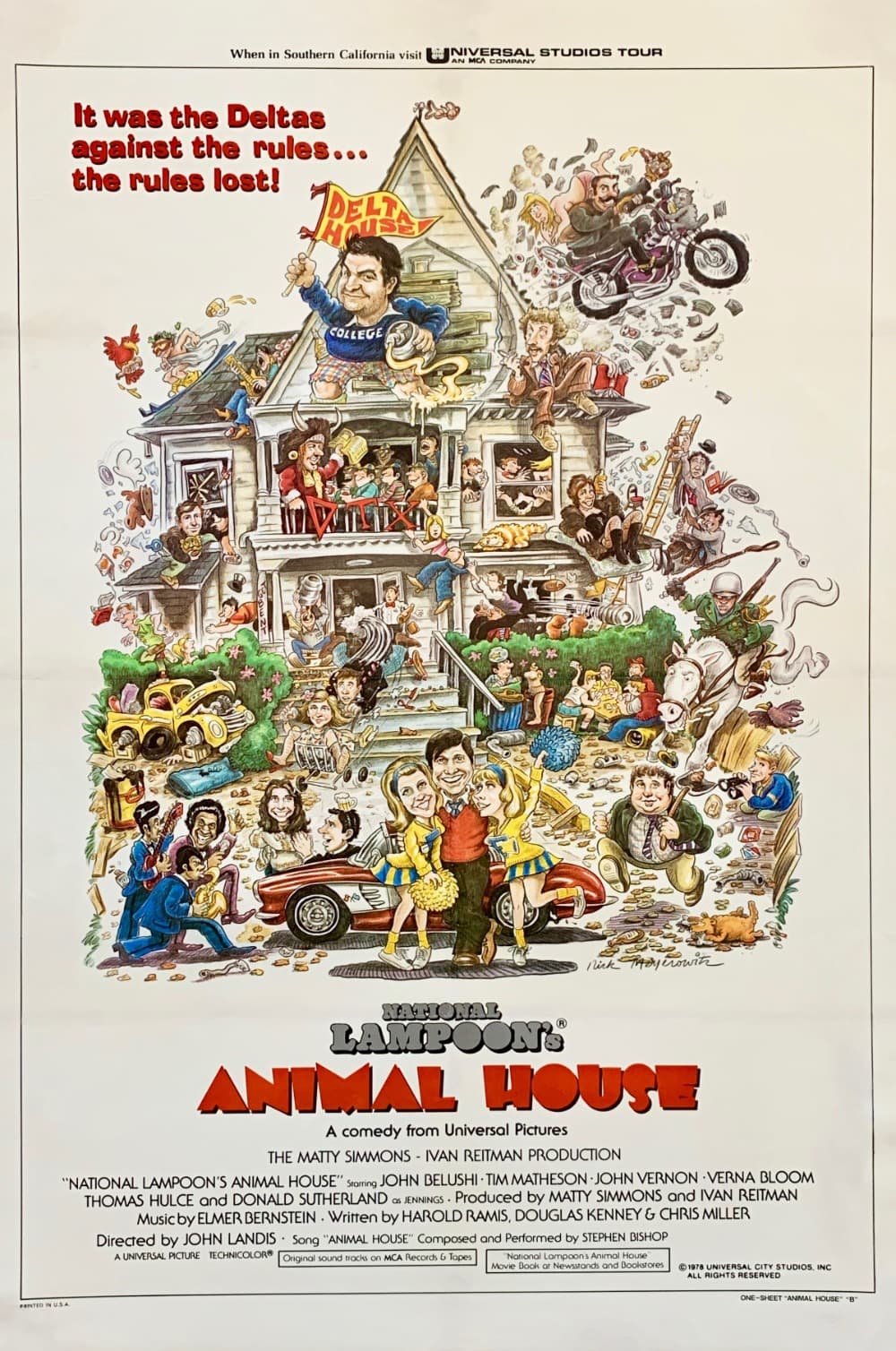
Made for three million and returned more than a hundred: every campus comedy since is a footnote to it, and John Belushi carries whole scenes with almost no dialogue.
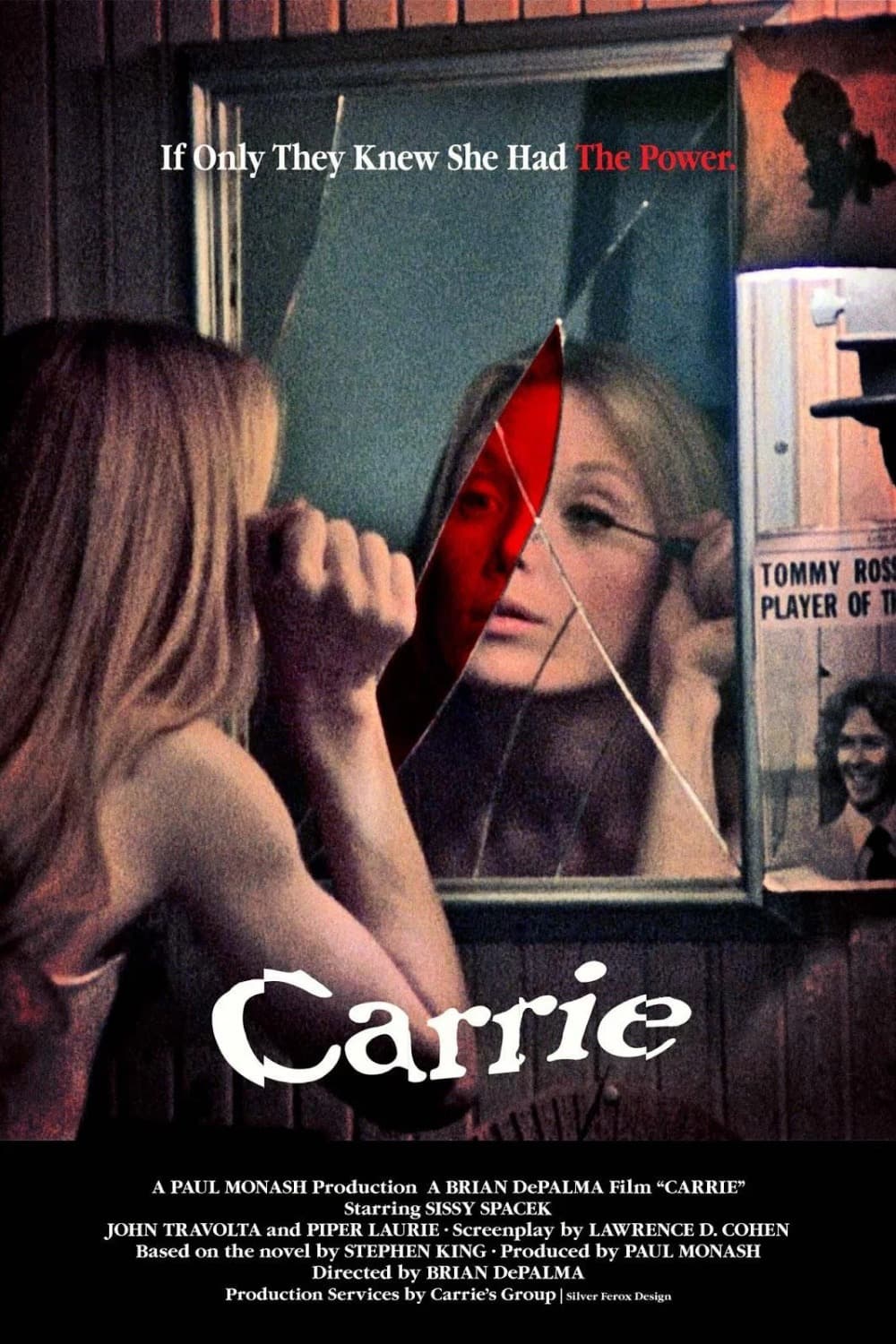
Stephen King's first novel became this, and no adaptation since has been meaner: De Palma films high-school cruelty in slow motion and split screen, and the prom is a fifteen-minute held breath.
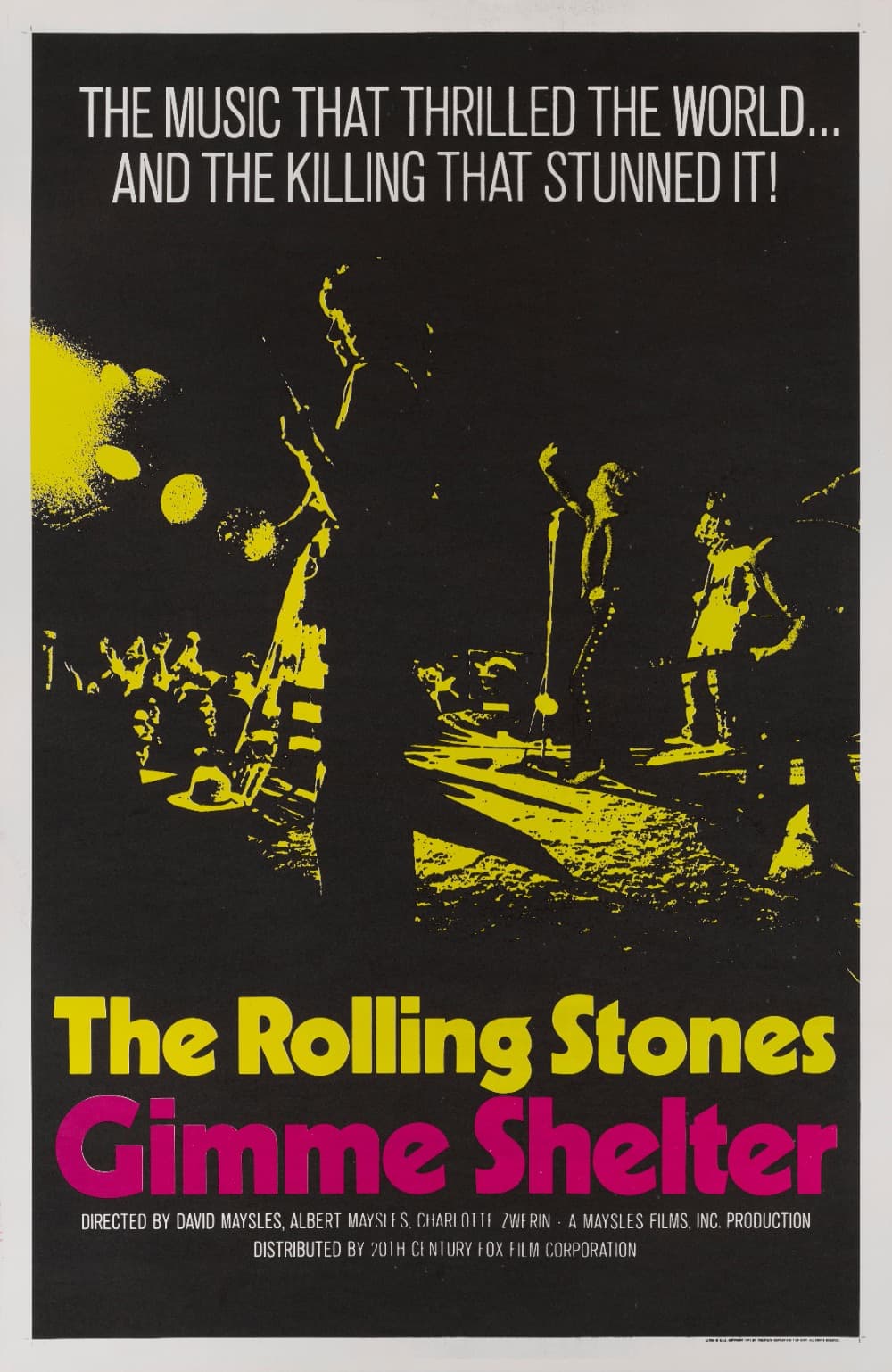
The sixties end on camera here: the Maysles followed the Rolling Stones to a free concert at Altamont, then sat Mick Jagger at an editing bench and made him watch what happened.

Huston tried to make this for twenty years and finally got Connery and Caine: two British soldiers walk into Kafiristan intending to be crowned as gods, and the joke gets serious slowly.
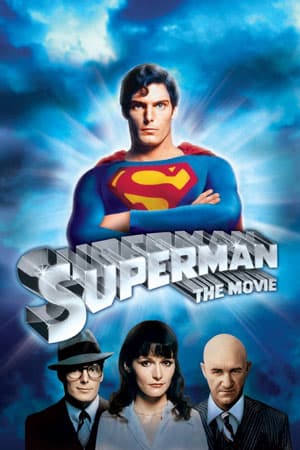
Warner promised audiences they would believe a man could fly, and they did: Christopher Reeve plays both halves so completely that a pair of glasses becomes a plausible disguise.
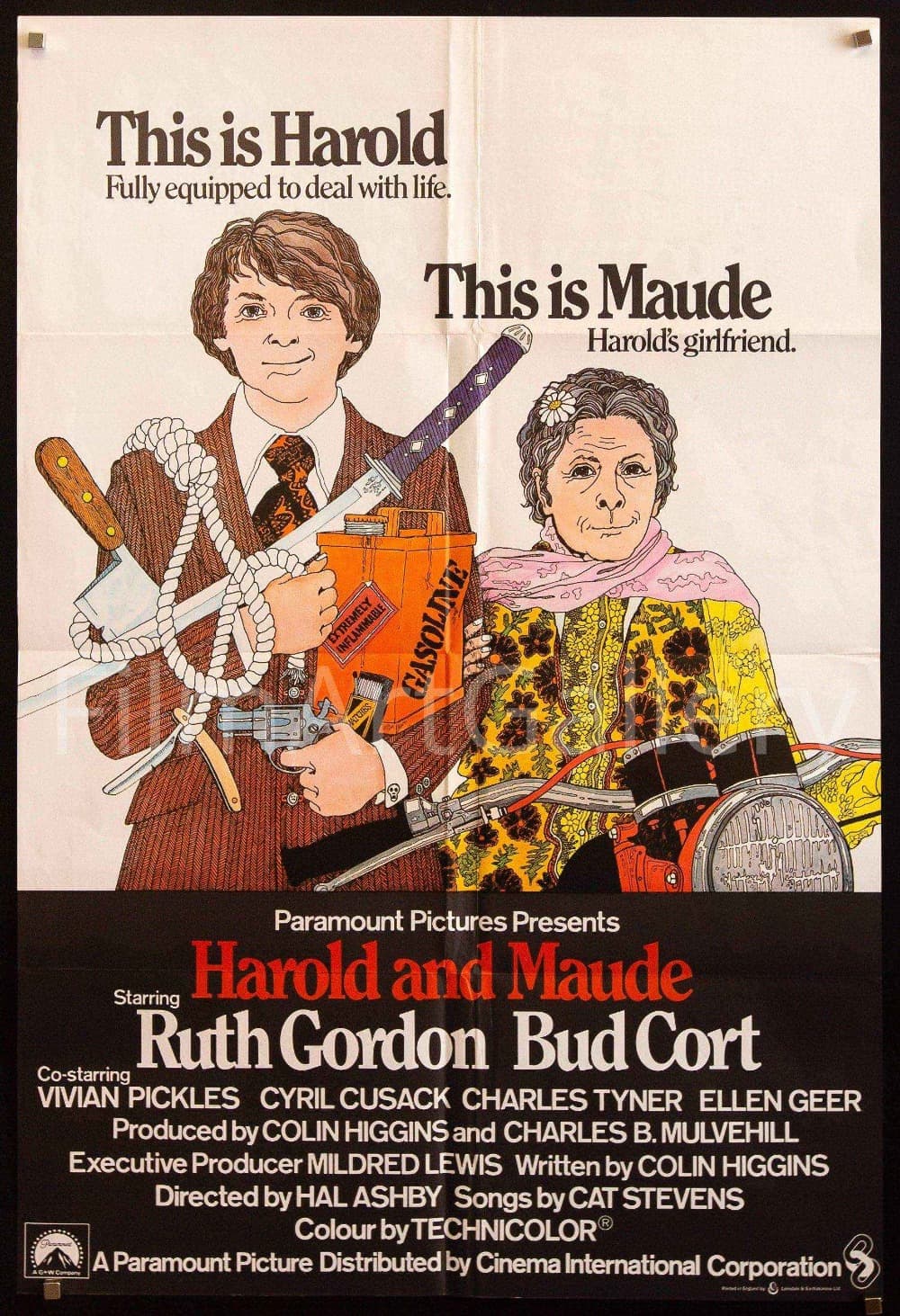
It failed on release and then ran 115 straight weeks at a single Minnesota theater: a death-obsessed teenager falls for a seventy-nine-year-old, and Cat Stevens scores the whole thing.
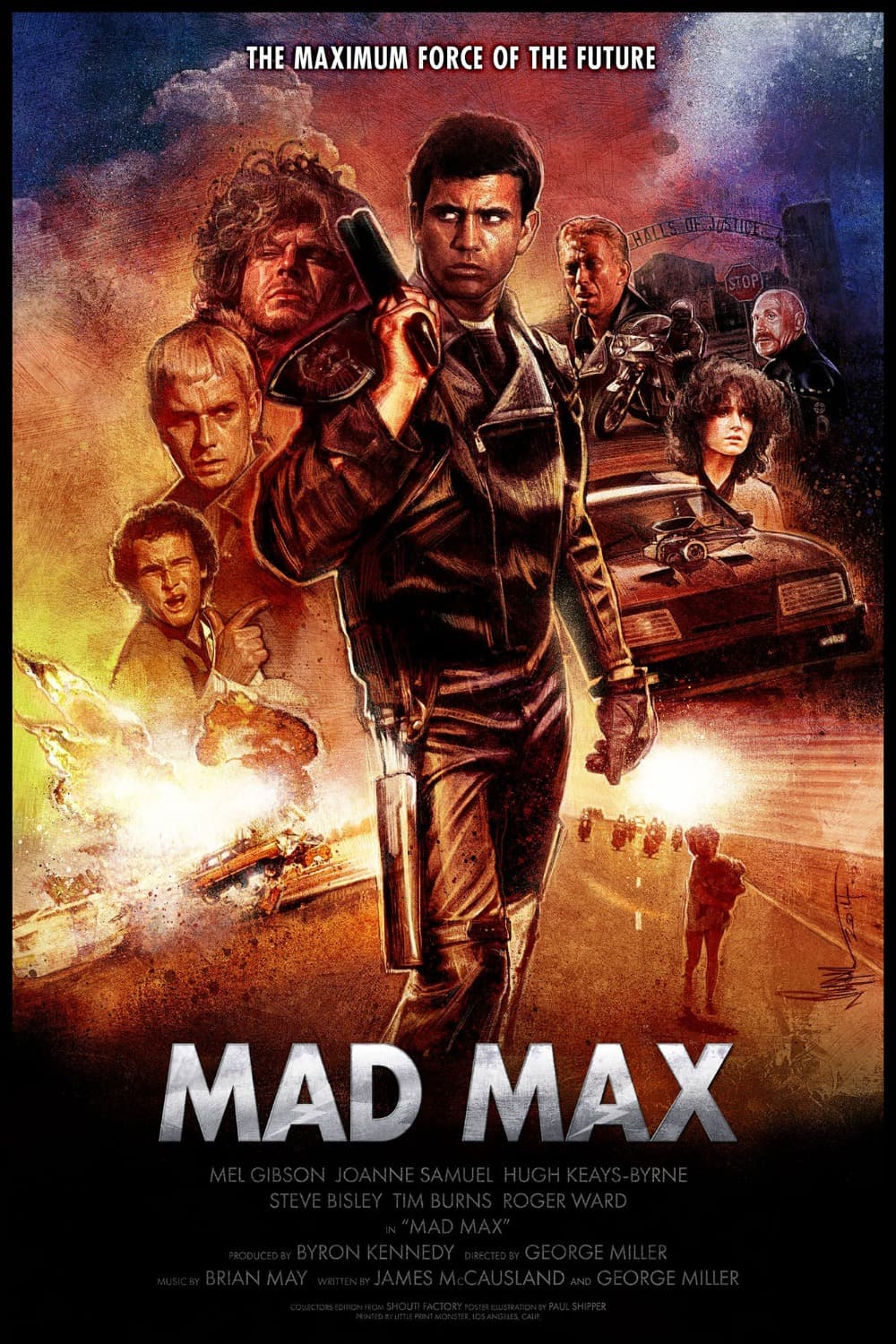
Made in Australia for four hundred thousand dollars and held a record for return on investment: George Miller was an emergency room doctor, and the crashes look like things he had seen.
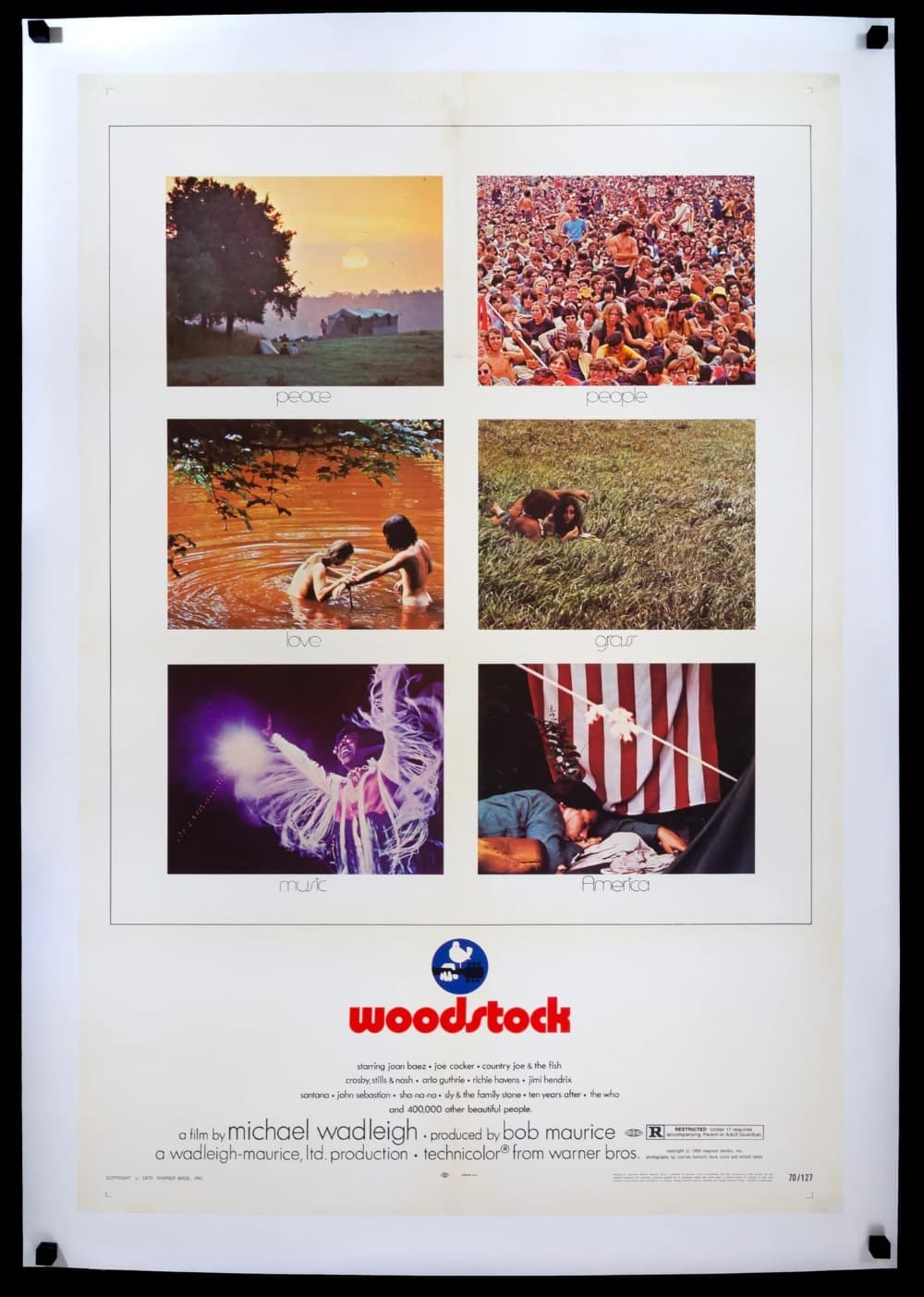
Martin Scorsese and Thelma Schoonmaker were on the editing crew, cutting three days of festival into split-screen: half a million people, no violence, and a mud field that became a permanent reference.
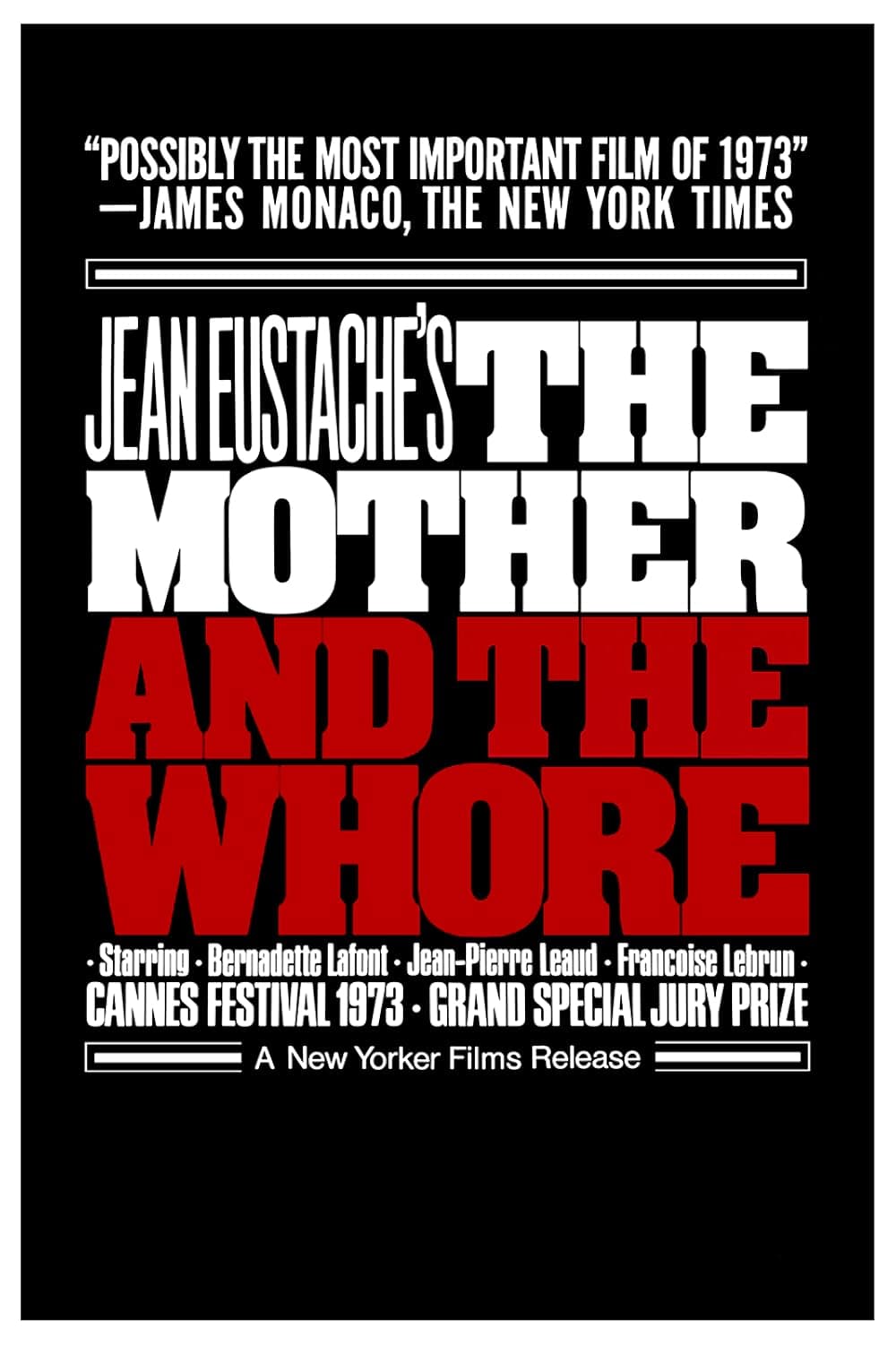
Nearly four hours of three people talking in Paris apartments, and nothing else defines what happened after 1968 so exactly: Eustache made it once and never made anything like it again.
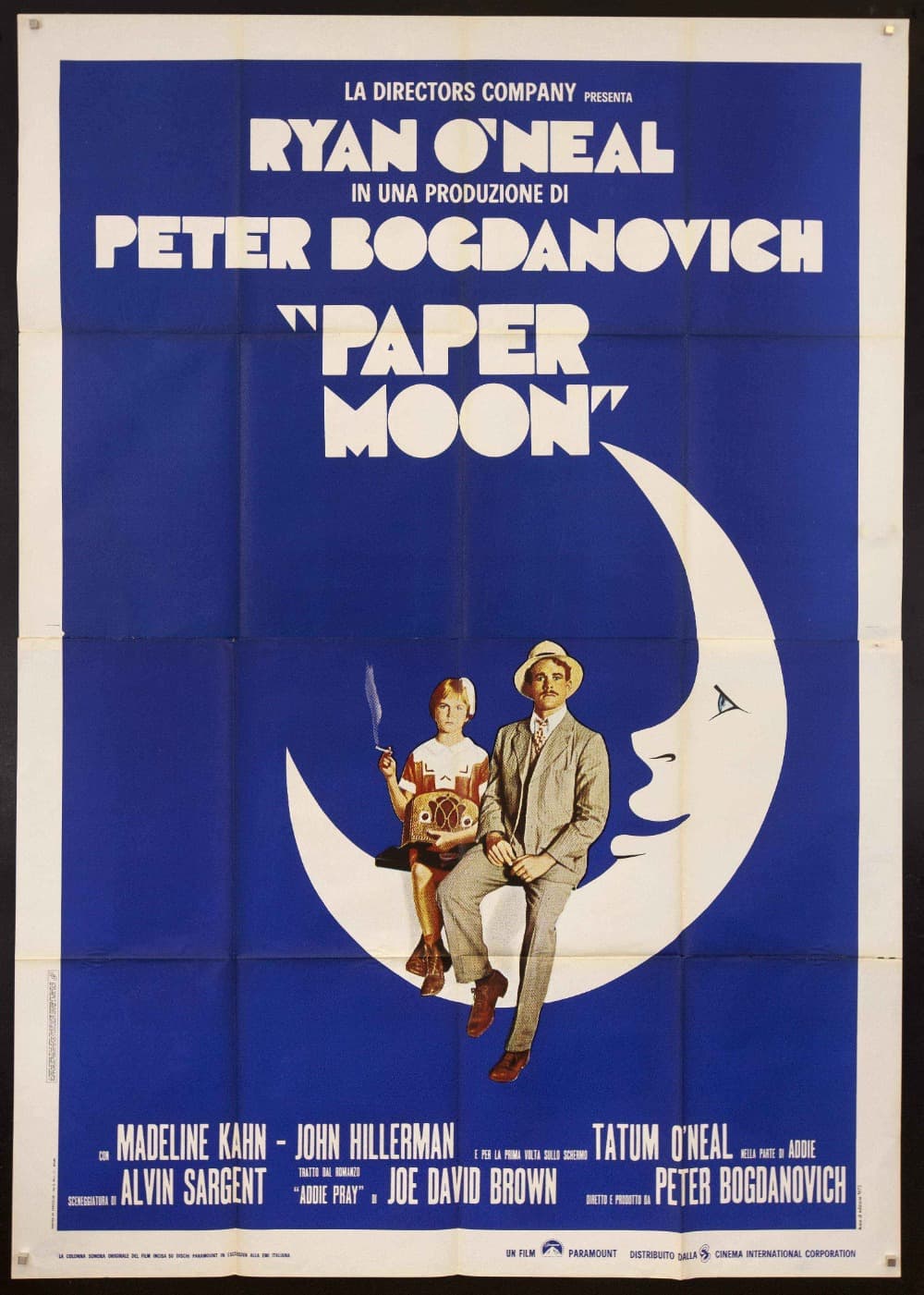
Tatum O'Neal was ten and is still the youngest winner of a competitive Academy Award: a Depression-era orphan running a Bible scam alongside someone who may be her father.
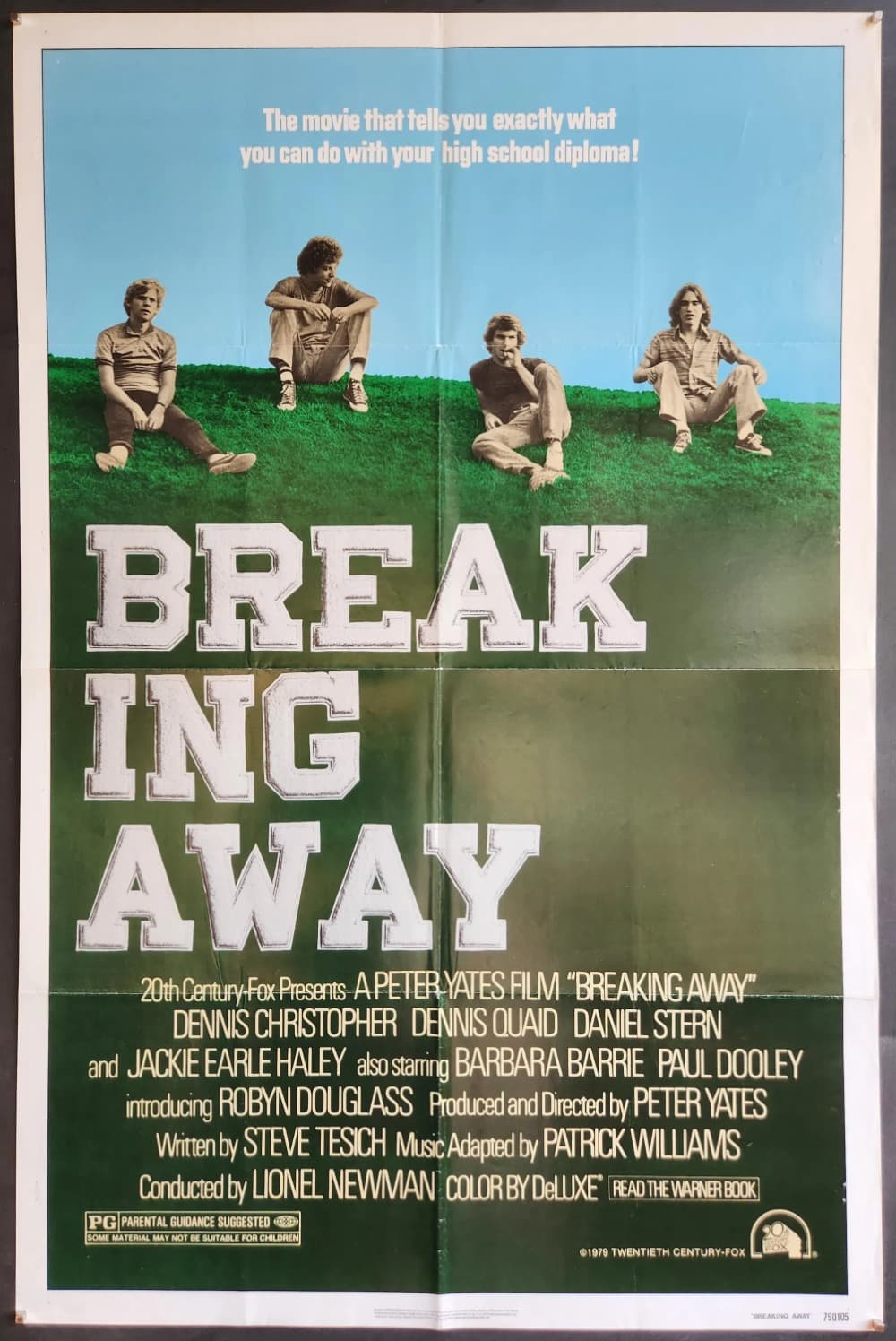
No sports film is sweeter, and the sport barely matters: an Indiana teenager pretends to be Italian because he loves bicycle racing, and the town's class divide does the rest.