
Like a Rolling Stone
1965 · From Highway 61 Revisited
A snare crack, a sneer, and Kooper's uninvited organ swirling through the song that split rock open.
★ 10.0
 skopia
A snare crack, a sneer, and Kooper's uninvited organ swirling through the song that split rock open.
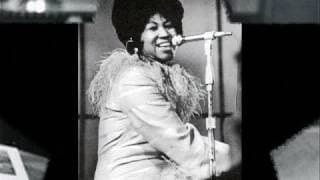
Aretha takes Otis Redding's song away from him for good, spells out the demand, and never gives it back.
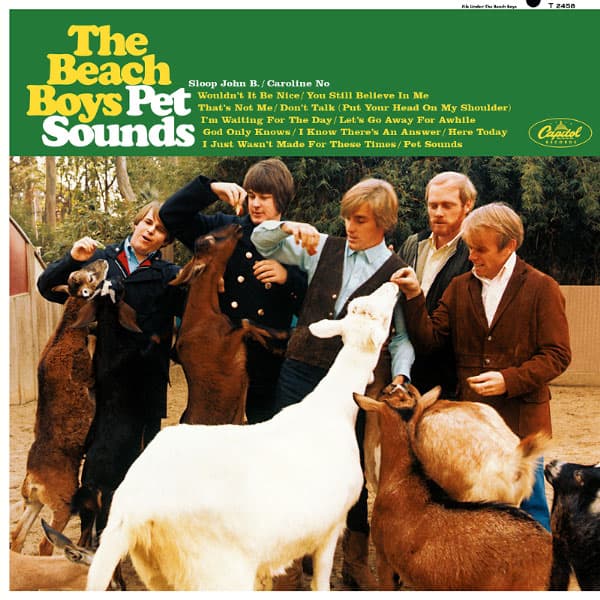
Brian Wilson made it with session players while the rest of the band toured, using bicycle bells, dog whistles and a Coca-Cola can.
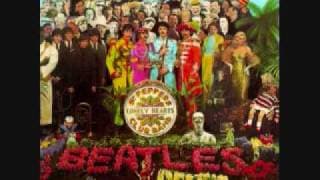
Two unfinished songs bolted together, an orchestra climbing to nothing, and the last piano chord in pop.
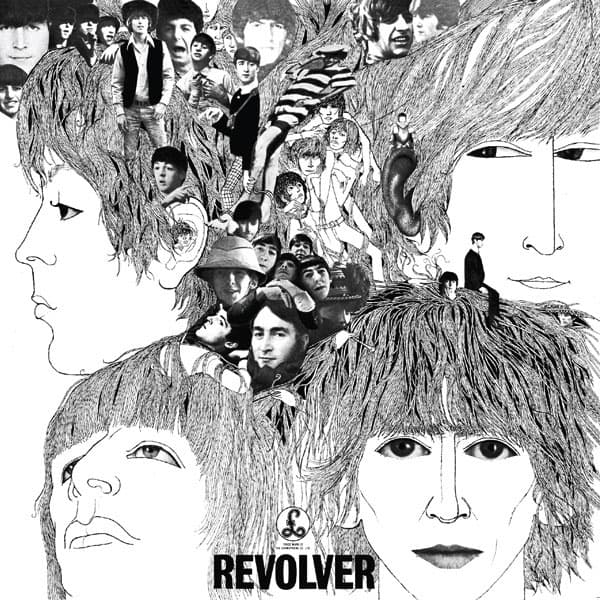
On Tomorrow Never Knows, engineers held five tape loops on pencils and mixed them live. No Beatle plays an instrument on Eleanor Rigby.
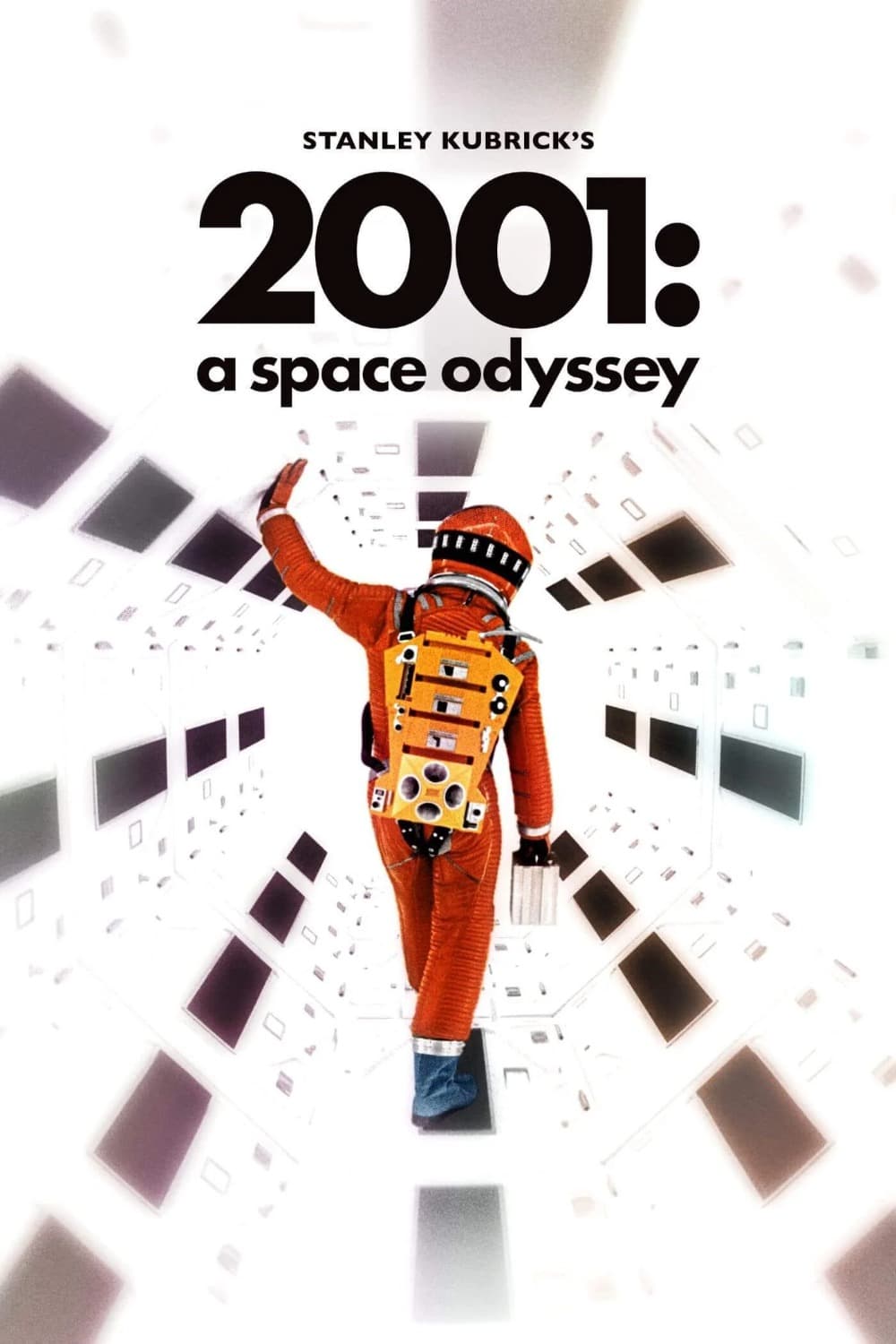
Kubrick took the audience from the first bone tool to the far side of Jupiter, explained almost nothing, and made every science fiction film since look domestic by comparison.
Keith dreamt the fuzz riff, taped it half-asleep, and woke up holding the sound of teenage frustration.
Brian Wilson's pocket symphony, months and a fortune spent chasing one shimmering theremin line into the sunlight.
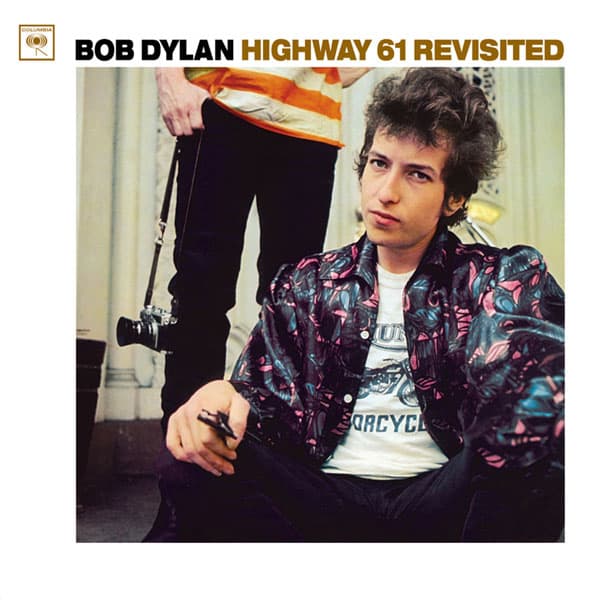
Al Kooper was not the organ player and sat down at it anyway, which is the sound everybody remembers from Like a Rolling Stone.
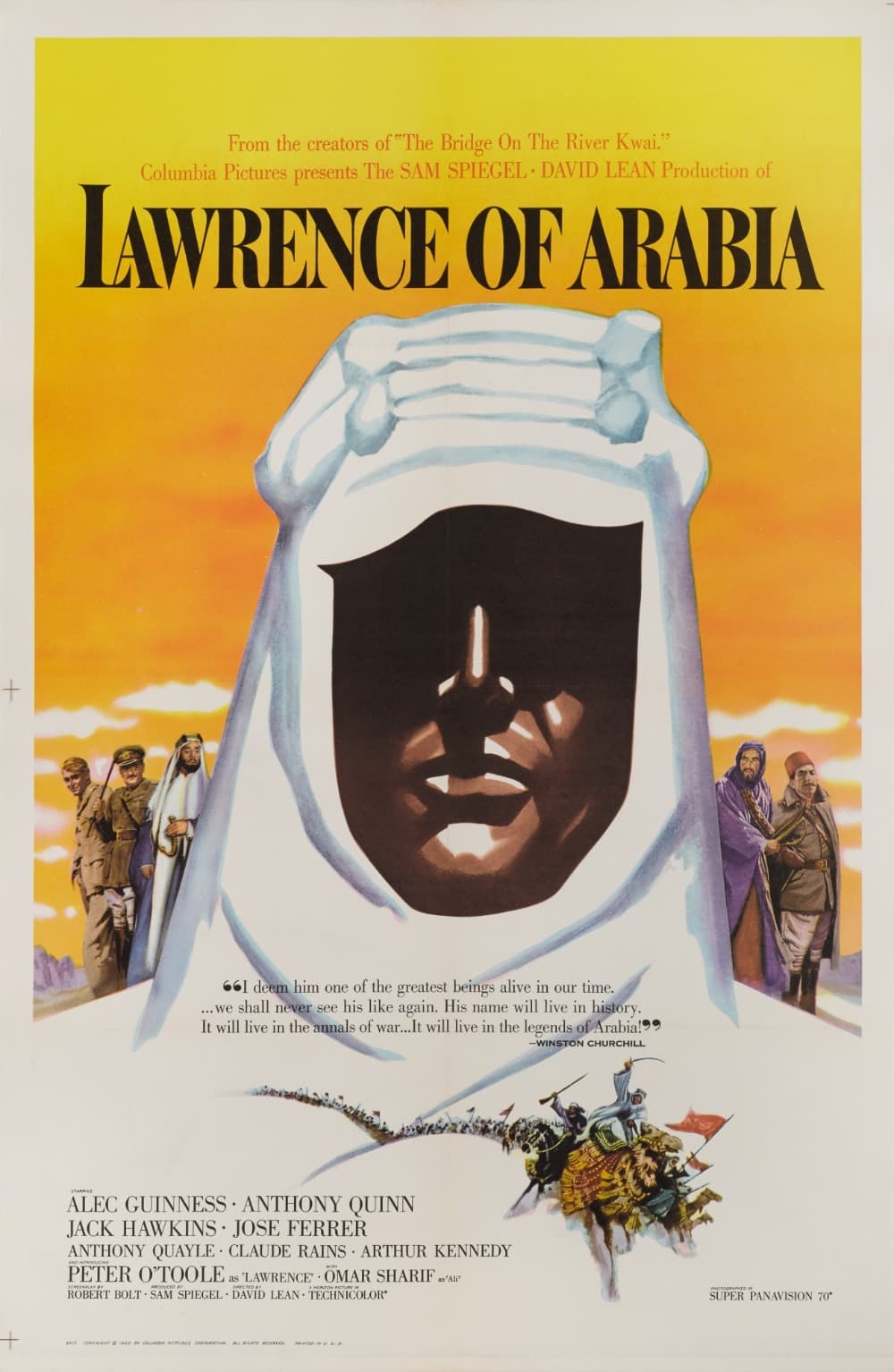
There is no better argument for seeing a film on the largest screen you can find: Lean's desert swallows the frame, and a British officer dissolves inside it over nearly four hours.
Two takes in different keys and tempos spliced into one, a Mellotron haze over Lennon's Liverpool childhood.
Cooke wrote it after a motel turned him away, and sang it like a hymn he already knew by heart.
It opens by admitting doubt and spends the next two minutes refuting it; McCartney still calls it the greatest.
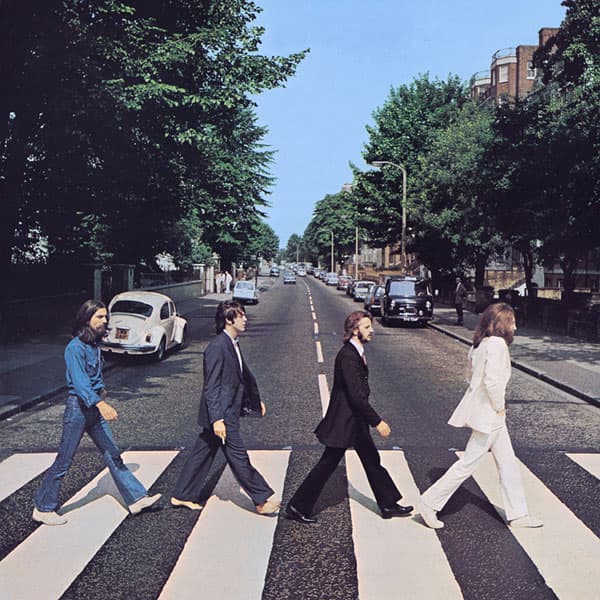
The last album they recorded together, with side two stitched out of songs nobody had finished. The cover shoot took about ten minutes.
Page's riff, Plant's howl, and a theremin freakout in the middle that still sounds like the roof coming off.
Handclaps, that leaping chord under "I can't hide," and five weeks later America belonged to them.
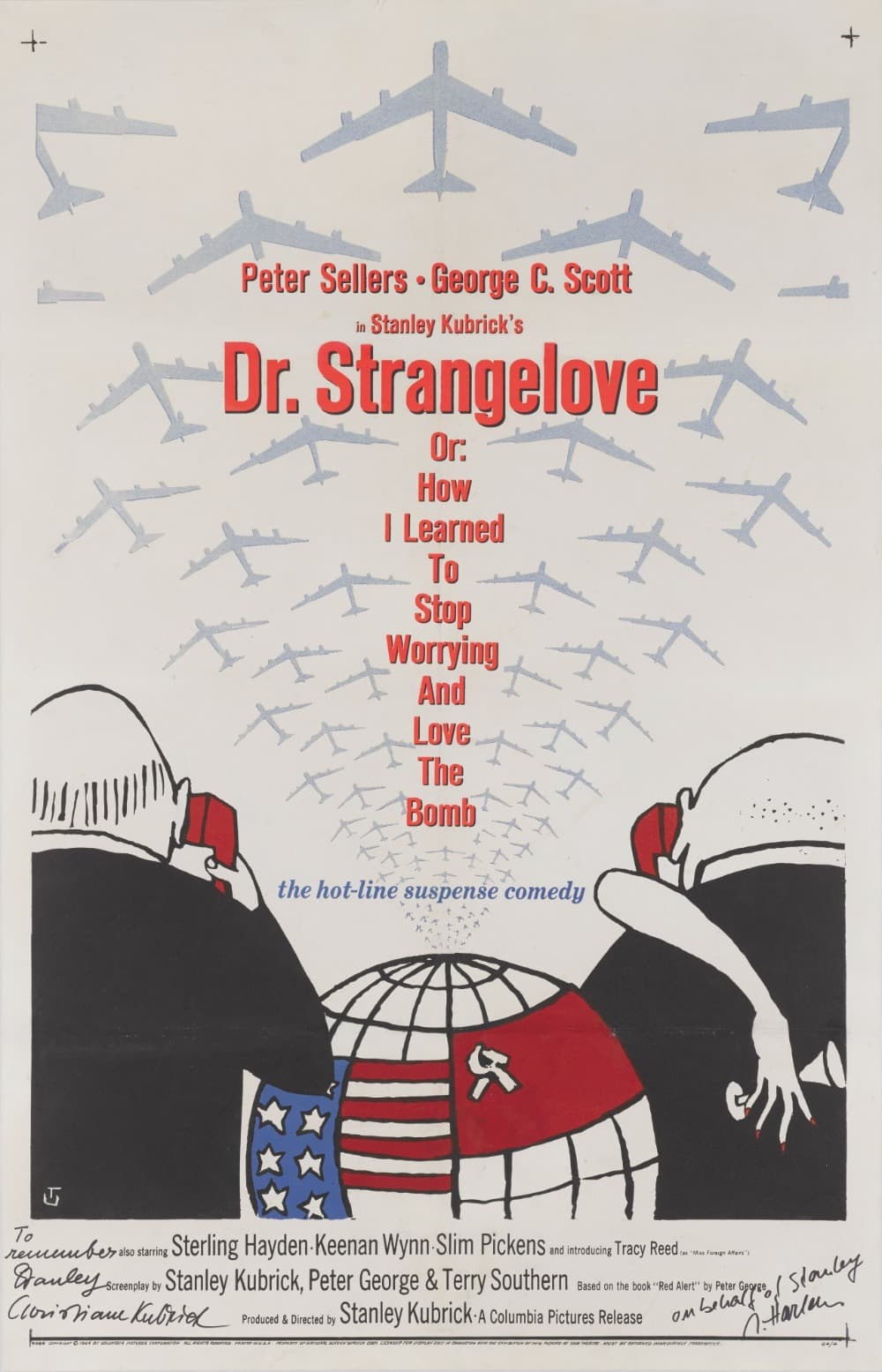
Nuclear annihilation has never been this funny, and never will be again: Kubrick worked out that the strategy was already absurd, and simply let his generals talk.

It took about seven hundred hours of studio time when their first album took one day, and no singles were released from it.
Harrison wrote it in Clapton's garden while skipping a business meeting, and it sounds exactly like that relief.

Seven generations of one family in Macondo, where insomnia comes as a plague and the rain lasts four years. García Márquez reports the impossible as plain fact.
Seven minutes, four of them just na-na-na, and somehow nobody has ever wanted it to end sooner.
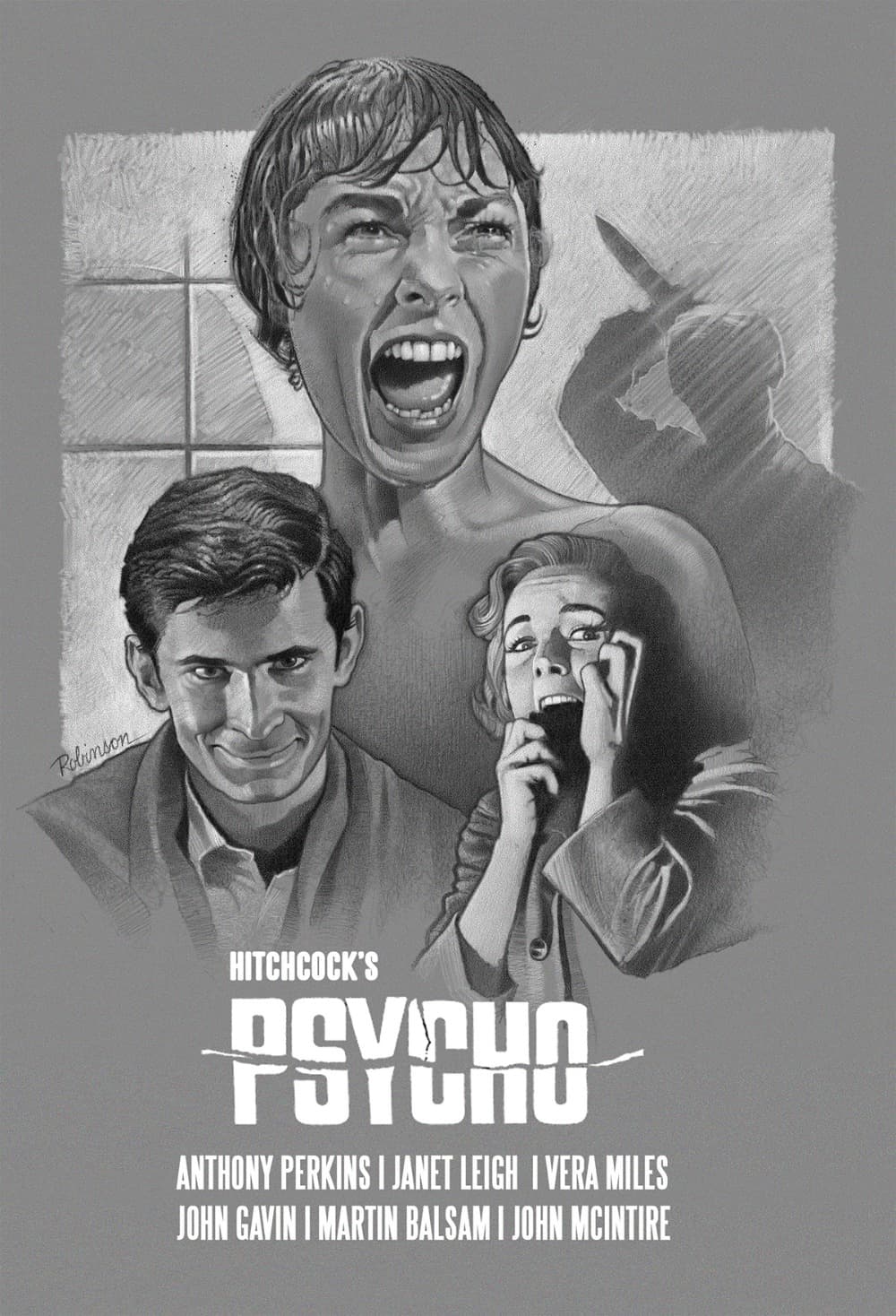
The film that invented modern horror: Hitchcock broke an unspoken rule about how a story is meant to behave, and every thriller since has been working in the space he opened.
McCartney dreamt the melody, called it "Scrambled Eggs" for weeks, then let a string quartet make it immortal.

Andy Warhol's only real production instruction was to leave the mistakes in. It sold badly enough that the band were dropped soon afterwards.
Merry Clayton's voice cracking on "murder" is the sound of the sixties ending, mid-take, in one syllable.
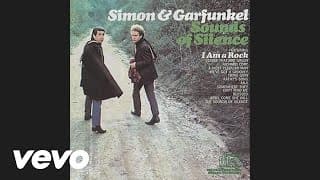
A folk flop until a producer secretly overdubbed electric guitars, and the duo heard their number one on the radio.
That four-note bassline, a gospel hymn turned into a promise, and one of the warmest vocals ever recorded.
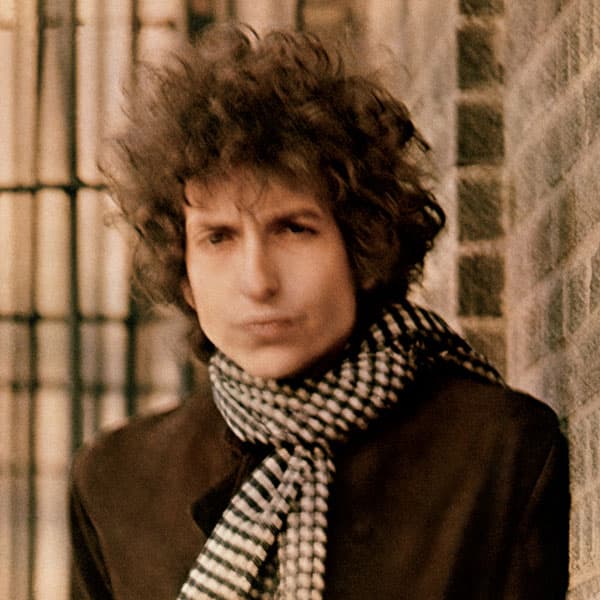
The Nashville session men sat around for hours while Dylan finished writing. Sad Eyed Lady of the Lowlands was cut at four in the morning.
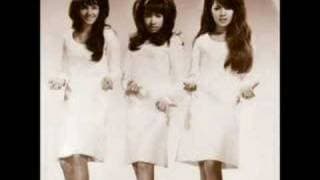
Hal Blaine's four-beat drum intro is the most imitated in pop, and Ronnie Spector owns everything after it.
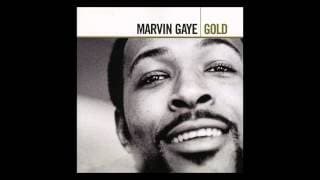
Motown shelved Gaye's version for over a year; it came out sounding like paranoia set to a Funk Brothers groove.

Hendrix cut it on four tracks in stolen studio hours between gigs, and nobody had heard a guitar do any of it before.
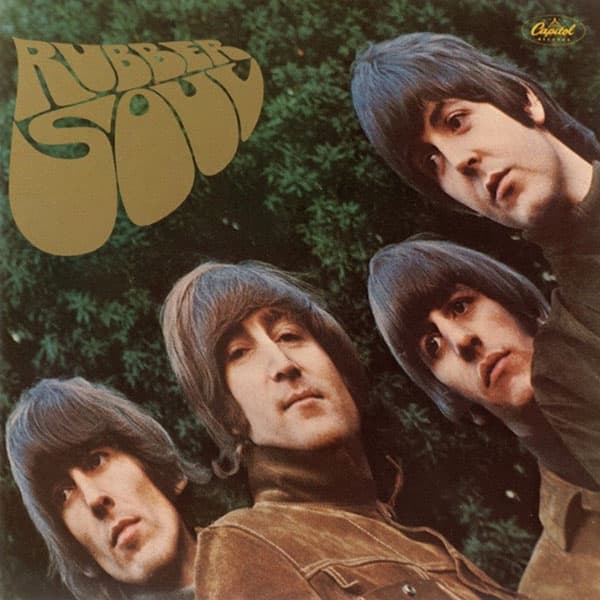
Norwegian Wood has the first sitar on a pop record. The stretched cover photograph happened when a slide slipped during the projection.
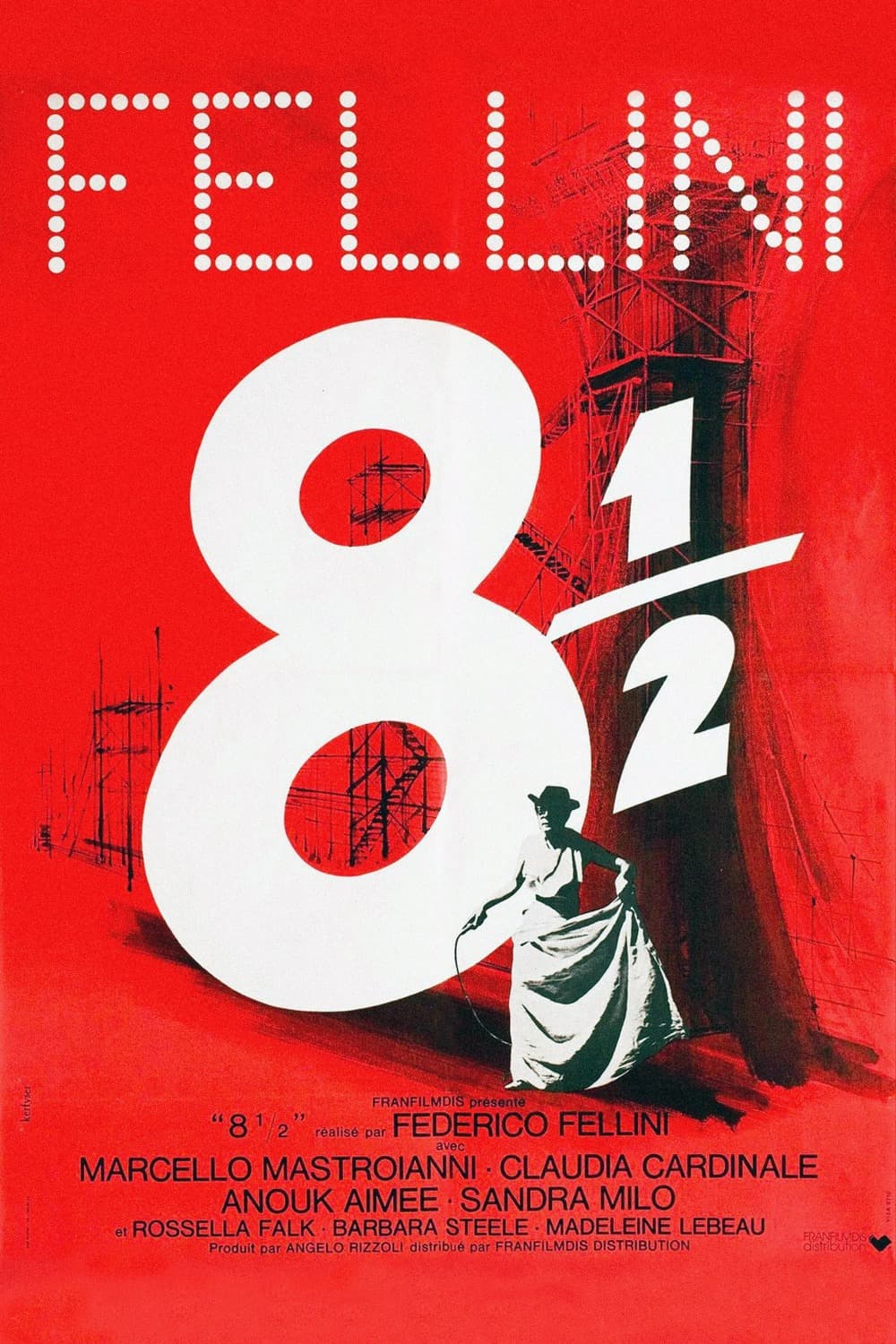
Fellini could not think of a film to make, so he made one about that: the result is a circus of memory and fantasy that every artist since has borrowed from.
For the loser now will be later to win, For the times they are a-changin'.
Hendrix took Dylan's parable and lit it, and Dylan has played it Hendrix's way ever since.
Ringo Starr quit for two weeks during the sessions and Paul played drums in his absence. The cover is plain white with a stamped serial number.
Nine questions, no answers, and the song the civil rights movement adopted whole and never gave back.
A child singing about regret over the springiest bassline Motown ever cut, and selling it completely.
The record where the beat moved to the one and funk quietly began. James Brown never looked back.

The western as ritual: Leone holds on faces until the tension turns physical, gives every character a Morricone theme, and makes three hours feel like a ceremony.
Lennon's first draft listed bus stops in Liverpool; Martin's piano solo, taped at half speed, sounds baroque.
Smokey Robinson wrote it for his wife Claudette, then handed David Ruffin his first Temptations lead vocal.
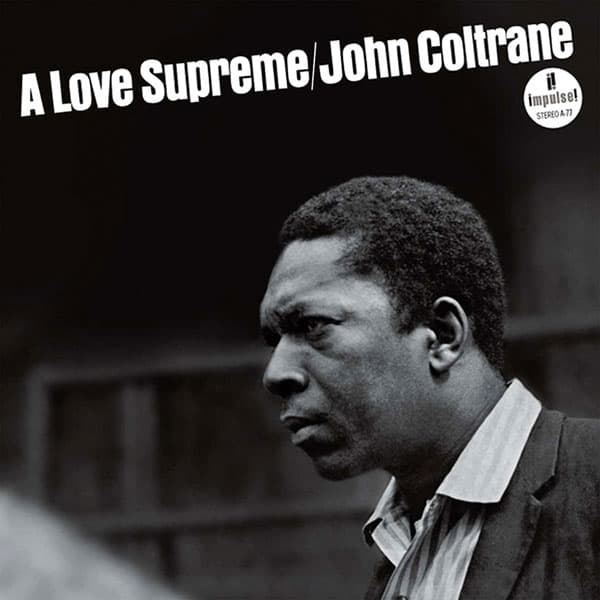
Coltrane recorded it in one December session and meant it as a prayer. On the last movement he plays a psalm he had written out.
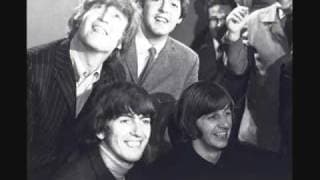
No Beatle plays an instrument on it; George Martin's string octet does everything, sawing away at two solitary lives.
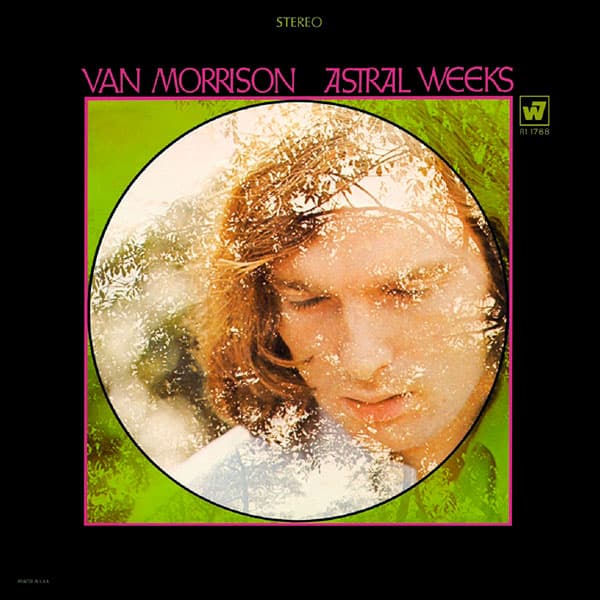
Morrison sat in an isolation booth and barely spoke to the jazz players hired to back him. The whole thing was done in three sessions.

One side plugged in, one side not. A few months later Dylan took the electric half to Newport and the folk crowd turned on him.
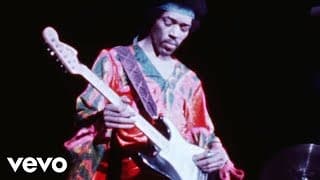
The intro is a tritone, medieval music's forbidden interval, and Roger Mayer's new Octavia pedal makes the solo scream.

Hendrix produced it himself, and spent so long in the studio that his manager walked out. One track is thirteen minutes of imagined underwater life.
Faithfull handed Jagger Bulgakov, Richards turned the folk sketch into samba and played both bass and the solo.

No spaghetti western got higher, and no film score is better known: Leone shoots faces like landscapes, and Morricone's music does as much work as the dialogue.
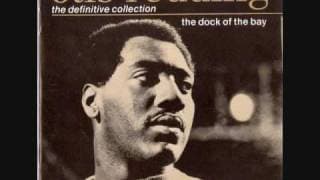
Redding cut the vocal three days before the plane crash, and Cropper finished it into the first posthumous American number one.

Merry Clayton was called in at midnight, heavily pregnant, to sing on Gimme Shelter. Her voice cracks on the third take and Jagger whoops.
Willie Nelson wrote it; Cline, back after a car wreck bruised her ribs, nailed the vocal in one take.
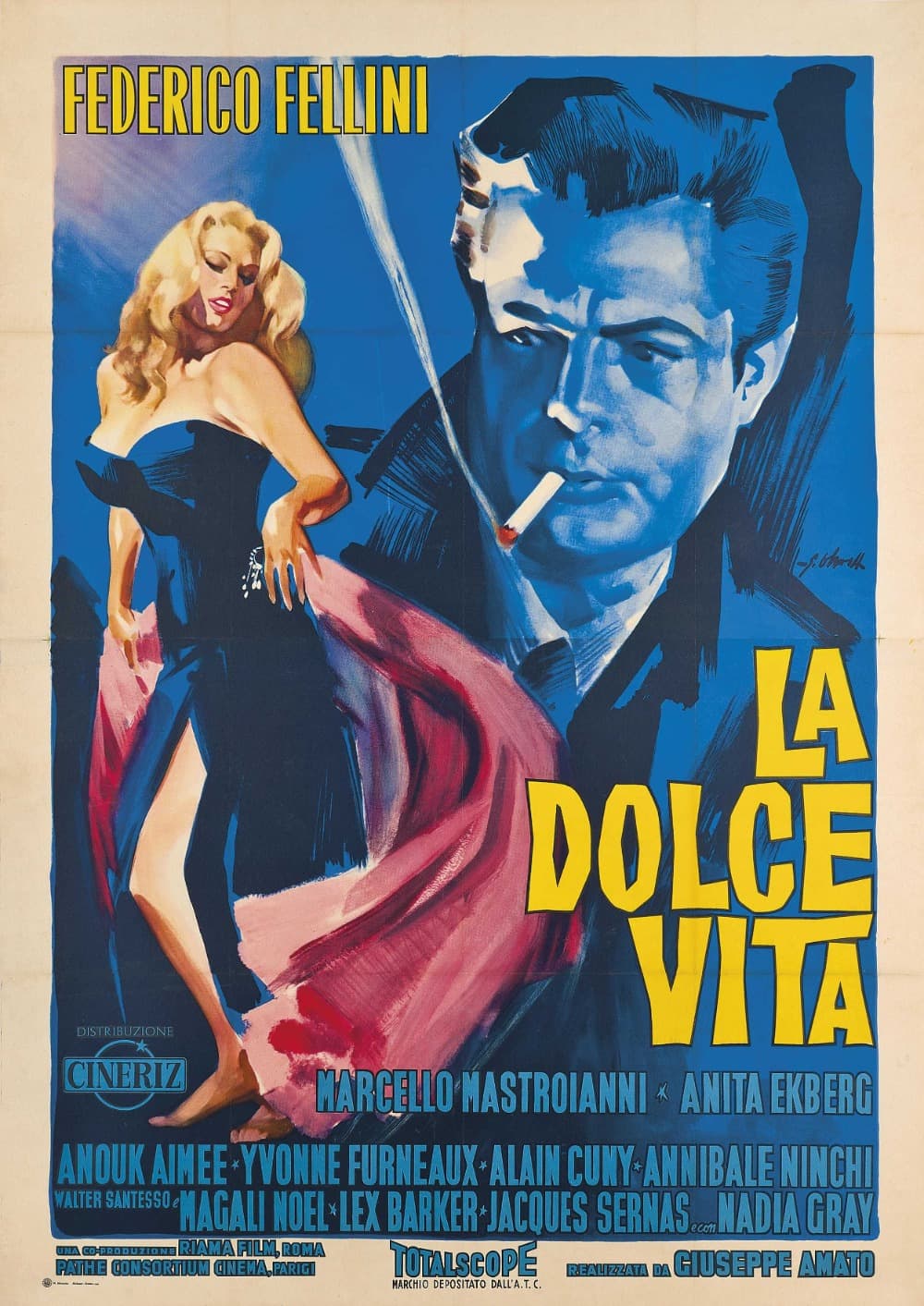
It put the word paparazzi into every language on earth: Fellini drifts through seven Roman nights of parties and beautiful exhaustion, and the fountain at dawn became permanent.
Spector printed 3:05 on the label of a 3:45 record, and it became the century's most-played song on American radio.
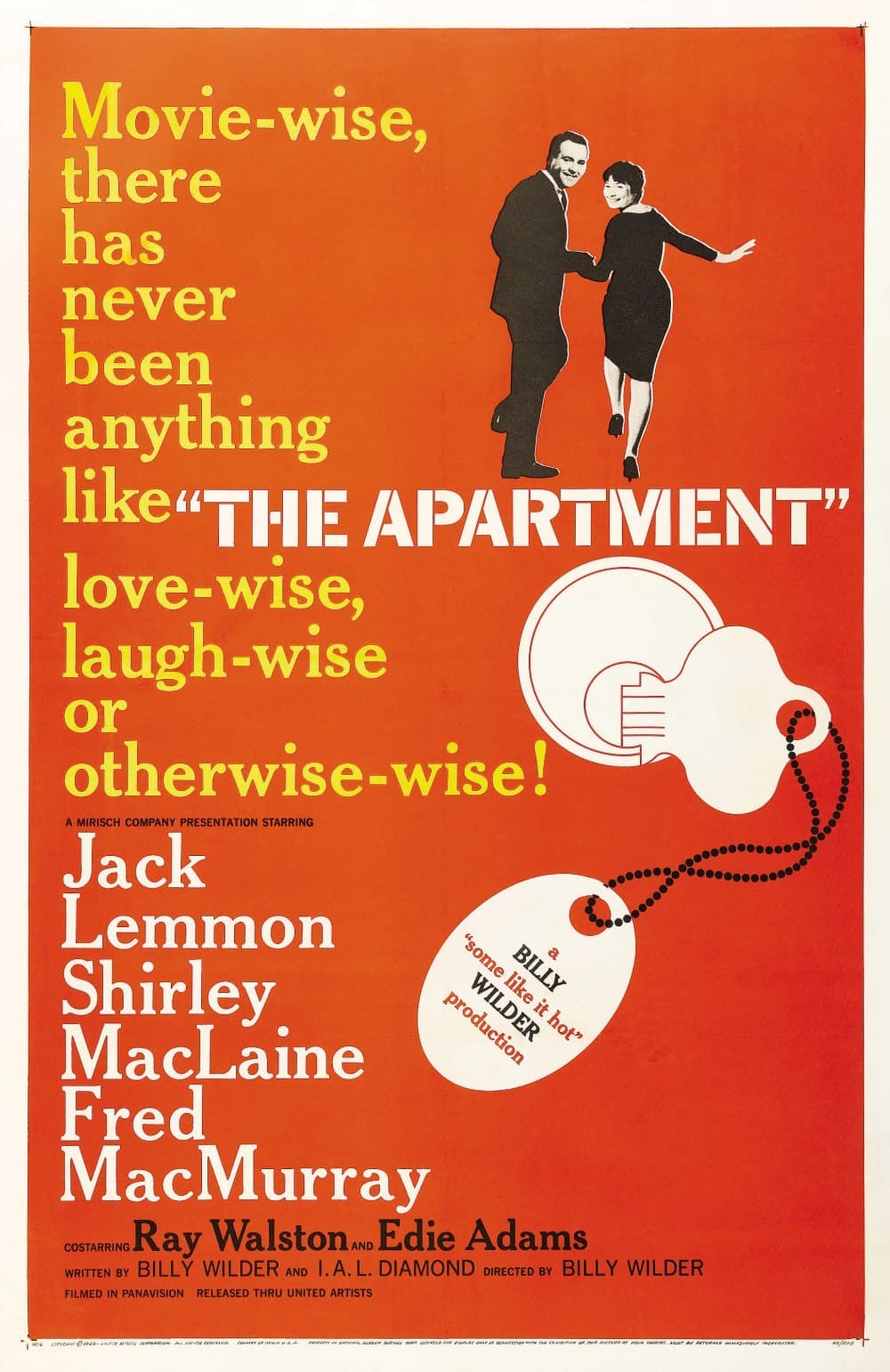
A comedy that breaks your heart and stays funny while doing it: Wilder took the sourest possible subject, a man lending his bed to his bosses, and made it warm.

Thirty-two canvases, one for every variety Campbell's then sold, hung in a row like stock on a supermarket shelf.
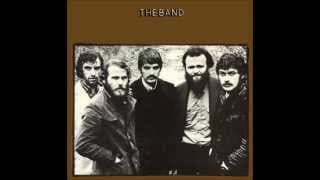
Robertson saw Nazareth stamped inside his 1951 Martin, and Helm sang the burden every verse hands over.
Lennon and McCartney started it on a tour bus after a Newcastle show; Martin thought the sixth-chord ending corny.
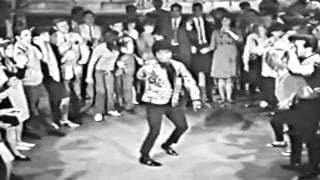
Brown recycled a flop he'd cut on Yvonne Fair, added Maceo Parker's alto, and landed his highest-charting single.

The devil arrives in Stalin's Moscow with a retinue that includes an enormous talking cat, and the literary bureaucrats never recover. Threaded through it runs a stark short novel about Pontius Pilate.
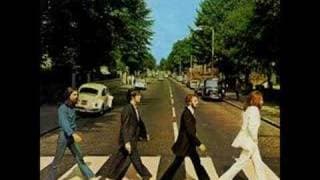
Lennon started it as a campaign song for Timothy Leary, then Ringo muffled his drums with tea towels.
Entwistle's bass solo needed a Fender after his Danelectro strings snapped, and Daltrey stuttered his way into history.
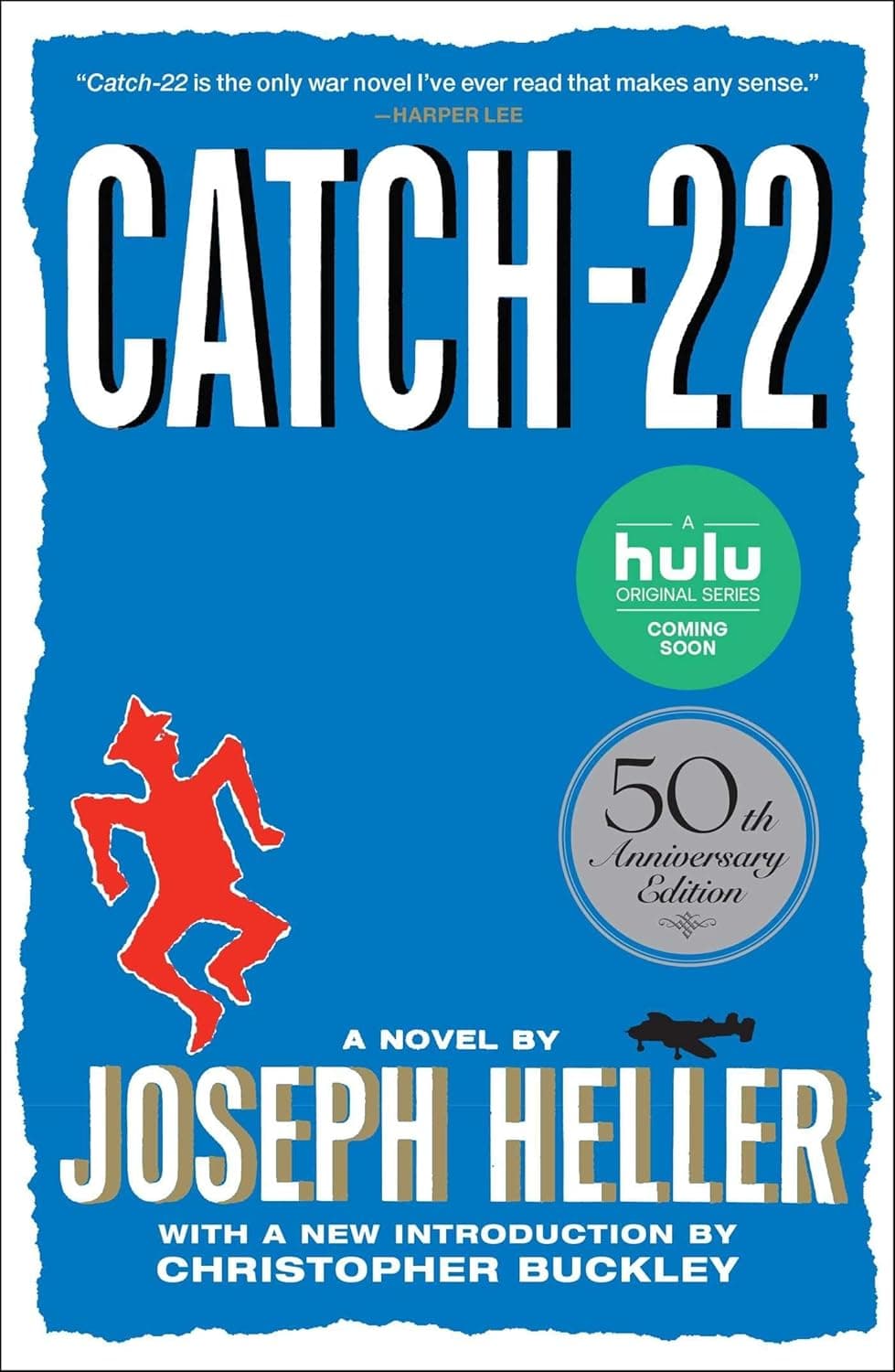
Trying to get grounded for insanity, a bombardier learns that asking to be grounded proves he is sane. Heller runs that loop through a whole war until the deaths stop being funny.
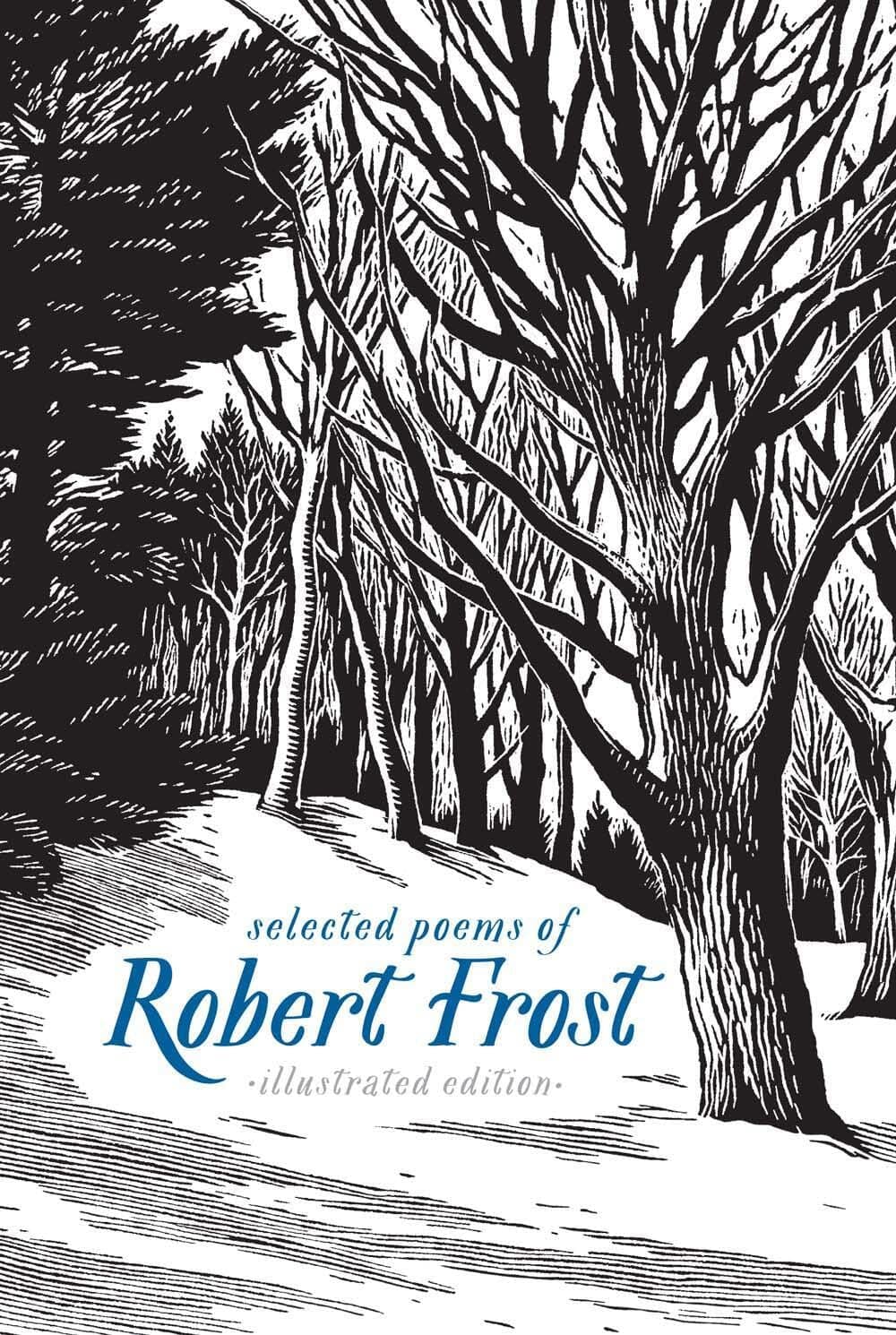
Frost's New England of stone walls and deep snow arrives in plain talk held to strict meter, with something much colder underneath. Stopping by Woods on a Snowy Evening offers no comfort.
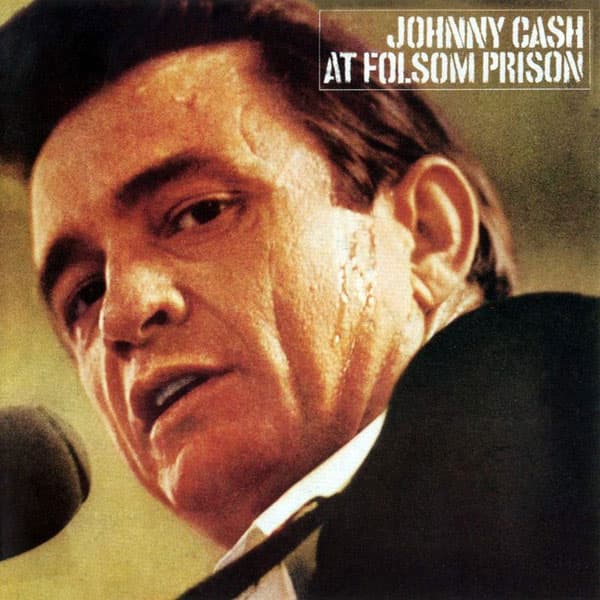
Cash's career was finished when he talked Columbia into letting him record for prisoners. The laughter after the Reno line was added afterward.
Twenty minutes of writing, and Fogerty had the sound of every draft board sending someone else's son.
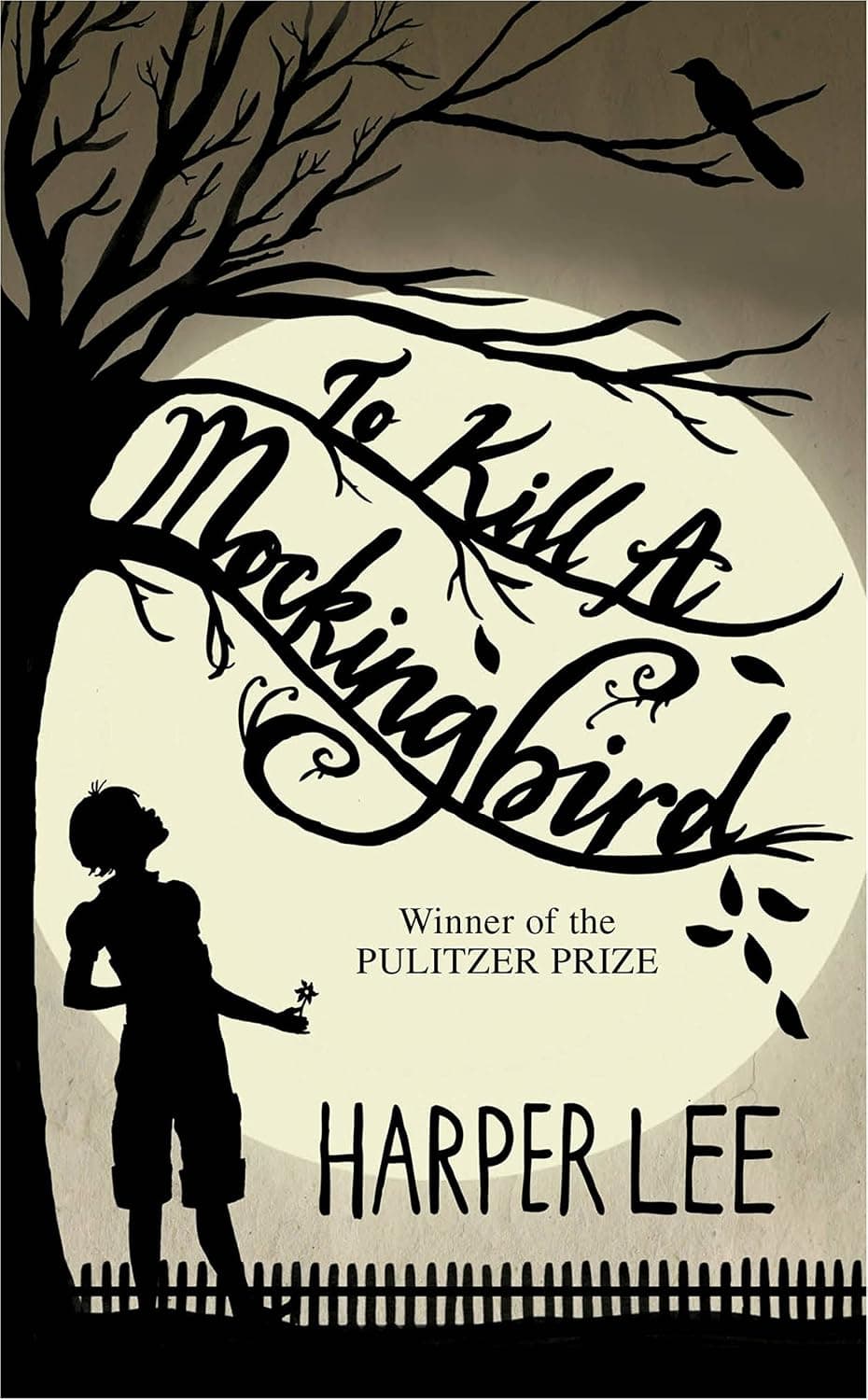
Scout Finch's father, a lawyer in a small Alabama town, defends a Black man accused of raping a white woman. The trial reaches you through a child who understands less than you do.
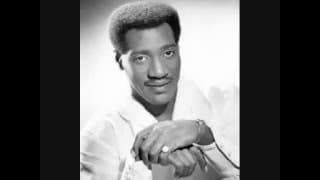
A 1932 Tin Pan Alley ballad, rearranged by Isaac Hayes, until Redding and Al Jackson tear the roof off.
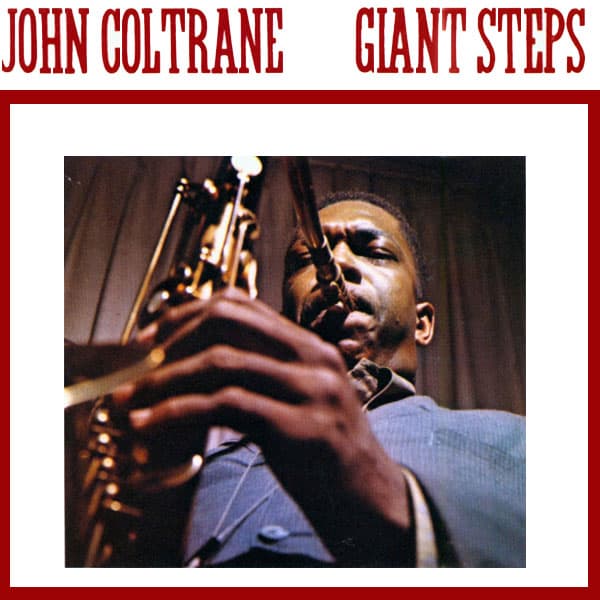
The title track modulates through three keys so fast that the pianist, Tommy Flanagan, audibly struggles through his solo on the finished take.
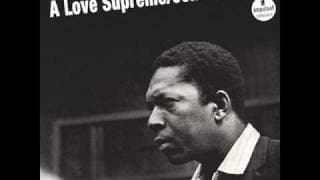
Garrison's four notes, then Coltrane overdubbing the chant nineteen times, one December day at Van Gelder's.
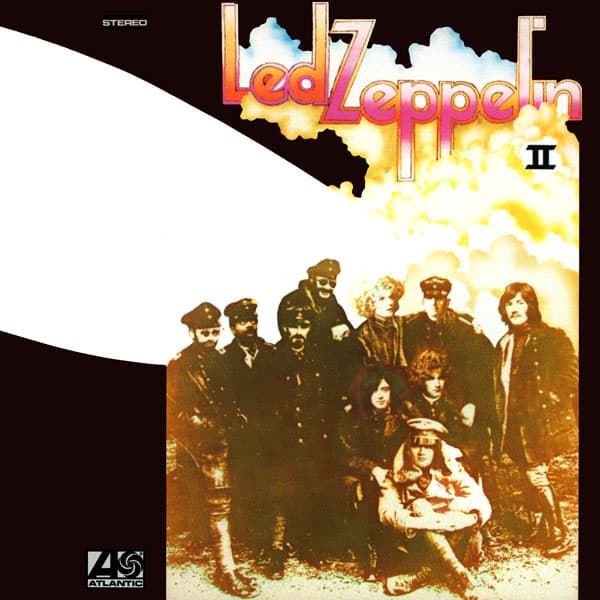
Written and recorded in snatched hours in studios across two continents while touring. Willie Dixon later sued over the words to Whole Lotta Love.
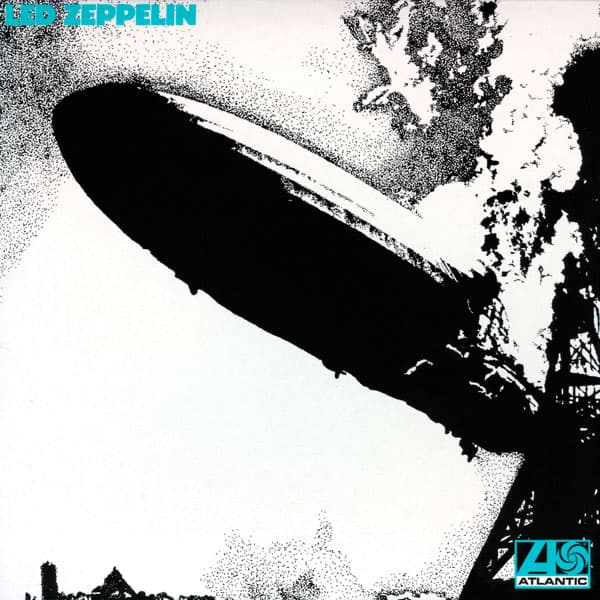
Guitarist Jimmy Page paid for the sessions himself and the record took about thirty-six hours of studio time. Nobody had heard drums recorded like that.

Anita Carter cut it first, her sister June wrote it with Merle Kilgore, and Cash added the mariachi trumpets.
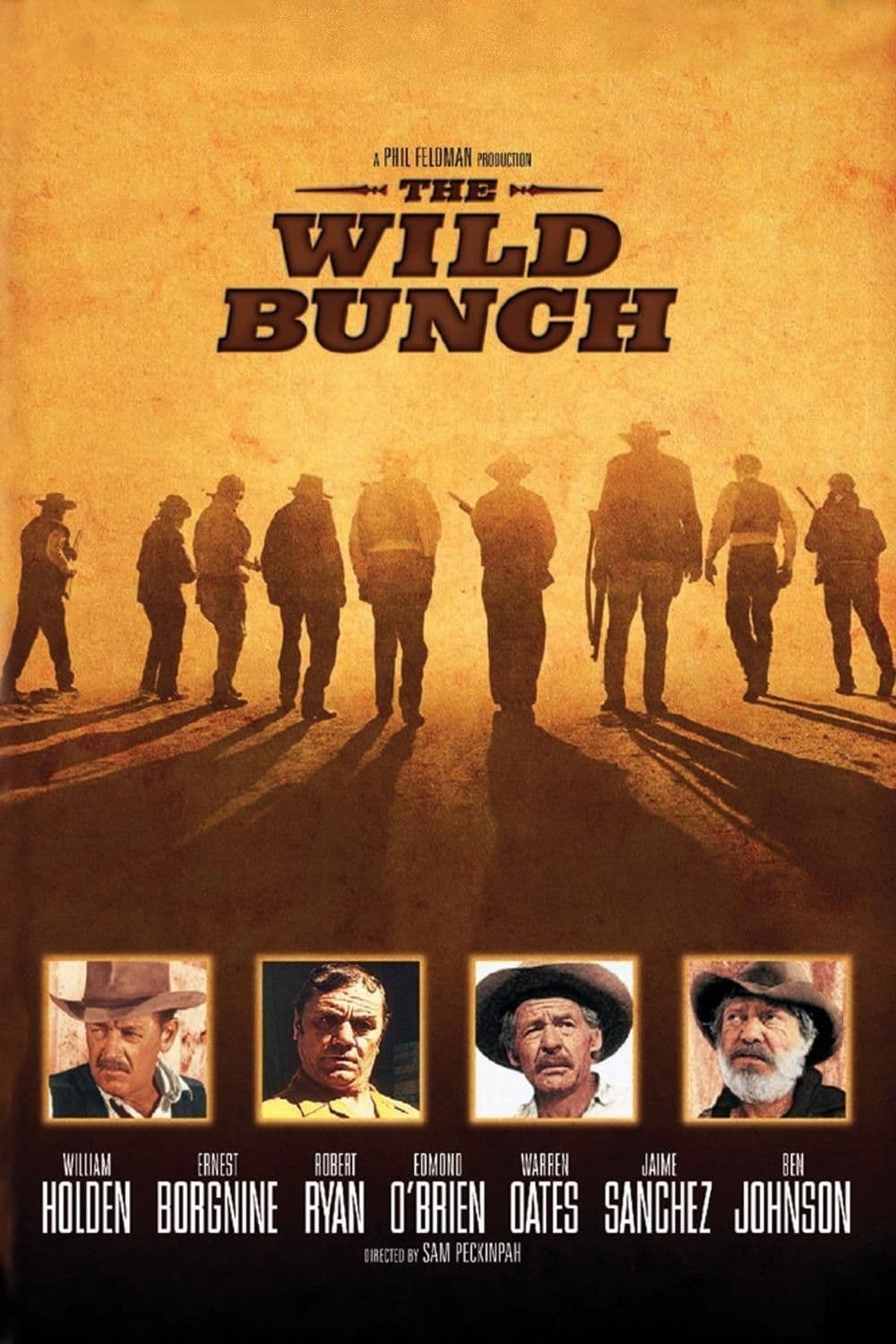
Peckinpah showed at once what the new ratings system had licensed: slow motion, six cameras firing together, and a body count that made every western before it look polite.

They wrote it in the basement of a pink house near Woodstock, and Bob Dylan painted the picture on the front.
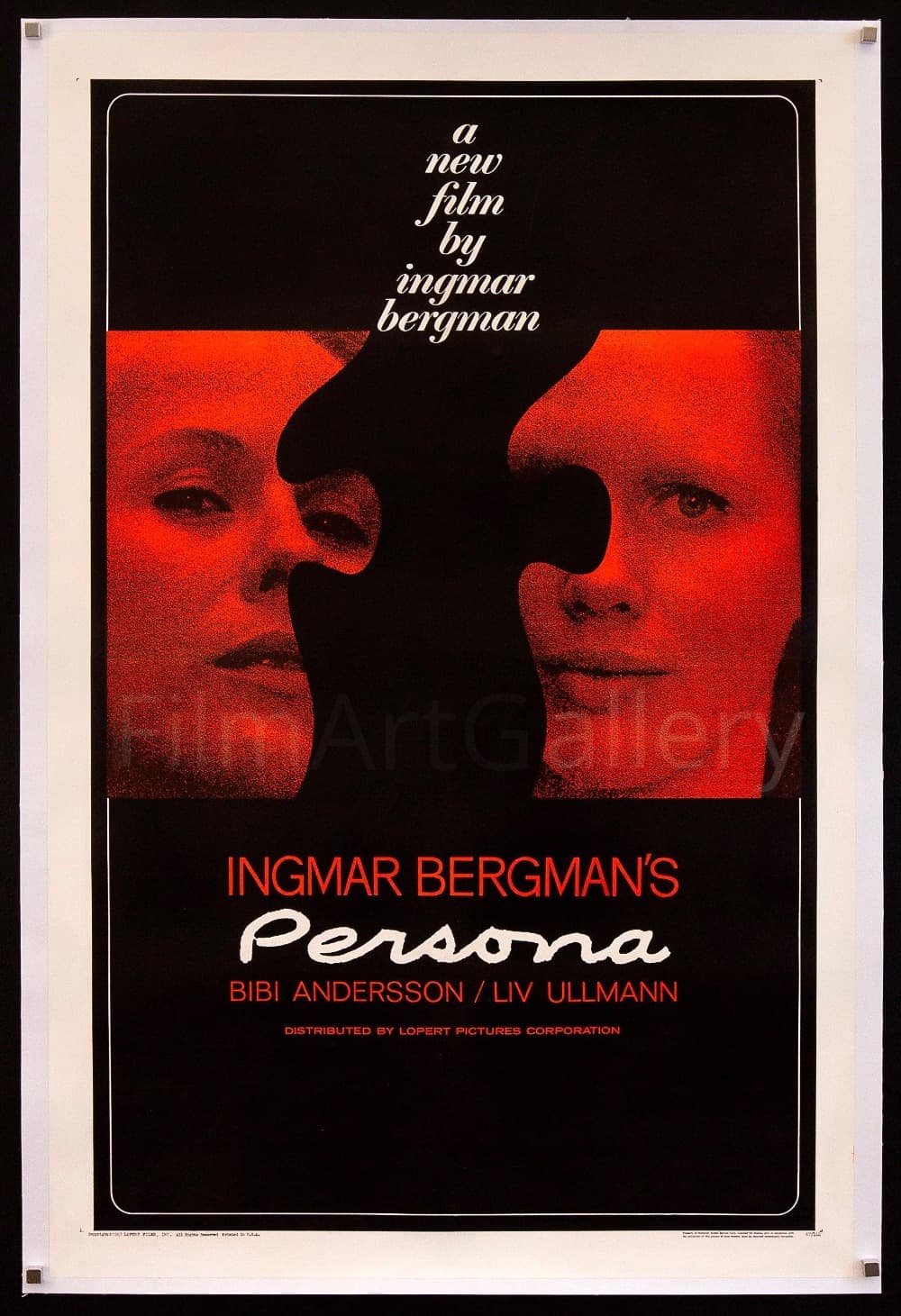
More has been written about this film than almost any other: Bergman put two women on an island until their faces merged, and left everyone to explain what happened.
I have also decided to stick with love...hate is too great a burden to bear.
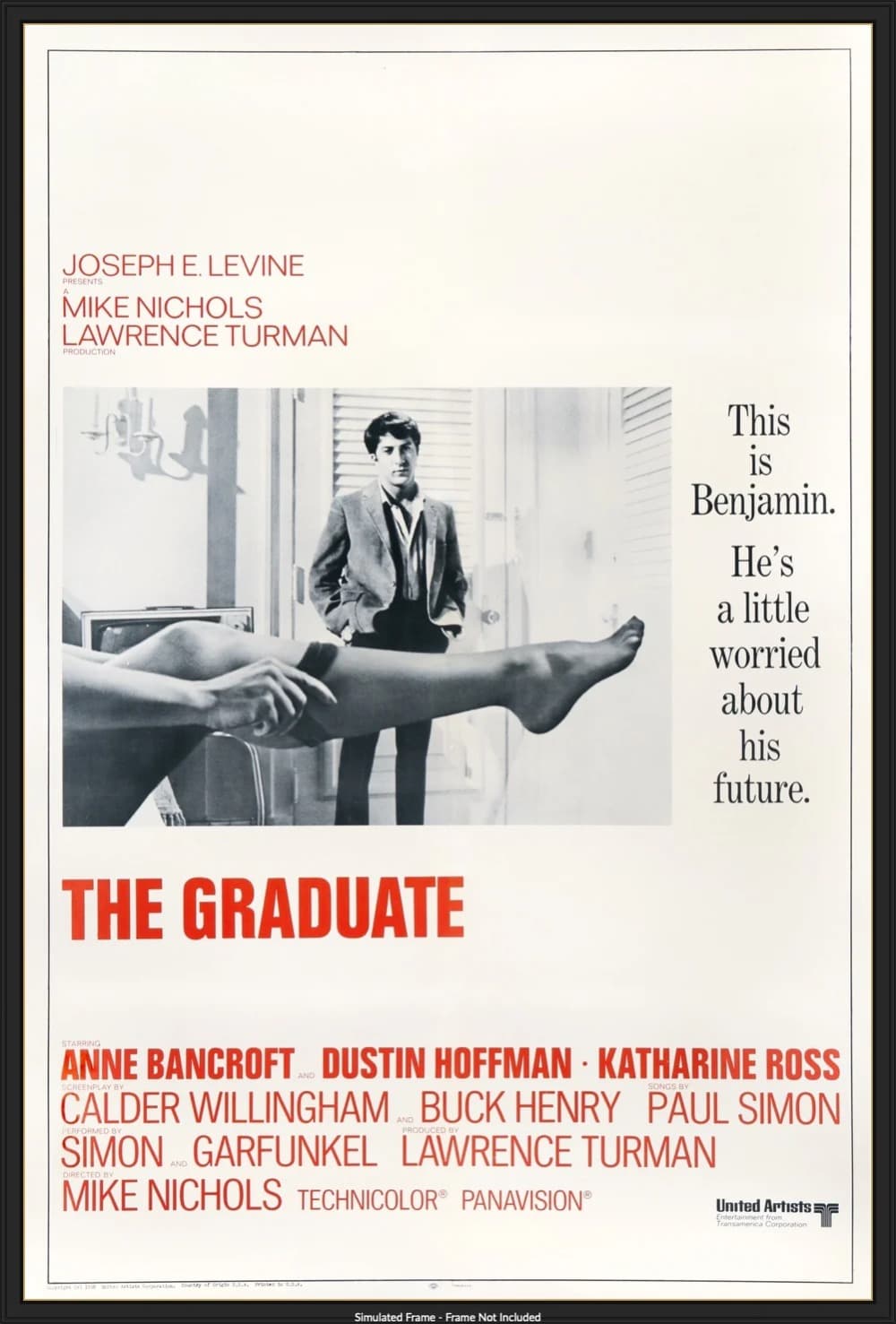
A generation was told their parents were wrong and believed it: Nichols made aimlessness look cinematic, and the soundtrack put Simon and Garfunkel into every house in America.
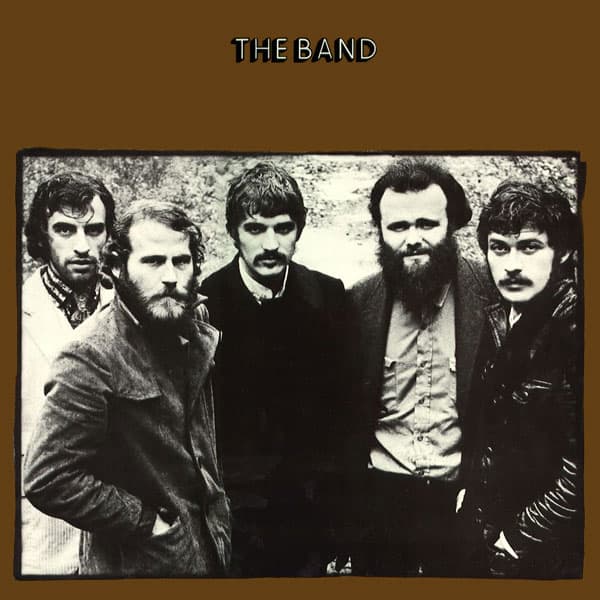
They converted the pool house of a rented Hollywood home into a studio. Most of these songs about the American South were written by a Canadian.
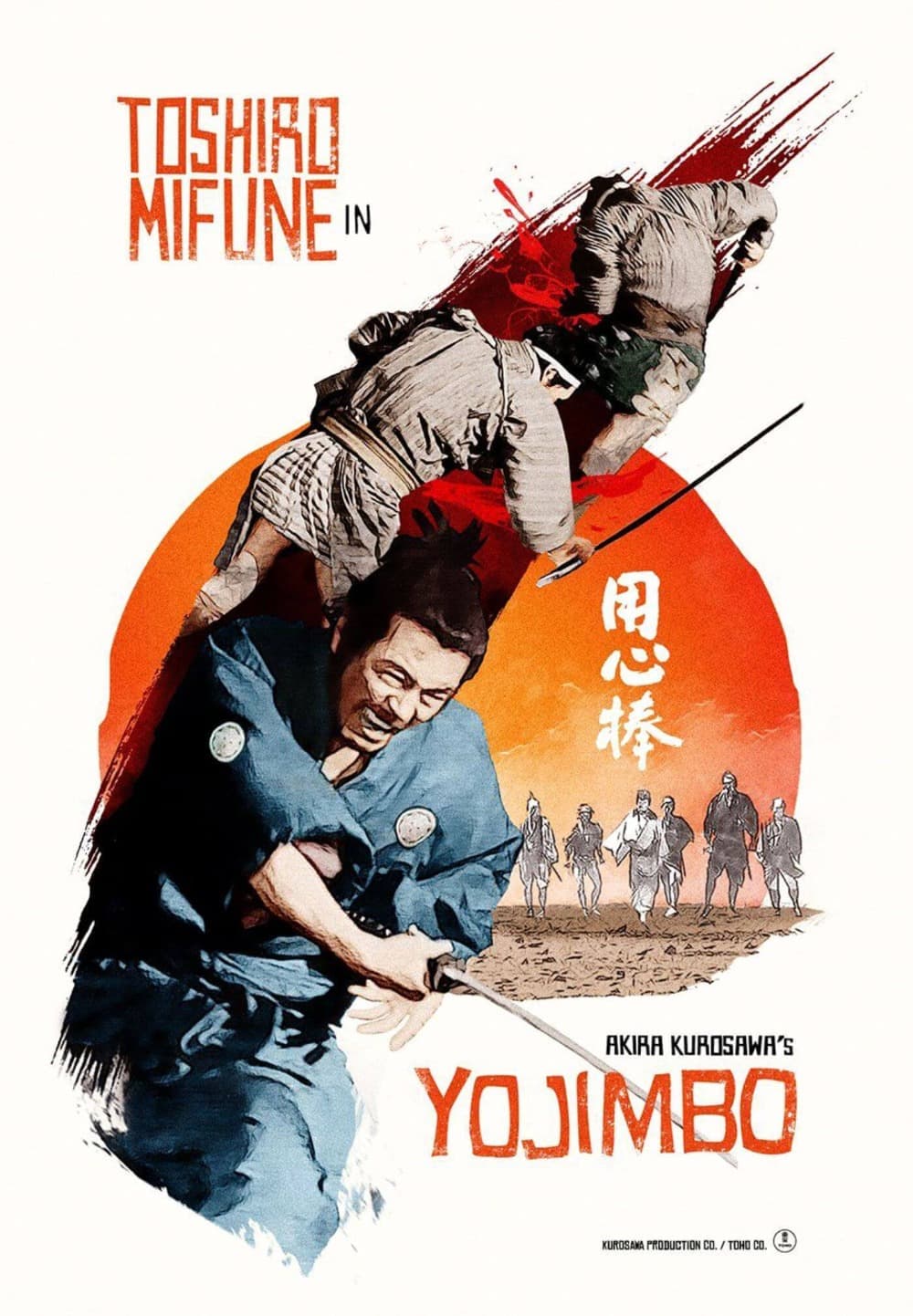
Leone took it wholesale for A Fistful of Dollars and Toho forced a settlement out of court: Kurosawa's samurai playing two gangs against each other is the template everyone still uses.
Bruce Langhorne's giant Turkish frame drum gave Dylan the image, and the Byrds' cover turned it into folk rock.
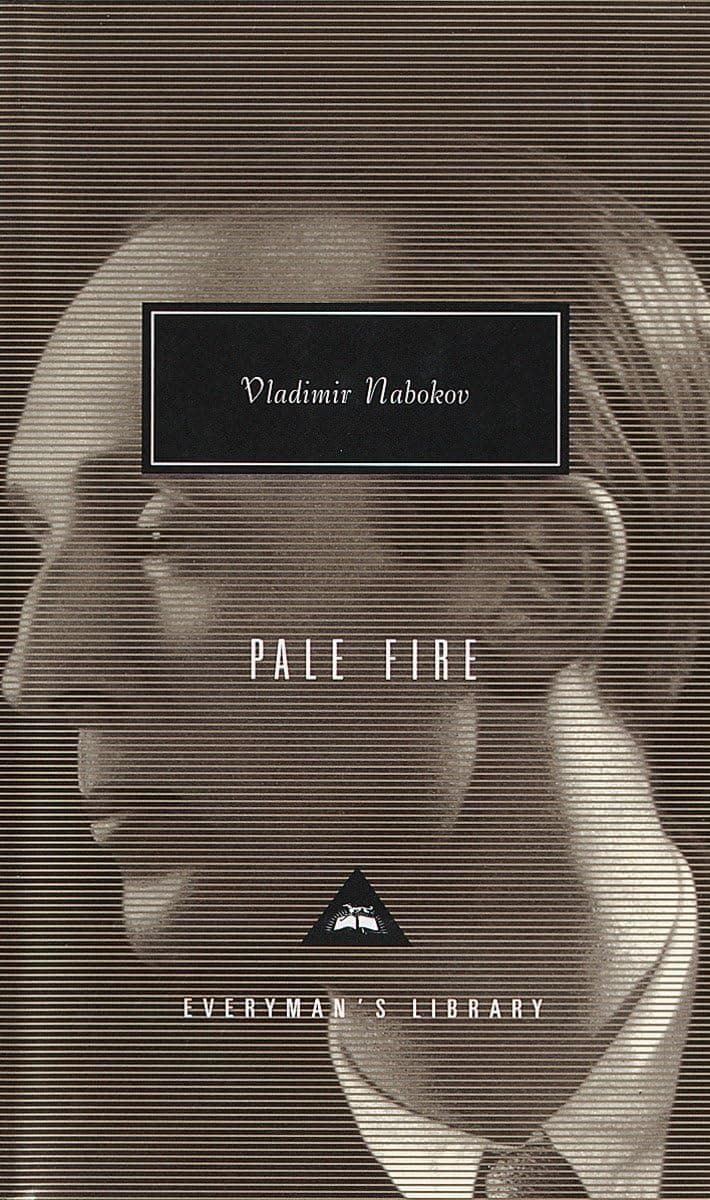
A dead poet's 999 lines arrive wrapped in footnotes by a neighbor certain the poem is about his own lost northern kingdom. The ingenuity is total and the grief underneath is real.
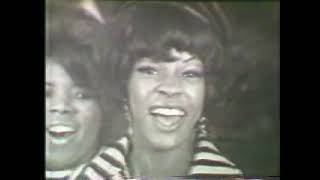
Gaye co-wrote it and cut an early version; Reeves heard block parties in it and needed two takes.
Hilton Valentine's arpeggio, one take at De Lane Lea, and four and a half minutes when singles ran two.
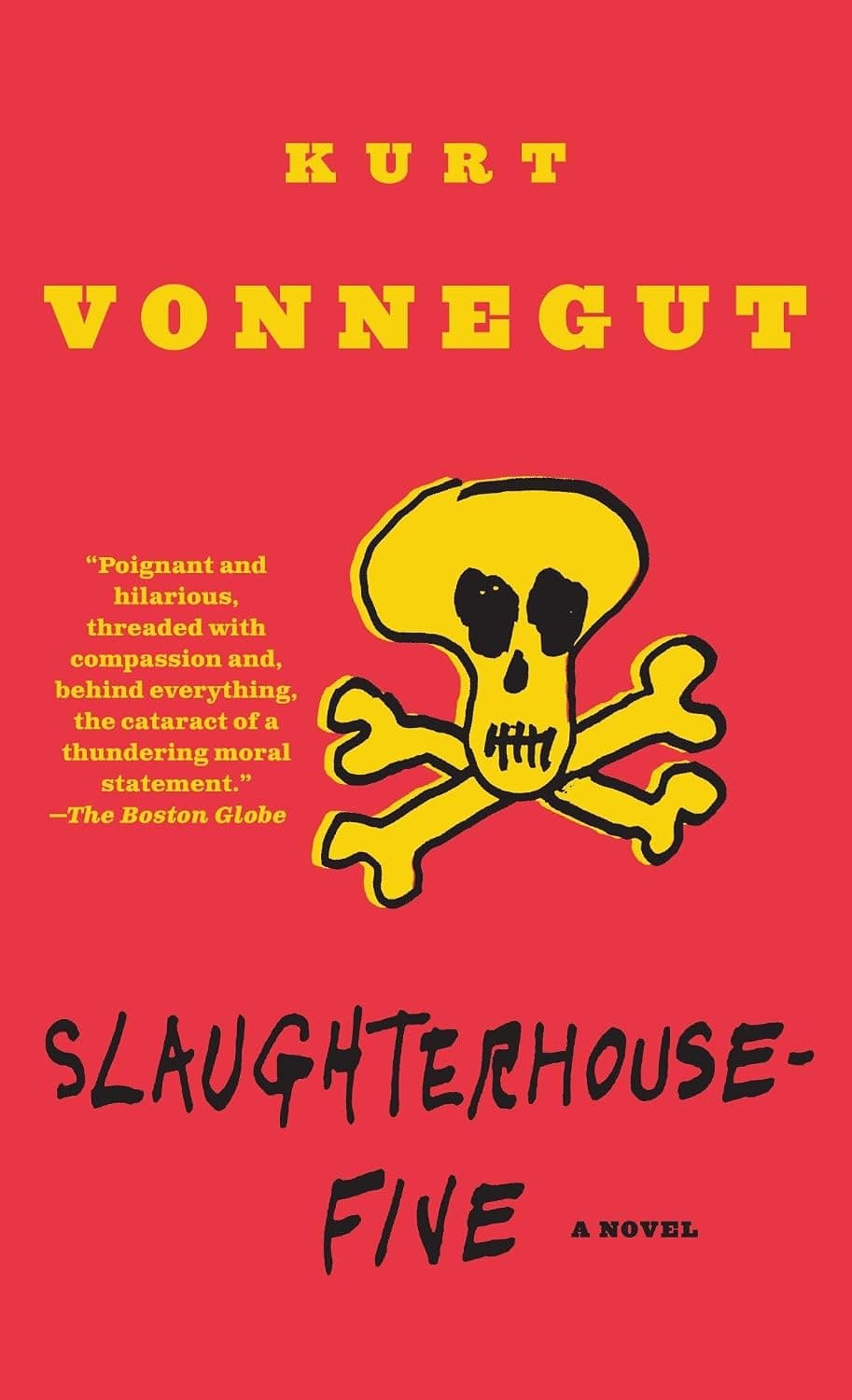
Billy Pilgrim comes unstuck in time, between a Dresden meat locker during the firebombing and a zoo on another planet. Vonnegut was in that cellar, and writes "So it goes" after every death.
Dave Davies took a razor blade to his little Elpico amp's speaker cone, and distortion arrived on British radio.
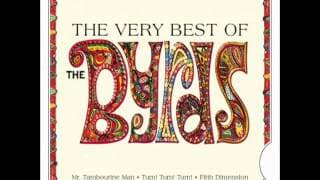
Session men cut the track and McGuinn's twelve-string Rickenbacker rang over one Dylan verse; folk rock started there.

Science does not creep forward by adding facts, Kuhn argues. It works inside one framework until the anomalies pile up and the whole picture flips. Paradigm shift is his phrase and his idea.
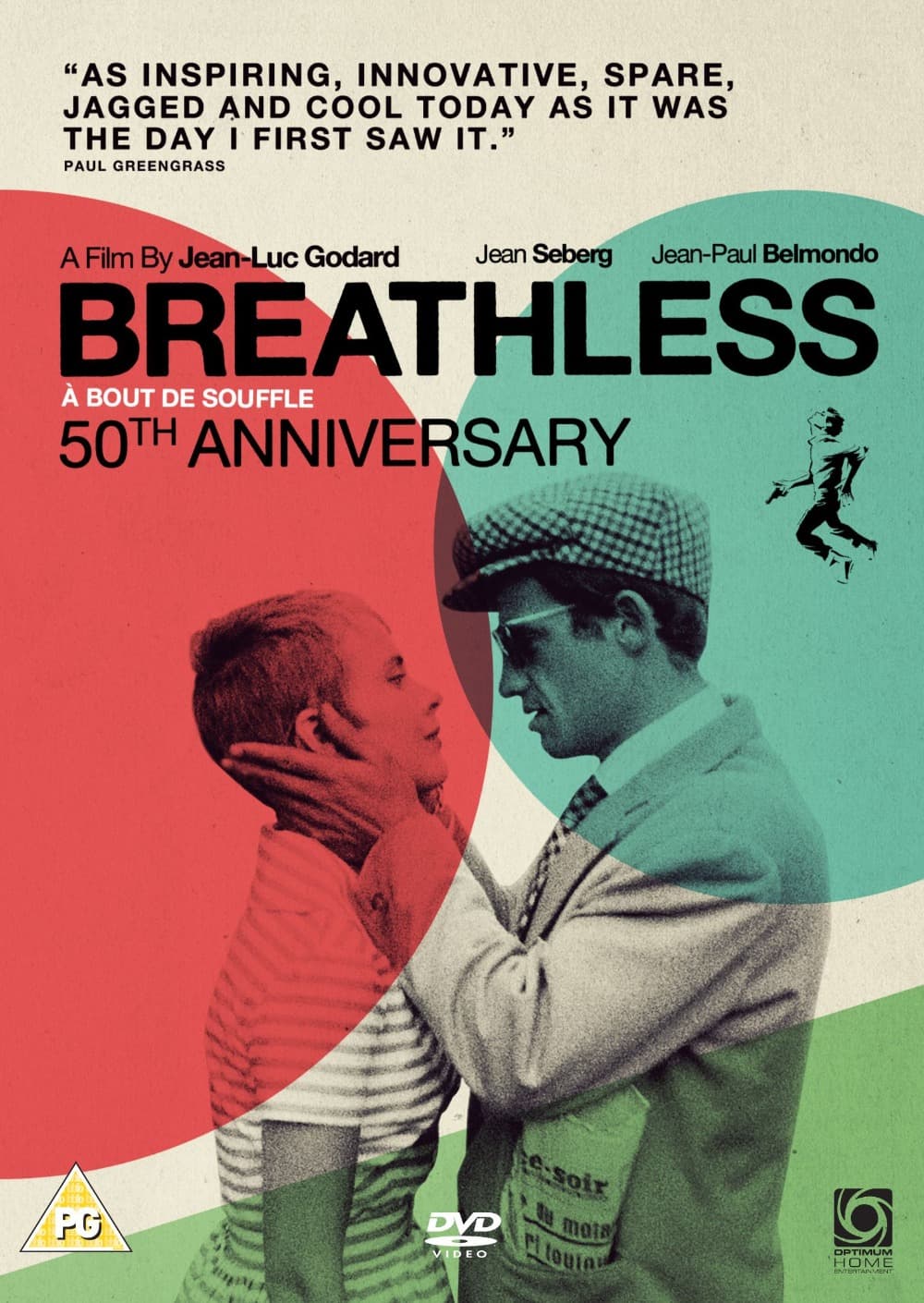
Modern film editing starts here, and partly by accident: Godard shortened an overlong picture by cutting inside his own shots, and the jump cut has been legal ever since.

Malcolm X was a Michigan boy, then a Harlem hustler, then a convict copying the dictionary, then a speaker no one in America could ignore. He was still changing when he was murdered.

Jacobs watched her Greenwich Village street and argued that crowded sidewalks, short blocks, and eyes on the street are what keep a city alive. After this, bulldozing a neighborhood stopped looking like progress.
Davies started it as "Liverpool Sunset," moved it to the Thames, and Dave's tape-delay guitar did the rest.
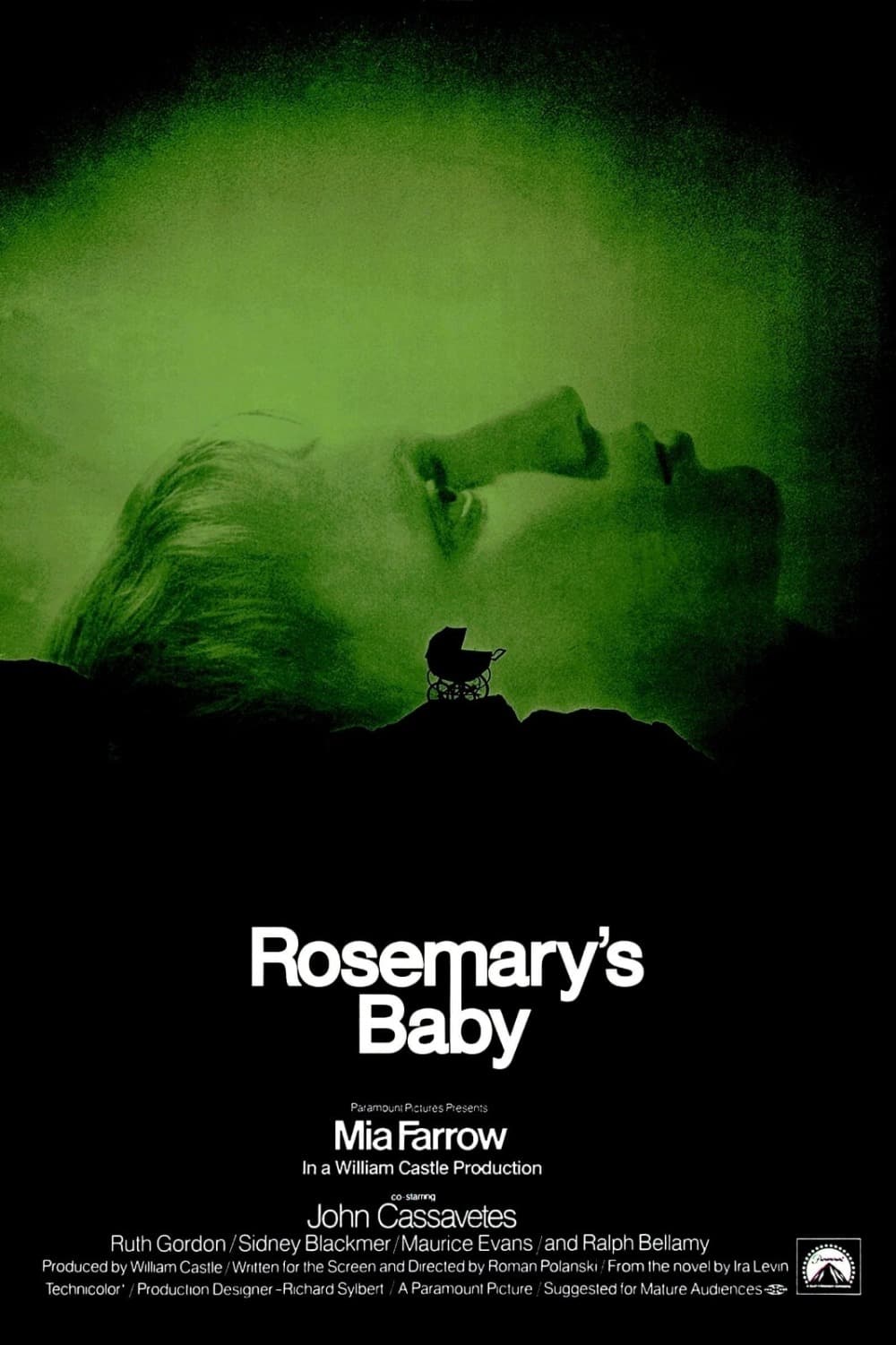
Horror discovered it did not need monsters: Polanski built two hours out of a young wife nobody believes, and the dread comes entirely from politeness and closed doors.