Born in the USA
1984 · From Born in the USA
Take four, April 1982, a Yamaha synth from Roy Bittan, and the most misheard chorus in American rock.
★ 8.7
 skopia
Take four, April 1982, a Yamaha synth from Roy Bittan, and the most misheard chorus in American rock.

Reagan's campaign tried to borrow the title song, which is sung by a veteran who cannot get a job. Seven singles went top ten.
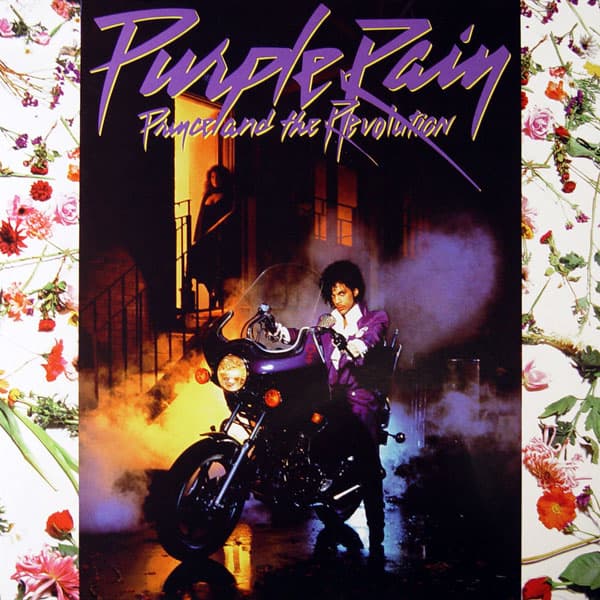
When Doves Cry has no bass on it at all, which Prince did deliberately. Several tracks were taped live at a Minneapolis club.

American distributors cut ninety minutes out of it and destroyed the reviews: restored to full length, Leone's fifty-year gangster elegy drifts between decades like an opium dream.
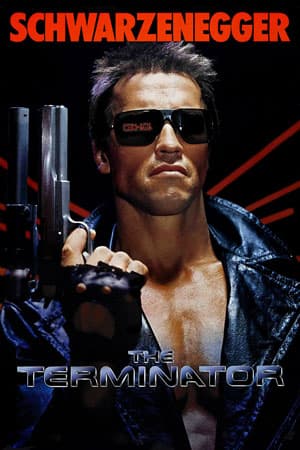
Cameron made it for six million dollars and launched two careers and a franchise: a machine that cannot be bargained with, cannot be reasoned with, and absolutely will not stop.
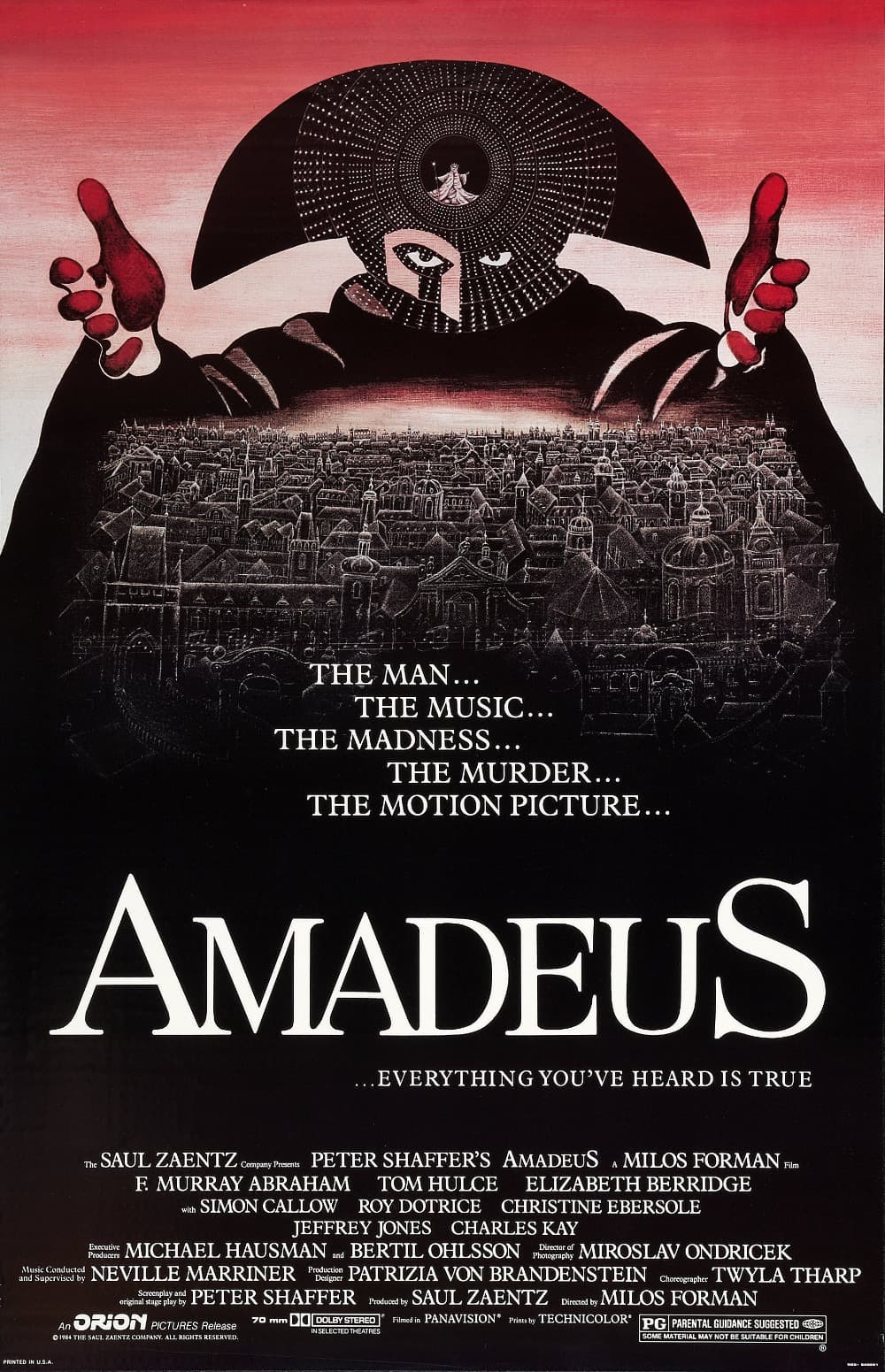
It sent a whole generation out to buy Mozart records: Salieri narrates his own jealousy from an asylum, and the music keeps making his case better than he can.

Kundera puts a Prague surgeon who cannot stop having affairs, the woman who loves him, and the Soviet tanks of 1968 together, then asks whether a life lived once can weigh anything.
A Steinberg and Kelly demo Rodgers disliked at first, six weeks at number one, and a seventeen-foot wedding cake.
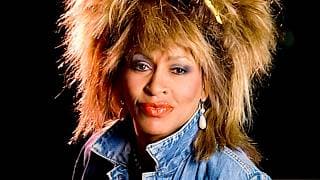
Cliff Richard turned it down, Bucks Fizz shelved it, and Turner at forty-four took it to number one.
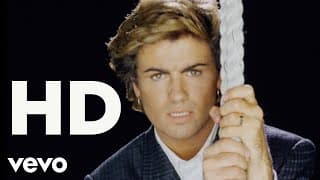
Written at seventeen on a bus, scrapped at Muscle Shoals, saved by Steve Gregory's saxophone in one breath.
Real musicians find it painful to watch because everything in it has happened to them: Reiner and his cast improvised almost the entire film from a bare outline.
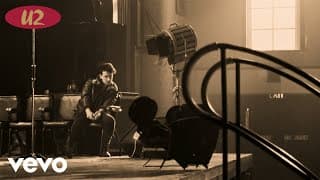
The Edge's chords came out of a soundcheck in Japan; Bono fixed the third verse's timeline on record only in 2023.
Campbell built the track on a LinnDrum, Petty passed, and Henley wrote middle age onto somebody else's demo.
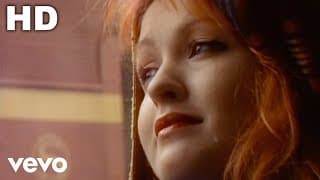
Lauper lifted the title from a TV Guide film listing, and Rob Hyman's harmony makes the chorus ache.
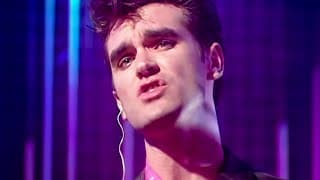
Marr's melody came from a New York hotel room, the title from Sandie Shaw, and misery never sounded so cheerful.
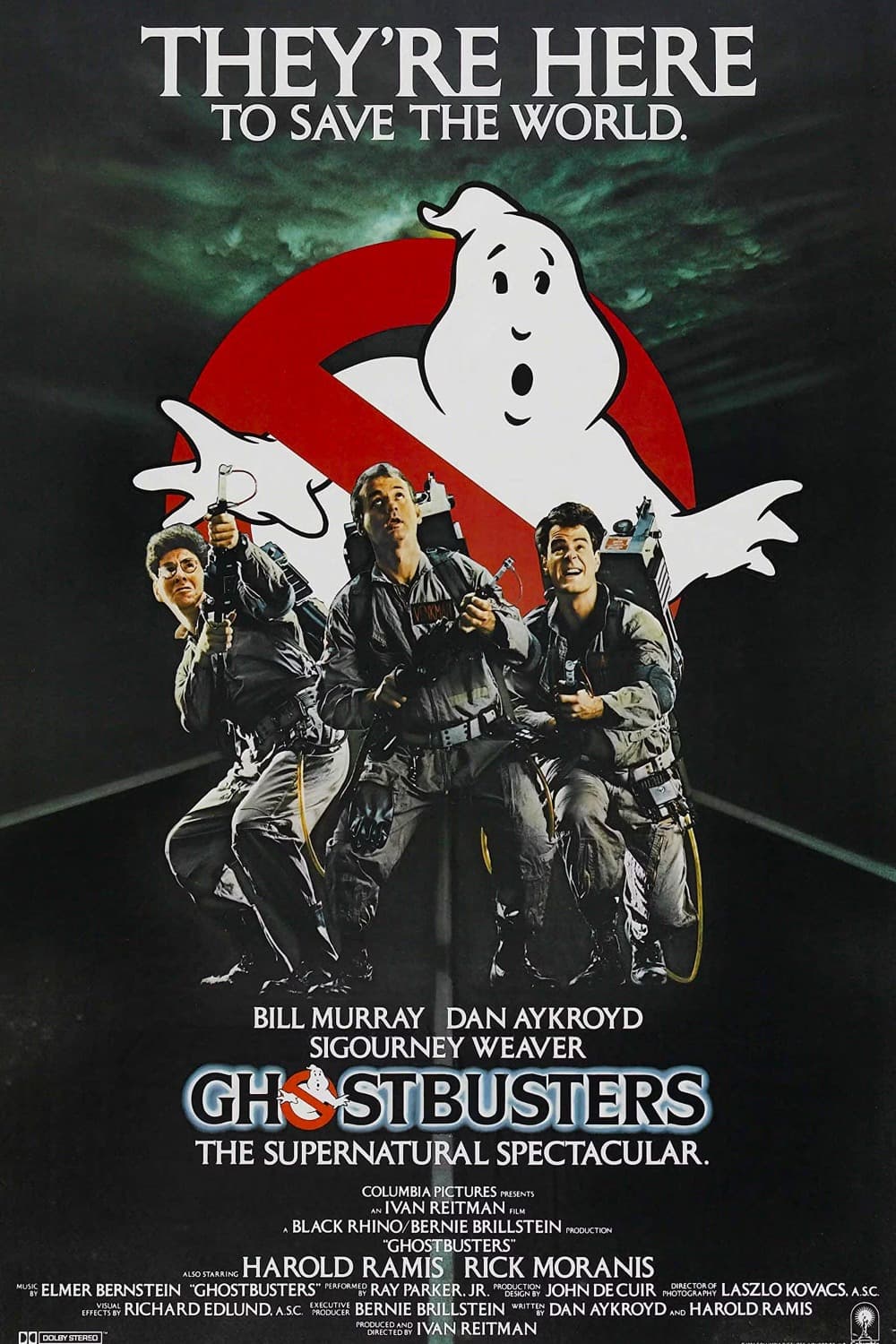
It should not work at all and it works completely: three academics start a small business catching ghosts in New York, and Murray ad-libs freely on top of the script.

Forty-five songs, most under two minutes, and the title is a joke about obeying the speed limit. D. Boon was dead within eighteen months.
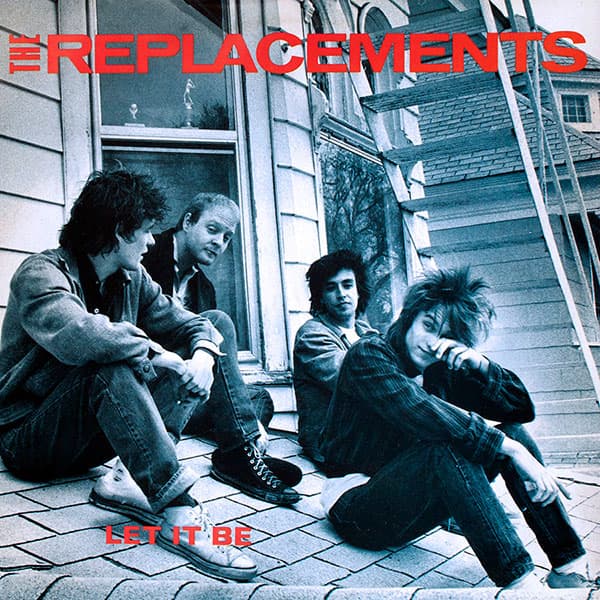
They called it Let It Be mostly to annoy people. The songs run from a joke about answering machines to Westerberg howling that he is unsatisfied.
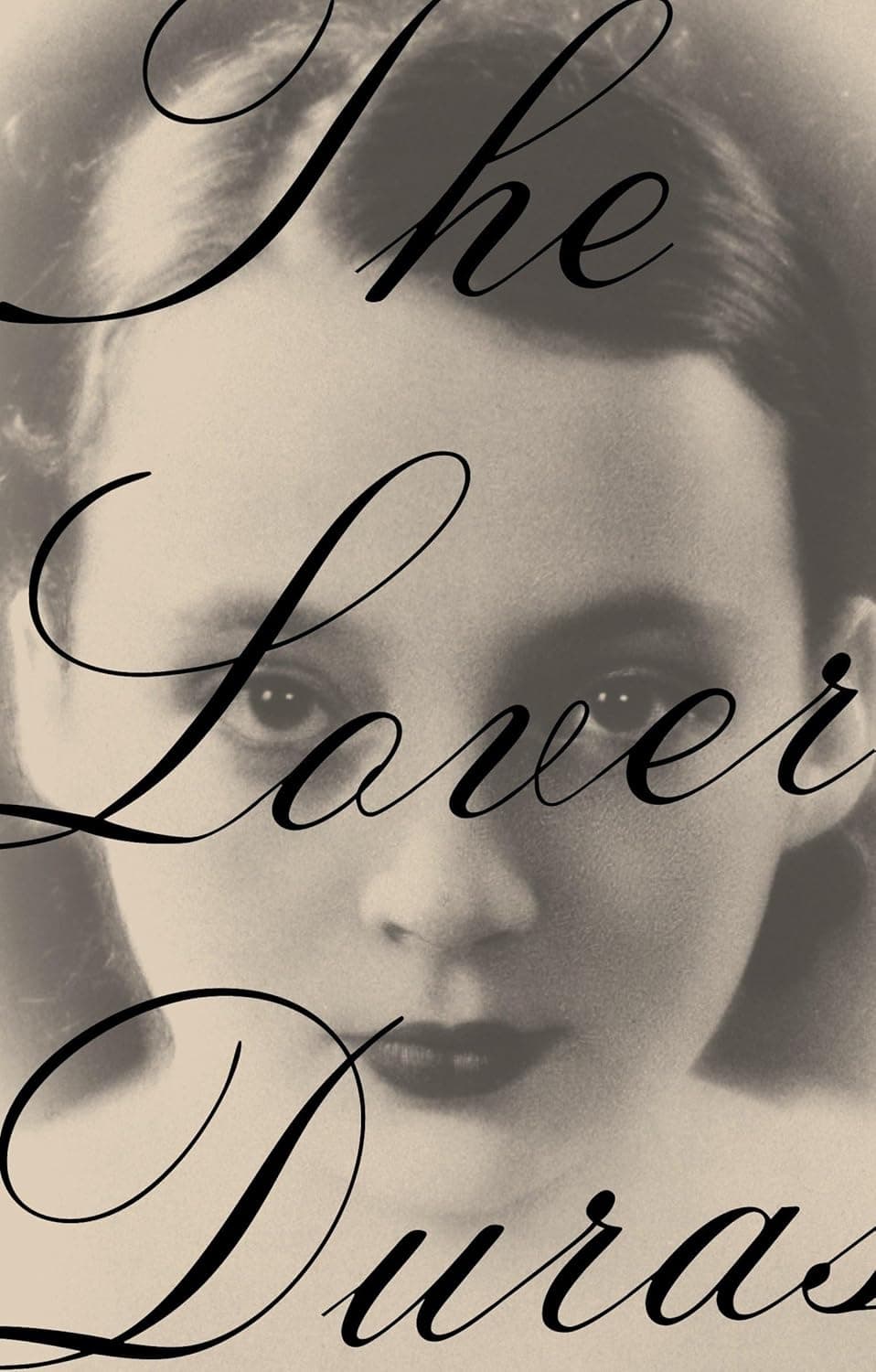
Crossing the Mekong by ferry in 1929, a French girl of fifteen meets the Chinese man who becomes her lover. Duras writes it in fragments that refuse both romance and pity.
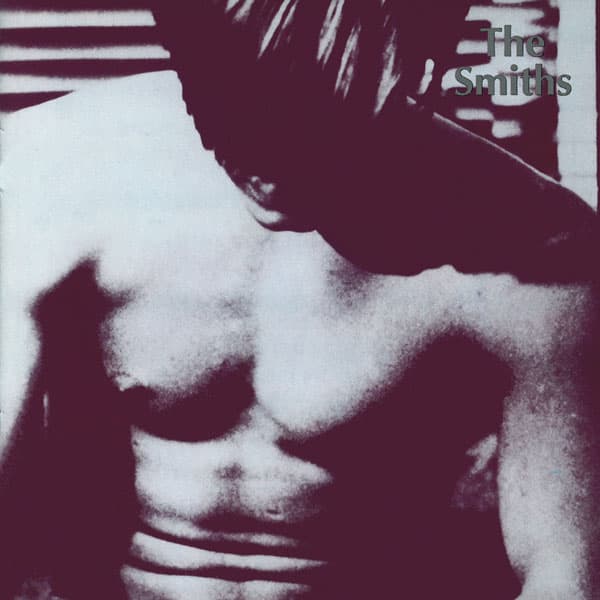
Johnny Marr knocked on Morrissey's door with a friend to propose the band. Morrissey had been writing letters to the music papers for years.
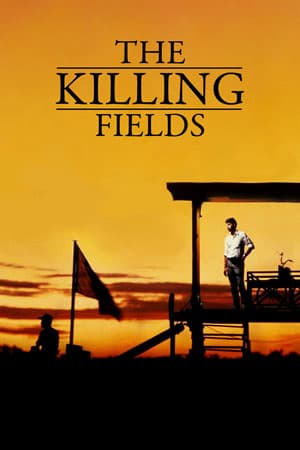
Haing Ngor had never acted in his life and won an Academy Award for this: Roland Joffe films the fall of Phnom Penh through an American reporter and the Cambodian colleague beside him.

Put together three years after Marley died, and it has essentially never left the American catalogue charts in the forty years since.
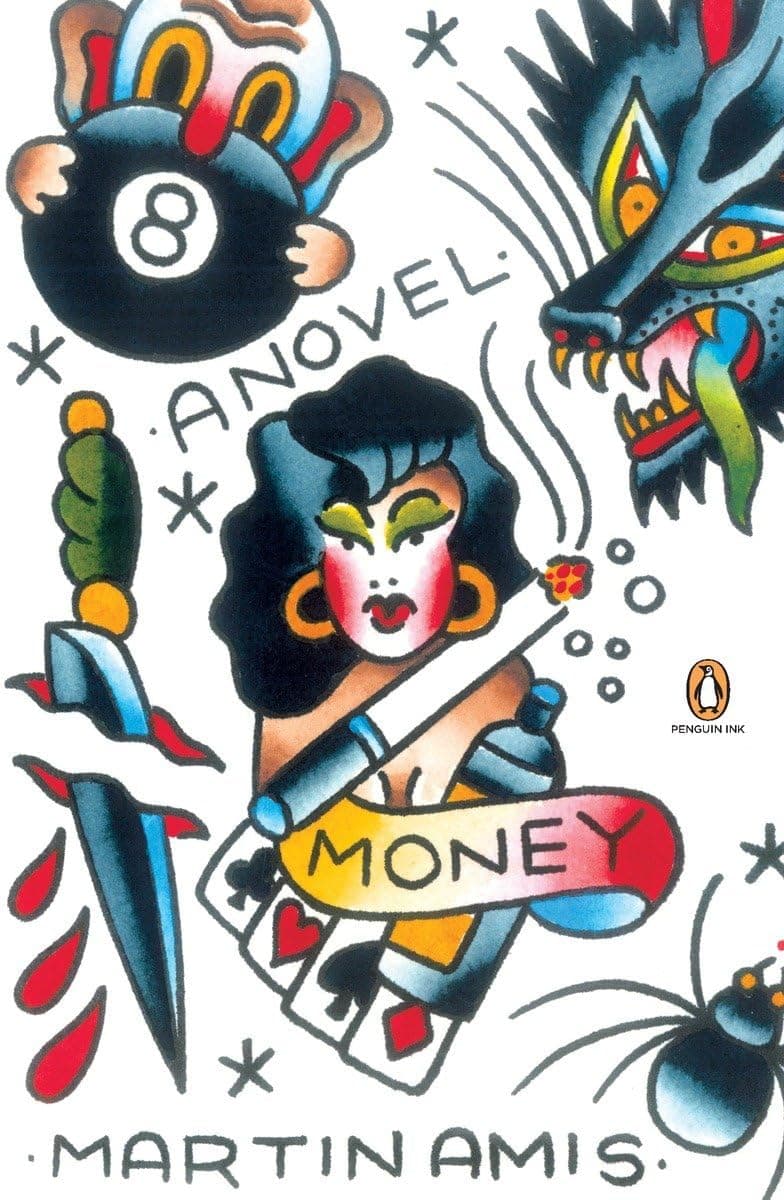
John Self drinks and spends himself toward ruin between London and New York while his first film falls apart. Amis gave the decade's greed a voice English comic fiction spent years imitating.
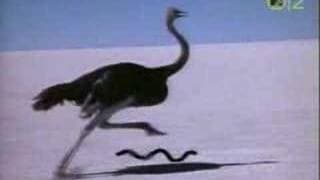
A Tim Pope video with no lip-syncing, BBC wildlife footage, and Talk Talk's only American top forty.
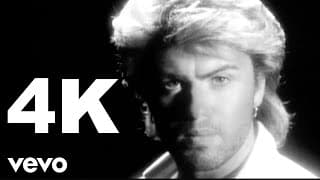
Michael programmed the LinnDrum in an evening, wrote the vocal next morning, and turned marital dread into a groove.
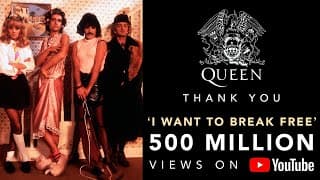
Deacon's song, Fred Mandel's Jupiter-8 solo in a single take, and a video of Queen in Coronation Street drag.
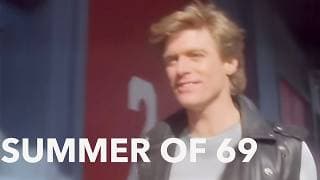
A twelve-string riff swapped for six and doubled for thickness, then a chorus about a summer Adams never actually had.
Richie thought the opening line corny until Carmichael told him to finish it; six weeks at UK number one followed.
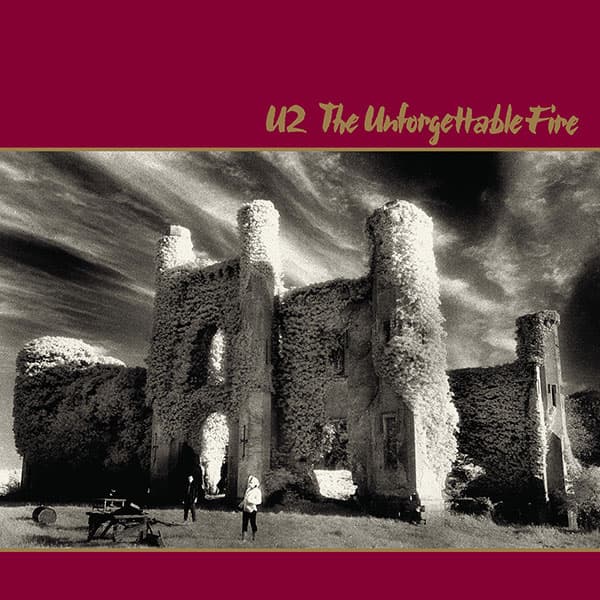
The title comes from an exhibition of paintings by Hiroshima survivors that the band saw in Chicago. They recorded much of it in a castle.
Seventeen weeks climbing to a UK number one, the first for Stock Aitken Waterman, and Burns devours it.
Jimmy Webb woke from a dream with four verses about one soul; Nelson, Kristofferson, Jennings and Cash took one each.
Two days on a dance version, scrapped for synth pads and a Cold War fear of growing old.
Ridgeley scrawled a note to his parents, doubled a word by mistake, and George Michael built a number one on it.
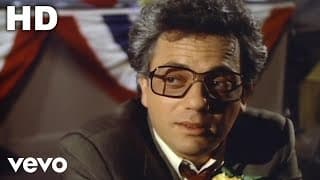
Every voice on the record is Joel's, stacked over Doug Stegmeyer's bass; doo-wop rebuilt by one man.
Jones wrote it alone at three in the morning, and the New Jersey Mass Choir carries the final chorus skyward.
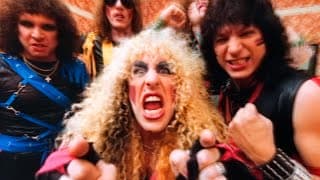
Snider hung the melody on "O Come, All Ye Faithful," and the PMRC filed it under filth anyway.
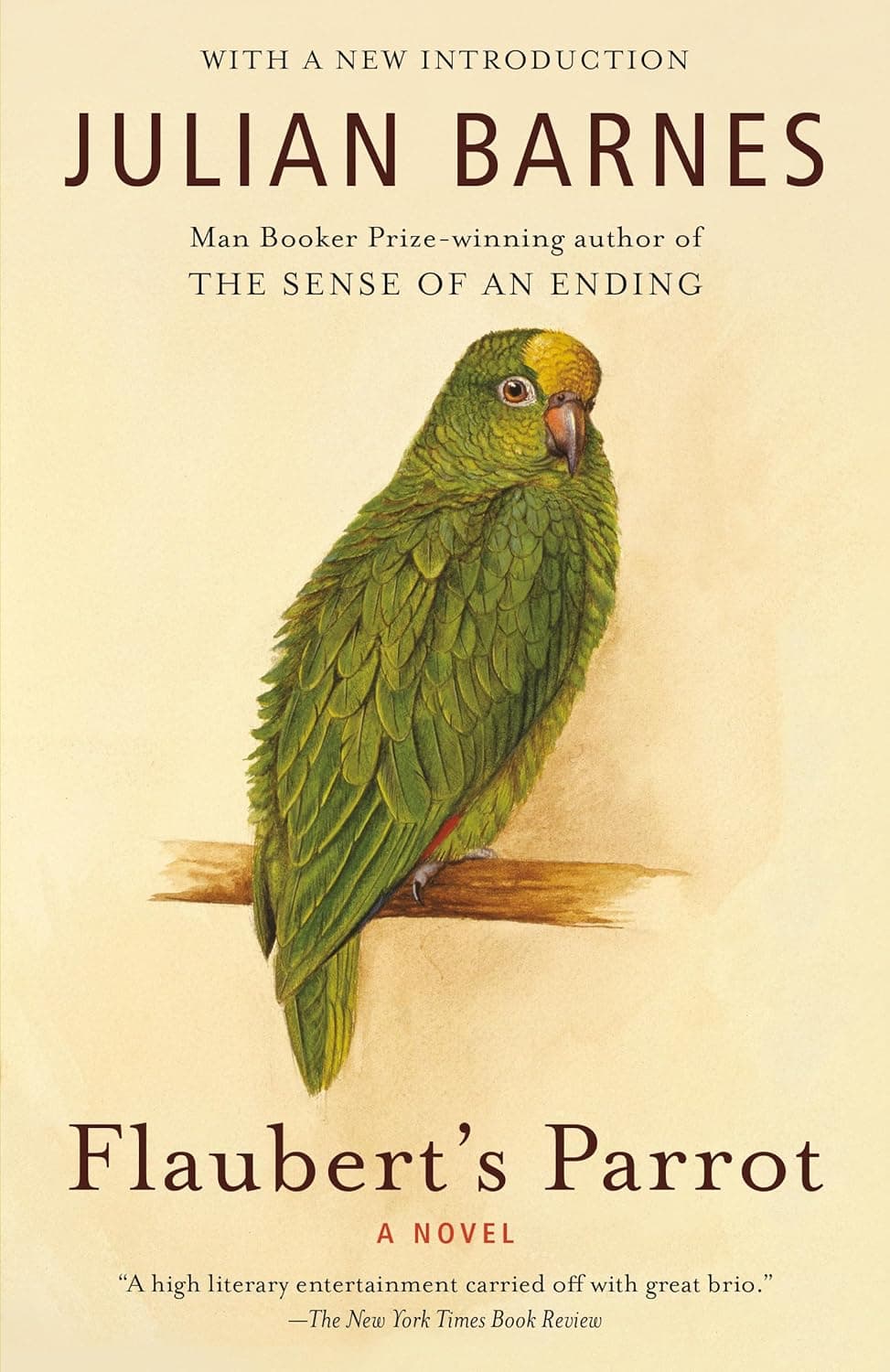
Barnes sends a retired English doctor after the stuffed parrot once on Flaubert's desk. The search becomes chronologies, a bestiary, a mock exam, and under all of it the doctor's dead wife.
Released as a B-side, produced by Full Force, and Roxanne rejecting all three MCs set off dozens of answer records.
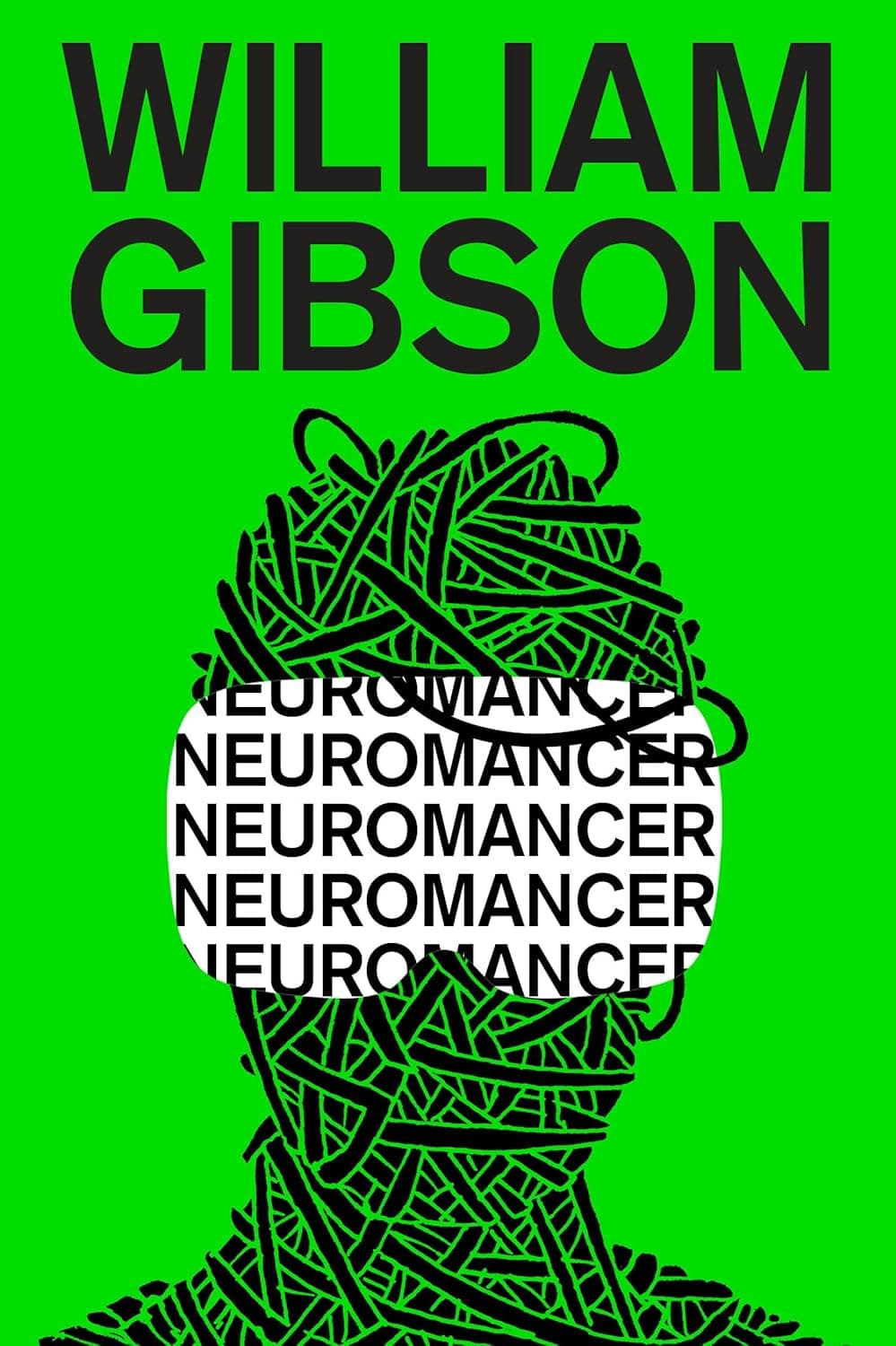
Case, a burned-out hacker in Chiba City, has his nervous system rebuilt in exchange for one last job. Gibson gave cyberspace its look and its slang, and programmers spent decades building toward it.
Raf's Italo-disco original topped Italy's chart first; Friedkin directed Branigan's video and MTV demanded cuts before airing.
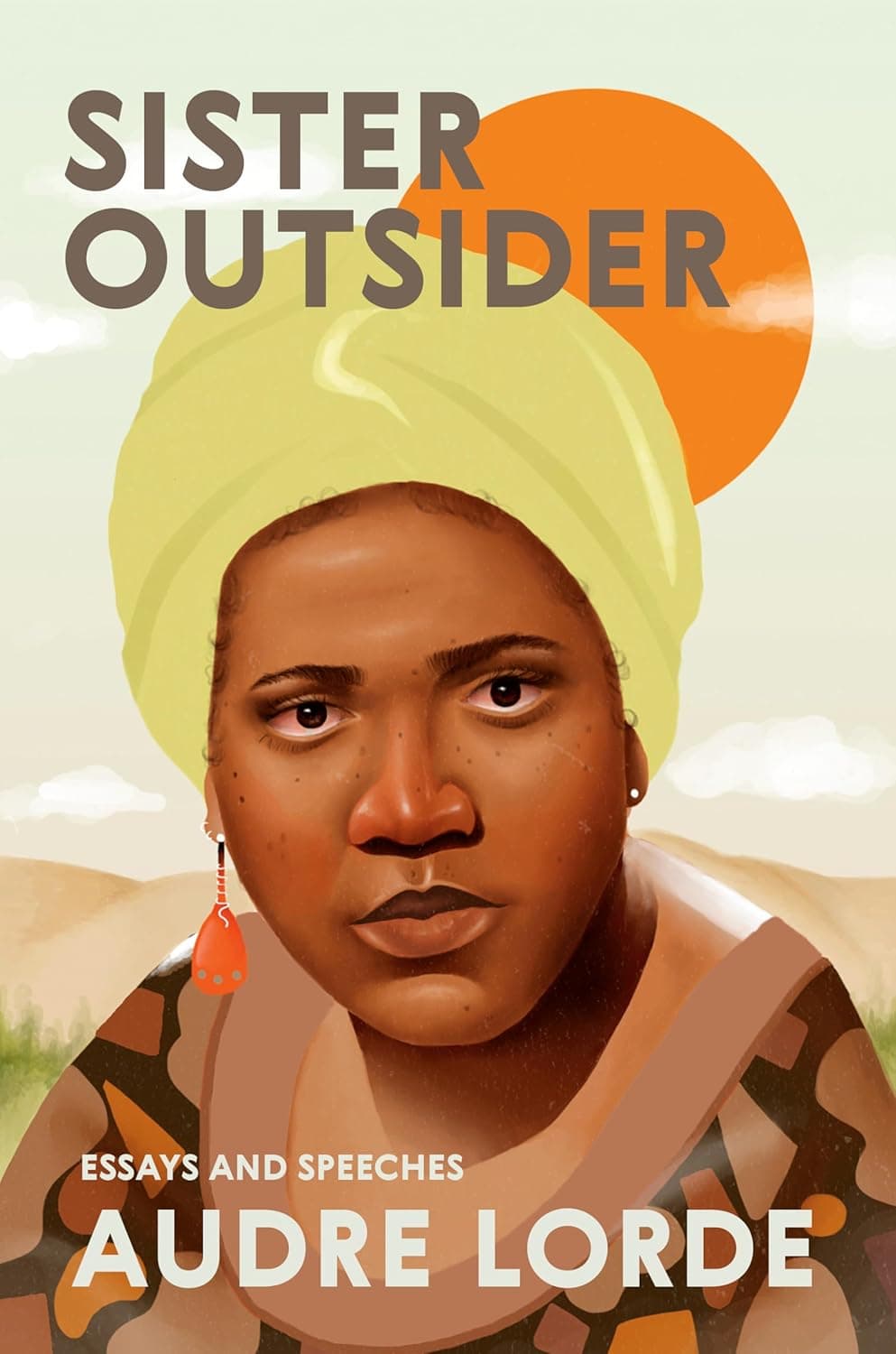
At a 1979 feminist conference that had sidelined Black and lesbian women, Lorde said the master's tools will never dismantle the master's house. These essays turn anger and difference into working instruments.
Linda Creed wrote the words while ill with cancer, and died weeks before Houston's version reached number one.
A chorus Oates stumbled into on a synthesizer he could barely operate, and the duo's sixth and last number one.
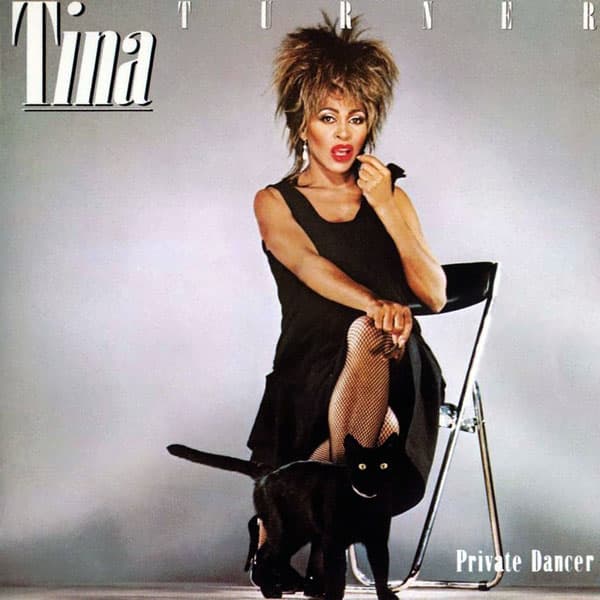
Recorded in about two weeks in London on almost no budget, when Turner was forty-four and considered finished. Mark Knopfler wrote the title song.
Blue Oyster Cult passed, .38 Special passed, and Adams kept the riff; the first full take made the record.
Wonder played every part himself, won the Oscar, and handed Motown its biggest-selling UK single.
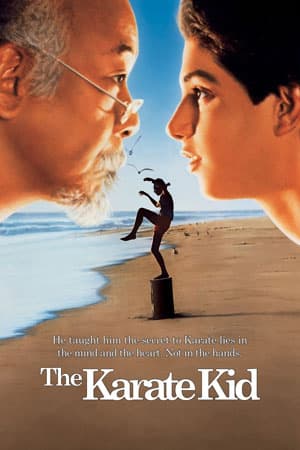
The director of Rocky did it again with a smaller kid: Pat Morita turns a handyman into a mentor half of America can still quote, and the training is all chores.
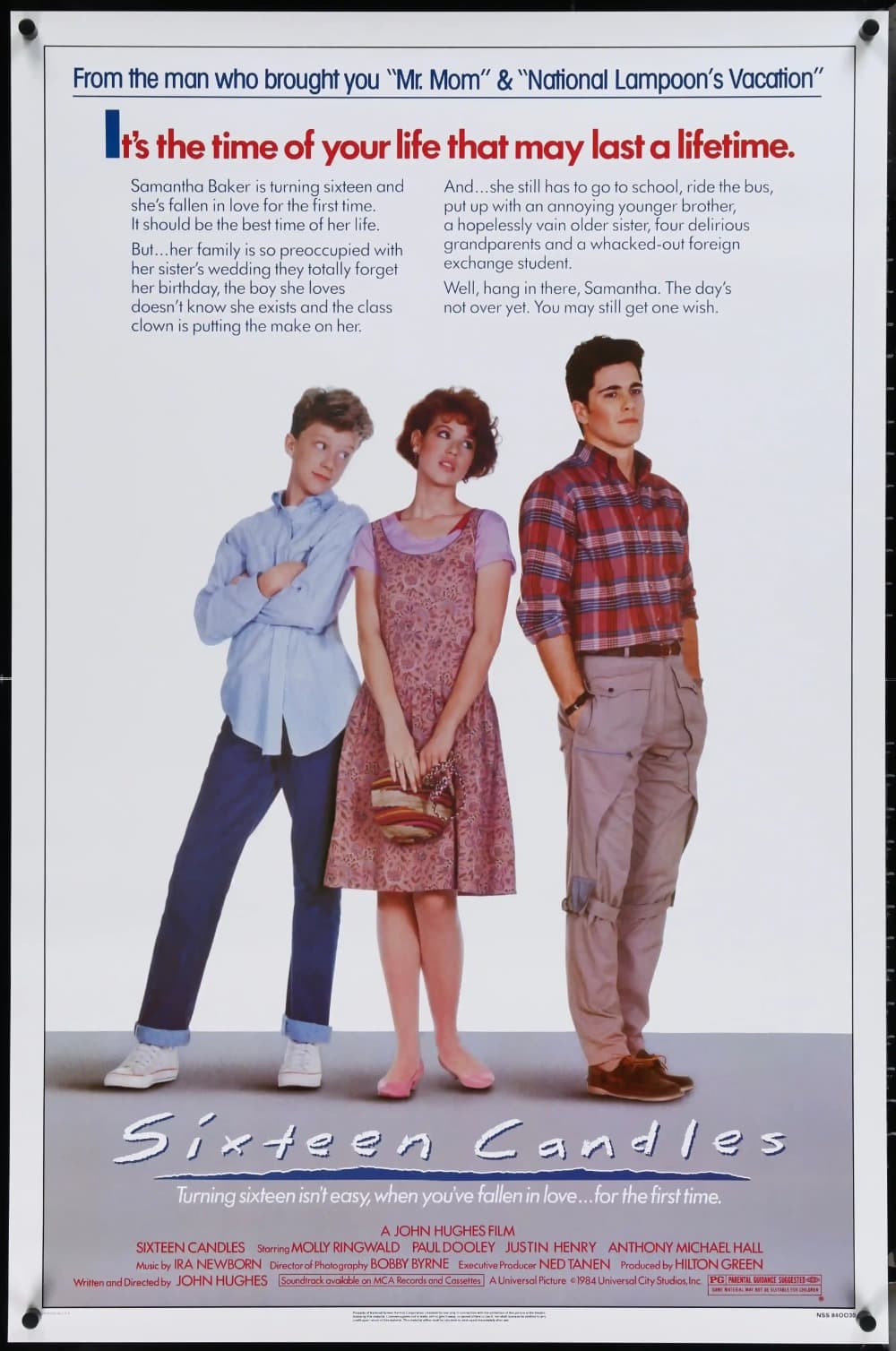
John Hughes cast Molly Ringwald off a headshot and wrote the script over one weekend: the first film that treated a teenage girl's ordinary bad day as worth ninety minutes of attention.
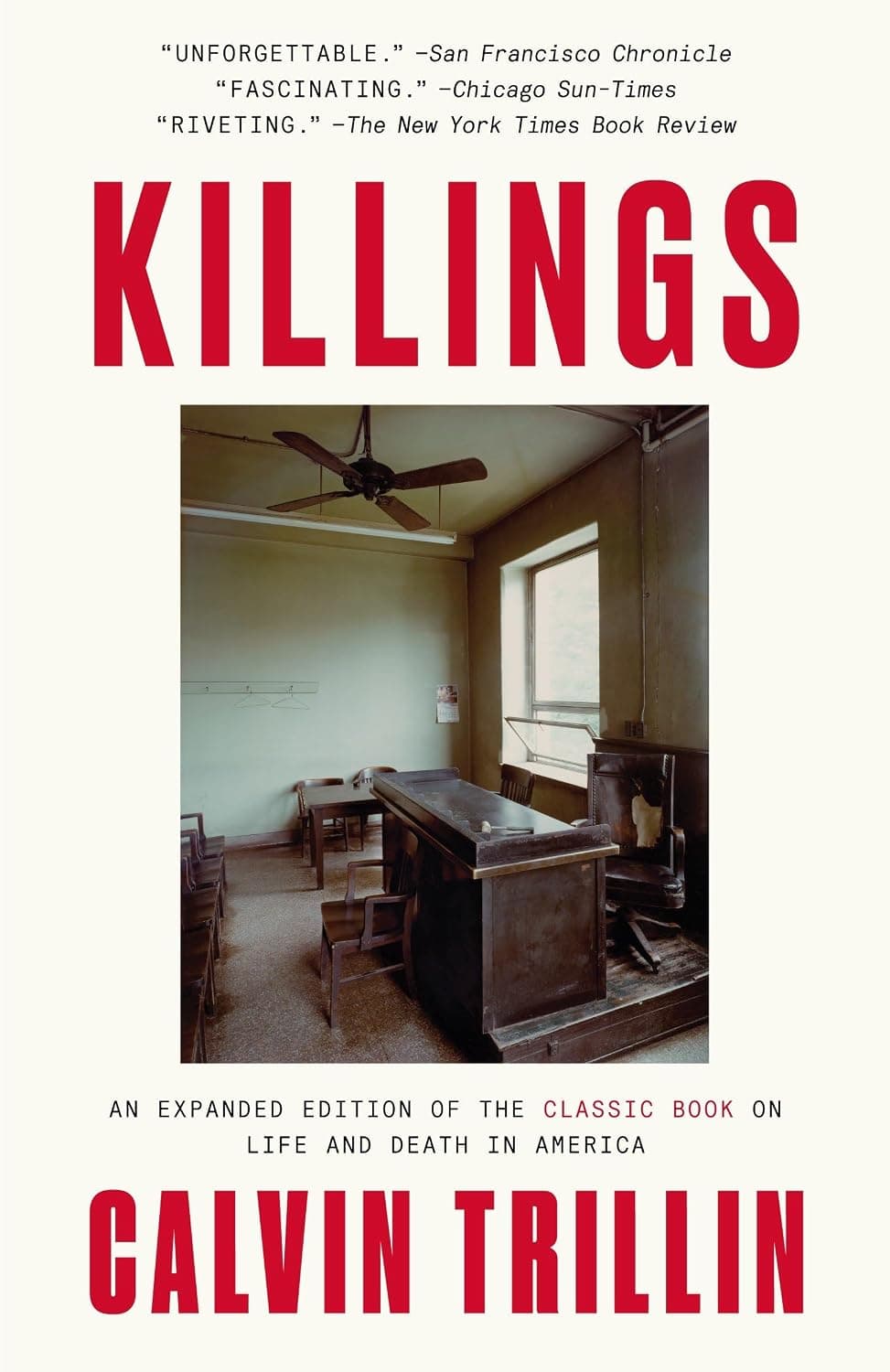
One killing per chapter, in towns no reporter usually visits, including a Kentucky landowner who shot a documentary filmmaker for trespassing. Trillin cares how these Americans lived, not how they died.
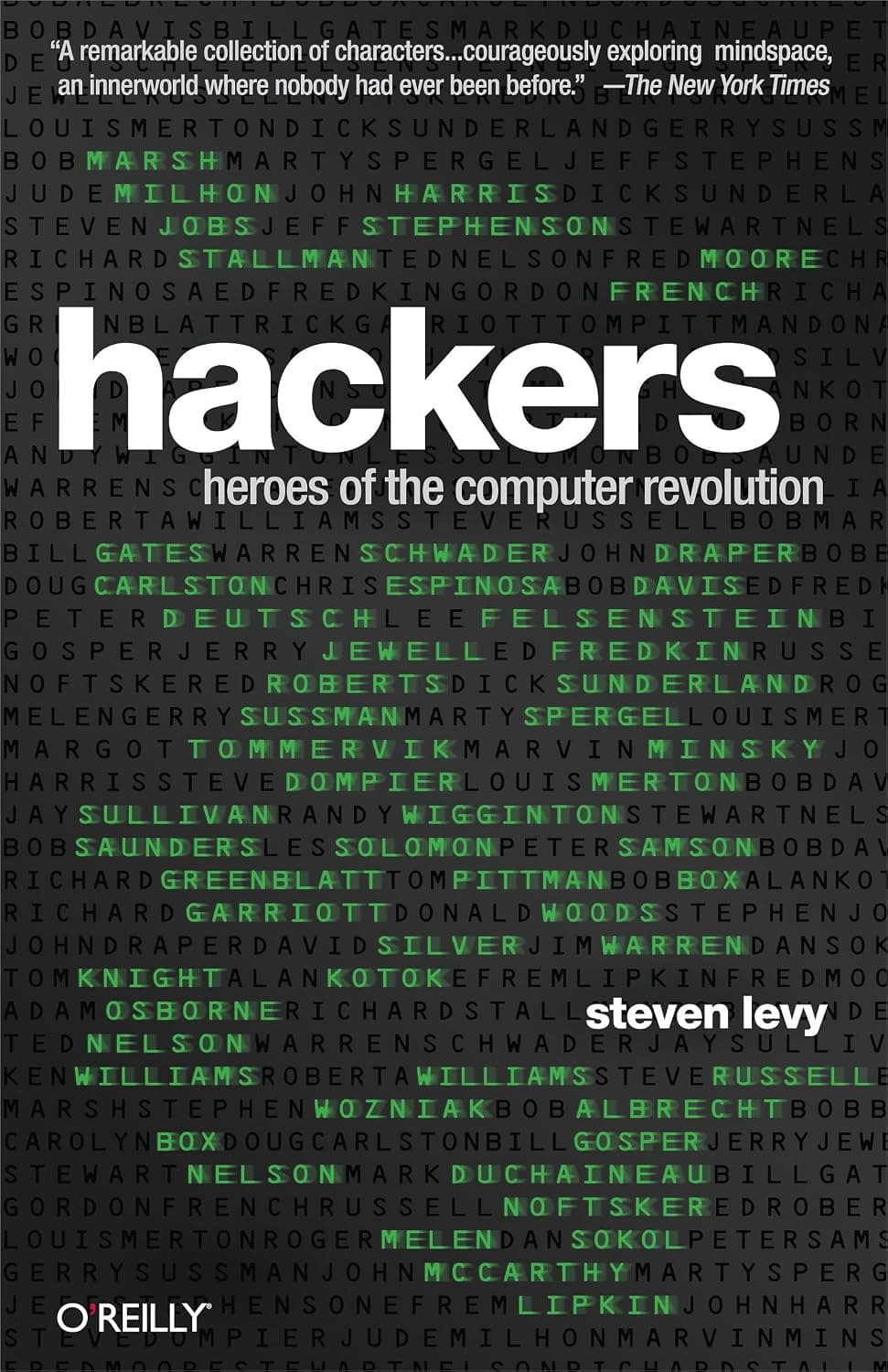
Levy found the hacker ethic among MIT students who monopolized the university's computers all night: all information should be free, mistrust authority, judge a person by the code. Silicon Valley still recites it.
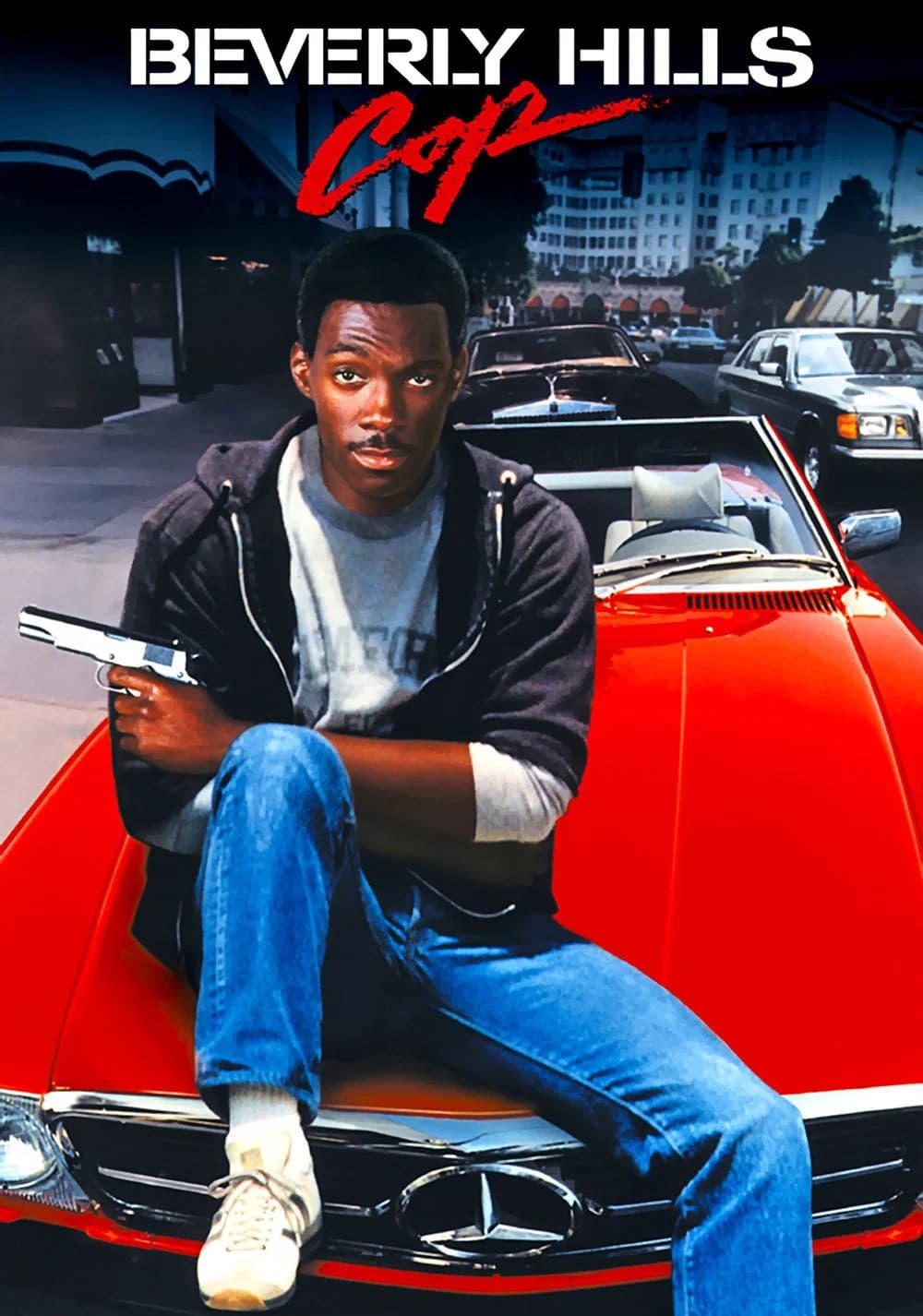
Sylvester Stallone rewrote the script into an action picture, then quit two weeks before shooting: Eddie Murphy came in days later, and nobody escaped that synthesizer theme for years.

Every American house is a set of clues: roof pitch, window shape, porch depth. McAlester supplies the vocabulary, from Georgian mansions to postwar ranches, and you walk out able to name your street.

A boy called Africa stares into the wolf's cage and will not leave. The one-eyed wolf gives in, and each reads a whole life in the other's eye: Alaska's snow, then the deserts.
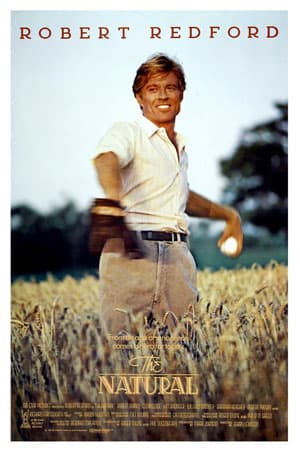
Randy Newman's fanfare is the sound of American sport: Robert Redford plays a player who arrives too old and too late, and the film treats baseball as an outright myth.
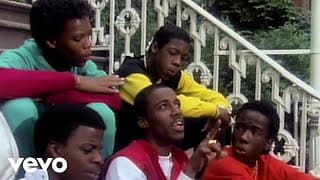
A LinnDrum, five Boston teenagers, and a spoken bridge calling out Ronnie, Bobby, Ricky and Mike by name.
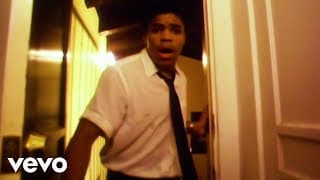
Berry Gordy's son signed to Motown without telling him, then got Michael Jackson to sing the chorus uncredited.
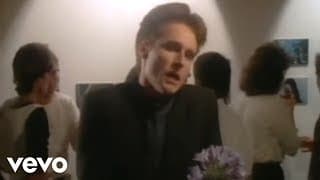
Waite heard a guitar melody on cassette and improvised the first verse on the spot; its chorus is pure denial.
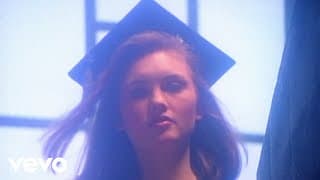
Drummer Kelly Keagy wrote it about his kid sister Christy; Jack Blades misheard the name and Christian stuck.
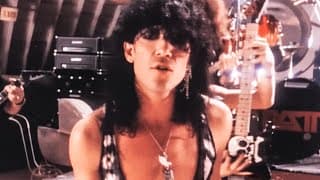
Three writers bouncing riffs between cassettes in a Hollywood apartment, and Milton Berle in the video that broke them.
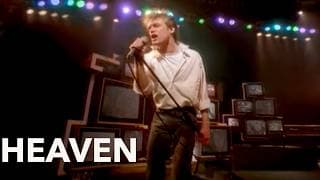
Written on tour opening for Journey, buried on a movie soundtrack first, and number one nearly two years later.
When the heart speaks, the mind finds it indecent to object.
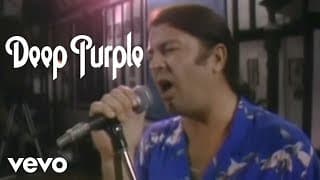
Stowe, Vermont, a mobile studio, the Mark II lineup back after eleven years, and Lord's organ doing the heavy lifting.
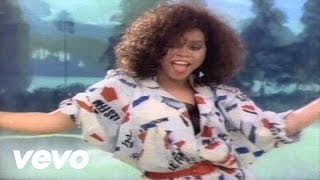
An Oscar nominee from the Footloose soundtrack, George Duke producing, and Williams audibly grinning through every chorus.
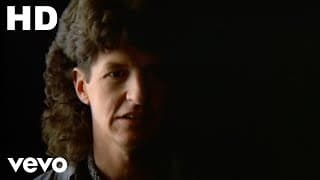
Cronin sat on the verses for years before finishing them in Hawaii, and three weeks at number one followed.
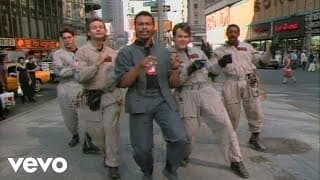
Parker had days to write it and found the hook in a late-night TV ad for a local service.
David Woodford's sax on the record, a different player miming in the video, and Frey's biggest solo hit.
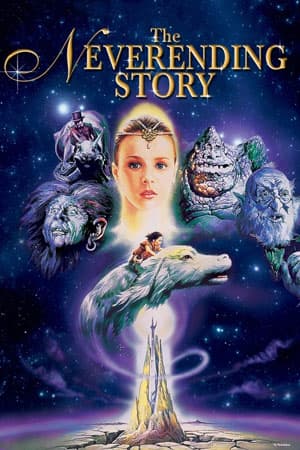
Michael Ende hated the adaptation enough to sue: a bullied boy steals a book from a shop and reads himself into a world being eaten by nothing, and the puppetry is extraordinary.
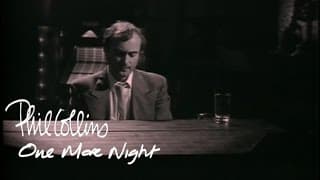
A DX7 electric piano, a drum machine, and Don Myrick's saxophone taking a number one out quietly.
Cetera sketched the chords in three hours for Kenny Rogers, who declined; Chicago kept it and hit number three.
A person who longs to leave the place where he lives is an unhappy person.
Love is the longing for the half of ourselves we have lost.