Blue Monday
1983
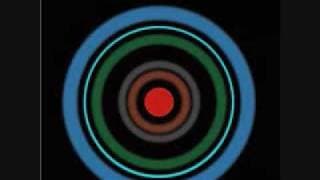
A die-cut sleeve modelled on a floppy disk, an Oberheim drum machine, and the best-selling twelve-inch single ever pressed.
★ 8.4
 skopia
A die-cut sleeve modelled on a floppy disk, an Oberheim drum machine, and the best-selling twelve-inch single ever pressed.
Sting woke at Fleming's Goldeneye with the melody; Summers cut that arpeggio in one take and made surveillance sound tender.
Recorded on a secondhand eight-track in a Chalk Farm attic, and an American number one by September.
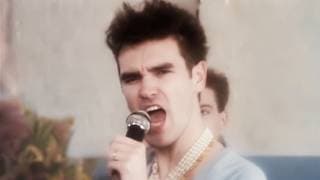
Marr stacked roughly fifteen guitar tracks and dropped a knife on the strings; Morrissey lifted a line from Sleuth.
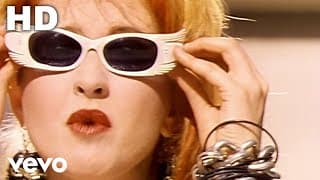
Robert Hazard wrote it in 1979 from a man's point of view, and Lauper flipped it into female solidarity.
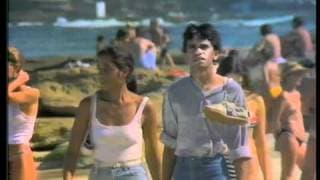
Nile Rodgers on rhythm guitar, an unknown Stevie Ray Vaughan on lead, and Bowie's biggest-selling single by a distance.
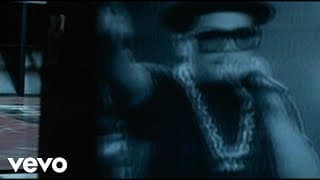
An Oberheim drum machine, a few scratches, and two voices. Everything before it suddenly sounded old school.
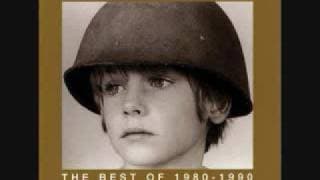
Mullen's marching snare was cut at the foot of a Windmill Lane stairwell, and Bono insisted it was no rebel song.
Doug Wimbish replayed Liquid Liquid's Cavern bassline, Melle Mel wrote the warning, and Flash's name went on the label anyway.
Frantz came home from a Parliament-Funkadelic show chanting it, and Byrne built the band's only American top ten.
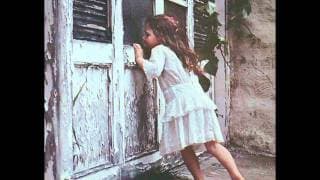
Busking outside a Milwaukee theatre got them discovered by the Pretenders, and Gano's riff has been filling dancefloors ever since.
Wolinski's synth loop, his threat to hand the song to Quincy Jones instead, and Khan sailing clean over it.
Stafford's idea, Fraser's overnight lyric, and a fiddle arrangement that rodeo crowds took for their own.
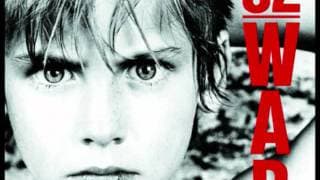
A bass line Clayton stumbled on while decoding Visage's Fade to Grey, then Bono aimed the words at Poland's Solidarity.
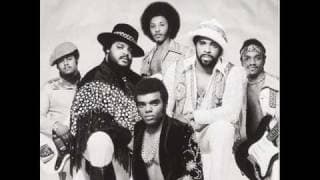
Chris Jasper's keyboards and drum machine, Ronald Isley at his silkiest, and the loop under "Big Poppa".
Those African-sounding chants are invented gibberish; Richie had no time for a translator and no reason to care.
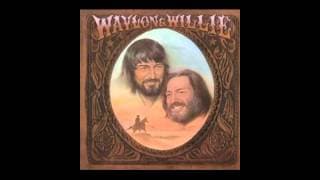
Nelson cut his part after midnight, fetched Haggard from his bus, and kept the one take Haggard wanted redone.
Mary Wilson and Phyllis Hyman turned it down; Benitez cut it at Sigma Sound in a week, cowbell included.
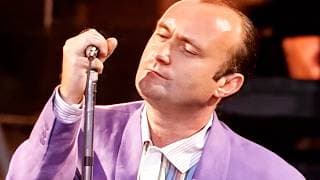
A Face Value outtake with new lyrics for Taylor Hackford's film, and Collins's first American number one.
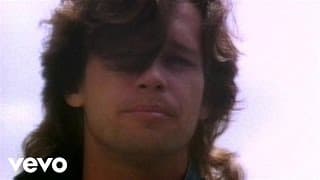
Mellencamp waved at a man sitting outside a pink shotgun house near the highway, and wrote America's most misread chorus.
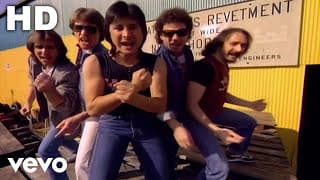
Cain and Perry wrote it backstage during the Escape tour, melody one evening and lyrics the next afternoon.
Karges saw balloons released at a 1982 Rolling Stones show in Berlin and imagined them crossing the Wall.
Jolley and Swain built it around oppressive heat, and The Karate Kid carried it into the American top ten.
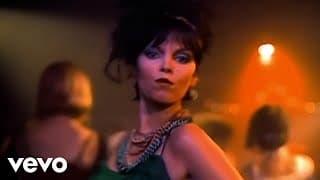
Holly Knight and Mike Chapman wrote it as a ballad; Neil Giraldo's drum machines turned it into dance-rock.
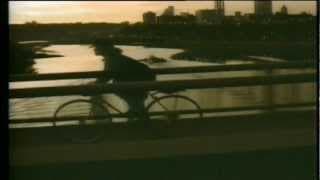
Cara and Forsey wrote most of the lyric in a cab to the studio; six weeks at number one followed.
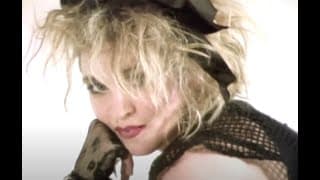
Written on a Casiotone the DJ Mark Kamins gave her, finished by Jellybean Benitez, and Madonna's first top five.
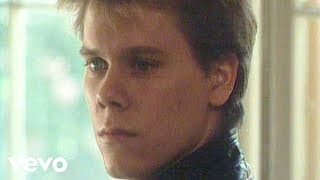
Pitchford wrote the screenplay first, then the lyrics; Loggins supplied the tune and his only number one.
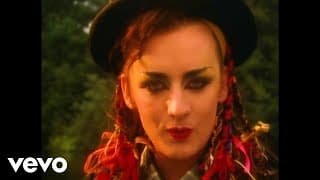
Judd Lander's harmonica, six weeks at number one in Britain, and Boy George singing about pleasing everybody.
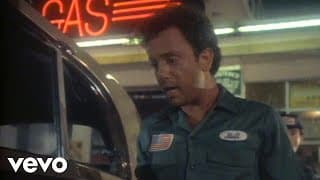
Joel chasing Frankie Valli's falsetto and the Four Seasons' bounce; five weeks at number one, his only UK chart-topper.
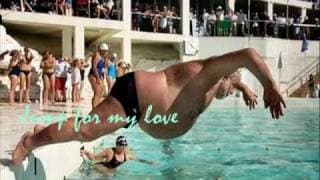
Marti Sharron said the writers jumped around at the playback and named it for that; June Pointer does the rest.
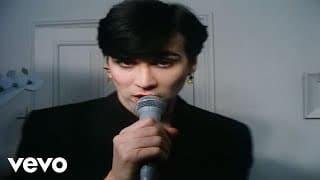
Martin Rushent's last Human League production for seven years, with four band members trading lines over a restless synth hook.
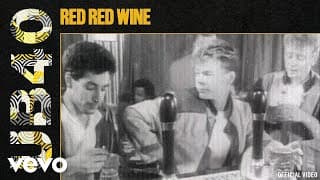
UB40 knew only Tony Tribe's reggae cover, saw "N Diamond" on the label, and guessed a Jamaican singer.
Three days at RAK Studios in London, a row patched up, and marimbas in place of the usual dance-floor sheen.
Maurice Starr built New Edition as an answer to the Jackson 5, and this hit number one in Britain.
Bacharach and David's 1964 ballad rebuilt in synthesizers at Abbey Road, and by Byrne's account the vocal took one take.
DeYoung wrote it for a rock opera about outlawed music; Stan Winston designed the suit, the vocoder did the rest.
Doroschuk wrote it after a bouncer threw him out for pogo dancing, and Tim Pope filmed maypoles in Wiltshire.
A slasher-film joke rewritten on Phil Ramone's orders into Flashdance's training montage, and two weeks at number one.
Curnin called it an indictment of dishonest politicians, Rupert Hine produced it, and America took it to number four.