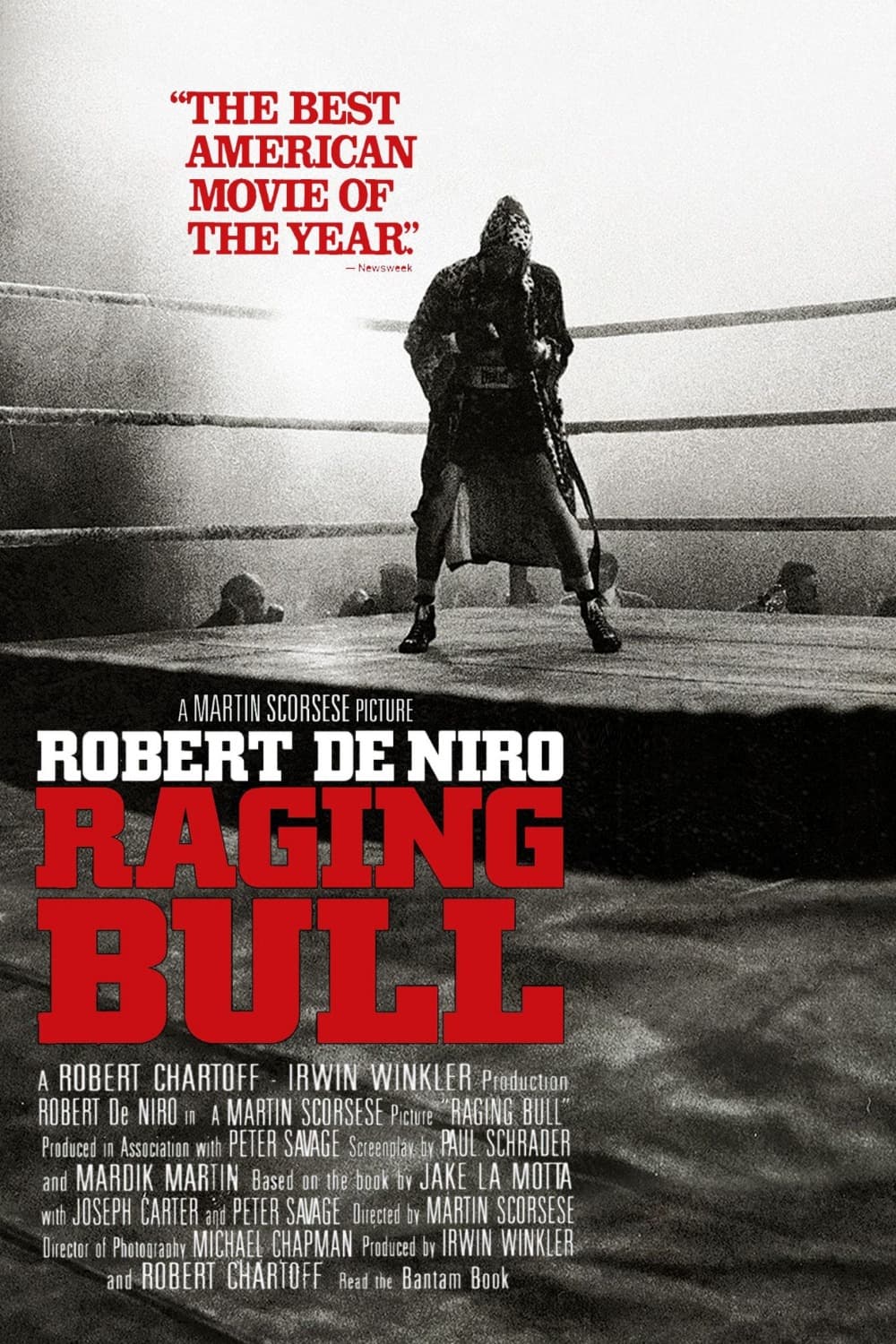
Raging Bull
Directed by Martin Scorsese
1980
Scorsese shot boxing as penance rather than sport, and audiences come out feeling bruised: De Niro's jealousy destroys everyone near him, in the blackest black and white imaginable.
★ 9.6
 skopia
Scorsese shot boxing as penance rather than sport, and audiences come out feeling bruised: De Niro's jealousy destroys everyone near him, in the blackest black and white imaginable.

Everyone learned how to make a sequel from this: the pressure builds for two hours, the tone stays darker than anyone expected, and one line near the close rearranged a generation's childhood.
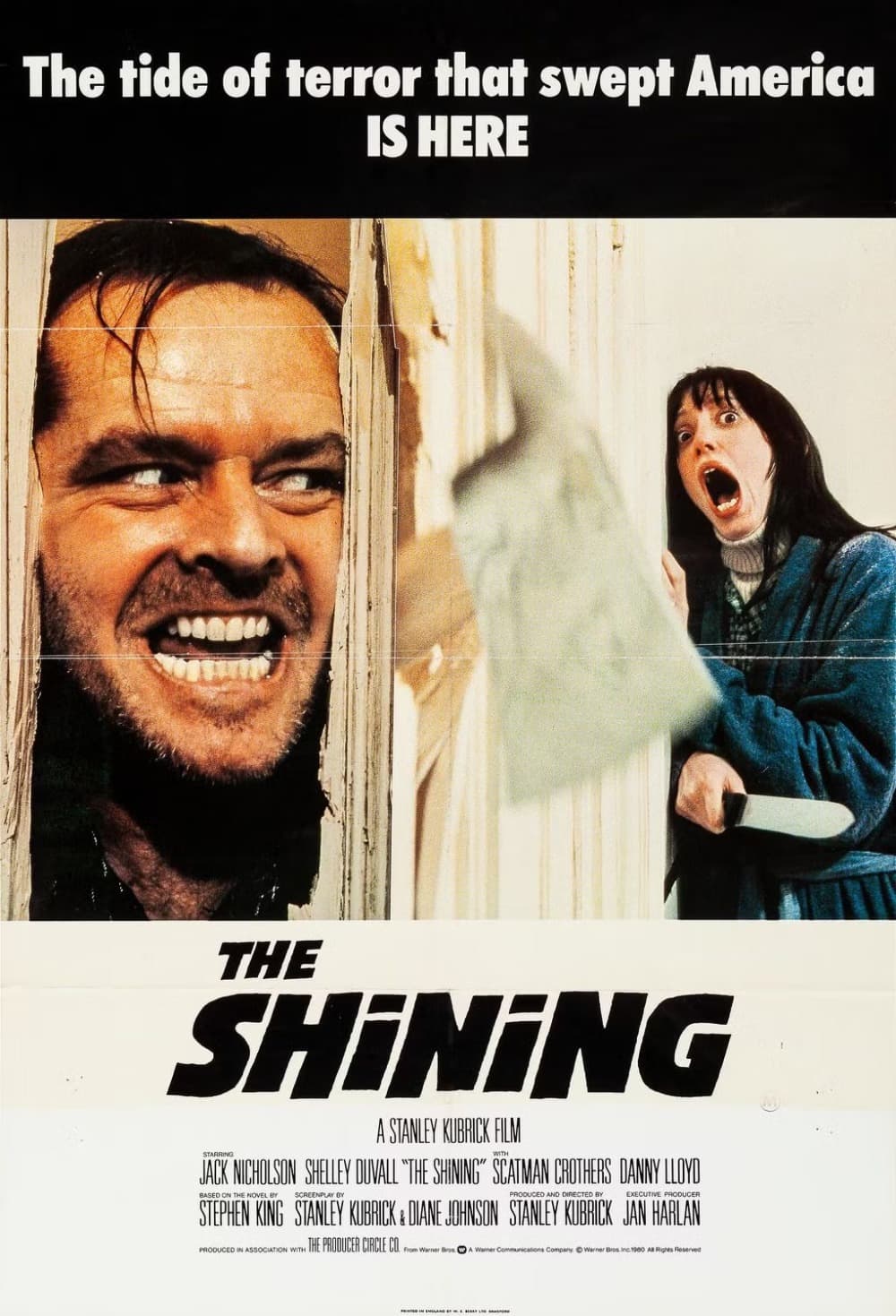
Whole documentaries exist about what this film means: Kubrick threw out most of King's novel, sent a Steadicam gliding down those corridors, and left a dread nobody can explain away.
Byrne borrowed a preacher's cadence, Eno hummed the chorus melody, and the band looped its own jams like samplers.
The title flips Captain and Tennille into its opposite, and the single arrived a month after Curtis's death.
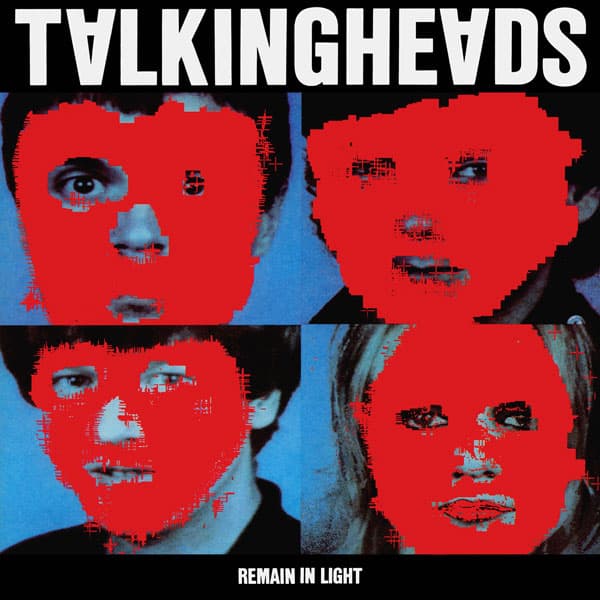
Most of it is built on a single chord that never changes, with the interest coming entirely from layers of interlocking rhythm.
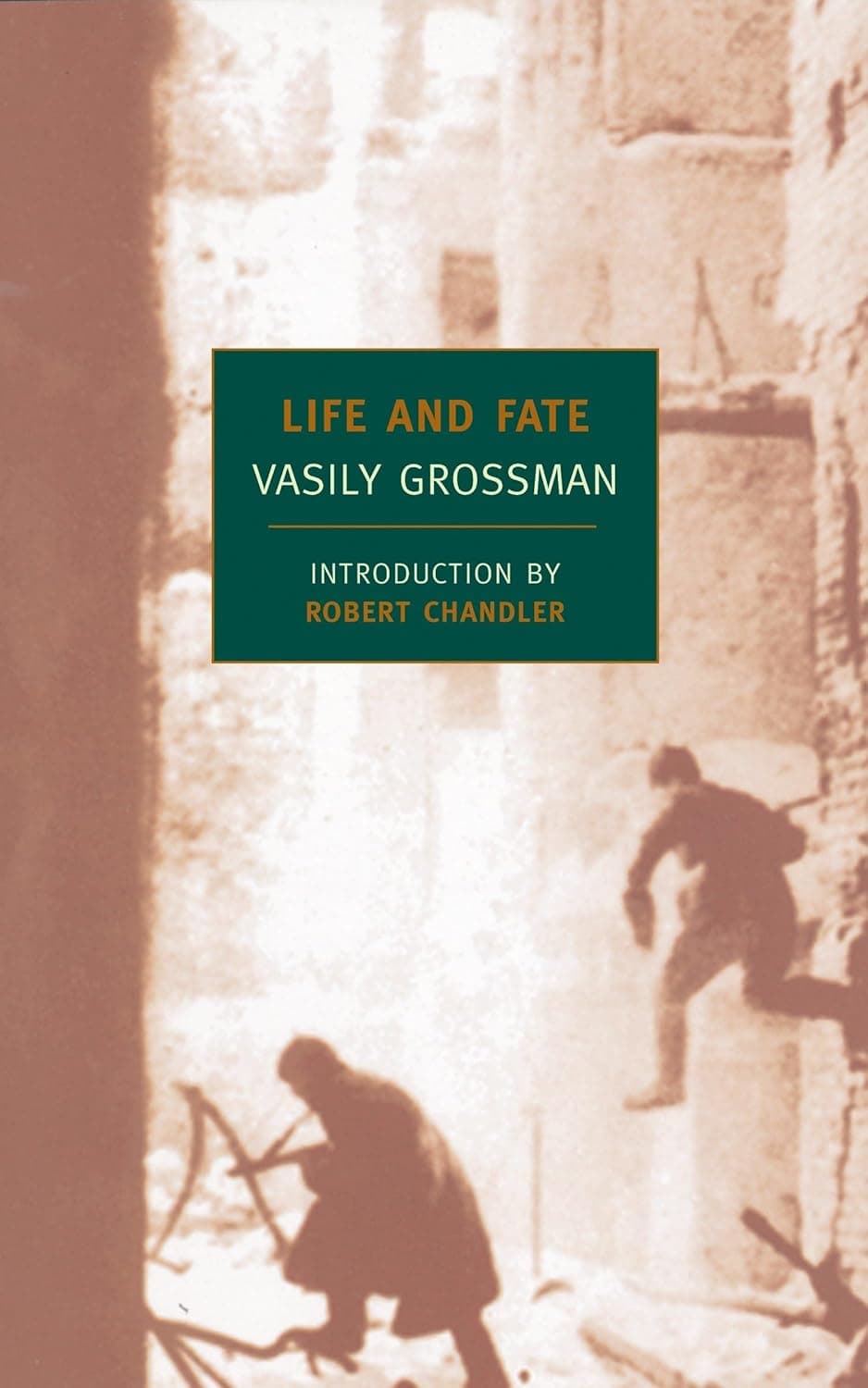
During the siege of Stalingrad, a Soviet physicist receives his mother's last letter from a Nazi ghetto. Grossman wrote the war at Tolstoy's scale and said plainly that both tyrannies were one thing.
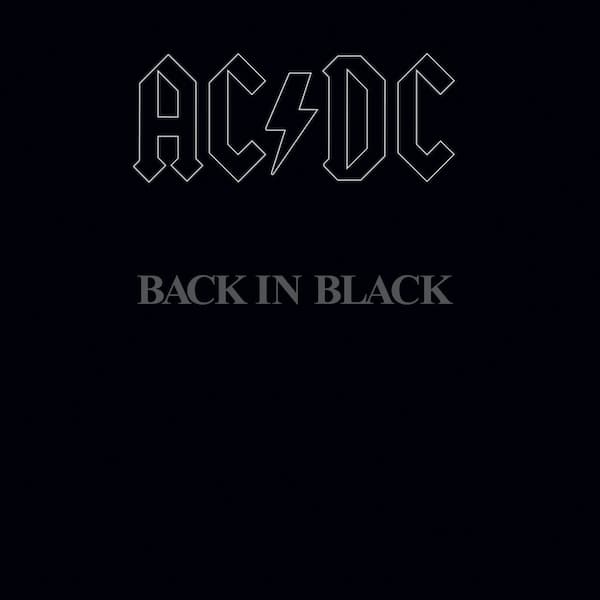
Their singer had died five months earlier. They hired Brian Johnson, put out a record in an all-black sleeve, and sold fifty million.
Johnson was told the Bon Scott tribute could not be morbid, so he wrote a celebration over Angus Young's riff.
A single voice and acoustic guitar close Uprising, with a line lifted from Marcus Garvey and Marley already ill.
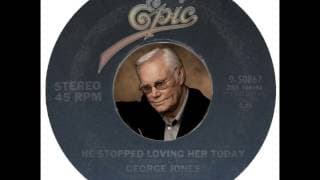
Jones thought nobody would play something so morbid; Sherrill spent eighteen months coaxing the vocal onto tape.
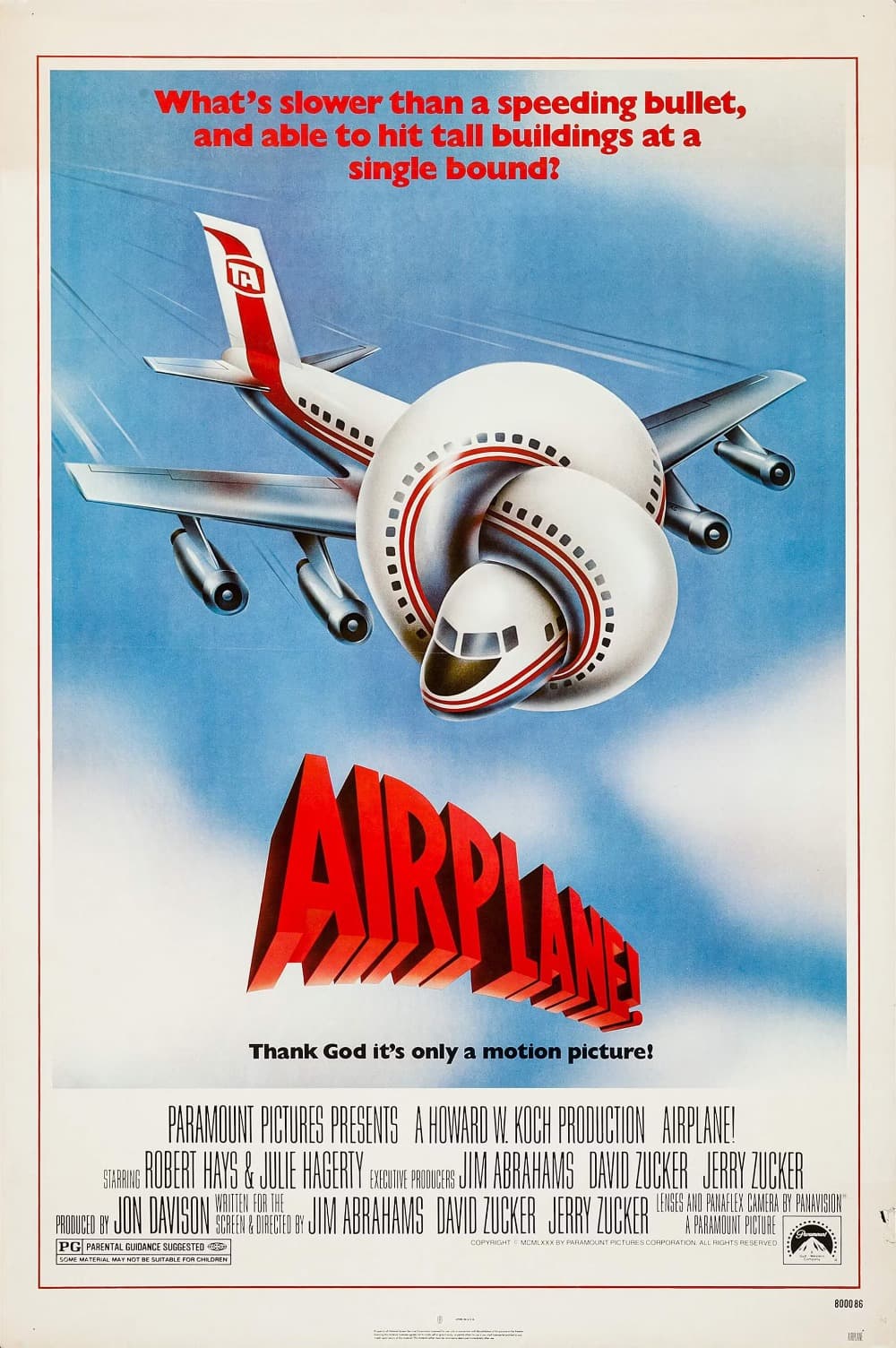
It fires jokes at a rate almost nothing before it attempted and lands most of them: the trick was casting dramatic actors and telling them to play everything straight.
No. Try not. Do...or do not. There is no try.

Monks are dying at an Italian abbey in 1327, the library is a labyrinth no one may enter, and a Franciscan detective and his novice go in. Eco made medieval theology a thriller.
Recorded at Compass Point in Nassau with Mutt Lange, Johnson's first single, and a riff that swings rather than pounds.
Deacon's bassline owes Chic, Michael Jackson talked them into releasing it, and Queen landed their biggest-selling single.
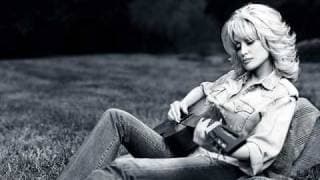
Parton played the typewriter part on her acrylic fingernails, credited on the album, then took it to number one.
Ulvaeus wrote it in an hour over whisky; the video came ten days after his divorce from Fältskog was final.
A one-ton bronze bell cast to order in Loughborough, recorded inside the foundry, and Johnson's opening words for AC/DC.
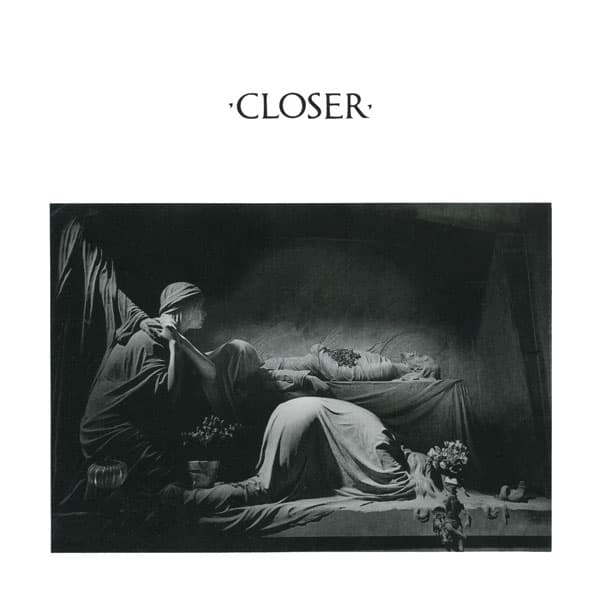
Ian Curtis killed himself two months before it came out. The sleeve, chosen beforehand, is a photograph of a tomb.
An airsickness bag, a film producer's request, and a single cut live at a club over two Austin nights.
Moroder cut the backing track in Los Angeles, Harry wrote the words in hours, and it ruled 1980.
Eighty-four uses of one word, a live band instead of samples, and the first rap single certified gold.

Minke, a Javanese student under Dutch rule, loves the daughter of a concubine running the estate its Dutch owner cannot. Indonesia banned it for a generation and now claims it as its greatest.
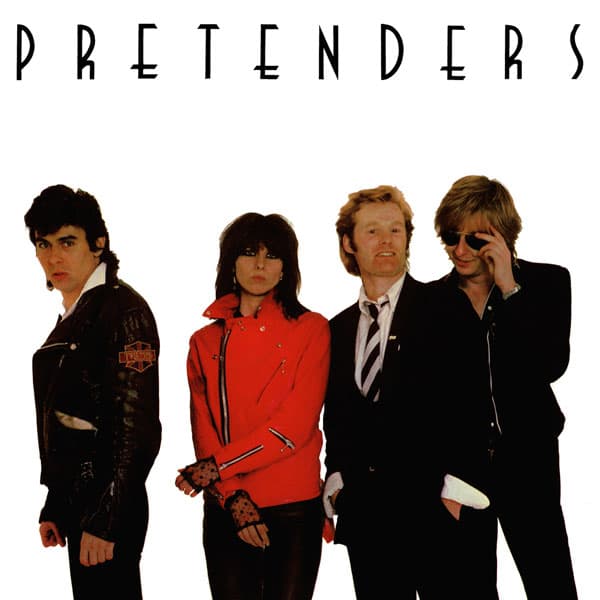
Chrissie Hynde moved from Ohio to London, worked in Malcolm McLaren's clothes shop and wrote for the NME before getting a band together.

Ignatius J. Reilly, obese and certain the modern age is beneath him, is pushed out of his mother's New Orleans house to find work. Toole wrote the funniest American novel of its century.
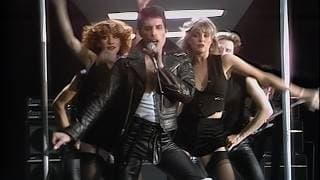
Ten minutes after a Munich bath, a borrowed Fender not the Red Special, and Queen's first American number one.
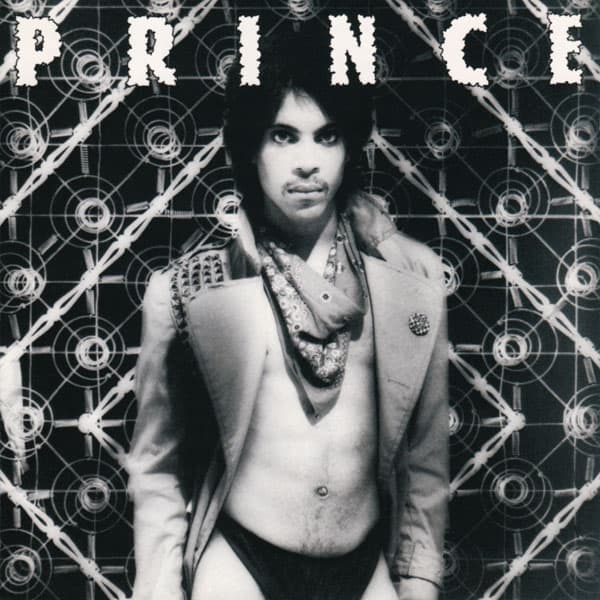
Prince made it at home as a set of demos, and Warner decided to put them out exactly as they were.
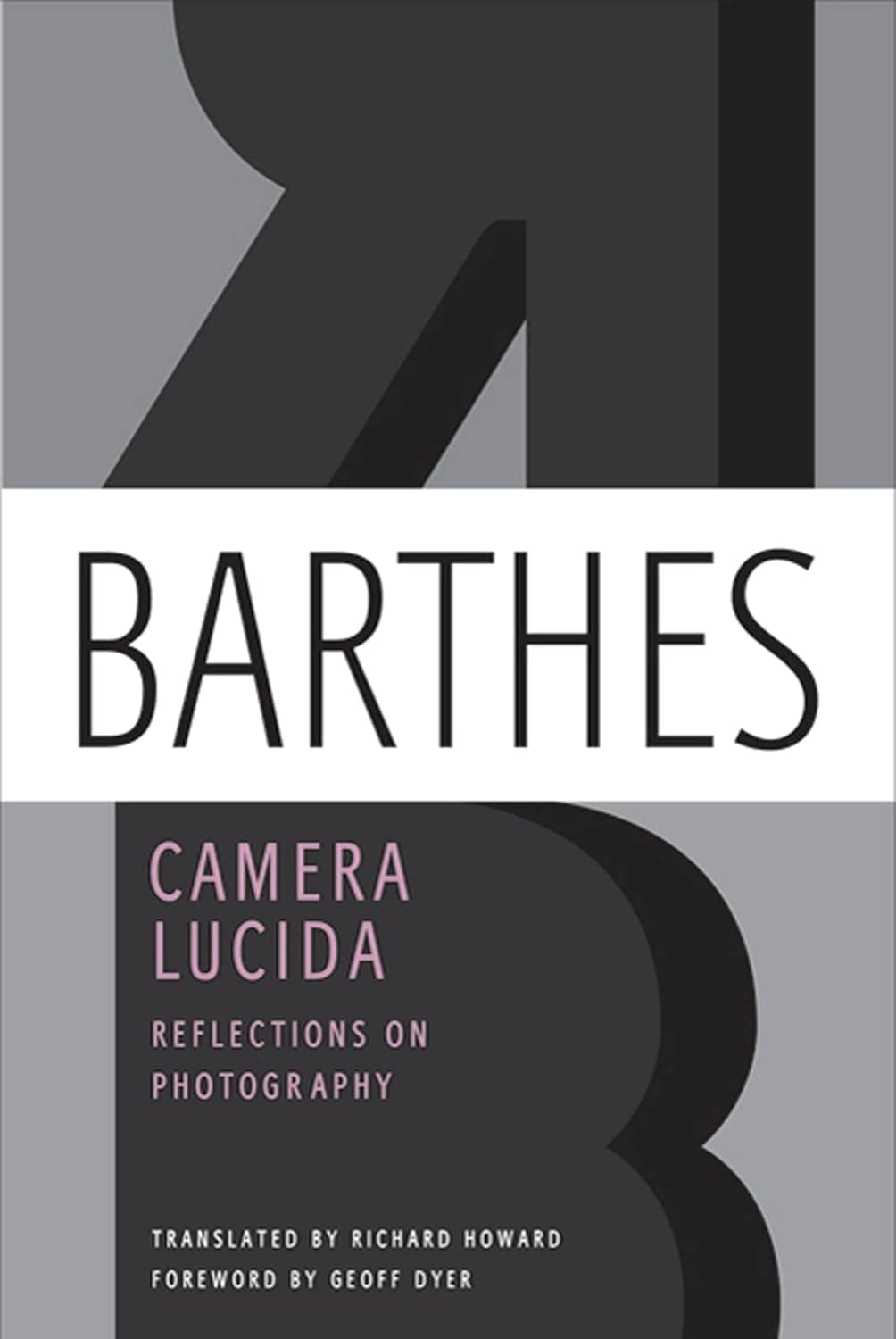
Grieving his mother, Barthes asks what a photograph is and answers with the punctum, the detail that wounds you. Photography criticism has argued in the vocabulary he invented here ever since.
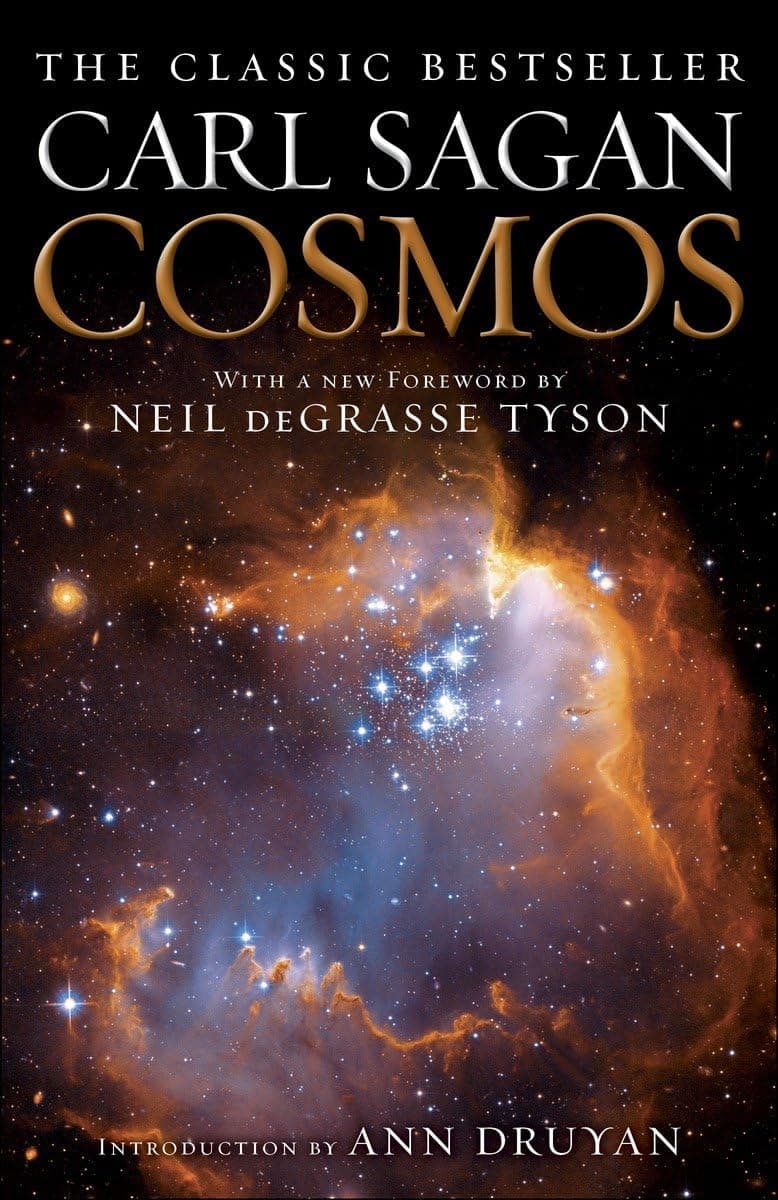
Sagan moves from the Big Bang to the Library of Alexandria to the carbon in your body, forged inside dying stars. No science book written in English had ever sold so well.
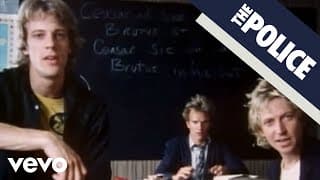
Sting drew on his years teaching and on Nabokov, then watched it become Britain's best-selling single of 1980.

Returning decades later to the Pacific islands where he served as a Marine sergeant, Manchester sets the quiet beaches against what happened there. He was badly wounded on Okinawa and kept dreaming it.
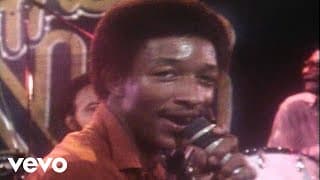
Recorded in a New Jersey studio with Deodato producing, and adopted everywhere from ballparks to the hostages' homecoming.

Schwartz took the title from a pillow-punching therapy session, and Benatar made it her first American top ten.
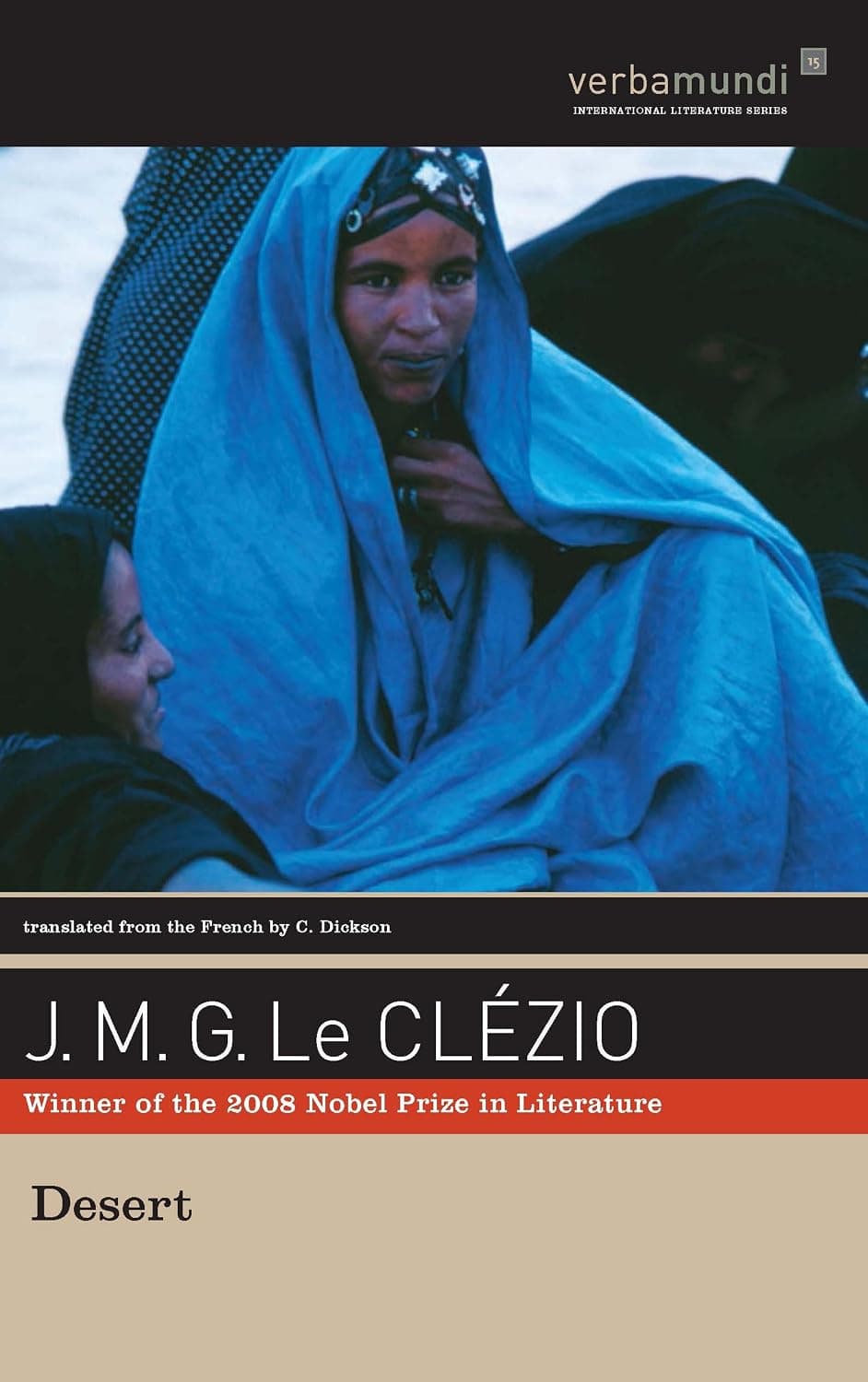
Two journeys decades apart: a boy walking north with the blue-veiled nomads driven from the Sahara by French troops, and a girl of their blood who leaves a Moroccan shantytown for Marseille.

In a decaying Old Delhi house, two sisters reopen everything the family did to each other in 1947, the year of Partition. Desai makes still summer afternoons unbearable.
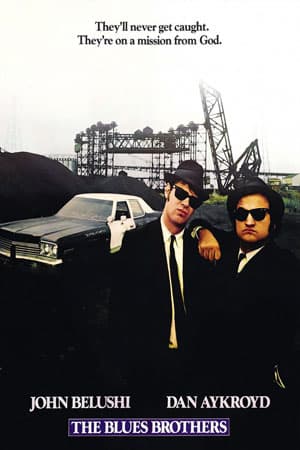
It held the record for cars destroyed on film and works as a music documentary besides: Aretha Franklin, Ray Charles, James Brown and Cab Calloway all get a full number.
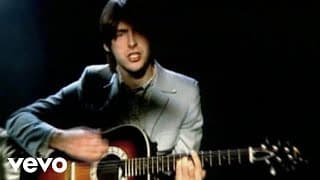
Almost all acoustic guitar, one electric part running backwards, and an import single that still reached number twenty-one in Britain.
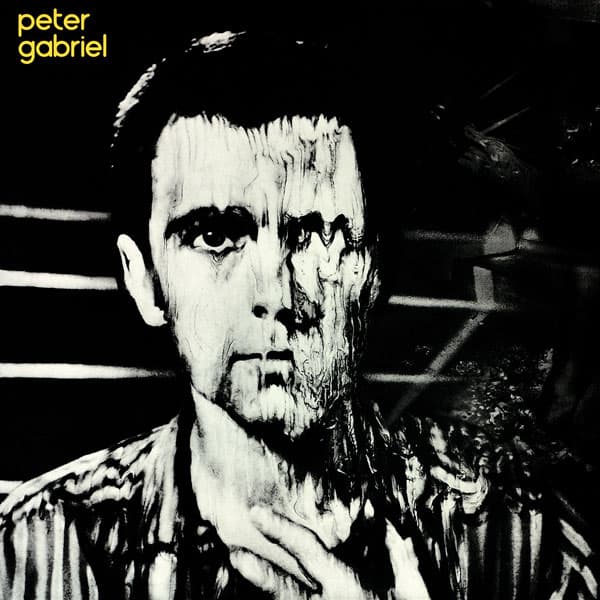
Gabriel banned cymbals from the entire record, which forced the drummers into the gated sound that the whole of the eighties then copied.
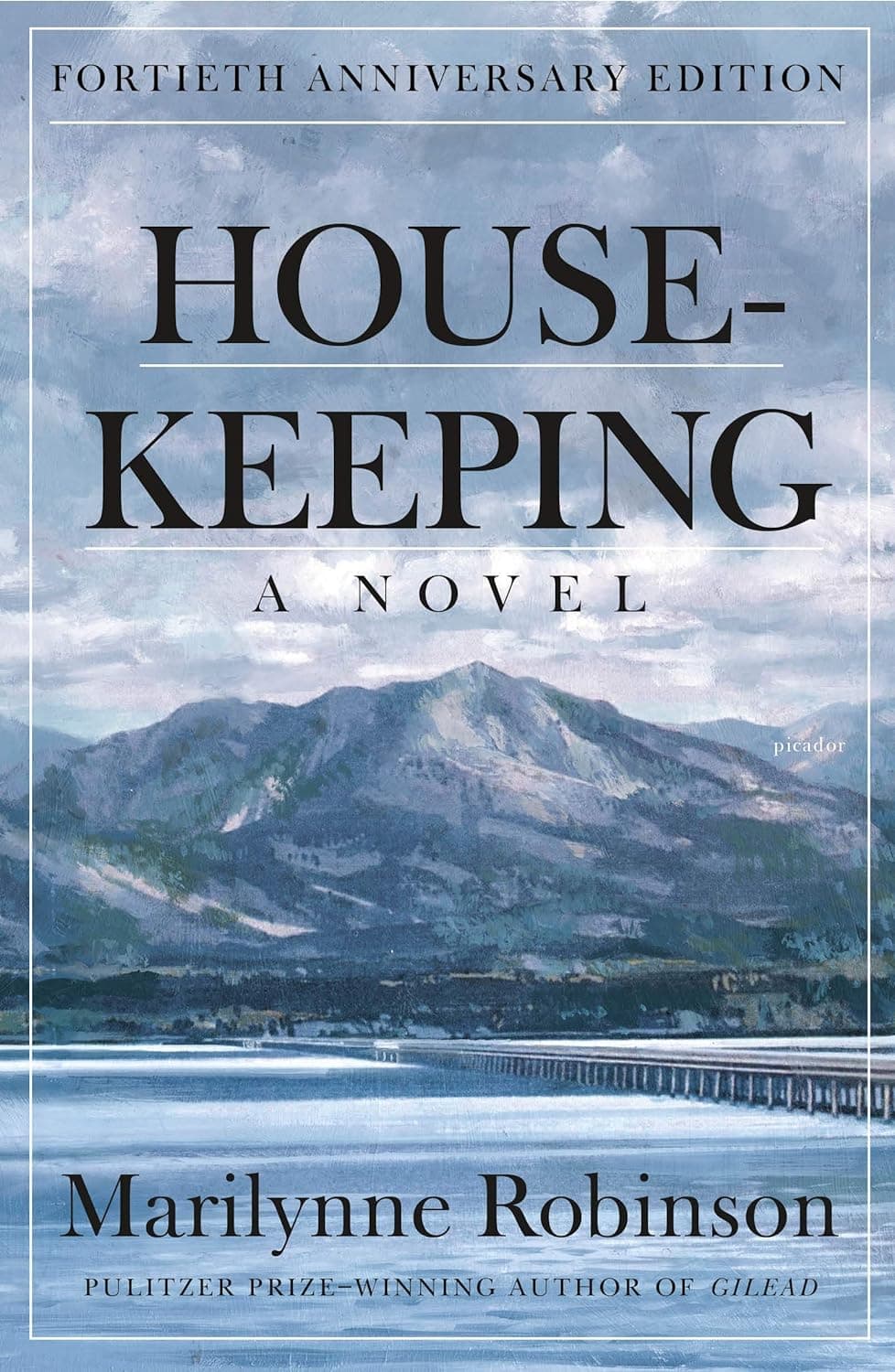
Two sisters in an Idaho lake town are raised by a drifter aunt who leaves the doors open and lets leaves blow through the house. Robinson makes transience a form of faith.

Modern art's century, from the Eiffel Tower to the moment modernism became the official culture it once attacked. Hughes explains what Picasso and Pollock were after in plain, unhurried English.
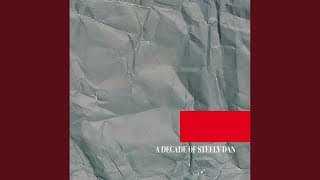
Nineteen weeks on the Hot 100, fittingly, and a middle-aged narrator undone by a girlfriend who doesn't know Aretha Franklin.
Rodgers and Edwards wrote the groove, Ross remixed the album to lift her vocal, and it topped the Hot 100.
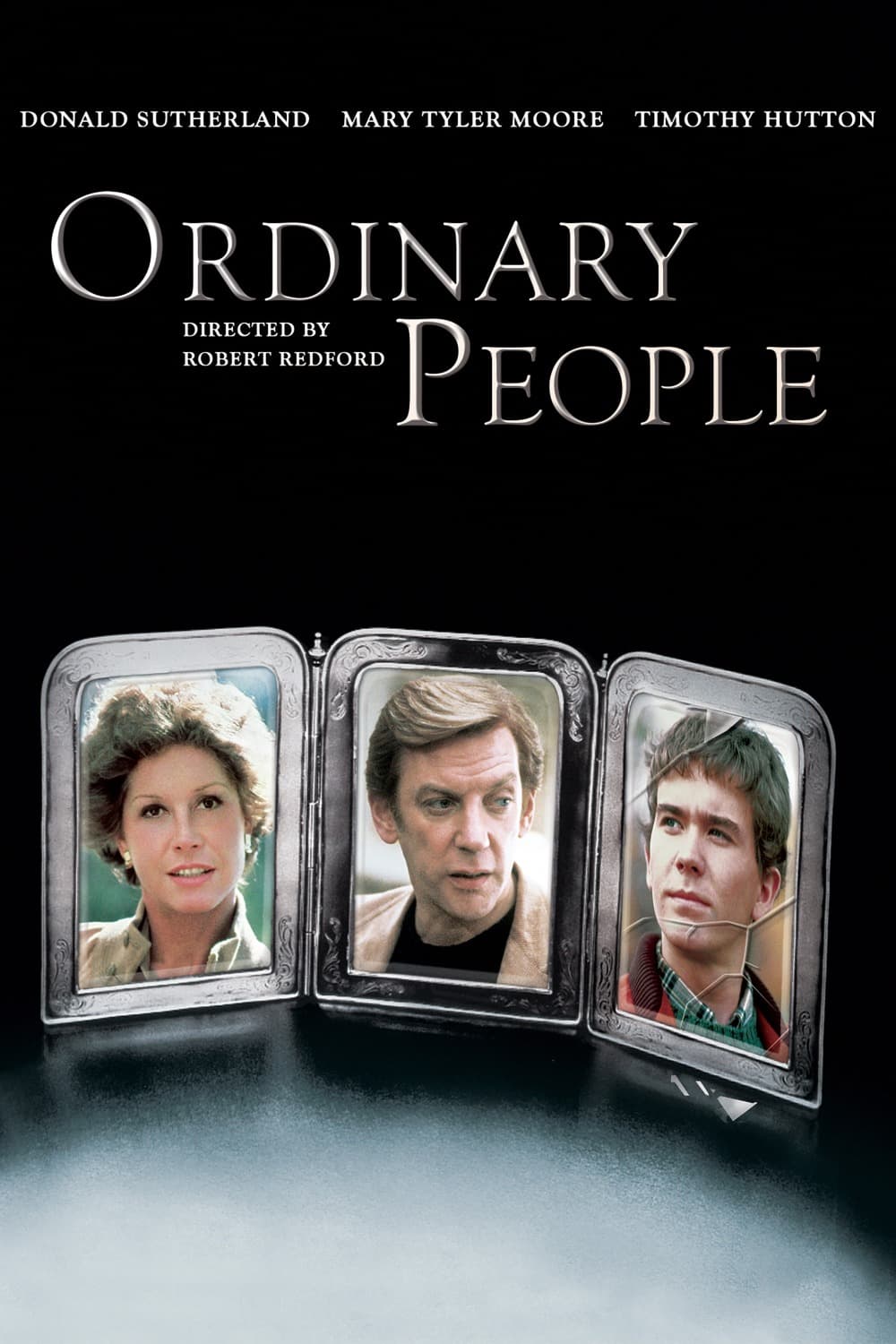
Redford directed this before anyone thought he could, and it goes at what American families do not discuss: a Chicago suburb where everyone is fine, and a son in therapy who is not.
A Paragons rocksteady tune from 1967, Jimmie Haskell's horns and strings on top, and Harry strolling to number one.
Join me, and together we can rule the galaxy as father and son.
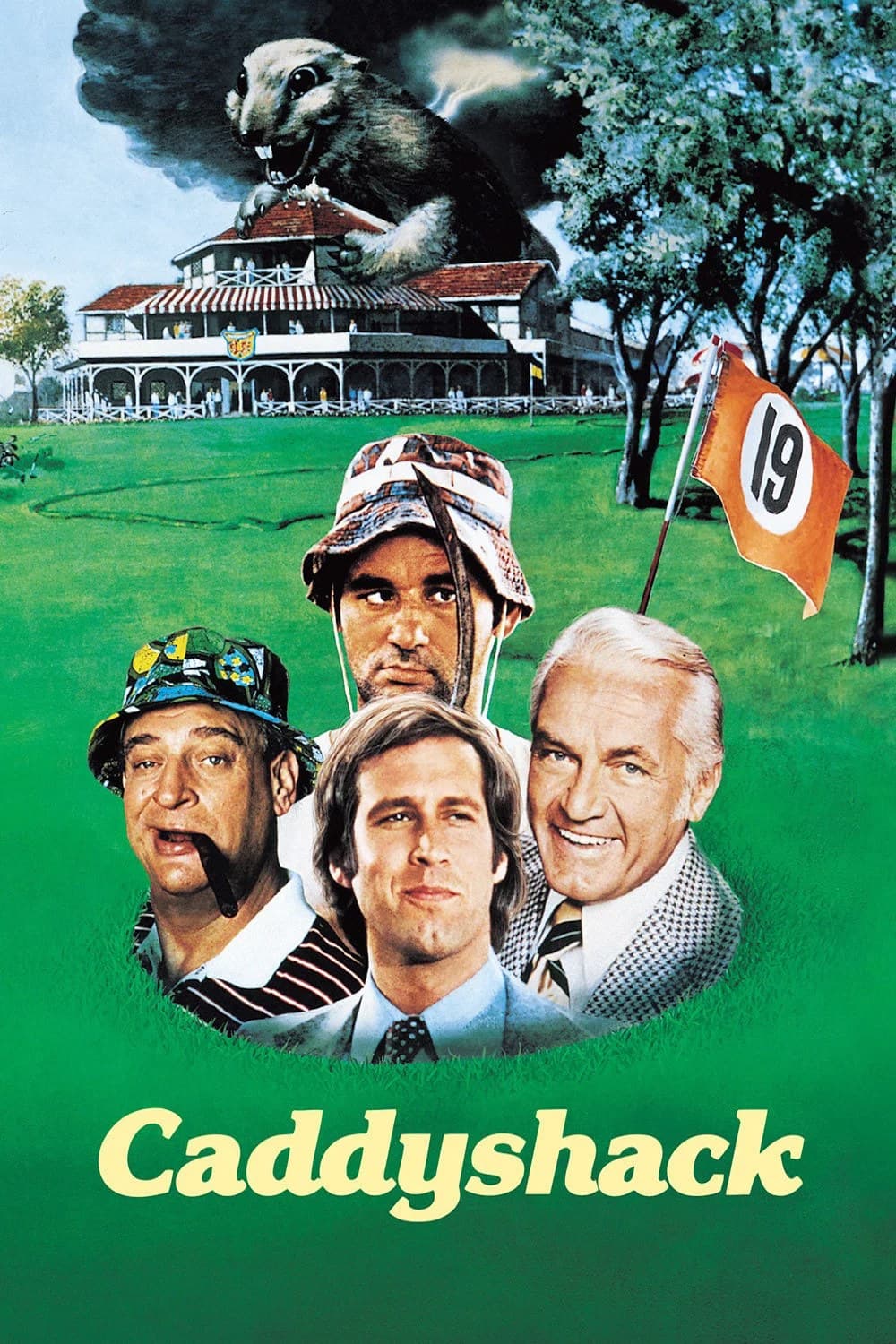
Bill Murray improvised nearly all of his part and the gopher was added after shooting finished: a country club comedy with no functioning plot and absolutely no need for one.
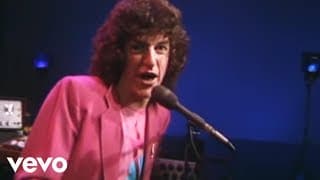
Cronin wrote it after his wife confessed an affair; Richrath's Les Paul turned a piano ballad into a number one.
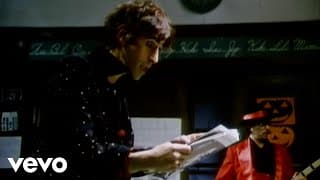
Justman, the band's keyboardist, wrote it, and his synth hook took a Worcester blues band to six weeks at number one.
A ten-note synth riff cut at Sound 80 in Minneapolis, Cynthia Johnson vocoded then unleashed at full wail.
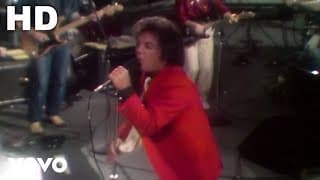
Richie Cannata's sax break, Joel needling critics and fashion alike, and his first American number one.
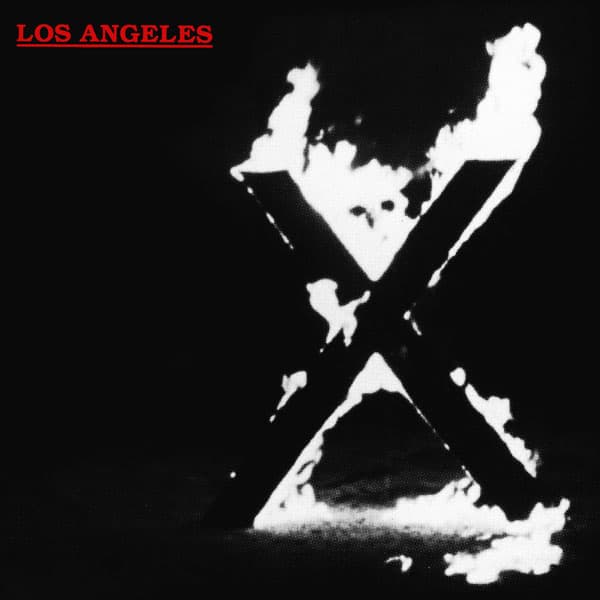
Ray Manzarek of the Doors produced it and played the organ, which is why a punk record has that particular keyboard on it.
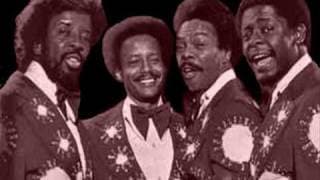
Cut in Chicago with Leo Graham producing, Gerald Alston's lead vocal won the group their only Grammy.
A song its writer said had no bridge and no hook, written in 45 minutes and sung to number three.
You like me because I’m a scoundrel. There aren’t enough scoundrels in your life.