What's Going OnMarvin Gaye
What's Going On
1971 · From What's Going On
Party chatter, a sax that sighs, and Gaye asking the question Motown begged him not to ask.
★ 9.9
 skopia
Party chatter, a sax that sighs, and Gaye asking the question Motown begged him not to ask.

Berry Gordy called it the worst thing he had ever heard and refused to release it until Gaye said he would never record for Motown again.
Eight minutes that climb from recorders to Page's solo, never released as a single and never needing to be.
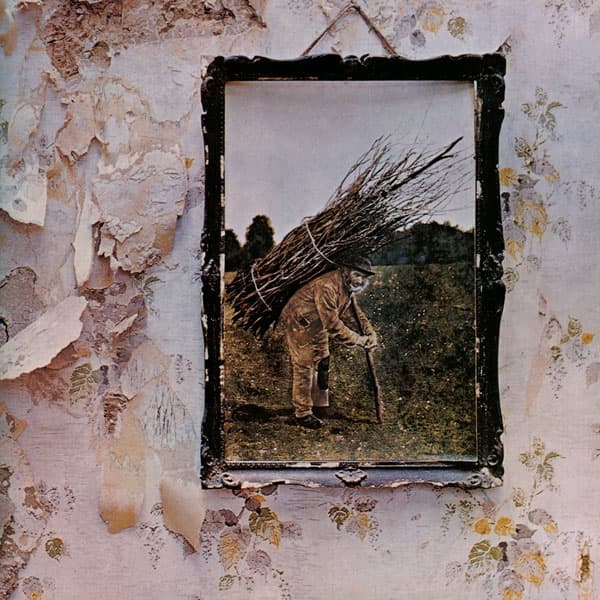
There is no title and no band name anywhere on the sleeve, just four symbols the members chose. The label thought it was commercial suicide.
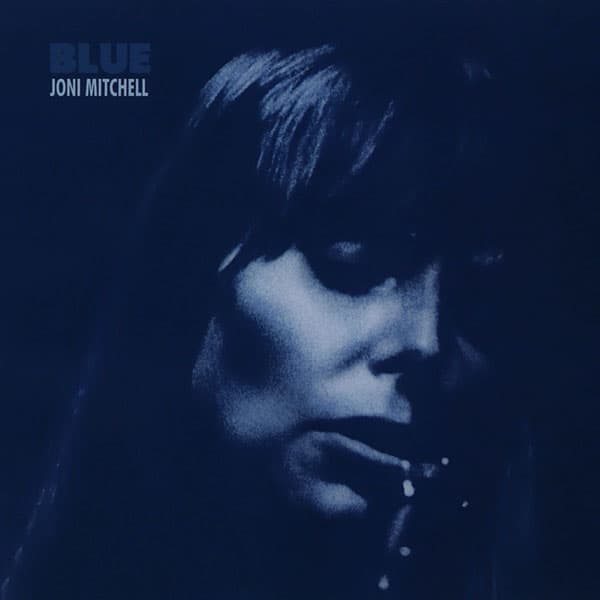
Mitchell was so exposed making it that she asked visitors to leave the studio. Kris Kristofferson told her to keep something back for herself.
That opening arpeggio is a Lowrey organ's marimba repeat function; Dave Arbus's violin sends the ending careening.
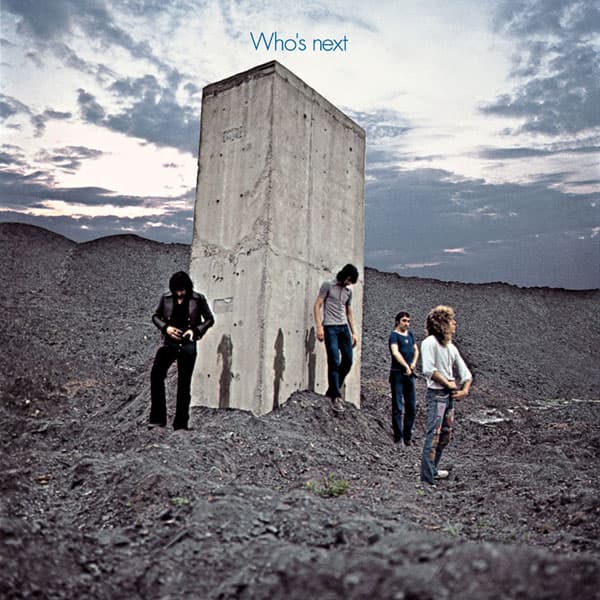
What survived an abandoned science-fiction project became this record. The keyboard figure opening Baba O'Riley was generated by a machine rather than played.
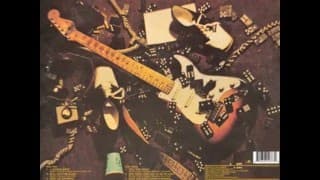
Clapton wanted his friend's wife; Duane Allman's slide answers every line, then Jim Gordon's piano coda changes everything.
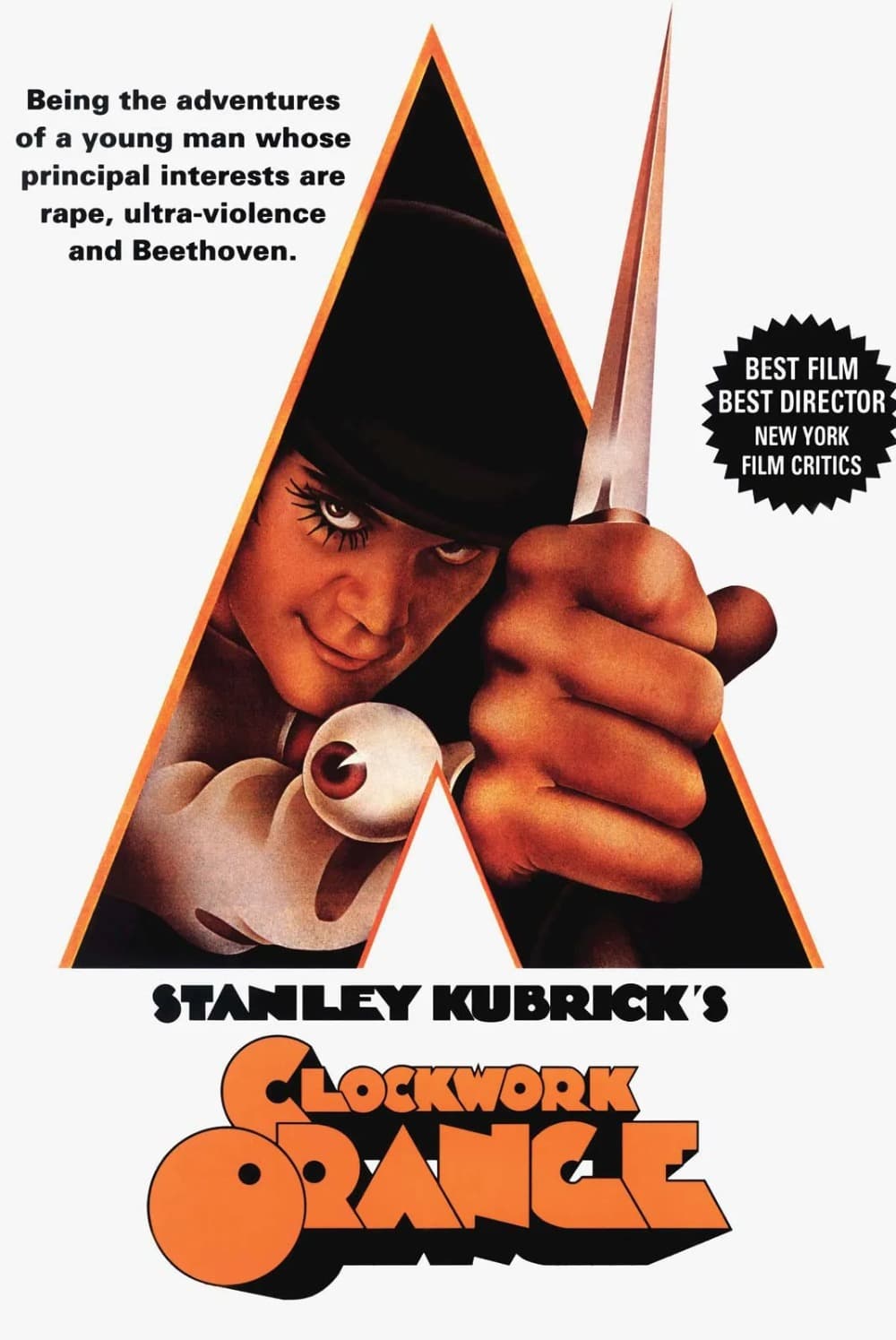
Kubrick pulled it from British cinemas himself after the reaction, and it stayed unavailable there for twenty-seven years: a state that enforces goodness, an invented slang, imagery nobody forgets.
Willie Mitchell and Al Jackson handed Green a track; he reportedly had the lyric in five minutes.
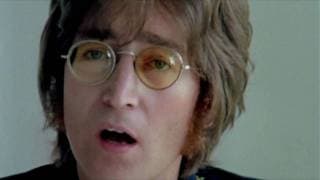
Grapefruit, Ono's book of poems, supplied the idea; Lennon supplied the piano; in 2017 she finally got the credit.
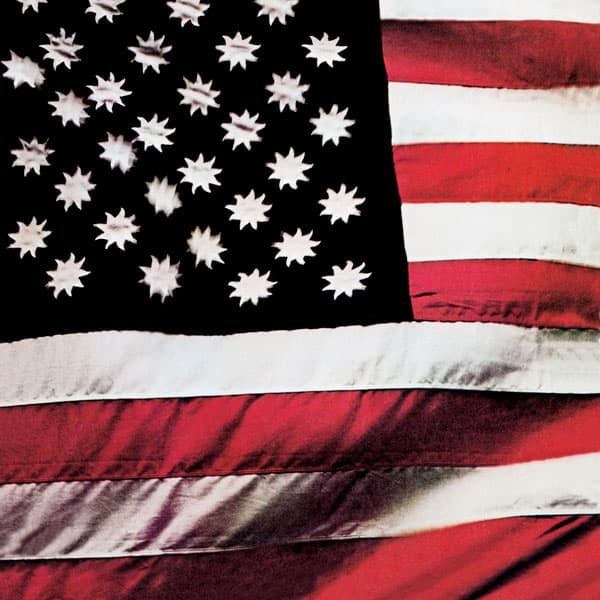
Sly overdubbed most of it alone onto a drum machine at home. The title track is listed as running zero seconds and has no music.
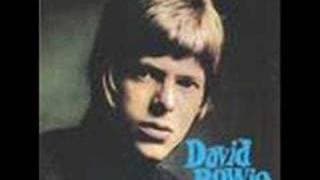
Rick Wakeman's piano, Bowie's own saxophone, and a stutter on the title that flopped before it defined him.

Rawls asks which rules you would pick for a society without knowing your place in it. His answer, equal liberties and inequality only when it lifts the worst off, reset political philosophy.
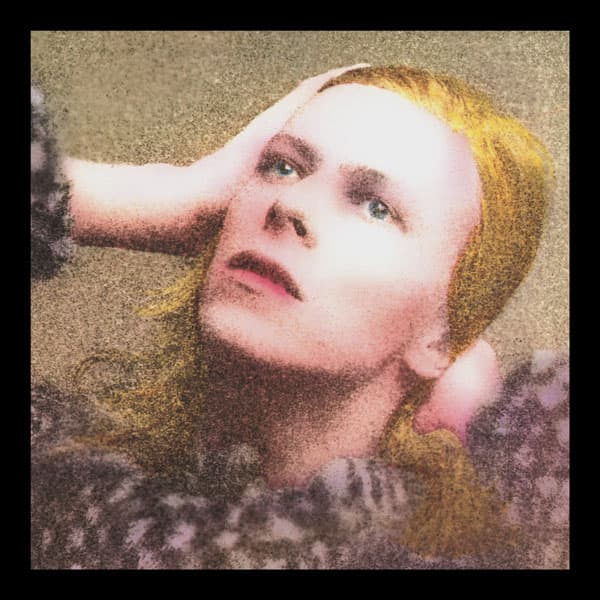
Rick Wakeman plays the piano throughout, and Bowie wrote Kooks in an afternoon for his newborn son. Ziggy Stardust was still a year away.
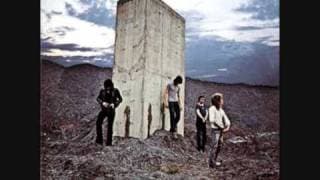
Eight and a half minutes, a Lowrey organ run through a VCS3, and Daltrey's scream tearing into the final verse.
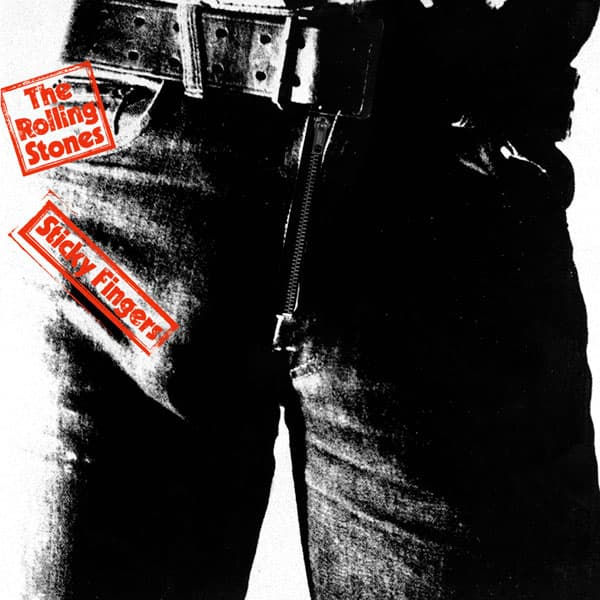
Andy Warhol's sleeve had a real working zip, which scratched the records stacked behind it in the crates. The tongue logo starts here.
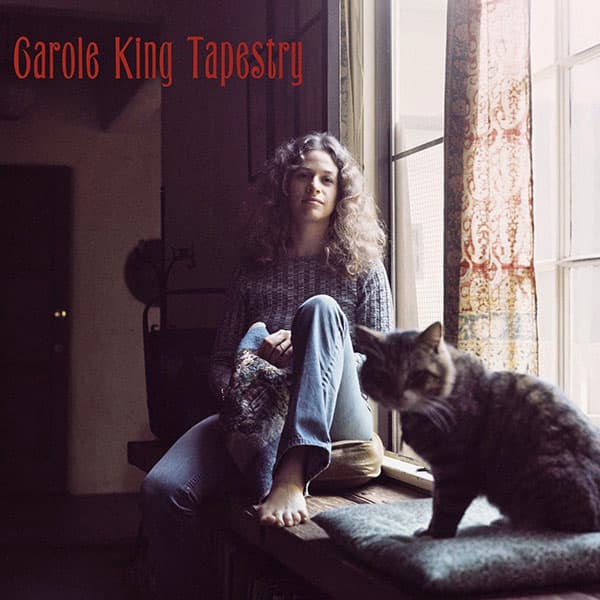
King had already written dozens of hits for other people before anyone heard her sing. This one sold twenty-five million copies.
Skip Pitts on wah-wah, Willie Hall riding sixteenths on hi-hat, and the first Academy Award won by a Black composer.
Withers was building airplane toilets when he cut this, and he left the unfinished bridge as twenty-six repeats.
A rhythm box edited into a heartbeat, Billy Preston on Pianet, and three weeks at number one.
Cut at Muscle Shoals in December 1969, with Jim Dickinson on tack piano after Ian Stewart refused the minor chords.
Cut at Trident in November 1971, never a single, and Ronson's riff draws the character as sharply as the words.
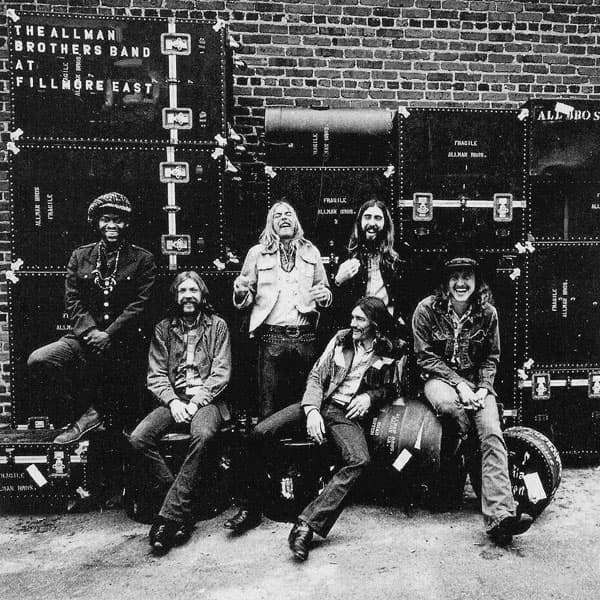
Recorded over two nights in March 1971, and Duane Allman was dead in a motorcycle crash before the year was out.
Jones wrote the riff, Page took the stop-start idea from Fleetwood Mac, and a stray labrador supplied the title.

Joplin taped the vocal days before her death; Kristofferson did not hear it until the day after.
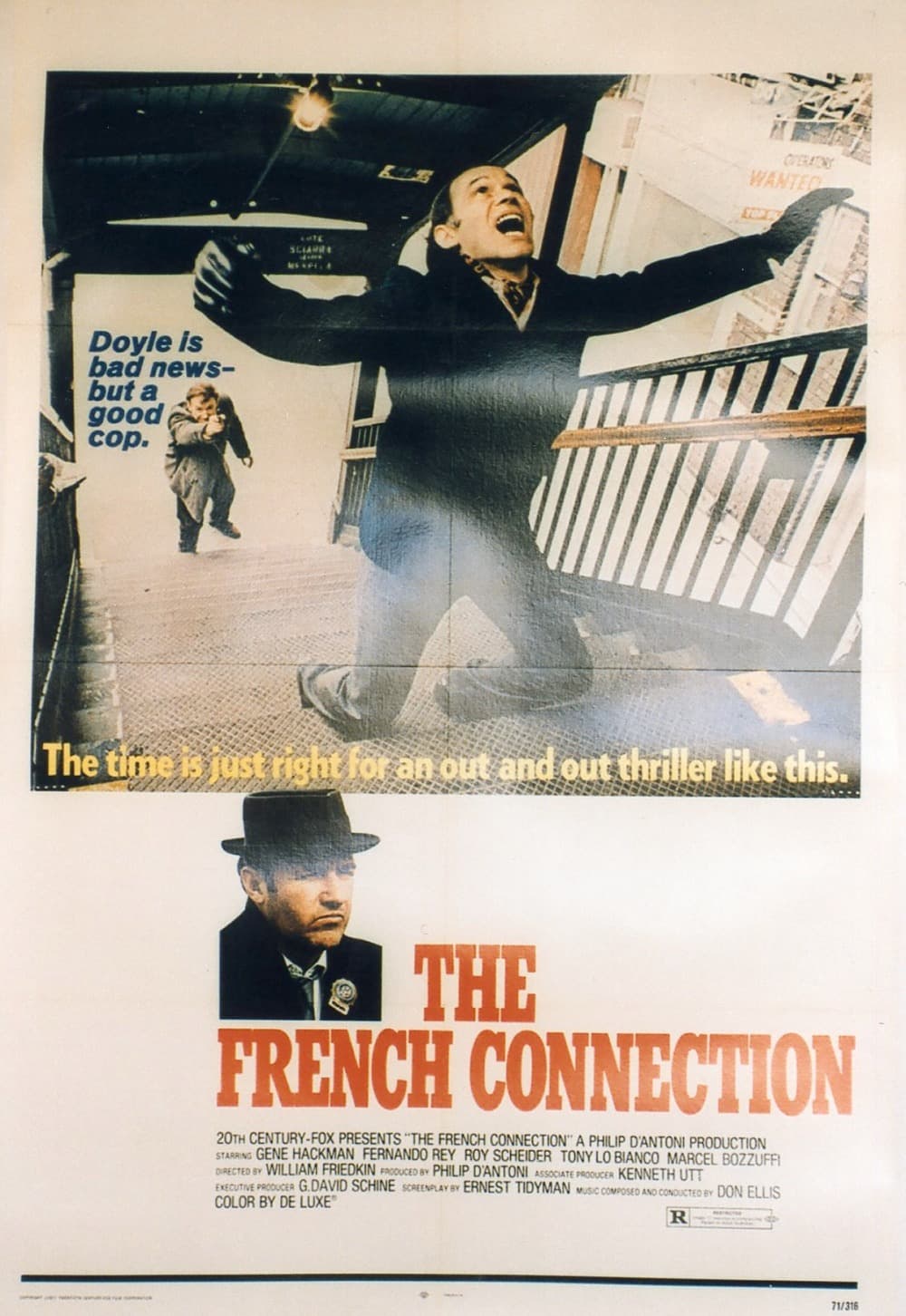
It made the car chase in Bullitt look choreographed: this one was shot without permits, at ninety miles an hour, through real Brooklyn traffic that nobody had cleared.
Cut at Muscle Shoals days before Altamont, Bobby Keys on tenor, and a lyric Jagger later said he would censor.
Released as a B-side until DJs flipped it, with a mandolin credited only to a name Stewart said slipped his mind.
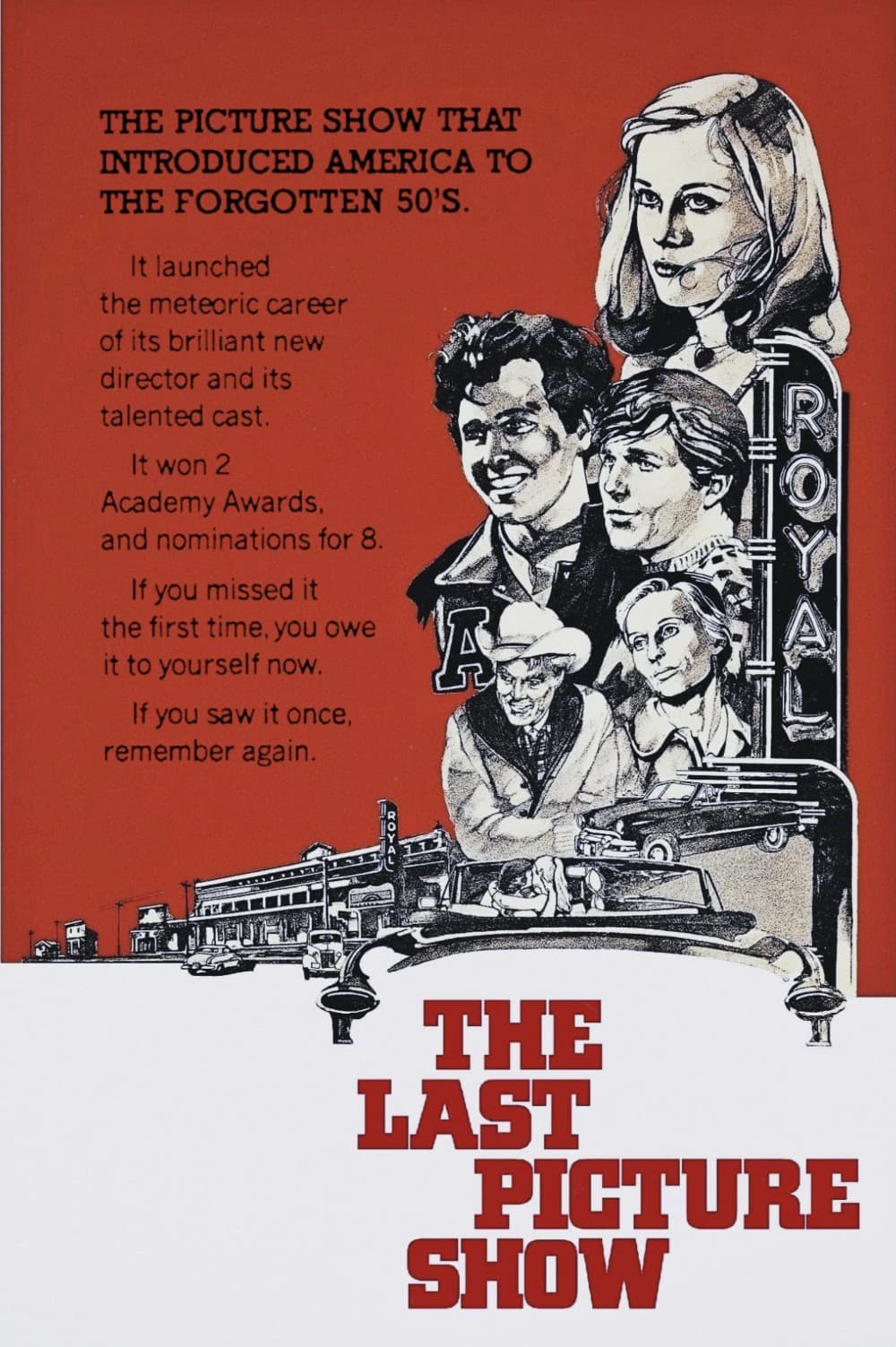
Bogdanovich insisted on monochrome in 1971, when absolutely nobody did that: a Texas town running out of reasons to exist, and the teenagers running out along with it.
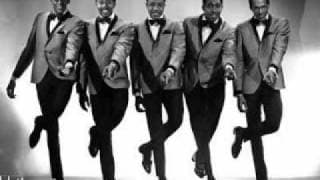
By Otis Williams's account Kendricks stayed for hours of takes; his final Temptations single spent two weeks at number one.
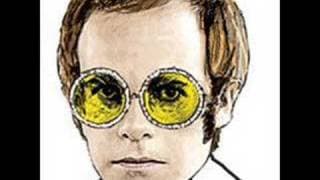
Taupin wrote it about Maxine Feibelman, the seamstress who toured with the band, and Almost Famous made it a singalong.
Danoff and Nivert finished it with Denver one December night, and they premiered it hours later at the Cellar Door.
Townshend's theme for the villain of his abandoned Lifehouse, and Daltrey sings the self-pity straight before Moon wrecks it.
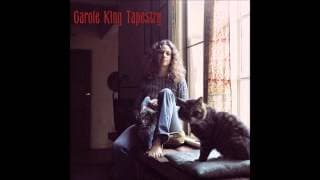
Toni Stern wrote the words in a day after her romance with James Taylor ended, and Curtis Amy's sax answers.
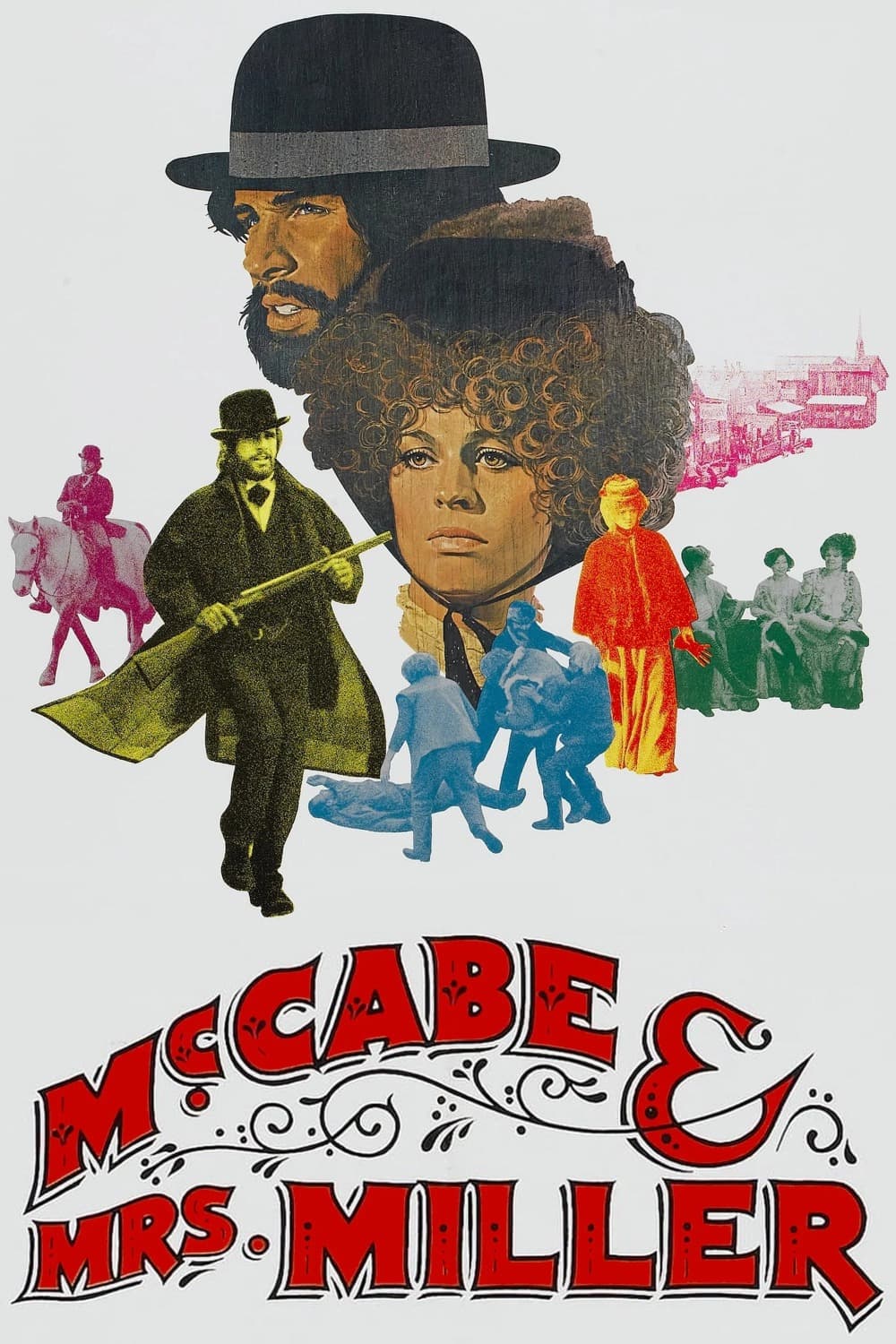
Altman made a western out of mud, snow and Leonard Cohen songs: a small-time gambler and a businesslike madam build a frontier town out of almost nothing.
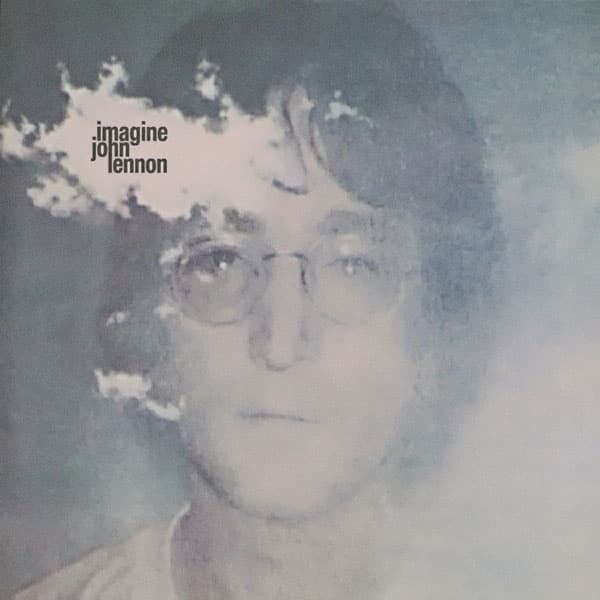
Recorded at his home in Ascot on a white grand piano, and one of the songs is a straight attack on Paul McCartney.
Green wrote it inside an hour by his account, then spent days getting Willie Mitchell to listen.

Niebuhr's argument: an individual can rise above self-interest and a nation cannot, so justice comes from power balanced against power. Cold War strategists and Martin Luther King alike thought in his terms.
King wrote it during the Tapestry sessions; Taylor cut it with Joni Mitchell behind him for his only number one.
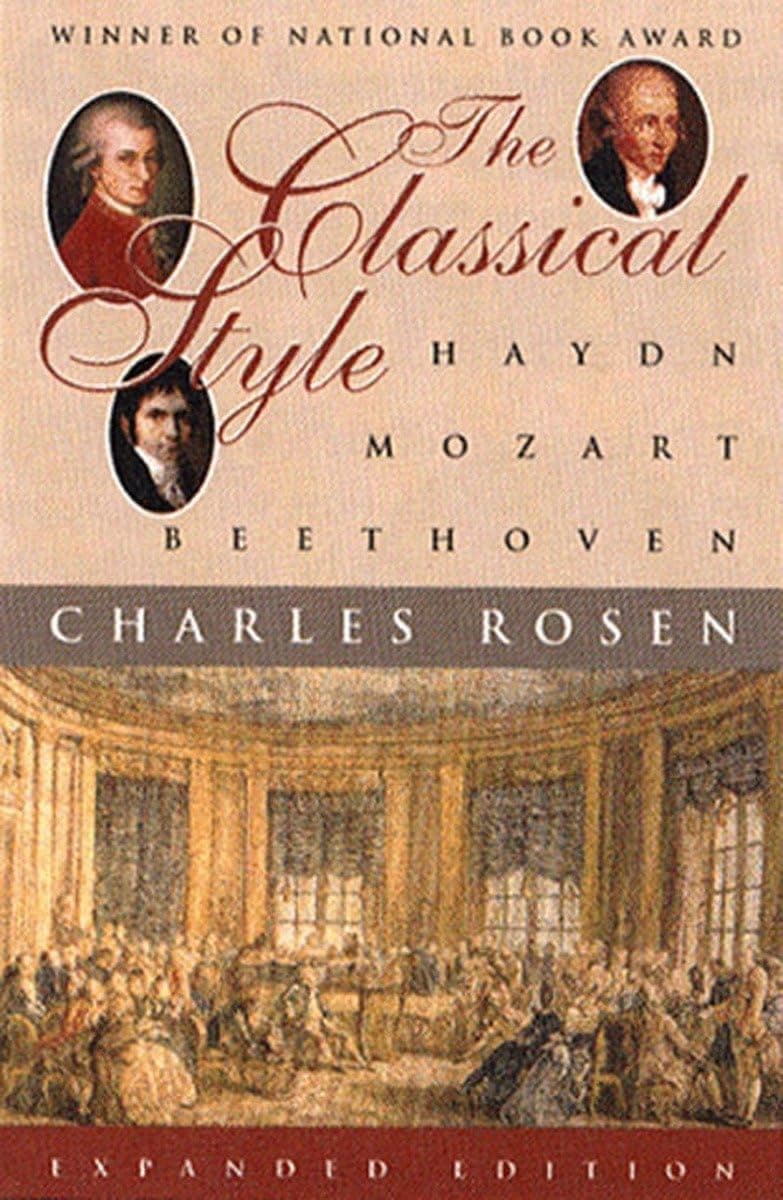
Haydn, Mozart, and Beethoven made drama out of harmony itself, Rosen shows, with tension and resolution shaping every movement. A concert pianist wrote it, and it changed how musicians hear the whole period.
Mack Rice built it from a line Luther Ingram tossed off, and Pops and Mavis trade the sermon.

Raoul Duke and his attorney drive to Las Vegas with a trunk of narcotics to cover a desert motorcycle race and a drug enforcement conference. The bender becomes Thompson's autopsy of the sixties.
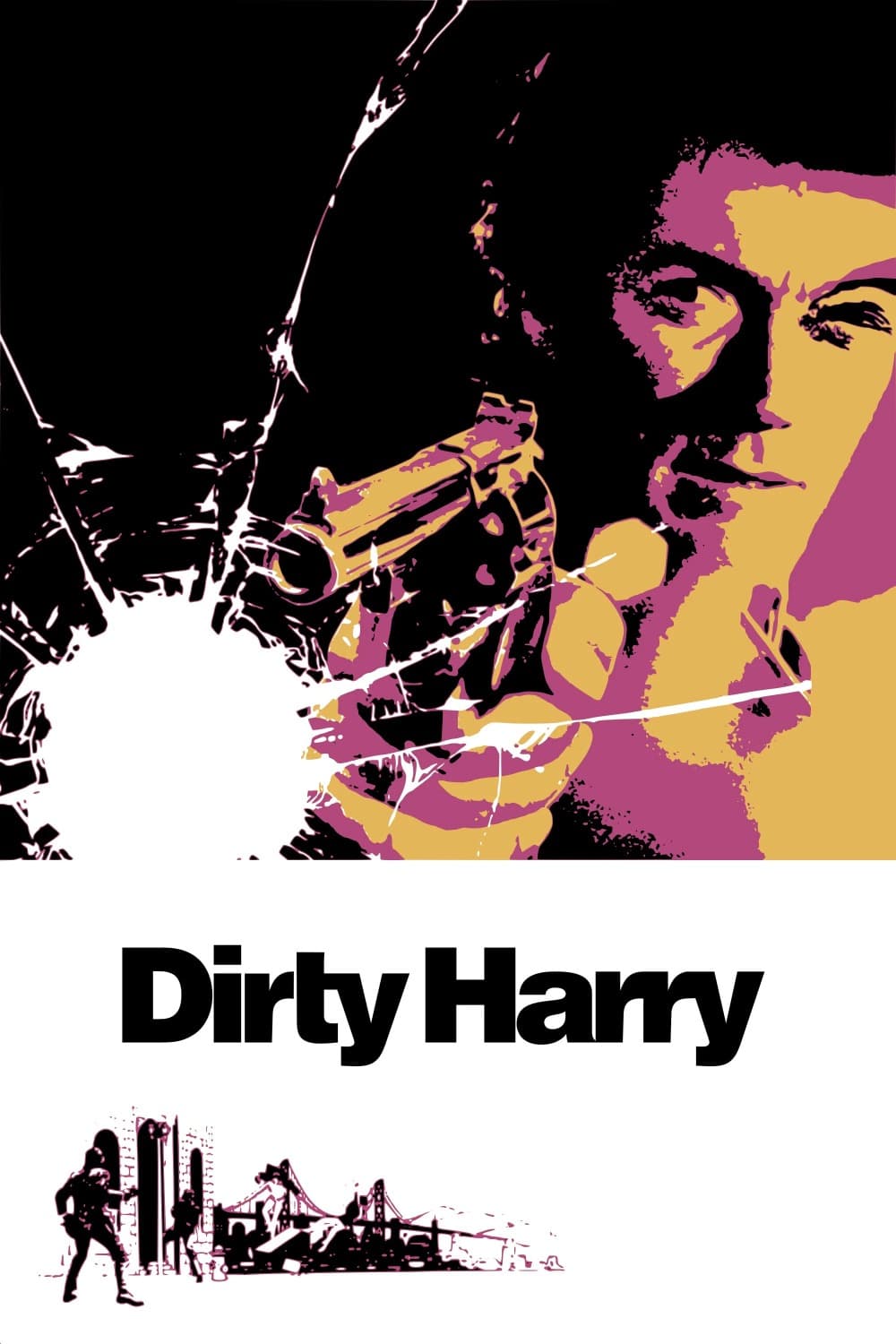
Pauline Kael called it fascist and the argument has never really ended: Eastwood's inspector chases a Zodiac-like killer through San Francisco with a .44 Magnum and open contempt for procedure.
Two years after Lennon and Ono's billboards declared the war over, Spector cut it with a Harlem children's choir.
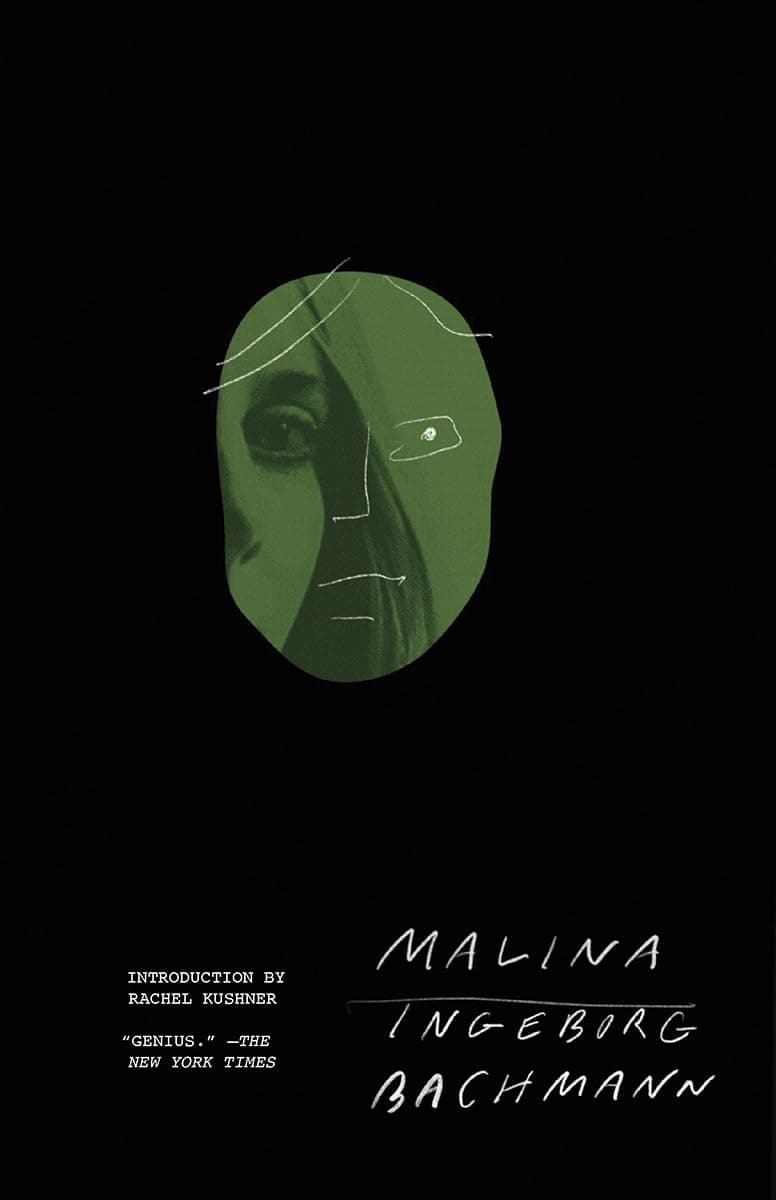
In a Vienna apartment a woman without a name loves Ivan and lives with Malina, and her interior life comes apart. Bachmann writes private ruin and Austria's buried fascism as the same catastrophe.
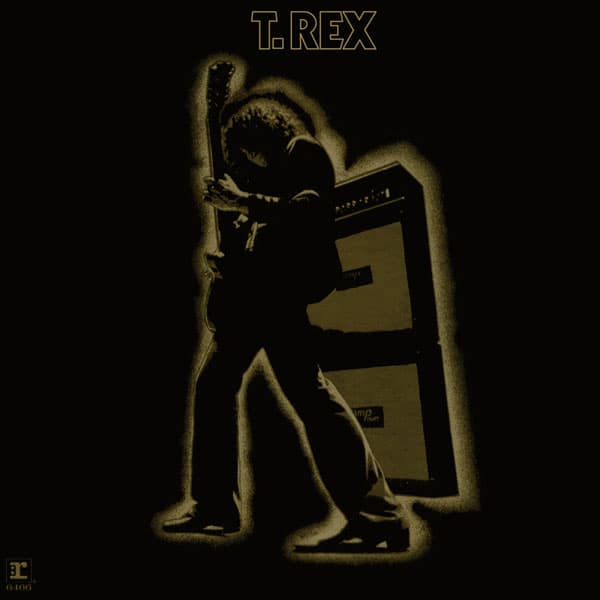
Marc Bolan sings everything with the same wobbling vibrato over two-chord boogie, and producer Tony Visconti buried strings underneath it.

The mandolin on Maggie May was played by a session man paid fifteen pounds, whose name Stewart admitted he had forgotten in the sleeve notes.
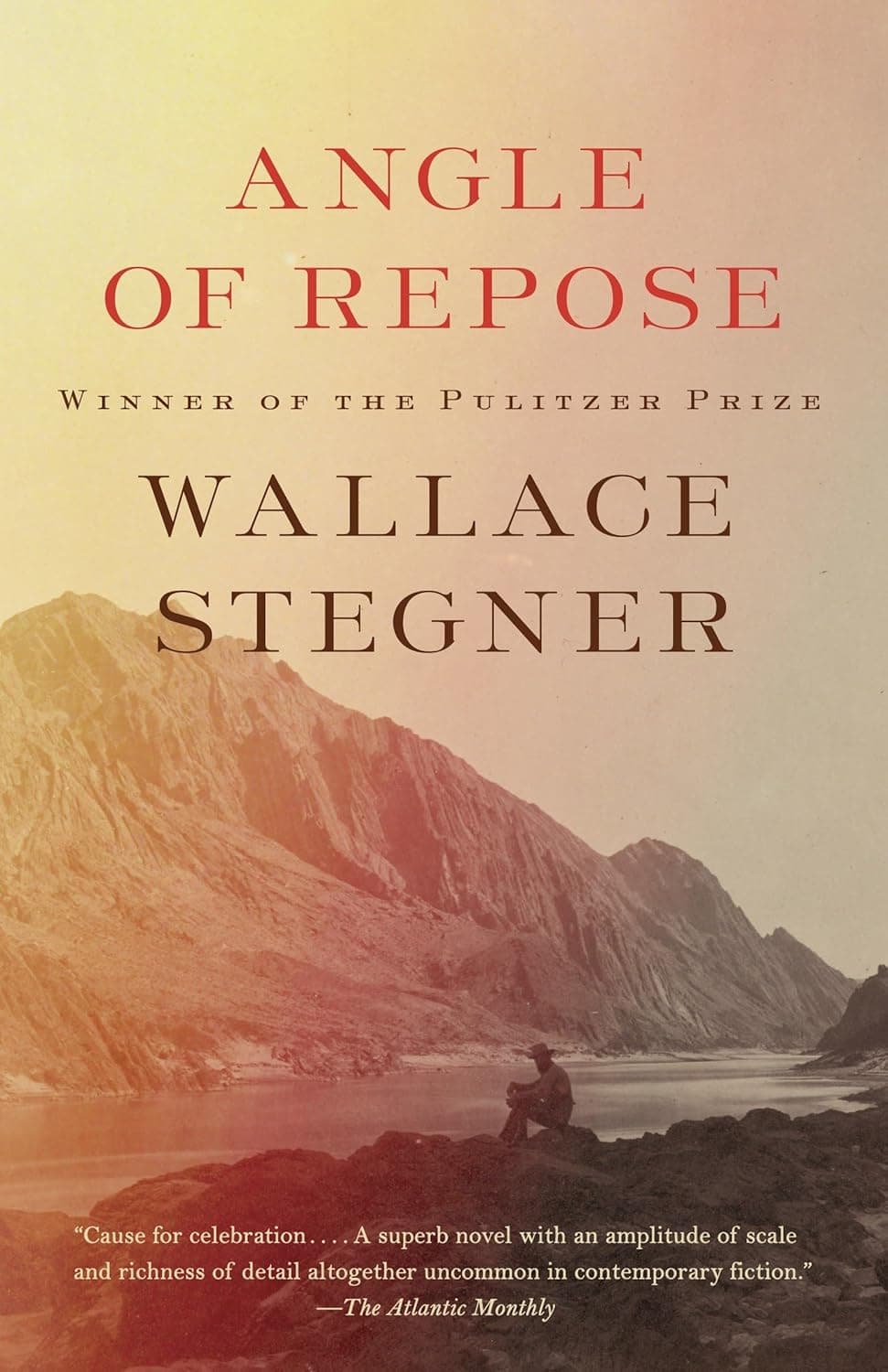
From his wheelchair a historian rebuilds his grandmother's life from her letters: a New York illustrator who followed a mining engineer west. Stegner's Pulitzer novel holds a region in one marriage.
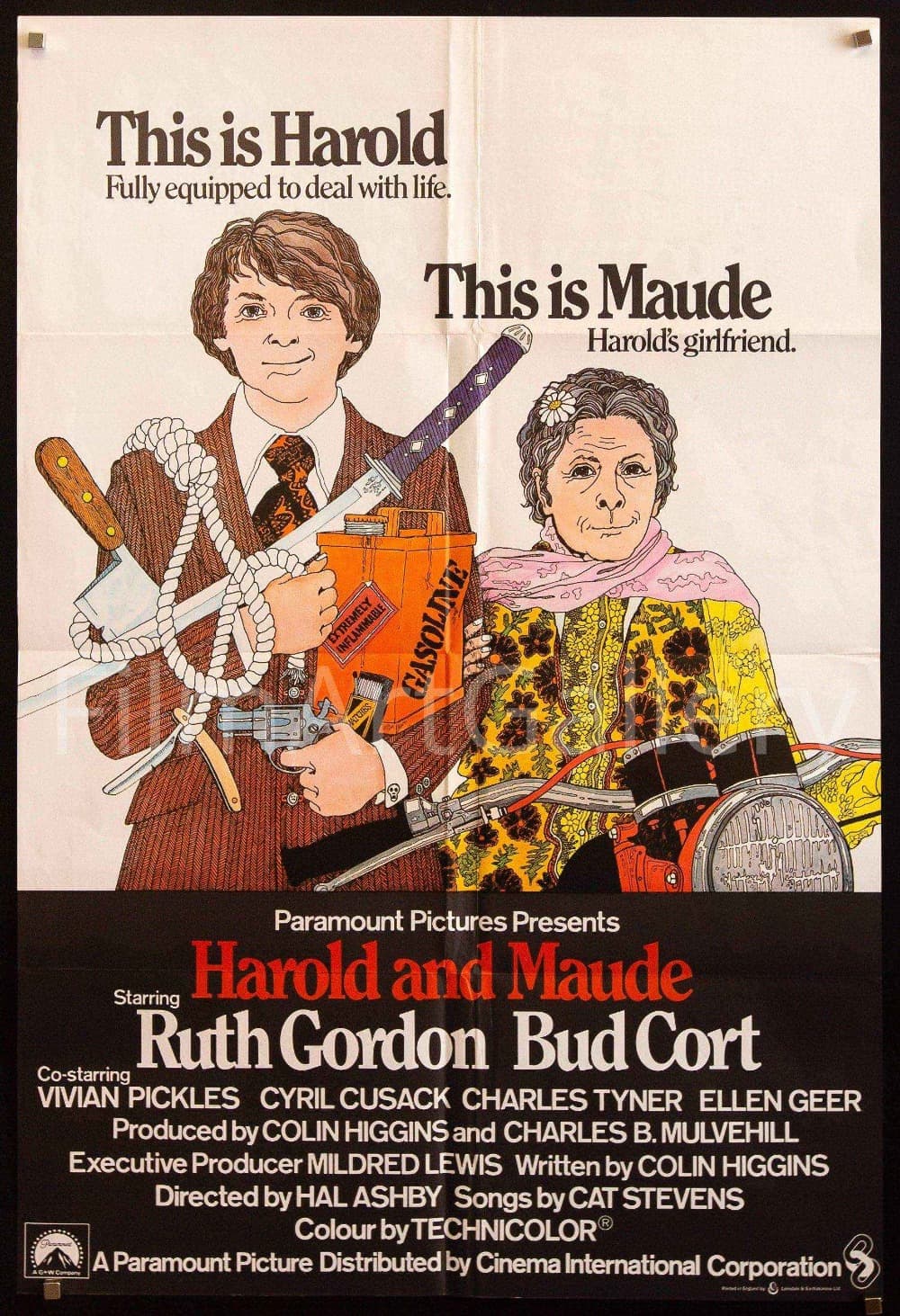
It failed on release and then ran 115 straight weeks at a single Minnesota theater: a death-obsessed teenager falls for a seventy-nine-year-old, and Cat Stevens scores the whole thing.
Written in Woodstock, cut in San Francisco with Modern Jazz Quartet drummer Connie Kay behind Morrison's warmest melody.
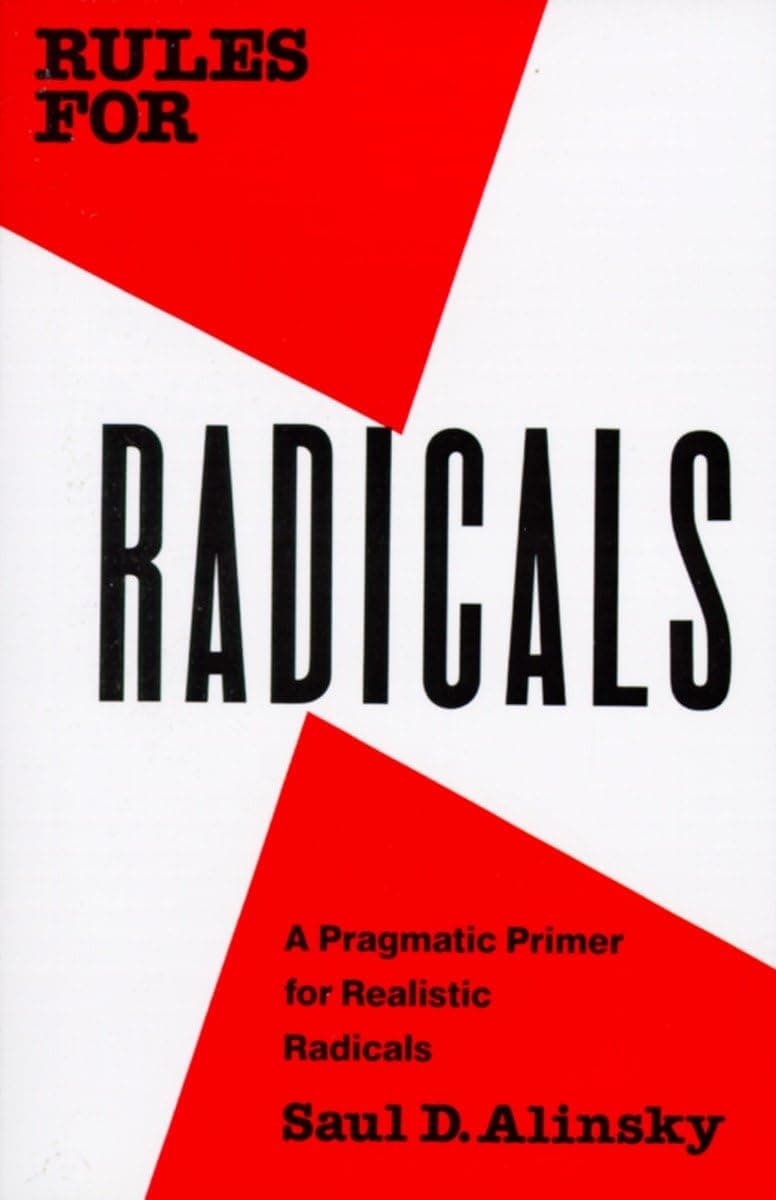
Alinsky wrote the manual for taking power when you have none: pick the target, freeze it, personalize it, polarize it. Decades later Tea Party trainers were handing it to conservative organizers.
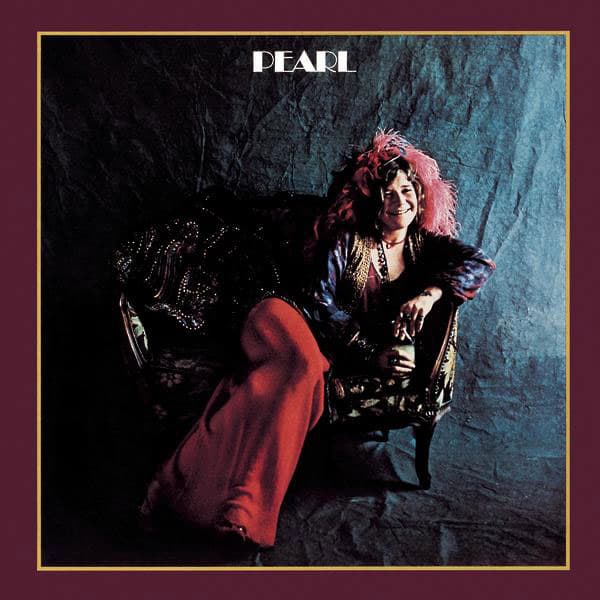
Joplin died before recording her vocal for one song, so it appears as an instrumental with the space where she should be.
A decade after the Shirelles made it the first girl-group number one, King slowed it down with Taylor and Mitchell.
Cut in February 1971 with Paul Buckmaster conducting, a character sketch about a balloon seller and the son who leaves.
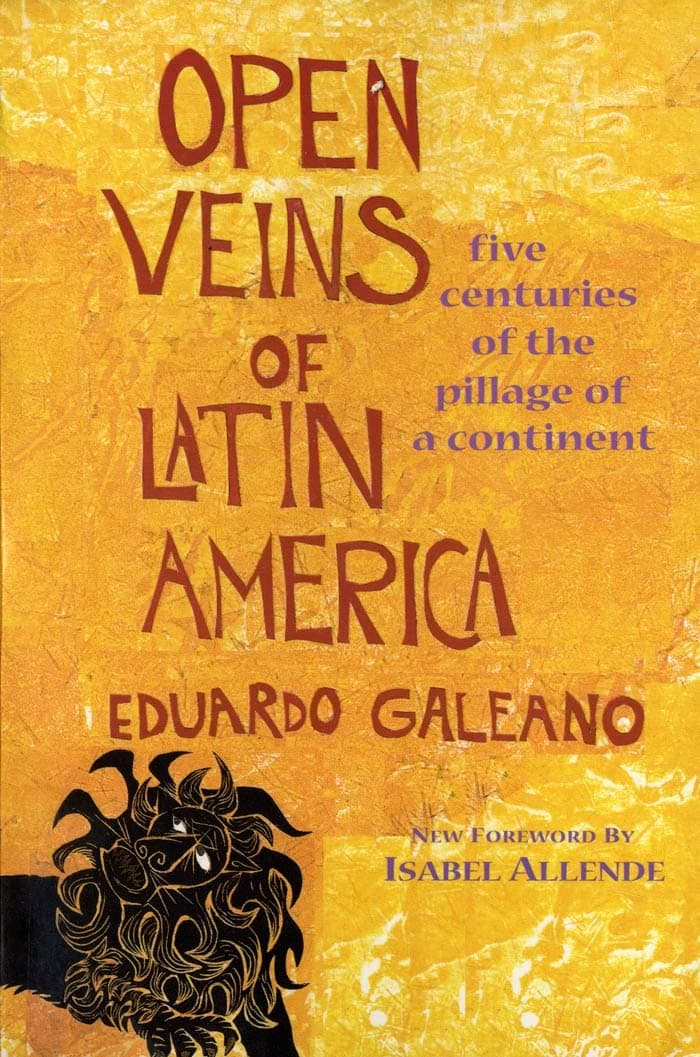
Galeano's charge is that Latin America is poor because it was rich: five centuries of silver, sugar, rubber and oil carried off to Europe and the United States. Four dictatorships banned the book.