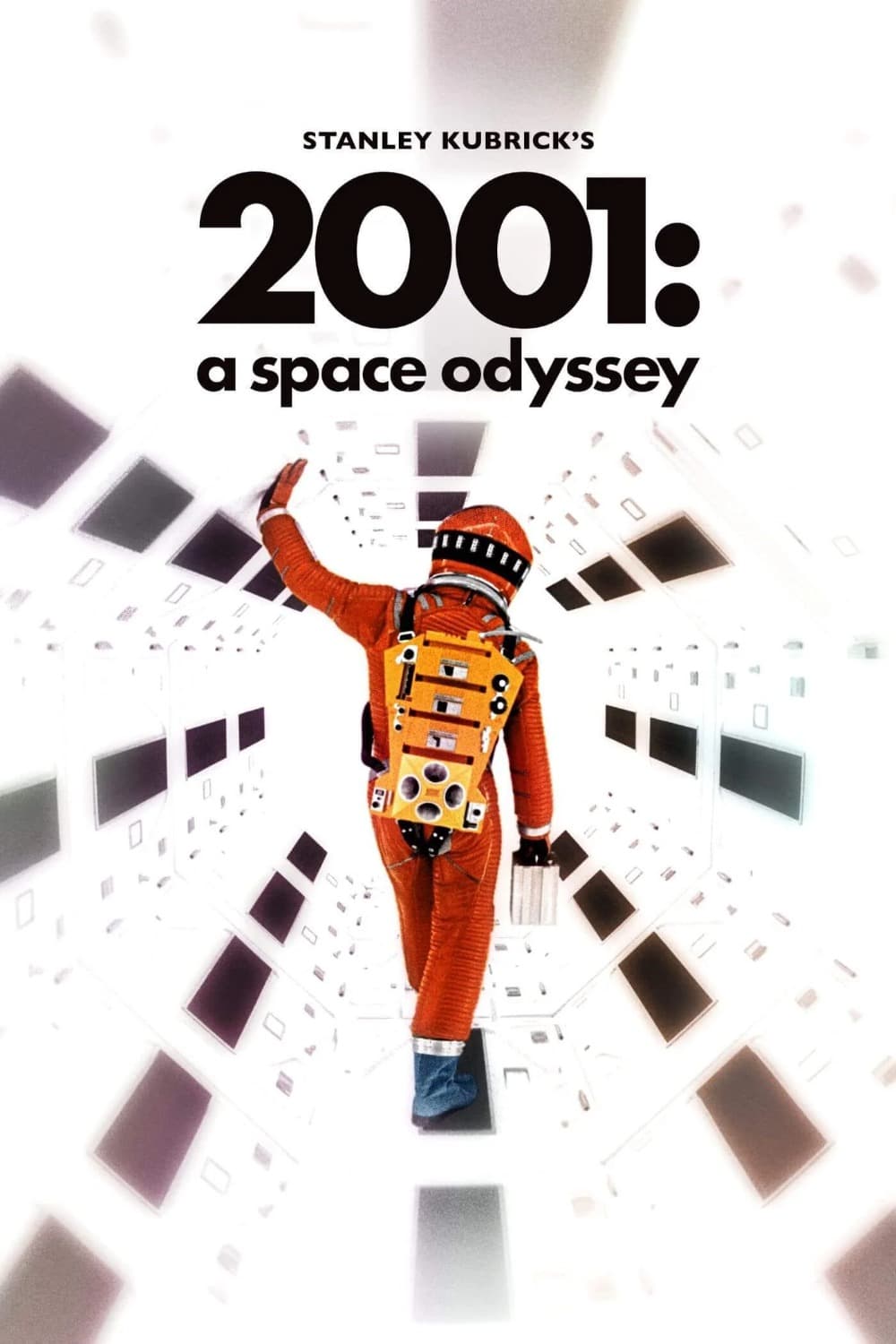
2001: A Space Odyssey
Kubrick took the audience from the first bone tool to the far side of Jupiter, explained almost nothing, and made every science fiction film since look domestic by comparison.

Kubrick took the audience from the first bone tool to the far side of Jupiter, explained almost nothing, and made every science fiction film since look domestic by comparison.
Seven minutes, four of them just na-na-na, and somehow nobody has ever wanted it to end sooner.

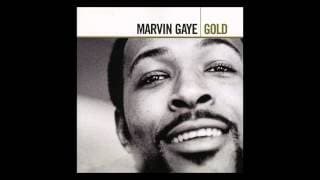
Motown shelved Gaye's version for over a year; it came out sounding like paranoia set to a Funk Brothers groove.

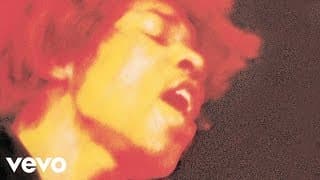
Hendrix took Dylan's parable and lit it, and Dylan has played it Hendrix's way ever since.

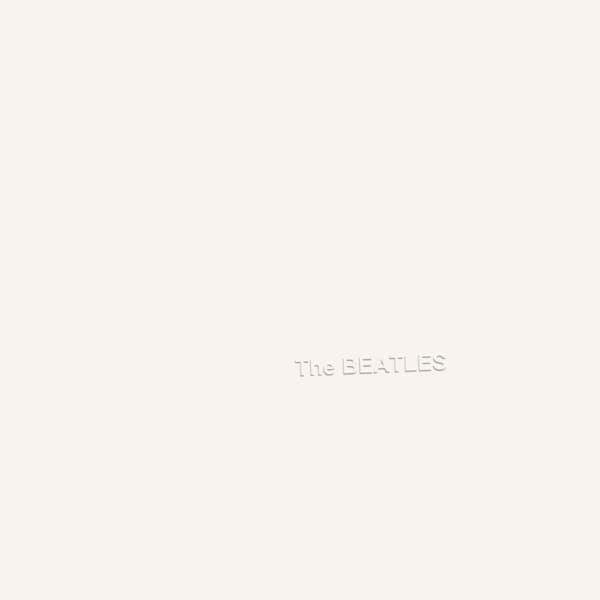
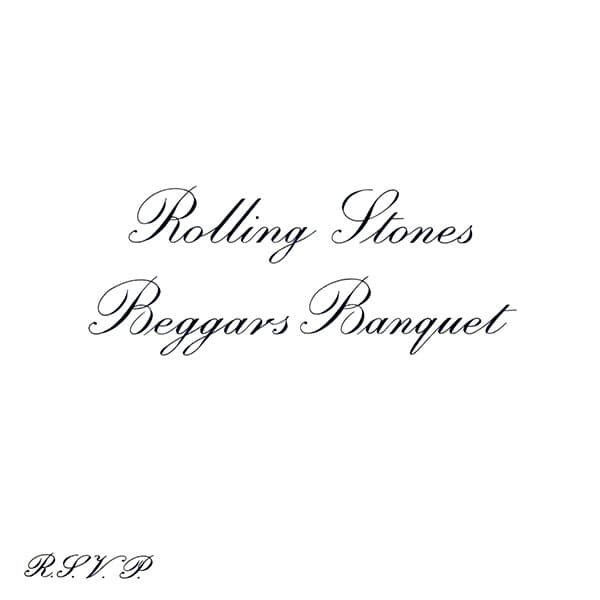
Ringo Starr quit for two weeks during the sessions and Paul played drums in his absence. The cover is plain white with a stamped serial number.

The western as ritual: Leone holds on faces until the tension turns physical, gives every character a Morricone theme, and makes three hours feel like a ceremony.

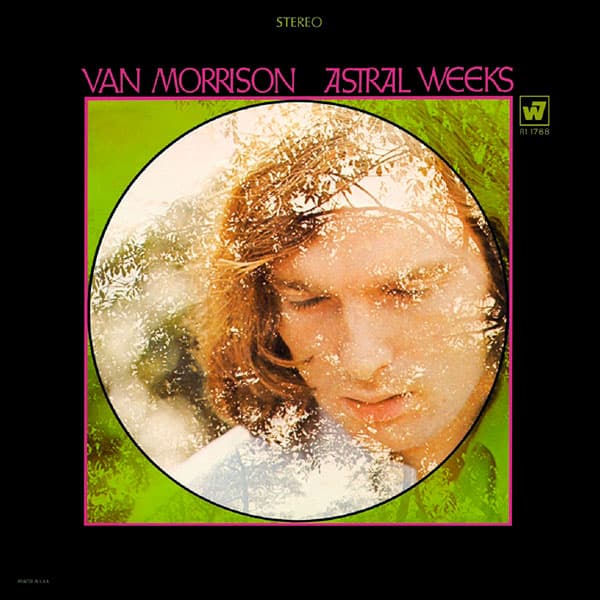
Morrison sat in an isolation booth and barely spoke to the jazz players hired to back him. The whole thing was done in three sessions.

Hendrix produced it himself, and spent so long in the studio that his manager walked out. One track is thirteen minutes of imagined underwater life.
Faithfull handed Jagger Bulgakov, Richards turned the folk sketch into samba and played both bass and the solo.

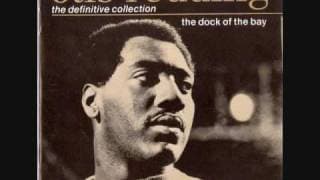
Redding cut the vocal three days before the plane crash, and Cropper finished it into the first posthumous American number one.

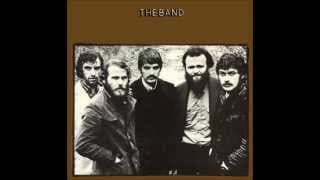
Robertson saw Nazareth stamped inside his 1951 Martin, and Helm sang the burden every verse hands over.

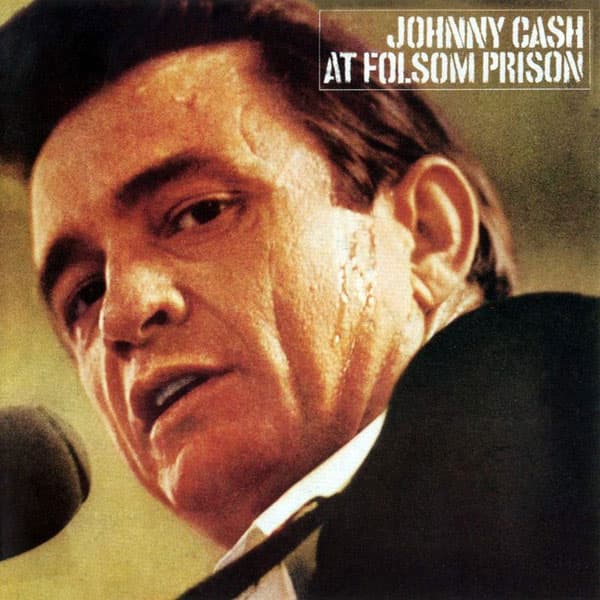
Cash's career was finished when he talked Columbia into letting him record for prisoners. The laughter after the Reno line was added afterward.

They wrote it in the basement of a pink house near Woodstock, and Bob Dylan painted the picture on the front.

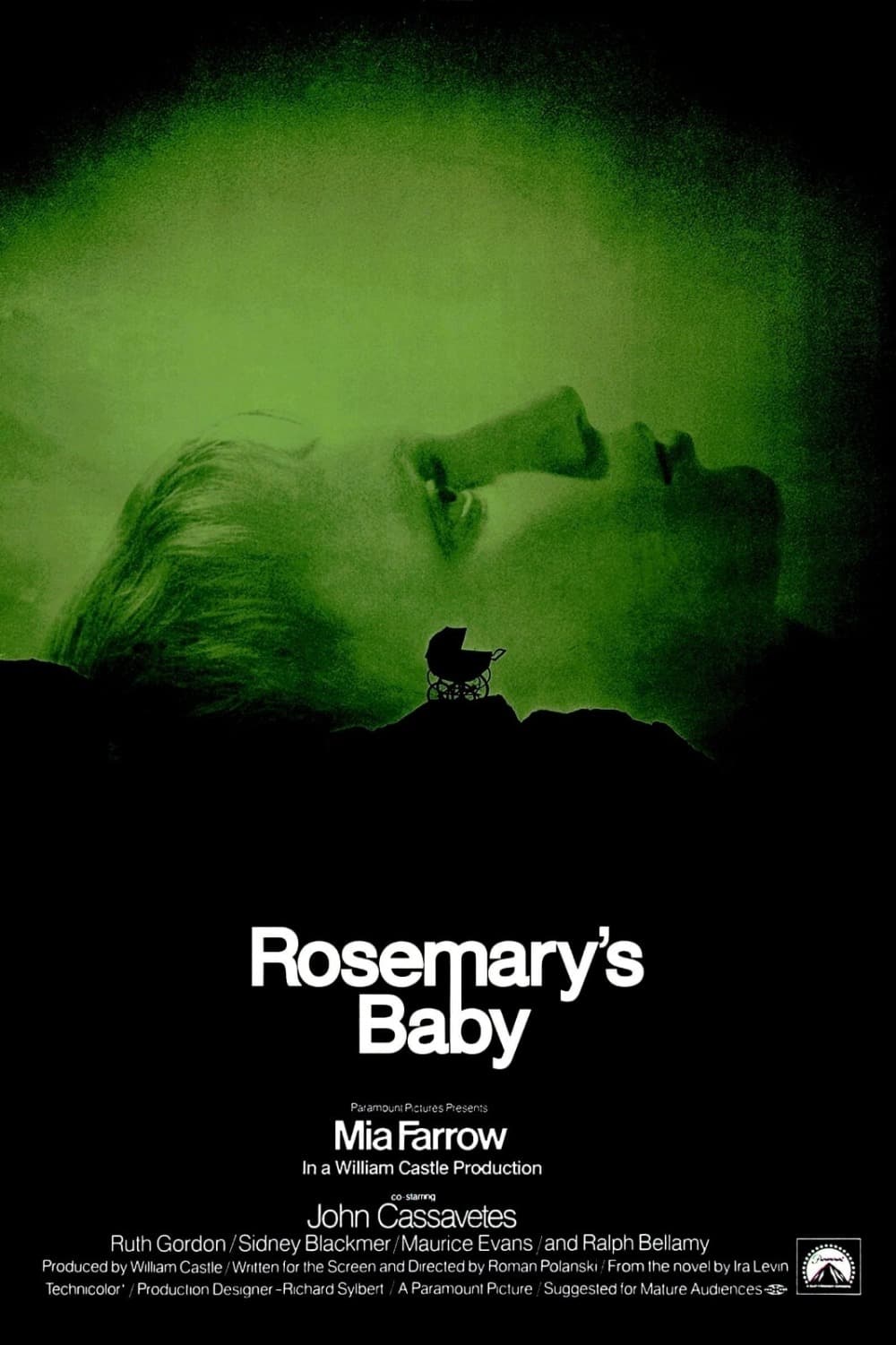
Horror discovered it did not need monsters: Polanski built two hours out of a young wife nobody believes, and the dread comes entirely from politeness and closed doors.

The label refused the original sleeve, a photograph of a graffitied lavatory wall, and held the record back for months over it.
Named for the gardener who woke them up, and cut with an acoustic guitar recorded into a Philips cassette recorder.
Harrison opened a book at random, saw "gently weeps", and Clapton came in uncredited to play the solo.

Simon had it as Mrs. Roosevelt with nonsense syllables for a verse, and it won Record of the Year.

Webb sent it over unfinished, one verse short, and Campbell cut the loneliest three minutes in country music.
Cut May 3, 1968 with an ABC film crew rolling, and it became Hendrix's only British number one, posthumously.
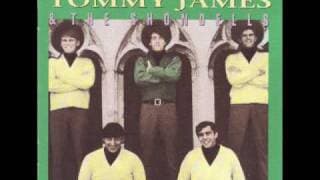
A band mixed in race and gender, four weeks at number one, and "different strokes for different folks" ever since.

Brown cut it in Los Angeles with thirty-odd young people from Watts and Compton shouting the answer back.

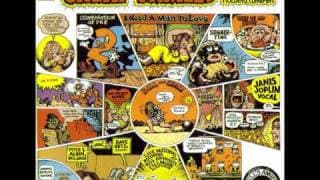
Erma Franklin had it first in 1967, then Joplin tore the same Ragovoy and Berns song wide open.

Written with Aretha in mind, handed to Springfield by Jerry Wexler; Memphis cut the track, New York got her vocal.

Mars Bonfire's used Ford Falcon inspired it, Steppenwolf sped it up, and Easy Rider made it biker culture's signature.

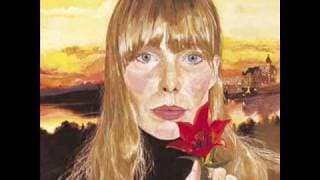
Mitchell was reading Henderson the Rain King on a plane, looked out at the clouds, and started writing immediately.

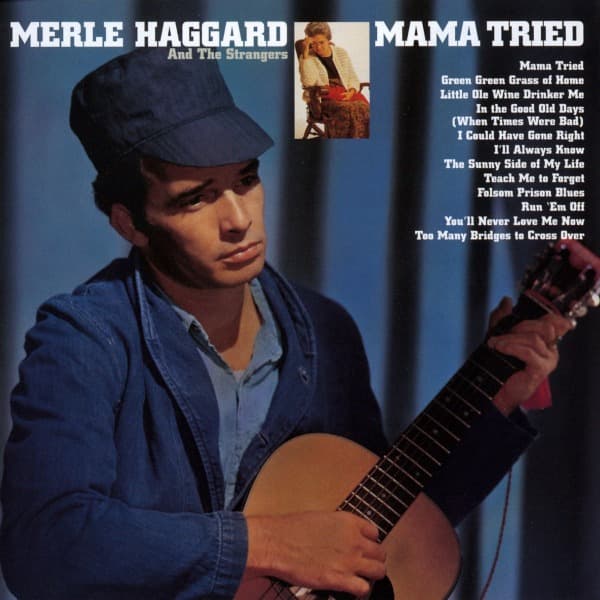
Three years in San Quentin behind him, Haggard gave his narrator a life sentence he never served himself.
Richards cut the acoustic into a Philips cassette recorder until it distorted, Watts drumming on a 1930s toy kit.

Gram Parsons sang lead on much of it and his vocals were wiped for contractual reasons. The Grand Ole Opry audience booed them off.

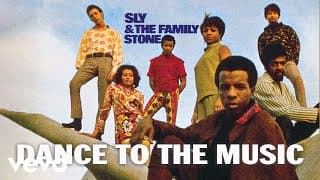
Clive Davis wanted a hit, so Sly wrote a roll call: each player steps forward, Cynthia Robinson shouting the title.

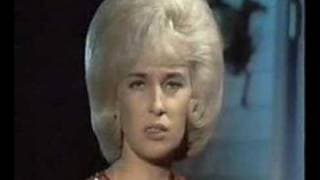
Written in about twenty minutes at the end of a session, and Wynette immediately dreaded that high note forever.

No rhyme scheme anywhere, just Simon reworking a 1964 road trip with Kathy Chitty until the emptiness lands mid-verse.

Argent and Blunstone rowed over the vocal at Abbey Road, and the band had broken up before America noticed.
Co-written with Ted White, out weeks after King's assassination, and a bridge that turns on one word, freedom.

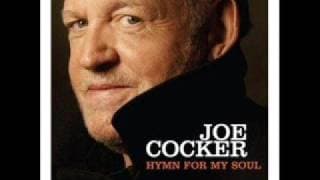
Cocker slowed a Beatles album track to gospel tempo, with Jimmy Page on guitar and Tommy Eyre's organ intro.

Hendrix left the finished master of side one in a taxi and had to mix the whole thing again overnight.
A 5/4 intro that worried the label, Pappalardi's violas, Baker's timpani, and Clapton's wah-wah doing the talking.

Didion went into Haight-Ashbury in 1967 and came back with a five-year-old on acid and children improvising a society in a vacuum. She rebuilt American nonfiction prose around the sound of her sentences.

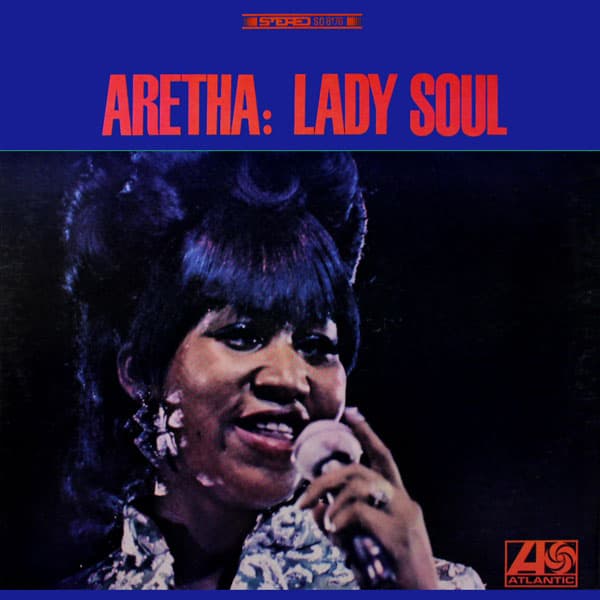
Her sisters sing behind her throughout, and Eric Clapton plays guitar on one track without ever being credited for it.
A Fred Neil song that flopped in 1968, until Schlesinger put it under Midnight Cowboy and Nilsson won a Grammy.

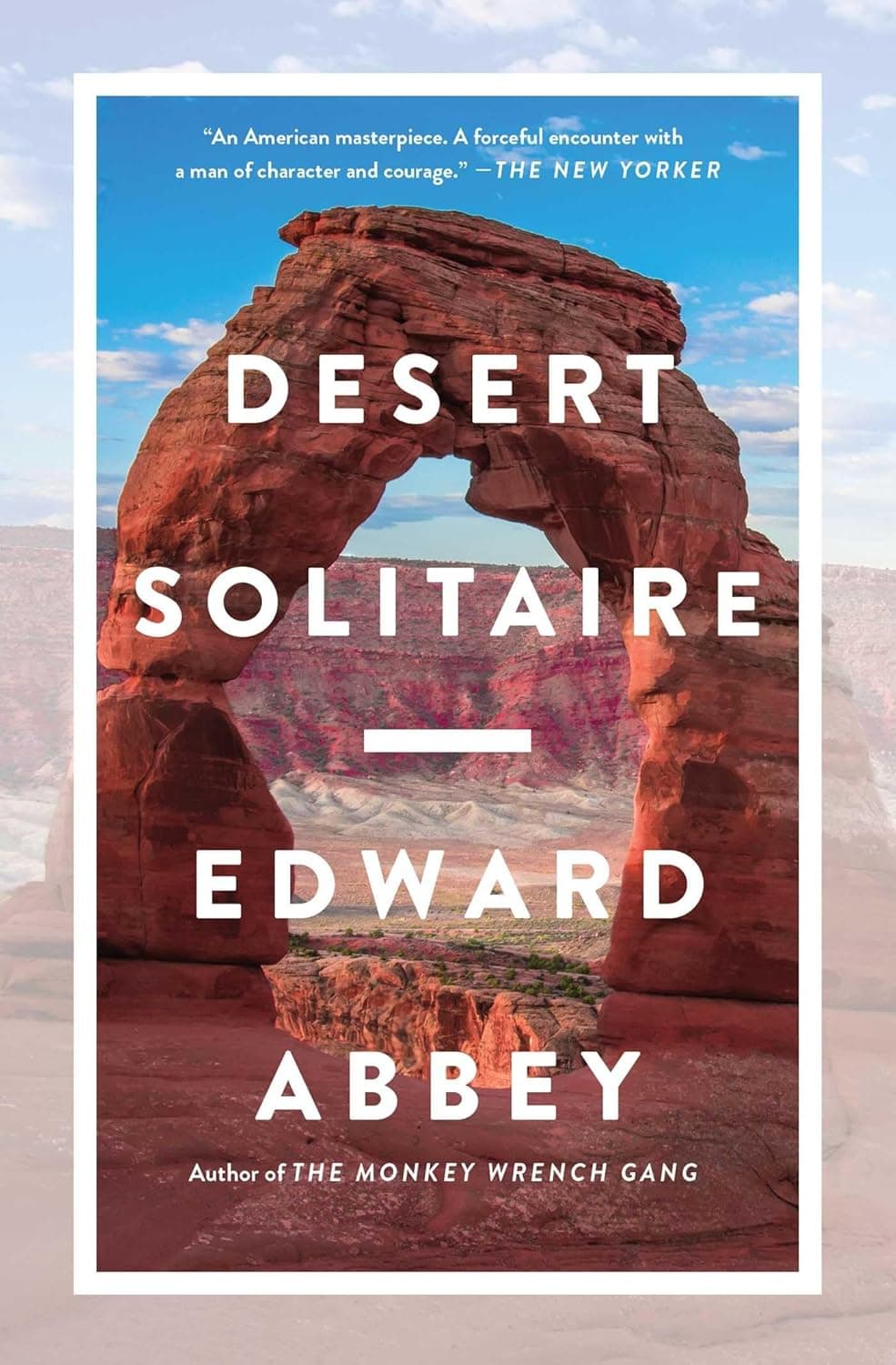
Two seasons as a ranger at Arches in Utah, and Abbey renders the red rock with a naturalist's precision and turns his fury on the paved roads bringing cars into the parks.

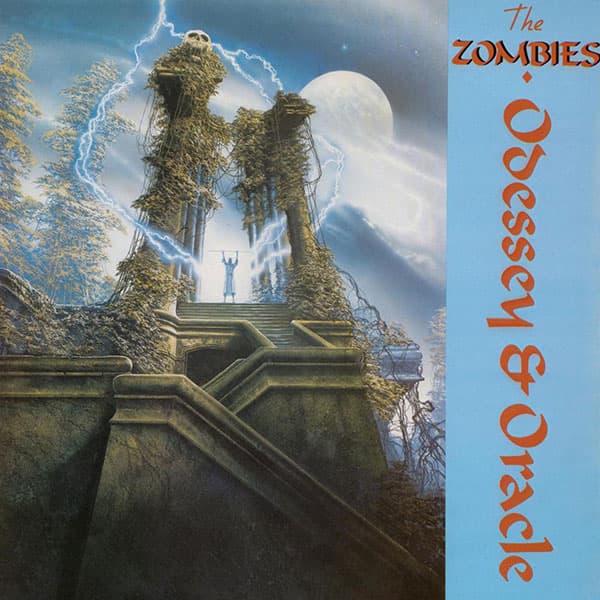
The misspelling on the sleeve was the cover artist's mistake and they left it. The band had broken up before it came out.

The Kinks were banned from touring America for four years, which is part of why Ray Davies spent this record writing about English villages.

Schooling deposits facts into students like coins into a bank, Freire argues, and that keeps the poor quiet. Real teaching starts from their own words. Only two social science books are cited more.
MacLean wrote it about waiting for a girlfriend, David Angel scored the horns, and Lee added himself in the mix.

Jazz players Richard Davis and Connie Kay taped it at the last Astral Weeks session, and Morrison floats free.

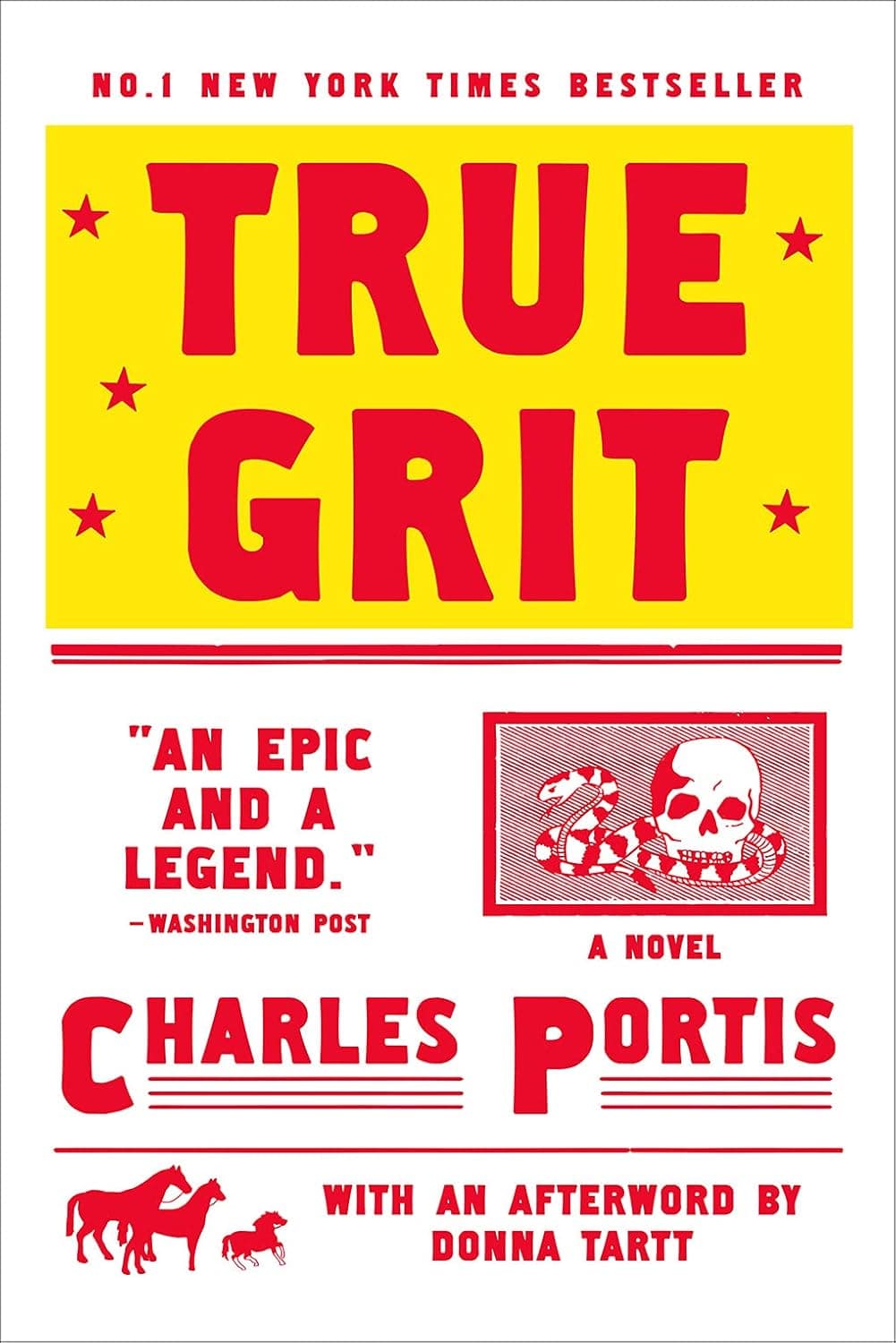
Mattie Ross, fourteen and a relentless Presbyterian bargainer, hires a one-eyed, hard-drinking marshal to hunt the man who shot her father. Portis gives her the funniest, most unbudging voice in American fiction.

"I have never seen Francis Crick in a modest mood," Watson begins, then narrates the race to DNA as gossip and rivalry, including Rosalind Franklin's X-ray image, shown to him without her knowing.

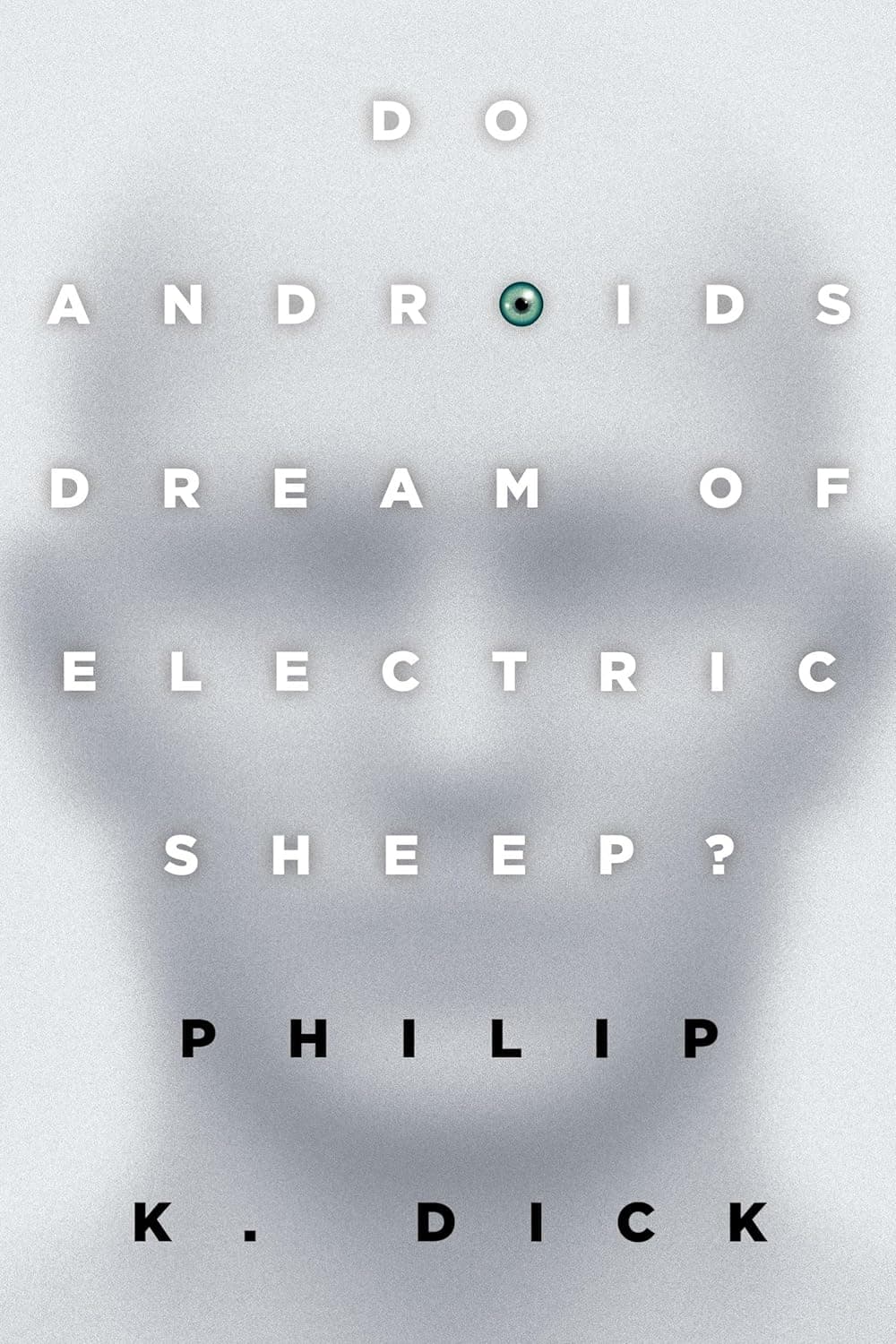
Rick Deckard hunts androids across a San Francisco emptied by fallout, separating them from people with a test for empathy. At home he keeps an electric sheep and is humiliated by it.

Five hours on brand-new sixteen-track, with a vocal fed through an Ampeg amp's tremolo for that shimmering close.

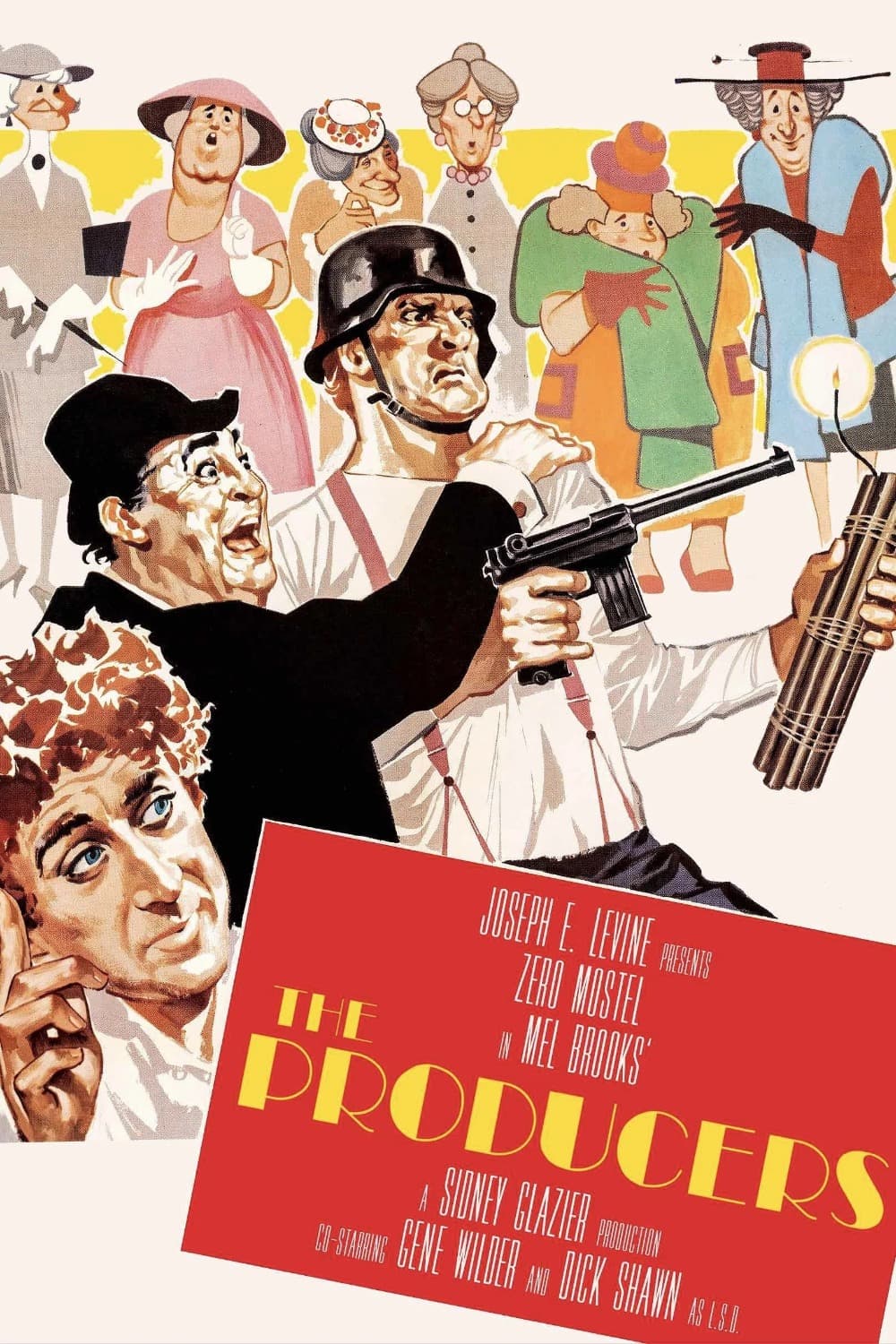
A comedy built around a Nazi musical, released twenty-three years after the war: Brooks designed Springtime for Hitler to be unwatchable, and it remains the funniest sequence of the decade.

Moreve's riff, Monarch's feedback spliced onto the front by the engineer, and words Kay wrote about his new stereo.
A busy signal Nilsson sat listening to became the song's opening notes; Three Dog Night took it to number five.

Side one runs from childhood to old age, and the voices in the middle of it are real people Garfunkel recorded in nursing homes.

Take four, June 1967 at EMI, with a trumpet added later onto the mono mix and nowhere else.
Mike d'Abo co-wrote it and played piano, and new lead singer Colin Young sang it into the American top three.

Millie Kirkham's soprano wailing over the Jordanaires at Radio Recorders, 1957, with Scotty Moore answering every line.

Makhaya crosses out of apartheid South Africa into a Botswana village and joins a cooperative, working against drought and a chief who needs the poor to stay poor. Head was a refugee herself.

Houston's T.S.U. Toronadoes laid down the groove, and Bell was serving in Vietnam when it topped both charts.
Stand by your man And show the world you love him, Keep giving all the love you can.

McCartney played bass and Harrison sang uncredited backing on the Apple debut, while Taylor sat in London missing North Carolina.

Egypt expelled its Jews after Suez, and Roden, exiled in London, collected recipes from displaced Sephardi and Arab families and the histories behind them. English-speaking kitchens learned hummus, tabbouleh, and mezze from her.

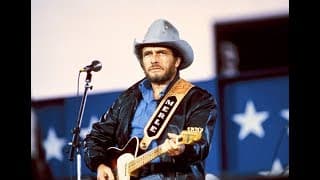
Haggard had actually served time in San Quentin, and was in the audience when Johnny Cash played there. He sings about it plainly.

On a rainy Stockholm night a gunman empties a submachine gun into a bus, killing a detective from Martin Beck's own squad. Sjöwall and Wahlöö make Swedish social democracy the real suspect.

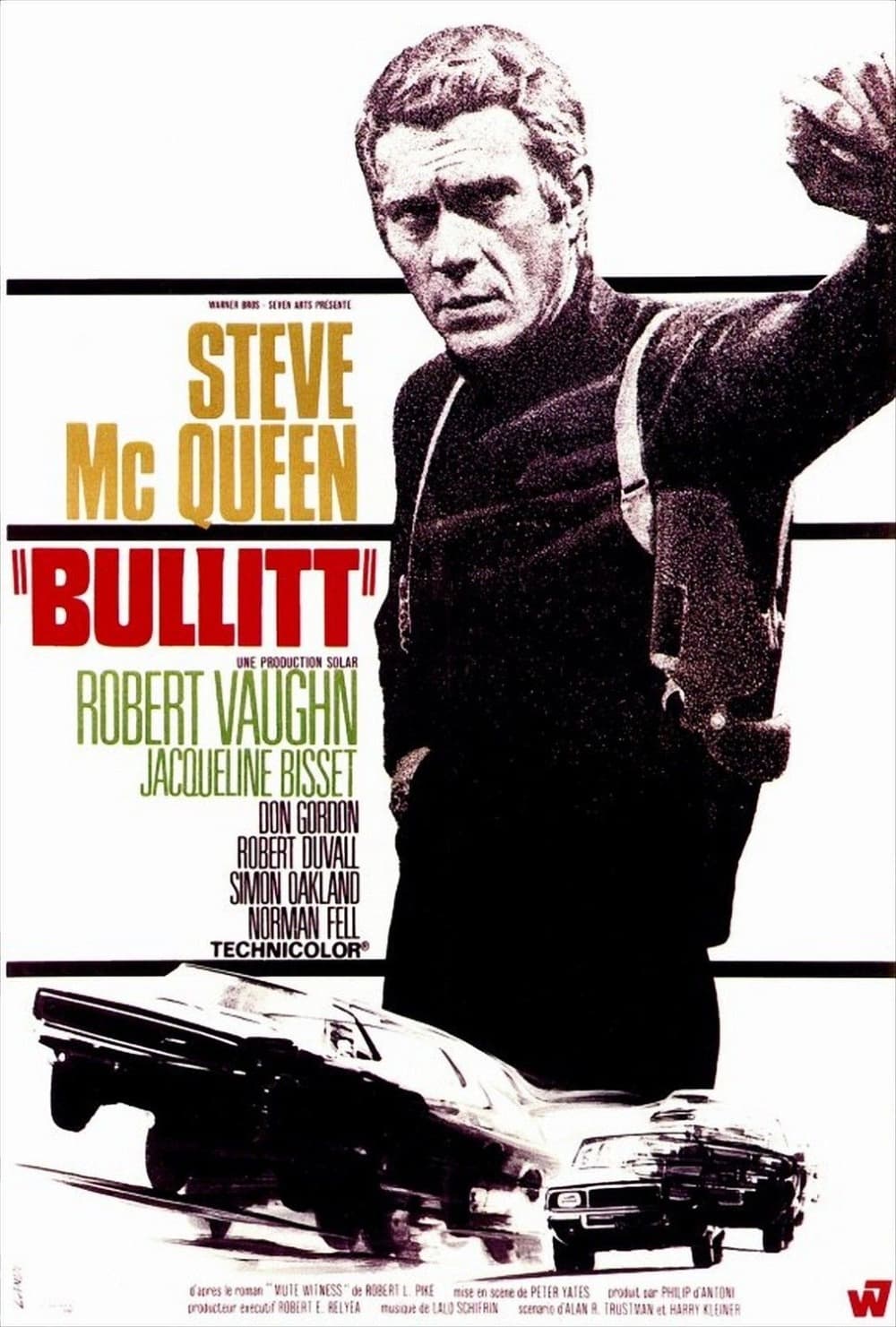
The San Francisco car chase runs almost eleven minutes with no music at all, only engines: everything since has been a response to it, and Steve McQueen keeps his talking to a minimum.

Redding wrote the title song sitting on a houseboat in Sausalito, and whistled the ending because he had not finished the last verse.

David Crosby was fired partway through the sessions, and the horse on the cover has been read ever since as a joke at his expense.

Hoyt Axton's mother held the publishing back over its language; Easy Rider then made Steppenwolf's version unavoidable.

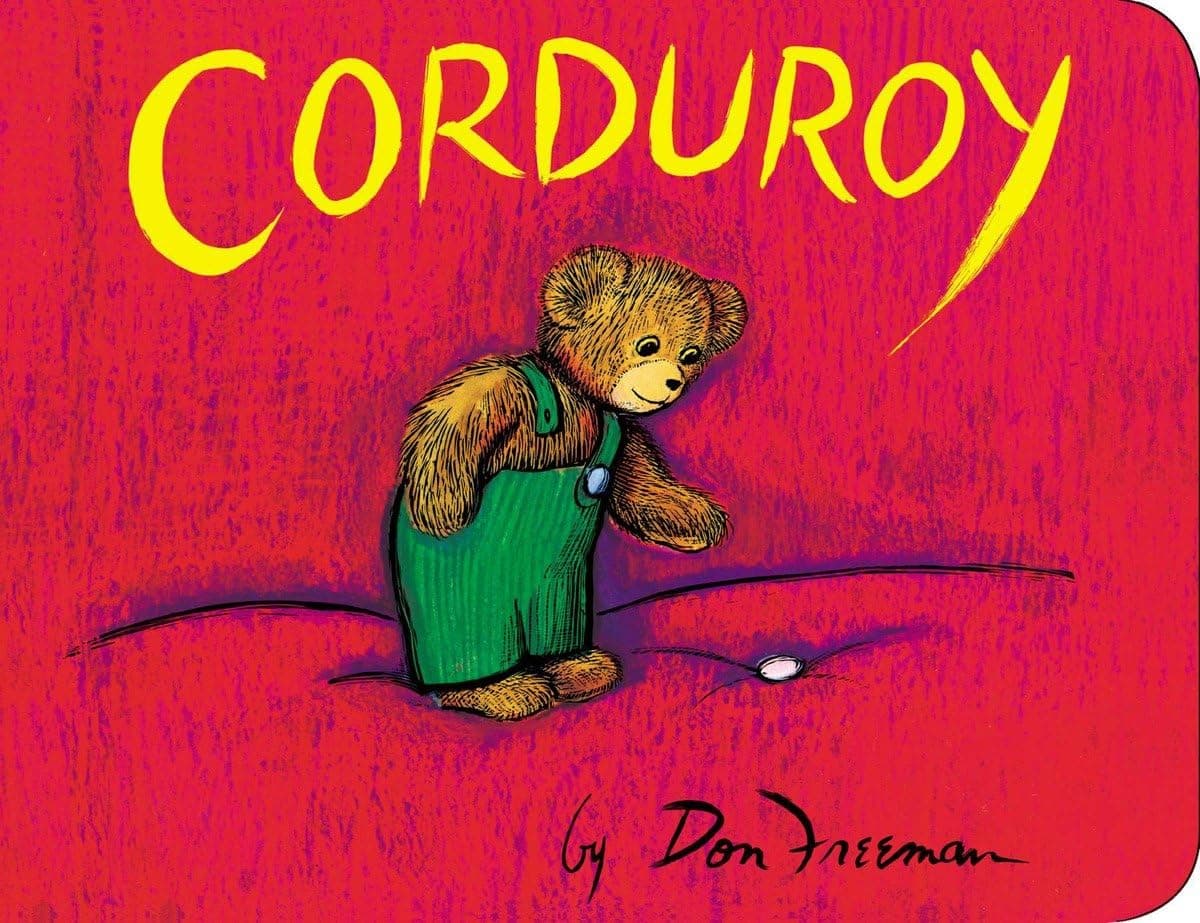
A department store bear hunts the dark for the button missing from his overalls. Lisa buys him with money she saved herself, a Black girl in a 1968 picture book, drawn without comment.

Recorded in studio time left over from a Sonny and Cher session, in secret, using whatever instruments the previous band had left behind.

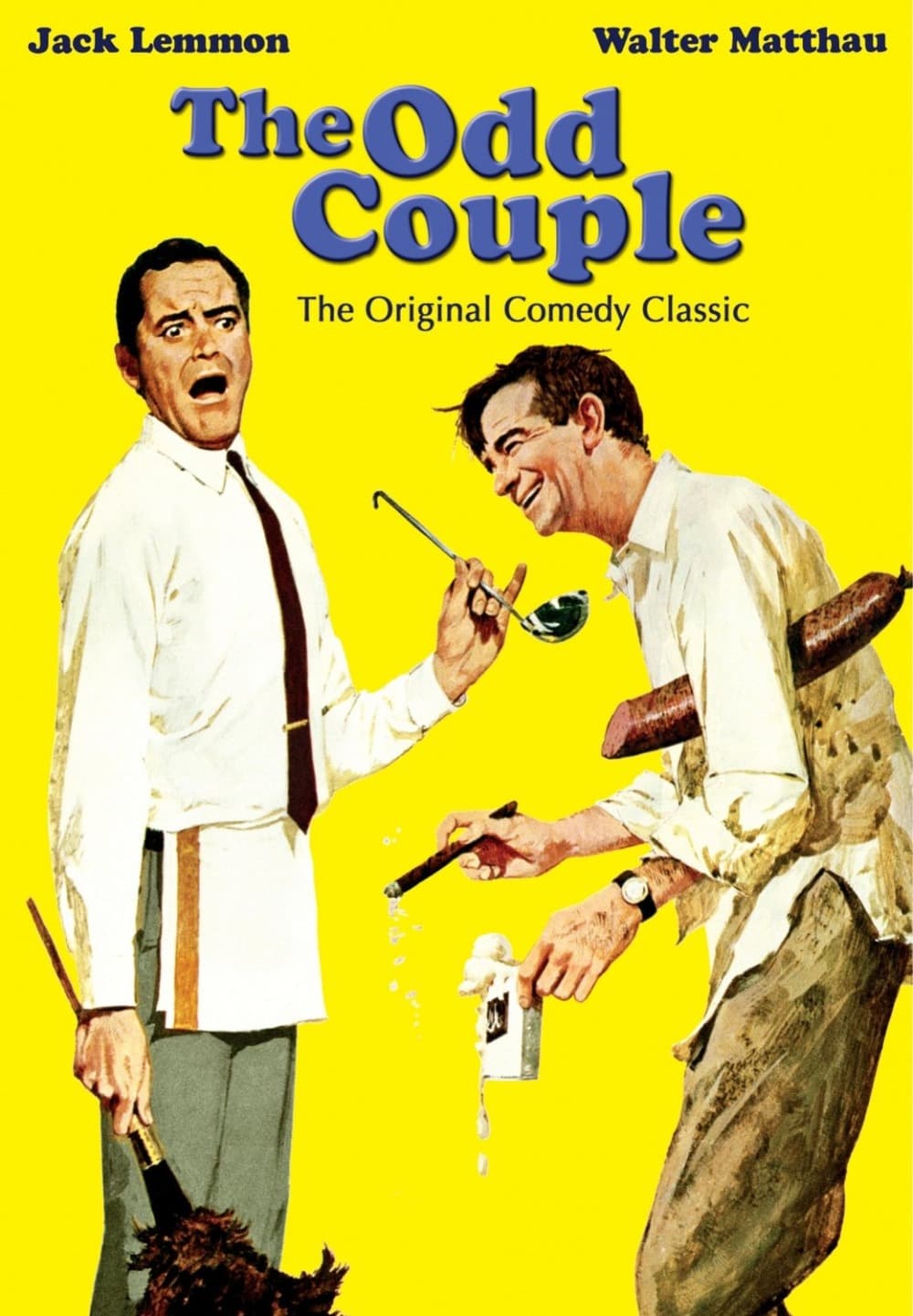
Neil Simon's play handed American comedy a permanent shape: Jack Lemmon and Walter Matthau share an apartment badly, and the television series that followed ran for five years.

Taylor played this at his Apple audition to land the deal, and Harrison lifted its title for "Something".

Two Pearce sisters and Viola Billups on a British label, a Northern soul classic that outlived its modest chart run.

She and her producer wrote the title song in about fifteen minutes, and she spent the rest of her life explaining what it meant.

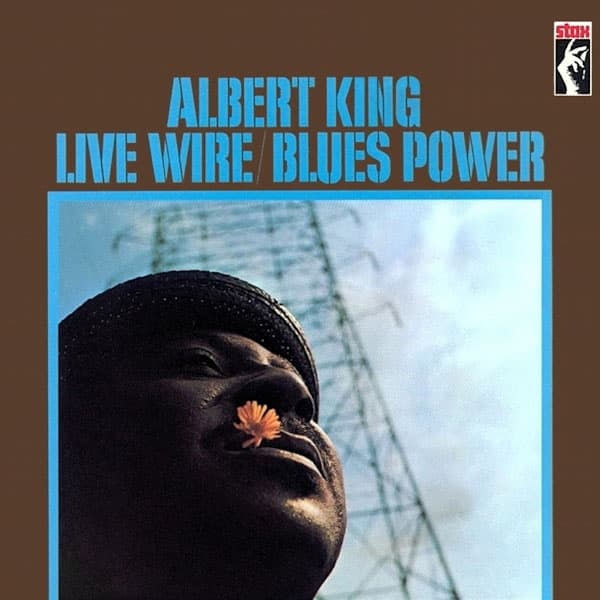
Recorded at the Fillmore in front of a rock crowd who had mostly never heard him, which is why he explains the blues between songs.

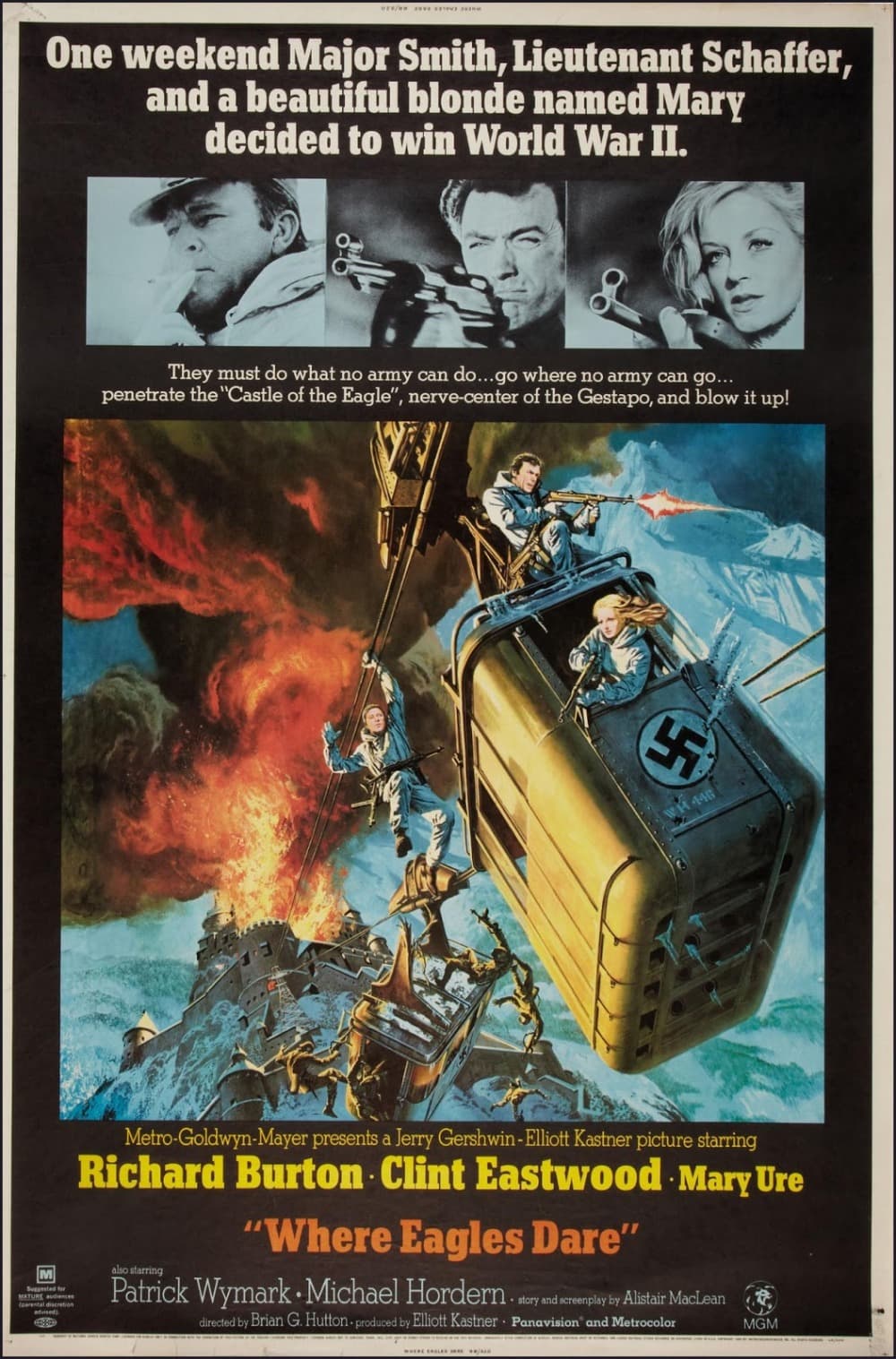
Alistair MacLean wrote it as a screenplay first and a novel second: Richard Burton and Clint Eastwood go into an Alpine castle after a captured general, and the cable car fight is superb.

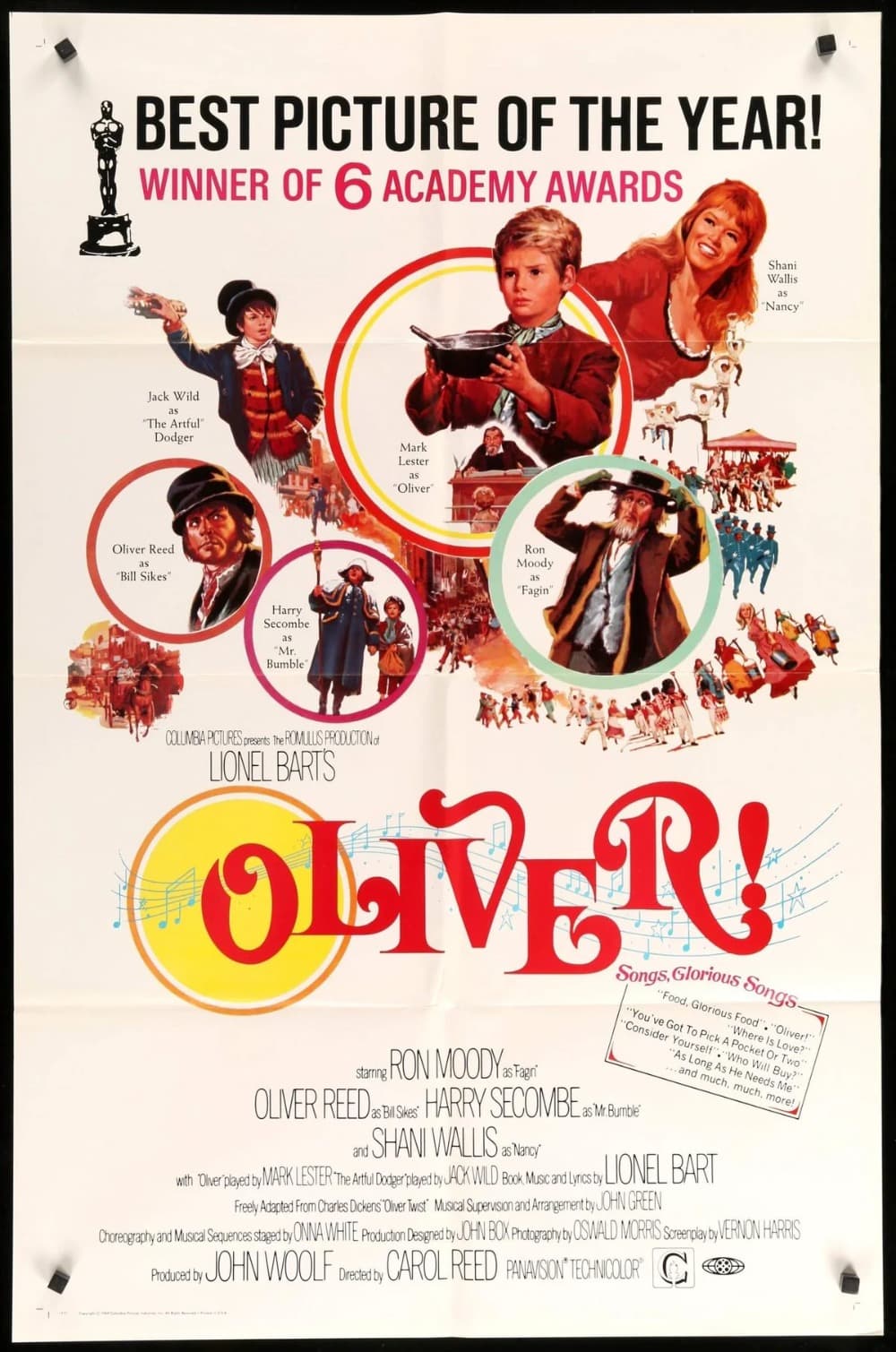
The last musical to hold Best Picture for thirty-four years, and the last G-rated winner: Carol Reed turns Dickens into an enormous street spectacle and the songs never let up.
Please allow me to introduce myself I'm a man of wealth and taste.

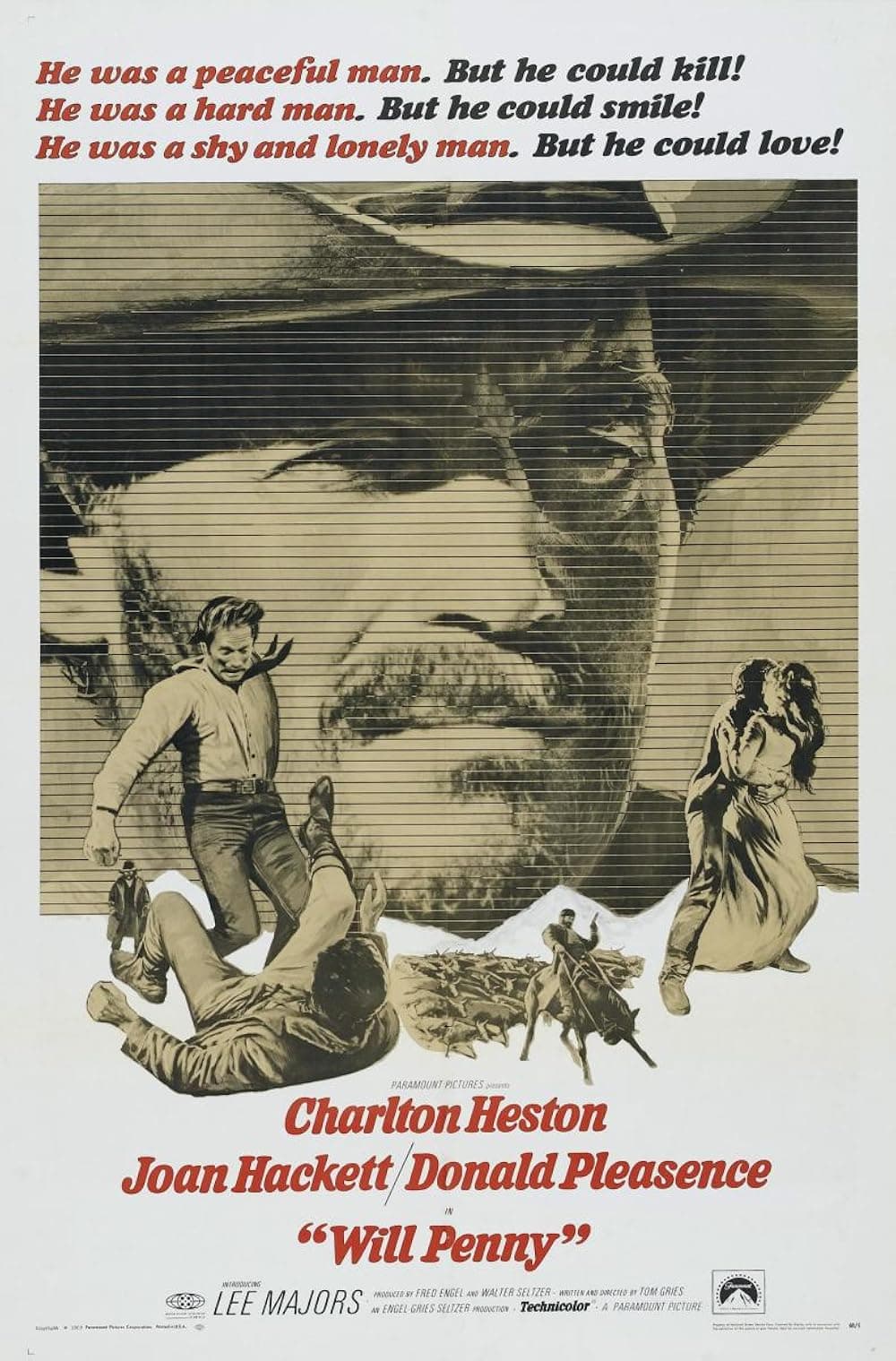
Charlton Heston called it his own best film and almost nobody saw it: an illiterate middle-aged cowhand with no property and no prospects, and the frontier offers him nothing.