How Soon is Now?The Smiths
How Soon is Now?
1985 · From Meat Is Murder
Marr's shudder came from four Fender Twins with their tremolos fighting, and Morrissey put a lonely man in a nightclub.
★ 8.1
 skopia
Marr's shudder came from four Fender Twins with their tremolos fighting, and Morrissey put a lonely man in a nightclub.
Two voices and no instruments at all: Doug E. Fresh's beatbox under Slick Rick's storytelling, sampled ever since.
Cut twice, once for Bobby Orlando and again with Stephen Hague, Tennant half-rapping London class anxiety to number one.
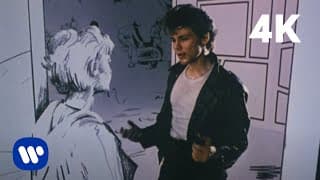
Two releases flopped before the third one broke, Furuholmen's Juno-60 riff intact and a video rotoscoped over sixteen weeks.
It missed the UK top forty, all Fairlight sequencing except Hook's bass, and now every indie disco needs it.
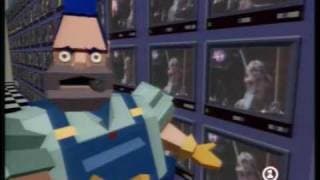
Knopfler borrowed a pen in a New York appliance store to copy down a delivery man's complaints about MTV.
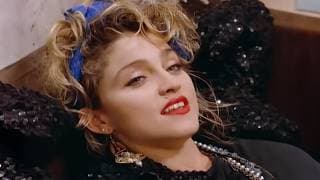
Written for another singer, rebuilt with Stephen Bray for a Desperately Seeking Susan dance scene, then buried on a B-side.
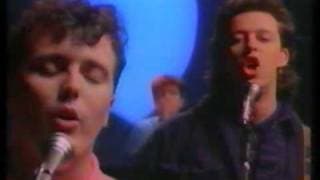
Orzabal found the shuffle alien to the band, Hughes talked him into it anyway, and America made it a number one.
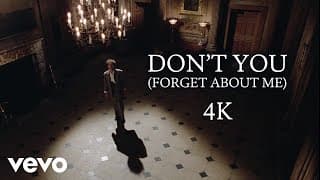
Bryan Ferry and Billy Idol passed; Simple Minds cut it reluctantly, then kept the placeholder chant that closes it.
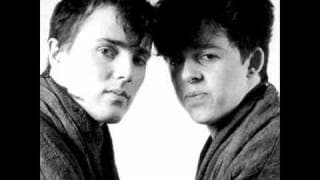
Orzabal wrote it on a small synth as an album track; Stanley heard a worldwide smash and was right.
Smith's six-string bass, acoustic guitars strummed to a blur, and the Cure's sunniest song about feeling old.
Ian Stanley wrote the motif, Orzabal added melody and words, and the chorus arrives like a door kicked open.
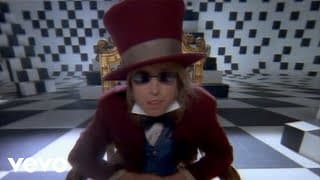
Stewart's electric sitar, a title Stevie Nicks said out loud one night, and Petty at his strangest.
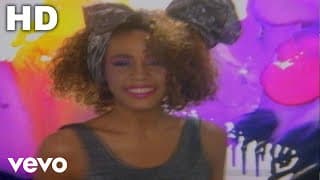
A demo Janet Jackson's camp turned down, which Houston rode to number one over her cousin Dionne Warwick.
Written after a show in Utrecht by the band's own drummer, it walked Latin percussion onto American pop radio.
Zemeckis told Lewis to write whatever he liked for Back to the Future; the band got its first number one.
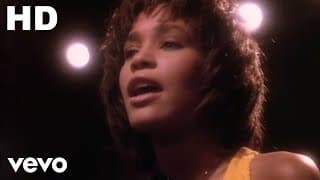
Goffin and Masser's song, first recorded by Marilyn McCoo and Billy Davis Jr.; Tom Scott's saxophone, Houston's first number one.
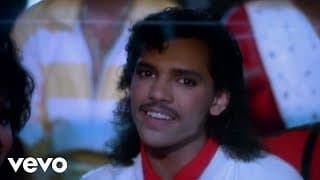
Warren wrote it for a Motown kung fu film, Perry swapped the drum machine for live players, DeBarge soared.
Forty-odd stars filed past a sign reading "Check your ego at the door," and Quincy Jones got them singing together.
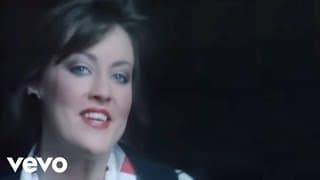
Kimberley Rew called it simple fun; the 1985 re-recording added horns and carried the band into the American top ten.
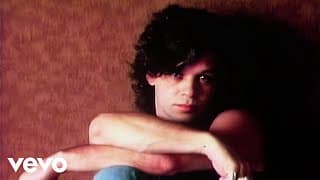
Written in the laundry room of Mellencamp's old house, it makes Indiana sound like enough for one life.
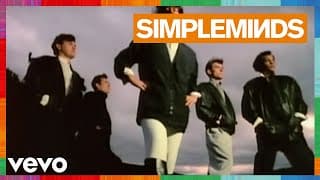
Robin Clark, credited as additional lead singer, answers Kerr line for line while Iovine pushes everything skyward.
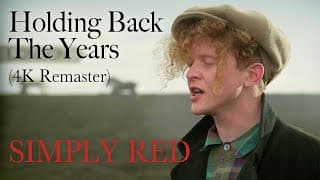
Hucknall wrote the words at seventeen, his punk band cut it first, and the chorus made it an American number one.
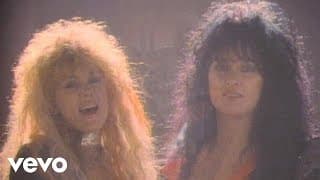
Taupin and Martin Page wrote it, Nancy Wilson sang lead through a cold, and Heart got their first number one.
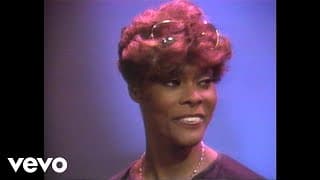
Bacharach and Bayer Sager wrote it for Rod Stewart; four voices later it raised over three million for AIDS research.
Hackford asked for a title theme; Richie handed him this instead, cut mostly in his own living room.
Reversed cymbal into synth bass, John Lang's lyric drawn from Kahlil Gibran, and Page's voice soaring over it.
Recorded first by the band Toronto in 1982 and shelved, it became Heart's first Capitol single, with Grace Slick harmonizing.
Jan Hammer cut it once the series was picked up, then two Grammys and a Hot 100 number one.
Page and George wrote the music touring with Adam Ant; John Lang set a Greek prayer on top.
J.T. Taylor's lead vocal, six weeks atop adult contemporary, and a ballad that never left the wedding playlist.
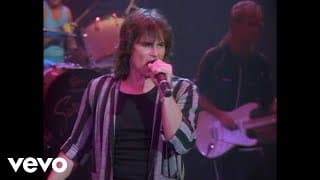
Stallone commissioned it for Rocky IV, and Peterik and Sullivan answered with East-versus-West dread over a marching riff.
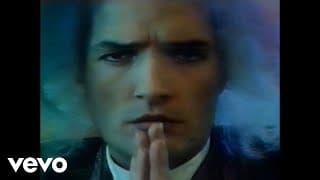
Falco rapped Mozart's debts over a Bolland and Bolland production, and gave the Hot 100 its only German-language number one.
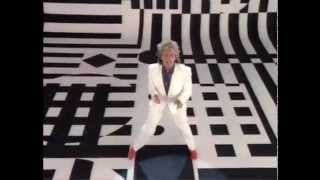
Jeff Fortgang wrote it fresh out of Yale; the Persuaders cut it first, and Stewart took it to number ten.
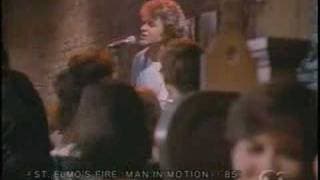
Foster showed Parr a news clip about Rick Hansen's wheelchair world tour, and the pair wrote it that Friday afternoon.
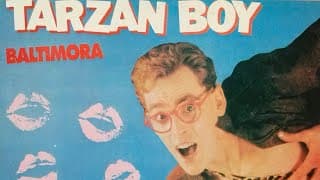
Bassi and Hackett wrote it, McShane mimed it in the video, and the Tarzan yell became the hook.