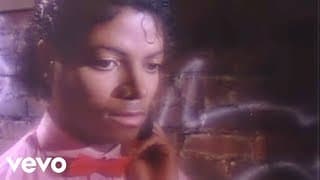
Billie Jean
1982 · From Thriller
That bassline, mixed and remixed until it gleamed, and the four minutes that integrated MTV.
★ 9.8
 skopia
That bassline, mixed and remixed until it gleamed, and the four minutes that integrated MTV.
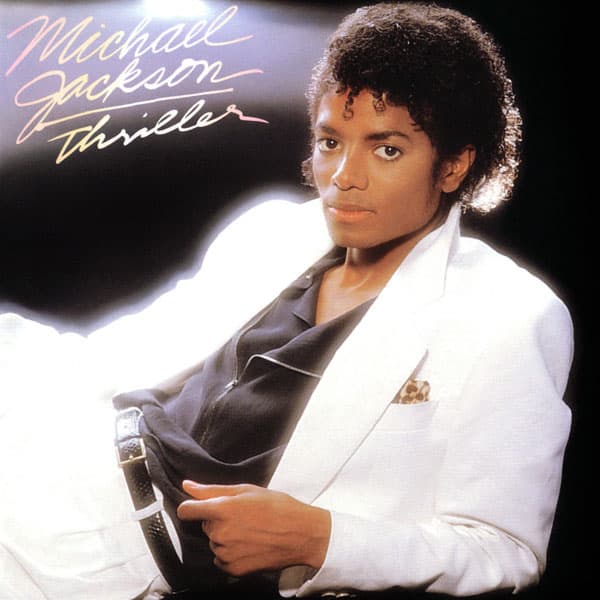
Quincy Jones and Jackson remixed the whole record because the first version sounded thin, and Eddie Van Halen played his solo for free.
The record that proved hip hop could report and not just party, and the edge everyone's been close to since.
Van Halen dropped in, played the solo for free, and Jackson made rock and pop the same building.
Vincent Price cackling over a disco-funk groove, and a fourteen-minute video that turned pop into event television.
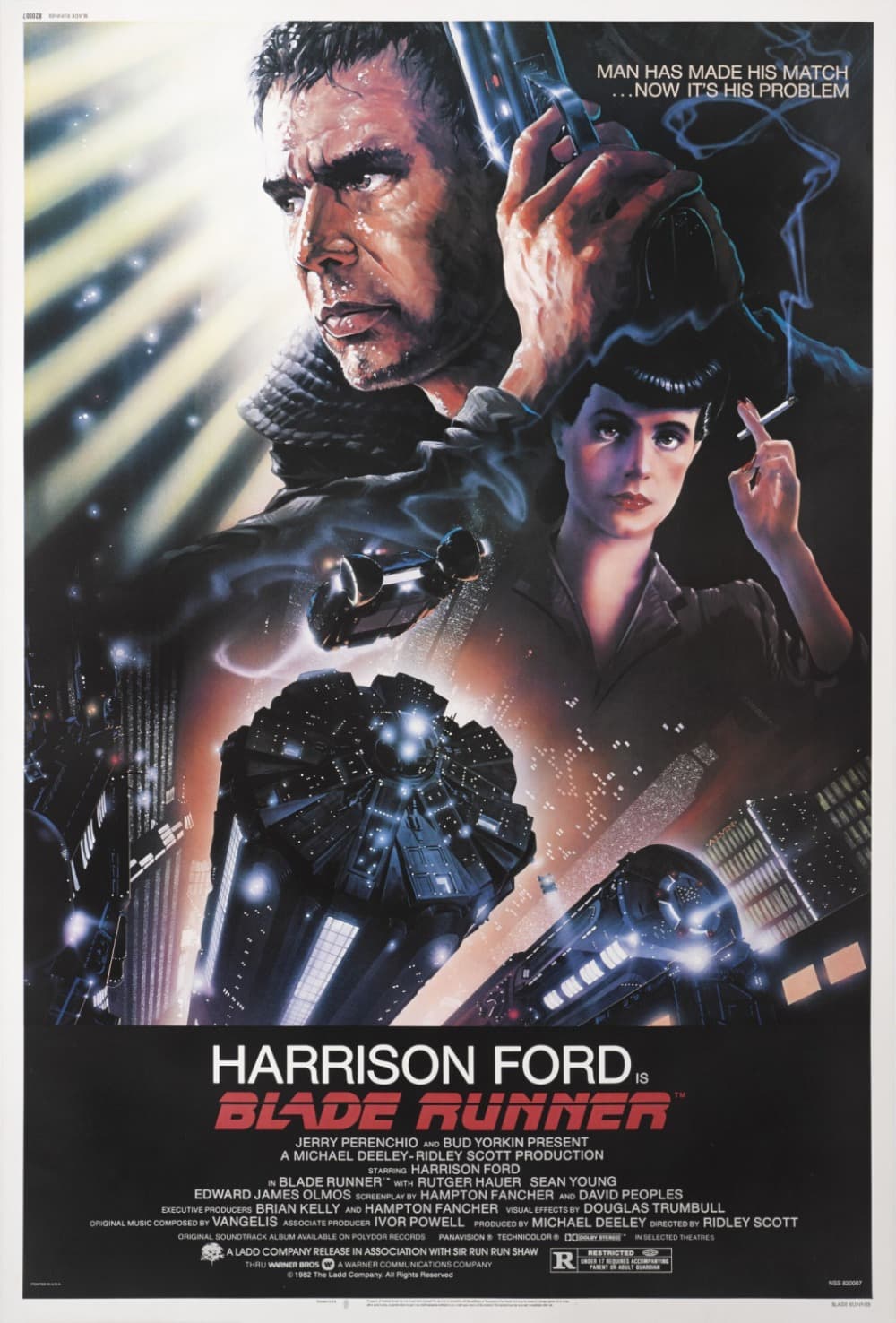
It flopped, then quietly redesigned the future: every rainy neon city of the last forty years is borrowing from Ridley Scott, and the mood still outlasts the plot.
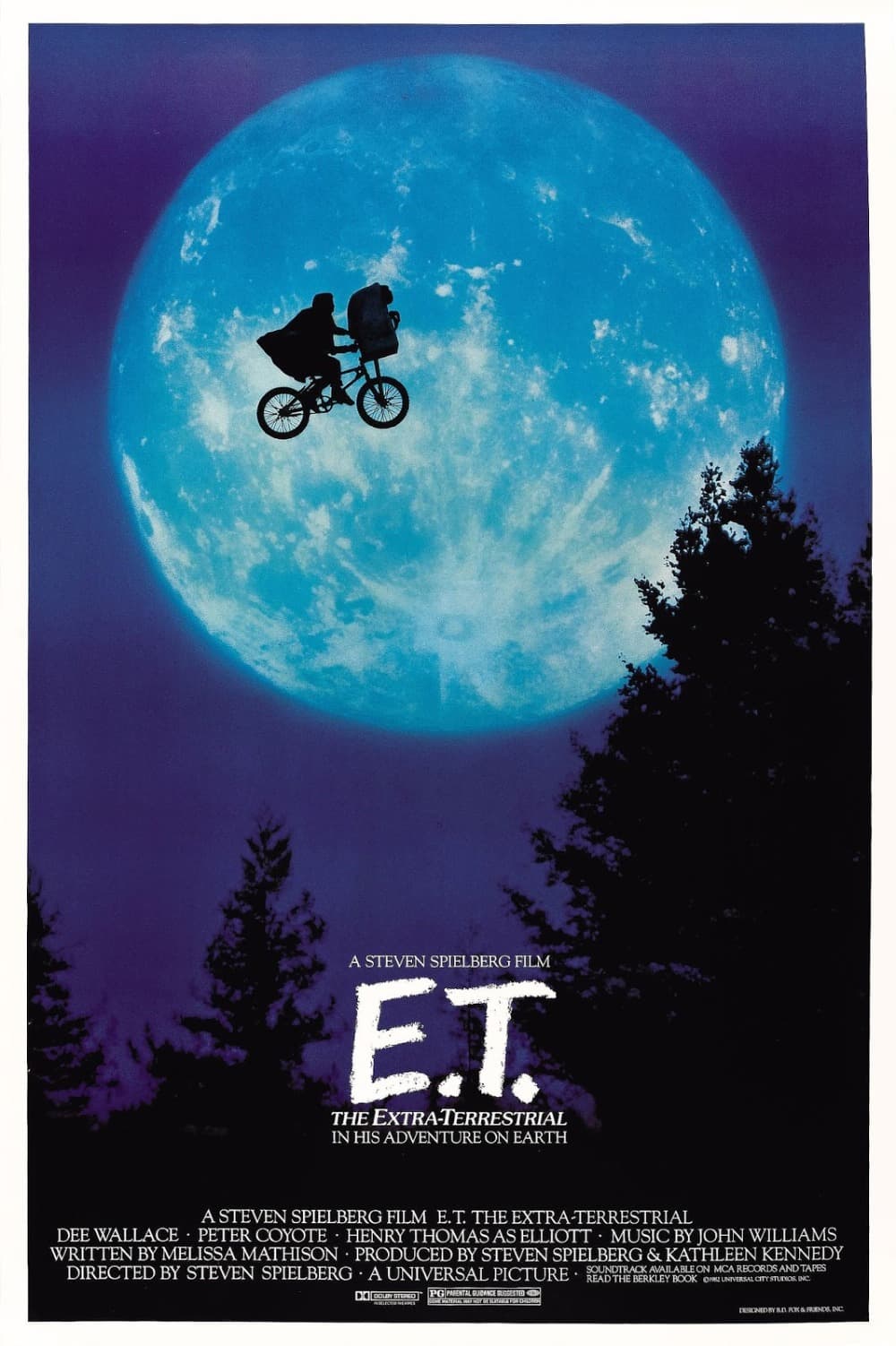
Highest grossing film in the world for a decade, and it earns every cent: Spielberg shot at child height so the adults are legs and voices, and wrecks entire cinemas.
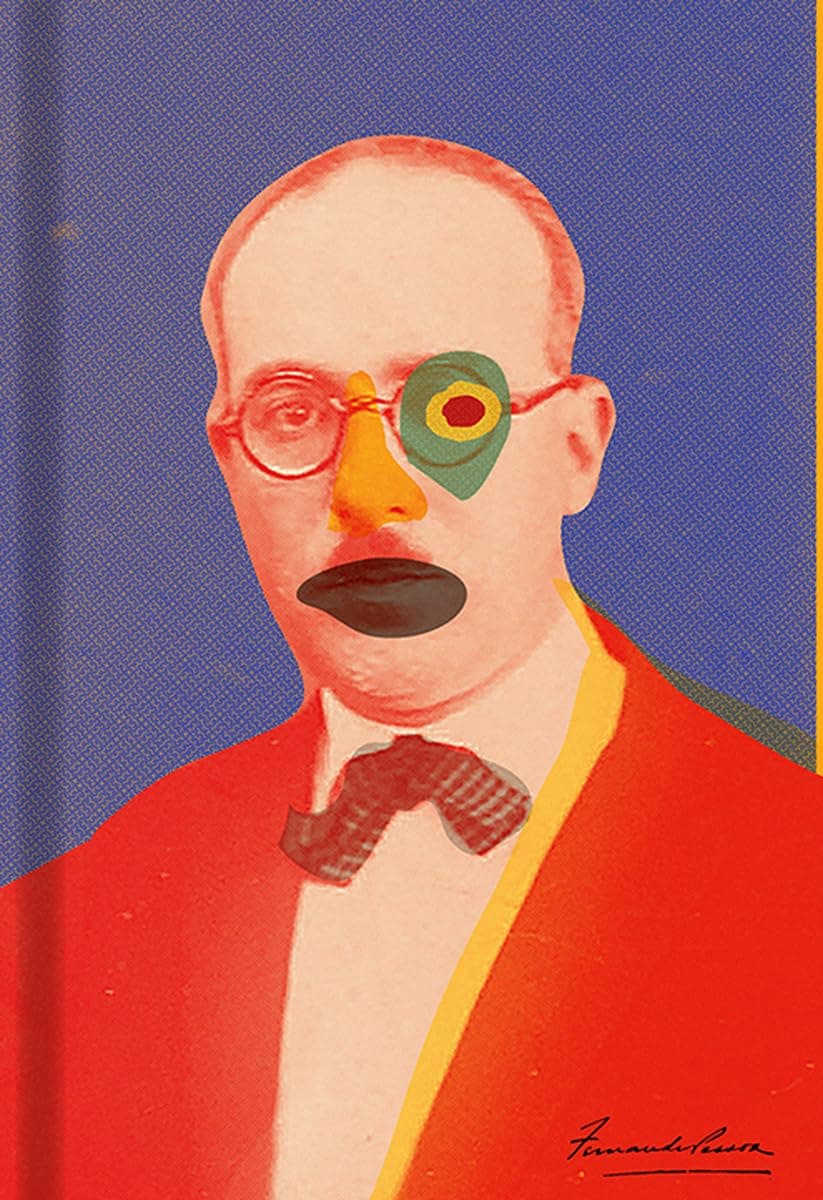
Pessoa invented an assistant bookkeeper in Lisbon and gave him hundreds of fragments on being alive in a rented room. Open the book anywhere and someone is already thinking your thoughts.
Bambaataa welded Kraftwerk's Trans-Europe Express to a Roland 808, and Tommy Boy paid Kraftwerk a dollar per record.
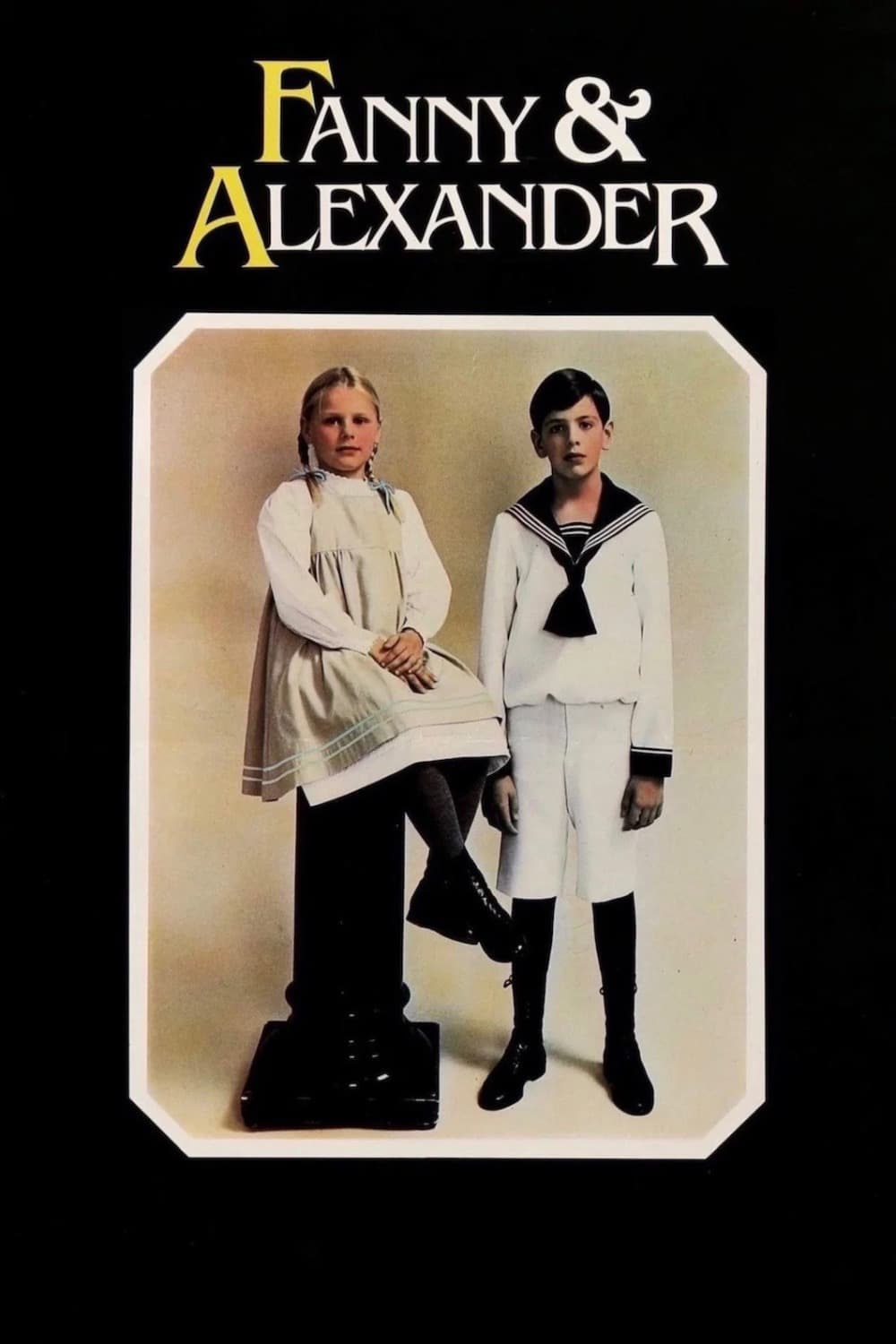
Bergman meant it as his farewell to cinema and made it the warmest thing he ever did: five hours in its full version, of Christmas light, ghosts, cruelty and childhood.
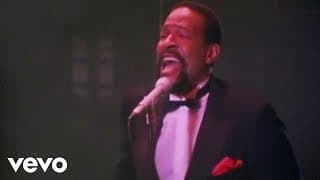
Gaye programmed the TR-808 himself in a Belgian studio, and it finally won him the first Grammys of his career.
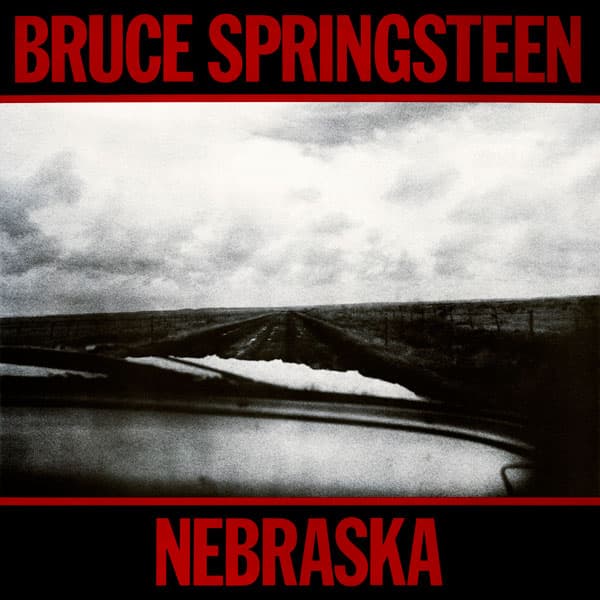
He taped it alone on a four-track in his bedroom, carried the cassette around in his pocket, and it ended up released as it was.
The Runaways passed, so Jett recorded it twice herself; the second version spent seven weeks at number one.
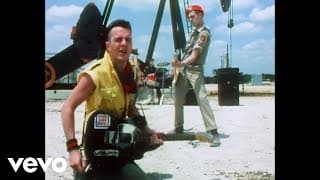
Topper Headon cut the drums, piano and bass himself, and Strummer finished the lyrics in the studio bathroom.
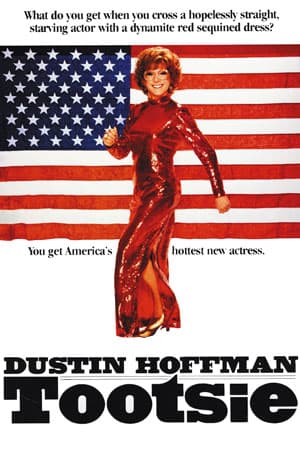
Hoffman said the part permanently changed how he saw women, and what he learned is worked out here as farce: an unemployable actor becomes a soap opera star.
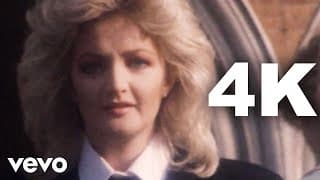
Nearly seven minutes, Rory Dodd's voice answering Tyler on the refrain, and Steinman's vampire love song became number one.
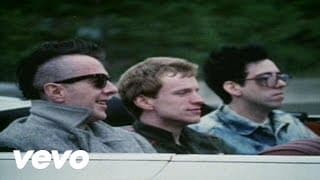
Spanish backing vocals translated by the tape operator's mother over the phone, and a jeans advert made it number one.
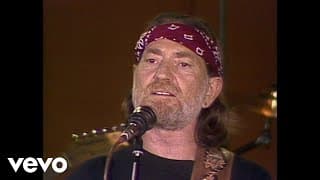
Haggard passed on it at the Pancho and Lefty sessions, so Nelson stayed behind and cut it himself after hours.
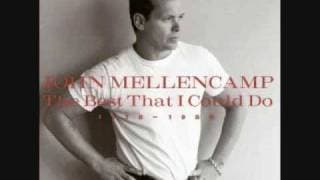
Mick Ronson suggested the baby rattles and sang the "let it rock" hook; the handclaps were only a guide track.
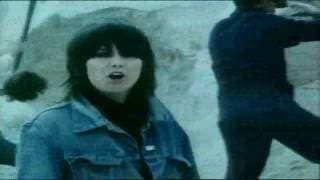
Hynde cut it weeks after Honeyman-Scott's death, with Rockpile's Bremner on guitar and a Sam Cooke chant behind her.

Celie is fourteen, writing to God because there is nobody else to tell. Walker took her from there to a life she owns and won the first fiction Pulitzer given a Black woman.
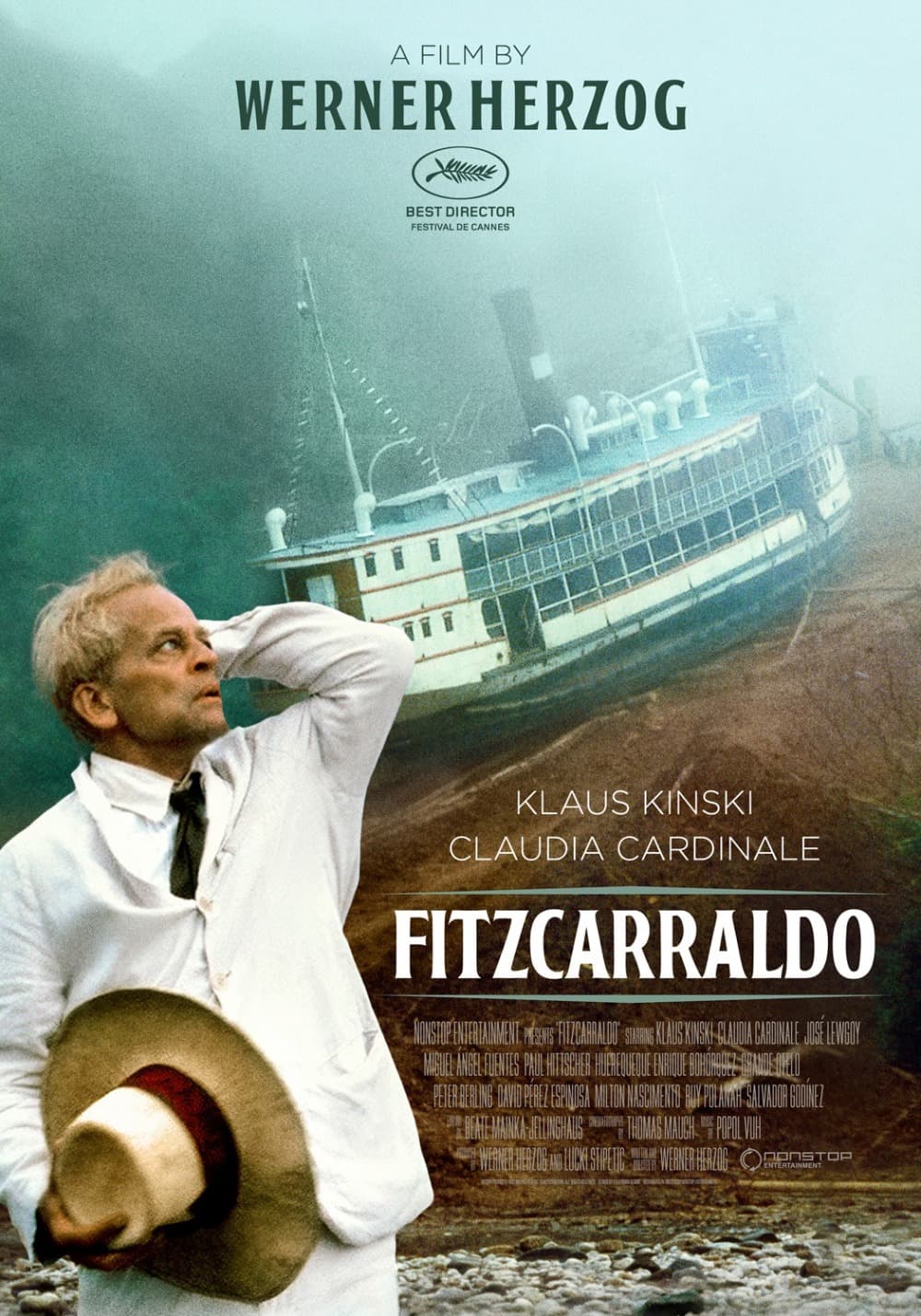
Herzog dragged a 320-ton steamship over a mountain with no models and no effects: his hero wants an opera house in the Amazon, and the production came to resemble the obsession it filmed.
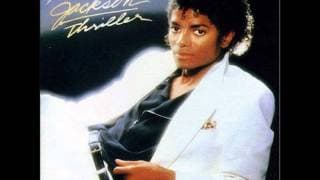
Steve Porcaro's demo reached Quincy Jones only because a cassette auto-reversed, and it took Carousel's place on Thriller.
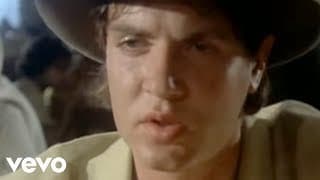
Rhodes had the backing track in mind before reaching the studio; the Sri Lanka video carried it to number three.
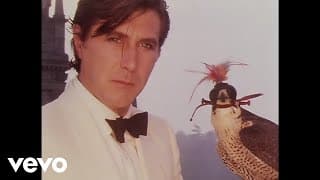
A swan song by Ferry's own account, with a wordless vocal from Yanick Etienne, found in the next studio.
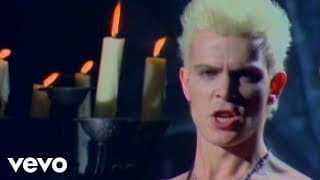
Steve Stevens' guitar cutting through Keith Forsey's production, and Idol sneering his way through somebody else's wedding.

Einstein's physics taken as seriously as Einstein's life. Pais knew him at Princeton, could follow the mathematics, and produced the account against which every later scientific life of Einstein is measured.
Fiddle, banjo and a tempo shifting gears, then one week at number one between Billie Jean and Beat It.

Oskar Schindler, a Nazi profiteer, spent the fortune he made on slave labor buying more than a thousand Jews out of the camps. Keneally builds him from survivors' testimony and offers no explanation.
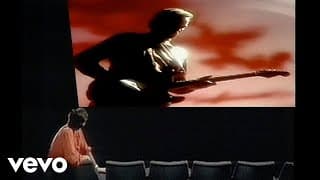
Ferry's voice drops out almost two minutes before the end, leaving a synthesizer to finish the thought.
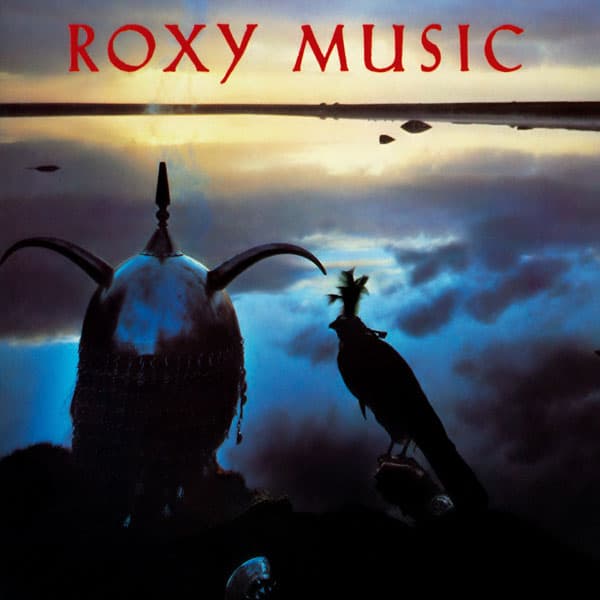
Roxy Music's last record, made partly in the Bahamas and finished so smoothly it barely sounds played. Bryan Ferry never made another with the band.
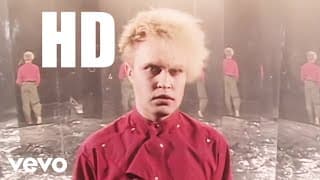
Battery Studios, London: the echoing riffs were written for a guitarist who had just joined, and they still sound airborne.
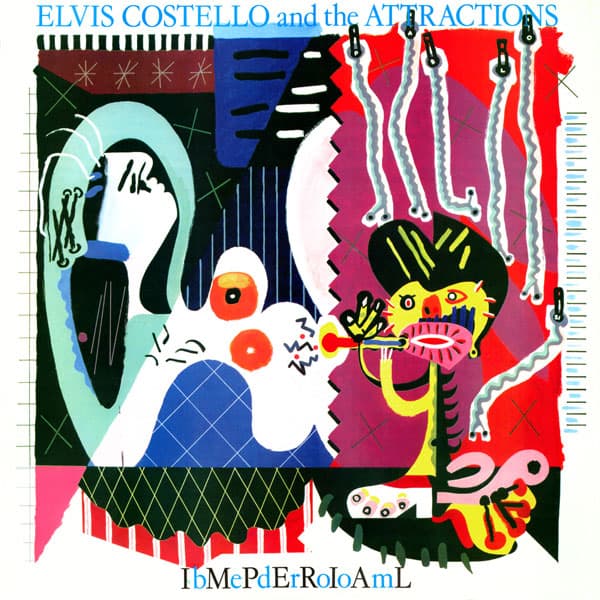
Geoff Emerick, who had engineered Sgt. Pepper, produced it, and the lyrics were printed on the sleeve as one unbroken block of text.
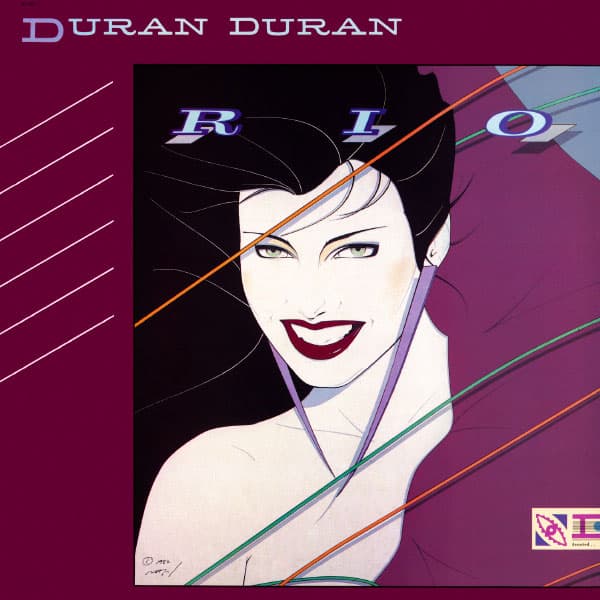
The videos were shot in Sri Lanka and Antigua on a yacht, which was the point. Patrick Nagel painted the woman on the sleeve.
Oates started it as reggae; Hall swapped in a Motown bassline, and it sat four weeks at number one.
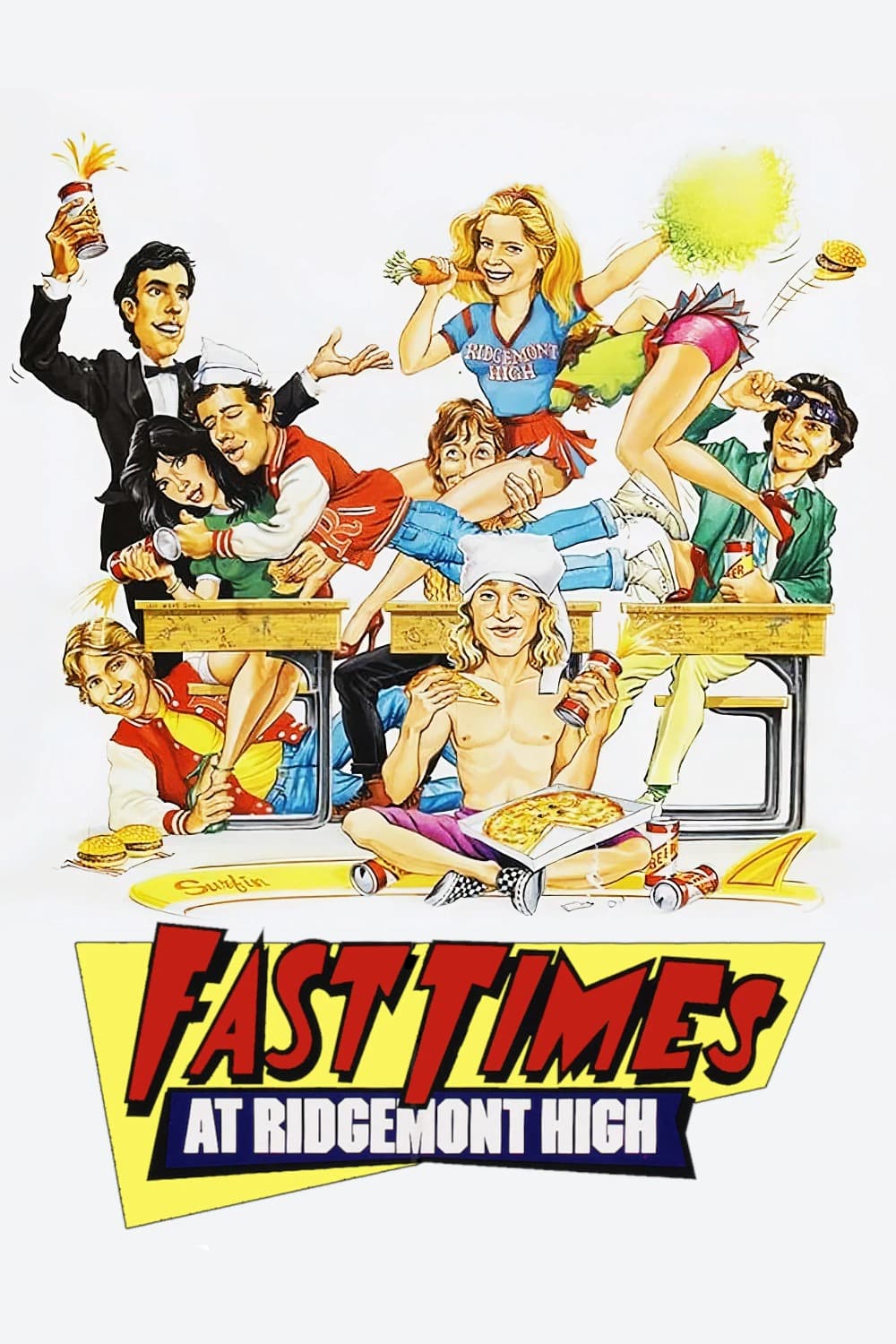
Cameron Crowe enrolled in a California high school undercover for a year and wrote down what he heard: the result launched half a decade of careers and still sounds like actual teenagers.
Stallone had cut the fight scene to Queen, couldn't clear it, so Sullivan and Peterik timed their chords to punches.

Clara predicts the future and moves furniture without touching it, while three generations of her family reach from the era of the great estates to the 1973 coup that comes for them.
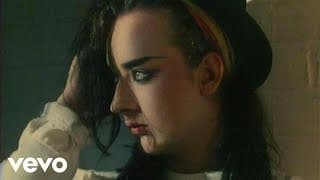
A soft reggae beat from Mikey Craig's Caribbean instincts, Steve Levine's polish, and Boy George on Top of the Pops.
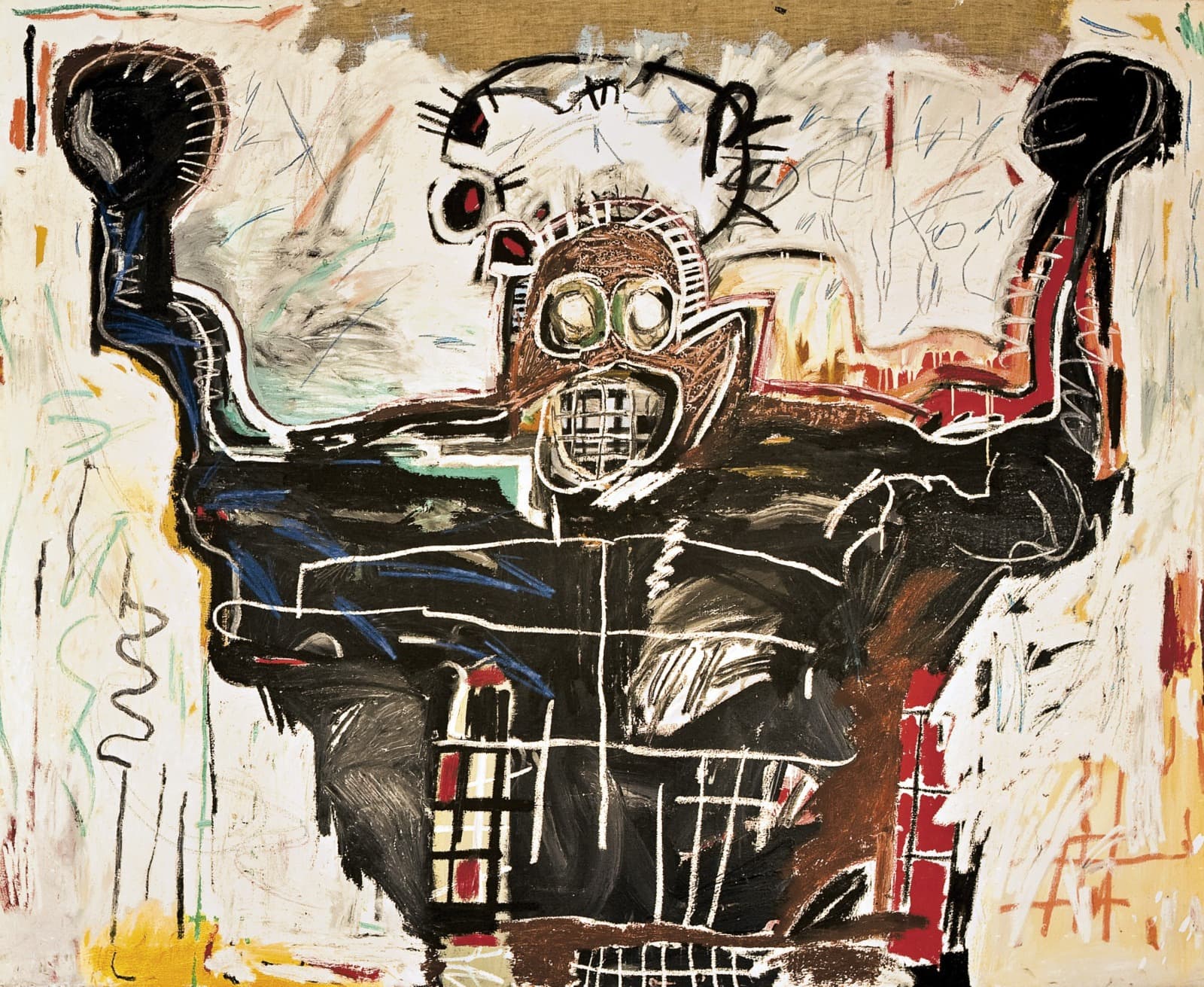
Arms up in victory, built from slashing black and a blaze of color. Basquiat kept returning to Black athletes as heroes and as targets.
Jeff Porcaro's half-time shuffle carried it to Record of the Year, and drummers have been chasing that groove since.
Producer Hugh Jones talked Grey out of shouting, and the nuclear-apocalypse lyric arrives as the warmest chorus of 1982.
Sixteen weeks in the top ten, more than any other single of the eighties, and Aronoff's drums never let up.

Stills took the Curtis Brothers' 'Seven League Boots', rewrote the words and chorus, and turned a divorce into open ocean.
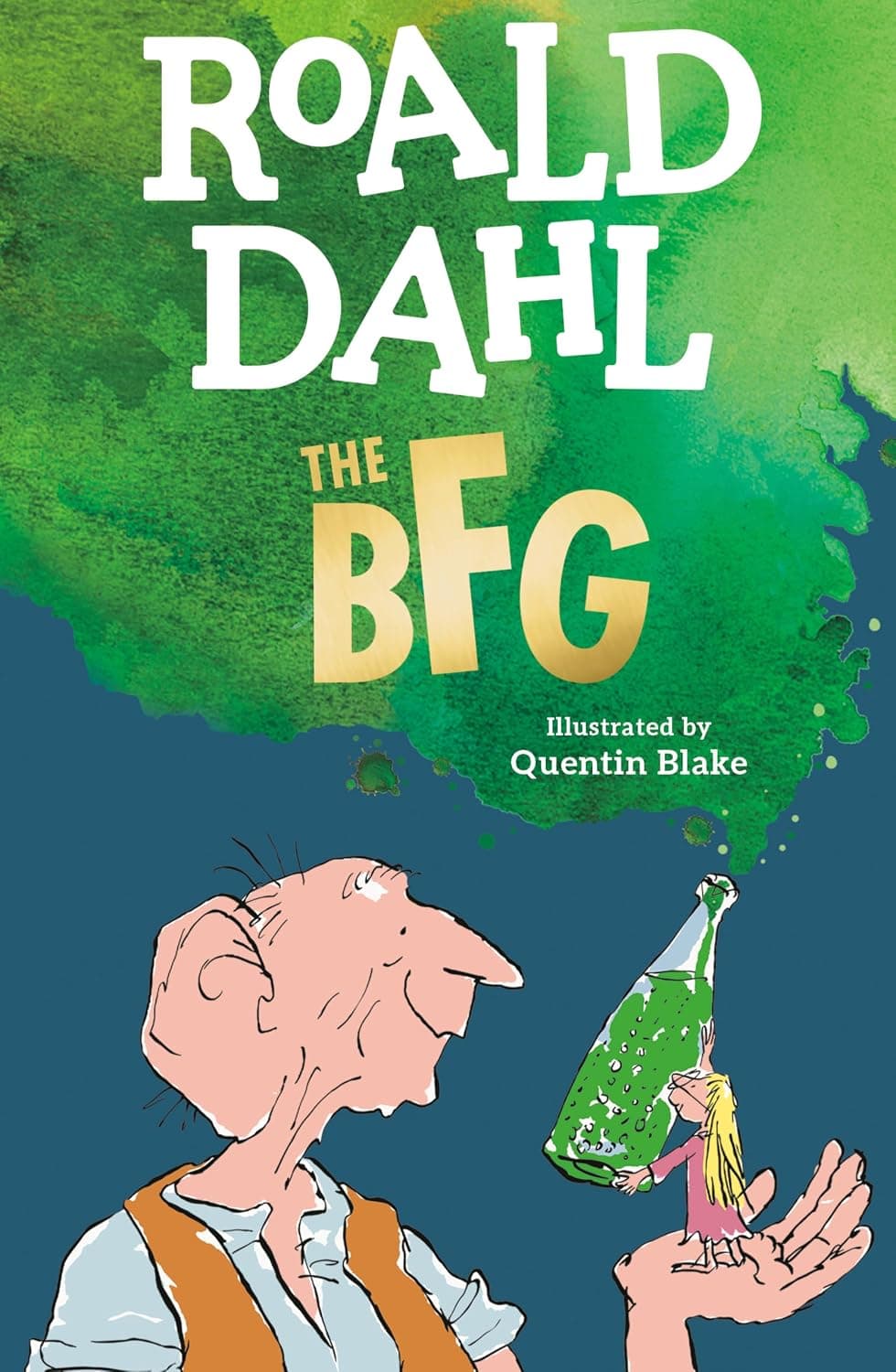
The Big Friendly Giant speaks gloriously mangled English and blows dreams through a trumpet into children's bedrooms. Sophie, a sleepless orphan, is carried off to his country, where nine bigger giants eat children.
Anita Pointer takes the lead, Richard Perry produced, and a 1984 reissue lifted a number thirty single to nine.

His marriage over and his job gone, Least Heat-Moon drove thirteen thousand miles of two-lane road in a van named Ghost Dancing and let Nameless, Tennessee and Dime Box, Texas do the talking.
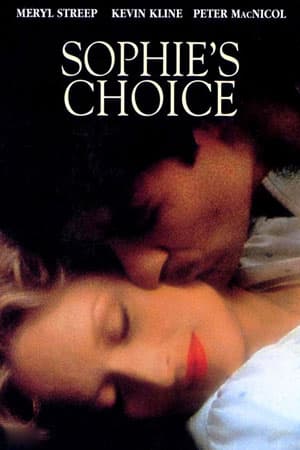
Meryl Streep learned Polish and German for it and delivers most of her performance in accented English she built from scratch: Brooklyn in 1947, and a survivor who will not talk about it.
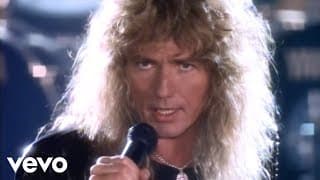
Jon Lord's Hammond organ on the 1982 original, a heartbreak song Coverdale wrote in Portugal, later a number one.

Two unfinished songs Mutt Lange stitched together, and a kid outside the arena hearing one guitar through the wall.
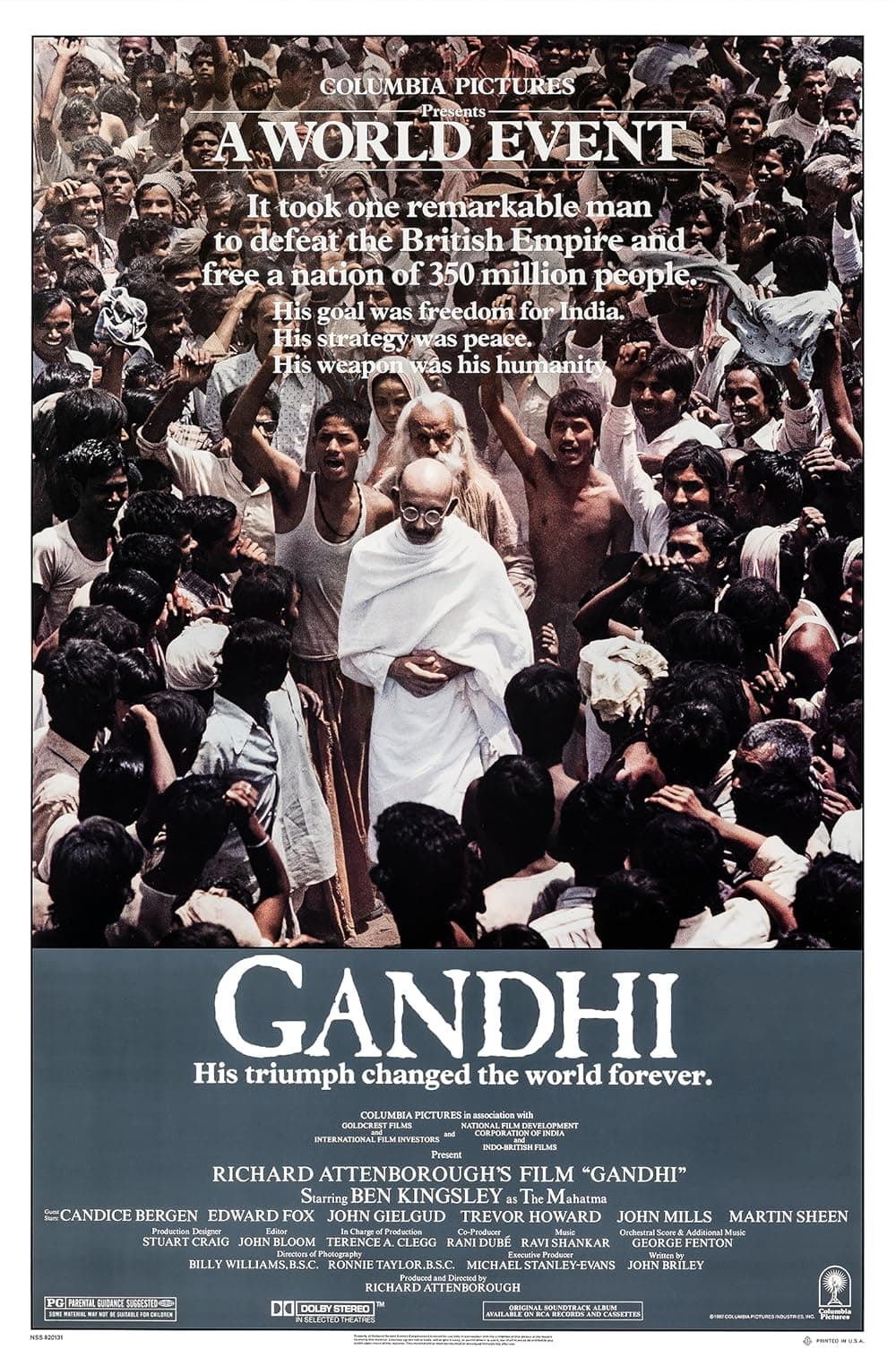
The funeral scene used around three hundred thousand extras, more than any film before or since: Richard Attenborough spent twenty years raising the money, and Ben Kingsley disappears completely.
Woolfson took the title from casino surveillance slang; Sirius became the music that introduced Michael Jordan's Bulls.
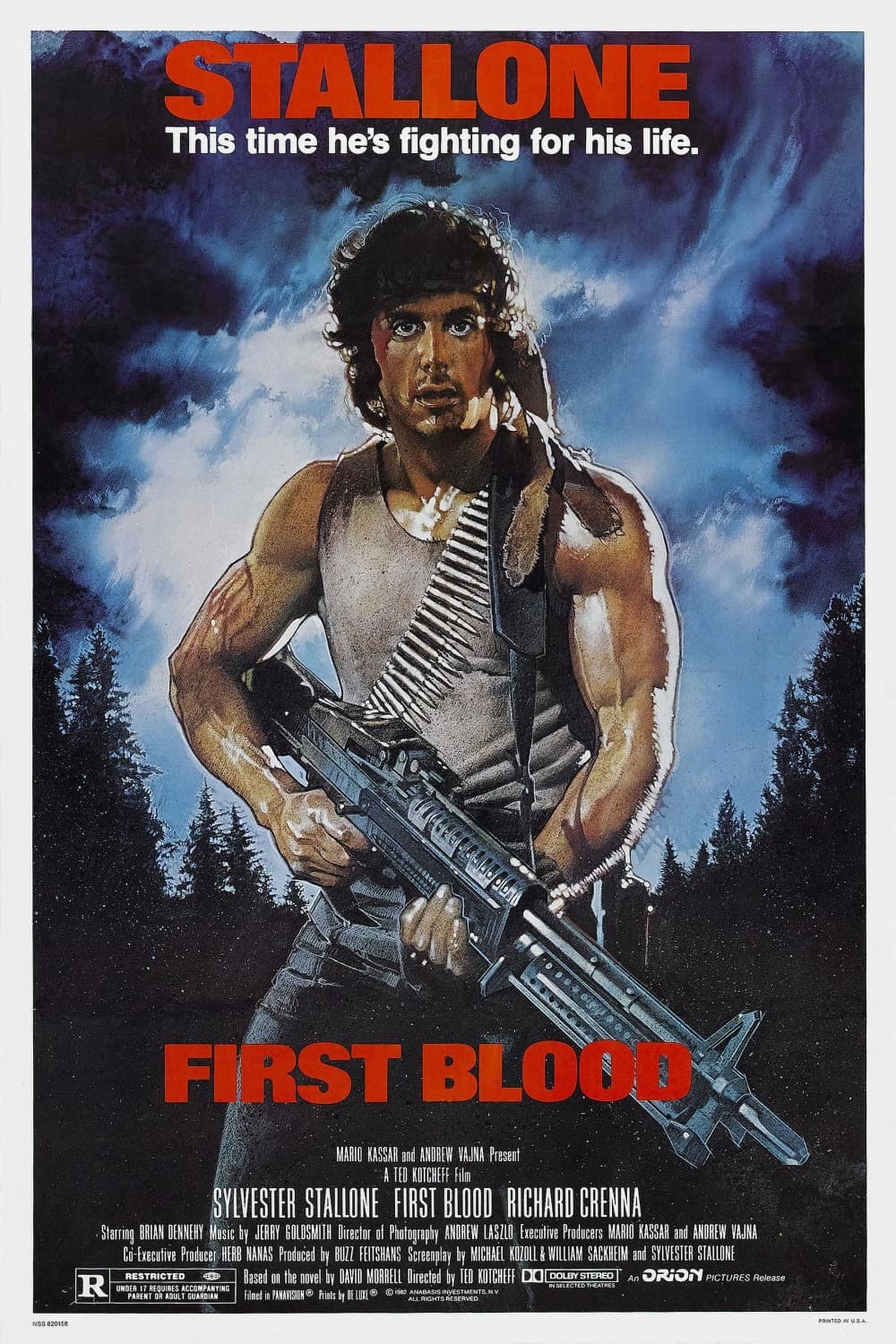
Before the sequels turned him into a cartoon, Rambo was a homeless veteran the police would not leave alone: Ted Kotcheff shot the Pacific Northwest cold and wet, and Stallone barely speaks.
Dolby storyboarded the video before writing a note, then had TV scientist Magnus Pyke shout the title's last word.
Cut at AIR Montserrat with the classic band reunited, and Stevie Wonder's harmonica lifting it clean off the ground.
Every instrument on it is Winwood alone; the 1982 single stalled, and Tom Lord-Alge's 1987 remix reached the top ten.
Criteria Studios in Miami, Kenny Laguna producing, the Strangeloves' 1965 hook over Barbarossa's Bo Diddley drums.
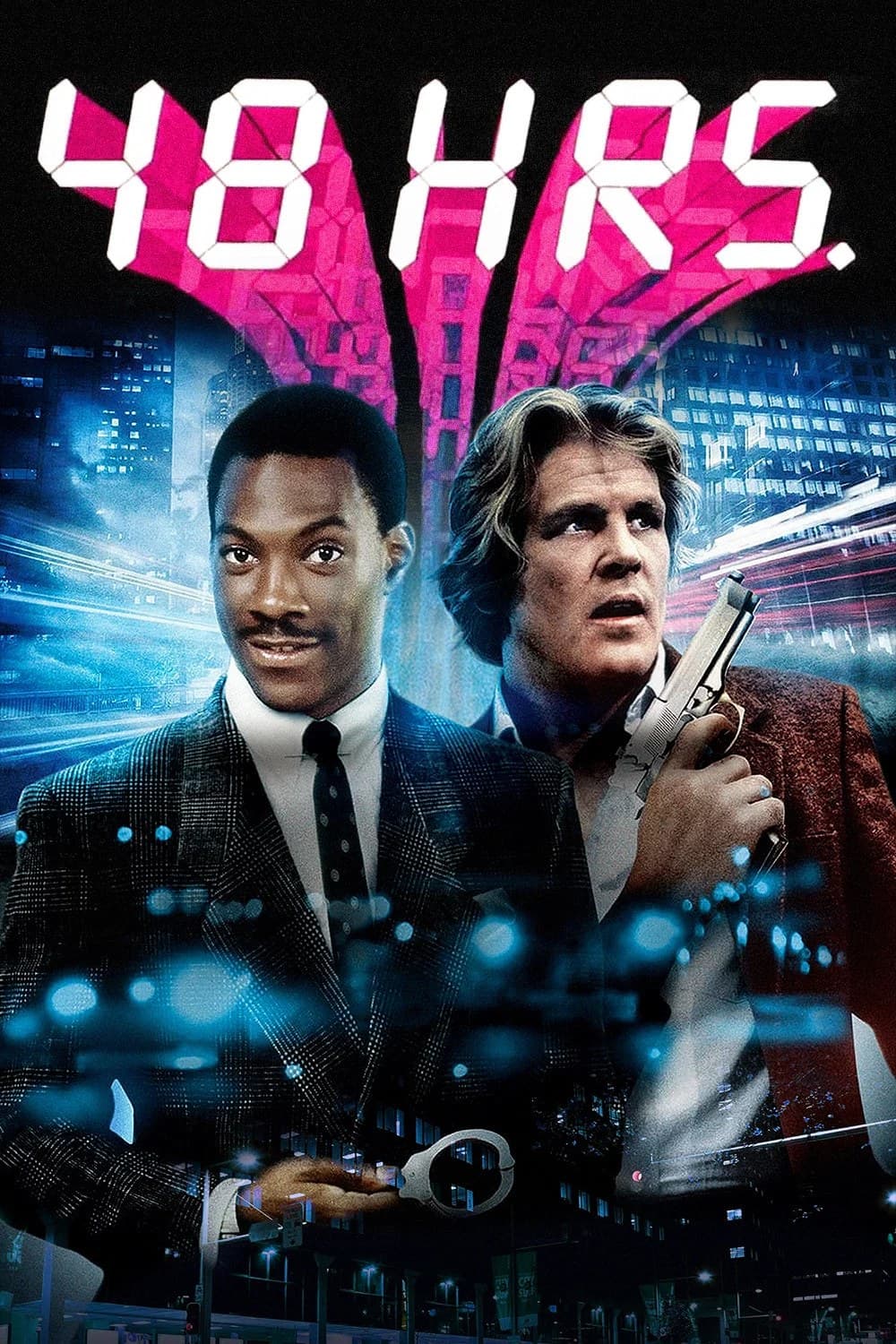
Eddie Murphy's first film role and he takes the whole thing over: Walter Hill built the interracial buddy-cop formula here, and the bar scene made a twenty-one-year-old a movie star overnight.
Foster brought in three Toto members and saved Chicago's horns for the coda, returning the band to number one.
A Racey album track called "Kitty" until Basil switched the gender, added the cheer chant, and directed the video herself.
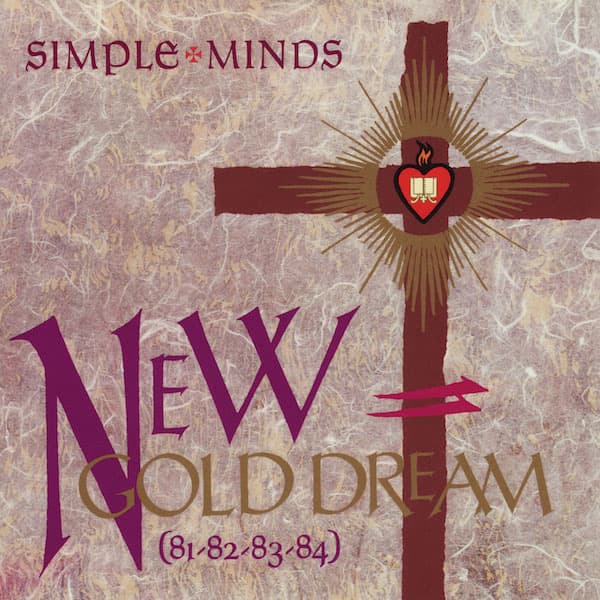
Herbie Hancock turns up to play a keyboard solo on one track, which nobody expected on a Scottish post-punk record.