Under PressureDavid Bowie
Under Pressure
David Bowie and Queen
1981 · From Hot Space
Bowie lived near Mountain Studios, dropped in, and one evening's jam became a UK number one with a disputed bassline.
★ 8.4
 skopia
Bowie lived near Mountain Studios, dropped in, and one evening's jam became a UK number one with a disputed bassline.
Padgham's talkback-microphone accident on Peter Gabriel's third album, a Roland CR-78 pattern, and pop's most anticipated drum entrance.
Oakey thought it the weakest thing on Dare; it became Britain's best-selling single of 1981 and Christmas number one.
Hib-Tone pressed about a thousand copies in 1981, and Stipe mumbled lyrics he hadn't finished writing.
A Northern soul flop from 1964 rebuilt on synthesizers at Advision, Marc Almond's first vocal take kept intact.
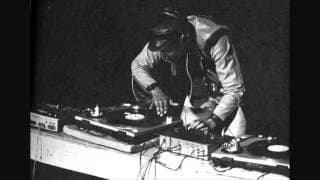
Three turntables, two mixers, ten to fifteen takes, and a record built entirely out of ten other records.

Cain lifted the title from his father's advice, and the chorus stays hidden until the last fifty seconds.
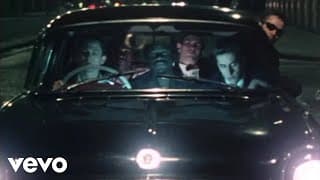
Cut in Leamington Spa on eight tracks, the flute squeezed onto full brass, number one while Britain burned.
Two rock takes buried under dozens of abandoned reggae versions, dug out of the vault while assembling Tattoo You.
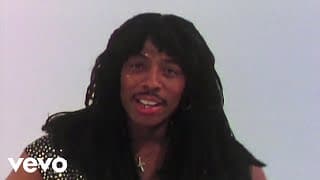
The Temptations sang backup, and the bass line James dismissed as silly later won him a Grammy through Hammer's sample.
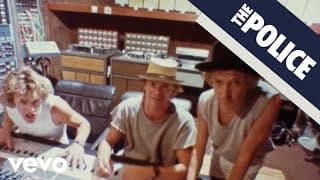
Four years in Sting's drawer before The Police cut it, and Jean Roussel's piano overdubs are why it soars.
MacDonald's track came first, Withers added the words, and Washington's saxophone carried it to number two in 1981.
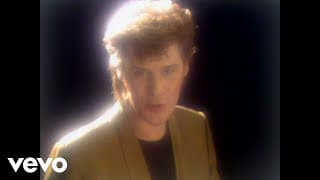
Hall started with a Roland preset and a Korg bass line, the one Jackson borrowed for Billie Jean.
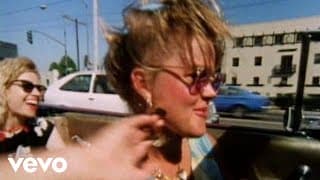
Written by post after Wiedlin and Hall's 1980 tour romance, and it still sounds like a secret being kept.

Daniel Miller sequenced it on a Roland MC-4, Vince Clarke's last single for the band and still a terrace chant.

A DeShannon album track from 1975 until Bill Cuomo's Prophet-5 riff arrived; nine non-consecutive weeks at number one followed.
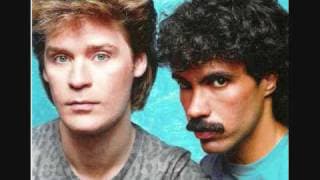
A rare Yamaha CP-30 supplies the riff, and Oates traced the song to Delta blues jammed against Texas swing.
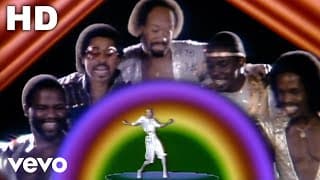
A vocoder hello, Philip Bailey's falsetto, and eight weeks at the top of the soul chart.
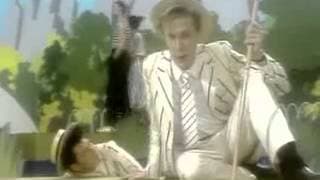
Trevor Horn's desk, Anne Dudley's strings, and Fry making his own jilting sound like the most glamorous thing available.
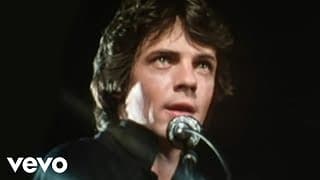
A Pasadena stained-glass class, a friend's girlfriend, and Neil Giraldo's guitar turning ordinary envy into a number one.
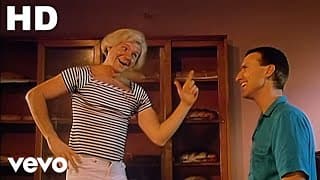
Greg Ham played the flute hook as a joke; it carried Hay's tale to number one in seven countries.
Vangelis scored the film alone on synthesizers, won the Oscar, and needed twenty-two weeks to reach number one in America.
Written for Rod Stewart, declined by Tina Turner, and parked at number one for ten weeks by Newton-John.
Written with Janna Allen and kept as the demo take; by Hall's account Van Halen borrowed its synth for "Jump".
Hay wrote the music in a Bermagui treehouse, and Greg Ham's saxophone hook does the rest.
Nine weeks at number one, from vocals Richie and Ross cut around three in the morning in Reno.
Dean found an empty beach midweek and wondered where everyone was; Reno turned waiting for the weekend into working.
Deodato's production strips it to bassline and handclaps, and J.T. Taylor asks the only question a dancefloor needs.
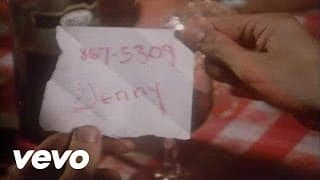
Alex Call says there was no Jenny, just a backyard afternoon, four chords and seven digits America dialed for decades.
Fogelberg wrote it for his father Lawrence, a working bandleader who lived to hear it and talk about it.
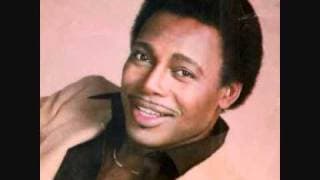
Graydon, Lukather and Champlin wrote it for a greatest hits album, Porcaro programmed the Linn drum, and it won a Grammy.

Epic wanted a different follow-up single; the band held out for Richrath's chain of hearsay and reached number five.
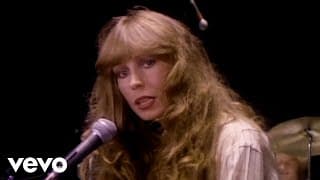
Chip Taylor wrote it after hearing Ruby Tuesday, Connie Francis passed on it, and Newton reached number four.
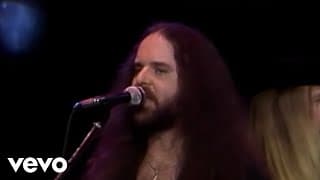
Jim Peterik of Survivor co-wrote it with Barnes and Carlisi, and it gave the band their first top ten.