Like a Rolling Stone
1965 · From Highway 61 Revisited
A snare crack, a sneer, and Kooper's uninvited organ swirling through the song that split rock open.
★ 10.0
 skopia
A snare crack, a sneer, and Kooper's uninvited organ swirling through the song that split rock open.
Keith dreamt the fuzz riff, taped it half-asleep, and woke up holding the sound of teenage frustration.
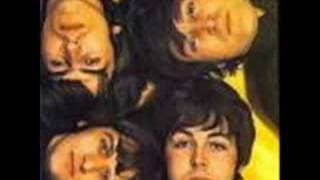
McCartney dreamt the melody, called it "Scrambled Eggs" for weeks, then let a string quartet make it immortal.
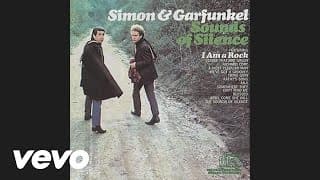
A folk flop until a producer secretly overdubbed electric guitars, and the duo heard their number one on the radio.
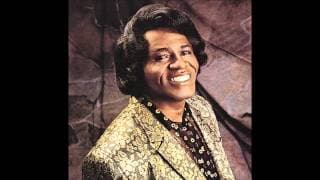
The record where the beat moved to the one and funk quietly began. James Brown never looked back.
Lennon's first draft listed bus stops in Liverpool; Martin's piano solo, taped at half speed, sounds baroque.
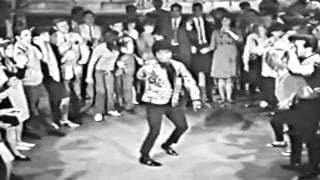
Brown recycled a flop he'd cut on Yvonne Fair, added Maceo Parker's alto, and landed his highest-charting single.
Entwistle's bass solo needed a Fender after his Danelectro strings snapped, and Daltrey stuttered his way into history.
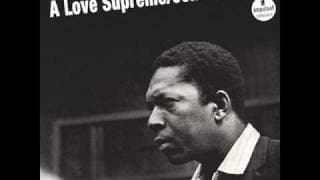
Garrison's four notes, then Coltrane overdubbing the chant nineteen times, one December day at Van Gelder's.
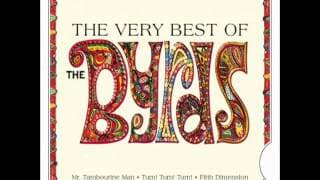
Session men cut the track and McGuinn's twelve-string Rickenbacker rang over one Dylan verse; folk rock started there.
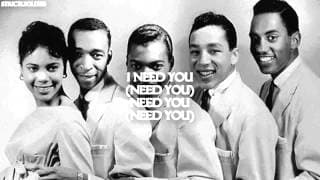
Tarplin brought the guitar figure first, Robinson and Moore wrote words to it, and Motown got its saddest smile.
Mayfield turned the gospel train of the spirituals into a civil rights hymn, and King used it to steady marchers.
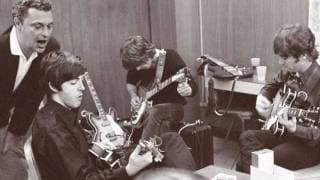
Harrison's sitar, widely reckoned the first on a rock record, and Lennon smuggling an affair past everyone.
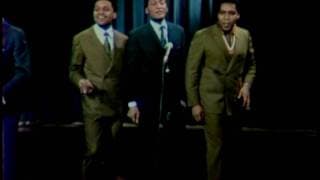
Holland-Dozier-Holland pitched Stubbs at the very top of his range, and Paul Riser opened it with piccolo and flute.
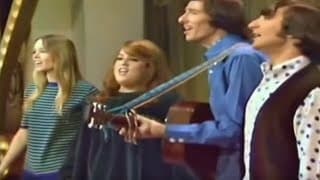
The Phillipses wrote it homesick in a New York winter, and Doherty sang over Barry McGuire's existing backing track.
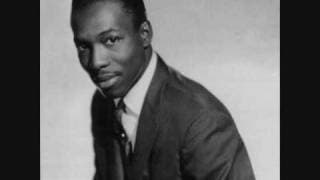
Jerry Wexler danced the Jerk across the Stax floor until the band pushed the backbeat onto beat two.
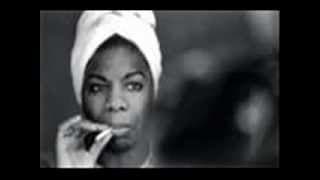
Written for a Newley and Bricusse musical, it opens with nothing but her voice before Hal Mooney's horns land.
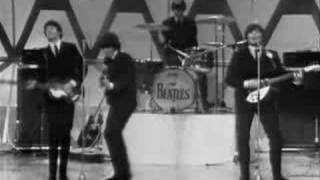
Twelve takes in April 1965, McCartney's counter-melody chasing the lead, and Lennon insisting years later the plea was real.
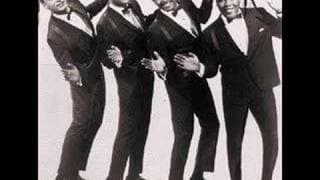
Dozier lifted the title from his grandfather flirting in a beauty shop, and Stubbs sings it like a plea.
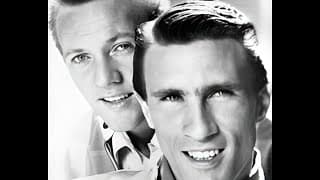
Written for a 1955 prison film, buried on a B-side, and Hatfield sang the whole thing alone.
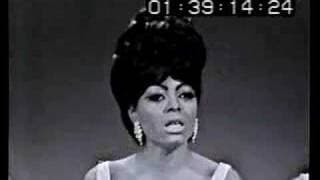
By Dozier's account the title came from a motel argument; Paul Williams supplied the hand at a rehearsal.
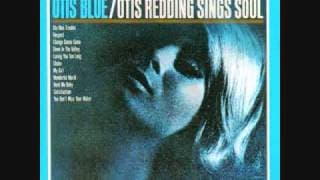
Butler handed Redding a fragment in a Buffalo motel room; two weeks later Stax had the ultimate slow dance.
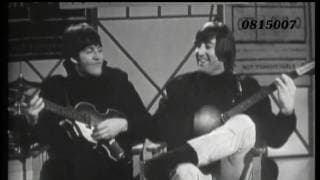
Cut at EMI in February 1965, with Harrison's Rickenbacker riff and a record Lennon later called the first heavy metal.
Forty-four takes for the backing track, Hal Blaine and Carol Kaye on it, and an intro built like a fanfare.
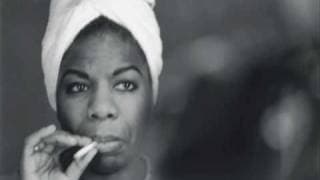
Simone learned it at her mother's revival meetings and stretched it past ten minutes of piano vamp and handclaps.
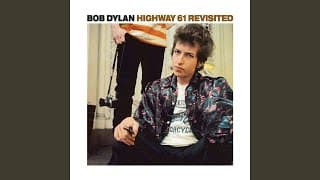
Eleven minutes, one acoustic guitar, and Charlie McCoy improvising fills after Bob Johnston found him passing through New York.
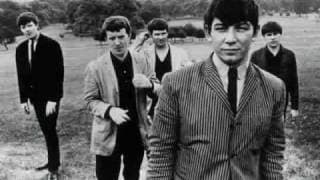
Chandler's bass walks in alone, Burdon arrives furious, and GIs in Vietnam claimed a Brill Building demo.
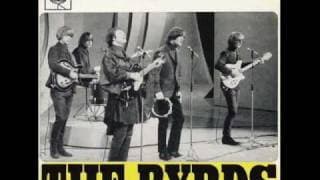
Seeger set Ecclesiastes to a tune in 1959; McGuinn's twelve-string turned it into the number one with the oldest lyrics.
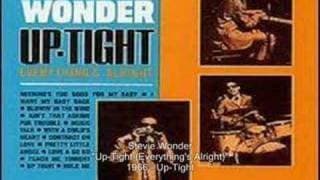
Wonder was fifteen, his voice breaking, and Gordy feared he was finished; Sylvia Moy fed him lyrics line by line.
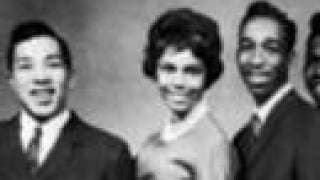
Robinson's falsetto over a slow Funk Brothers groove, with Pete Moore co-writing and stacking the harmonies behind him.
Snow chains rattling for percussion, Jamerson's bass shoving it along, and Reeves sounding genuinely cornered by the arrangement.
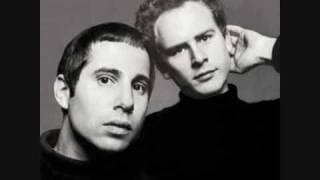
Simon wrote it on an English railway platform missing Kathy Chitty; a plaque at Widnes station now claims the spot.
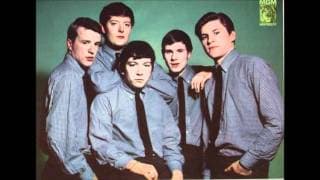
Written after Horace Ott quarreled with his girlfriend, and sped from Simone's ballad into Burdon's pleading.
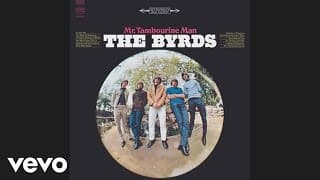
A few minutes' work by Clark about a girlfriend from the Ciro's residency, and a refrain hinging on "probably".
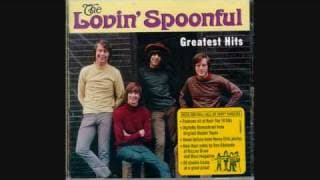
Sebastian's autoharp opens it, written after he watched a teenager dance at the Night Owl in Greenwich Village.
That hook is an oboe, not an ocarina, and Cher disliked the song Bono wrote for them in their basement.
Written for Sandie Shaw, who heard Jones's demo and told them to give him the record instead.
Gordy ordered a rush job after Columbia reissued an old single, so Holland-Dozier-Holland reversed their own chart topper.
Brando sang it in the film while Sinatra played Nathan Detroit; eight years later Sinatra cut it himself.
Gordy demanded better after "Nothing but Heartaches" stalled, and Holland-Dozier-Holland came back with modulations and Mike Terry's baritone sax.