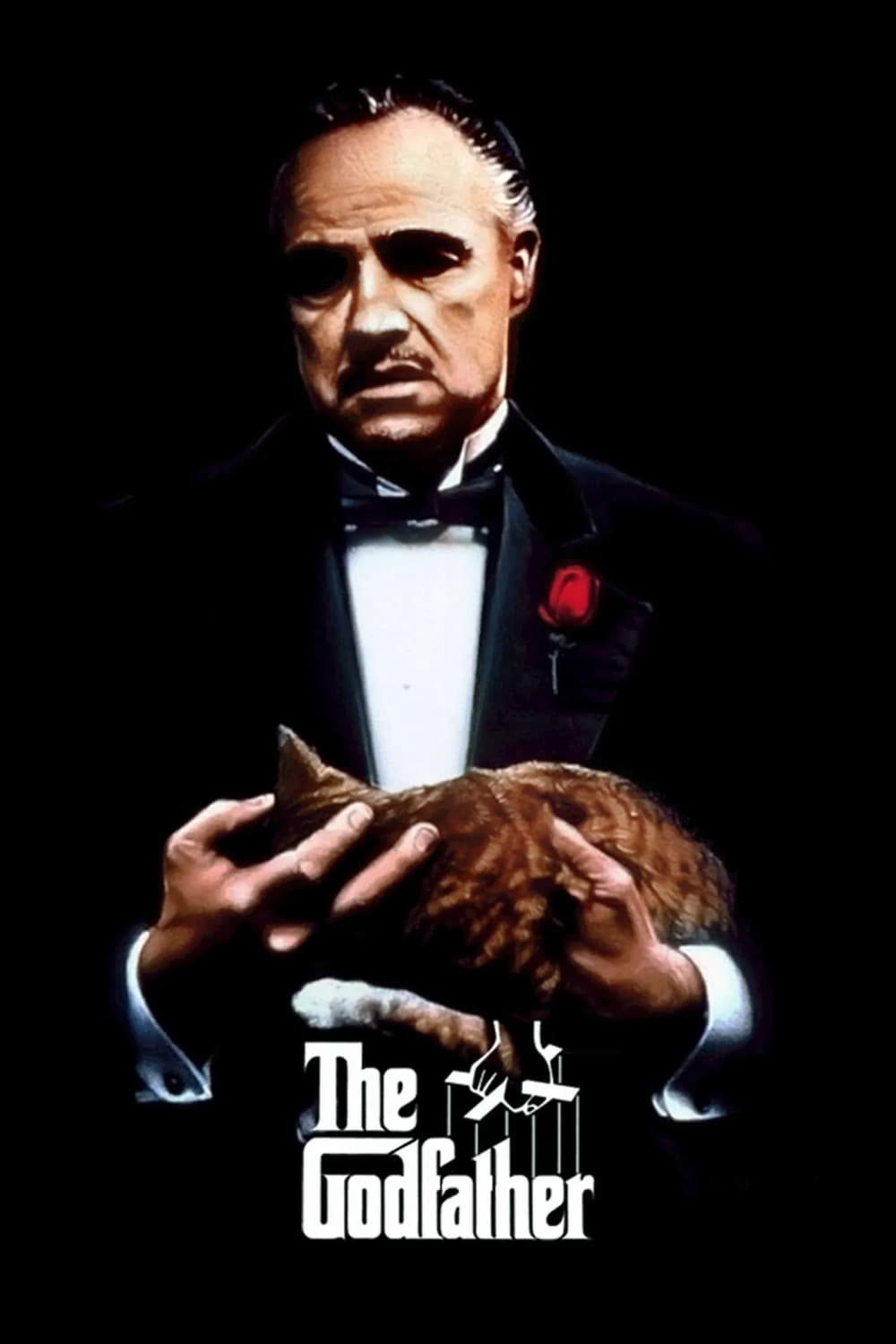
The Godfather
Directed by Francis Ford Coppola
1972
The summit of the American crime film: Coppola turned an immigrant family's rise and rot into the country's own epic, and made damnation look like a coronation.
★ 10.0
 skopia
The summit of the American crime film: Coppola turned an immigrant family's rise and rot into the country's own epic, and made damnation look like a coronation.
Party chatter, a sax that sighs, and Gaye asking the question Motown begged him not to ask.
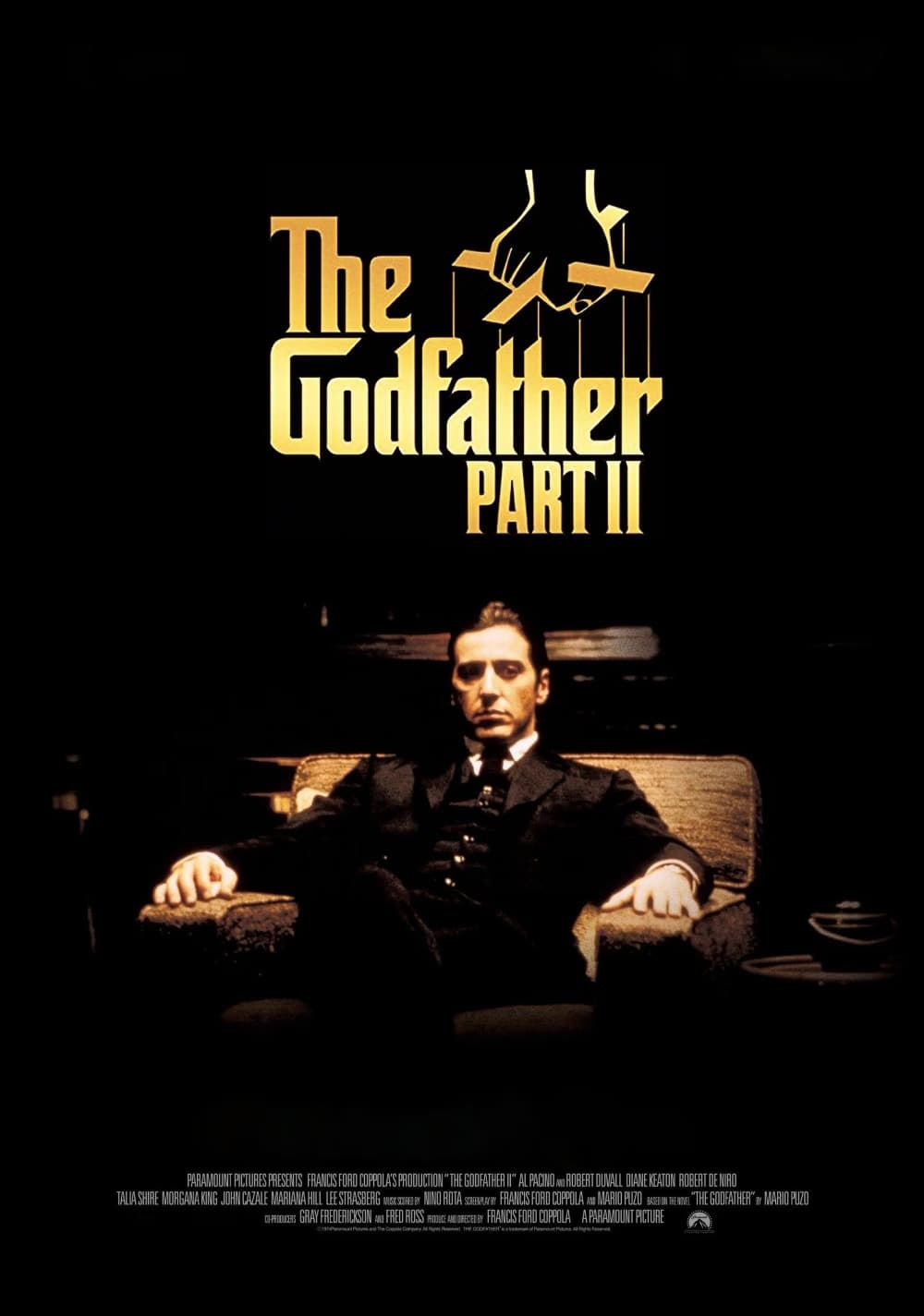
Coppola did what almost nobody manages, and made a sequel with a real claim to surpassing the original: two eras of one family run side by side, and the colder one wins.

Berry Gordy called it the worst thing he had ever heard and refused to release it until Gaye said he would never record for Motown again.
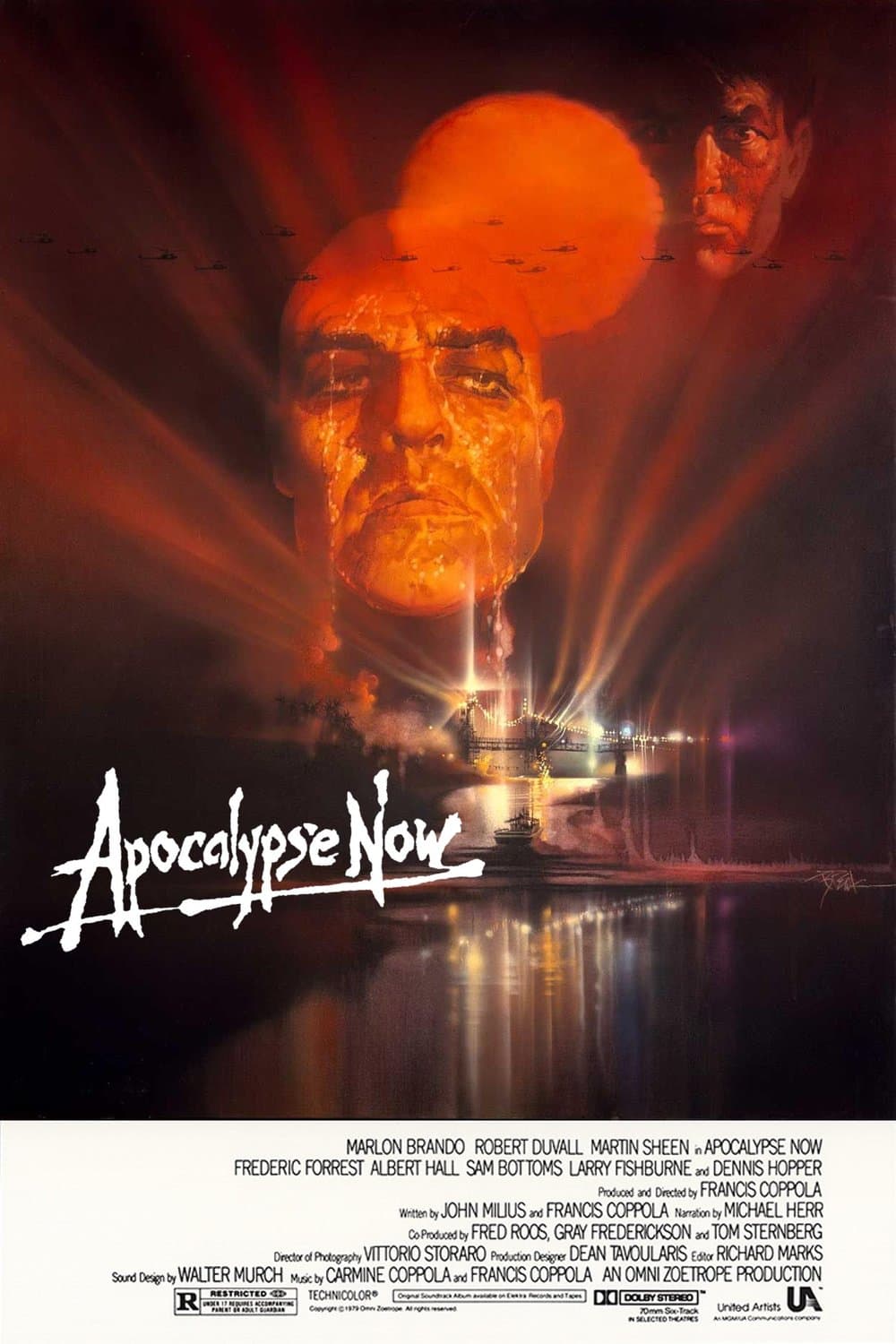
No production has ever gone further off the rails or shown it more clearly: Coppola's Vietnam abandons the war film for pure hallucination, and the helicopters over the trees are permanent.
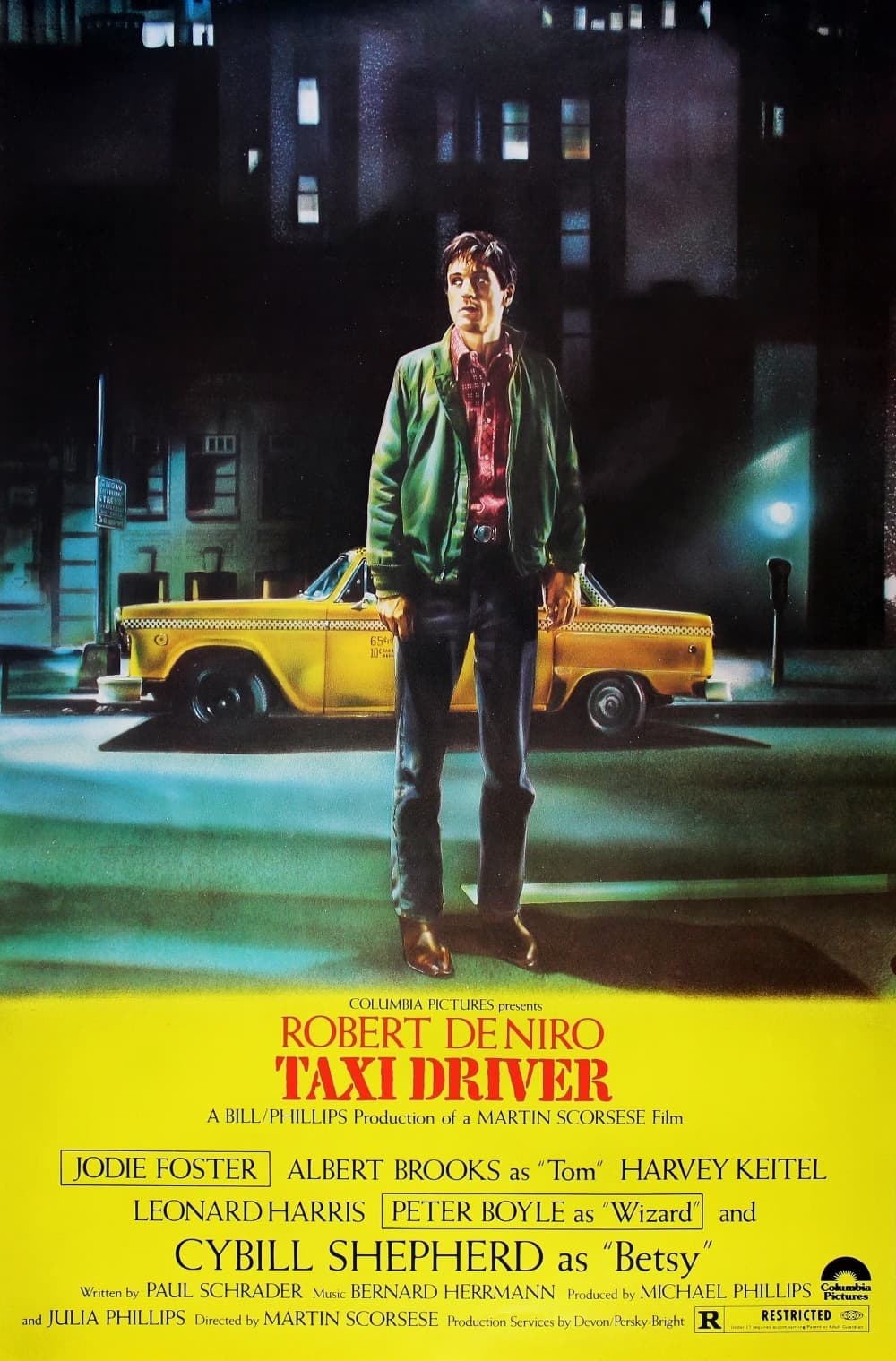
Travis Bickle escaped the picture and entered the language: Scorsese and De Niro made a lonely man's interior so exact that it stopped being about one man at all.

Dylan finished it, then rerecorded half the songs in Minneapolis with local musicians his brother rounded up, days before it was due out.

Modern Hollywood begins here: Lucas told the oldest story there is inside a universe that looked used and lived in, and the blockbuster has run the business ever since.

They asked people around the studio questions on cue cards and used the answers. It then stayed on the American chart for fourteen years.
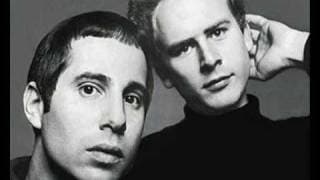
Garfunkel's voice climbing a gospel staircase, the last verse arriving like the cavalry.
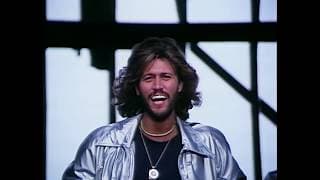
Barry Gibb's falsetto over a drum loop so metronomic that paramedics still use it to time chest compressions.
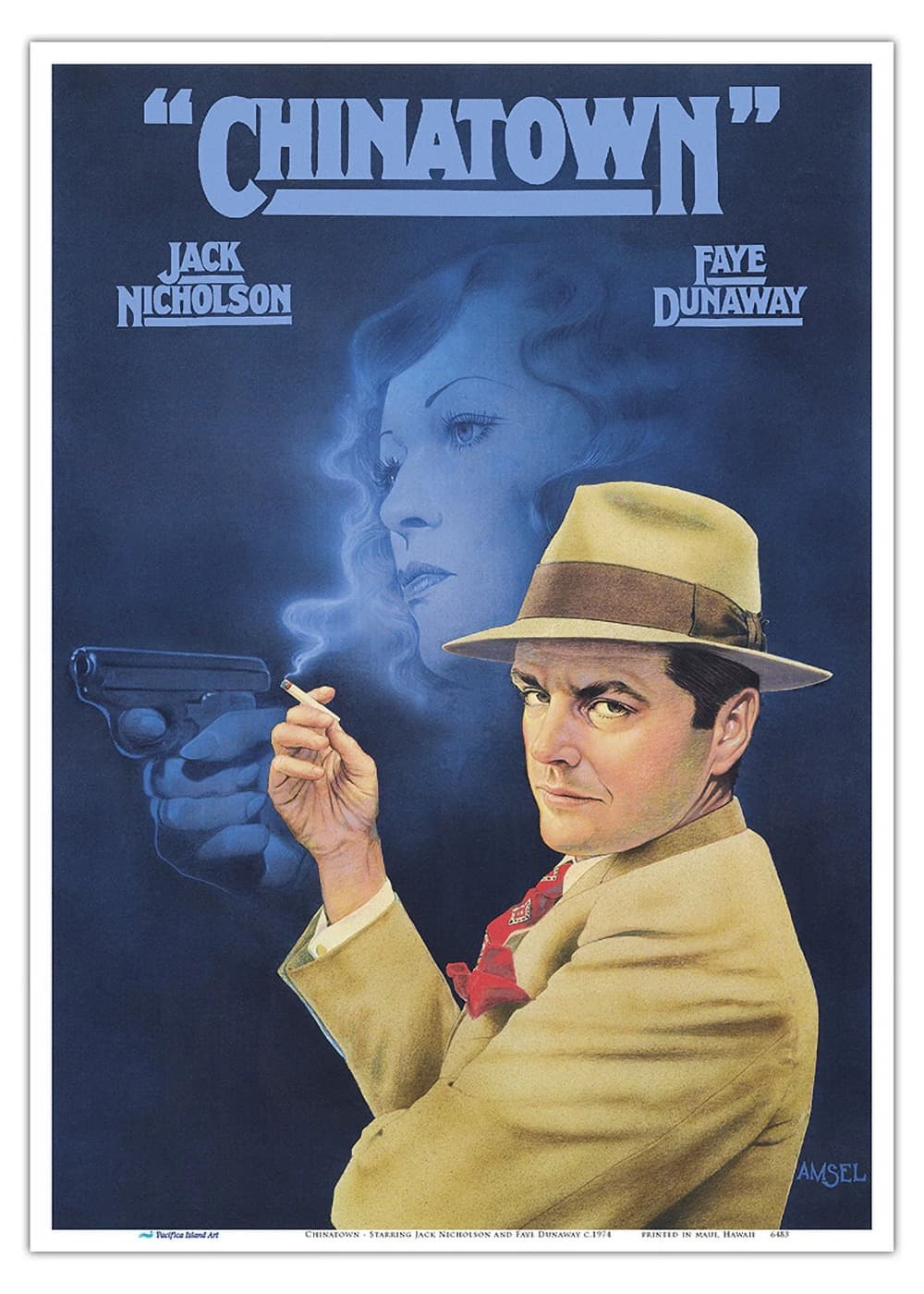
Screenwriters still take this one apart scene by scene to see how it works: Towne and Polanski built a mystery about stolen water that ends without a shred of mercy.
Months of wall-of-sound overdubs poured into one getaway car, and every word still sounds like escape.
Eight minutes that climb from recorders to Page's solo, never released as a single and never needing to be.
Moroder's pulsing synth track, Summer floating above it, and the record Eno reportedly called the sound of the future.
Dolly pleading with her rival rather than fighting her, written the same day as "I Will Always Love You."
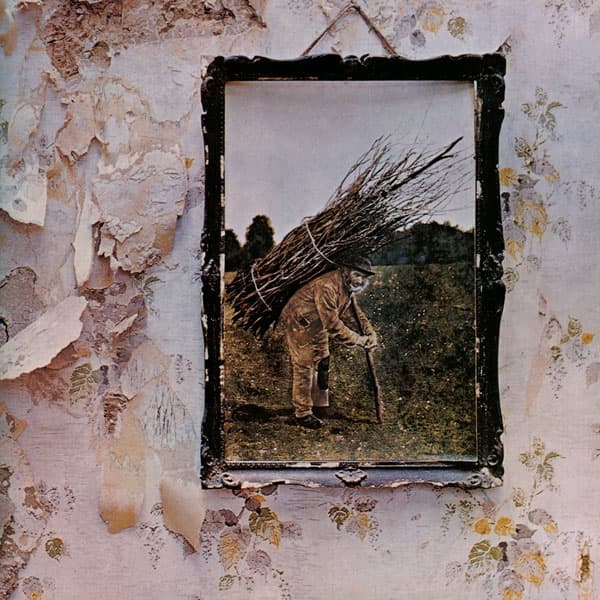
There is no title and no band name anywhere on the sleeve, just four symbols the members chose. The label thought it was commercial suicide.

It took so long that Wonder and the band took to wearing T-shirts reading We're Almost Finished. Twenty-one songs, and no filler.
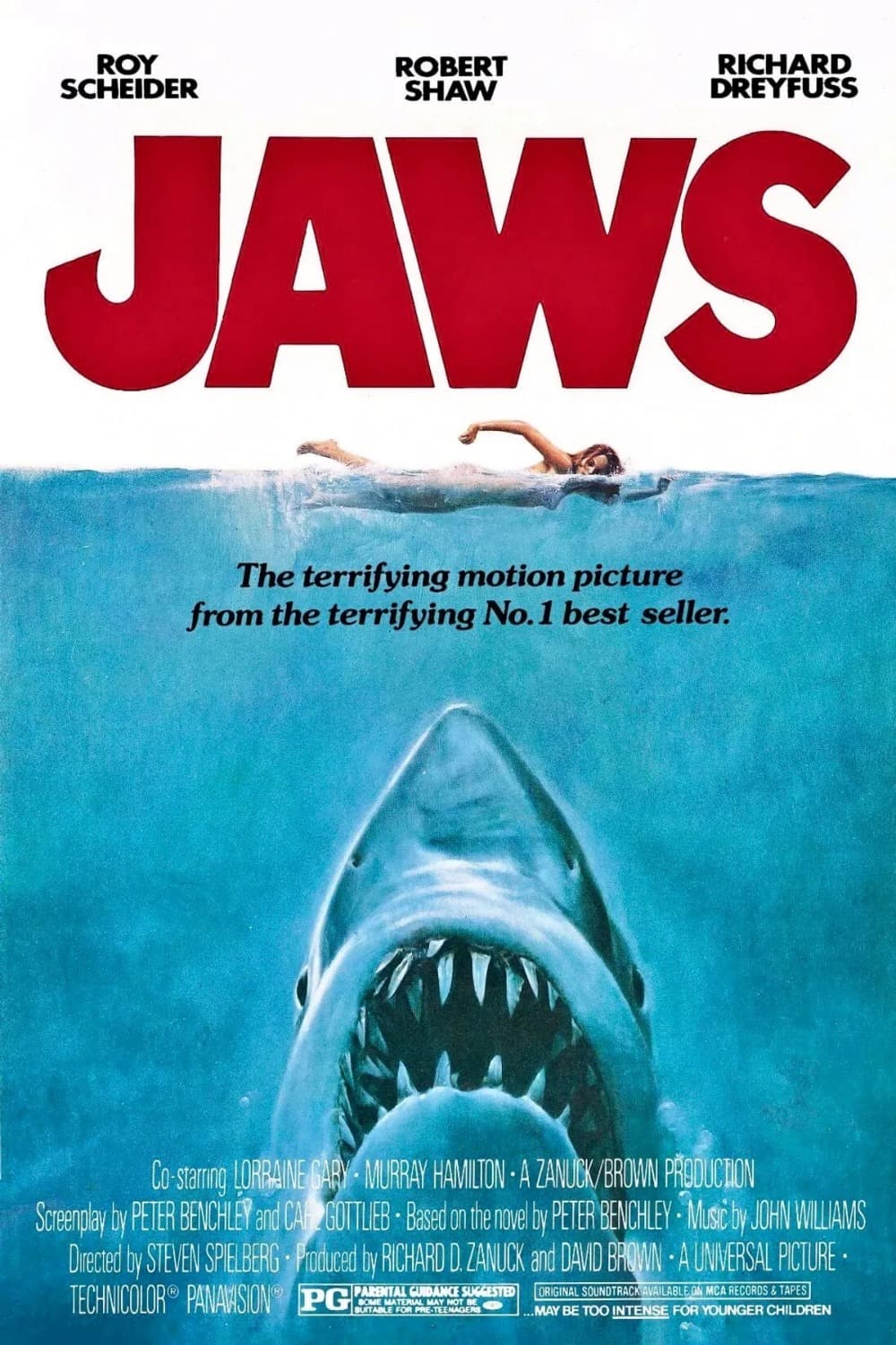
Summer blockbusters start here: the mechanical shark kept breaking, so Spielberg hid it, and accidentally proved that what you cannot see is worse than what you can.

Bowie announced from the stage in 1973 that it was the last show Ziggy would ever play, without telling his own band first.
Strummer borrowing the BBC's wartime call sign to announce the end of the world, and sounding thrilled about it.
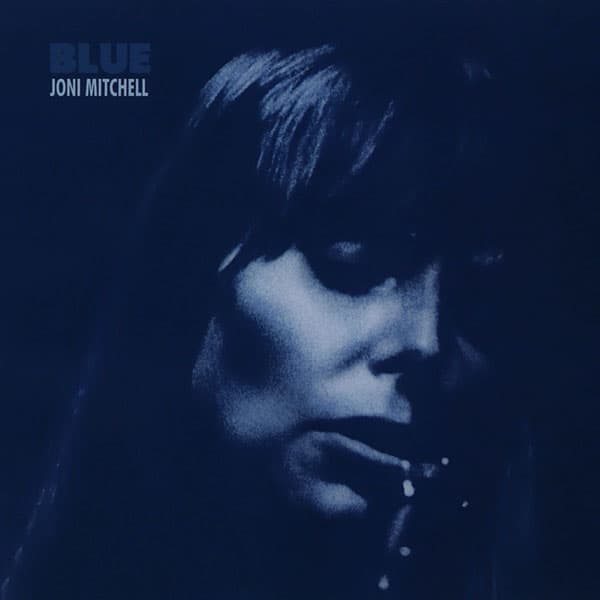
Mitchell was so exposed making it that she asked visitors to leave the studio. Kris Kristofferson told her to keep something back for herself.
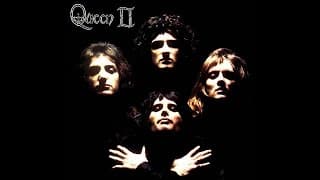
Six minutes with no chorus and so many vocal overdubs the tape wore transparent. Still nothing else like it.
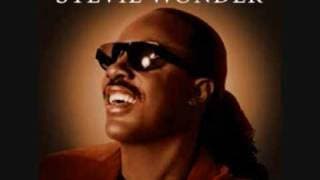
Wonder wrote that clavinet riff for Jeff Beck, heard it back, and sensibly kept it for himself.
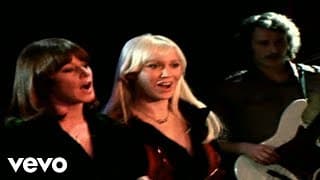
Seventeen and gliding across the floor, the rare disco record that sounds like joy and ache at once.
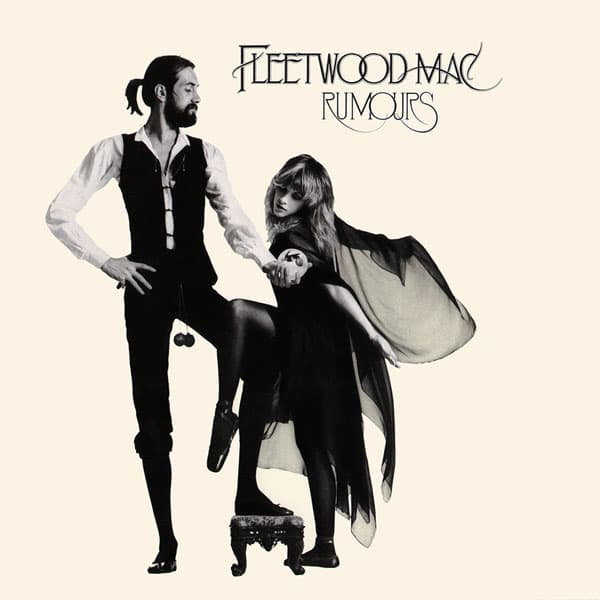
Two couples in the band were breaking up while they recorded, and kept writing songs about each other that the other had to sing.
Recorded beside the Berlin Wall, Fripp's feedback howling while Bowie sings himself hoarse over a single defiant day.

Recorded in the basement of a rented French villa while the band were dodging British tax, in heat so bad guitars would not stay in tune.
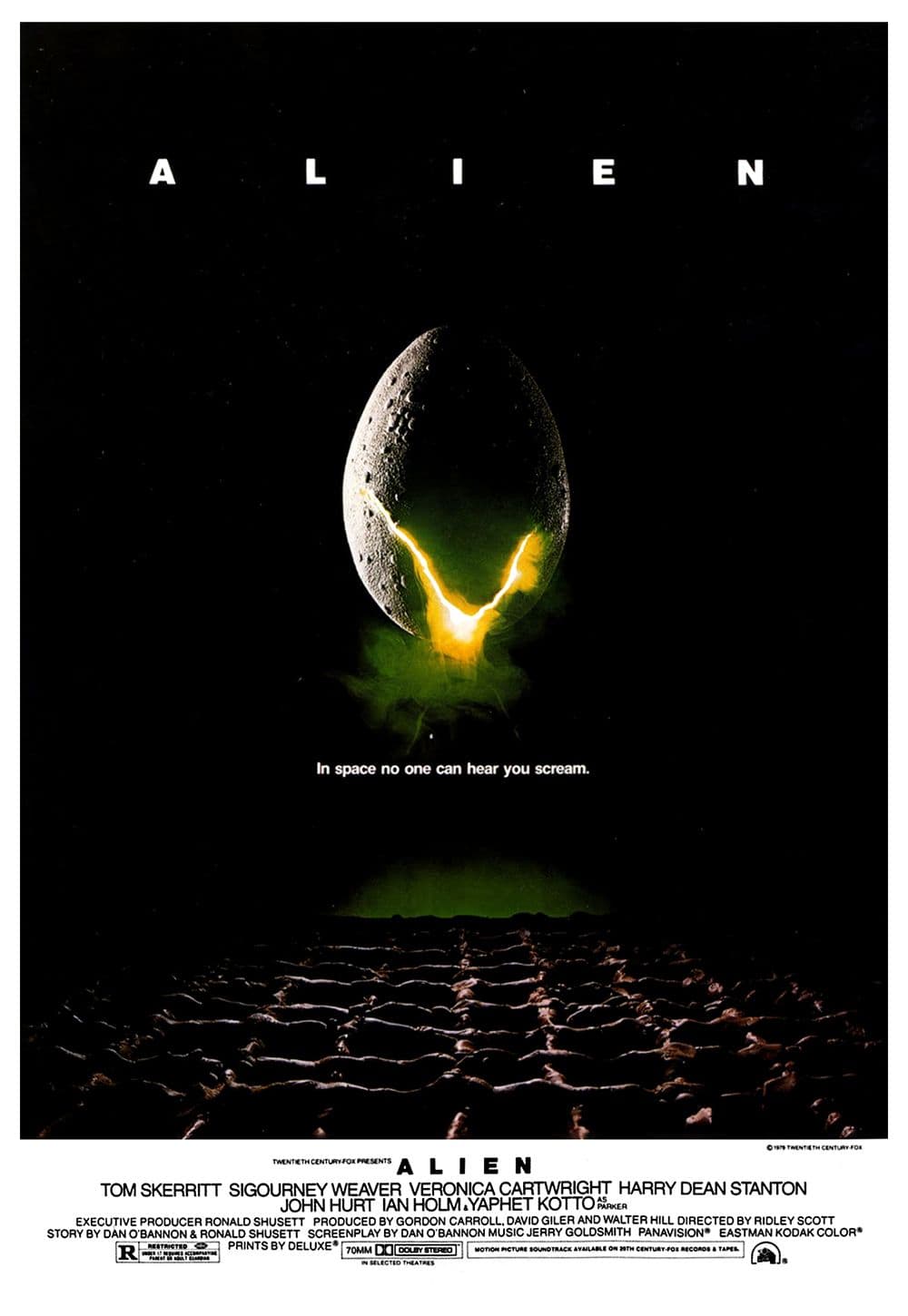
Giger's creature is still the most frightening thing anyone has designed for a screen: Scott fused haunted house and space opera, and put a woman at the center of both.
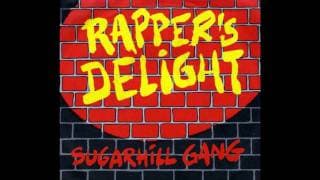
Big Bank Hank auditioned outside the pizzeria where he worked, rapping lines borrowed from Grandmaster Caz's notebook.
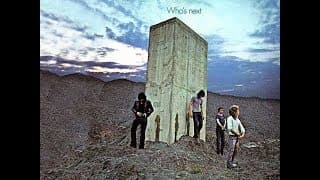
That opening arpeggio is a Lowrey organ's marimba repeat function; Dave Arbus's violin sends the ending careening.

Nicholson against Nurse Ratched is the great screen battle of wills: a convict fakes insanity to serve his time in a hospital, and finds the ward already has a ruler.
Nicks wrote it in a black velvet studio room at Sausalito's Record Plant; it remains the band's only US number one.
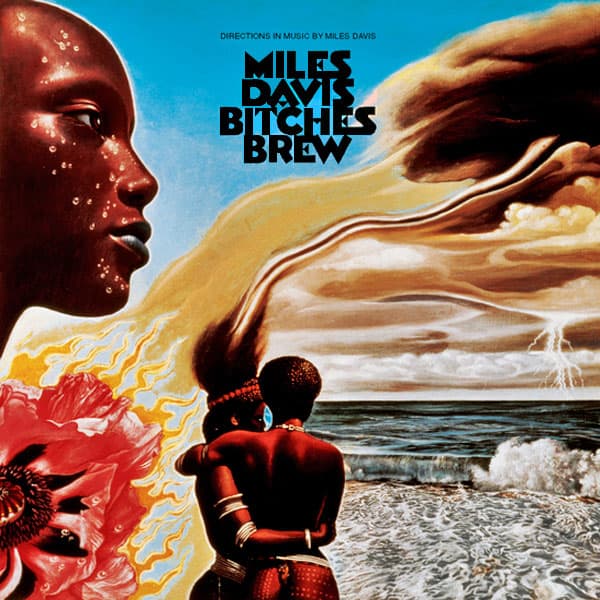
Davis gave the players almost no written music, and his producer Teo Macero cut the tapes together afterward with a razor blade.
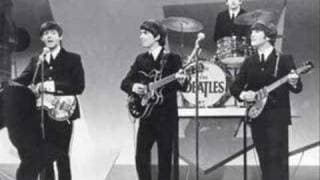
McCartney dreamed of his mother Mary telling him it would be all right; Harrison cut two different solos.

Solzhenitsyn served eight years in the camps, then gathered hundreds of survivors' accounts into a single prisoner's journey from arrest through interrogation to the labor gangs. Publishing it got him deported.
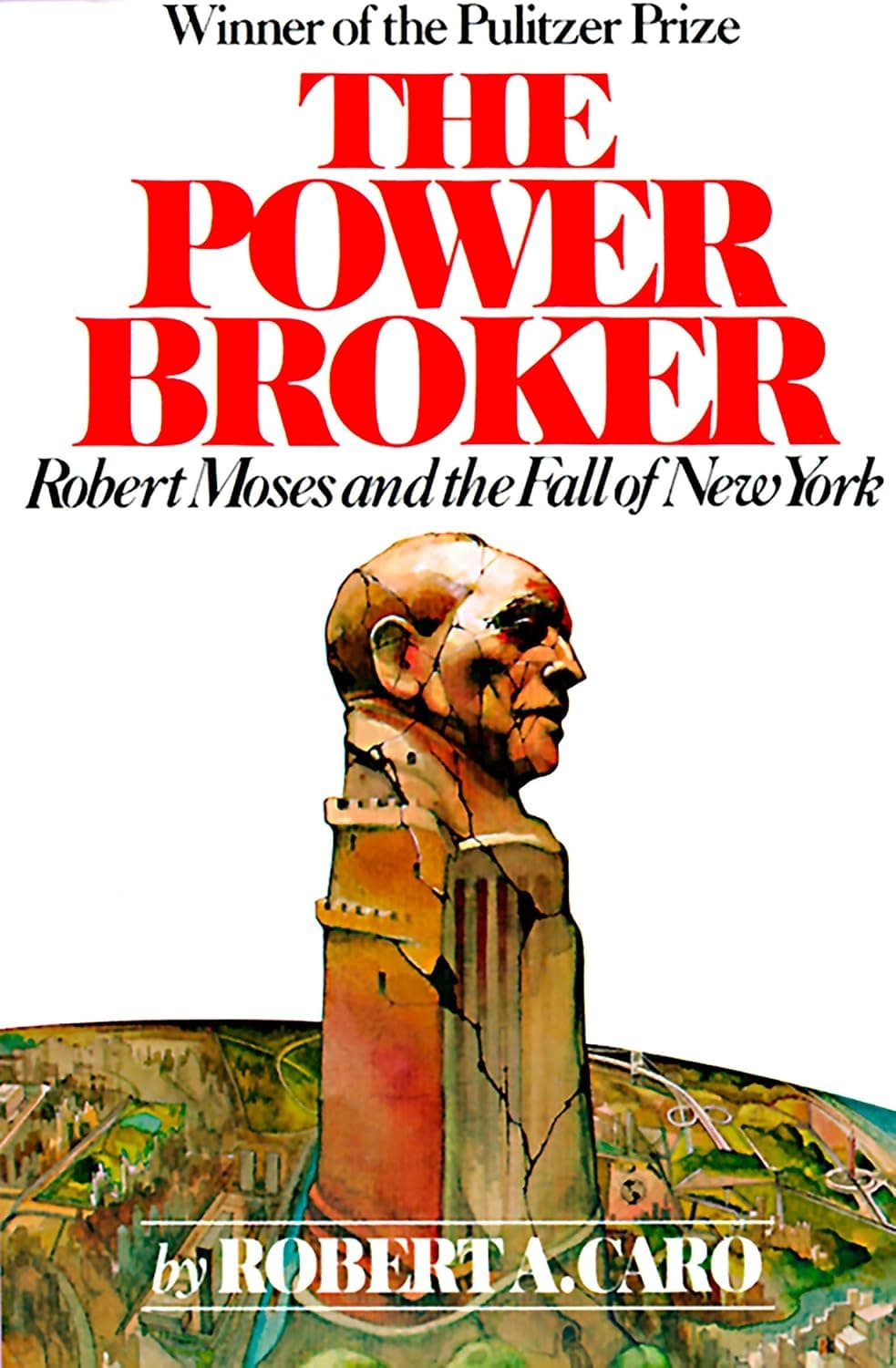
Robert Moses was never elected to anything and remade New York for forty years, throwing up bridges and expressways and flattening the neighborhoods in their way. Caro shows exactly how it was done.
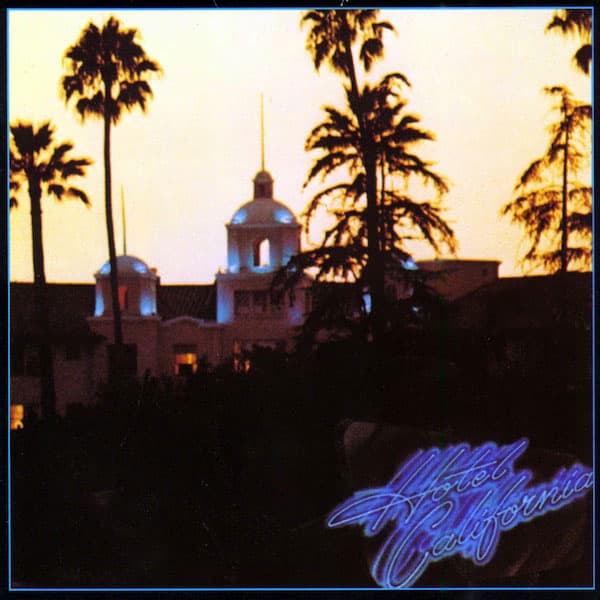
The two guitars at the end of the title track were worked out note for note in advance, and have to be played identically every night.
A tranquilizer shot before a 1977 Philadelphia show gave Waters the lyric; Gilmour brought the chords and the solo.
Marley credited it to Tata Ford, whose Trenchtown soup kitchen the royalties kept running; the title means woman, don't cry.
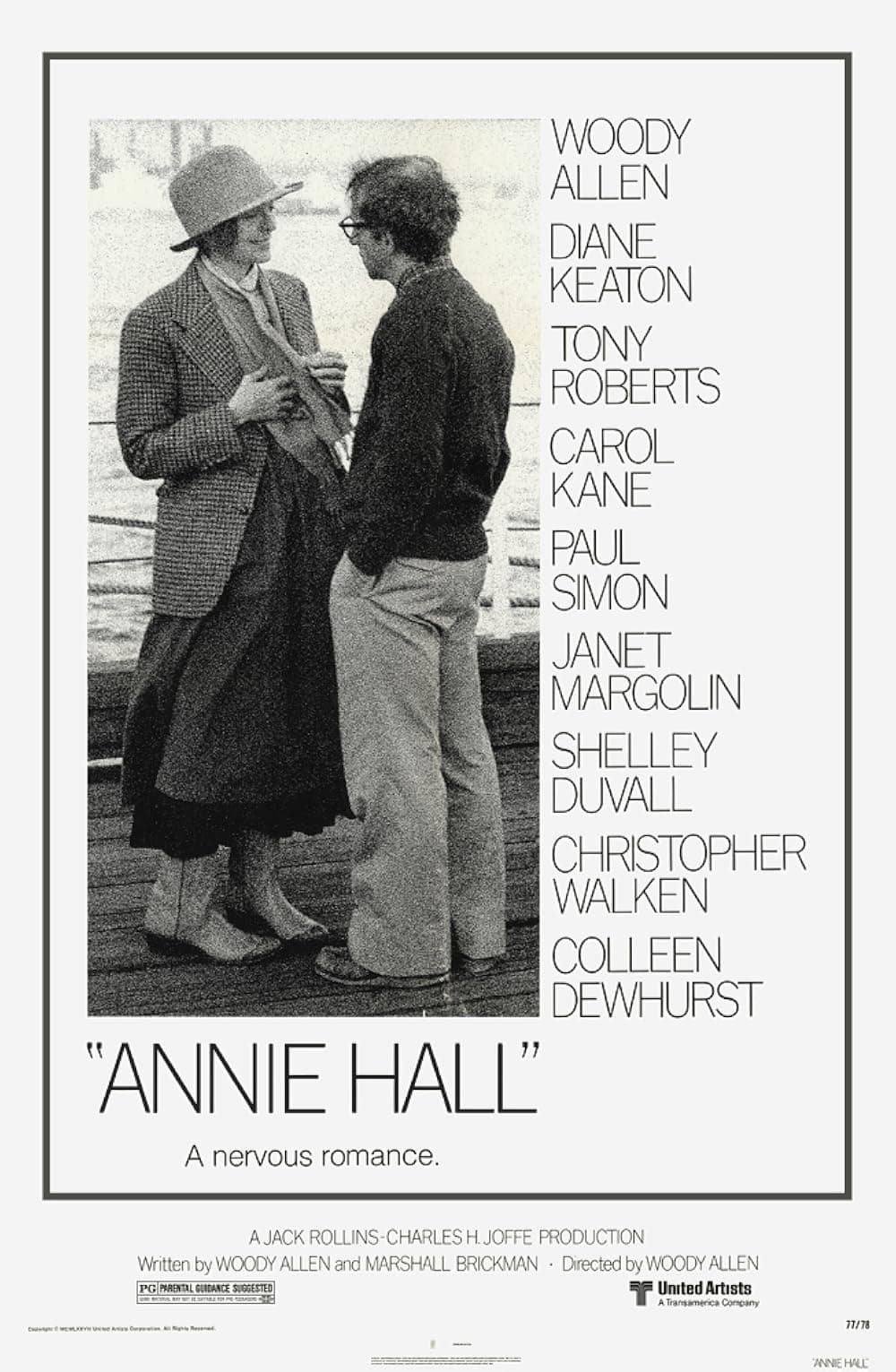
The romantic comedy has never recovered from it: Allen talks to the camera, walks into his own memories, drops subtitles over small talk, and breaks every rule the form had.
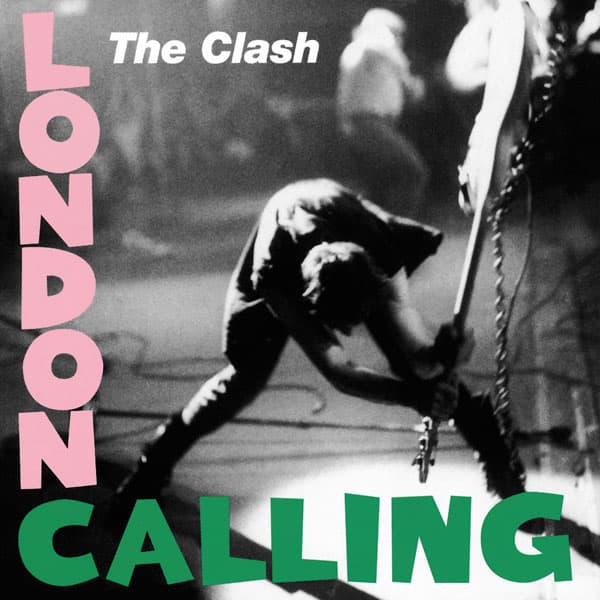
Their producer motivated the sessions by swinging ladders around the studio and pouring wine into the piano. The sleeve copies Elvis's first album.
Felder demoed it on a four-track in Malibu, and his Les Paul duels Walsh's Telecaster through the outro.
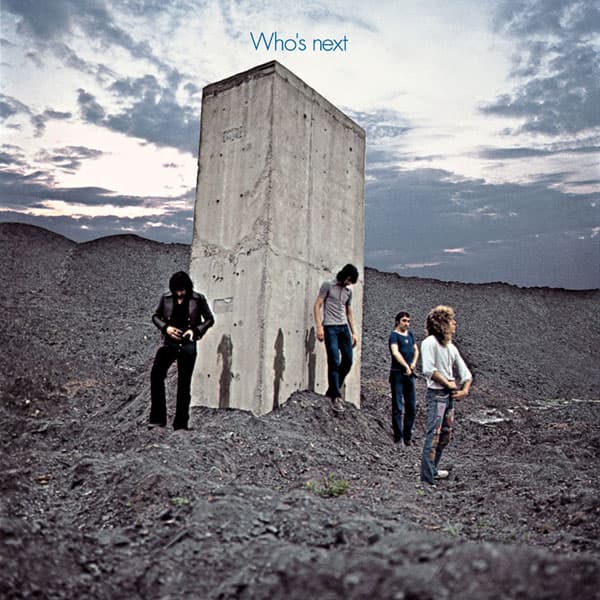
What survived an abandoned science-fiction project became this record. The keyboard figure opening Baba O'Riley was generated by a machine rather than played.
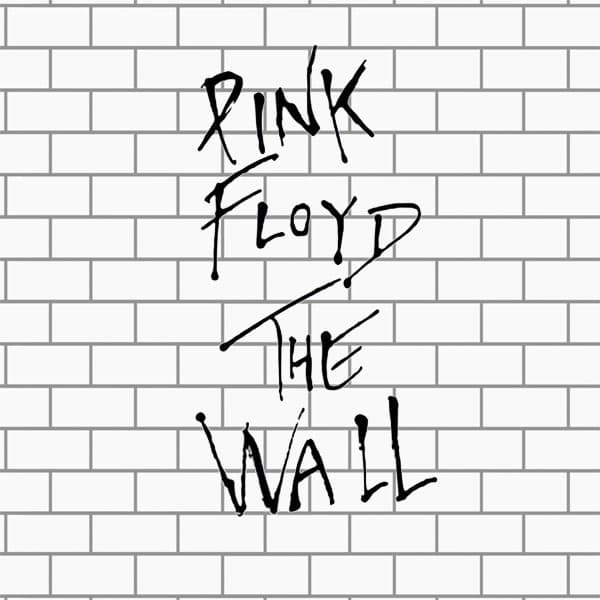
Roger Waters got the idea after spitting at a fan in Montreal and being appalled at himself. A school near the studio supplied the children's choir.
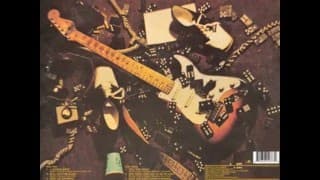
Clapton wanted his friend's wife; Duane Allman's slide answers every line, then Jim Gordon's piano coda changes everything.
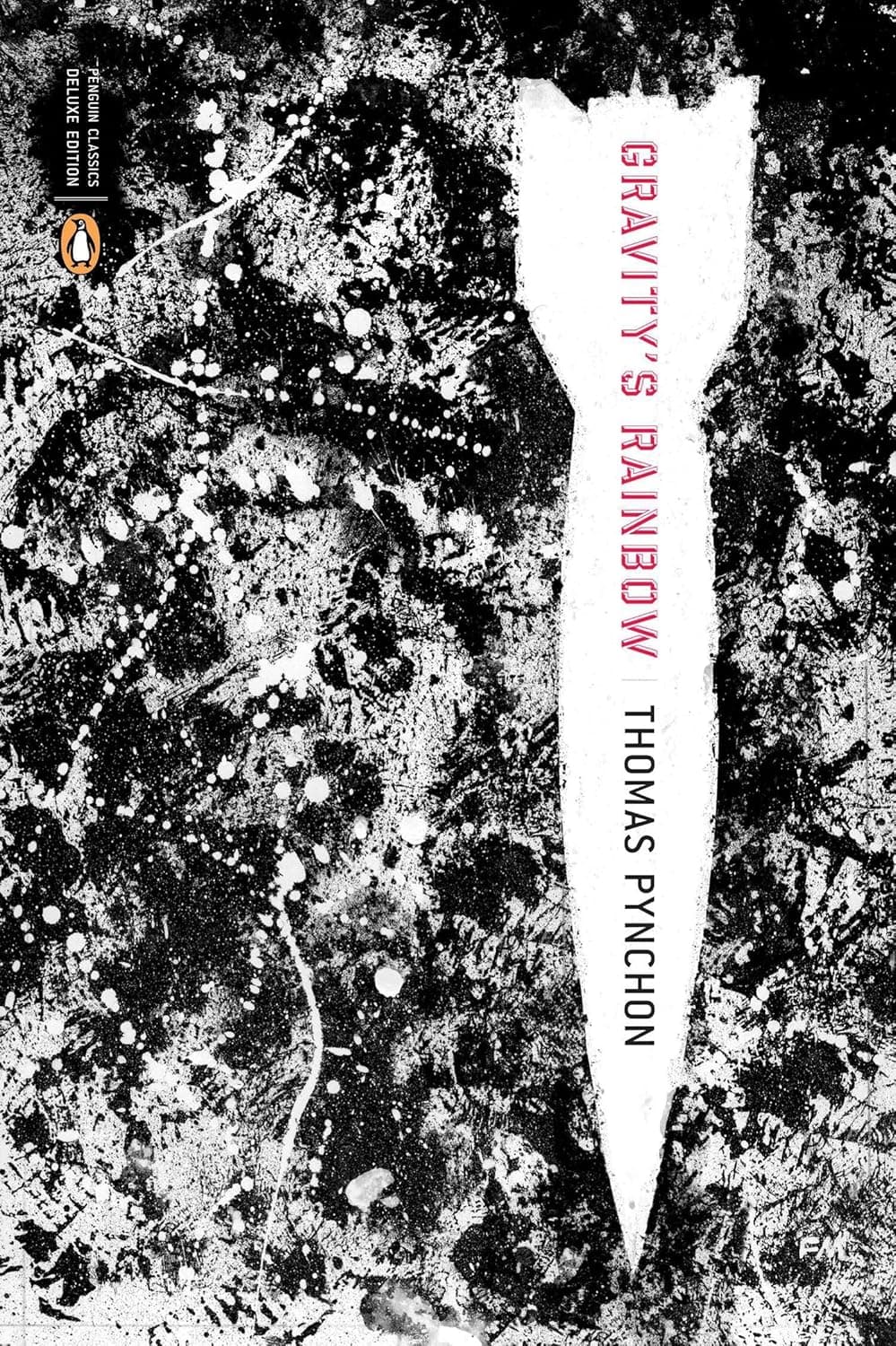
In London in 1944 the army notices that an American officer's sexual conquests keep predicting where German rockets fall. What follows is the filthiest, funniest chase ever run across a ruined continent.
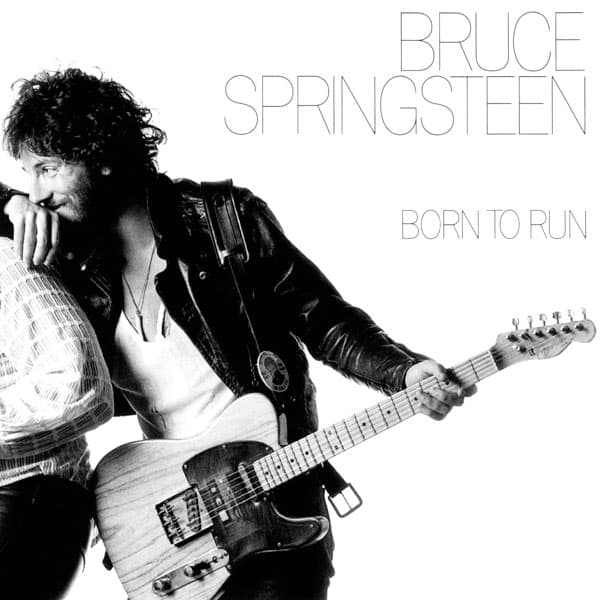
Springsteen spent six months on the title track alone and hated the finished record so much he wanted to throw it in a swimming pool.
Tommy wanted a Bay City Rollers chant; the album around it cost $6,400 and took seven days.
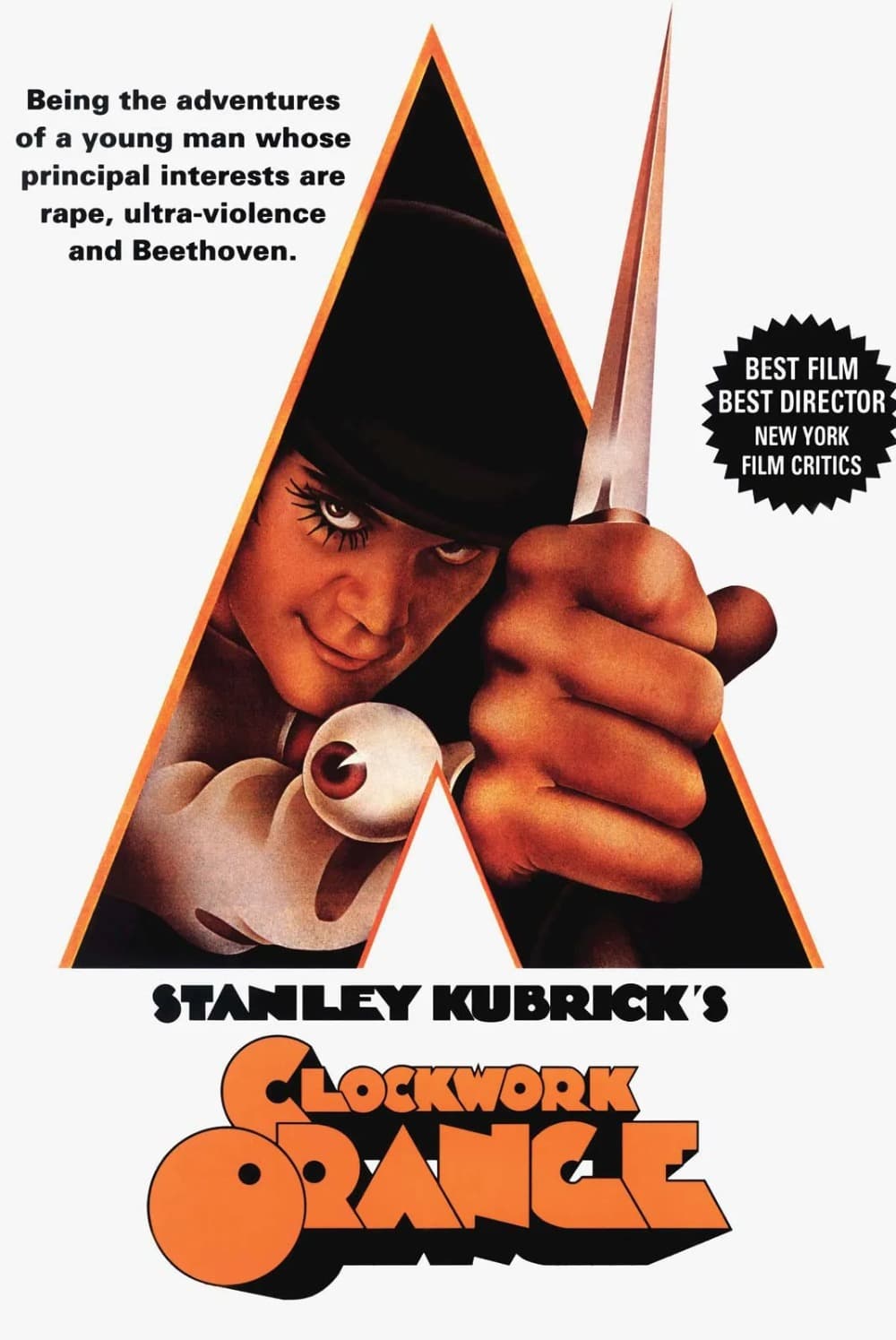
Kubrick pulled it from British cinemas himself after the reaction, and it stayed unavailable there for twenty-seven years: a state that enforces goodness, an invented slang, imagery nobody forgets.
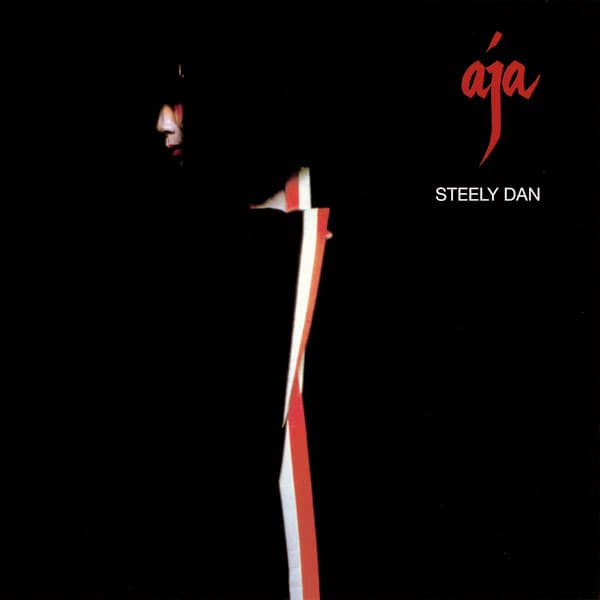
Becker and Fagen ran seven guitarists through the solo on Peg before they kept one, and worked the rest of the record the same way.
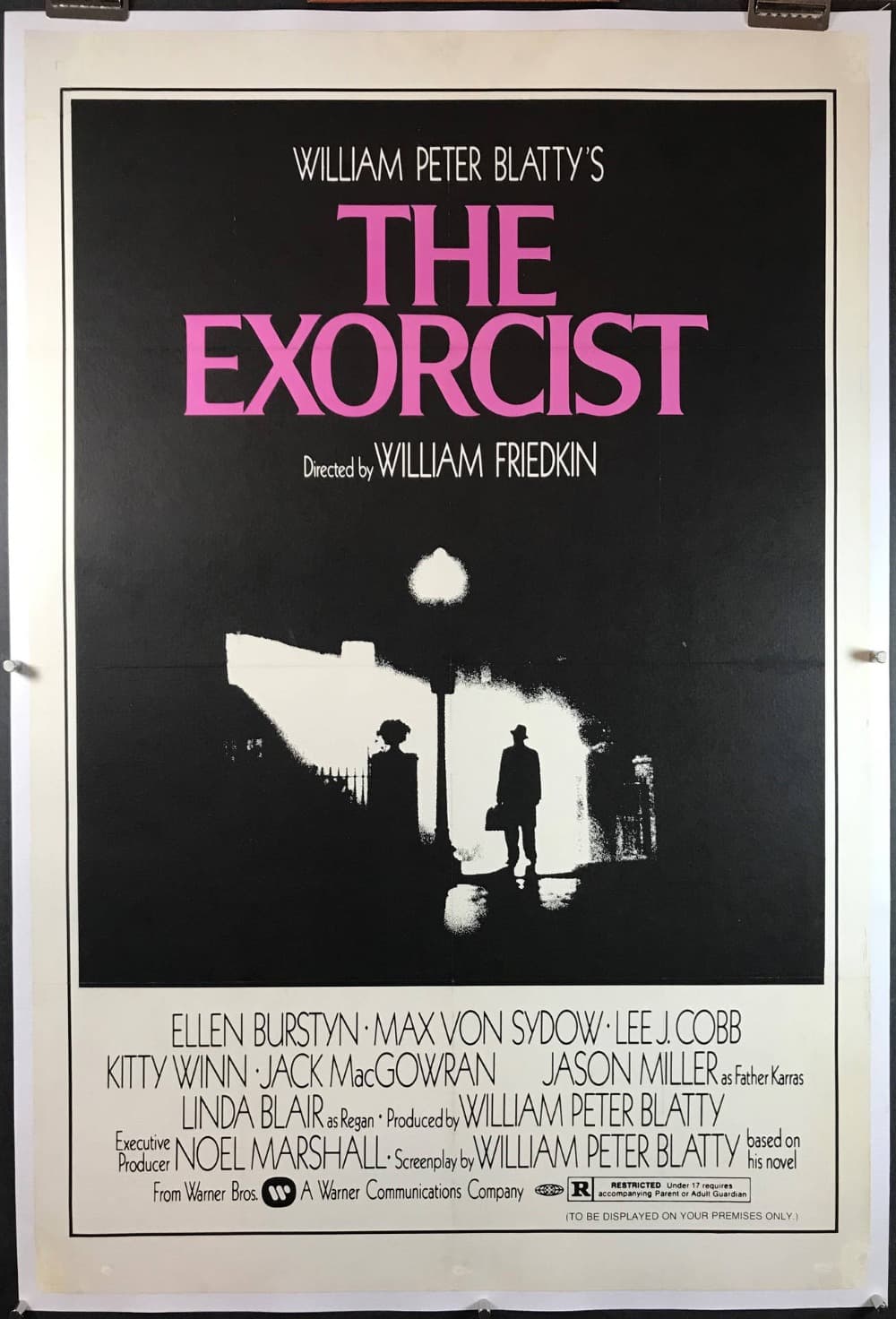
Still the one people watch with the lights on fifty years later: Friedkin shot a possession story like a documentary, and the restraint is what makes it unbearable.
Page tuned to DADGAD, Plant wrote it driving through southern Morocco, and none of them had seen Kashmir.

Simon wrote the title song and gave it to Garfunkel to sing alone, and spent years regretting it. They had broken up by release.
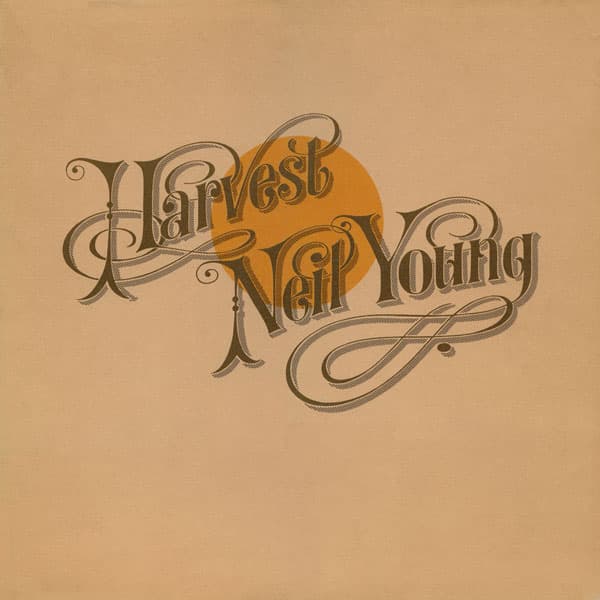
Young had hurt his back and recorded much of it sitting down in a brace. The London Symphony Orchestra plays on two of the songs.
Willie Mitchell and Al Jackson handed Green a track; he reportedly had the lyric in five minutes.