What's Going OnMarvin Gaye
What's Going On
1971 · From What's Going On
Party chatter, a sax that sighs, and Gaye asking the question Motown begged him not to ask.
★ 9.9
 skopia
Party chatter, a sax that sighs, and Gaye asking the question Motown begged him not to ask.
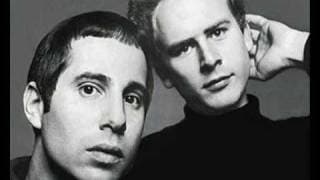
Garfunkel's voice climbing a gospel staircase, the last verse arriving like the cavalry.
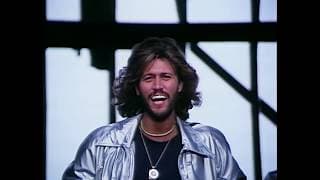
Barry Gibb's falsetto over a drum loop so metronomic that paramedics still use it to time chest compressions.
Months of wall-of-sound overdubs poured into one getaway car, and every word still sounds like escape.
Eight minutes that climb from recorders to Page's solo, never released as a single and never needing to be.
Moroder's pulsing synth track, Summer floating above it, and the record Eno reportedly called the sound of the future.
Dolly pleading with her rival rather than fighting her, written the same day as "I Will Always Love You."
Strummer borrowing the BBC's wartime call sign to announce the end of the world, and sounding thrilled about it.
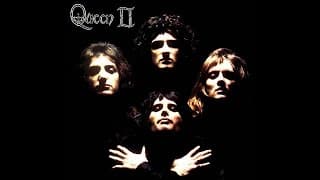
Six minutes with no chorus and so many vocal overdubs the tape wore transparent. Still nothing else like it.
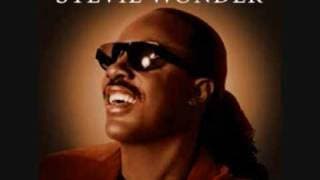
Wonder wrote that clavinet riff for Jeff Beck, heard it back, and sensibly kept it for himself.
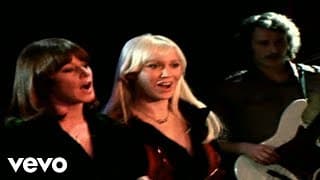
Seventeen and gliding across the floor, the rare disco record that sounds like joy and ache at once.
Recorded beside the Berlin Wall, Fripp's feedback howling while Bowie sings himself hoarse over a single defiant day.
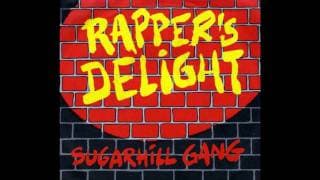
Big Bank Hank auditioned outside the pizzeria where he worked, rapping lines borrowed from Grandmaster Caz's notebook.
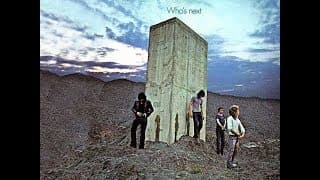
That opening arpeggio is a Lowrey organ's marimba repeat function; Dave Arbus's violin sends the ending careening.
Nicks wrote it in a black velvet studio room at Sausalito's Record Plant; it remains the band's only US number one.
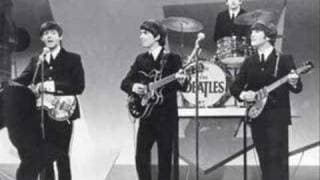
McCartney dreamed of his mother Mary telling him it would be all right; Harrison cut two different solos.
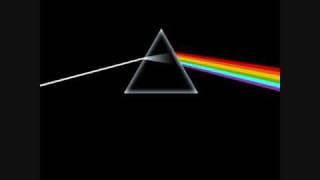
A tranquilizer shot before a 1977 Philadelphia show gave Waters the lyric; Gilmour brought the chords and the solo.
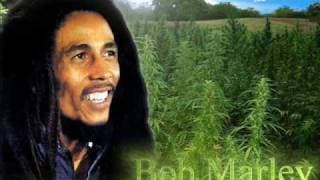
Marley credited it to Tata Ford, whose Trenchtown soup kitchen the royalties kept running; the title means woman, don't cry.
Felder demoed it on a four-track in Malibu, and his Les Paul duels Walsh's Telecaster through the outro.
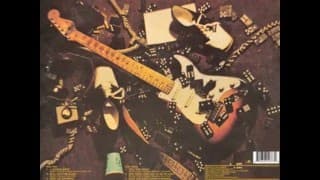
Clapton wanted his friend's wife; Duane Allman's slide answers every line, then Jim Gordon's piano coda changes everything.
Tommy wanted a Bay City Rollers chant; the album around it cost $6,400 and took seven days.
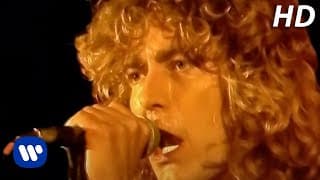
Page tuned to DADGAD, Plant wrote it driving through southern Morocco, and none of them had seen Kashmir.
Willie Mitchell and Al Jackson handed Green a track; he reportedly had the lyric in five minutes.
Iommi's riff arrived as three-minute filler for the album, Butler wrote the words fast, and Sabbath had their biggest UK hit.
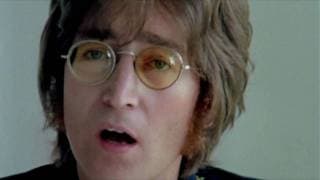
Grapefruit, Ono's book of poems, supplied the idea; Lennon supplied the piano; in 2017 she finally got the credit.
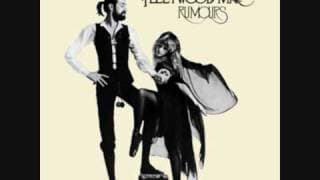
Buckingham aimed Mick Fleetwood at the Street Fighting Man groove, then sang a breakup line Nicks demanded he cut.
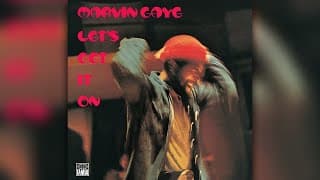
Ed Townsend conceived it as a spiritual; Gaye kept the backing track, rewrote the lyric, and Billboard number one followed.
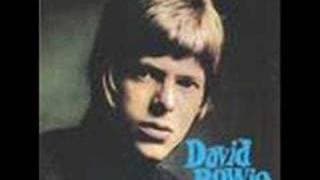
Rick Wakeman's piano, Bowie's own saxophone, and a stutter on the title that flopped before it defined him.
Written as "No Future," banned by the BBC, and stuck at number two amid loud suspicion of chart rigging.
Withers bought a small piano, ran his fingers up the keys, and found the coal-town kinship he missed.
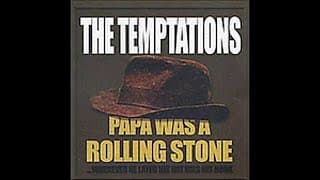
Nearly four minutes of bass, hi-hat and lone trumpet before anyone sings, and the groove never sags.
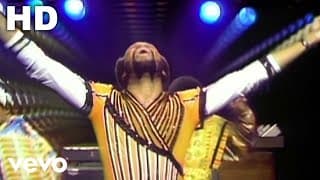
Willis wanted real words instead of ba-dee-ya; White refused, and the groove outlived any lyric she could have written.
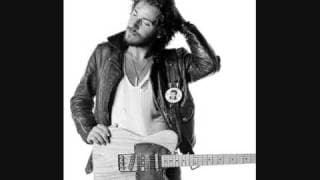
Bittan's piano, a harmonica, and a screen door slamming; Springsteen lifted the title from a Robert Mitchum film poster.
A 1965 Studio One ska tune rebuilt for Exodus, with Mayfield credited to keep the borrowing legal.
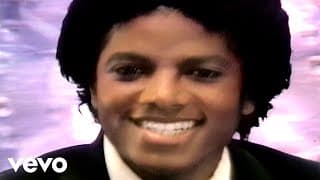
Jackson wrote it himself and steered the session; a whisper, a water-bottle rattle, then Louis Johnson's bass takes over.
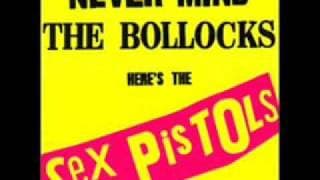
Lydon picked anarchist because it rhymed with antichrist; EMI dropped the band six weeks later and punk was loose.
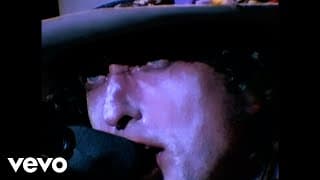
Dylan recut it in Minneapolis with his brother producing, then spent decades rewriting a story already told out of order.
Called Walpurgis until the label balked at the witchcraft, and Butler aimed the lyric at politicians who start wars.
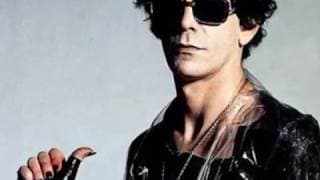
Herbie Flowers doubled upright and electric bass for a session fee, and Bowie's old sax teacher played the closing solo.
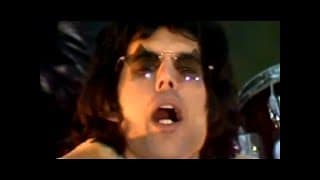
May came home from a Stafford gig where the crowd sang back, and built a chorus from stomps and claps.