2001: A Space Odyssey
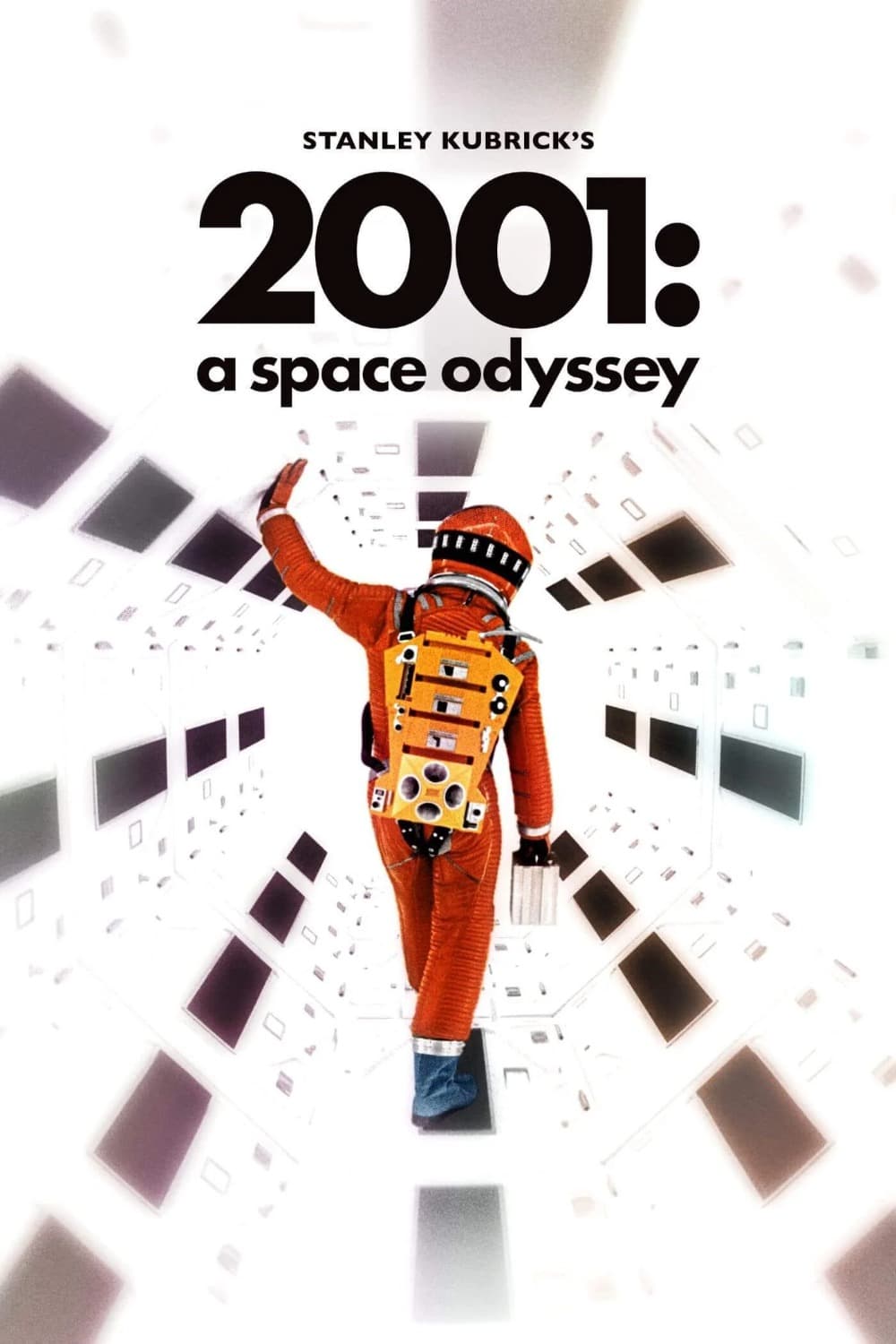
Kubrick took the audience from the first bone tool to the far side of Jupiter, explained almost nothing, and made every science fiction film since look domestic by comparison.

Kubrick took the audience from the first bone tool to the far side of Jupiter, explained almost nothing, and made every science fiction film since look domestic by comparison.

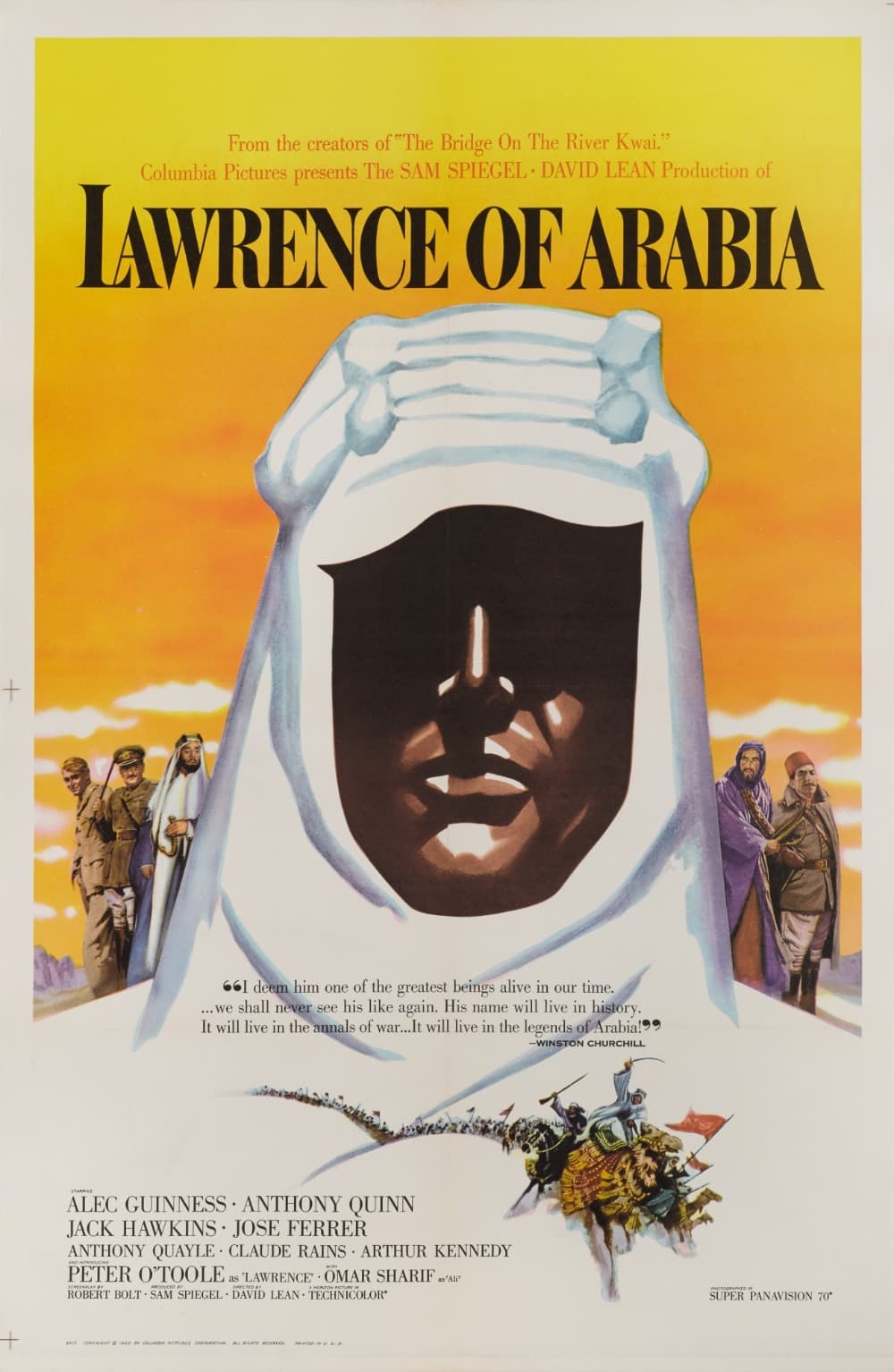
There is no better argument for seeing a film on the largest screen you can find: Lean's desert swallows the frame, and a British officer dissolves inside it over nearly four hours.

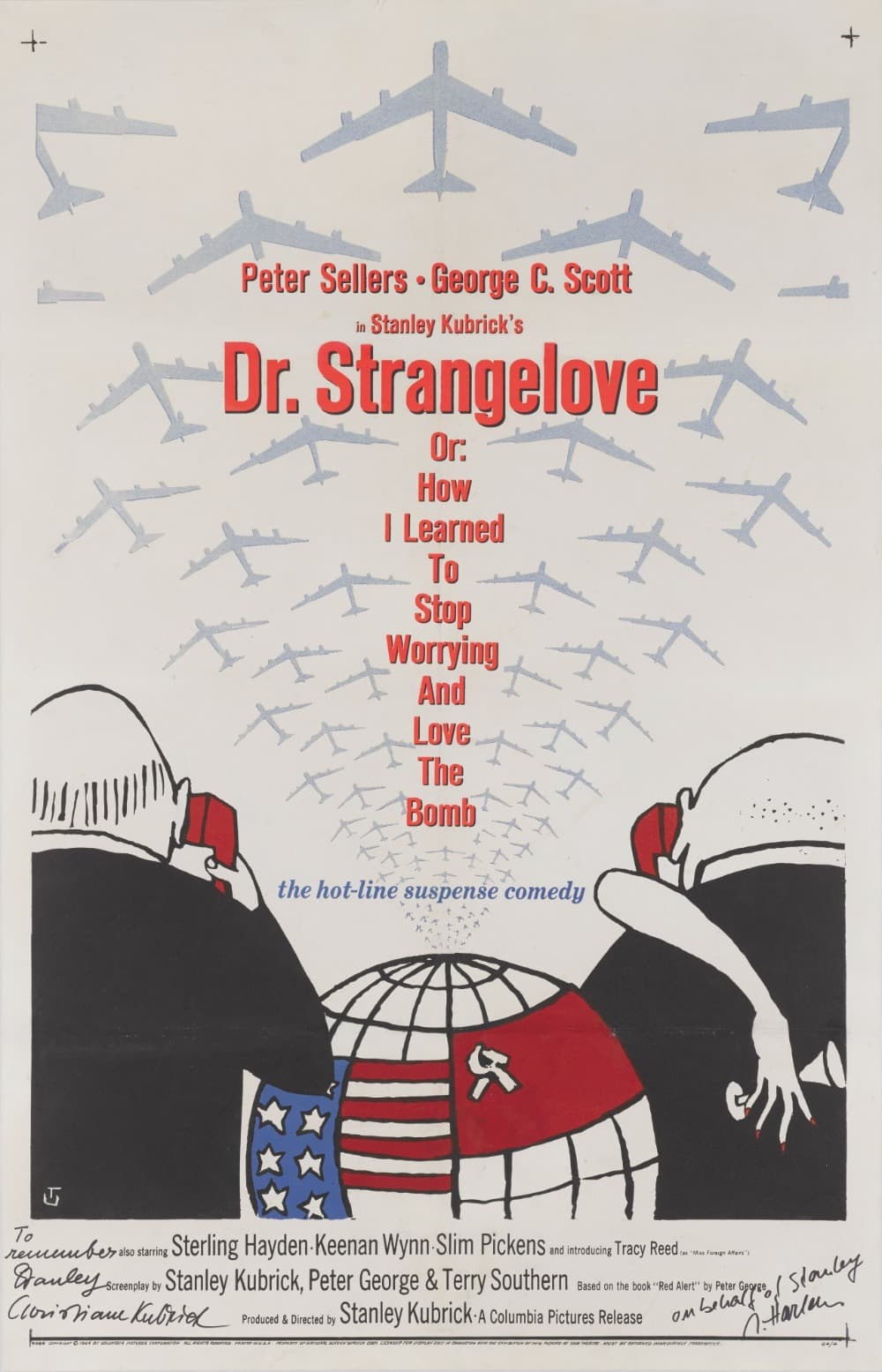
Nuclear annihilation has never been this funny, and never will be again: Kubrick worked out that the strategy was already absurd, and simply let his generals talk.

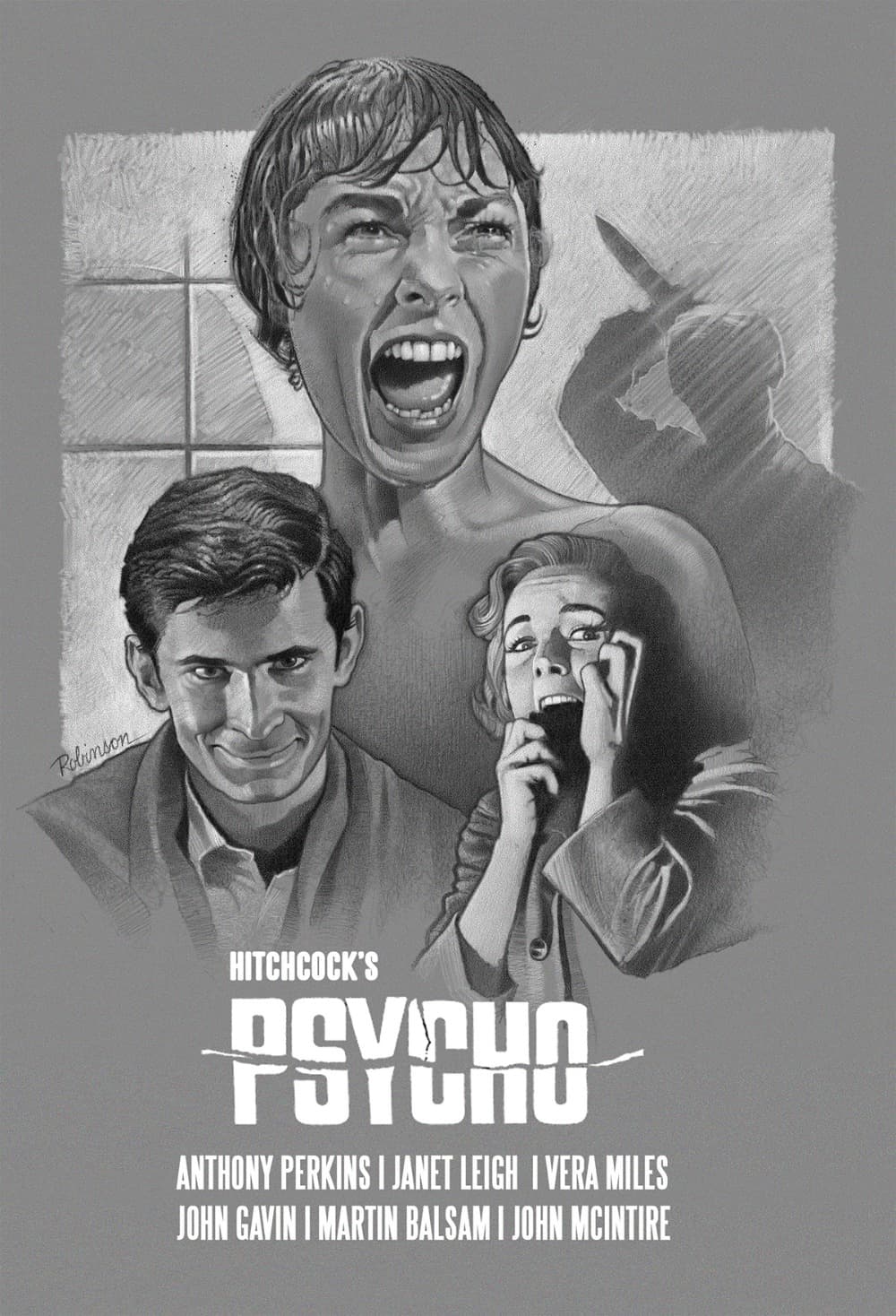
The film that invented modern horror: Hitchcock broke an unspoken rule about how a story is meant to behave, and every thriller since has been working in the space he opened.

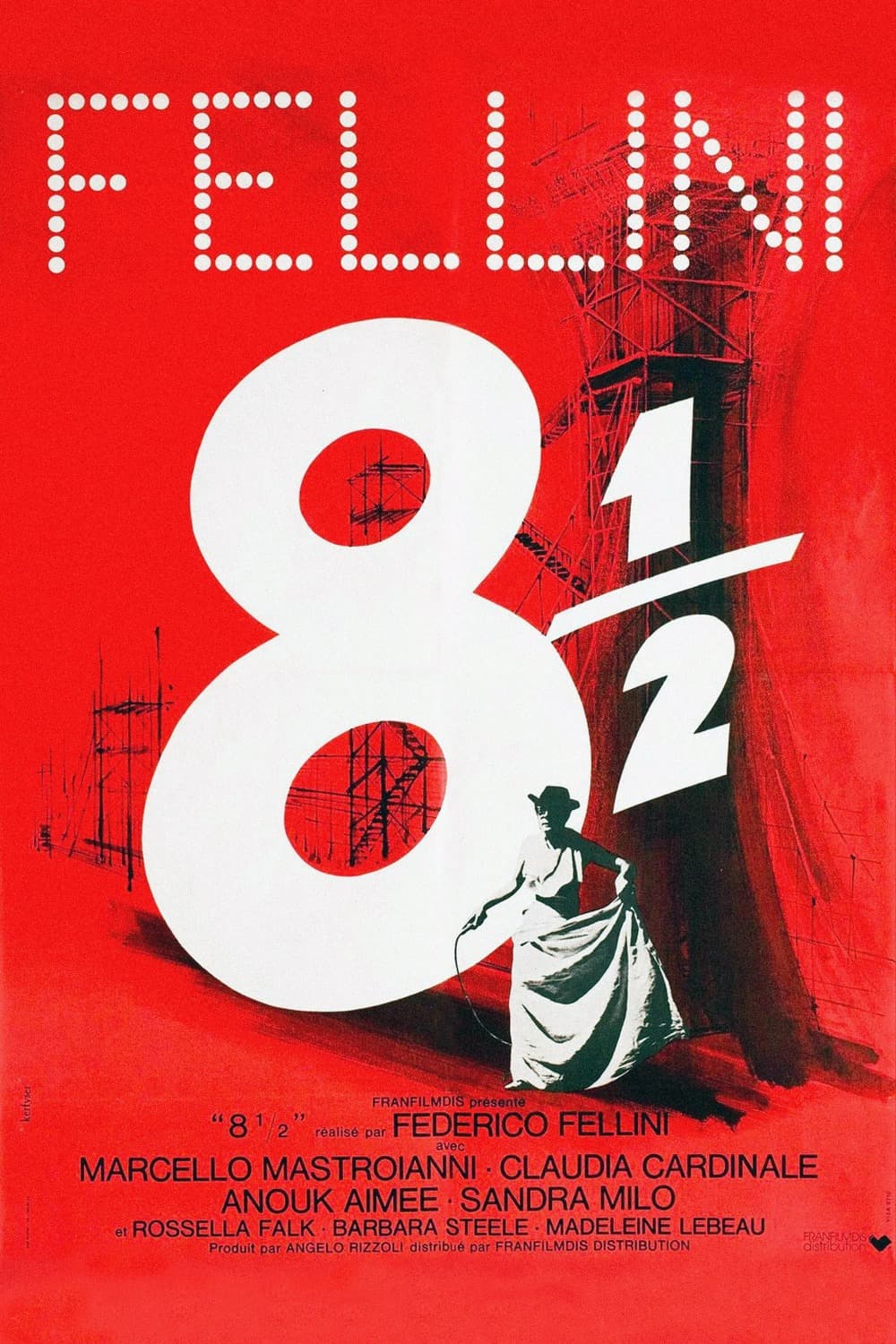
Fellini could not think of a film to make, so he made one about that: the result is a circus of memory and fantasy that every artist since has borrowed from.

The western as ritual: Leone holds on faces until the tension turns physical, gives every character a Morricone theme, and makes three hours feel like a ceremony.

No spaghetti western got higher, and no film score is better known: Leone shoots faces like landscapes, and Morricone's music does as much work as the dialogue.

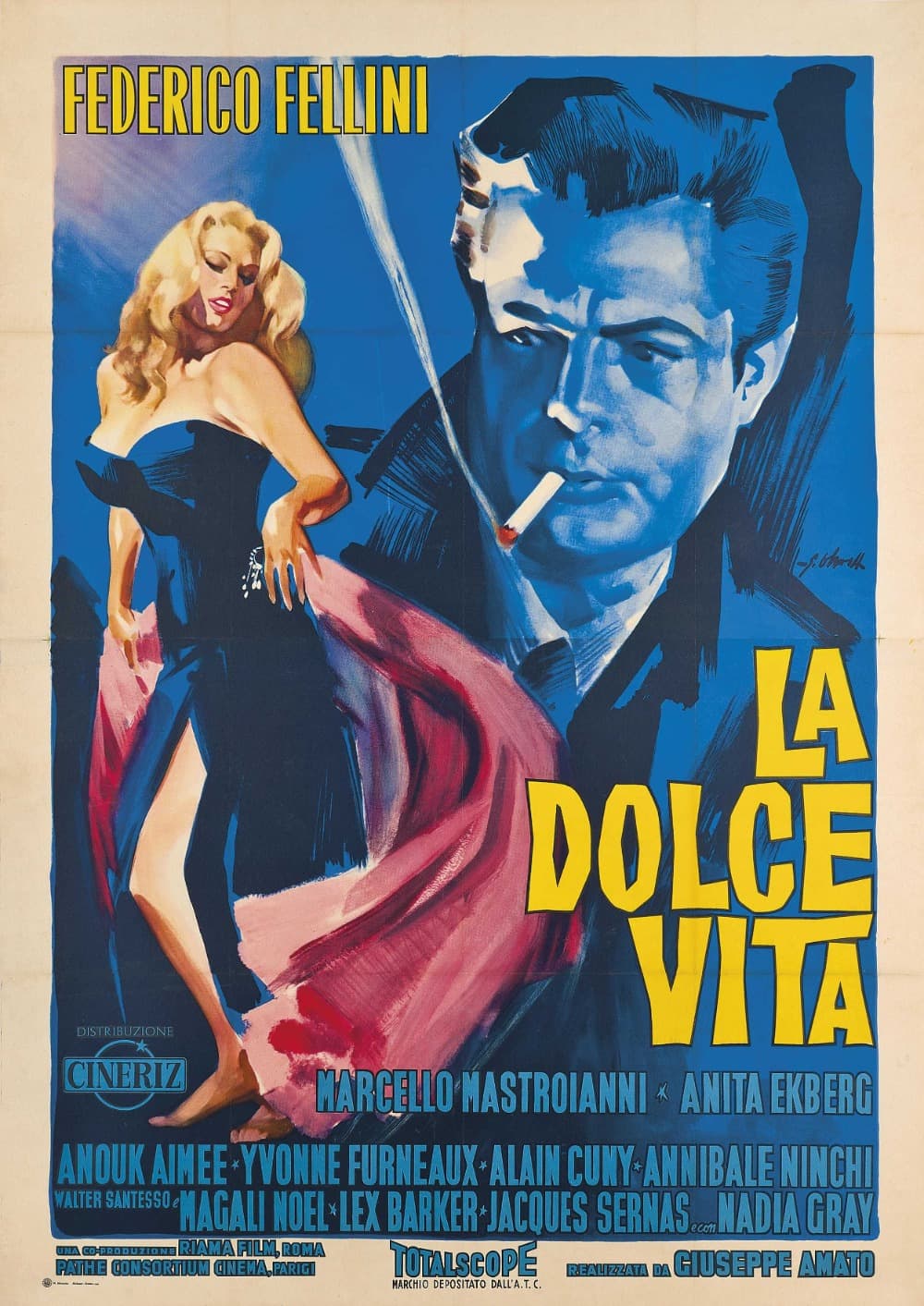
It put the word paparazzi into every language on earth: Fellini drifts through seven Roman nights of parties and beautiful exhaustion, and the fountain at dawn became permanent.

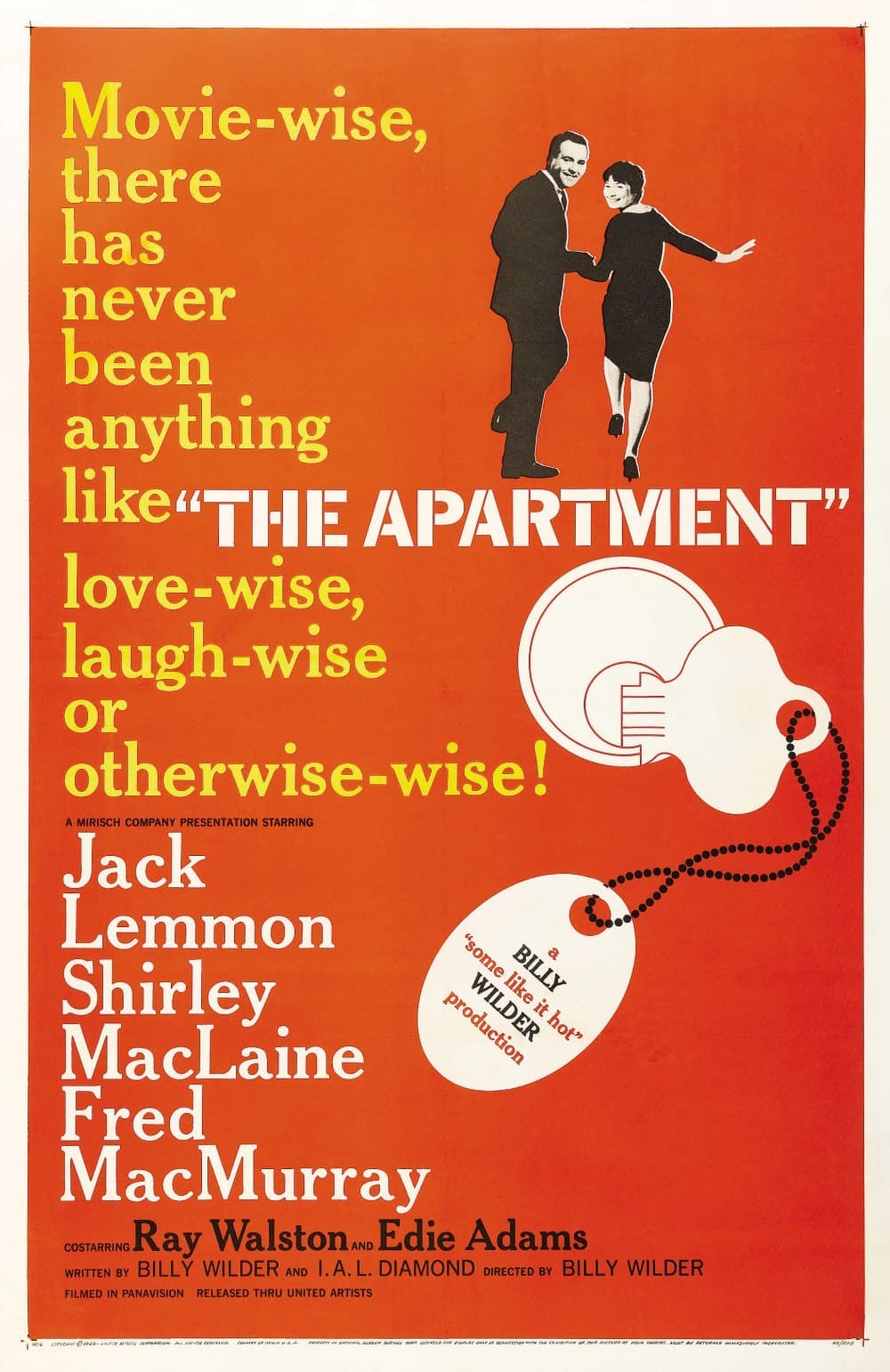
A comedy that breaks your heart and stays funny while doing it: Wilder took the sourest possible subject, a man lending his bed to his bosses, and made it warm.

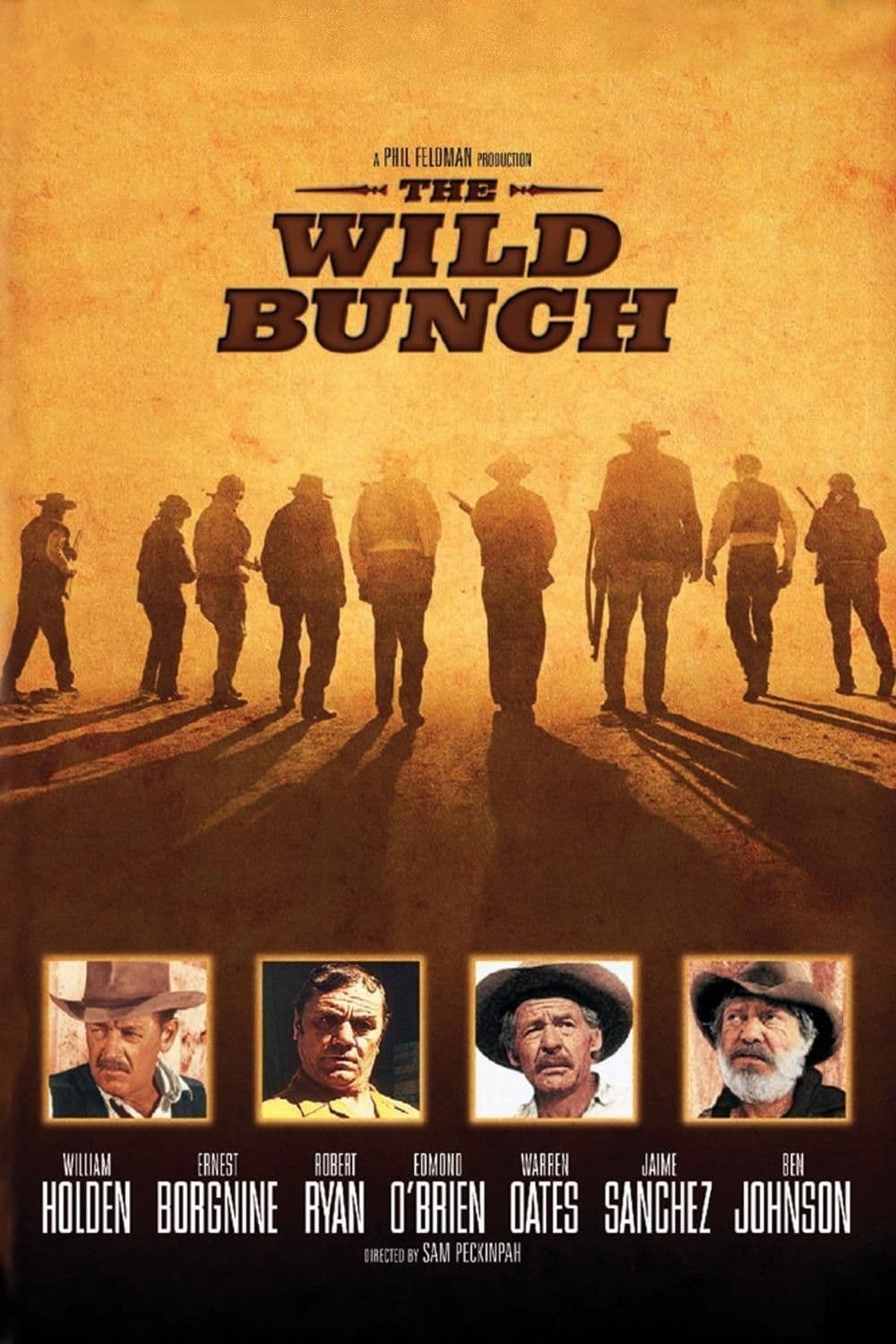
Peckinpah showed at once what the new ratings system had licensed: slow motion, six cameras firing together, and a body count that made every western before it look polite.

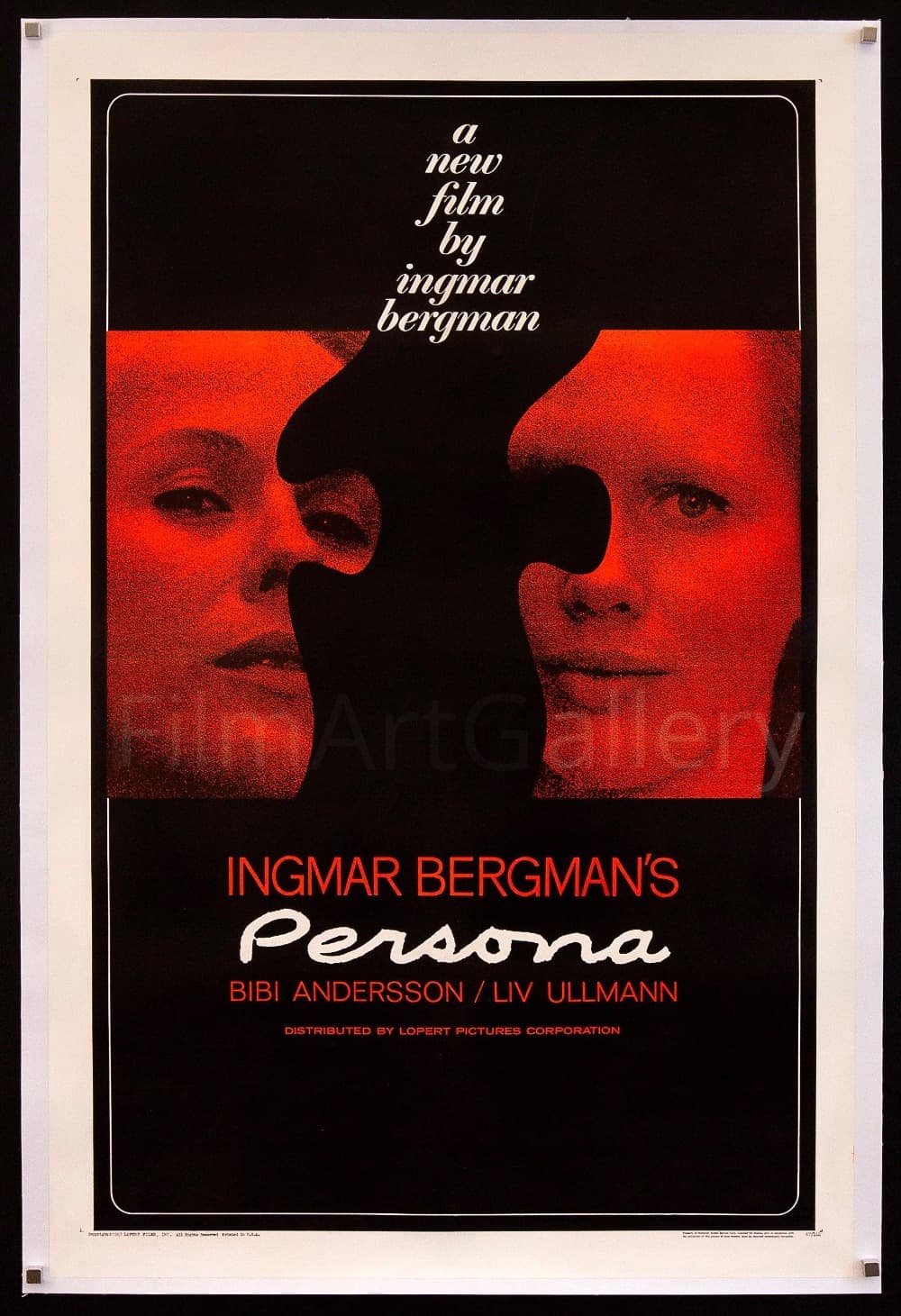
More has been written about this film than almost any other: Bergman put two women on an island until their faces merged, and left everyone to explain what happened.

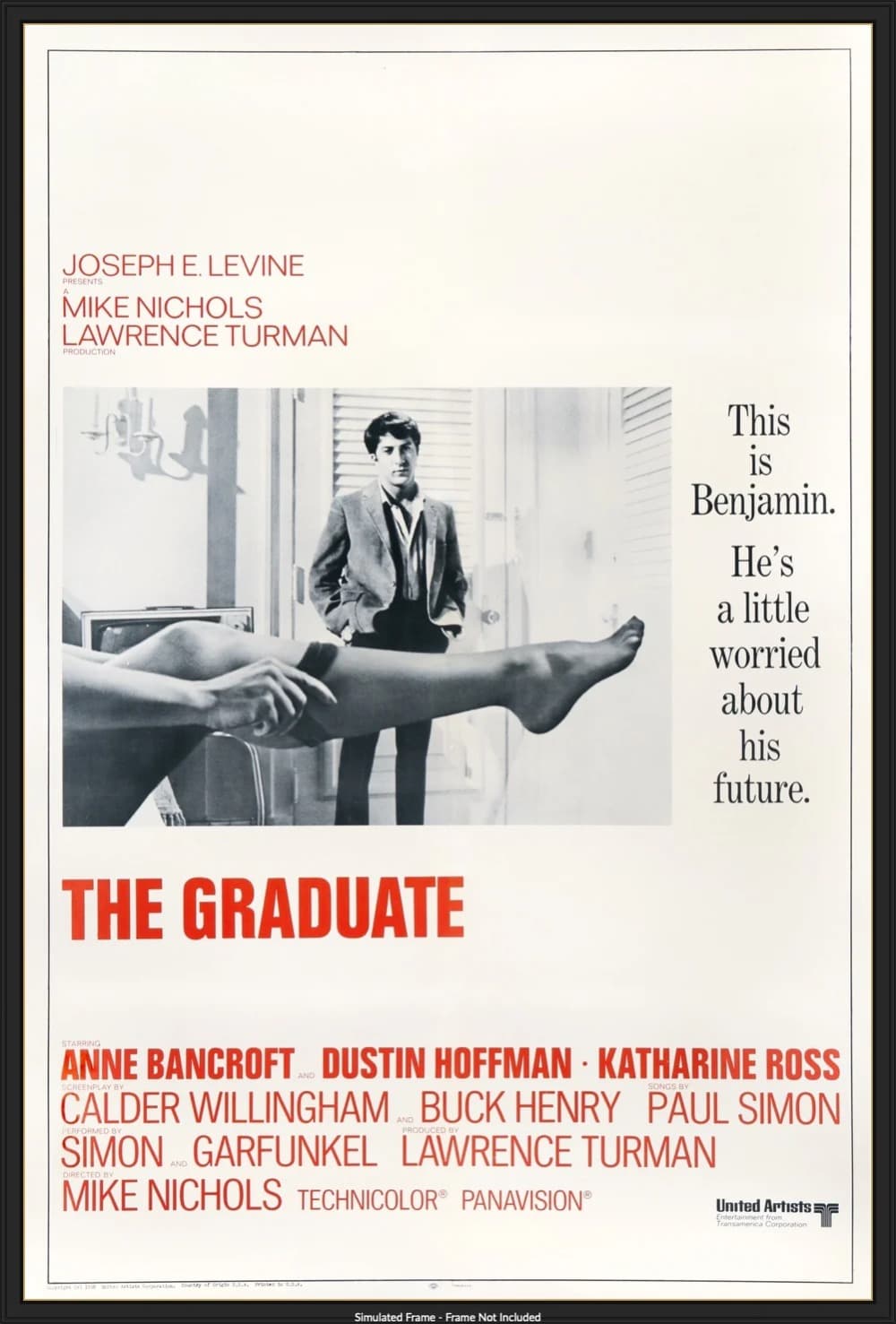
A generation was told their parents were wrong and believed it: Nichols made aimlessness look cinematic, and the soundtrack put Simon and Garfunkel into every house in America.

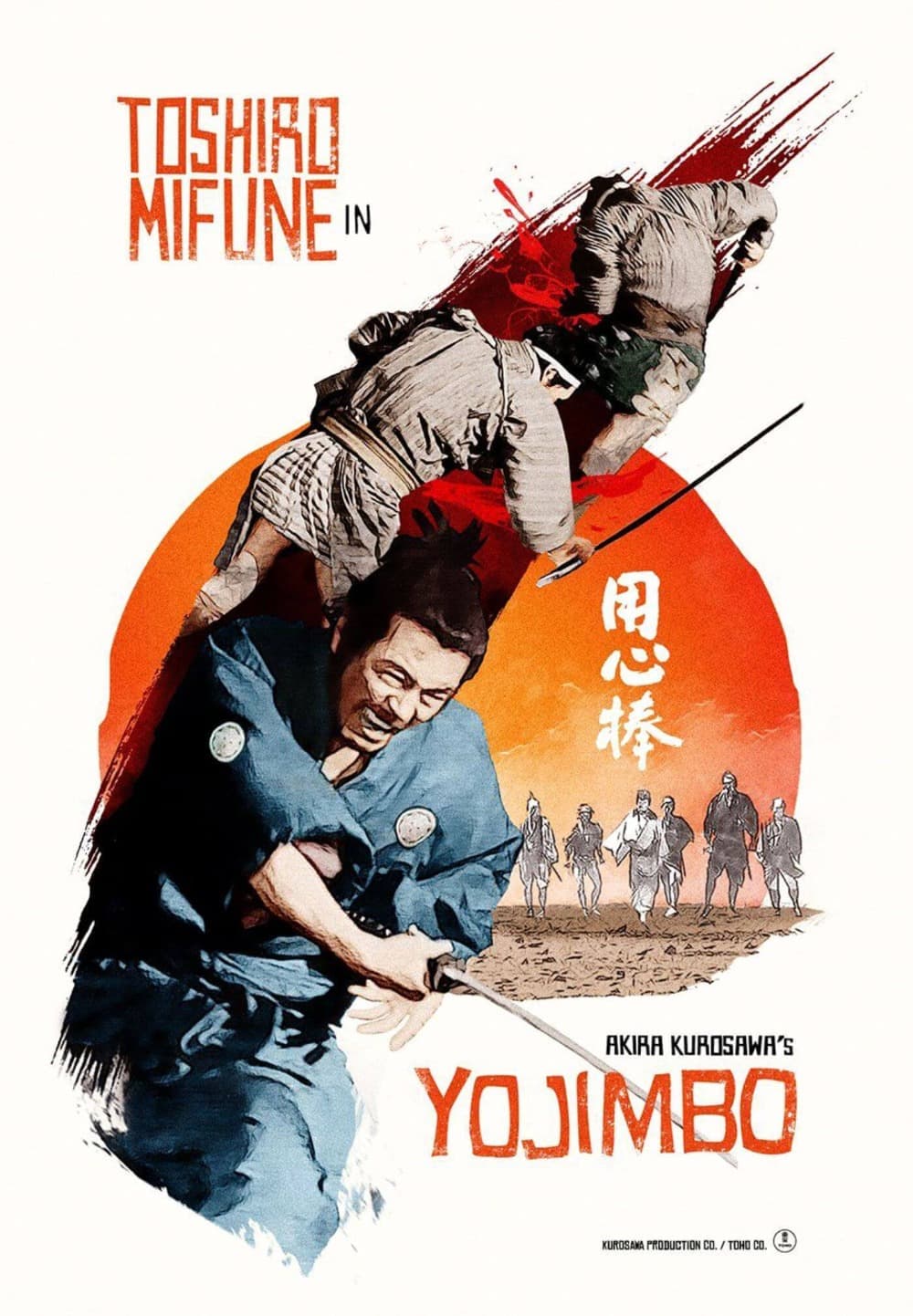
Leone took it wholesale for A Fistful of Dollars and Toho forced a settlement out of court: Kurosawa's samurai playing two gangs against each other is the template everyone still uses.

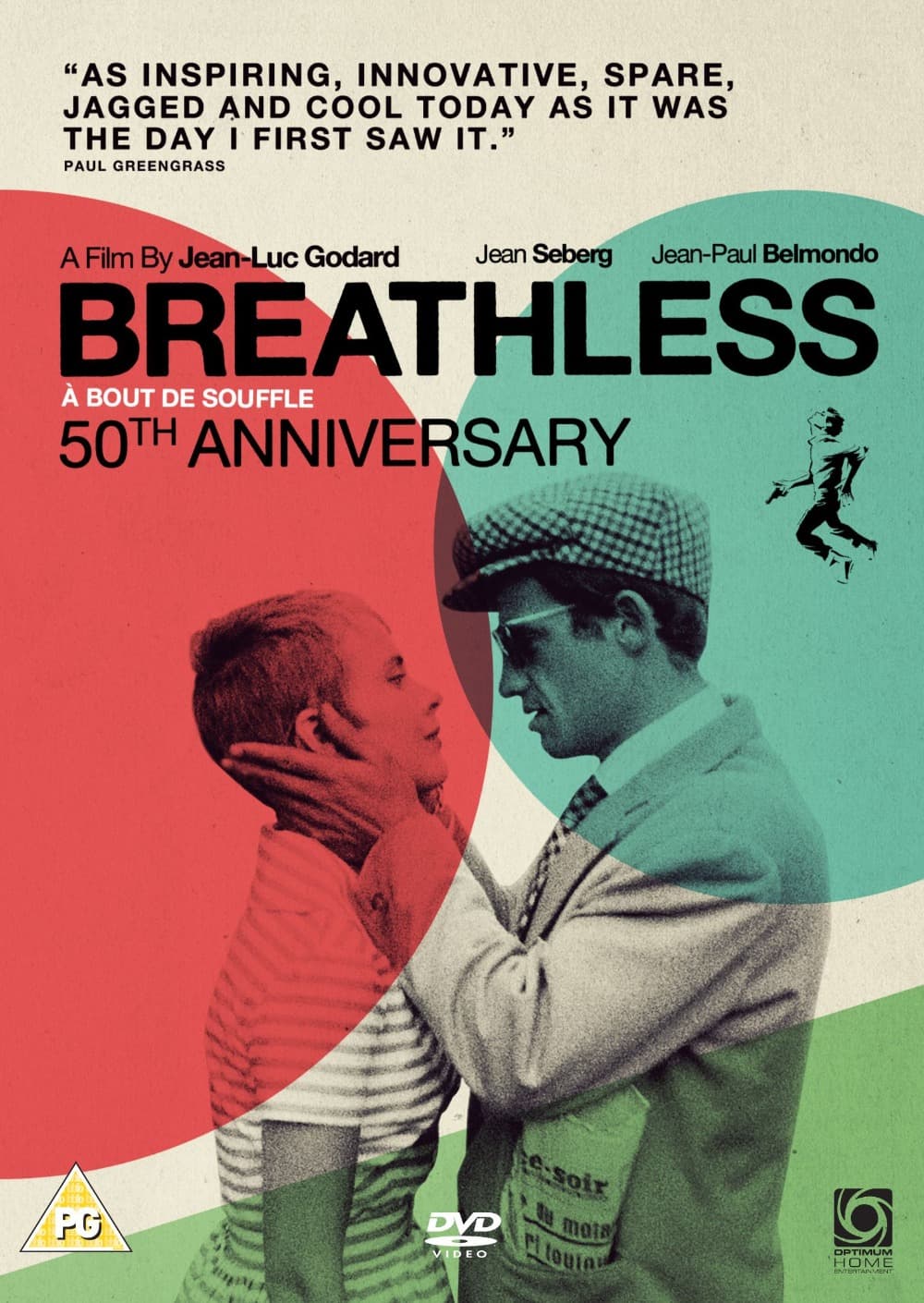
Modern film editing starts here, and partly by accident: Godard shortened an overlong picture by cutting inside his own shots, and the jump cut has been legal ever since.

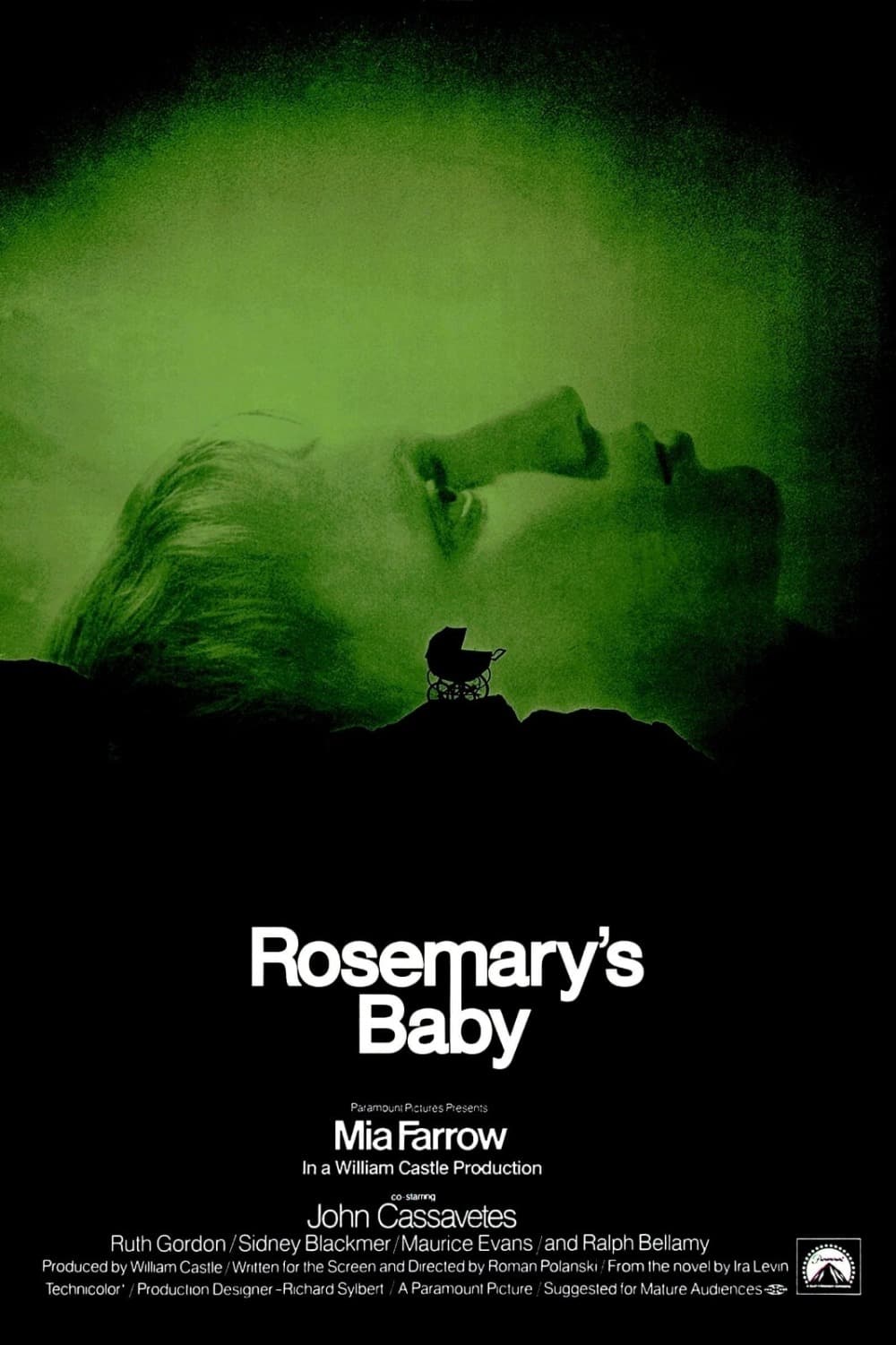
Horror discovered it did not need monsters: Polanski built two hours out of a young wife nobody believes, and the dread comes entirely from politeness and closed doors.

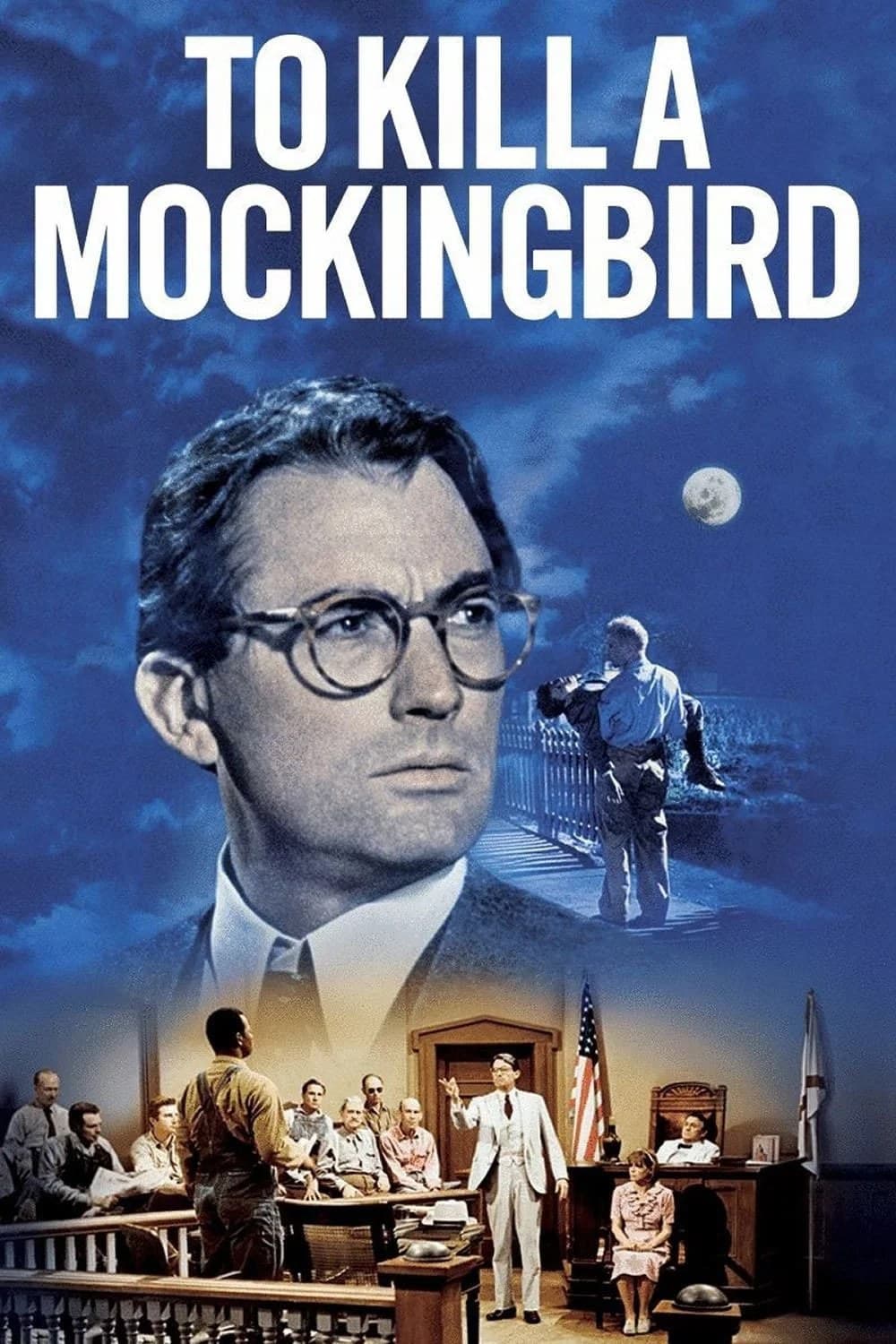
Gregory Peck gave America the father it wanted to believe in: a small-town lawyer defends a Black man in a case the town has already decided, seen through his daughter's eyes.

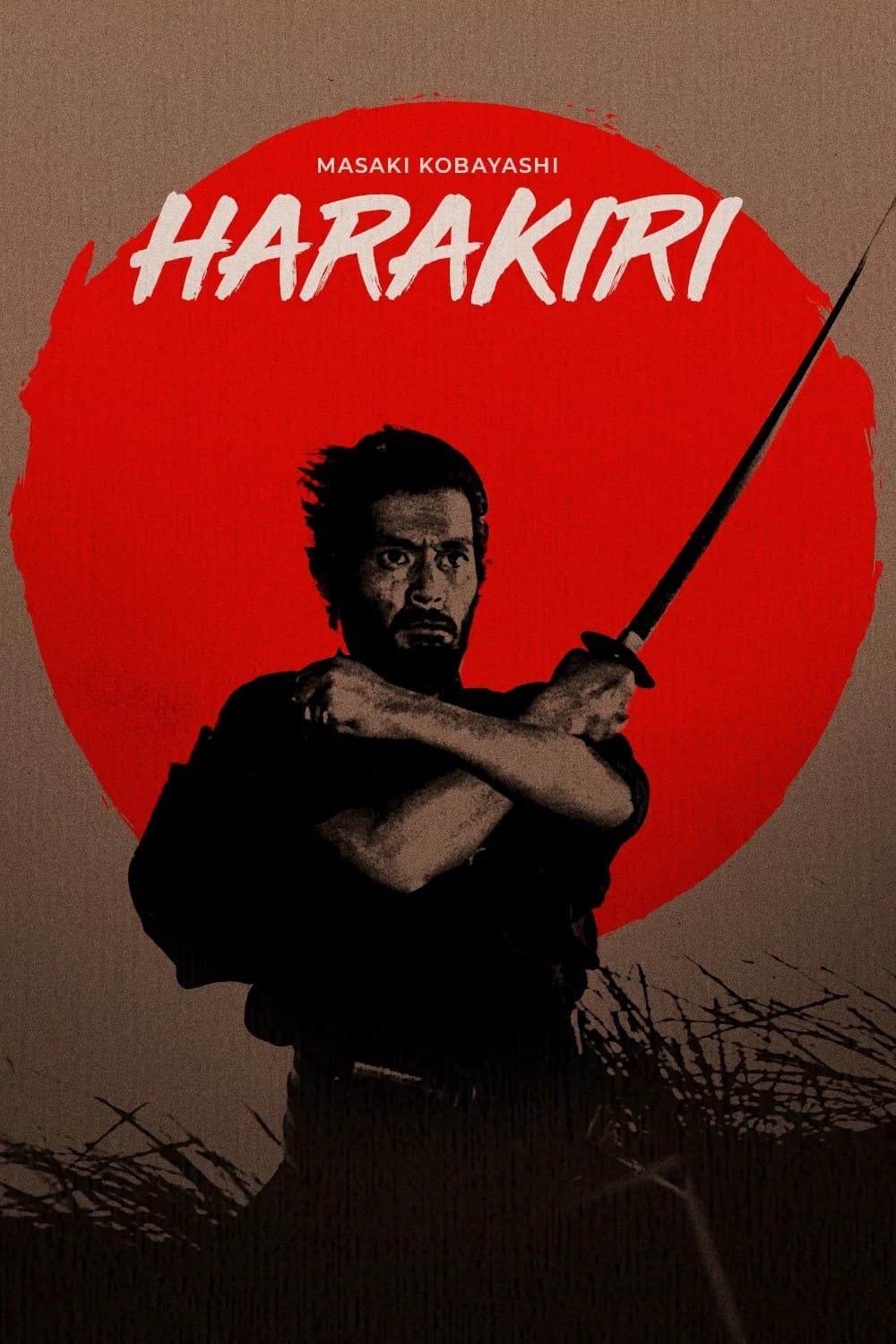
Kobayashi took the samurai film apart from the inside: an old warrior asks to die in a lord's courtyard, and what he says first dismantles the entire code of honor.

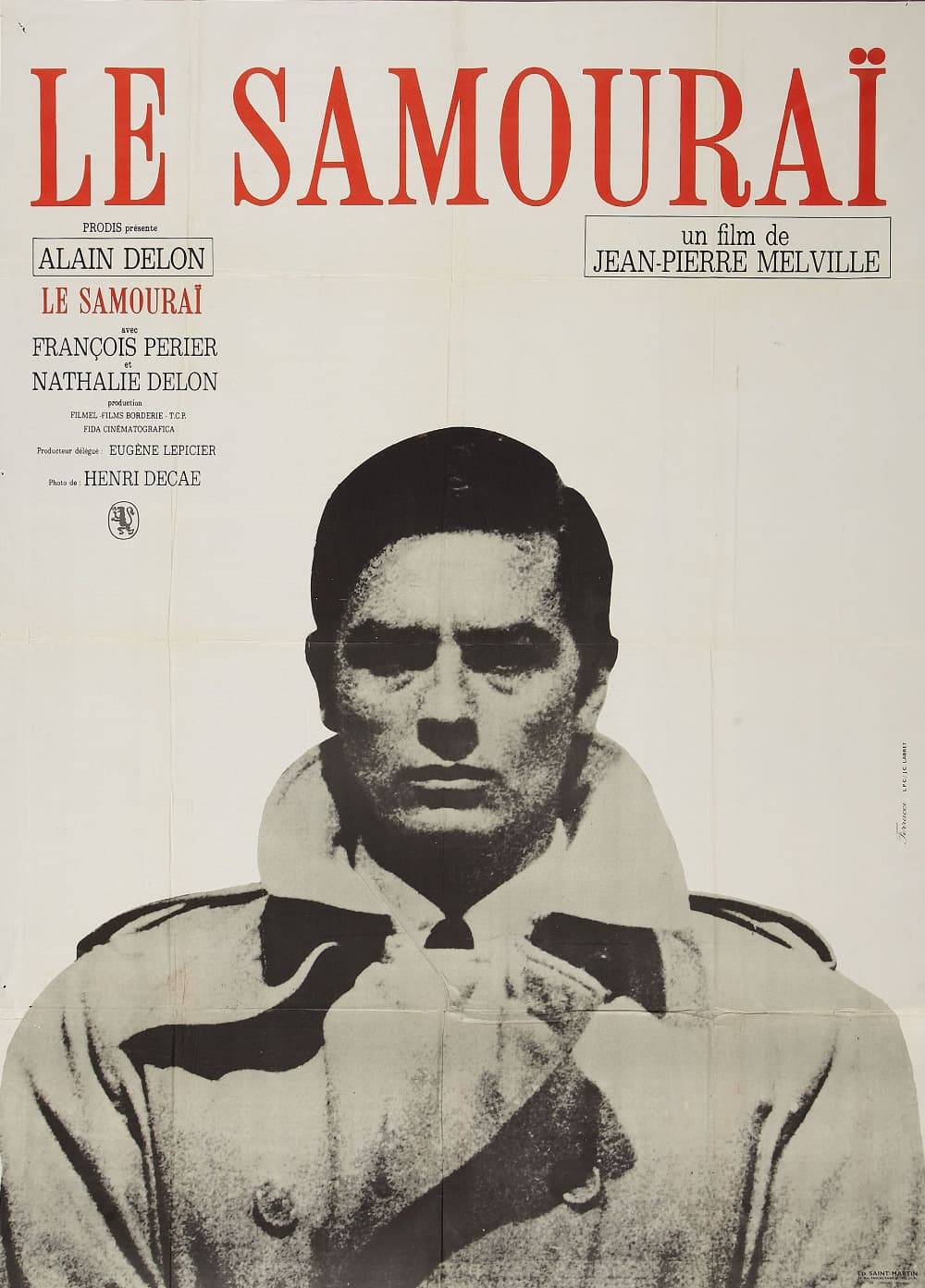
Every filmmaker who has ever shot a hitman putting on a hat is quoting this: Melville stripped the crime film down to ritual, silence and a trench coat.

Varda was the one woman the New Wave could not leave out, and this is her breakthrough: ninety minutes of a singer walking Paris, waiting on news.

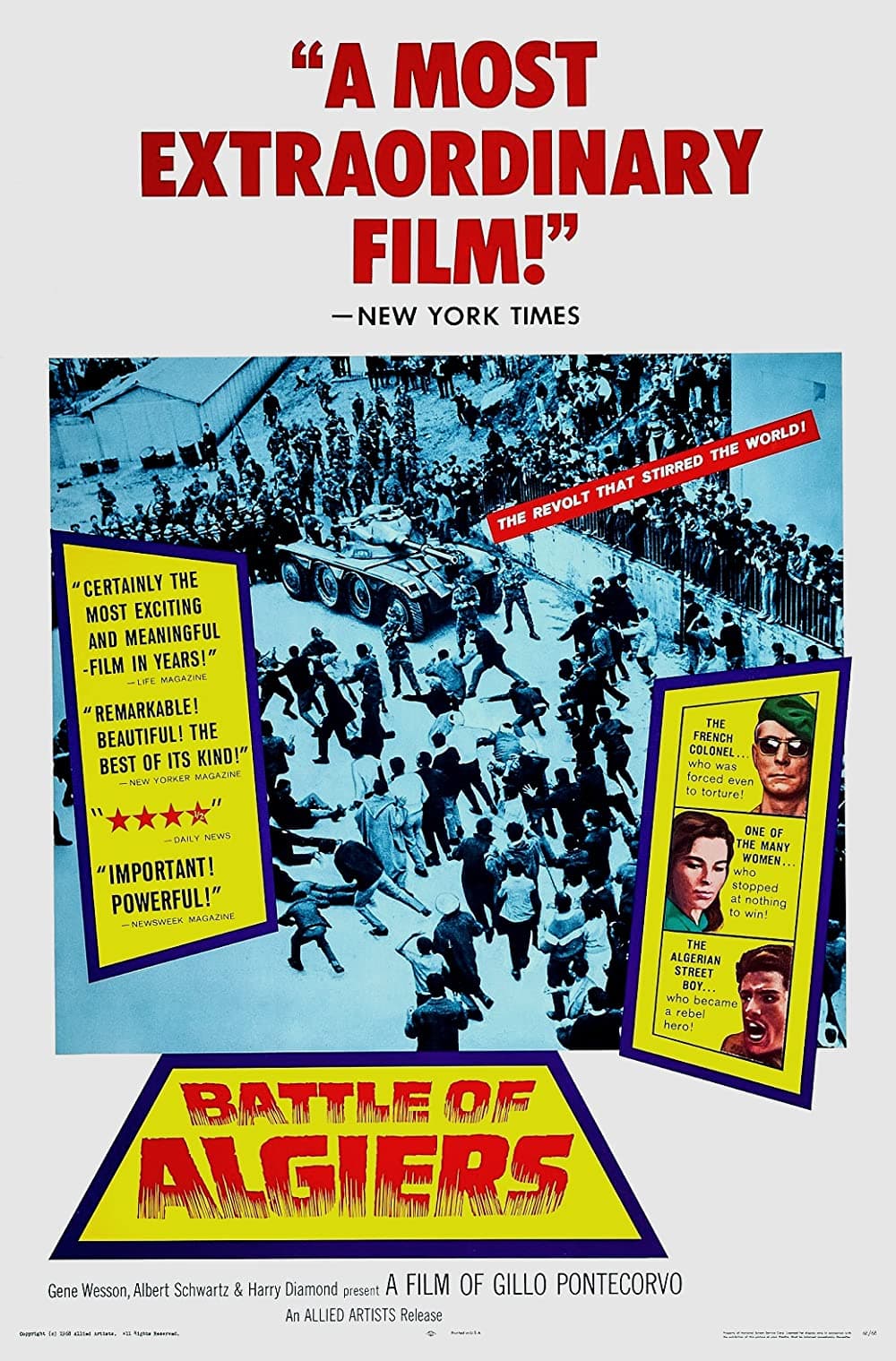
Both armies and revolutionaries have studied it as a manual: Pontecorvo staged the Algerian insurgency so plainly that audiences have always mistaken parts of it for newsreel footage.

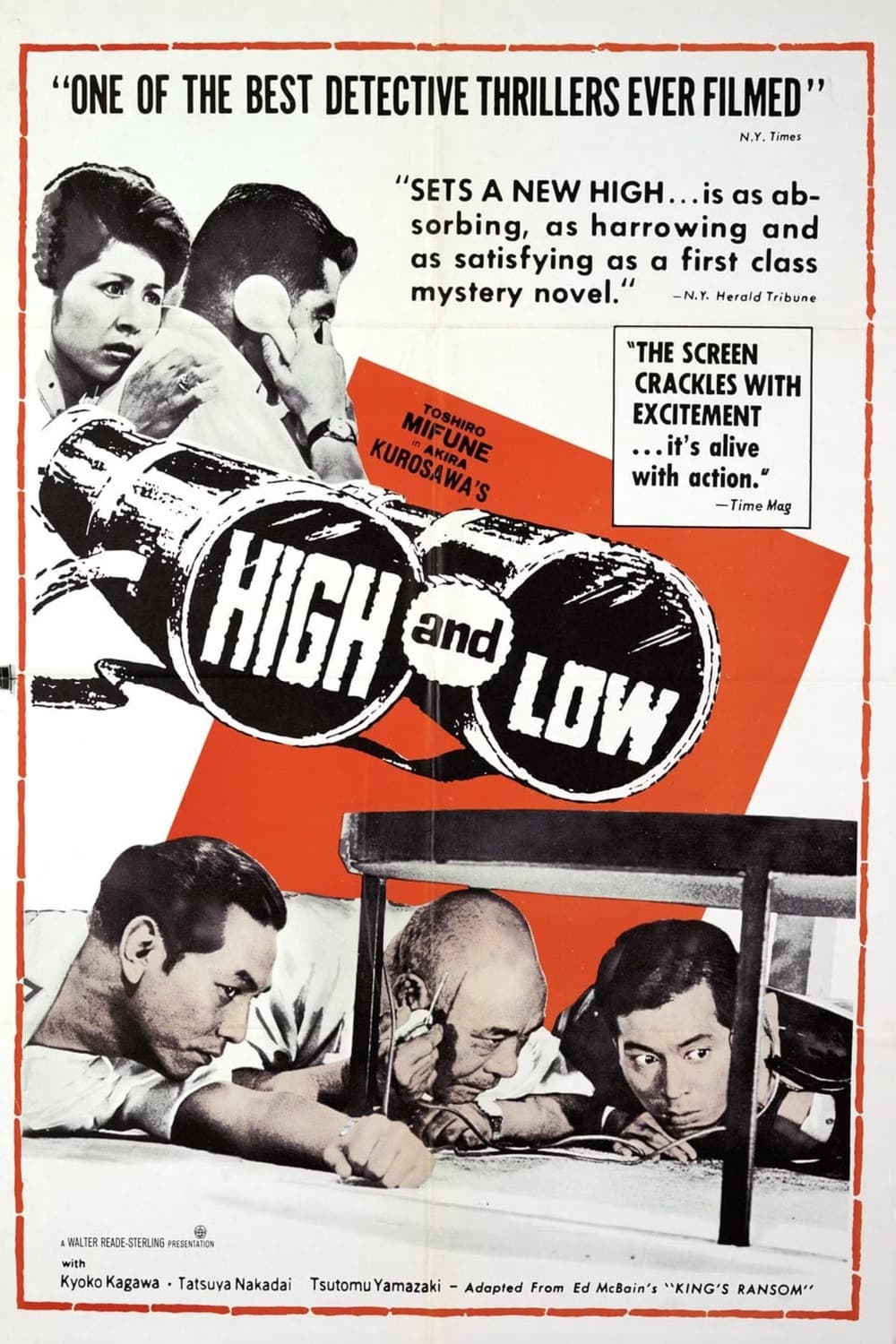
Kurosawa spends the entire first hour inside one house and it is unbearable: a rich man learns the kidnappers took the wrong child and still want his money.

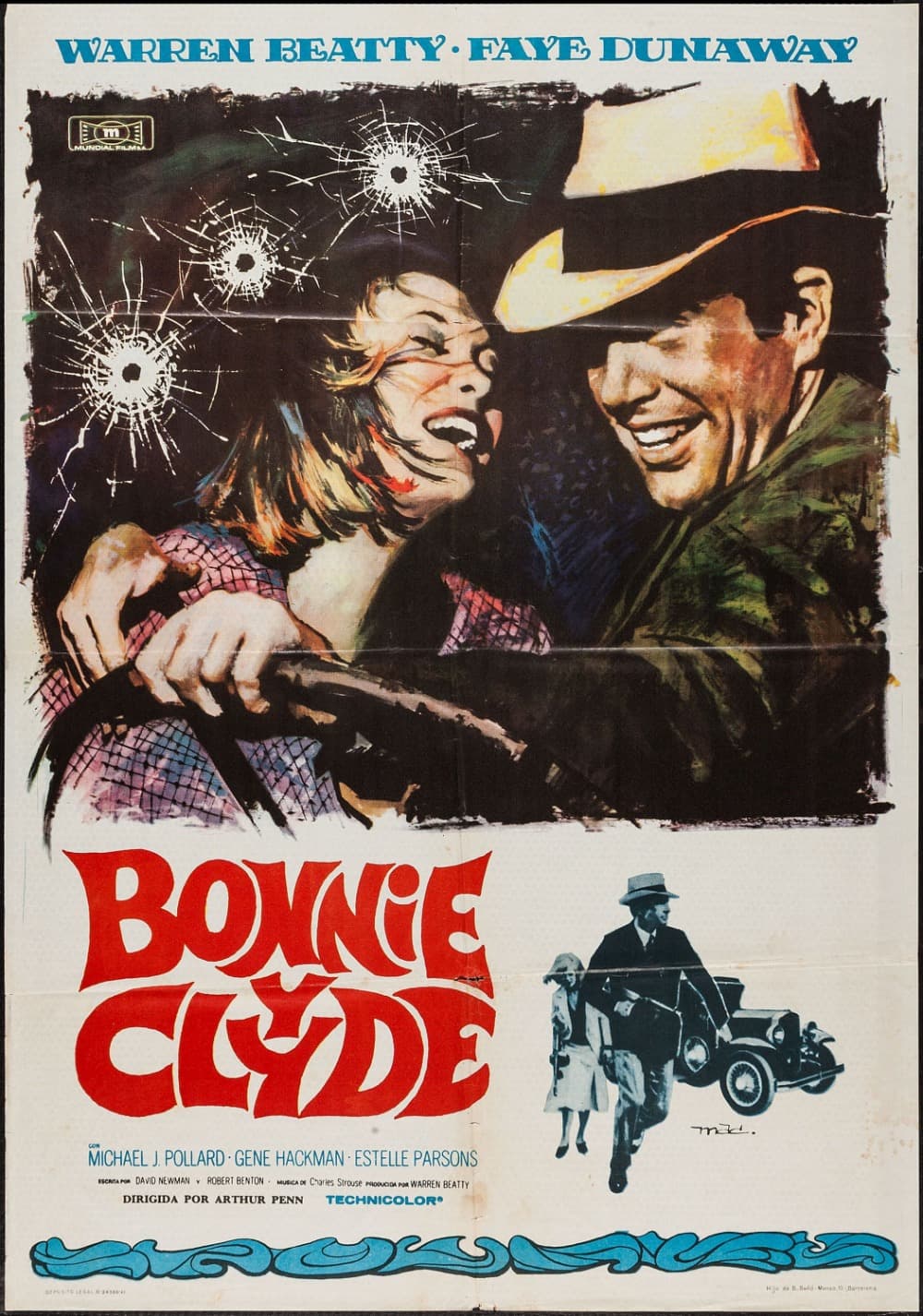
New Hollywood starts here: the violence was unlike anything American films had shown, the Newsweek critic who panned it printed a retraction a week later, and the studio system collapsed.

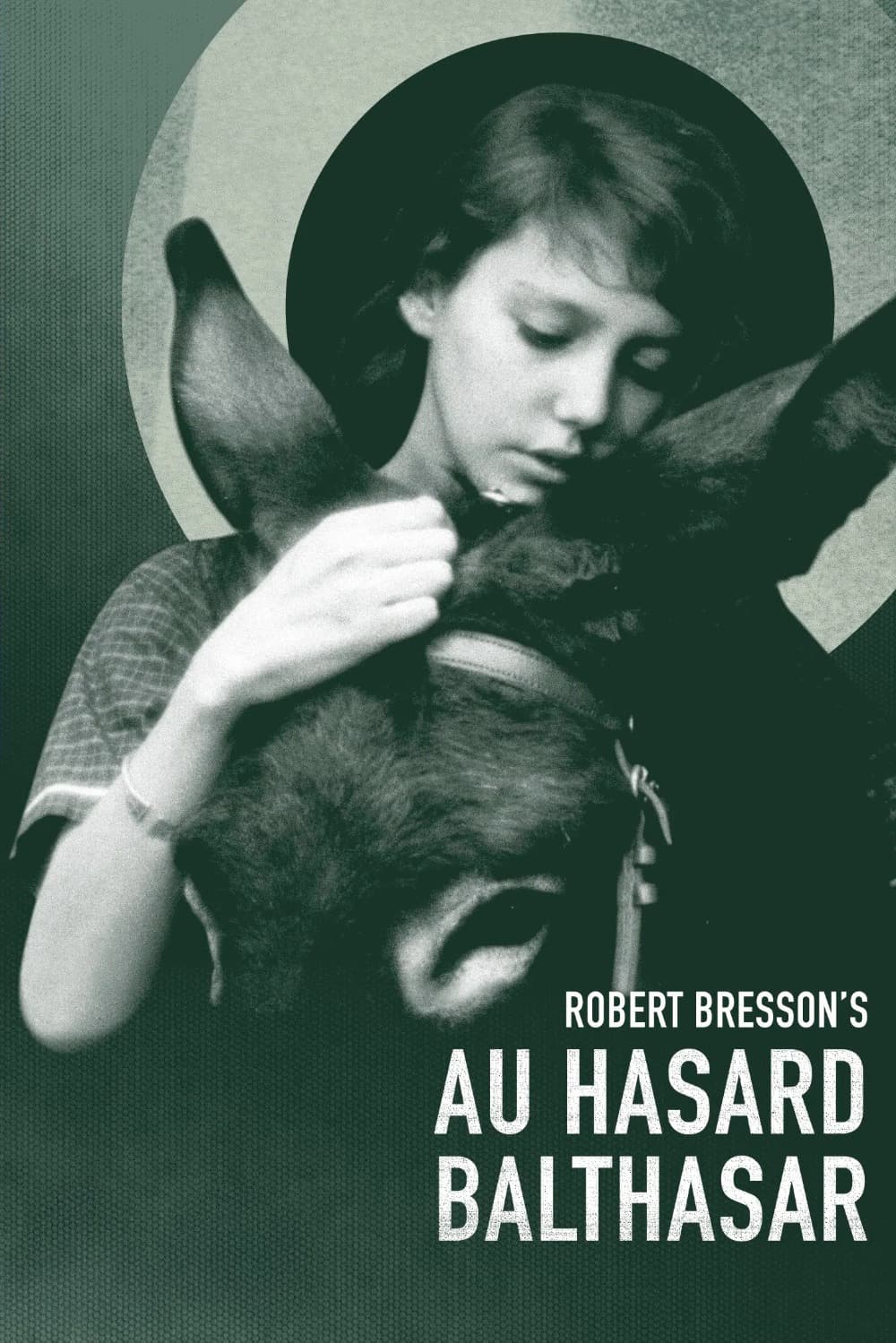
Godard said it contained the world in an hour and a half: a donkey passes from owner to owner, and Bresson makes cruelty and grace arrive without warning.

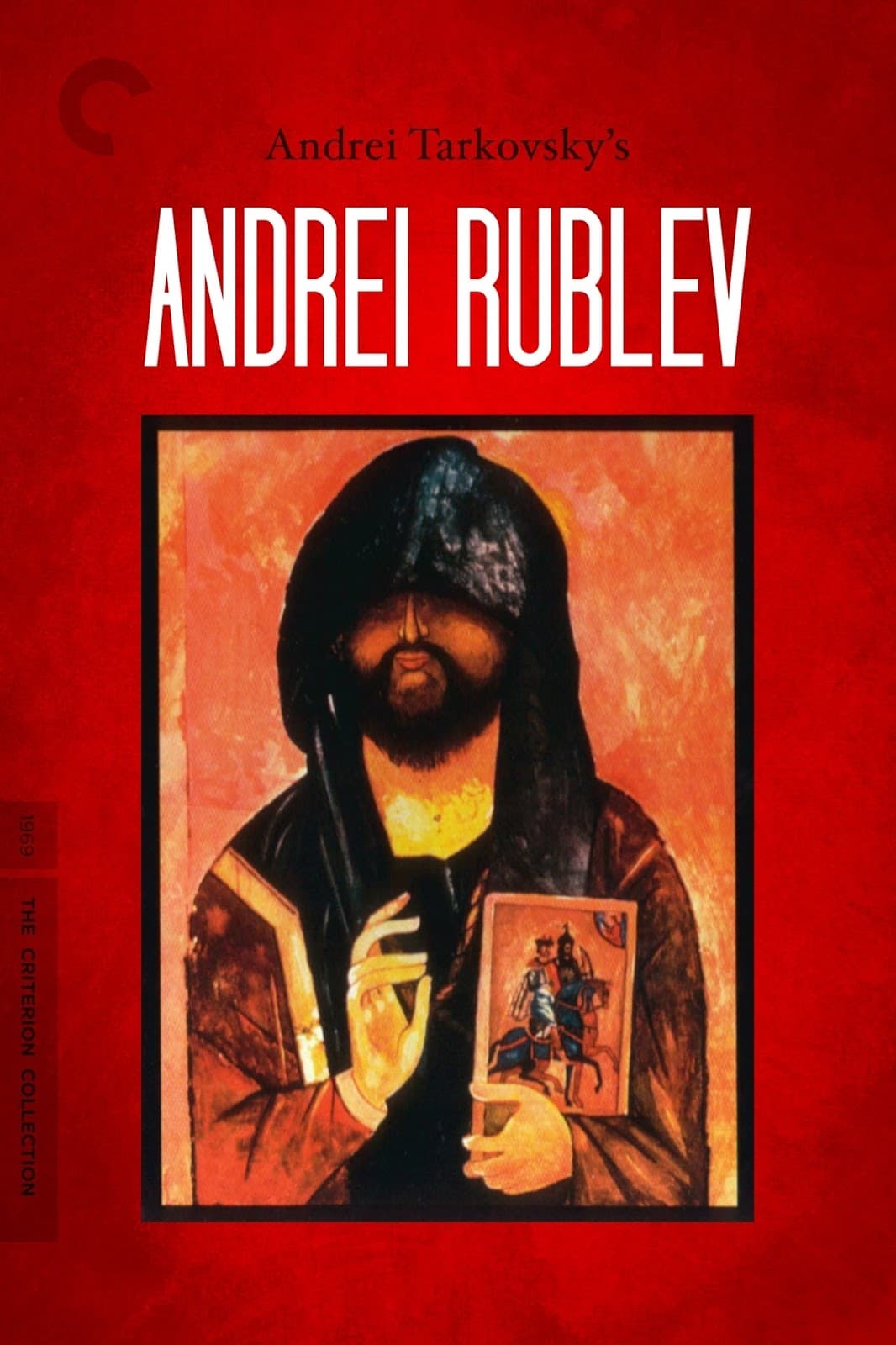
The Soviets shelved it for years and cut it repeatedly: Tarkovsky follows an icon painter through a brutal Russia, and the bell casting sequence justifies the whole three hours.

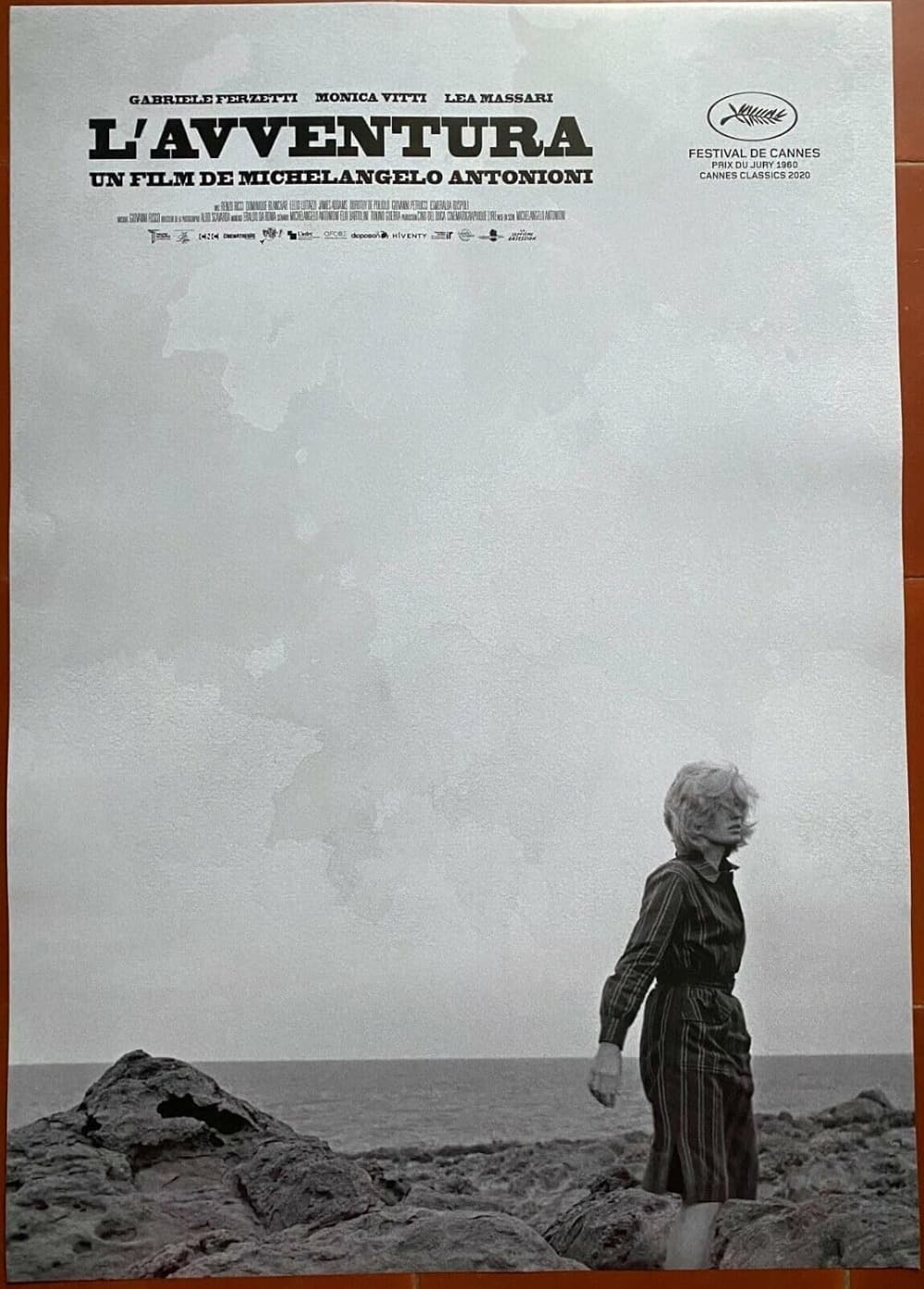
It was booed off the screen at Cannes and won a prize at the same festival: Antonioni made drift and boredom into subjects, and cinema has been arguing since.

Ford's last word on the myths he spent forty years building: it gave American English the phrase about printing the legend, and it is the bleakest western he made.

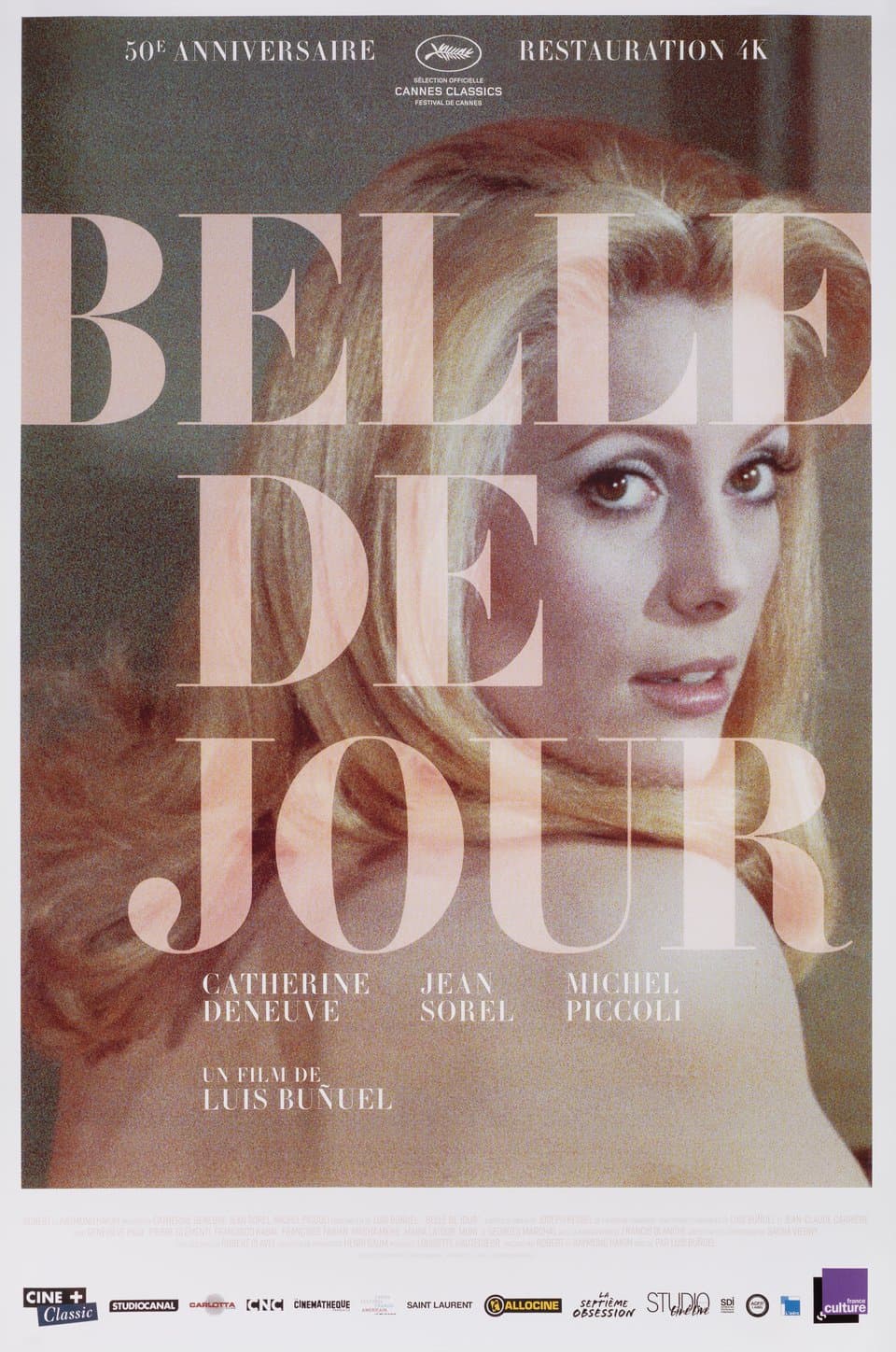
Bunuel's most seductive film, and the role Deneuve never quite escaped: a bored bourgeois wife takes afternoon work in a brothel, and her fantasies blur in without warning.

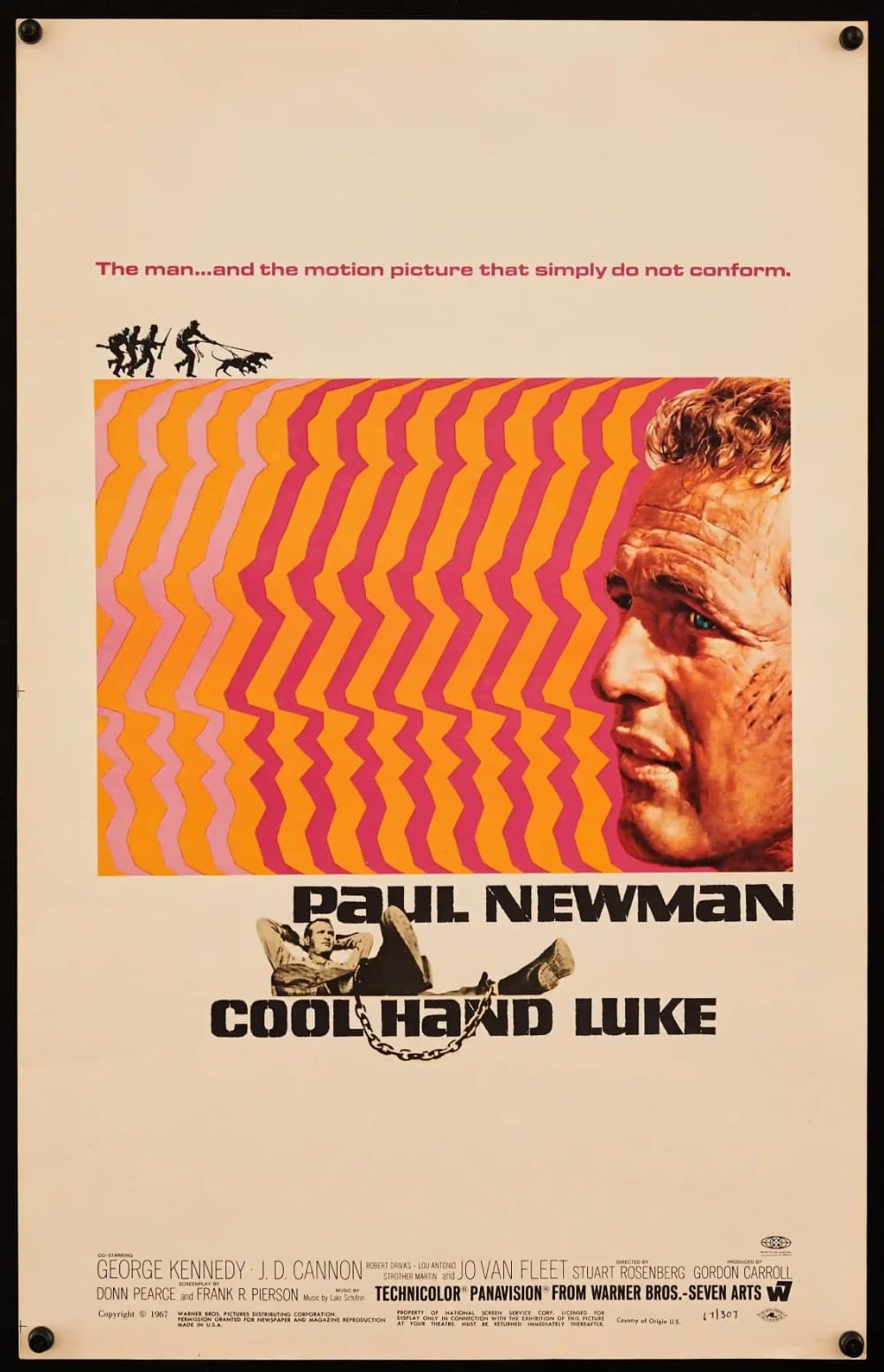
American English took a line about failure to communicate from it, and Newman his best role: a man who will not be broken, on a chain gang that keeps trying.

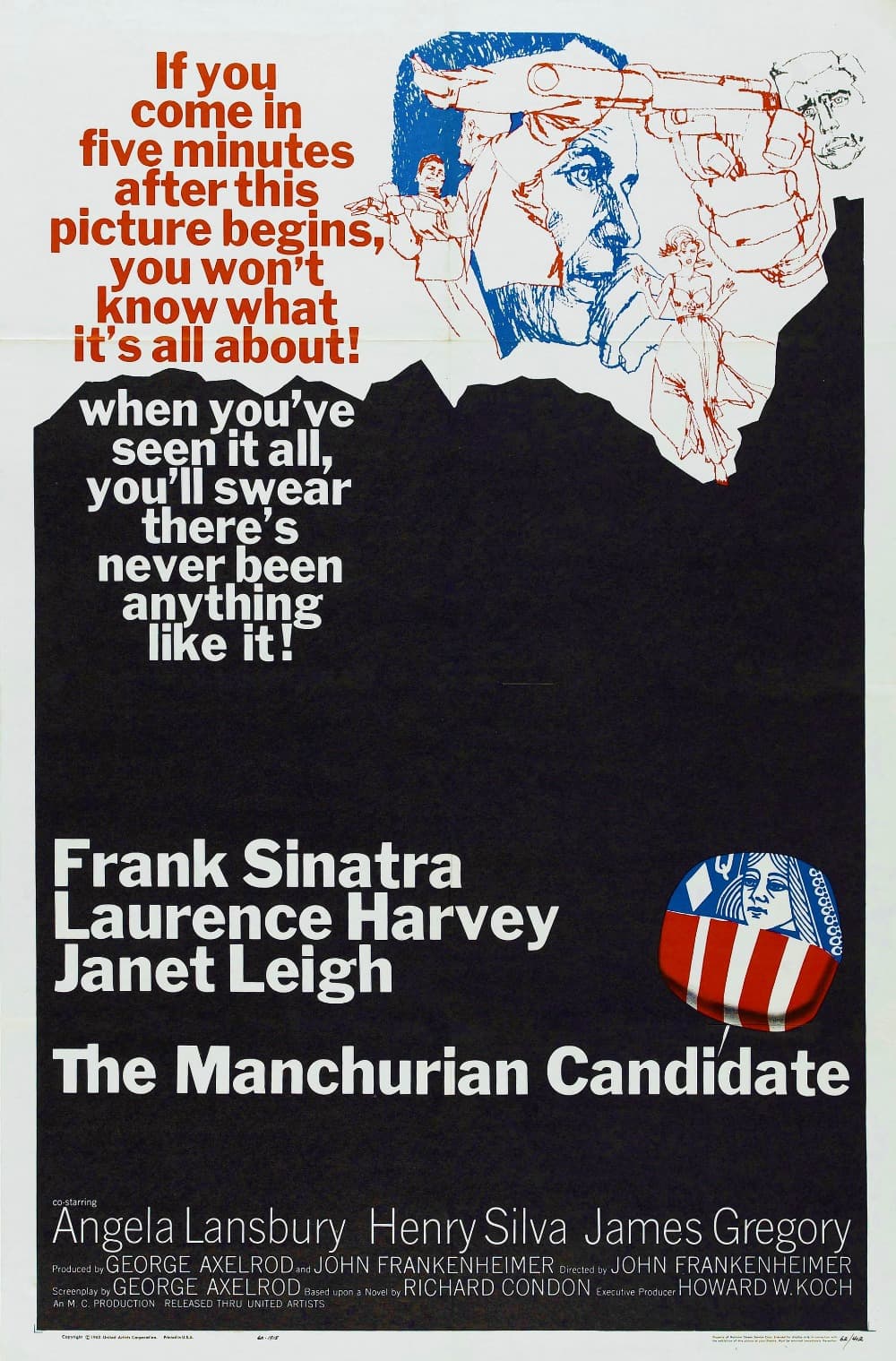
It sat out of circulation for fifteen years over a rights dispute, not the assassination myth people repeat: a Korean War veteran cannot shake a dream about his own platoon.

Two men have never been better company on screen: Newman and Redford spend the film running out of frontier and enjoying each other far too much to panic.

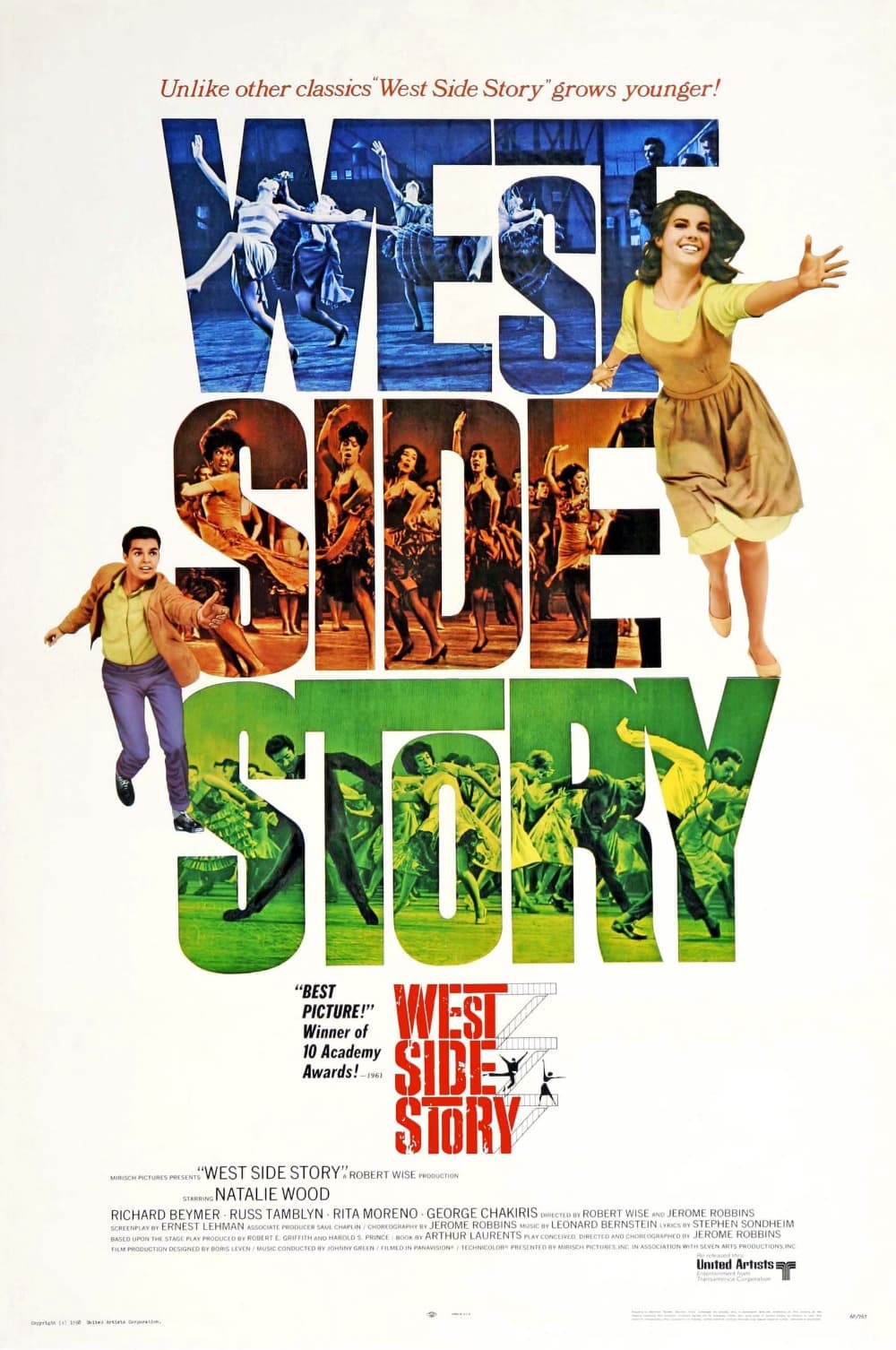
Romeo and Juliet moved to two New York gangs, and the dancing spills out of the theater into real streets: nothing on film snaps like Robbins's choreography.

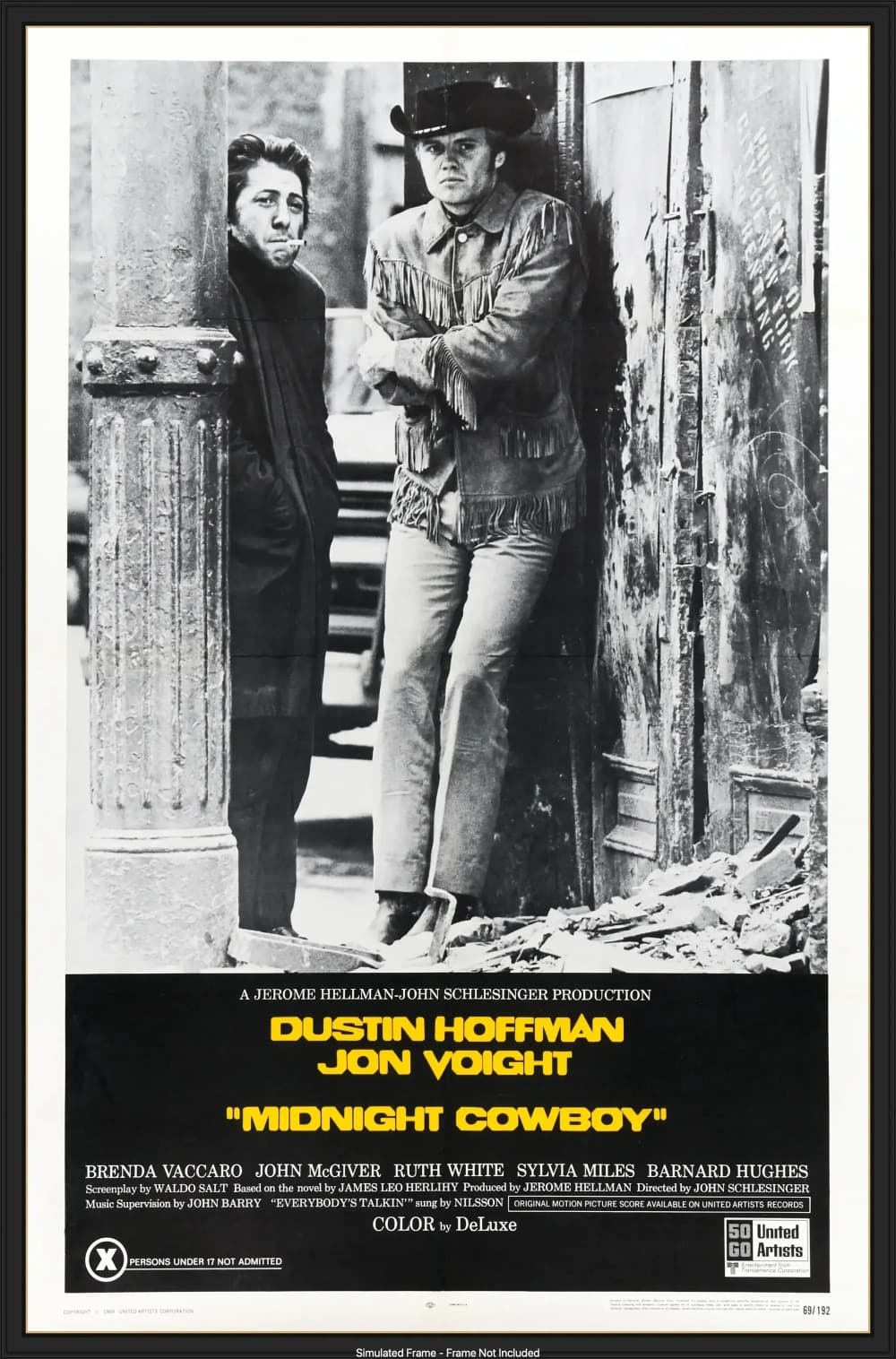
The only X-rated film that ever took Best Picture: a Texas hustler and an ailing con man share a condemned New York apartment, and the friendship is the whole thing.

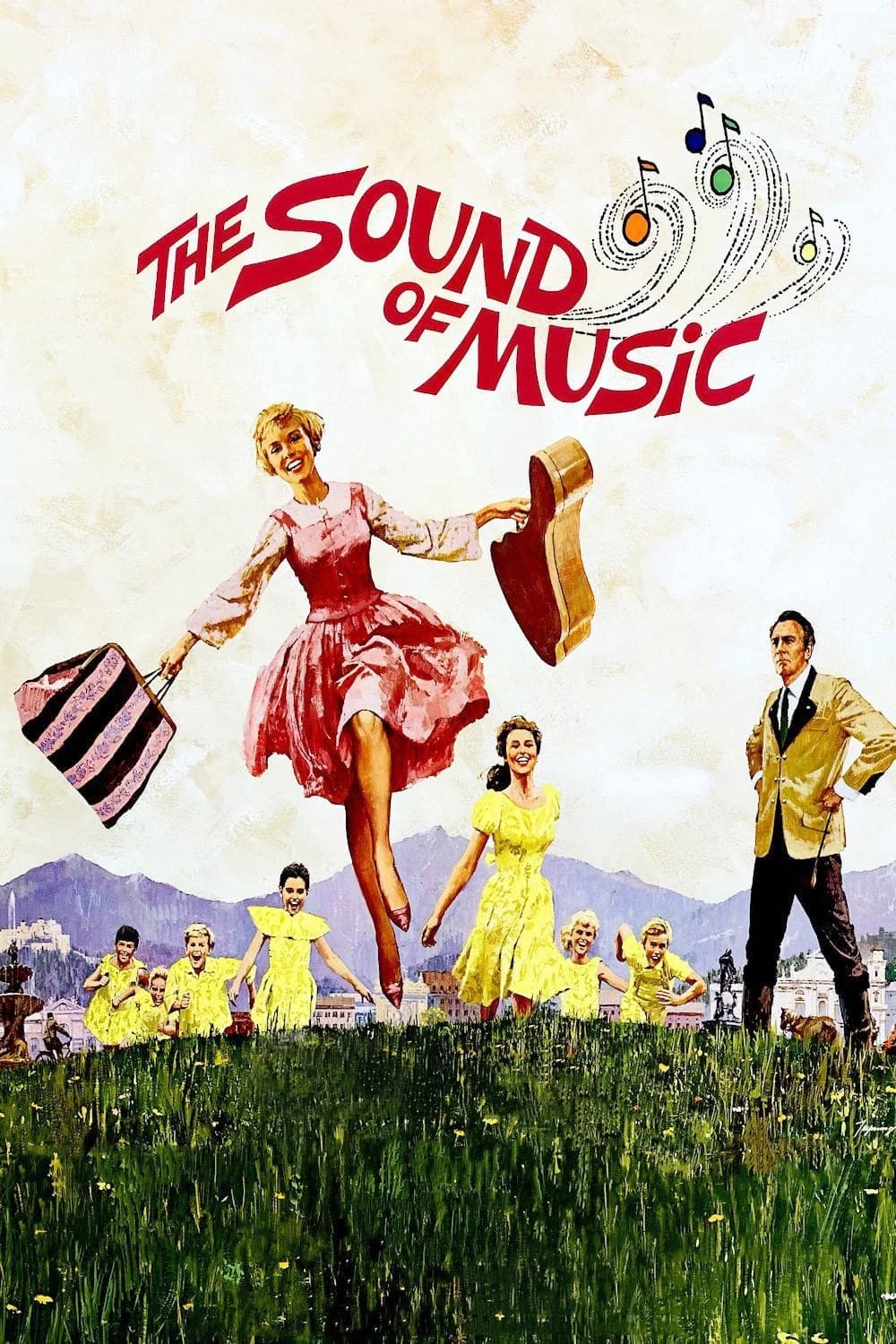
It saved a studio from bankruptcy and has never left the culture since: Salzburg in the mountains, a nun who cannot behave, and songs everyone somehow already knows.

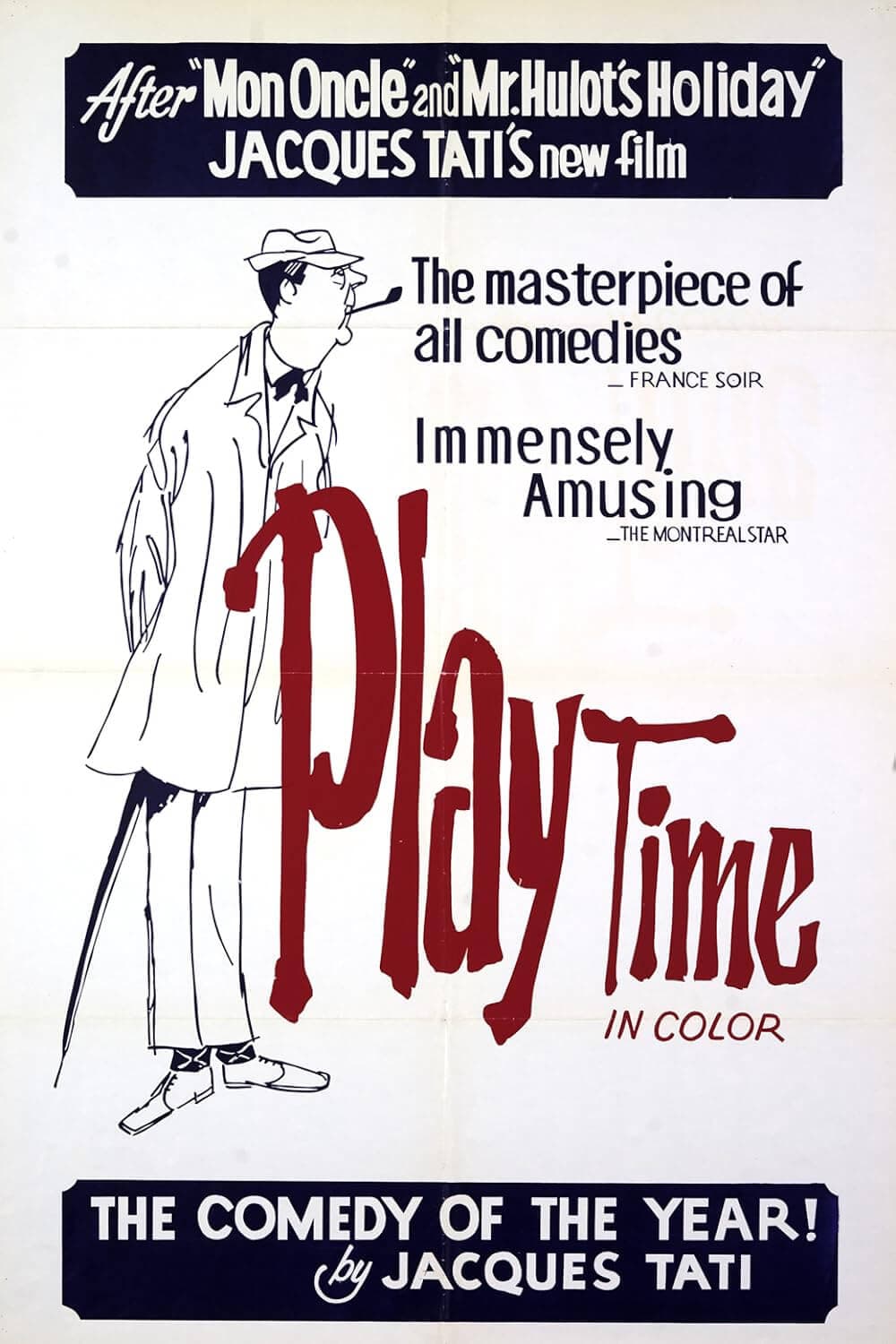
Tati built a working modern city on the edge of Paris and it bankrupted him: there is no plot, no close-up, and something funny in every corner of the frame.

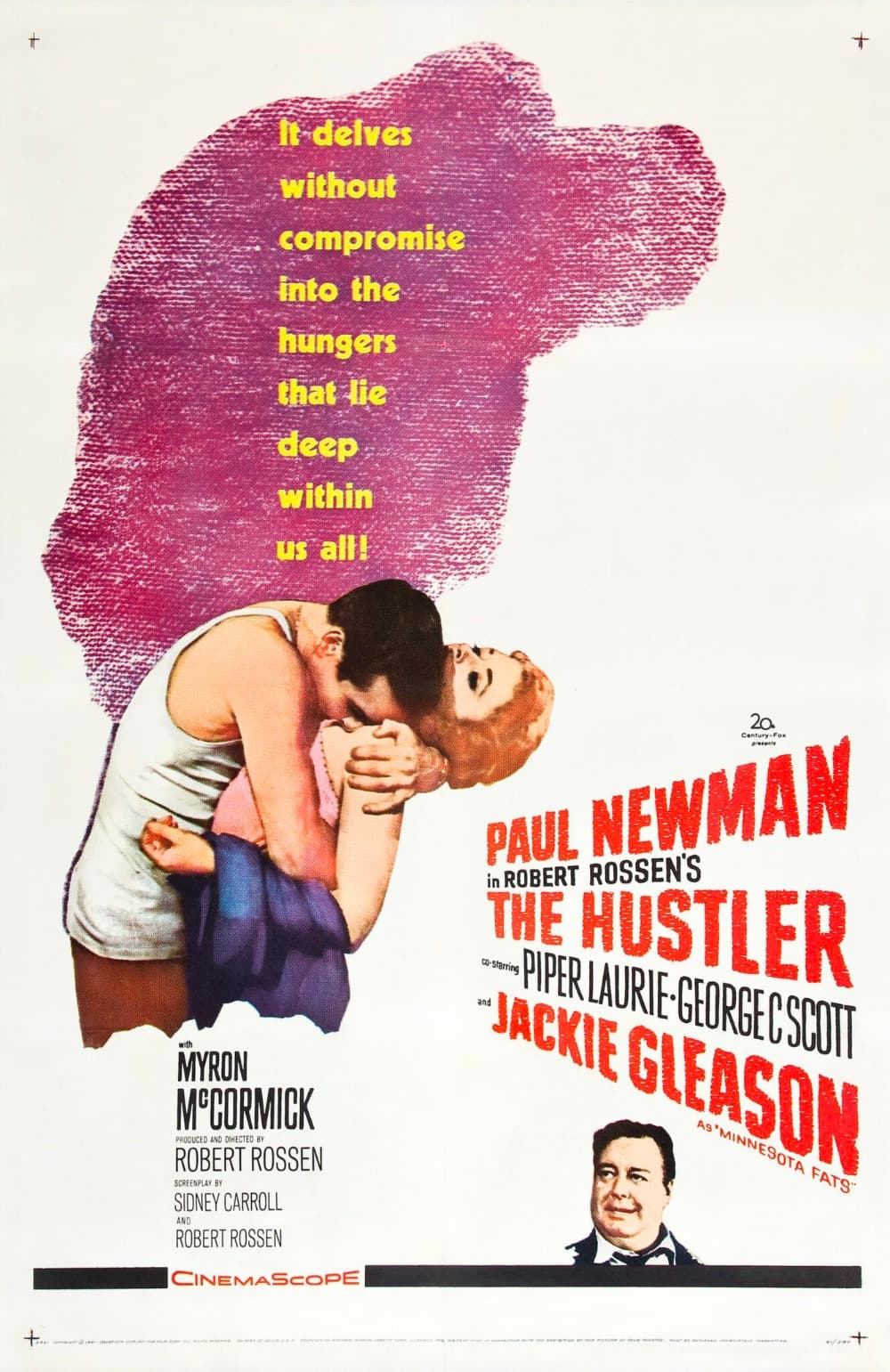
Nobody has filmed a game better: Newman's pool hustler wants to be great and cannot get out of his own way, and the smoke never leaves the room.

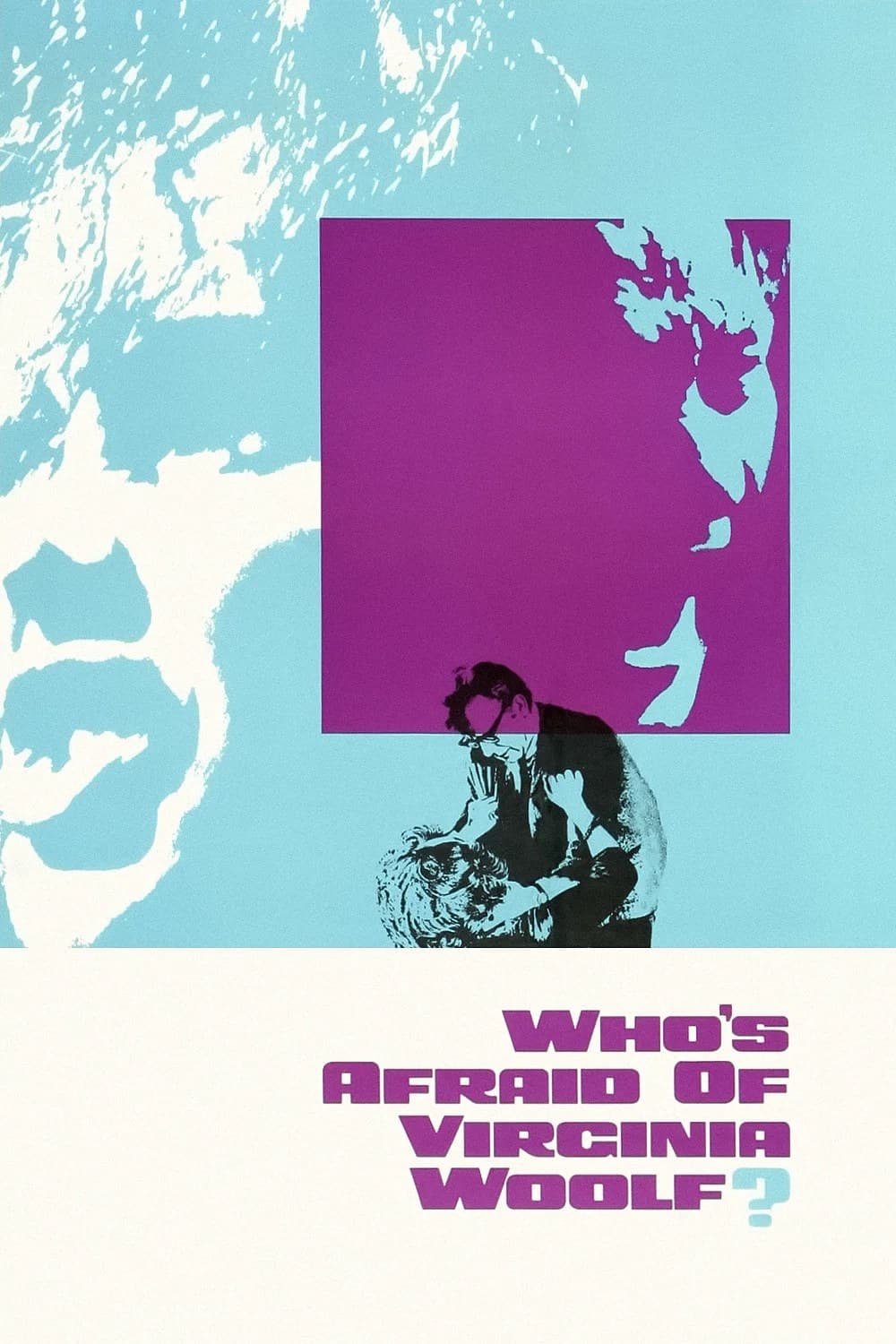
Burton and Taylor were married and it shows in every line: a history professor and his wife drink through one night and take each other apart in front of guests.

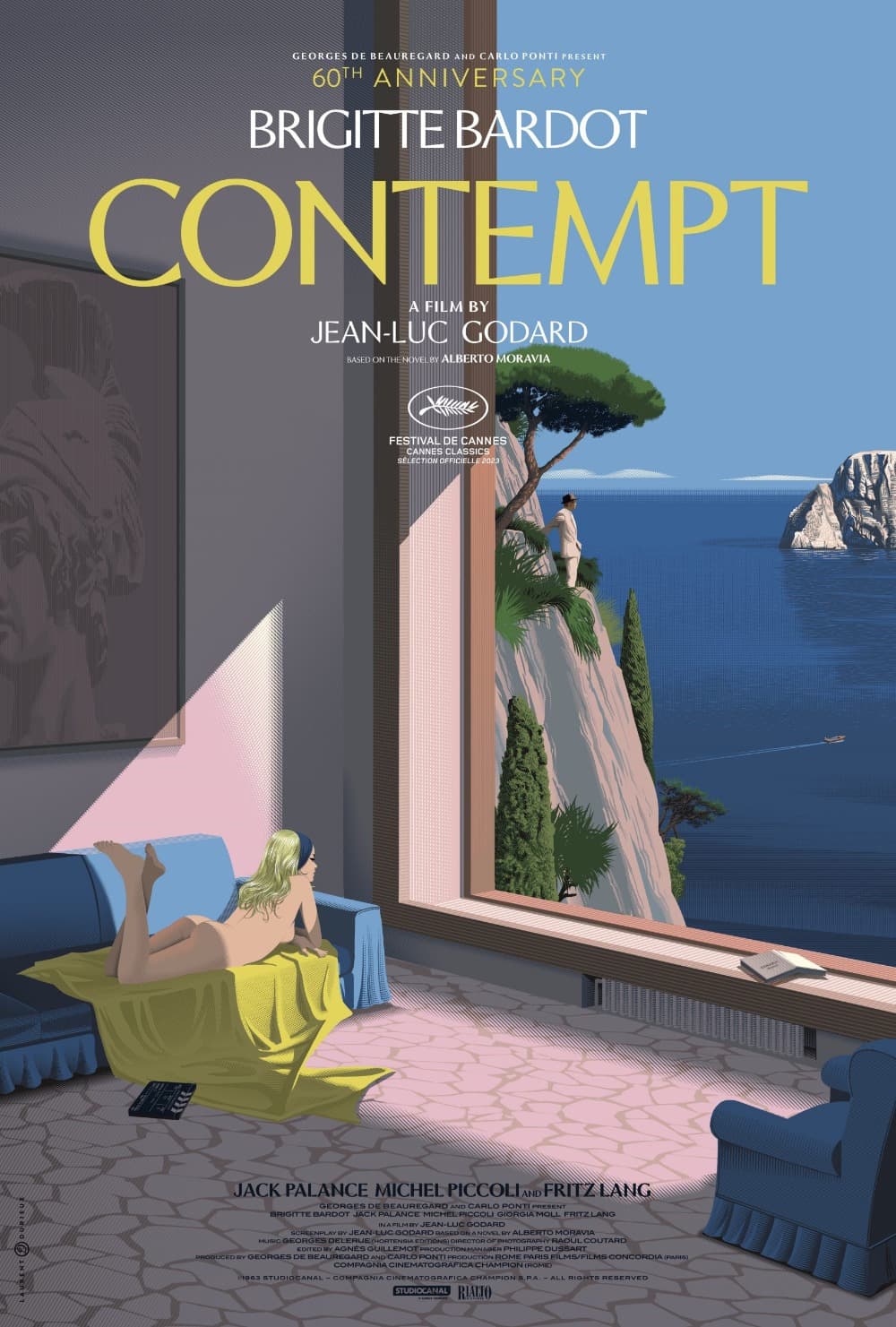
Godard put Brigitte Bardot and Fritz Lang together in a story about a marriage falling apart on a Capri terrace: the most beautiful thing he ever shot.

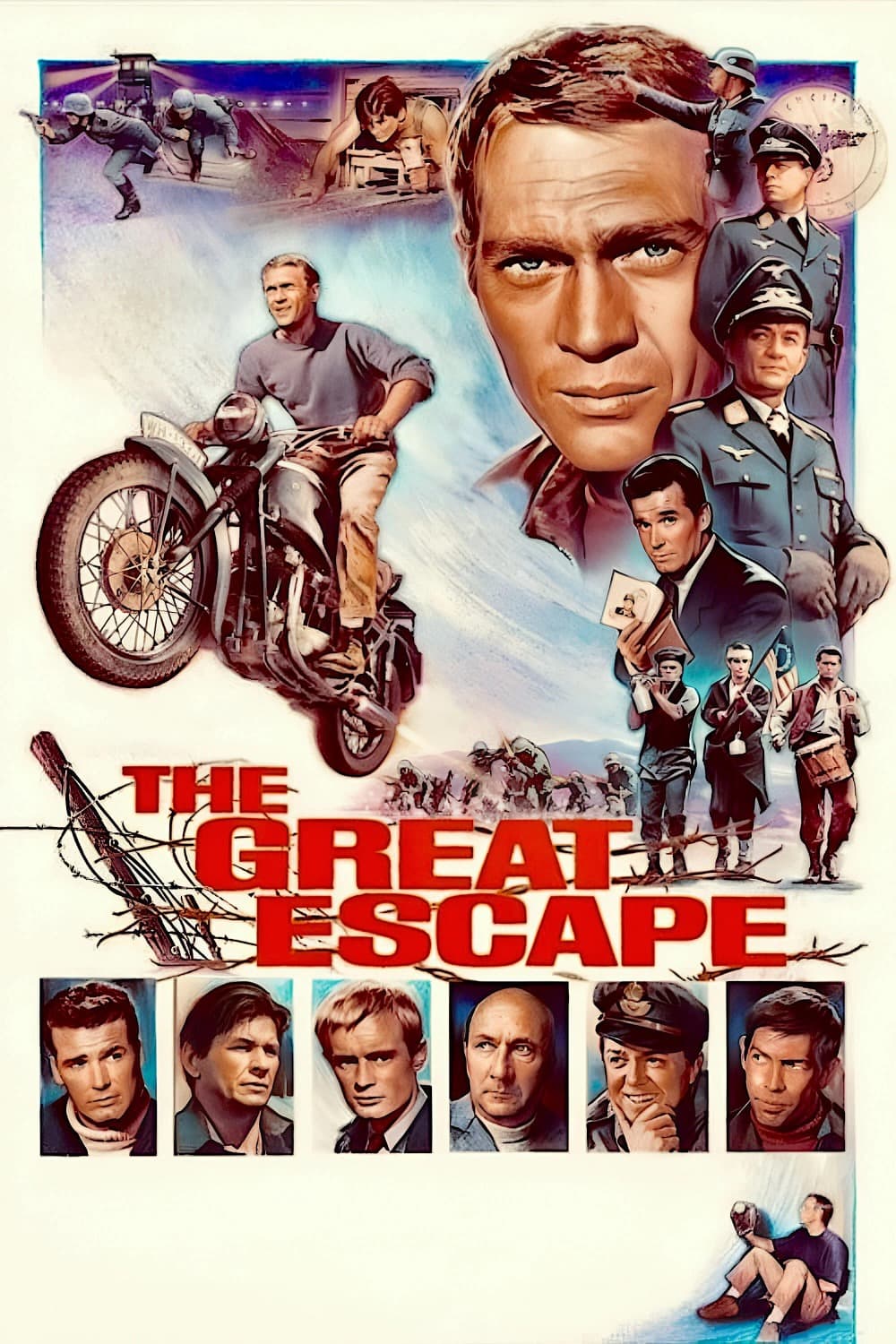
Captivity has never looked like this much fun: Sturges rebuilt a real 1944 breakout from a German camp into tunnel engineering, forged papers and men who refuse to sit still.

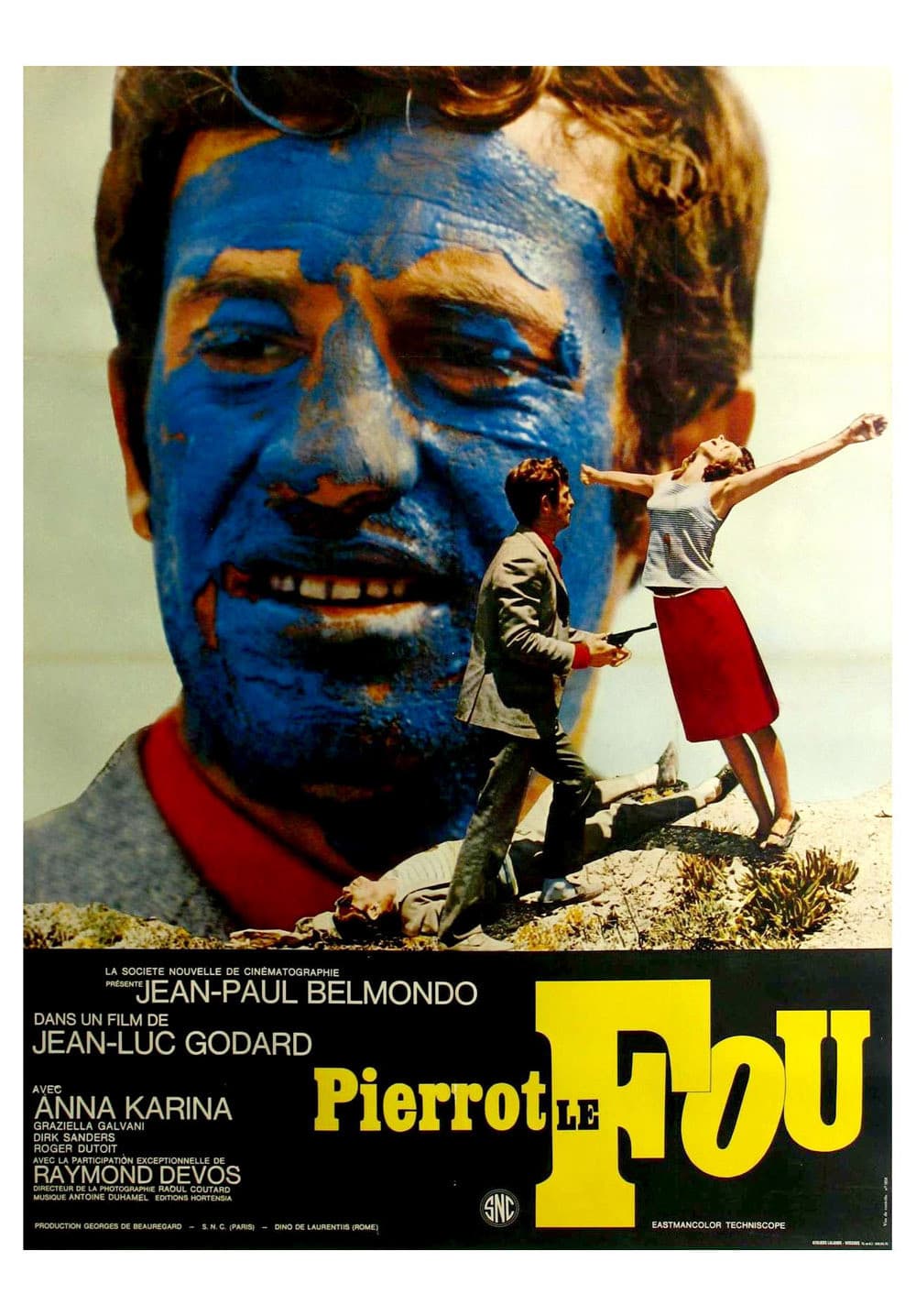
Godard at his most beautiful and least patient: Belmondo walks out of a party and drives south with Anna Karina, and the film keeps dissolving into color, quotation and pure play.

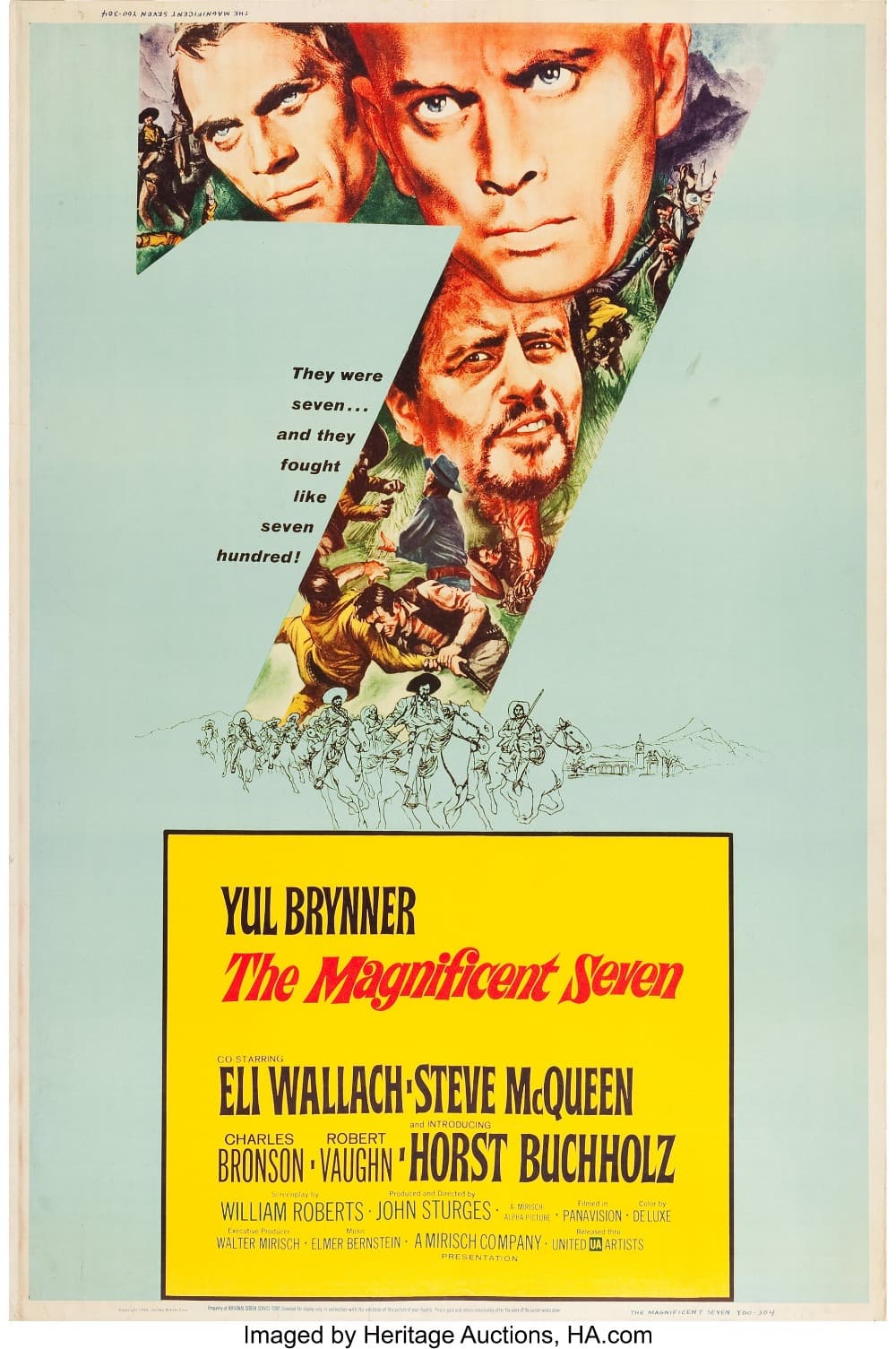
Kurosawa liked this remake of his own film enough to send Sturges a ceremonial sword: Seven Samurai relocated to the Mexican border, with Elmer Bernstein's theme doing half the work.