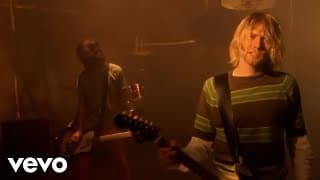
Smells Like Teen Spirit
1991 · From Nevermind
Four chords, a mumble nobody could decipher, and the riff that ended one decade of rock and started another.
★ 9.9
 skopia
Four chords, a mumble nobody could decipher, and the riff that ended one decade of rock and started another.
Buck wrote the riff while teaching himself mandolin in front of the television, and R.E.M. got their biggest American hit.
Hammett built the riff after Soundgarden's Louder Than Love, and Bob Rock sent Hetfield back to write a child's nightmare.
A Small Clone chorus pedal gives the riff its underwater sound, and Cobain nearly withheld the single.
An Isaac Hayes loop from Tough Guys, three verses by Scarface, and a rap record about fear rather than swagger.
Rubin found the poem in Kiedis's notebook and pushed for it; Frusciante's mother sings in the choir at the end.
Five MCs passing the microphone, and Busta Rhymes at nineteen turning a guest verse into an entire career.
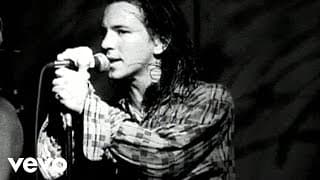
Gossard's demo was called Dollar Short until Vedder set it to learning who his real father was.
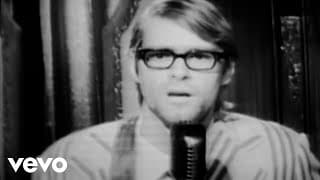
Cobain aimed it at fans who missed the point, and Kerslake's video staged them on a mock Ed Sullivan Show.
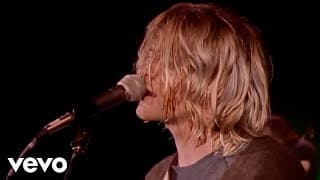
The only Nevermind track cut to a click track, and Grohl's metronome only makes the quiet-loud lurch hit harder.
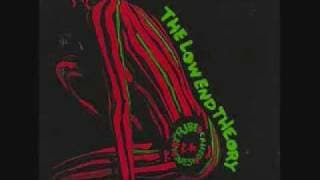
A borrowed Lou Reed bassline that reportedly took all the royalties, and a call-and-response hook the crowd finishes.
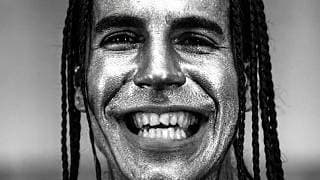
Nina Hagen handed Kiedis a jacket from her closet, and Frusciante ran his solo backwards over Flea's jam-session riff.
A loop of the Jackson 5's "ABC," Melvin Bliss drums, and an acronym that carried the group to number six.
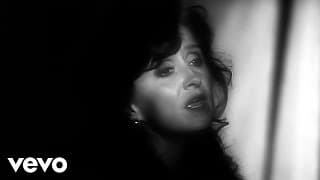
Bruce Hornsby's piano behind a vocal Raitt cut in one take, then refused to try again.

By Hetfield's account the open-string intro came one-handed during a phone call, and Kamen's strings did the rest.
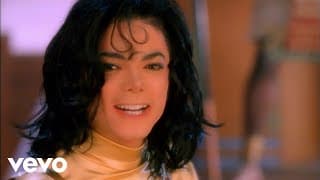
Teddy Riley's new jack swing under a nostalgia lyric, with John Singleton staging the video in ancient Egypt.
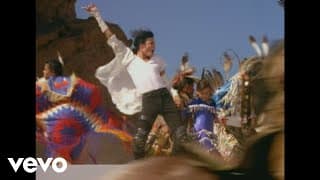
Bill Bottrell played the riff everyone credits to Slash, then rapped the verse himself after eight months of searching.
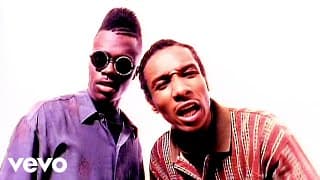
An upright bass loop, a playground chant for a hook, and a remix that so eclipsed the original nobody plays it.
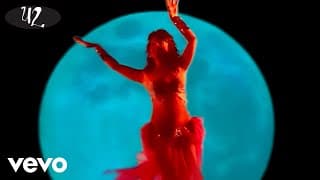
Grown from a Dublin jam called Sick Puppy, and Edge's Korg funk-wah setting turned Clayton's bassline into U2's funkiest record.
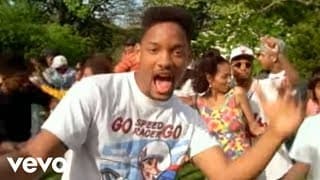
Hula and K. Fingers looped Kool and the Gang's Summer Madness, and the duo won a Grammy for it.
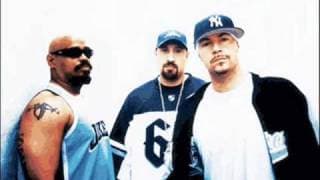
Muggs looped Lowell Fulson's 1967 "Tramp" for the guitar and bass, and B-Real's nasal whine arrived fully formed.
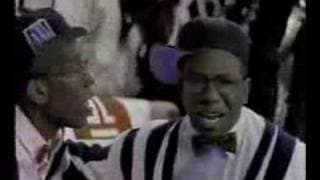
Michael Bivins raps their discovery story over Dallas Austin's new jack swing, with a doo-wop turn at the close.
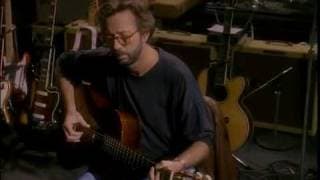
Will Jennings helped finish a lyric Clapton wrote after his four-year-old son died; three Grammys followed in 1993.
McCready's riff was a Ten outtake, and Vedder improvised a lyric he has been rewriting onstage ever since.
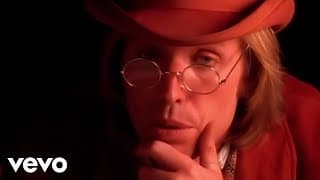
Petty and Jeff Lynne wrote Eddie's rise and fall as one unbroken story; Johnny Depp played him on screen.
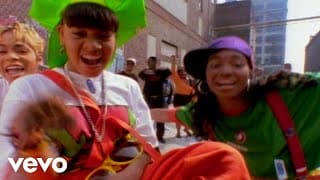
Dallas Austin stacked seven samples, an Average White Band loop sped up, and Left Eye wrote the rap.
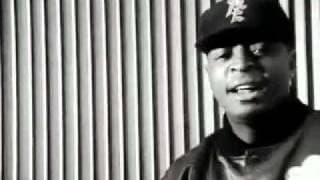
Chuck D aimed it at corporations that profit off Black neighborhoods without reinvesting, and Pete Rock's remix outgrew the original.
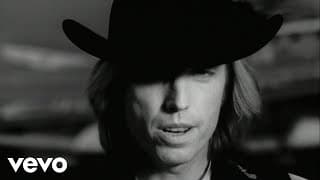
Four chords, F, C, A minor, G, looping unchanged while Petty and Jeff Lynne make uplift sound effortless.
Treach turned a fatherless East Orange childhood into verse, with Marley's chorus supplying the only comfort on offer.
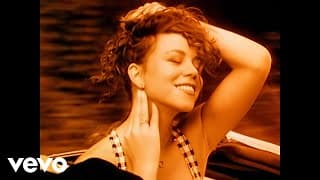
Clivilles and Cole of C+C Music Factory built the disco lift; Carey's whistle register handles everything above it.
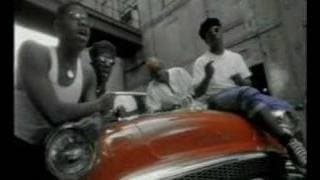
Four voices, no instruments, a 1975 Cooley High ballad rebuilt a cappella and carried to number two.
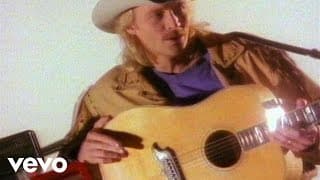
Jackson leaned against a wobbly jukebox in a Virginia lounge, left with the title, and George Jones got name-checked.
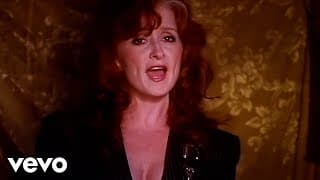
A Shirley Eikhard song Raitt carried to number five, her biggest American hit, and a Grammy for that vocal.
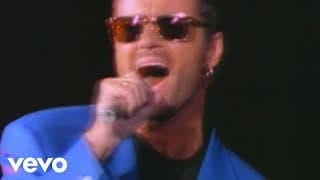
Elton John joined Michael onstage near Chicago in October 1991, and the live duet topped both charts.
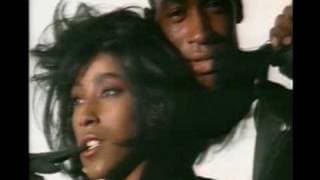
Martha Wash sang the hook uncredited, then sued; her settlement put vocalist credits on MTV, and the floor still fills.
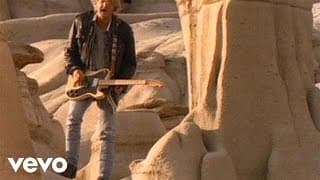
A Red Rider demo called "Love Is a Highway", revived after Cochrane's World Vision trip to eastern Africa.
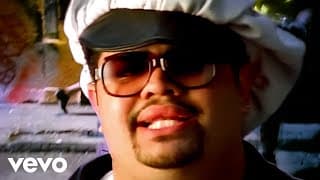
Eighteen years after the O'Jays cut it in Philadelphia, Teddy Riley rebuilt it as hip-house for Heavy D.
Branford Marsalis blowing a jazz solo across Narada Michael Walden's production, and Shanice sounds like she is actually smiling.