Fight the Power
1989 · From Fear of a Black Planet
Spike Lee asked for a defiant anthem, and the Bomb Squad answered with layered samples and Branford Marsalis's saxophone.
★ 9.0
 skopia
Spike Lee asked for a defiant anthem, and the Bomb Squad answered with layered samples and Branford Marsalis's saxophone.
Patrick Leonard co-wrote it, Prince played the intro guitar, and Pepsi pulled its five million dollar ad but paid anyway.
Priscilla Presley's memoir gave Gore the idea, Flood cut it in Milan, and Cash later called it evangelical.
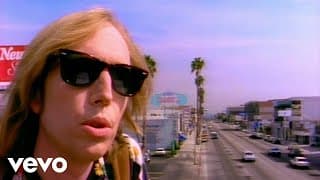
Two days of writing with Jeff Lynne, Mike Campbell's twelve-string, and Ventura Boulevard turned into the whole San Fernando Valley.
Sampedro joked about the free world after a Soviet tour collapsed, and Young debuted the song in Seattle unrehearsed.
Prince Paul flipped Funkadelic's Knee Deep; De La Soul resisted the beat, then got their only R&B number one.
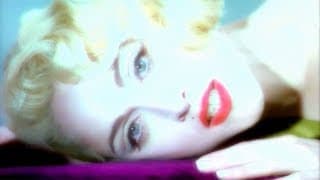
Madonna and Stephen Bray built it on horns and handclaps; Fincher's Metropolis video cost a reported five million dollars.
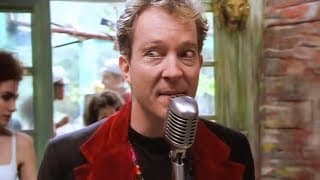
Don Was suggested welding a fifteen-minute jam to a shouted chorus, and Cindy Wilson's tin-roof ad-lib stayed in.
Gil Norton brought in two cellos and two violins, and Black Francis rhymed ocean pollution with borrowed numerology.
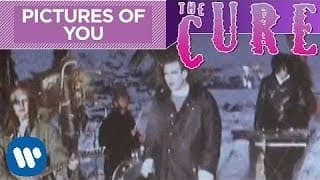
A house fire left Smith with photographs of Mary salvaged from his wallet, and one became the single's sleeve.
Harrison on acoustic guitar and harmonies, Lynne producing, and Petty answering the arsonist who burned his house down.
Mike Campbell's fuzz riff, then a closing solo of nearly two minutes he nailed in a single take.
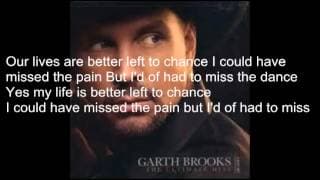
Tony Arata's lyric works as a breakup song or an elegy, and Brooks' video chose the elegy.
Freddie Scott's "(You) Got What I Need" rebuilt on piano, with Markie singing the hook himself, flat and irresistible.
A teenage demo the band mocked as their Tom Petty song, until Gil Norton talked it onto Doolittle.
Bottum, Gould and Bordin had the riff before Patton arrived; the bass and that piano coda did the rest.
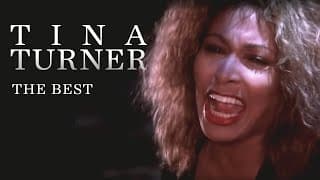
Bonnie Tyler recorded it first; Turner asked Holly Knight for the bridge and key change it lacked.
Tyler spent nine months on the lyric, Fincher directed the video, and the Grammy went to Aerosmith's bleakest hit.
Diane Warren got on her knees begging Cher to cut it; the video was shot aboard the USS Missouri.
Cut at Paisley Park with David Z, the snare a drumhead struck with a wooden ruler under Gift's falsetto.
Kent Blazy had the first verse down seconds after hearing the idea, and it gave Brooks his first number one.
Campbell cut the track at home before Henley and Souther added words, and forgiveness never sounded so hard-won.
A rare B-52's lyric from an outsider, Robert Waldrop, and Pierson and Wilson make wanderlust sound weightless.
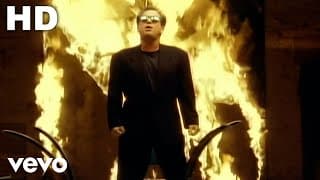
Joel wrote it at forty, after a twenty-one-year-old told him the fifties were dull; he has called the melody terrible.
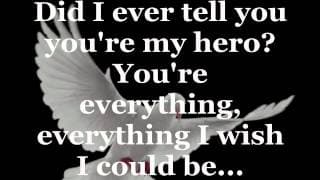
A 1982 song already cut by Lou Rawls and Gary Morris before Beaches made it Record of the Year.
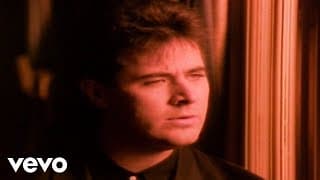
Gill wrote it with Tim DuBois, Patty Loveless sang the harmony, and the CMA named it Single of the Year.
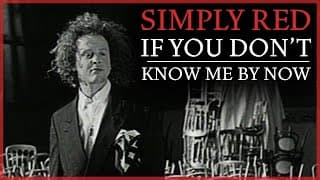
A Gamble and Huff ballad first sung by Teddy Pendergrass in 1972, taken by Hucknall to number one in America.
The last number one of the eighties and the first of the nineties, with David Crosby singing behind Collins.
Barry Mann and Bill Medley both cut it first; Neville's tenor against Ronstadt is what finally carried it to a Grammy.
Foreigner's riff, a Funkadelic drum break, and a phrase borrowed from Flavor Flav, built into a top-three hit.
Written for Cynthia Rhodes while she filmed in South Africa, turned down by Streisand, then three weeks at number one.
Ward got the idea riding a bus of Elvis fans to the tenth Graceland vigil, and Myles won a Grammy.
A pizza box in a Florida Hard Rock Cafe holds the lyric Lane dashed off at the label's insistence.
Written in 1982, handed to Branigan after Bolton refused Clive Davis's rewrite, and reclaimed for a number one.