Beloved
1987 · 360 pages
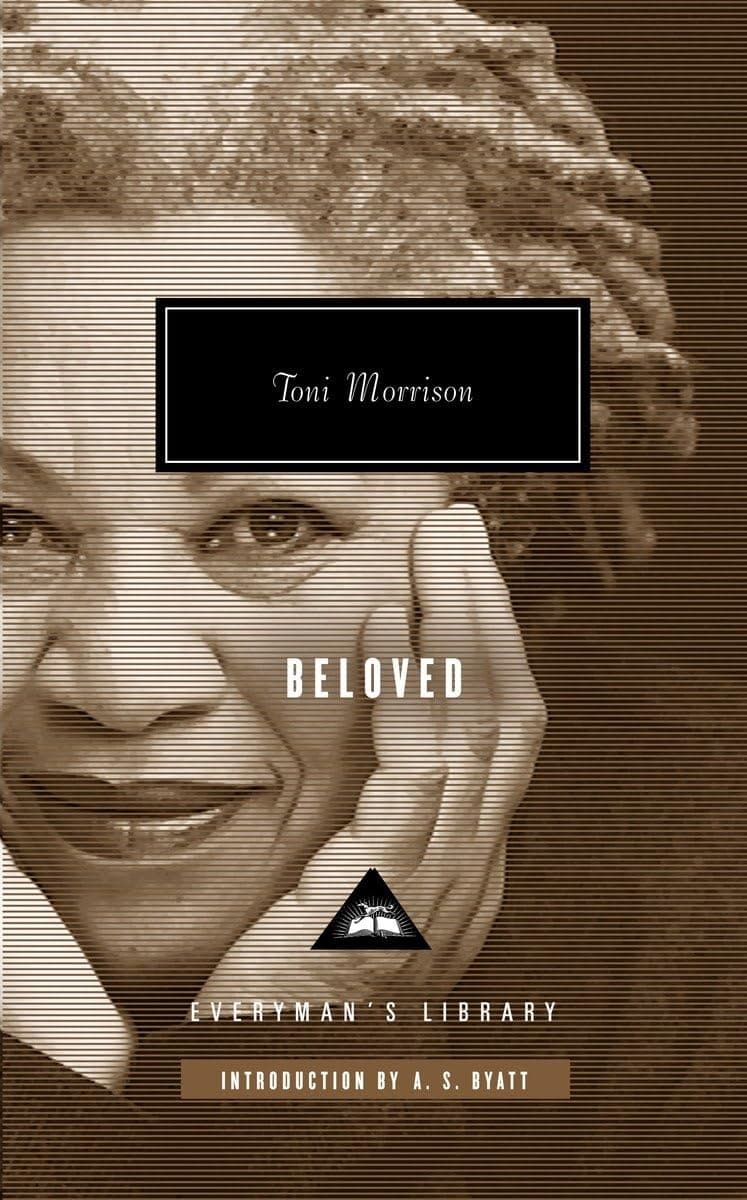
Sethe escaped slavery years ago and cannot escape the daughter she lost, who comes back to the house as a young woman. Morrison writes American history's worst chapter with unbearable tenderness.
★ 9.4
 skopia
Sethe escaped slavery years ago and cannot escape the daughter she lost, who comes back to the house as a young woman. Morrison writes American history's worst chapter with unbearable tenderness.
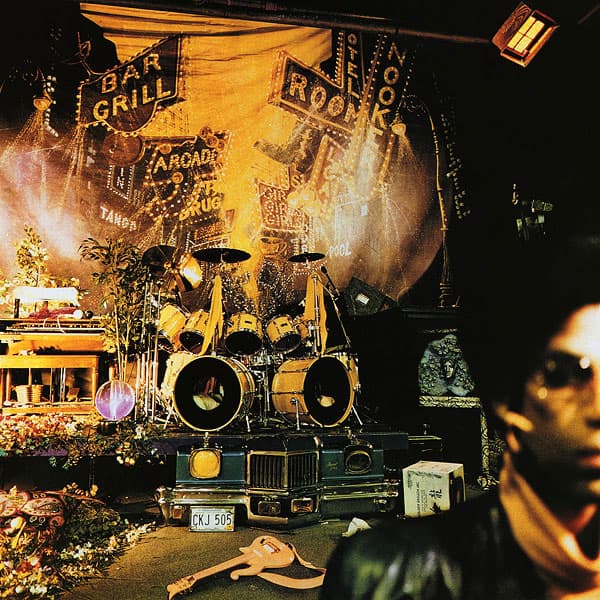
It was meant to be a triple album and the label refused. Some of it is sung by a sped-up alter ego called Camille.

It sold almost nothing for a year until MTV agreed to play Welcome to the Jungle once, at four in the morning. Then it never stopped.
Slash was goofing through a warm-up he called a circus melody; an hour later the band had this.
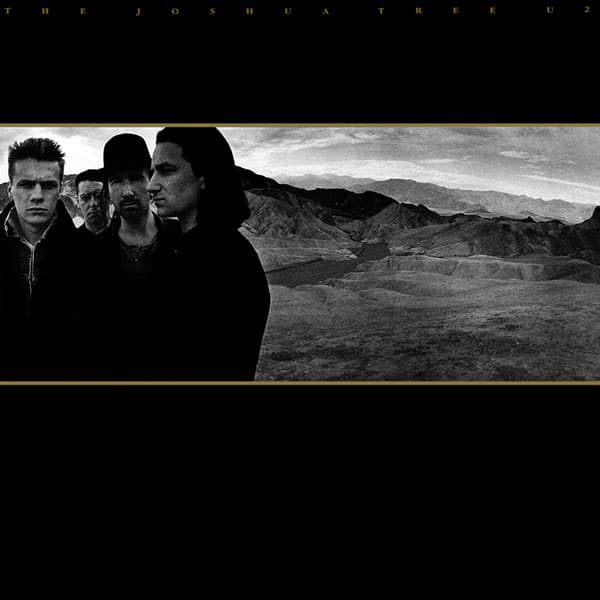
Where the Streets Have No Name took so long to record that Brian Eno considered wiping the tape to force them to start again.

Slash's riff, McKagan's breakdown recycled from his old punk band, and roughly three hours from nothing to finished song.
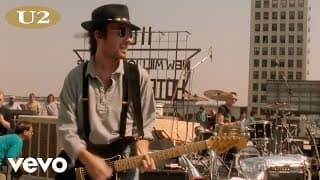
Eno reckoned half the album's sessions went into it and nearly wiped the tape; the Edge's delay does the rest.
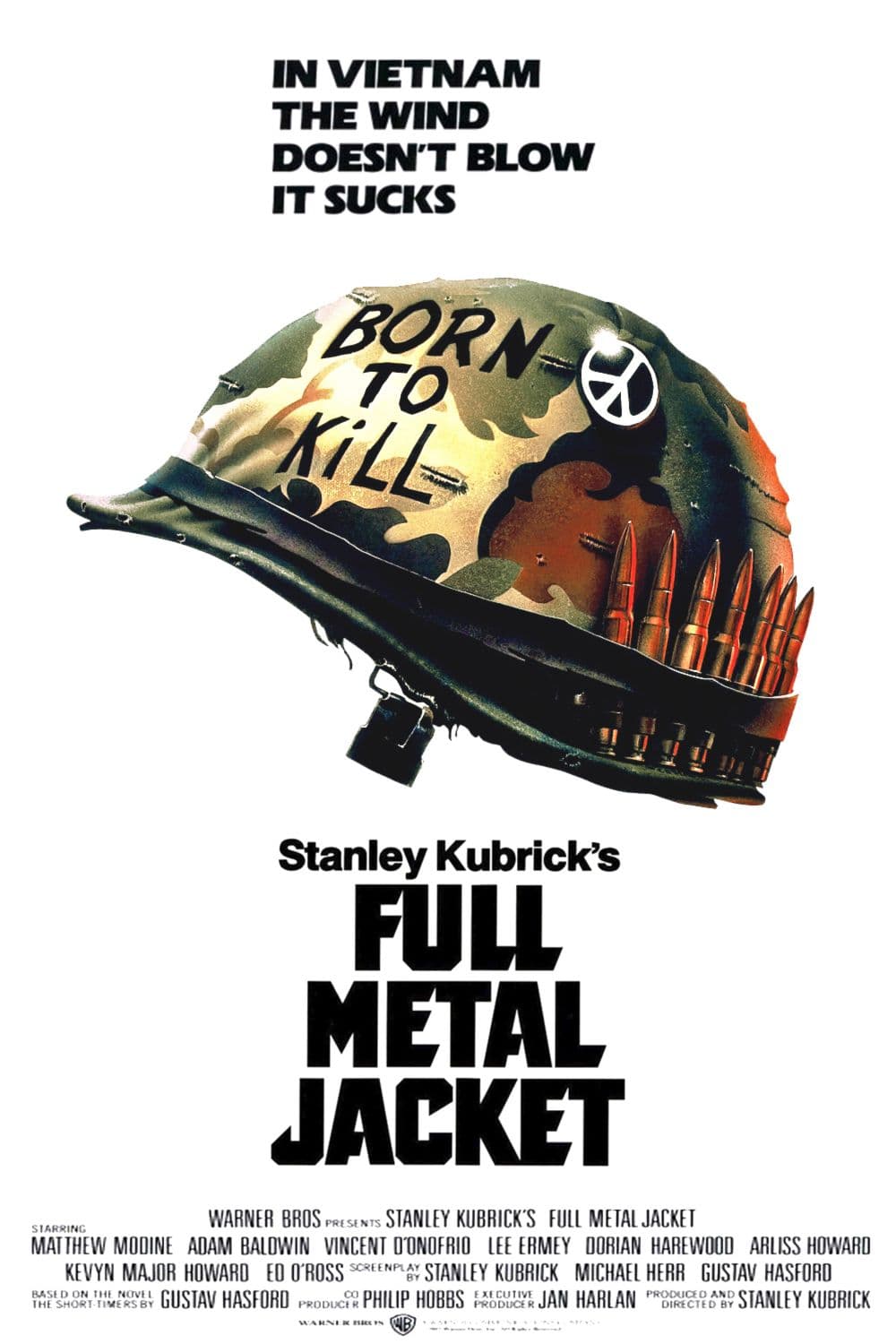
The first half is the most quoted boot camp ever filmed: Kubrick found a real Marine drill instructor, let him write half his own material, and made basic training terrifying.
The Edge was sent a prototype Infinite Guitar by Michael Brook, and U2 had their first American number one.

At a London crossing in 1933 a physicist grasps how a chain reaction could work. Rhodes follows the idea to Los Alamos and Hiroshima, making the physics clear and the human cost unbearable.
Written in a rental van home from San Francisco, and the final two minutes simply double the tempo.
Smith traced it to a day at Beachy Head with Mary Poole; Williams sped the tempo, adding the opening fill.
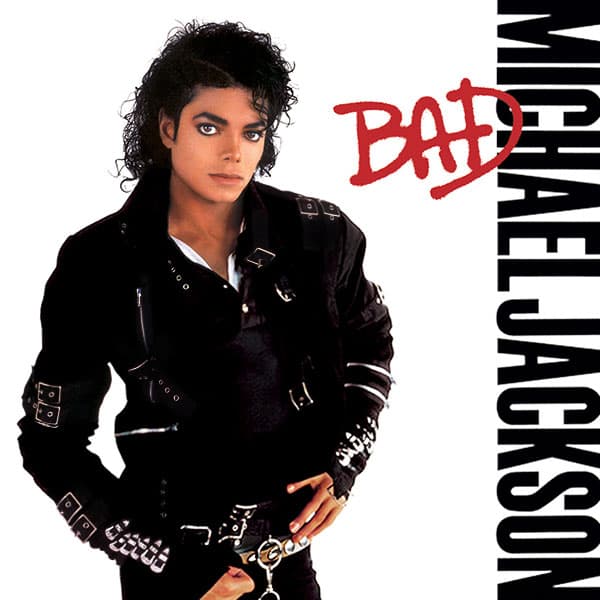
Prince was supposed to sing the title track with Jackson and turned it down. Five singles from it went to number one anyway.
Two years in the making, with MacColl finally singing the woman's part, and it still stalled at number two.
First released on the Less Than Zero soundtrack, it opens with Malcolm X and never stops arguing rap's case.
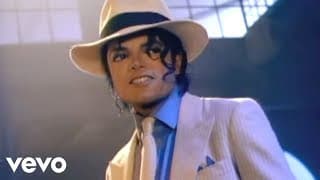
Jackson took the chorus line from a CPR dummy named Annie, and the anti-gravity lean later earned a patent.
A jam demoed under the title The Weather Girls became a gospel hymn about doubt, and U2's second American number one.
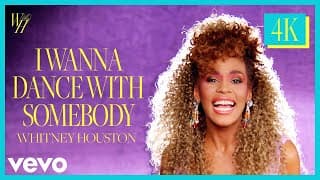
Walden thought the demo too country, funked it up, and Houston cut it while shaking off a bronchial infection.
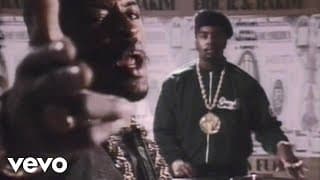
Coldcut took 700 pounds for the remix, added Ofra Haza, and Rakim's minute-long verse reset how rappers rhymed.
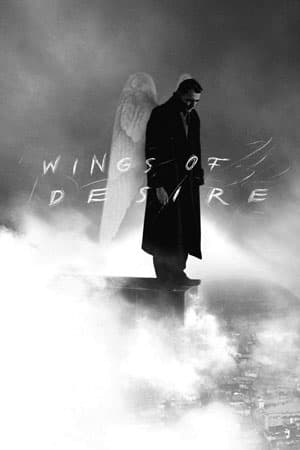
Wenders filmed a divided Berlin two years before the Wall came down and caught something nobody could stage again: angels listening in on what the people below are thinking.
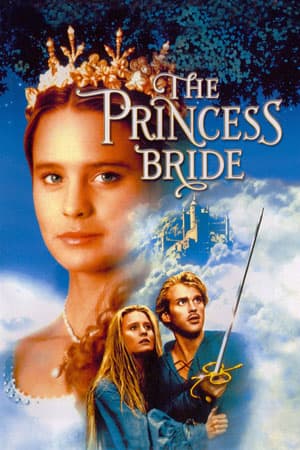
It barely registered in cinemas and built its whole following on video: pirates, giants, a six-fingered man, and a grandfather reading to a boy who does not want the story.
Scorsese shot eighteen minutes in a Brooklyn subway station, and the brass hits point straight back at James Brown.
A church organ quoting Wham!'s Freedom, then Hugh Burns's Bo Diddley rhythm, and four weeks at number one.

Rakim rhymes inside his lines rather than only at the ends of them, and delivers all of it without ever raising his voice.
Hello. My name is Iñigo Montoya. You killed my father. Prepare to die.
A B-side until a San Francisco DJ's remix reached radio, and a first rap Grammy nomination they boycotted.
A Bobby Byrd loop that sent every producer digging for James Brown, and Rakim rhyming coolly off the beat.
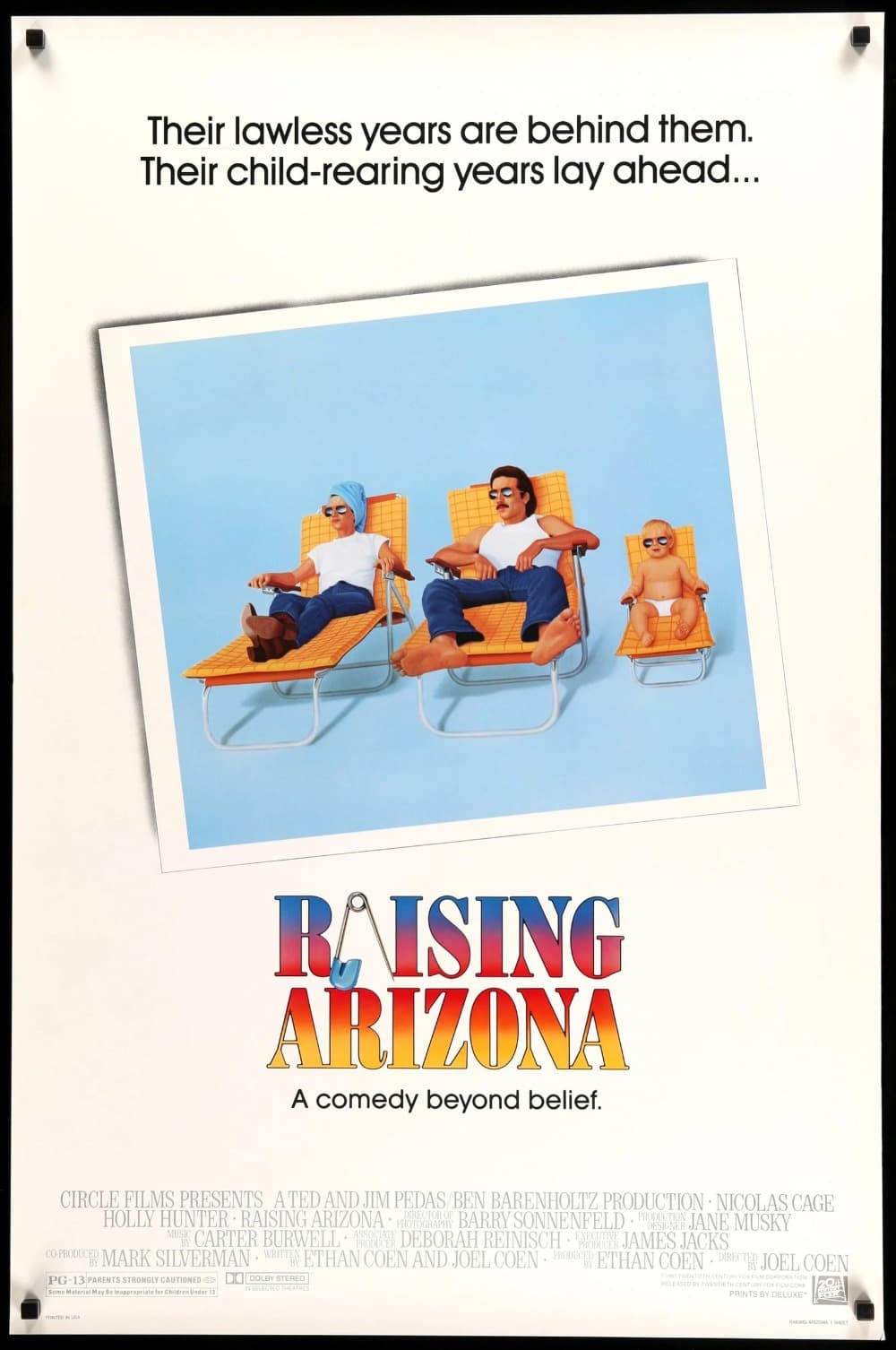
The Coens' funniest film and by some way their fastest: a childless couple steal one of a furniture magnate's quintuplets, and the chase never once slows down afterward.
A cassette demo made while a taxi idled outside, finished in Hong Kong, and INXS's only American number one.
A dream about a party where every guest had Lenny Bruce's initials, sped into Document's headlong disaster list.

Shilts reconstructed the AIDS epidemic's first years and showed the deaths were a political choice, from unfunded research to blood banks that refused to screen. He learned his diagnosis the day he finished.
Ice Cube wrote it for a New York group who walked out; Dre pushed Eazy-E to rap it himself.
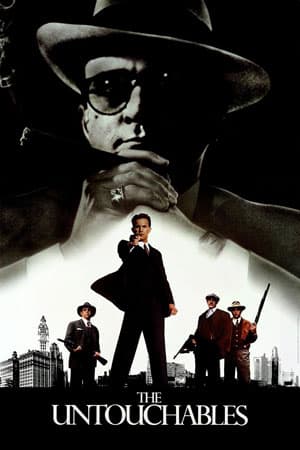
Mamet wrote it and Morricone scored it: De Palma stages a shootout on a station staircase in open tribute to Battleship Potemkin, and turns Prohibition Chicago into pure American myth.
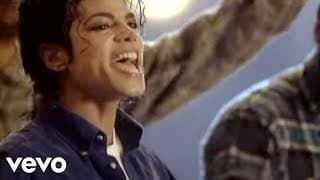
Cut at Westlake with Quincy Jones, a shuffle Jackson wrote himself, and Bad's third straight Hot 100 number one.
Marley Marl on the beat, Kane's debut twelve-inch in 1987, and a rapid-fire delivery that reset the bar.
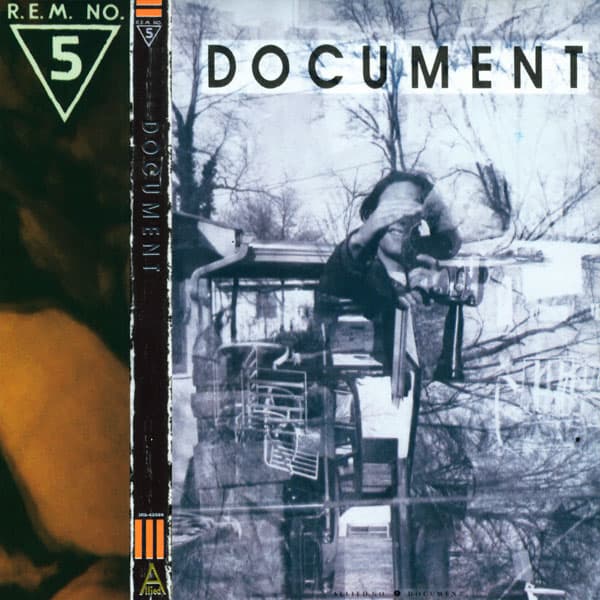
The record where the singer, Michael Stipe, finally sang loudly enough to be understood, though the words still come far too fast to catch.
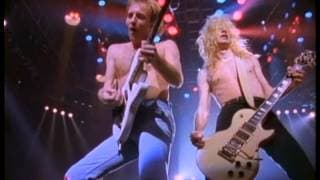
Written last, on a tea break, from a riff Elliott had been jamming; it later pushed Hysteria to number one.

Gornick walks Manhattan with her widowed mother, arguing the argument they have had since the Bronx tenement of her girlhood. Writing programs teach it as how a memoir is built.
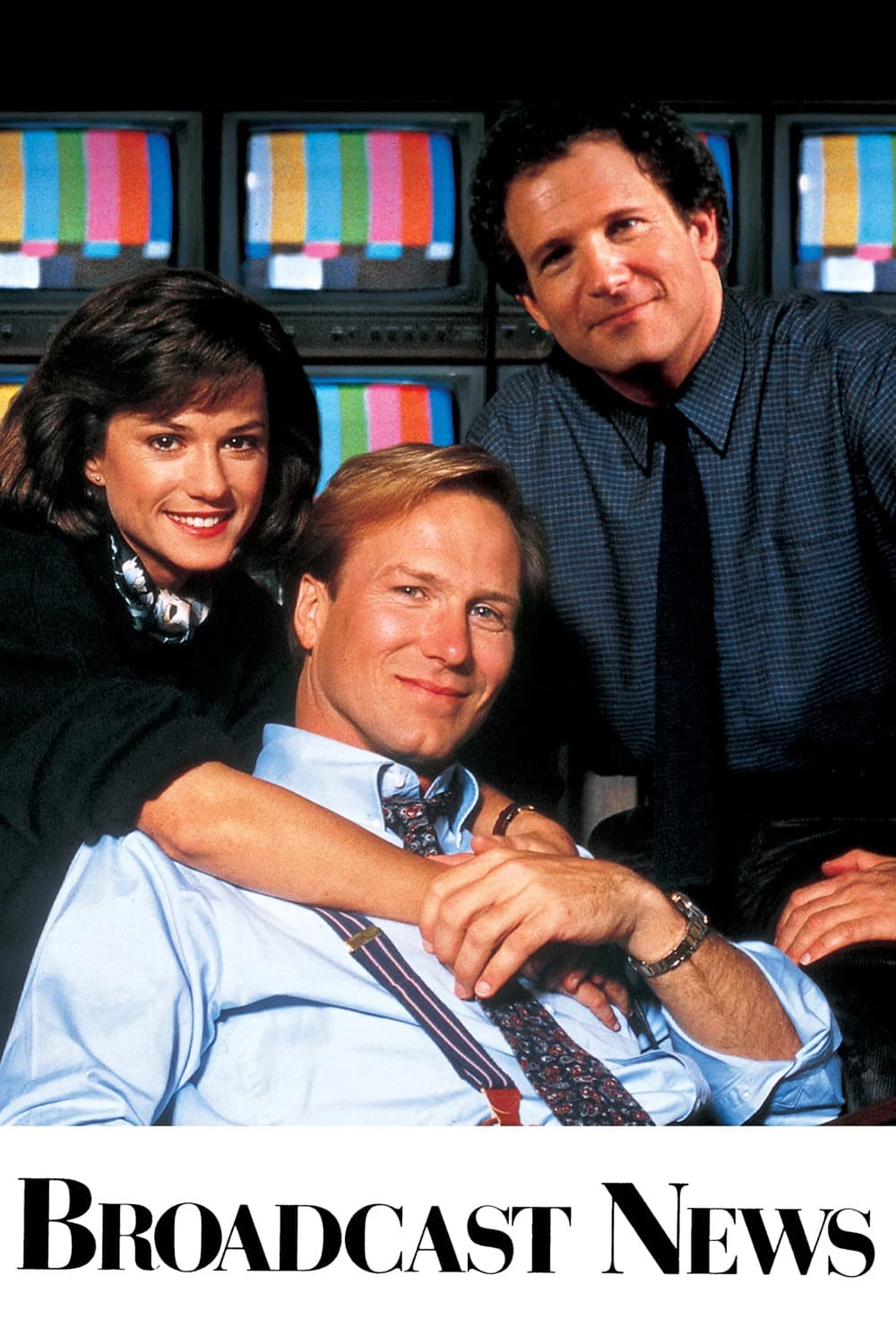
James L. Brooks got the newsroom exactly right and predicted what television news would become: three colleagues tangled up in each other, and the one who is best on camera knows the least.
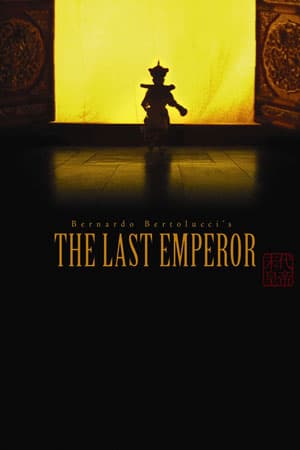
The Chinese government let Bertolucci shoot inside the Forbidden City, the first Western production ever allowed in: a child emperor is crowned before thousands and then history keeps rearranging him.
Tennant settling scores with his Newcastle Catholic school teachers, then closing the record with the Confiteor recited in Latin.
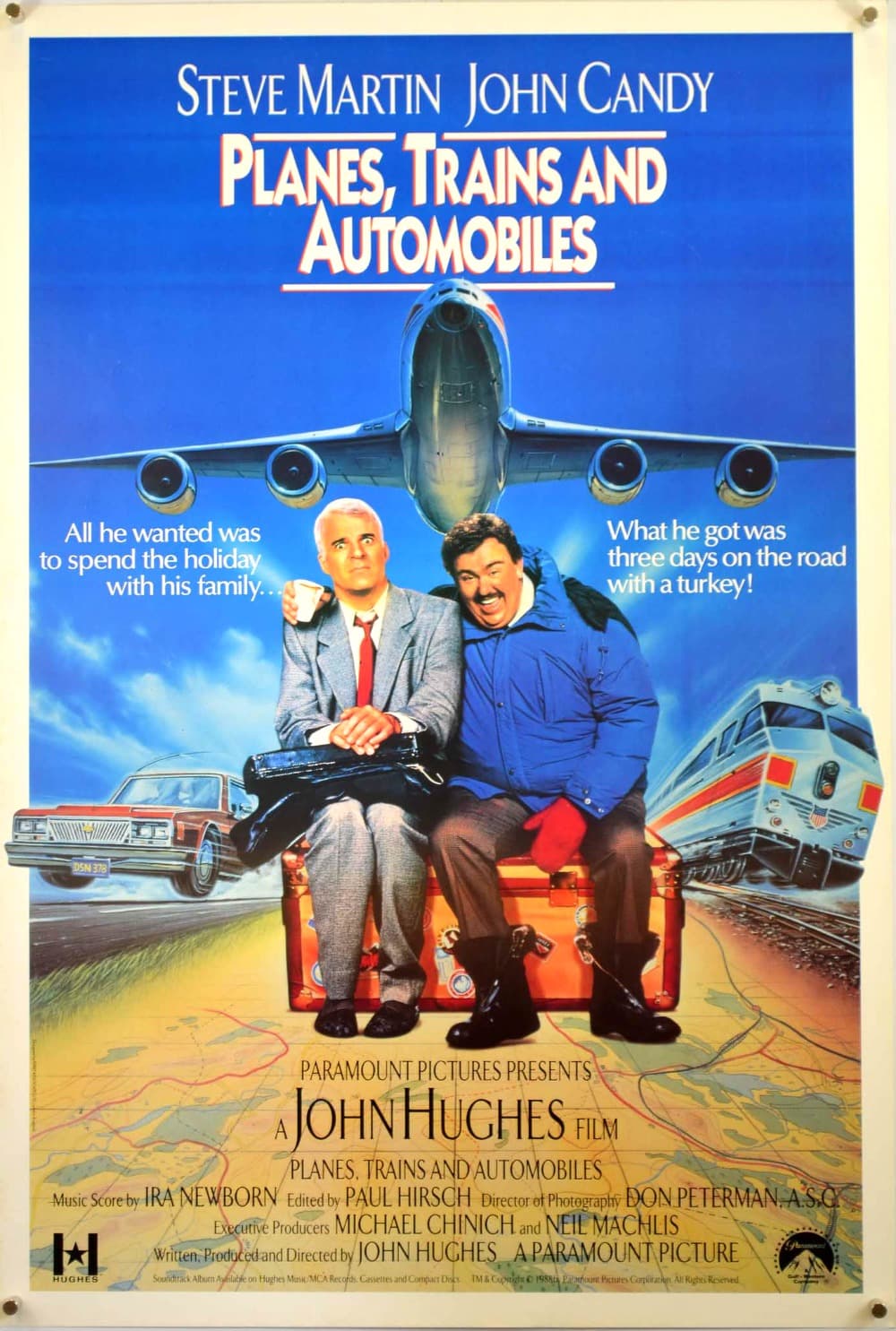
John Hughes wrote it in three days: two men try to get home for Thanksgiving, and John Candy turns what starts as a comic irritant into the most devastating performance of his career.
Buck wrote the riff on his porch, Stipe found it too brutal to sing, and America mistook it for romance.
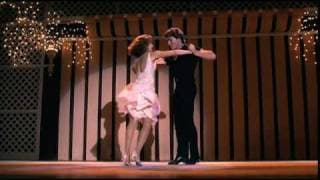
Medley said no repeatedly until Warnes signed on, and the two finished the vocal in about an hour.
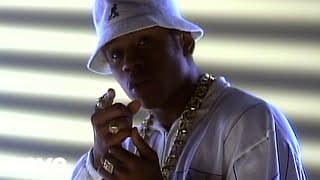
Hip hop's first successful ballad, an MC known for boasts admitting loneliness, and a number fourteen pop hit.
Los Lobos took a Veracruz wedding dance to number one, in Spanish, for the Ritchie Valens biopic.
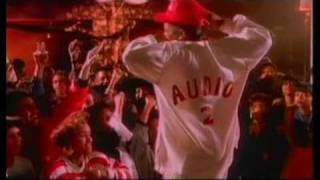
Milk Dee built the beat from the Impeach the President break; over 300 records borrowed it since.
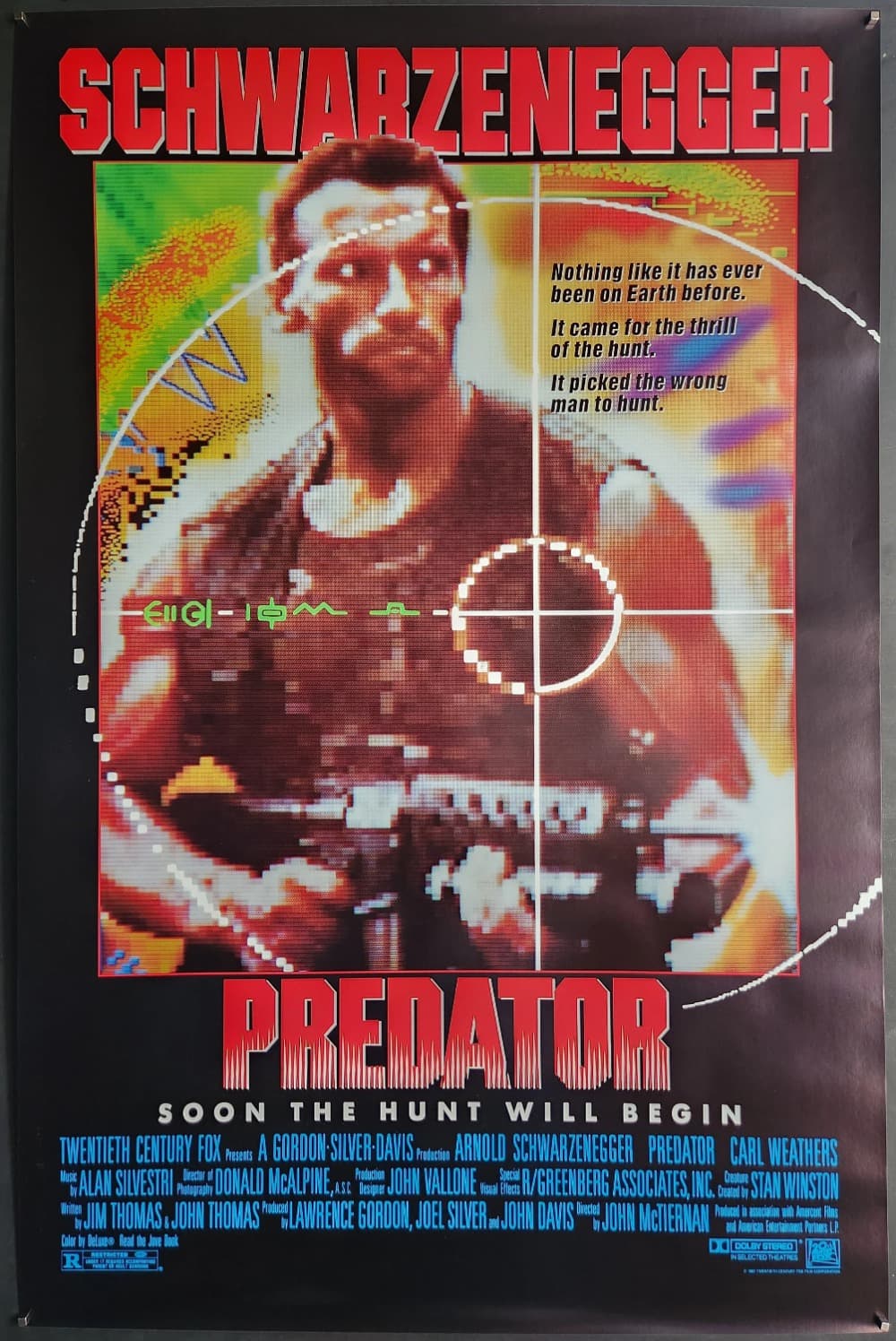
The original creature suit was so bad they scrapped it mid-shoot and had Stan Winston build another: a commando squad in the jungle slowly works out that something is hunting them.
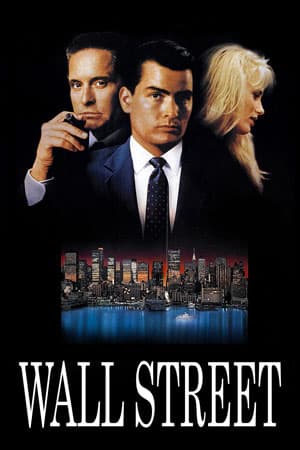
Oliver Stone meant it as an indictment and a generation took it as a recruitment ad: Gordon Gekko's speech about greed is the most misread scene in American film.
Rubin co-produced, the guitar hook lifted straight from My Sharona, and Penn and Teller hustle three-card monte in the video.
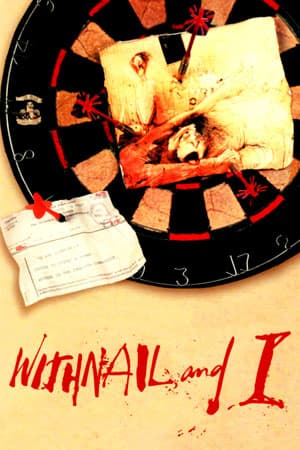
Richard E. Grant does not drink and had to be taught to be convincing: two unemployed actors leave London for a cottage in 1969 with no money, no food and no plan whatsoever.

Two couples meet as junior faculty in Depression-era Madison and stay bound to each other for forty years. Stegner locates the drama of a life in devotion, illness, and one woman's will.

Scott La Rock was shot dead a few months after it came out, which turned the guns on the sleeve into something else entirely.
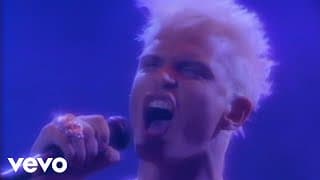
Idol's 1981 studio take missed the Hot 100 entirely; the live 1987 version knocked Tiffany off number one.
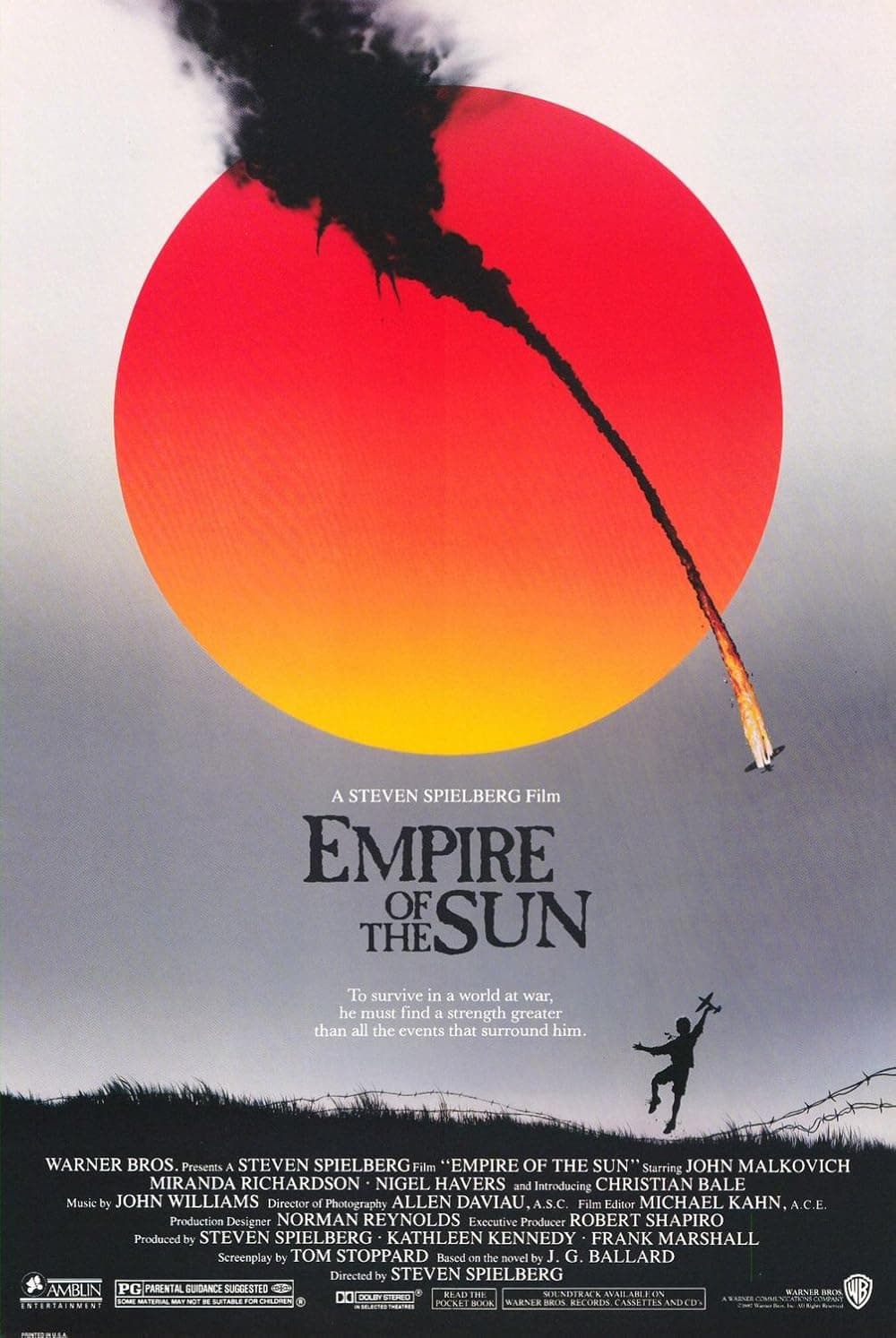
Christian Bale was thirteen and carries the entire film: Spielberg follows an English boy separated from his parents in occupied Shanghai, and never lets the war become an adventure.

Sherman McCoy, a Park Avenue bond trader who calls himself a Master of the Universe, takes a wrong turn into the Bronx. A boy is struck, and Wolfe feeds him to New York.
Cut live on a darkened Marin auditorium stage with no audience, and somehow the Dead's only Top 10 hit.
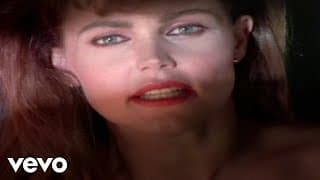
Number one in both America and Britain, with Thomas Dolby on synths and Diane Keaton directing the video.
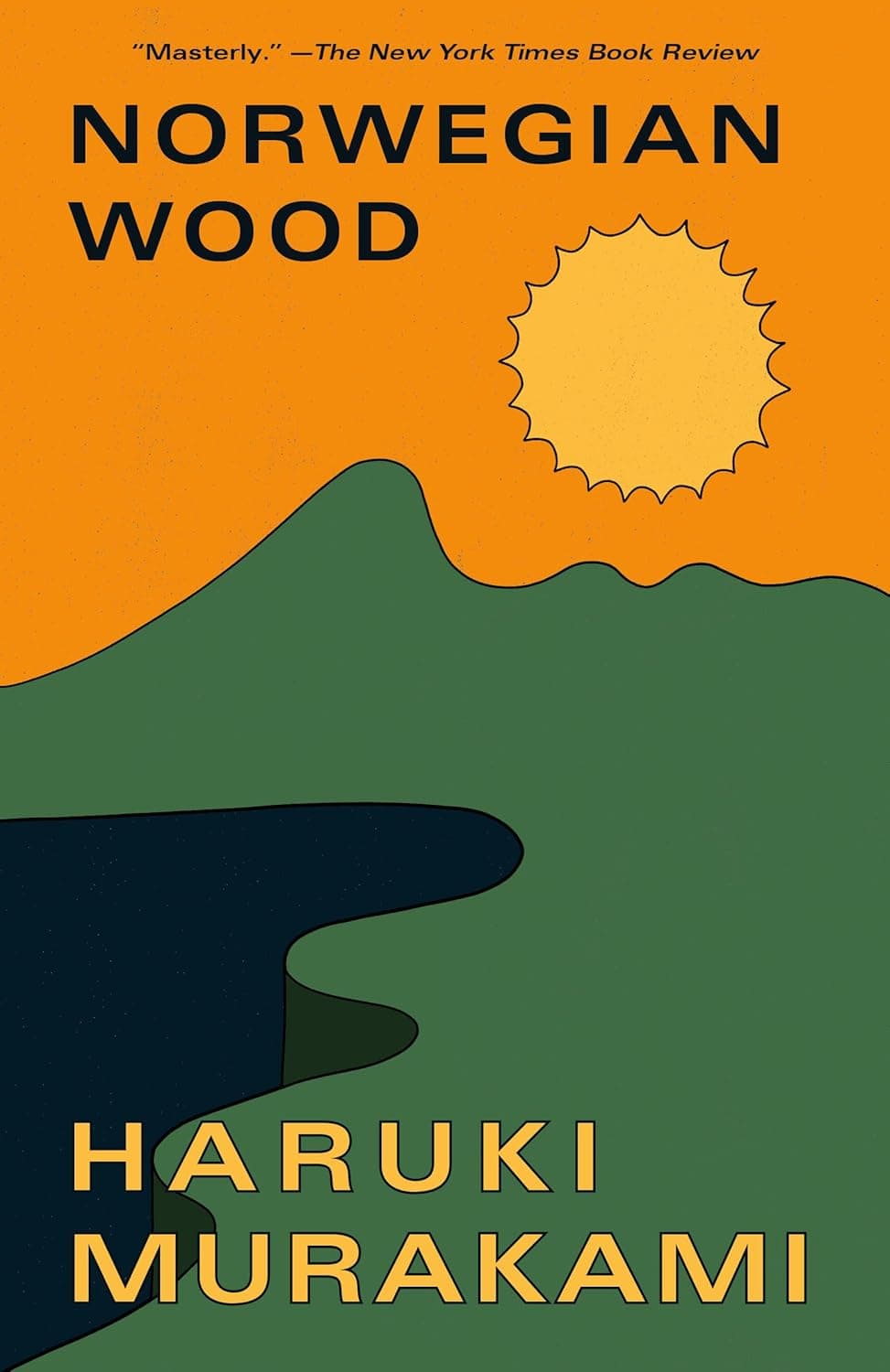
Hearing the Beatles song years later, a man returns to 1969 Tokyo, where his best friend's suicide left him loving two women at once. Murakami dropped the fantastic entirely, and Japan devoured it.
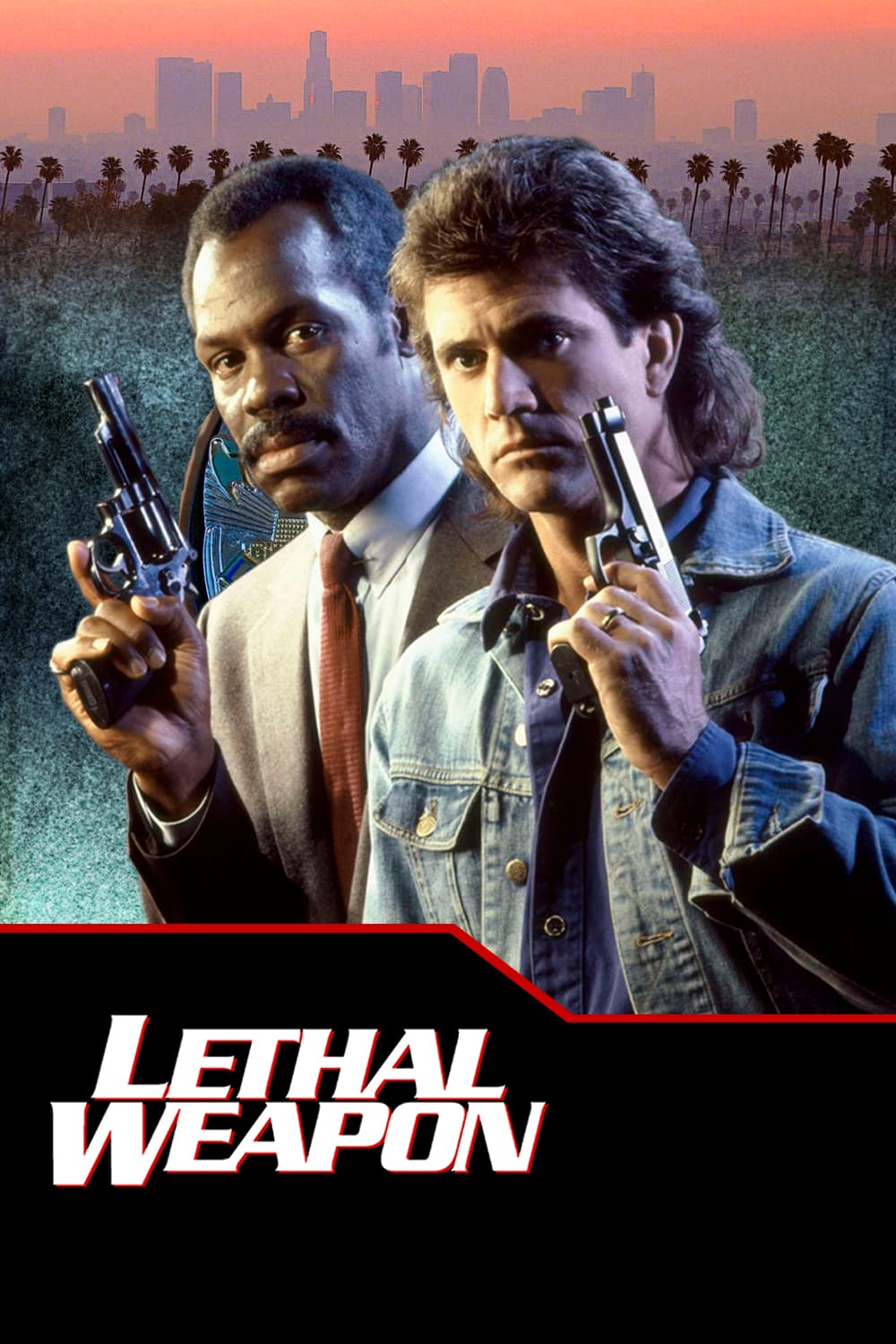
Shane Black sold the script at twenty-three and set the buddy-cop template for two decades: one cop is counting down to his pension, the other is a widower nobody trusts to be careful.
Gillespie had gone off to Primal Scream, so a drum machine drives the Reids' highest UK charting single.
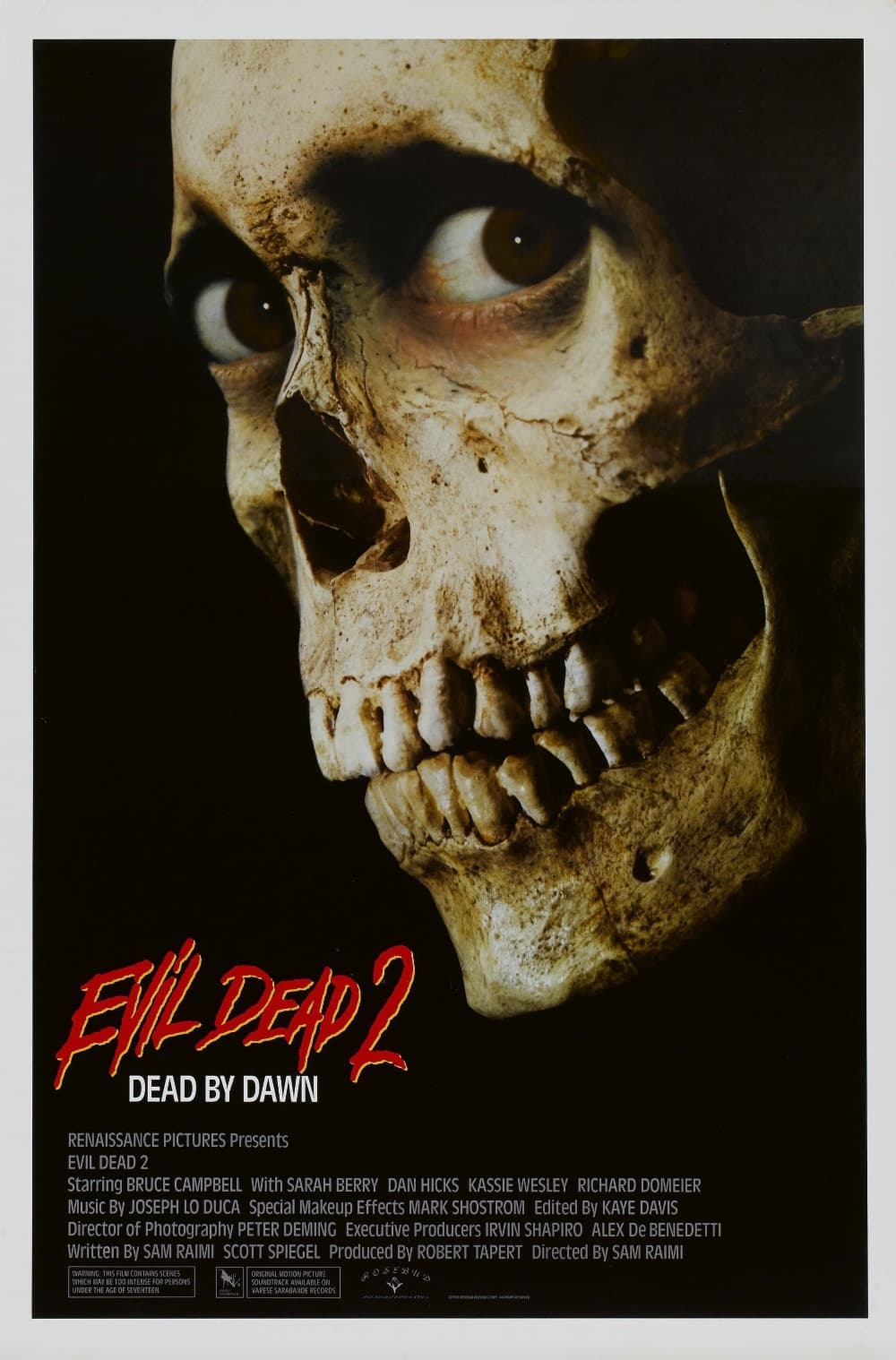
Sam Raimi rebuilt his own debut as a Three Stooges routine with blood: Bruce Campbell spends an entire sequence fighting his own hand, and the camera moves like something chasing him.
Written to order as a Christmas single, then reworded for Pretty Woman and two weeks atop the Hot 100.
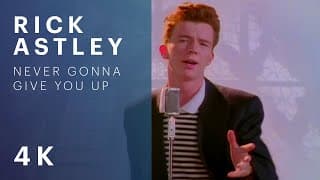
Waterman handed Astley the title after hearing him talk about his girlfriend; five weeks at number one followed.

J Mascis played much of the drumming as well as the guitar, and played loud enough that the rest of the band wore earplugs.
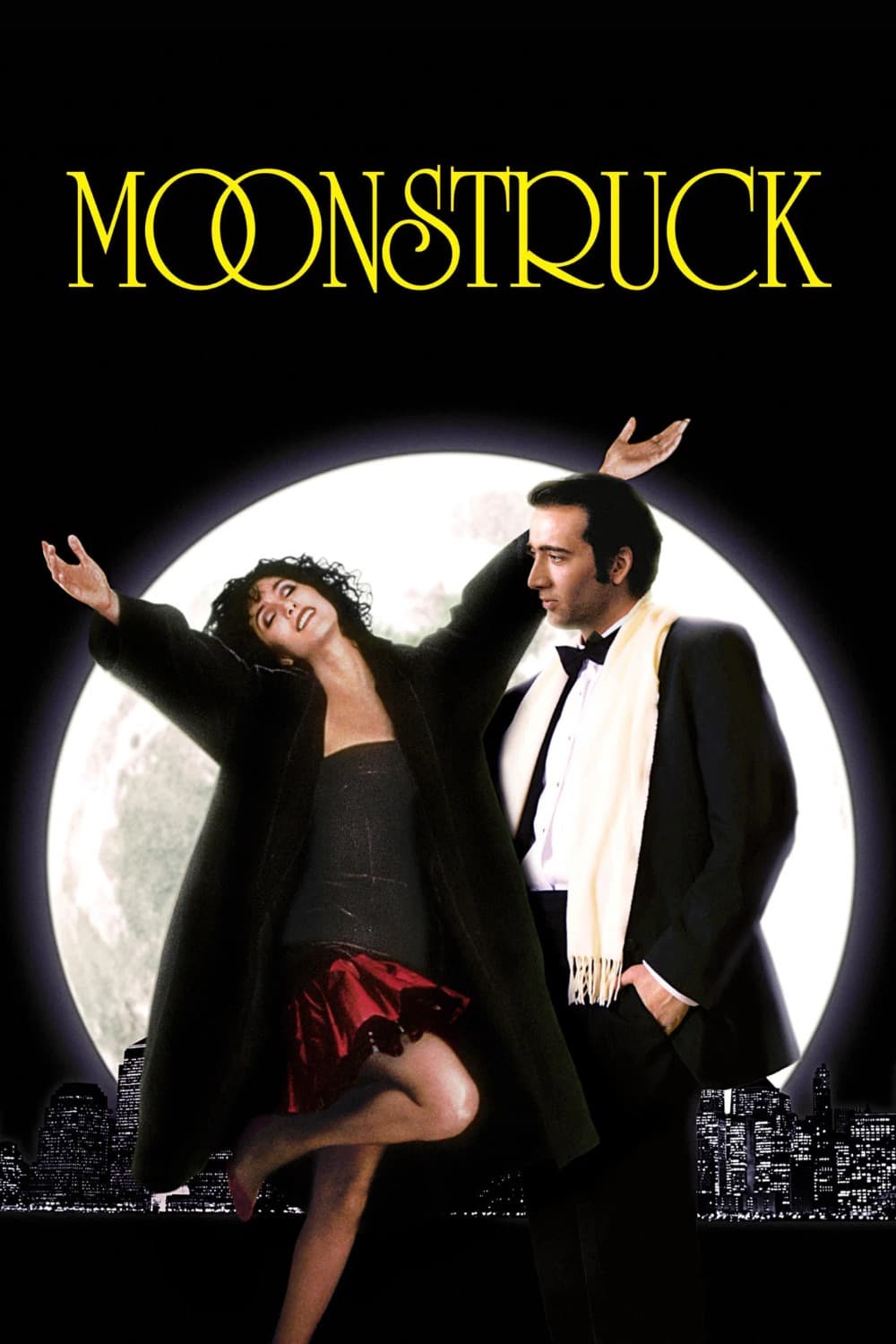
Cher and Olympia Dukakis both took Oscars from it, and the screenplay took a third: John Patrick Shanley wrote a Brooklyn Italian family who argue at operatic volume and mean every word.
A MIDI malfunction at Sarm West handed Michael that squelching bassline; the BBC then confined it to after the watershed.

Eighteen songs across a double album, deliberately in as many different styles as the band could manage, recorded in a French farmhouse.
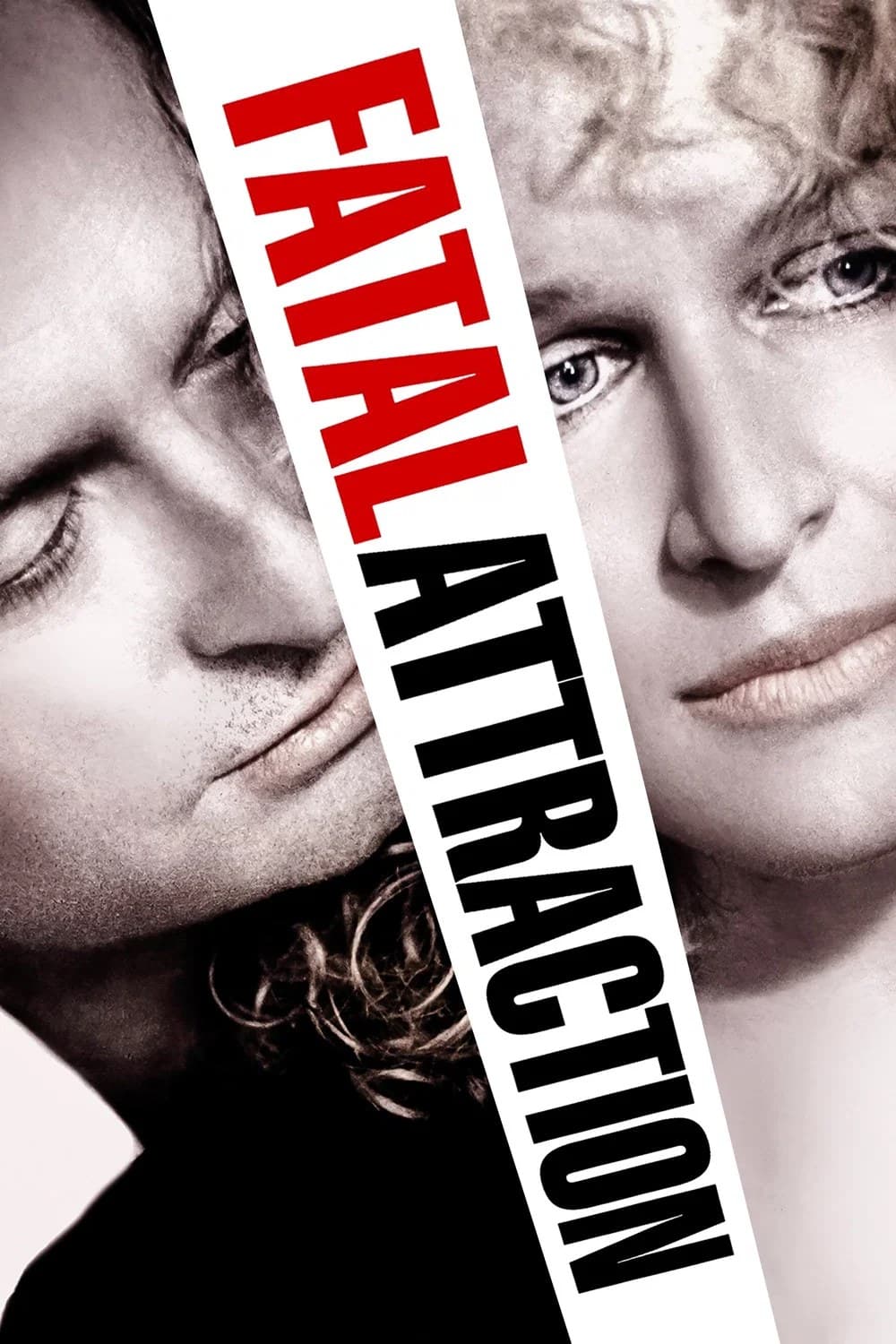
It became a national argument for months and put a phrase into the language: a married man has a weekend affair in Manhattan, and Glenn Close will not let it end there.
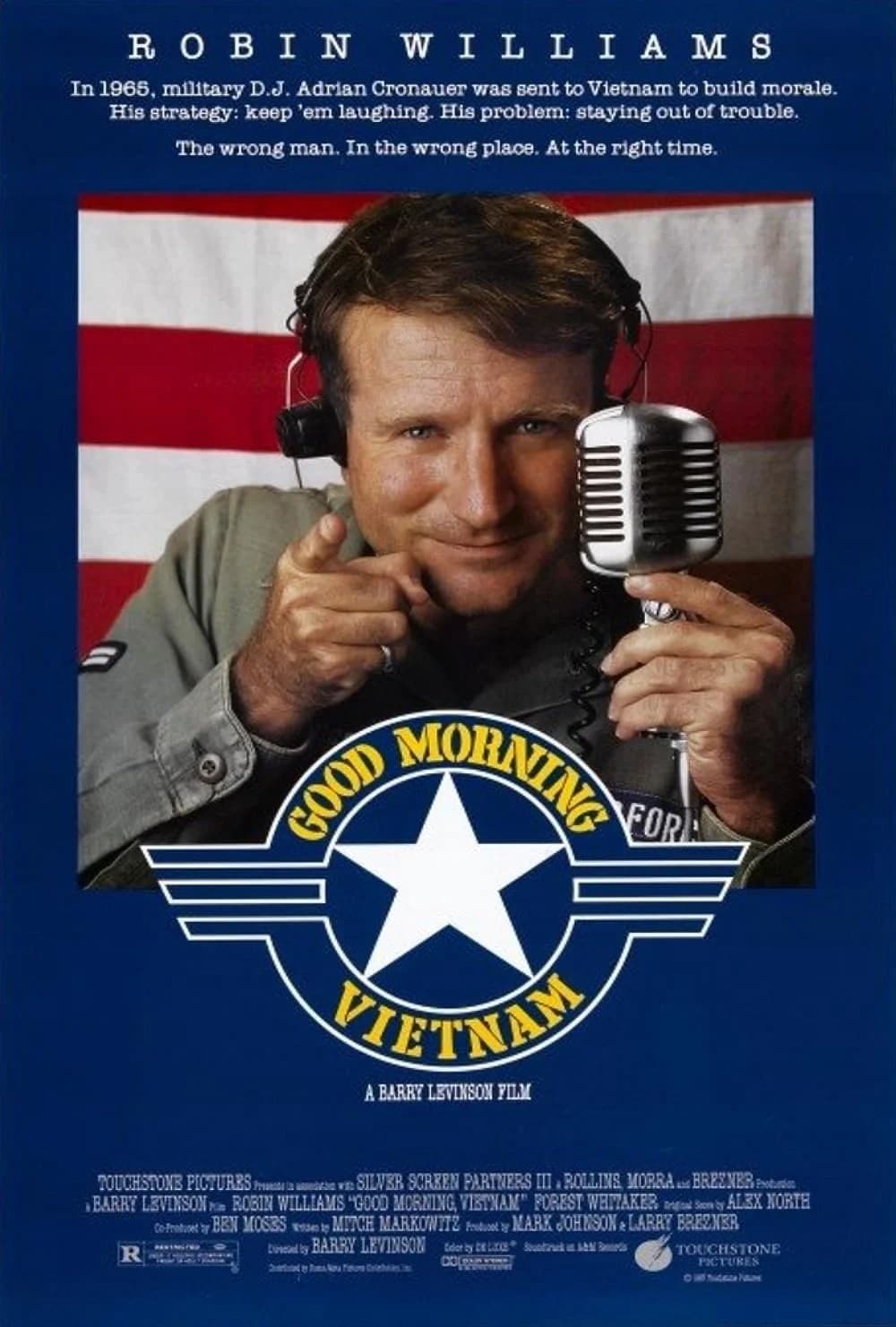
Robin Williams was handed a microphone and the cameras simply ran: an armed forces disc jockey lands in Saigon in 1965, and everyone above him wants the broadcast back the way it was.
Coverdale began it as a Tina Turner idea, Geffen told him to keep it, and it climbed to number two.
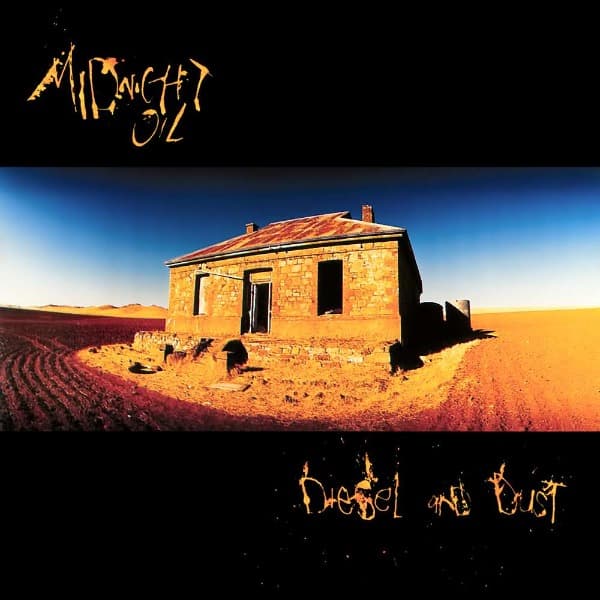
The band toured remote Aboriginal communities in the outback first, and wrote the record afterward about what they had seen there.
Harrison bought the James Ray original in Illinois in 1963; Jeff Lynne turned it into his last American number one.
You keep using that word. I do not think it means what you think it means.
Life is pain, highness. Anyone who says differently is selling something.
Nineteen eighty-seven, a Special Olympics benefit album, and Run-DMC turning Clarence Carter's Back Door Santa into a Queens carol.
There's nothing to explain. You're trying to kidnap what I've rightfully stolen.
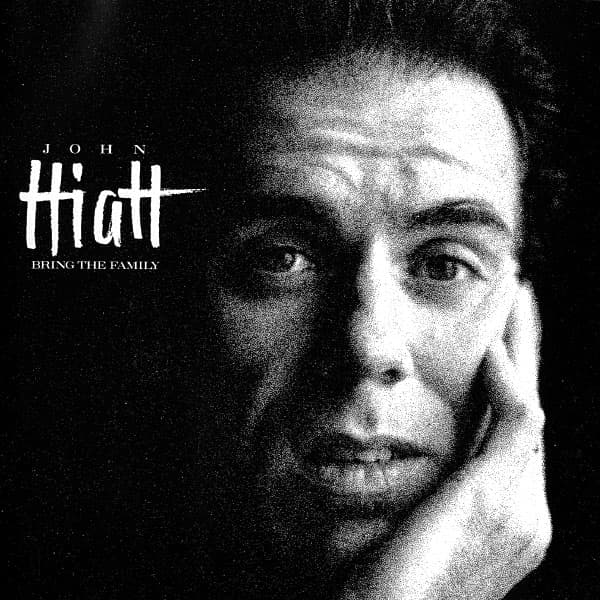
Cut in four days with a band of Ry Cooder, Nick Lowe and Jim Keltner, by a man who had just got sober and had nothing.
Love...is not a big enough word. It's not a big enough word for how I feel about my wife.