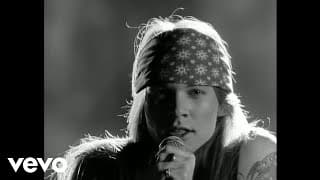
Sweet Child O' Mine
1987 · From Appetite for Destruction
Slash was goofing through a warm-up he called a circus melody; an hour later the band had this.
★ 8.7
 skopia
Slash was goofing through a warm-up he called a circus melody; an hour later the band had this.

Slash's riff, McKagan's breakdown recycled from his old punk band, and roughly three hours from nothing to finished song.
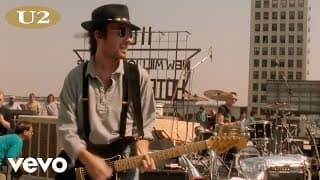
Eno reckoned half the album's sessions went into it and nearly wiped the tape; the Edge's delay does the rest.
The Edge was sent a prototype Infinite Guitar by Michael Brook, and U2 had their first American number one.
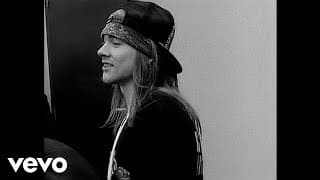
Written in a rental van home from San Francisco, and the final two minutes simply double the tempo.
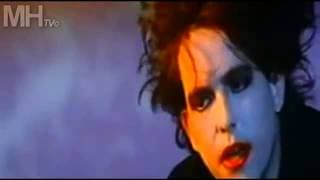
Smith traced it to a day at Beachy Head with Mary Poole; Williams sped the tempo, adding the opening fill.
Two years in the making, with MacColl finally singing the woman's part, and it still stalled at number two.
First released on the Less Than Zero soundtrack, it opens with Malcolm X and never stops arguing rap's case.
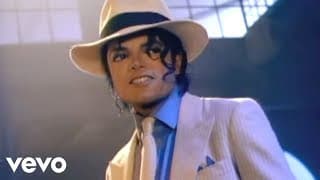
Jackson took the chorus line from a CPR dummy named Annie, and the anti-gravity lean later earned a patent.
A jam demoed under the title The Weather Girls became a gospel hymn about doubt, and U2's second American number one.
Walden thought the demo too country, funked it up, and Houston cut it while shaking off a bronchial infection.
Coldcut took 700 pounds for the remix, added Ofra Haza, and Rakim's minute-long verse reset how rappers rhymed.
Scorsese shot eighteen minutes in a Brooklyn subway station, and the brass hits point straight back at James Brown.
A church organ quoting Wham!'s Freedom, then Hugh Burns's Bo Diddley rhythm, and four weeks at number one.
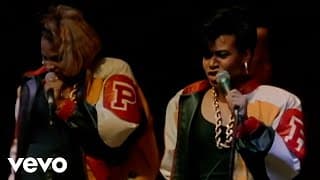
A B-side until a San Francisco DJ's remix reached radio, and a first rap Grammy nomination they boycotted.
A Bobby Byrd loop that sent every producer digging for James Brown, and Rakim rhyming coolly off the beat.
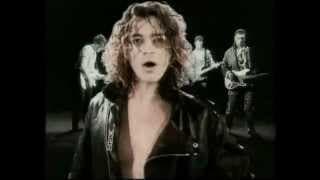
A cassette demo made while a taxi idled outside, finished in Hong Kong, and INXS's only American number one.

A dream about a party where every guest had Lenny Bruce's initials, sped into Document's headlong disaster list.
Ice Cube wrote it for a New York group who walked out; Dre pushed Eazy-E to rap it himself.
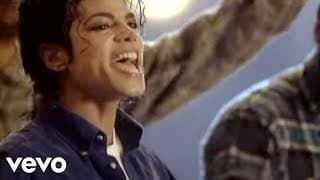
Cut at Westlake with Quincy Jones, a shuffle Jackson wrote himself, and Bad's third straight Hot 100 number one.
Marley Marl on the beat, Kane's debut twelve-inch in 1987, and a rapid-fire delivery that reset the bar.
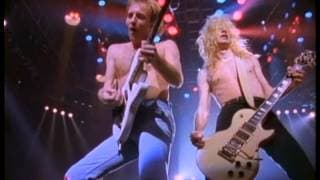
Written last, on a tea break, from a riff Elliott had been jamming; it later pushed Hysteria to number one.
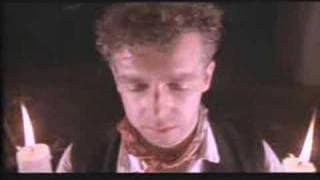
Tennant settling scores with his Newcastle Catholic school teachers, then closing the record with the Confiteor recited in Latin.
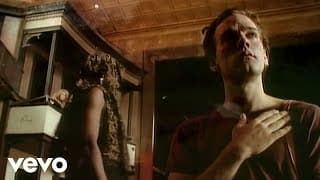
Buck wrote the riff on his porch, Stipe found it too brutal to sing, and America mistook it for romance.
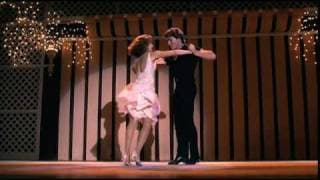
Medley said no repeatedly until Warnes signed on, and the two finished the vocal in about an hour.
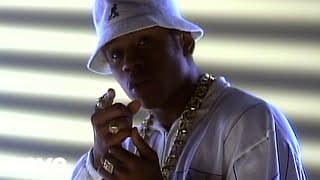
Hip hop's first successful ballad, an MC known for boasts admitting loneliness, and a number fourteen pop hit.
Los Lobos took a Veracruz wedding dance to number one, in Spanish, for the Ritchie Valens biopic.
Milk Dee built the beat from the Impeach the President break; over 300 records borrowed it since.
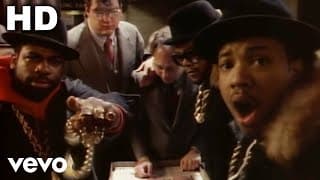
Rubin co-produced, the guitar hook lifted straight from My Sharona, and Penn and Teller hustle three-card monte in the video.
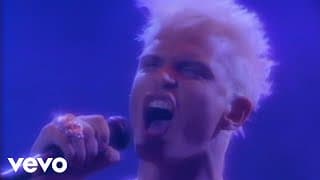
Idol's 1981 studio take missed the Hot 100 entirely; the live 1987 version knocked Tiffany off number one.
Cut live on a darkened Marin auditorium stage with no audience, and somehow the Dead's only Top 10 hit.
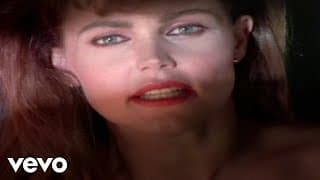
Number one in both America and Britain, with Thomas Dolby on synths and Diane Keaton directing the video.
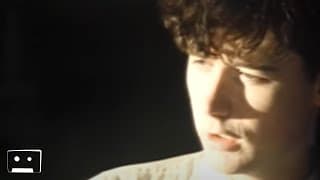
Gillespie had gone off to Primal Scream, so a drum machine drives the Reids' highest UK charting single.
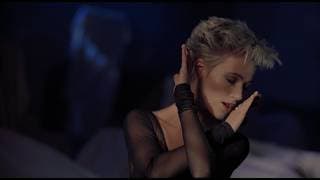
Written to order as a Christmas single, then reworded for Pretty Woman and two weeks atop the Hot 100.
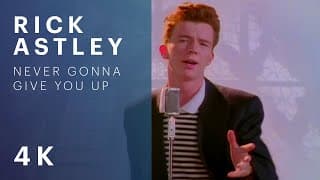
Waterman handed Astley the title after hearing him talk about his girlfriend; five weeks at number one followed.
A MIDI malfunction at Sarm West handed Michael that squelching bassline; the BBC then confined it to after the watershed.
Coverdale began it as a Tina Turner idea, Geffen told him to keep it, and it climbed to number two.
Harrison bought the James Ray original in Illinois in 1963; Jeff Lynne turned it into his last American number one.
Nineteen eighty-seven, a Special Olympics benefit album, and Run-DMC turning Clarence Carter's Back Door Santa into a Queens carol.