Star Wars Episode IV: A New Hope
Directed by George Lucas
1977
Modern Hollywood begins here: Lucas told the oldest story there is inside a universe that looked used and lived in, and the blockbuster has run the business ever since.
★ 9.5
 skopia
Modern Hollywood begins here: Lucas told the oldest story there is inside a universe that looked used and lived in, and the blockbuster has run the business ever since.
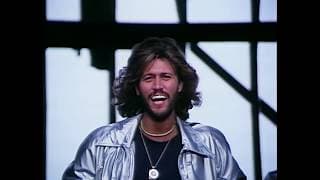
Barry Gibb's falsetto over a drum loop so metronomic that paramedics still use it to time chest compressions.
Moroder's pulsing synth track, Summer floating above it, and the record Eno reportedly called the sound of the future.
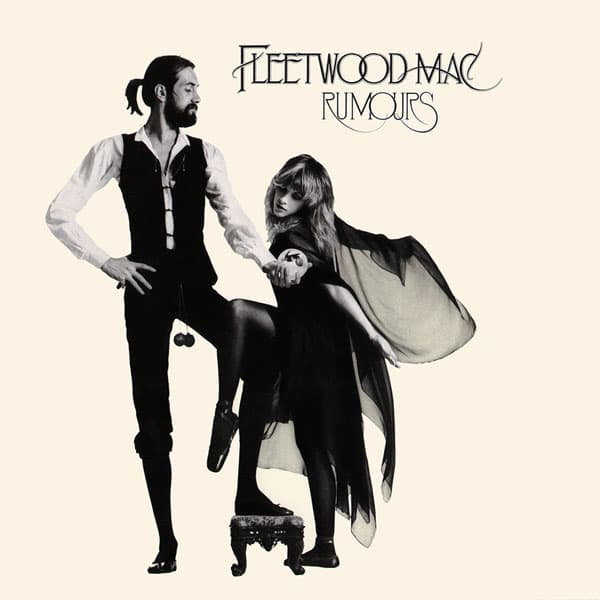
Two couples in the band were breaking up while they recorded, and kept writing songs about each other that the other had to sing.
Recorded beside the Berlin Wall, Fripp's feedback howling while Bowie sings himself hoarse over a single defiant day.
Nicks wrote it in a black velvet studio room at Sausalito's Record Plant; it remains the band's only US number one.
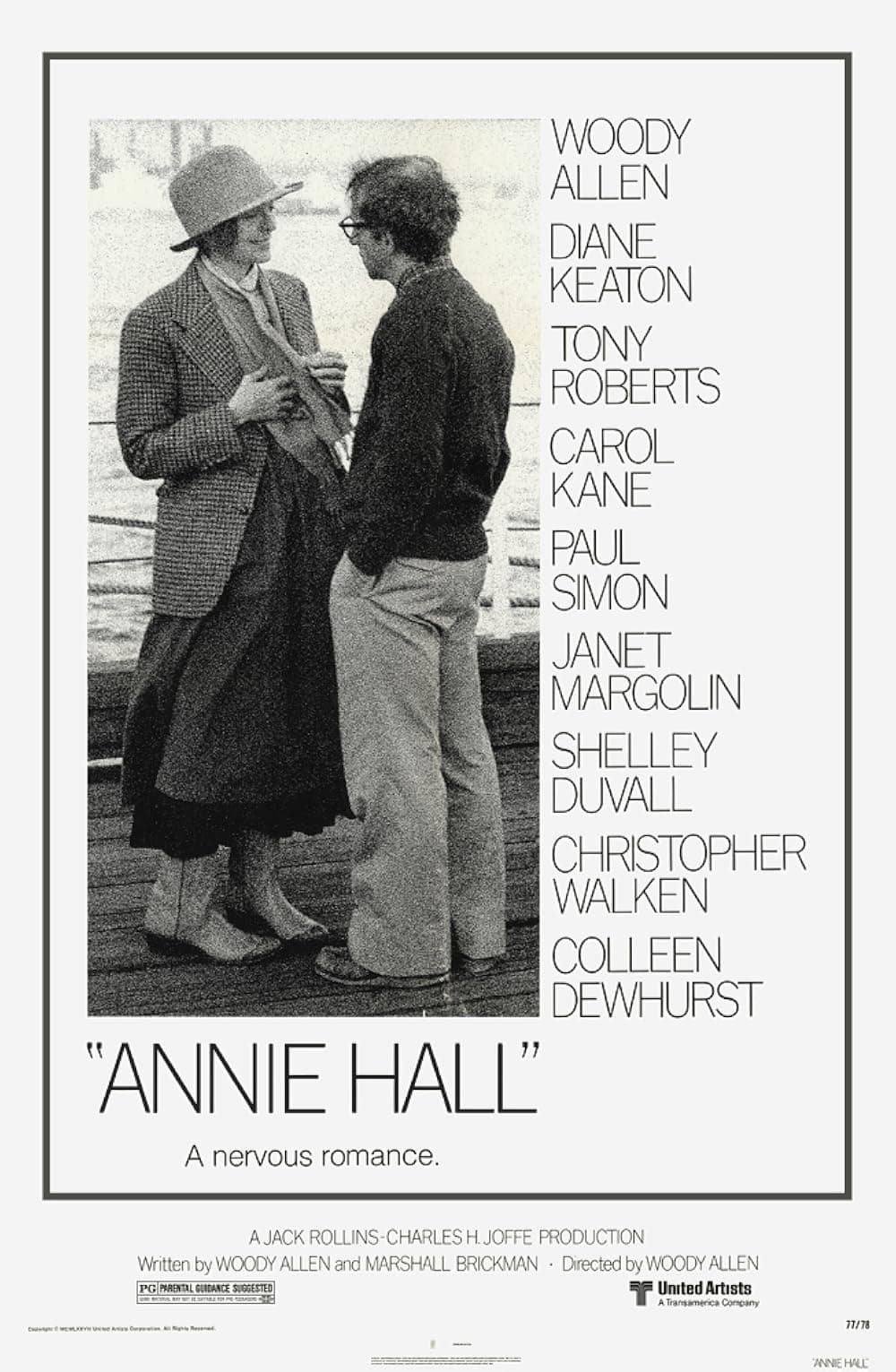
The romantic comedy has never recovered from it: Allen talks to the camera, walks into his own memories, drops subtitles over small talk, and breaks every rule the form had.
Felder demoed it on a four-track in Malibu, and his Les Paul duels Walsh's Telecaster through the outro.
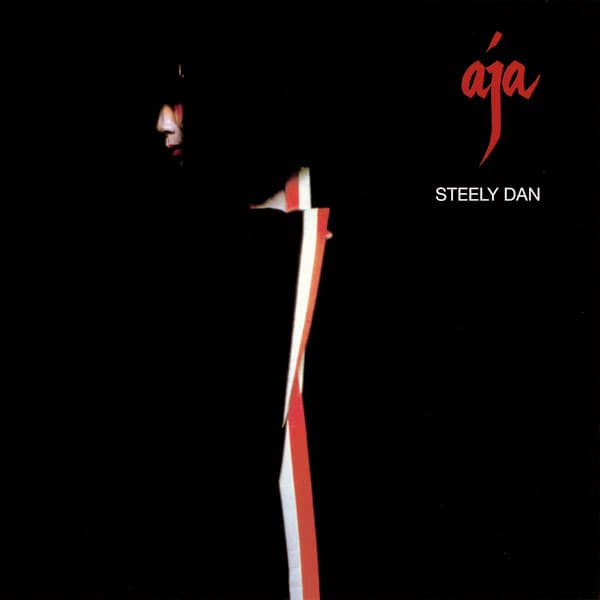
Becker and Fagen ran seven guitarists through the solo on Peg before they kept one, and worked the rest of the record the same way.

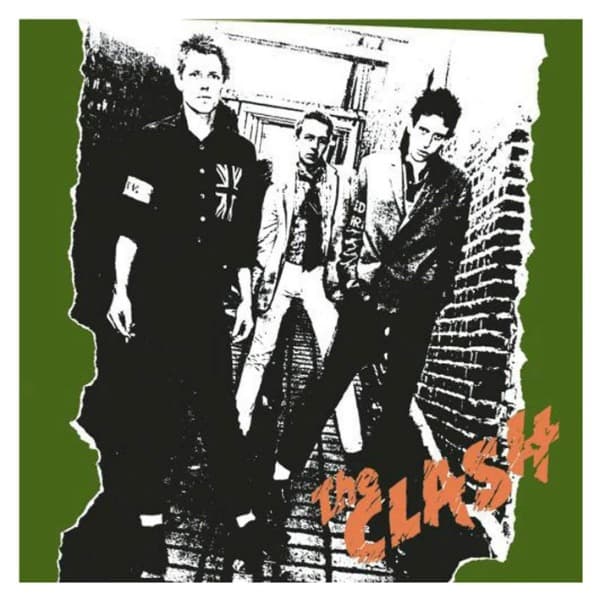
Sid Vicious barely plays on it, and a record shop was taken to court over the word bollocks and won.
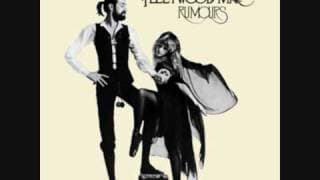
Buckingham aimed Mick Fleetwood at the Street Fighting Man groove, then sang a breakup line Nicks demanded he cut.
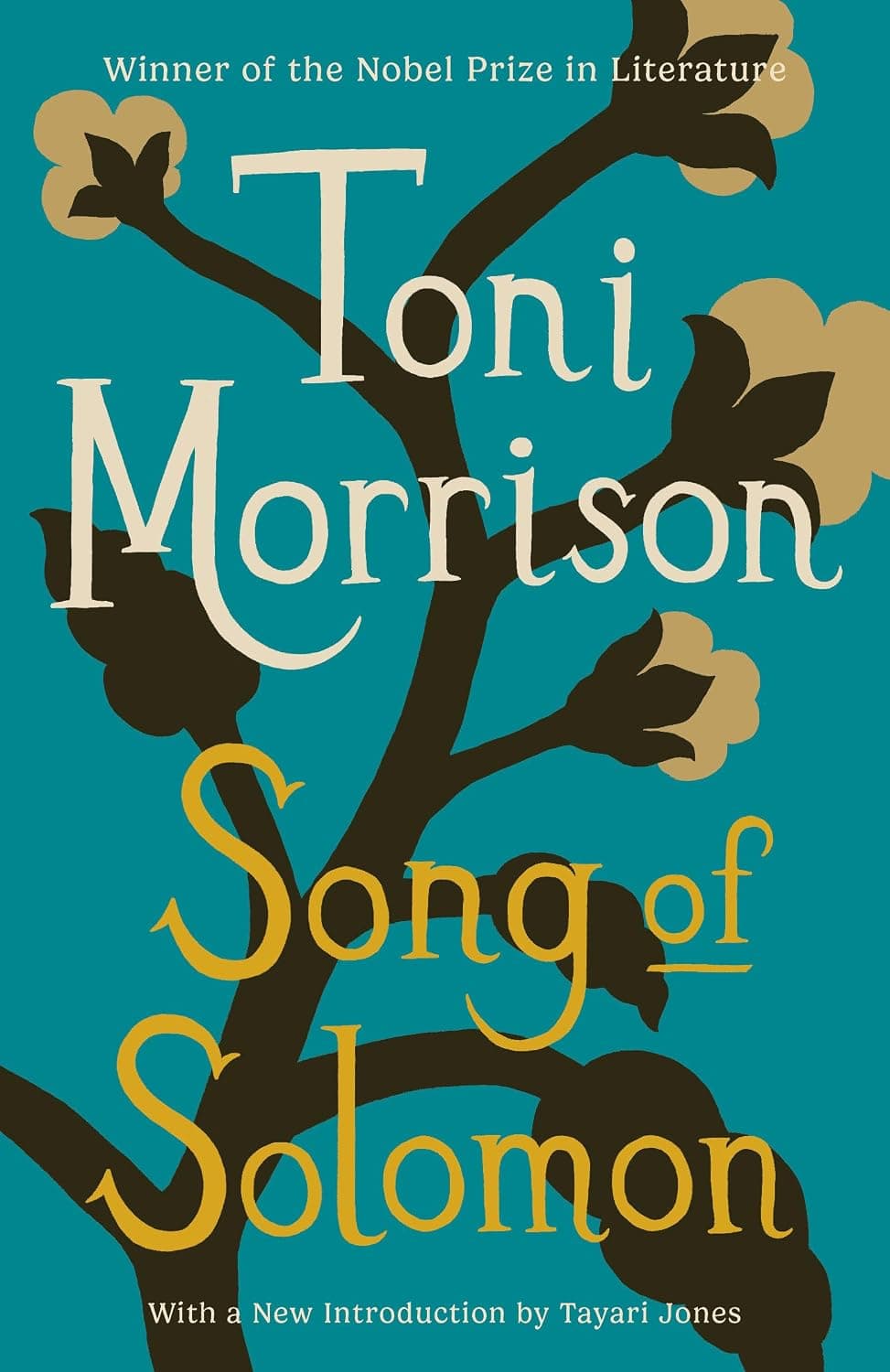
Hunting gold in the South, a rich man's bored son finds his family's history instead, hidden in a song children sing. Morrison turns it into myth: an African ancestor who flew home.
Written as "No Future," banned by the BBC, and stuck at number two amid loud suspicion of chart rigging.
A 1965 Studio One ska tune rebuilt for Exodus, with Mayfield credited to keep the borrowing legal.
May came home from a Stafford gig where the crowd sang back, and built a chorus from stomps and claps.
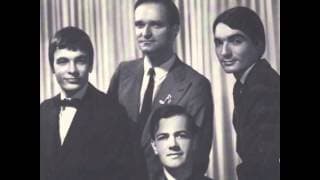
Kraftwerk's rhythm rode a train across Europe, name-checked Bowie and Iggy Pop, then turned up inside Afrika Bambaataa's Planet Rock.
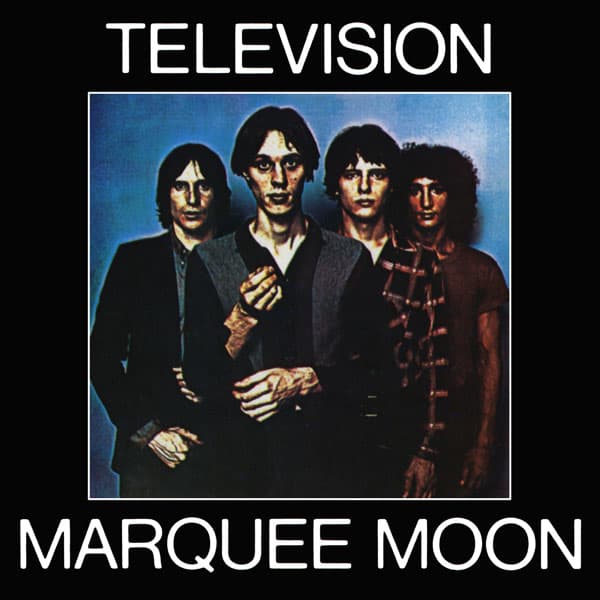
The two guitars never play the same part, and the singer, Tom Verlaine, refused to double-track anything, so you hear what happened in the room.

Spielberg made the rare first-contact film that treats the aliens as something to hope for: an ordinary man starts building a mountain in his living room and cannot say why.
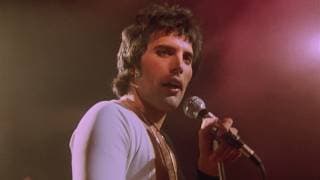
Mercury wrote it with audience participation in mind, and a 2011 study named it the catchiest song in pop.
Razor-blade tape splices turned rejected scraps into the one Rumours song credited to all five, McVie's bass ending it.
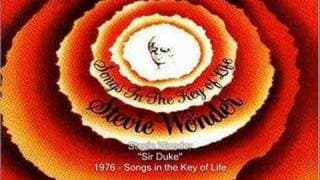
Wonder built it for Ellington after his death in 1974, then handed the melody to horns playing in unison.
Bowie found the beat in an Armed Forces Network call sign; Hunt Sales hammered it out in Berlin.

Marley made it in London after being shot at home in Jamaica, and side two is nothing but songs people still sing at weddings.
Petty cut it on the Fourth of July, 1976, and Roger McGuinn heard the Byrds so clearly he covered it.
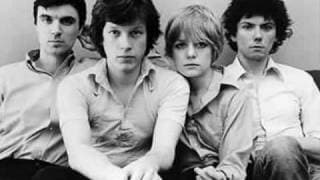
A ballad first, written at art school, until Weymouth's French bridge and bassline turned it feral.
Ten minutes captured in one take; Ficca thought it was a rehearsal and Verlaine refused Andy Johns another go.
Gardiner found the riff wandering under apple blossom, and Bowie sings behind Iggy at Hansa by the Wall.
Bootsy passed on the bass part, so Worrell chained three Minimoogs together and gave Parliament its first R&B number one.
Reportedly inspired by canaries at his Hope Road windowsill, cut in London, and the gentlest reassurance in reggae.
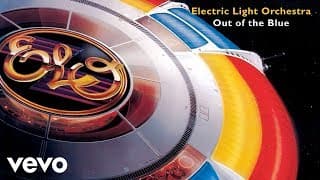
Two weeks of Alpine fog broke, and Lynne wrote this and thirteen more songs, closing it with a vocoder.
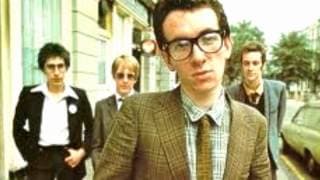
Costello glimpsed a supermarket checkout girl, Clover backed him before the Attractions existed, and one line titled his debut.

Taking a picture is a form of acquisition, close to aggression, Sontag argues, and a world drowning in images loses the power to feel them. You will not photograph casually again.

At eighteen in 1933 Fermor set off on foot from Holland for Constantinople, sleeping in barns one night and in castles the next, and caught central Europe in its last clear light.
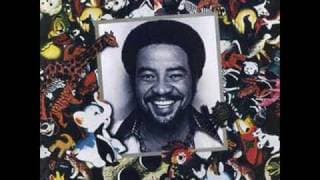
Withers holds the last note for eighteen seconds, Ray Parker Jr. plays guitar, and morning suddenly looks survivable.
Young wrote it on doctor-ordered voice rest, whistling the melody, then chased Sampedro's Stringman chords for eight electric minutes.
Seventeen weeks in the American top ten, and a ballad Stigwood refused to let them hand to Yvonne Elliman.
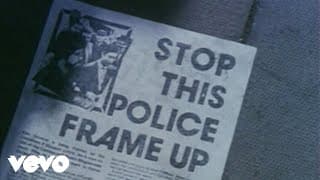
Strummer and Simonon were in the 1976 Notting Hill Carnival riot; the single ran under two minutes and reached thirty-eight.
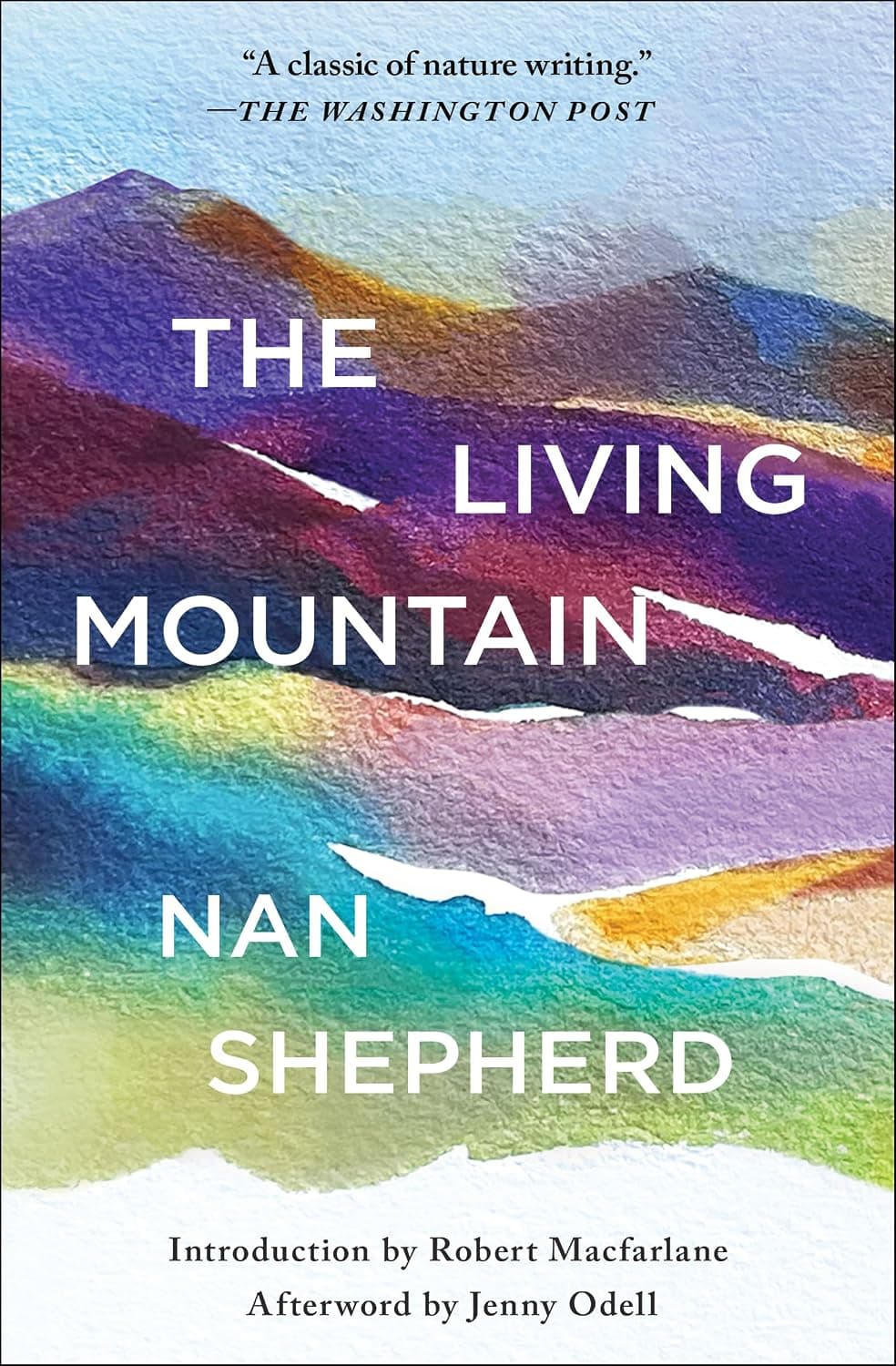
Summits barely register. Shepherd spent a lifetime in the Scottish Cairngorms and writes about going into the mountain rather than up it, attending to water and frost until the seeing becomes the point.
The BBC ran its long instrumental intro under programme trailers, and Bowie's ultimate retreat song went to number three.
Seven-four time, Steve Hunter's Martin triple-tracked at three tape speeds, and Gabriel's first record after walking out of Genesis.
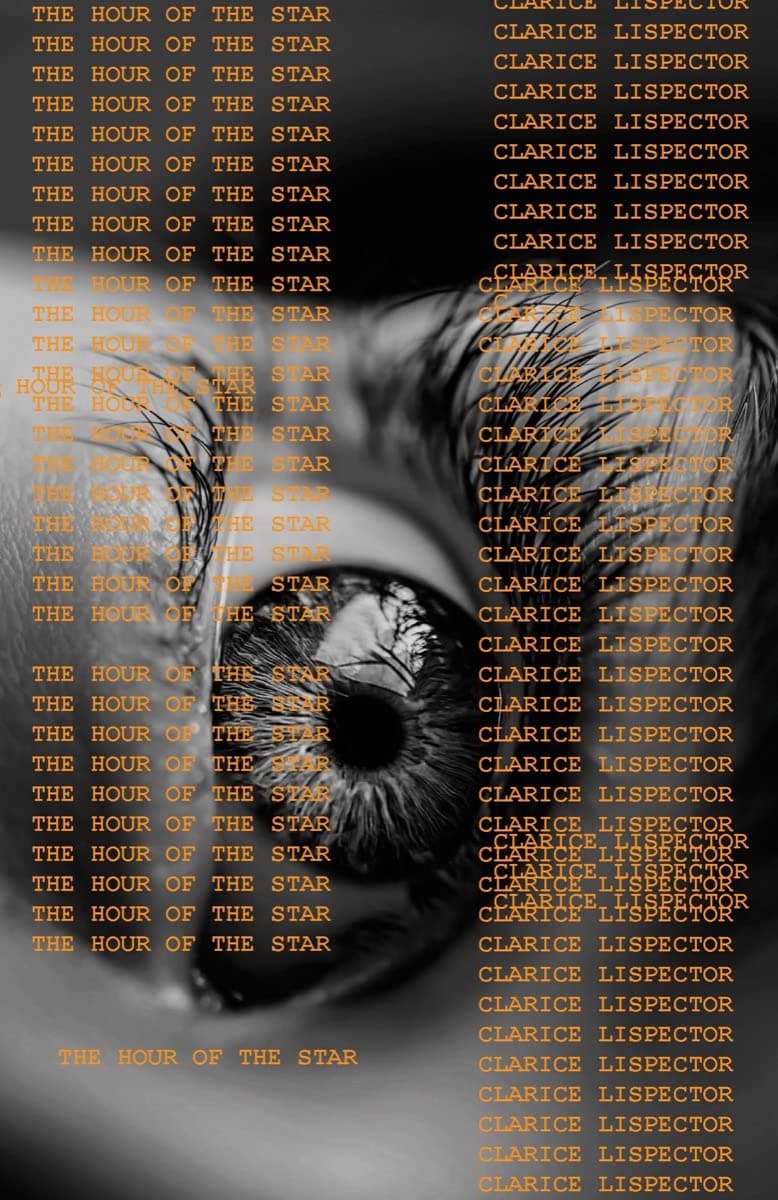
Macabéa is a half-starved typist from Brazil's Northeast, and the writer narrating her keeps stopping to ask what right he has to her poverty. Lispector makes that discomfort the whole book.

The Bee Gees wrote most of it in about two weeks in a French château, without having read the script or seen a frame.

Matlock's riff, lifted off ABBA's "SOS", and the sound of a generation deciding not to care.
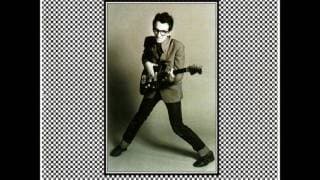
Costello wrote it after a night with the first Clash album; Nieve's piano stalks it like Bernard Herrmann.

Three Alaskas: a river trip above the Arctic Circle, the hunt for a new capital site, and the trappers of Eagle on the Yukon. Reporters have been studying McPhee's patience ever since.
A rewrite of a 1959 novelty called "The Beat Generation", with Quine and Julian's guitars turning parody into manifesto.
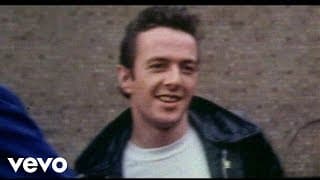
Lee Perry produced it after CBS released a single without the band's consent; Topper Headon's first Clash session.
Nielsen's studio take on In Color went nowhere; the live Japanese version, crowd and all, hit number seven.
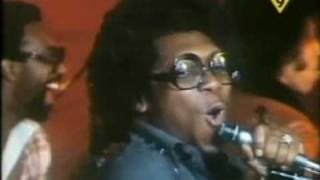
Drummer Walter Orange stepped out front, LaPread's bass line did the rest, and funk got a permanent floor-filler.
Richie traced that Sunday-morning ease to the small Alabama town he grew up in; the singer is walking away relieved.
Joey Ramone spliced a jungle-comics heroine with punk's primal charge, and Britain sent it to number twenty-two.
Bebop alto player Phil Woods takes the solo, and the melody Joel dreamed won Record and Song of the Year.
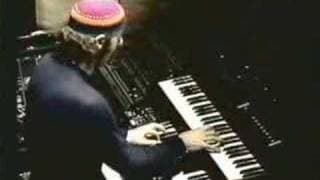
Zawinul named it for the club where he heard Basie, Ellington and Miles, then made an instrumental a hit.

In an Egyptian prison a woman awaiting execution tells a psychiatrist her life: genital mutilation, forced marriage, prostitution, and the man she killed. El Saadawi drew it from a real condemned prisoner.
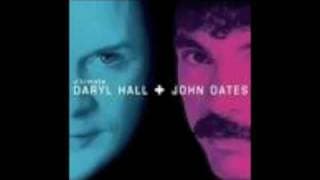
Hall wrote it about a fast-food heir, changed Rich Boy to Rich Girl, and took the duo to number one.
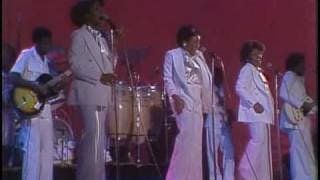
Maurice White and Al McKay wrote it, Earth Wind and Fire's rhythm section played it, and the Hutchinson sisters soared.
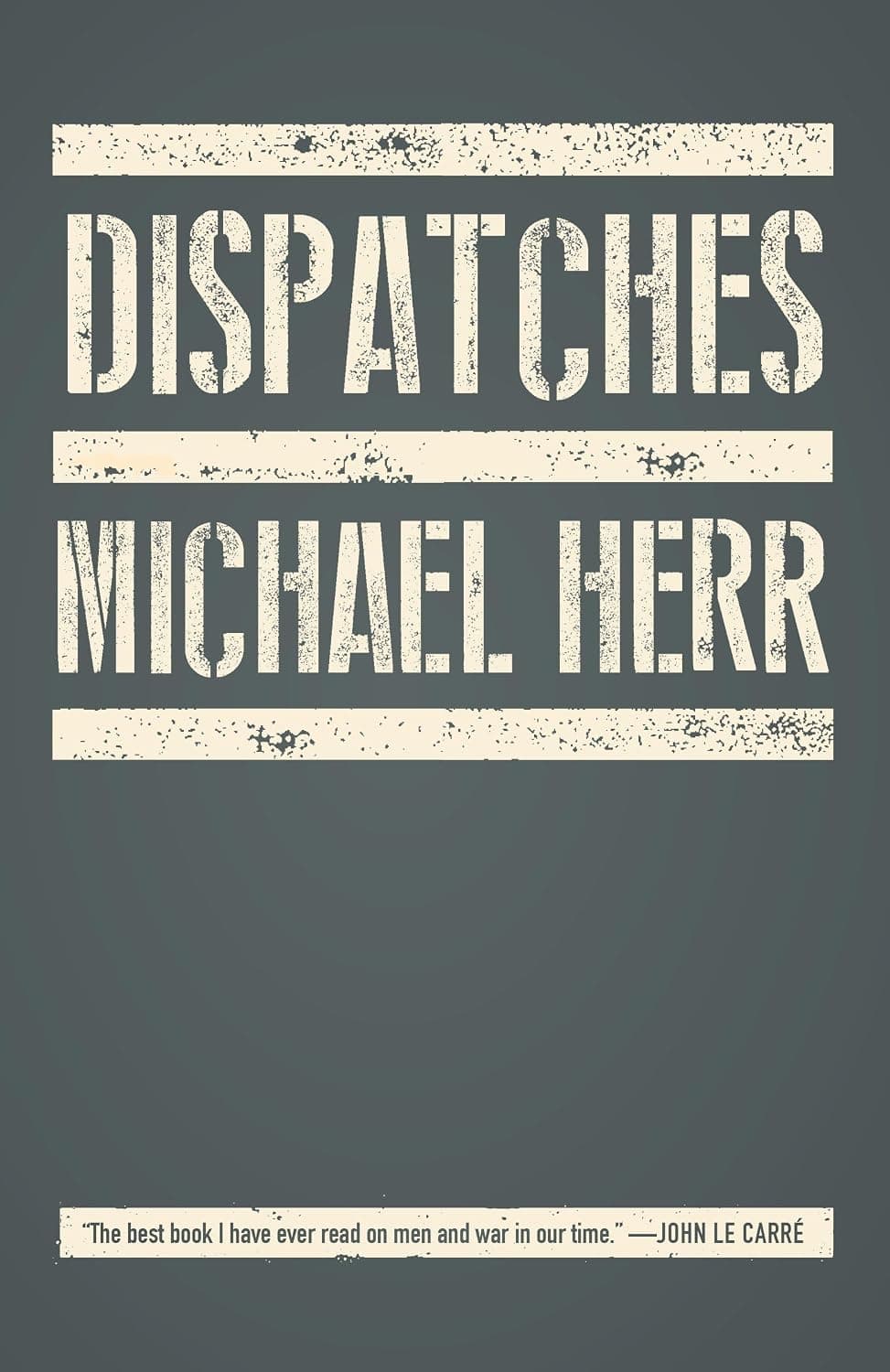
Herr covered Vietnam for Esquire at twenty-seven and wrote the siege of Khe Sanh and the ruins of Hue at the pitch of a bad trip. Apocalypse Now took its narration from him.

Costello recorded it on days off from his job at a cosmetics factory, backed by an American bar band that included Huey Lewis.
A fingerpicking exercise Livgren's wife overheard and told him to finish, now Kansas's only American top ten.
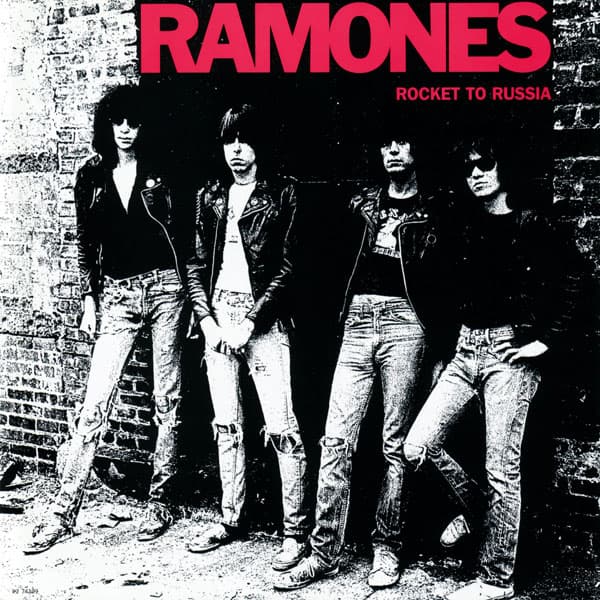
They were openly chasing a hit single and never got one. The harmonies come straight off the girl-group records they grew up on.
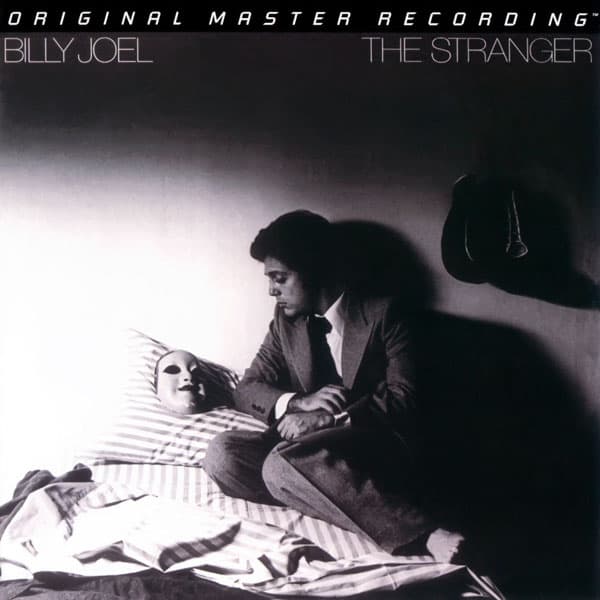
Scenes from an Italian Restaurant is three unfinished songs stitched into one. The whistling at the start of the record is Joel himself.
Marching boots open the record, and a collapsed Jersey holiday sent the band to Berlin for their subject.
Norbert Putnam moved the sessions to Miami for the beachfront air, and Buffett turned one ruined afternoon into the chorus.
Liberty DeVitto hated reggae, so the demo's lilt became a shuffle; the radio bans only sold more copies.
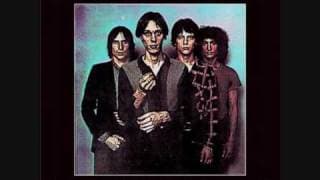
Verlaine hired Andy Johns off Goats Head Soup, cut the two guitars to separate channels, and punk got counterpoint.
Self-produced by the Wailers, and the track that opened the Lyceum nights Island taped in July 1975.
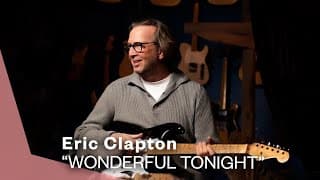
Clapton wrote it on a Martin D-28 while Pattie Boyd got ready for a Buddy Holly party, by his account.
Vanda and Young cut it at the Let There Be Rock sessions, reworking a 1976 outtake called Dirty Eyes.

Chatwin traveled Patagonia chasing a scrap of giant sloth skin from his grandmother's cabinet, and collected Welsh settlers, anarchists and Butch Cassidy. He remade travel writing into something as strange as fiction.

Caputo landed at Da Nang in 1965 with the first American ground troops, eager for it. His tour ended with murder charges over two Vietnamese civilians his men shot, and he excuses nothing.
A piano ballad at first, then a synthesizer break, then guitars, angels and a starship headed skyward.
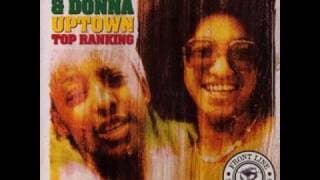
Two Jamaican teenagers, seventeen and eighteen, answering Trinity over Alton Ellis's riddim, number one in Britain within months.
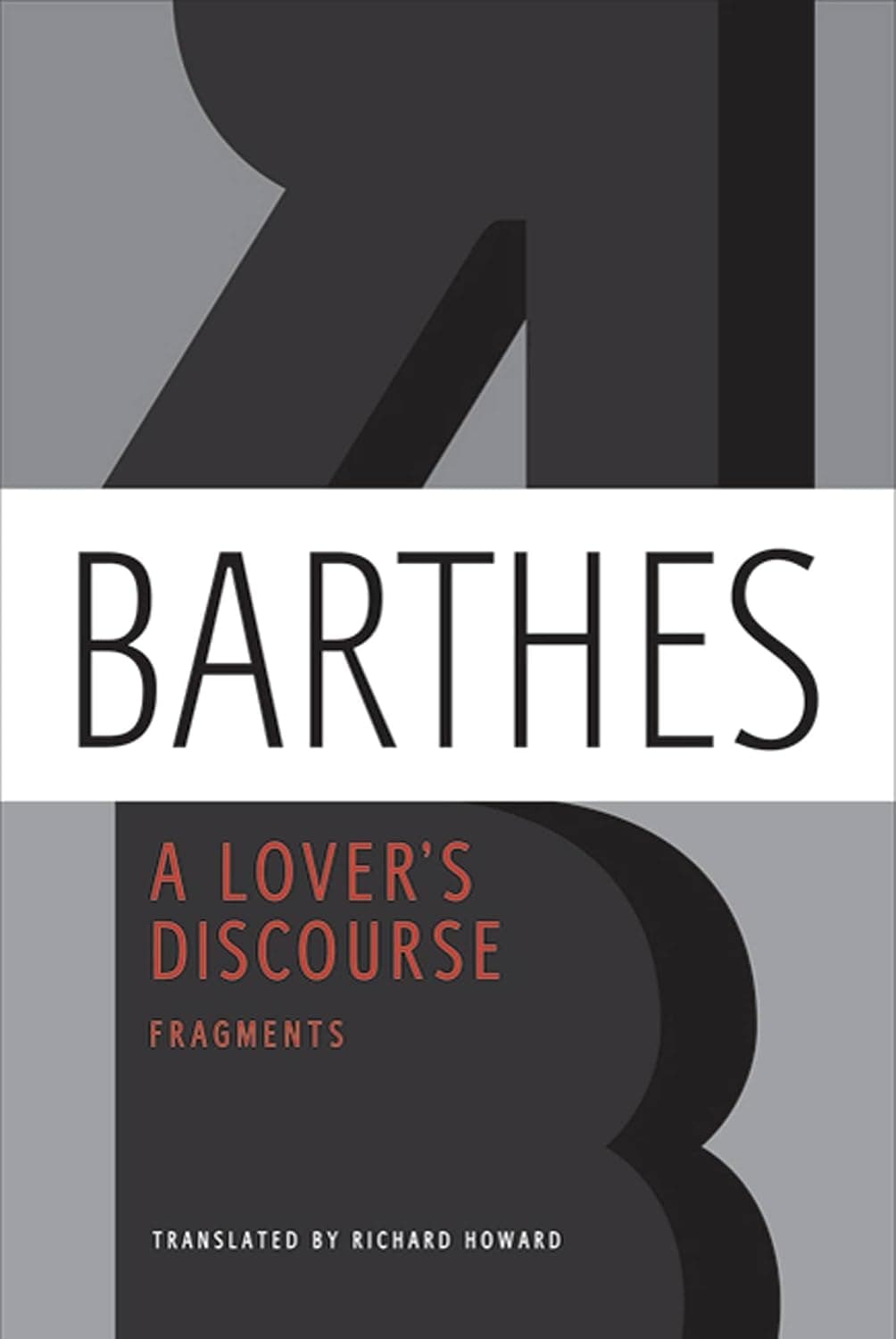
Waiting in a café for someone who does not come, rereading a letter, saying I love you and hearing it fail: Barthes breaks obsession into figures, each spoken in the lover's voice.

An undercover narcotics agent is assigned to watch a suspect who is himself, and the drug splitting his brain hemispheres keeps him from noticing. Dick closes by naming the friends he lost.
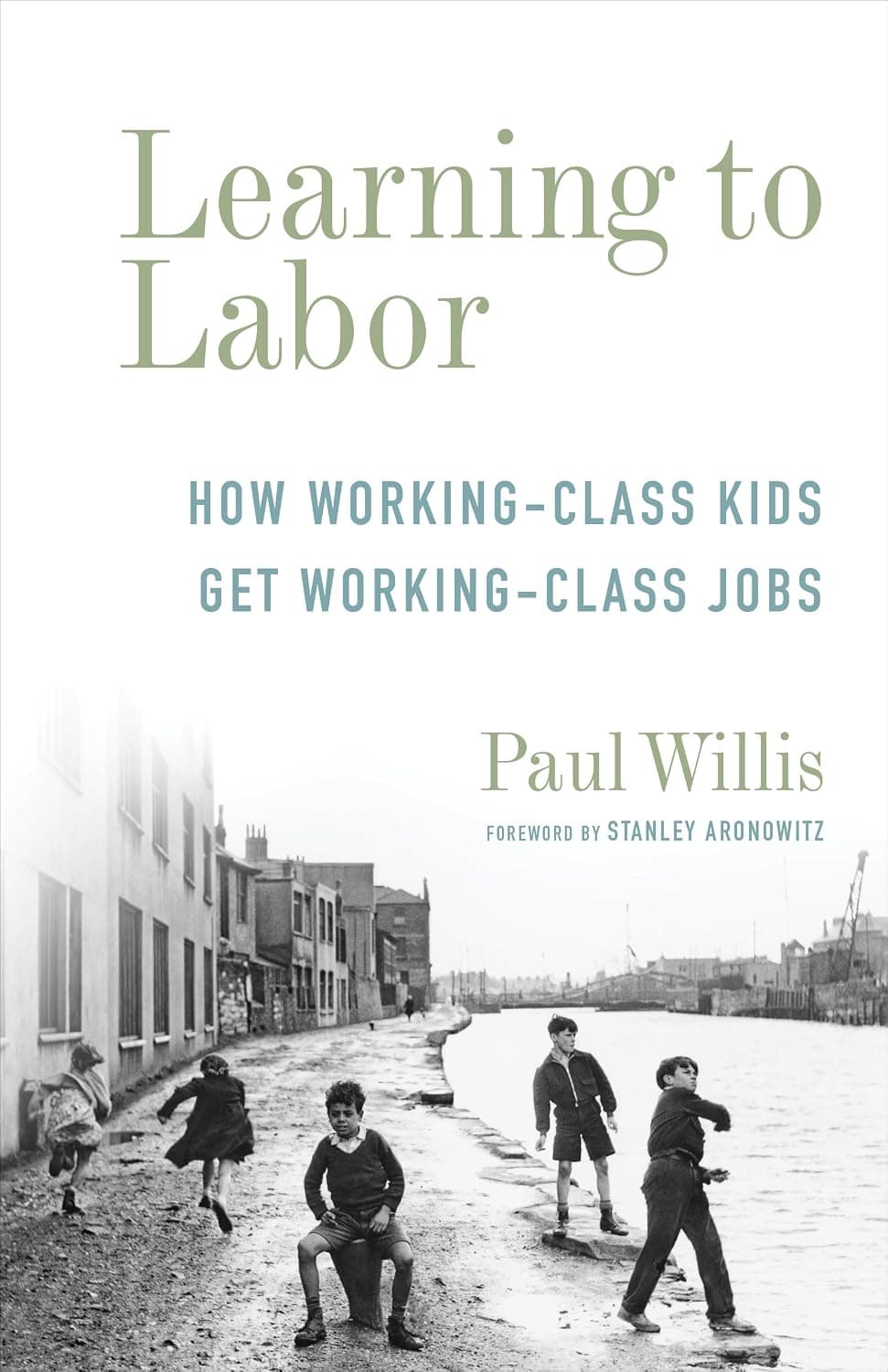
Working-class boys are not pushed into working-class jobs, Willis found: they choose them. Twelve lads at a Midlands comprehensive laugh their way through school and hand themselves to the factory floor.
Jankel lifted the bass figure from Ornette Coleman's "Ramblin'"; the BBC banned the single, and Peel played it anyway.
A piano riff hammered like a warning, written by Gramm and Jones, later sampled wholesale by M.O.P.
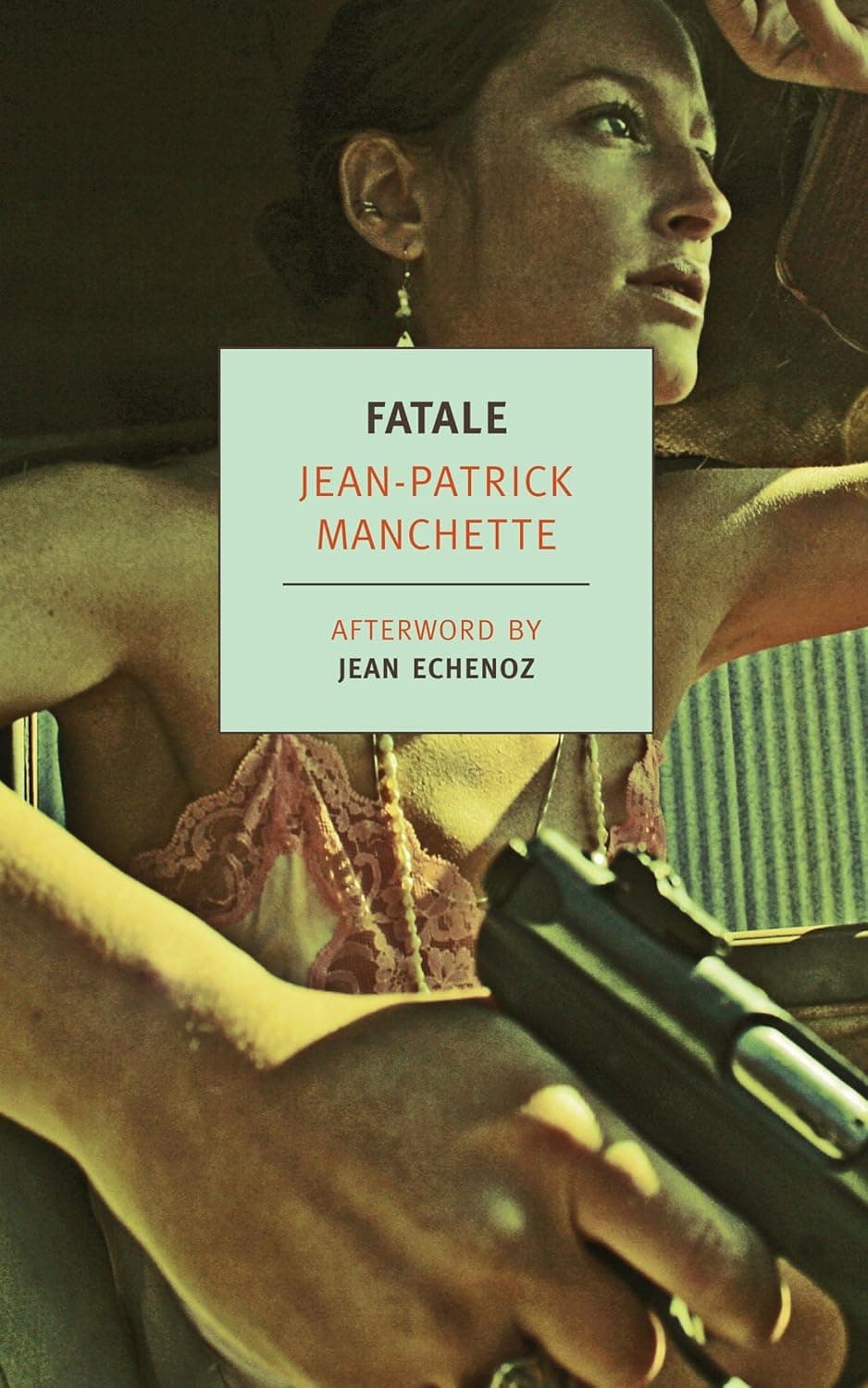
Aimee Joubert kills for hire. She arrives in a smug French seaside town, learns everyone's secrets over dinner, and sets the notables to destroying each other. Manchette writes crime as class war.

Jess can outrun everyone in fifth grade until Leslie moves in next door. They swing over a creek into Terabithia, the kingdom they rule together, and Paterson refuses to protect them from grief.

Every label turned it down, and Todd Rundgren produced it partly because he thought it was a parody. It has sold over forty million.
One of four songs on the demo that got Foreigner signed, and Gramm sang it at his audition.
Bowie balked at the carol, so writers built the Peace on Earth counterpoint in an hour; Crosby died weeks later.
Ray Davies cut it at Konk in 1977, a department store Santa mugged by kids who want jobs, not toys.
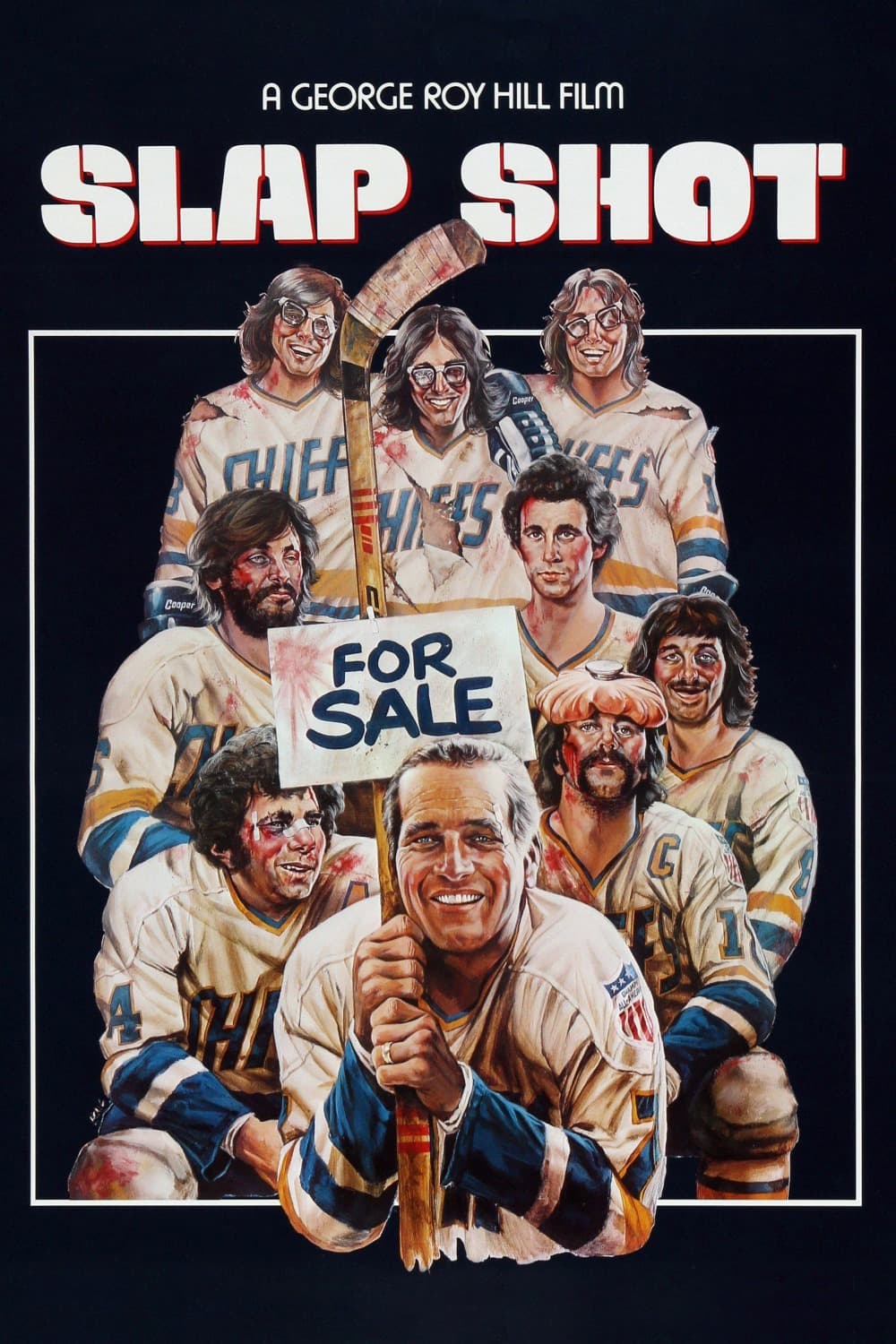
Real minor-league players filled most of the roster and three of them became the Hanson Brothers: Paul Newman coaches a dying team that discovers the crowd will pay for violence.
Who's the more foolish? The fool or the fool that follows it?
I'd rather laugh with the sinners than cry with the saints The sinners are much more fun
Beckett and Crowley wrote it after two bandmates' breakups, and Lambert and Potter's production held number one for three weeks.
The circle is now complete. When I left you, I was but the learner; now I am the master.
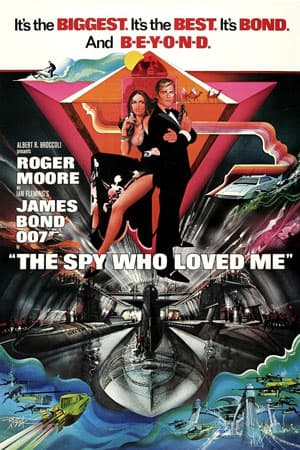
The ski jump off the cliff opening a parachute painted like a Union Jack is the single best Bond stunt: Roger Moore's finest hour, with Jaws and an underwater Lotus.
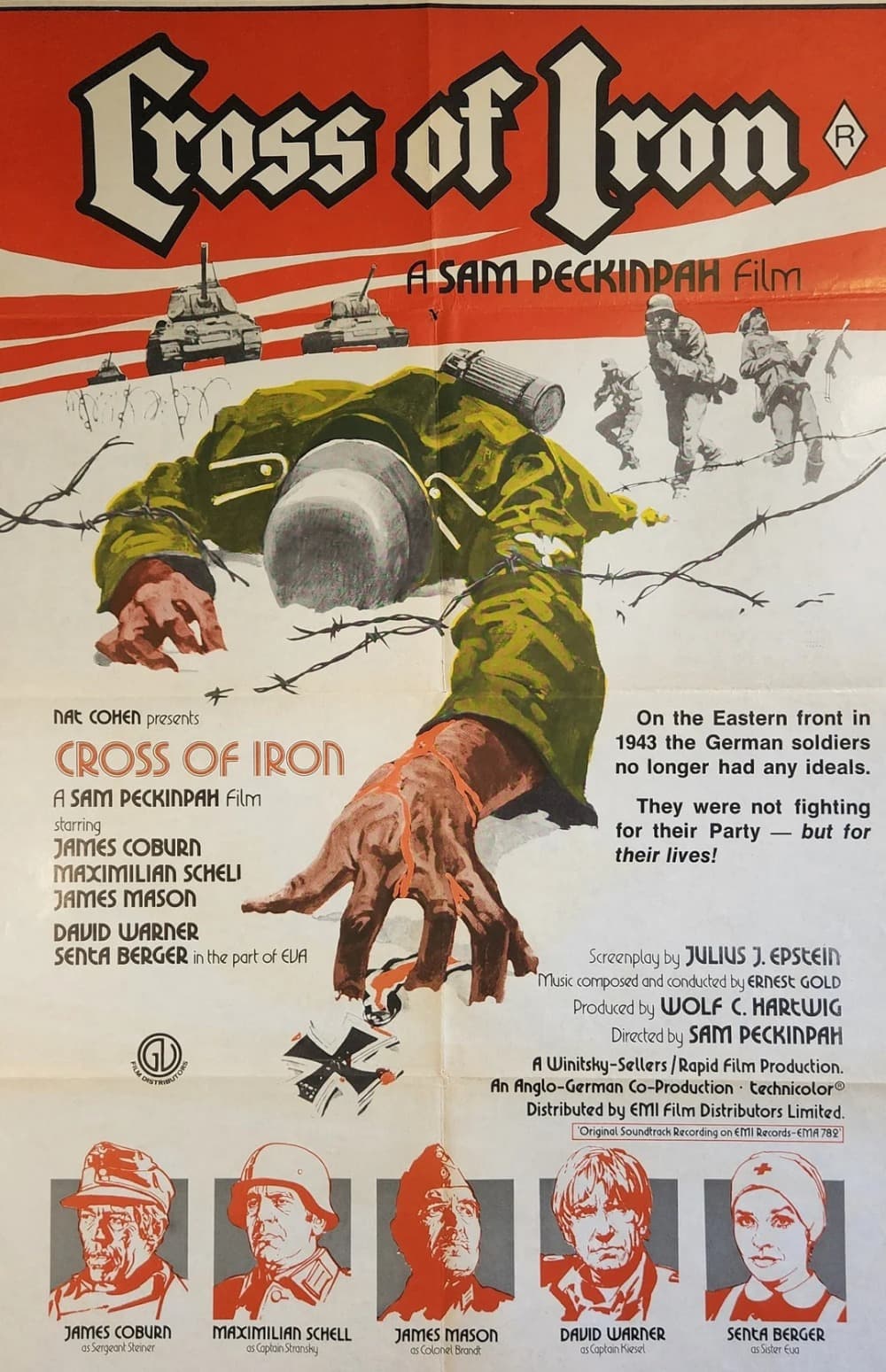
Sam Peckinpah's only war film, told entirely from the German side of the Eastern Front: Orson Welles called it the finest anti-war film since All Quiet on the Western Front.
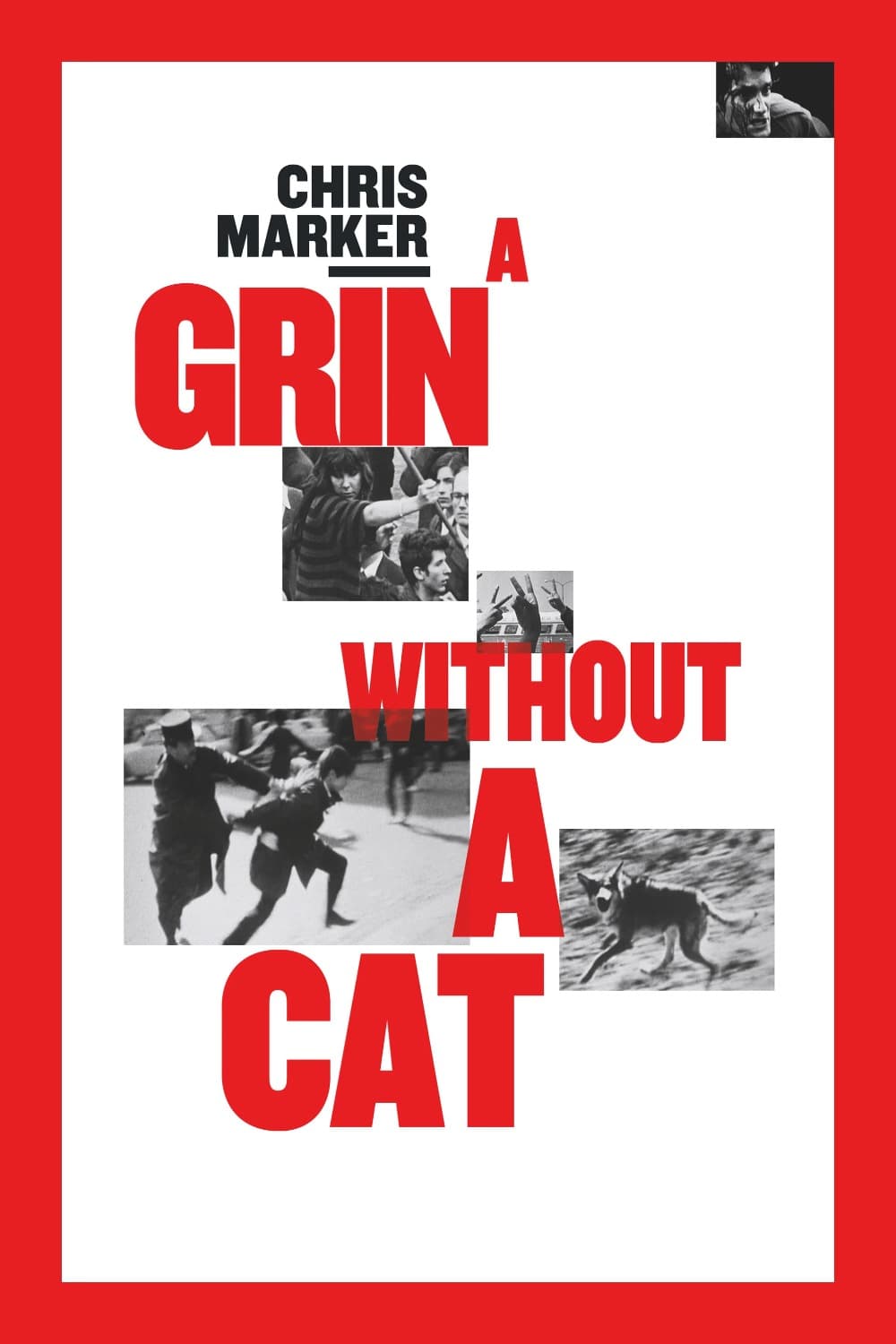
Chris Marker assembled hours of the global left arguing with itself between 1967 and 1977: a chorus of narrators reads his commentary, and none of them is given the last word.