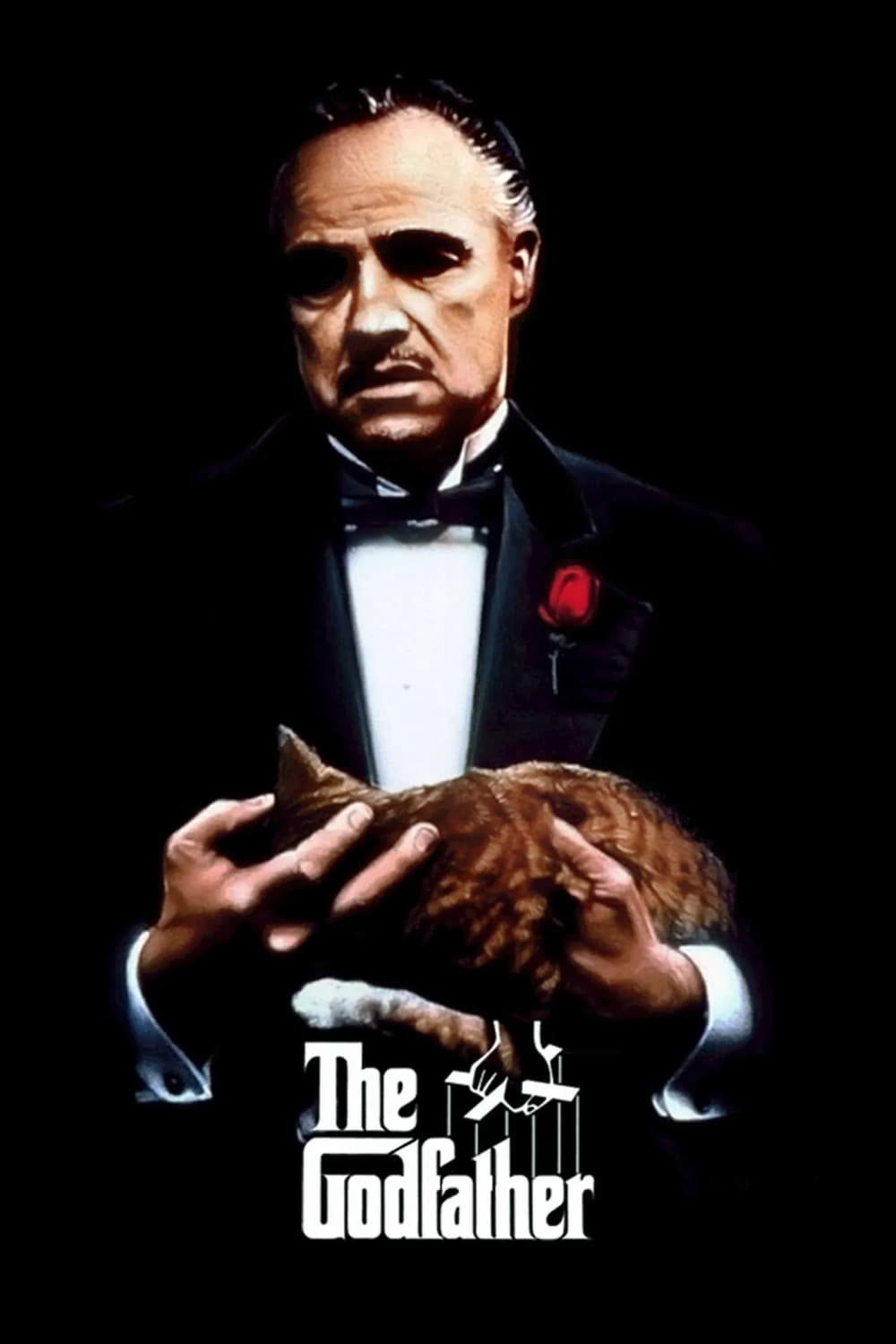
The Godfather
Directed by Francis Ford Coppola
1972
The summit of the American crime film: Coppola turned an immigrant family's rise and rot into the country's own epic, and made damnation look like a coronation.
★ 10.0
 skopia
The summit of the American crime film: Coppola turned an immigrant family's rise and rot into the country's own epic, and made damnation look like a coronation.

Bowie announced from the stage in 1973 that it was the last show Ziggy would ever play, without telling his own band first.
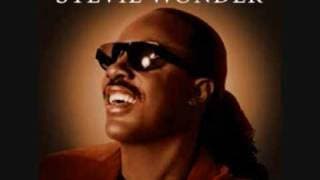
Wonder wrote that clavinet riff for Jeff Beck, heard it back, and sensibly kept it for himself.

Recorded in the basement of a rented French villa while the band were dodging British tax, in heat so bad guitars would not stay in tune.
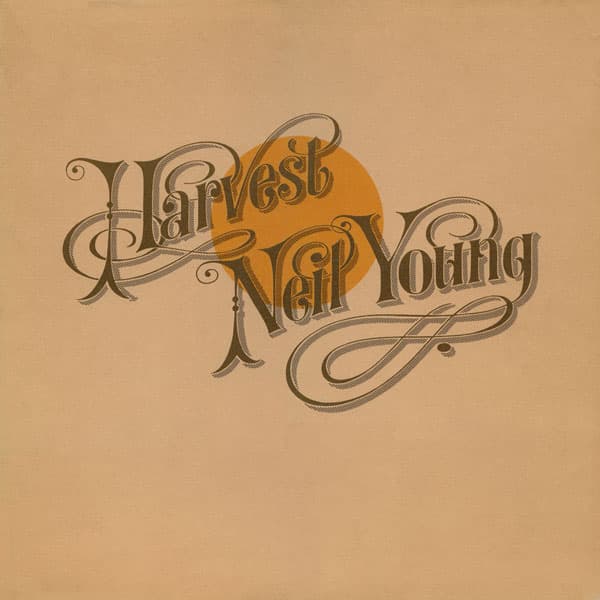
Young had hurt his back and recorded much of it sitting down in a brace. The London Symphony Orchestra plays on two of the songs.
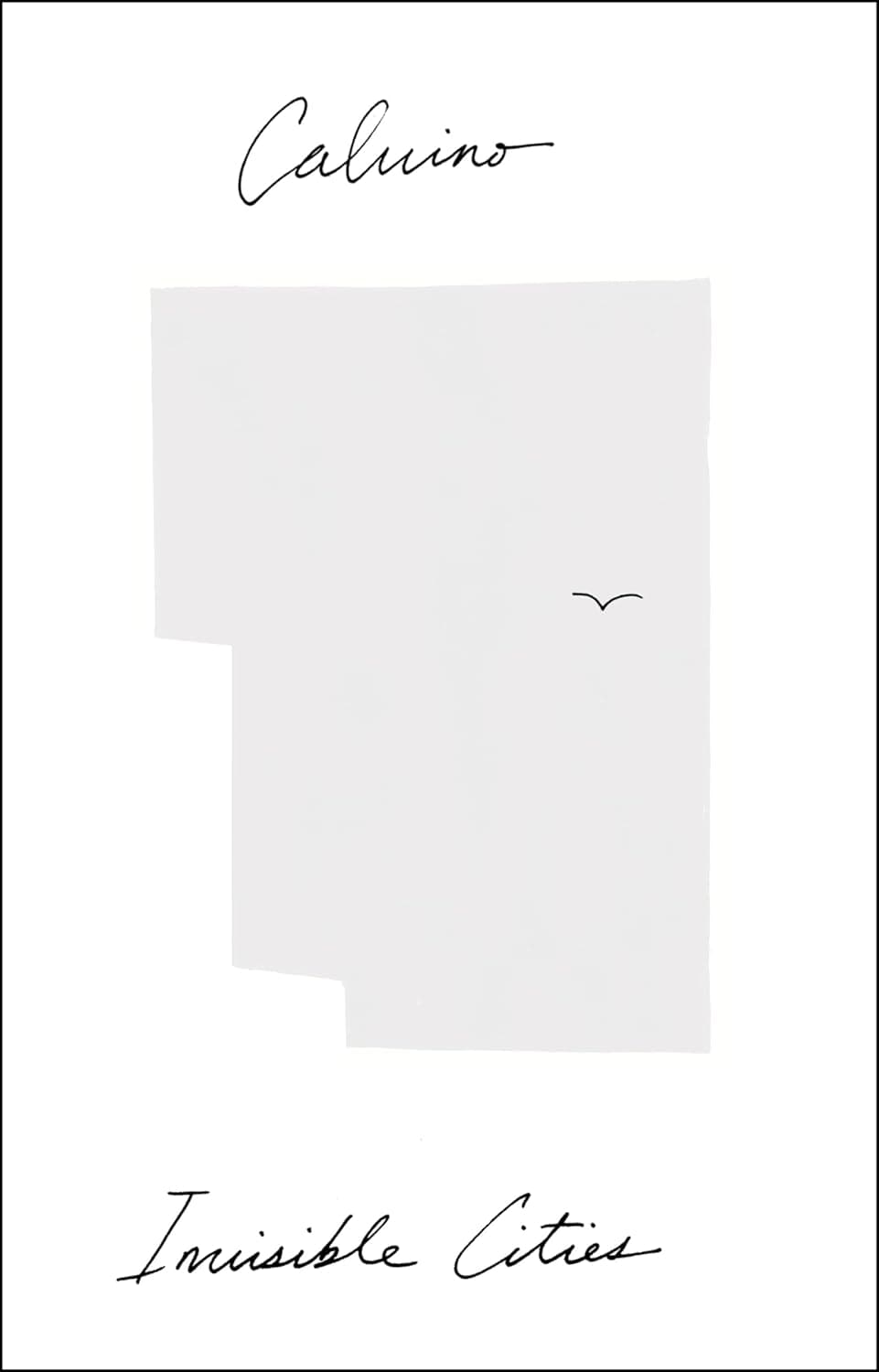
Marco Polo describes fifty-five cities that cannot exist to the emperor Kublai Khan, a page or two each, and every one of them is another way of describing Venice.
Withers bought a small piano, ran his fingers up the keys, and found the coal-town kinship he missed.
Nearly four minutes of bass, hi-hat and lone trumpet before anyone sings, and the groove never sags.
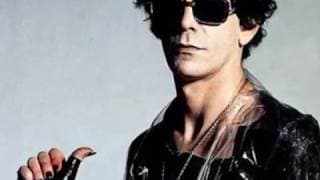
Herbie Flowers doubled upright and electric bass for a session fee, and Bowie's old sax teacher played the closing solo.
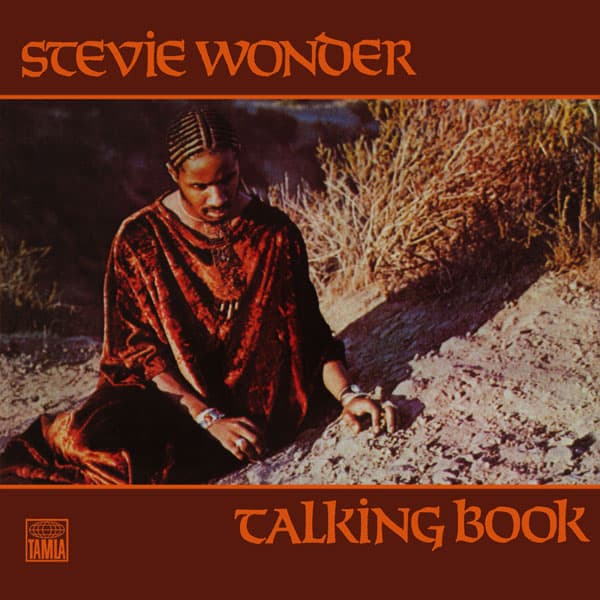
The Superstition riff is a clavinet, an electric keyboard with strings inside, layered several times over. Wonder had just won control of his contract.
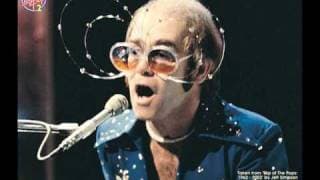
Taupin borrowed the title from a Pearls Before Swine song, and Hentschel's ARP put the loneliness in orbit.
Blackmore's four notes in parallel fourths, written after a flare gun burned the Montreux Casino down during a Zappa show.
A back injury kept Young seated with an acoustic guitar; Taylor and Ronstadt were in Nashville and sang behind him.
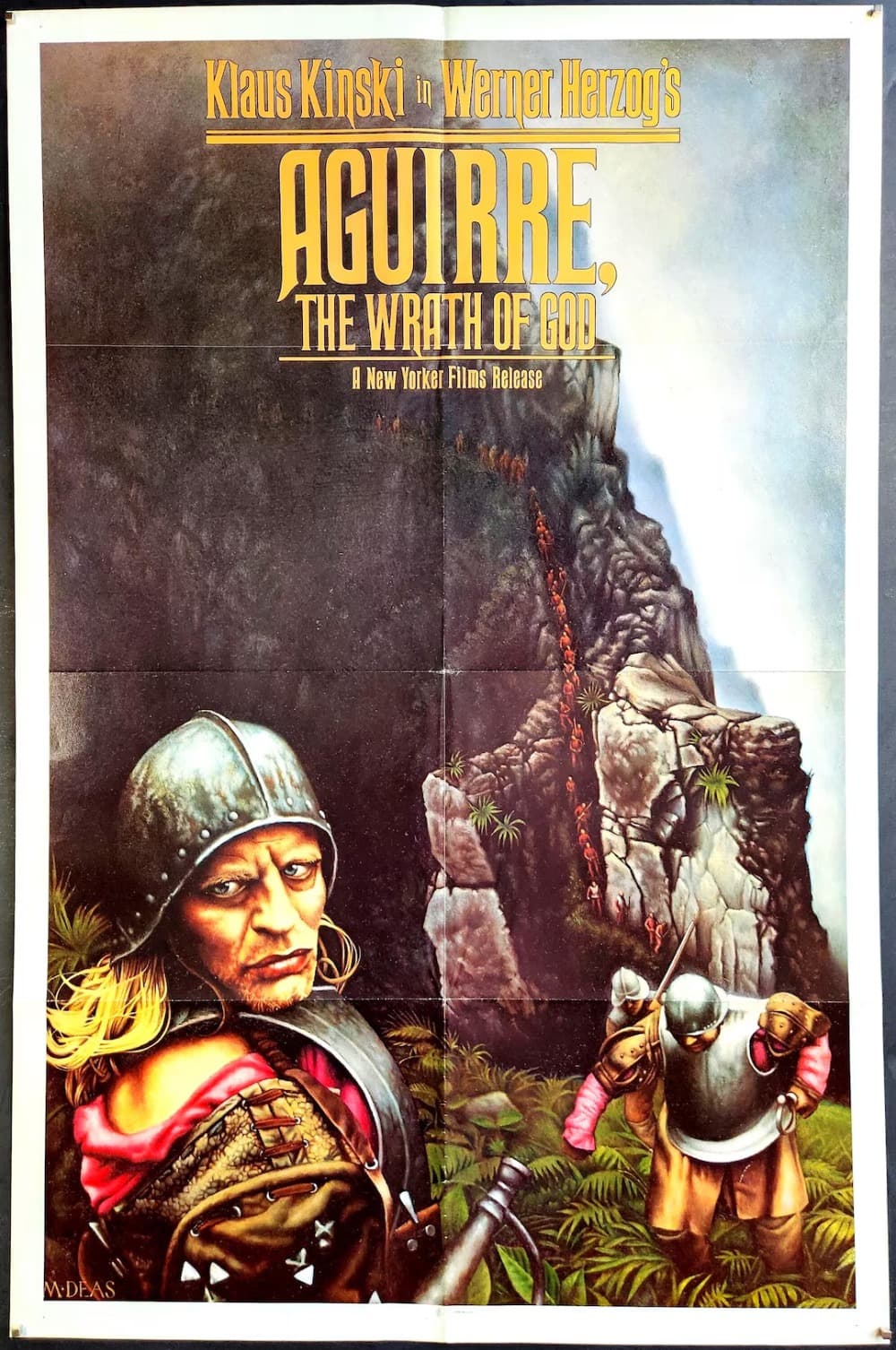
Herzog shot it for almost nothing on a real Amazon river with a lead actor he fought with constantly: Kinski's stare and a shrinking raft do everything.
Browne could not finish the second verse, Frey did, and Leadon's double-time banjo drives the Eagles' debut single.
Mott were splitting up when Bowie offered them this, written within hours of hearing the band was finished.
Al Bell lifted the bassline from a Jamaican instrumental, and Mavis Staples turned Muscle Shoals into a pulpit.
Cliff coined the phrase on set, Henzell made it the film's title, and the Dynamic Sounds session was filmed.
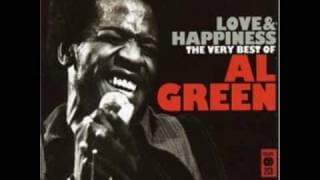
The tap opening it is Teenie Hodges counting time on a crate by his foot, and Green takes over.
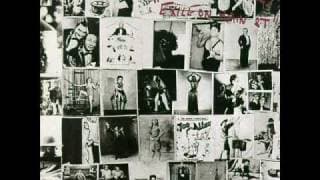
Taylor on bass, Jimmy Miller drumming the coda, and a lyric Jagger got from a housekeeper who played dice.
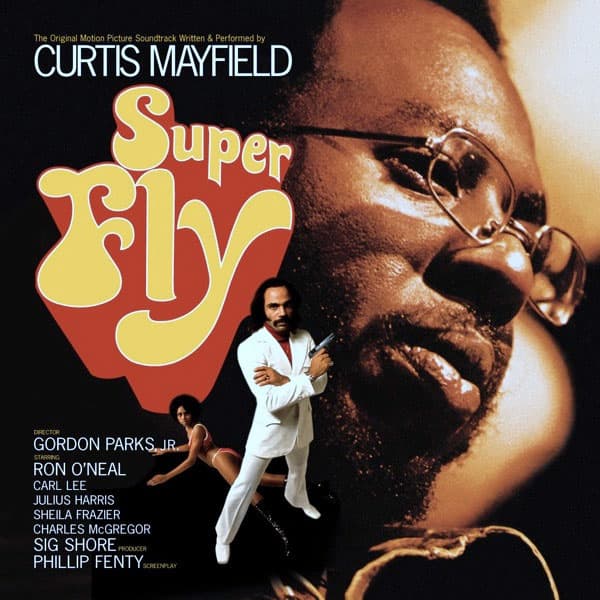
Mayfield watched the film and wrote songs attacking the drug dealing it made look glamorous, then sang them in a falsetto over congas.
The soundtrack took three days at RCA Chicago; Johnny Pate arranged, Henry Gibson's rototoms set the strut.
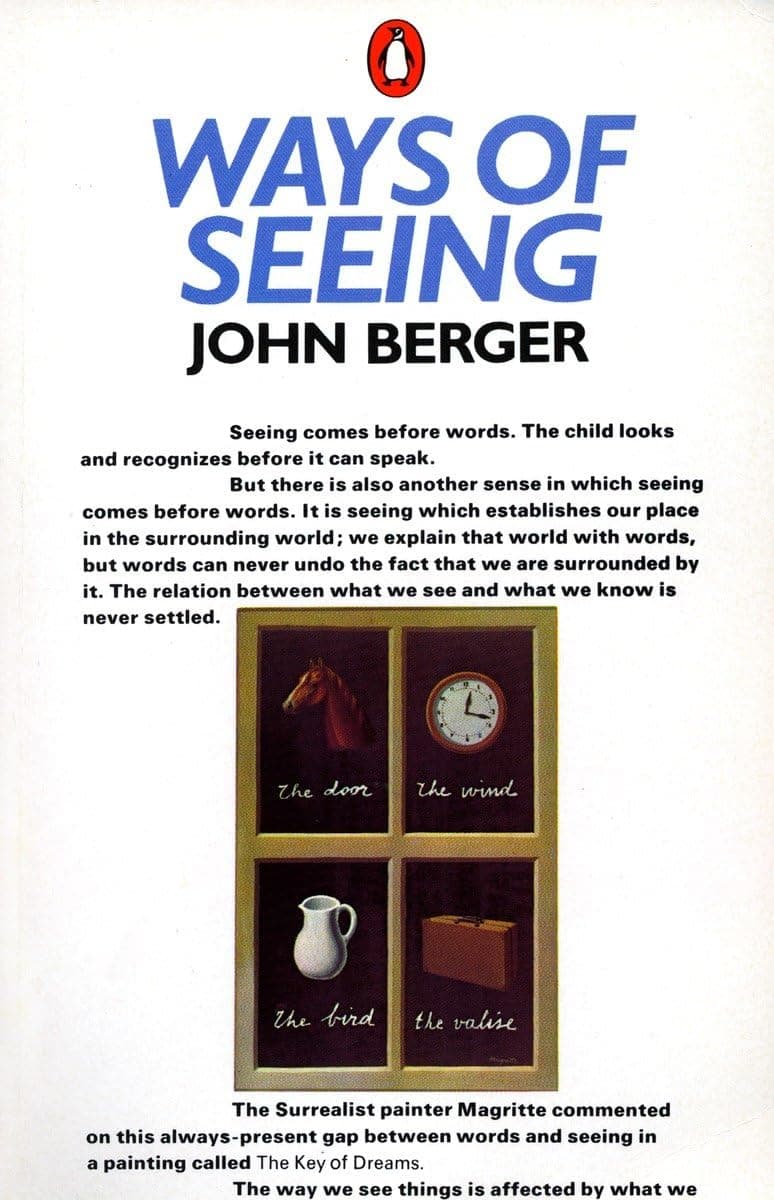
Oil paintings advertised what their owners owned, Berger argues, and the nude was arranged for a man looking on. Men act and women appear, he writes, and advertising took the habit over intact.
Buxton's riff, a children's chorus, a school bell fade; Cooper wanted the last three minutes of term on tape.
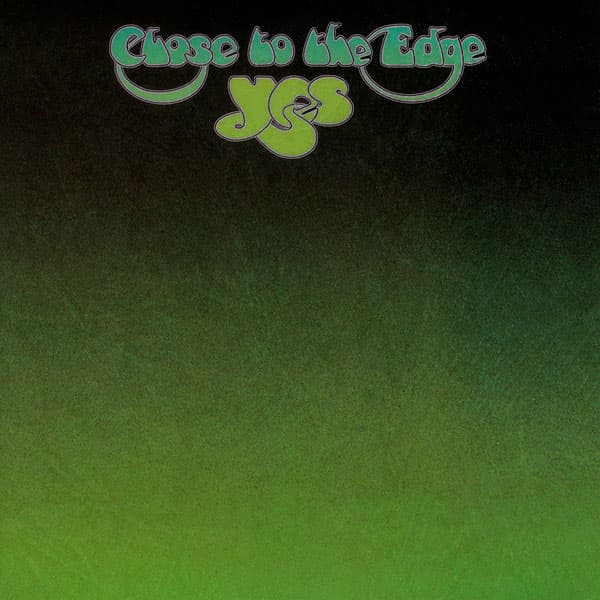
Bill Bruford finished the drums, decided he never wanted to work that hard again, and left the band before the tour.

The men who walked America into Vietnam were the most credentialed in Washington, and Halberstam shows how their brilliance became the problem. He reconstructs the meetings and memos that made escalation feel reasonable.
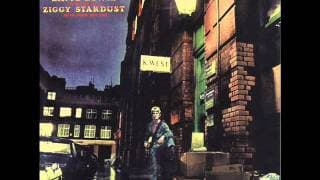
Bowie first threw it away on a fake band called Arnold Corns, then rebuilt it at Trident around Ronson.
James Taylor picked up a six-string banjo he had never played, Ronstadt harmonised, and Young's ranch caretaker got a song.
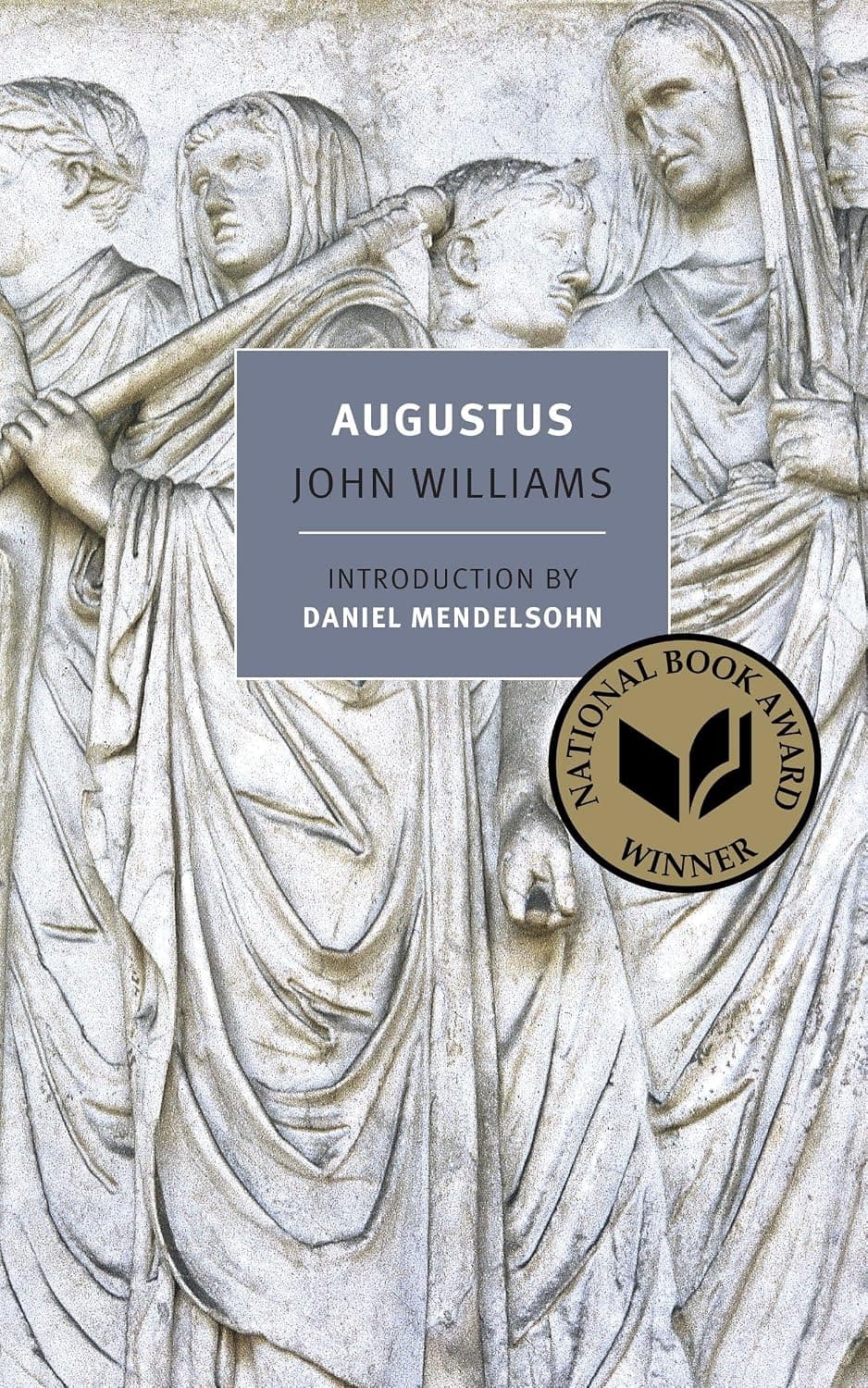
Rome's first emperor assembled from other people's letters: soldiers, poets, conspirators, and the daughter he sends into exile. Williams shows how a sickly boy became master of the world and what it cost.

Desire is not lack but production, and psychoanalysis crushes it into the triangle of daddy, mommy and me. Foucault proposed retitling Deleuze and Guattari's book Introduction to the Non-Fascist Life.
Voice, guitar, and a single overdubbed piano line, taped after eleven at night with only an engineer present.
Two minutes on addiction, taped live at UCLA's Royce Hall in January 1971 and placed unchanged on Harvest.
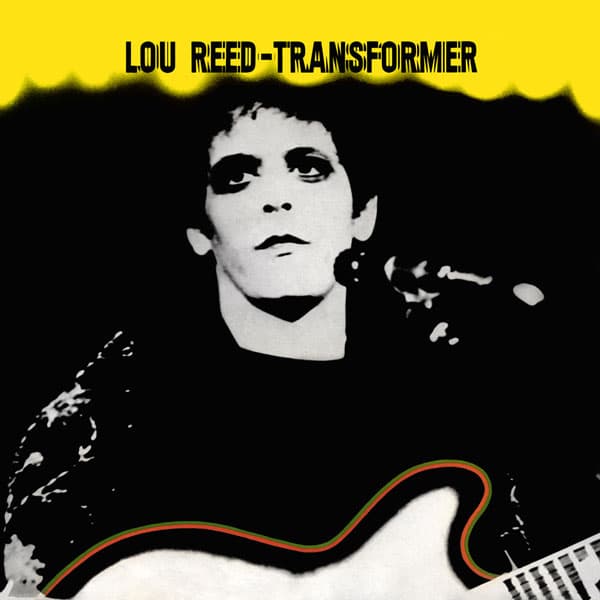
Herbie Flowers played two basses on Walk on the Wild Side, one upright and one electric, and was paid an ordinary session fee for it.
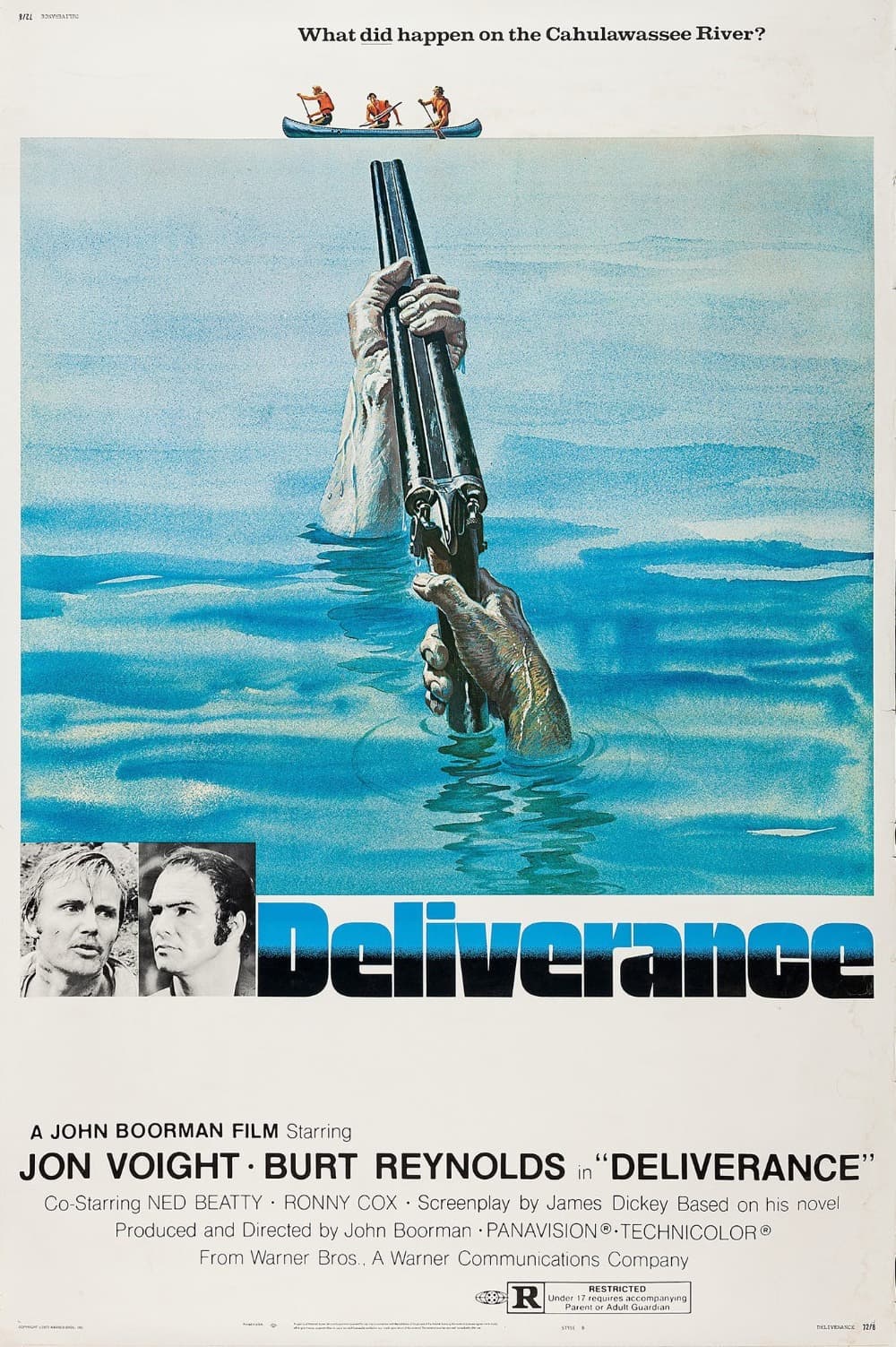
The outdoors has never felt this hostile on film: Boorman shot in sequence and made his actors run the whitewater themselves, and a weekend canoe trip turns into something much older.
Ray Jackson's clavinet vamp and James Gadson's drums; it stopped at number two, blocked by Michael Jackson's "Ben".
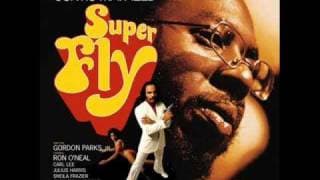
Master Henry Gibson's percussion over Lucky Scott's bass, Mayfield indicting the drug trade where the film saw only glamour.

Two decades after covering the Brooklyn Dodgers for a newspaper, Kahn found the same men in middle age, one paralyzed. What began as a baseball book becomes an elegy for everyone's youth.
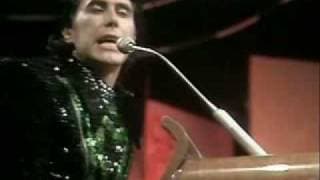
Ferry lifted the title from his own art-school painting of a giant cigarette packet, Eno's VCS3 shrieking behind him.
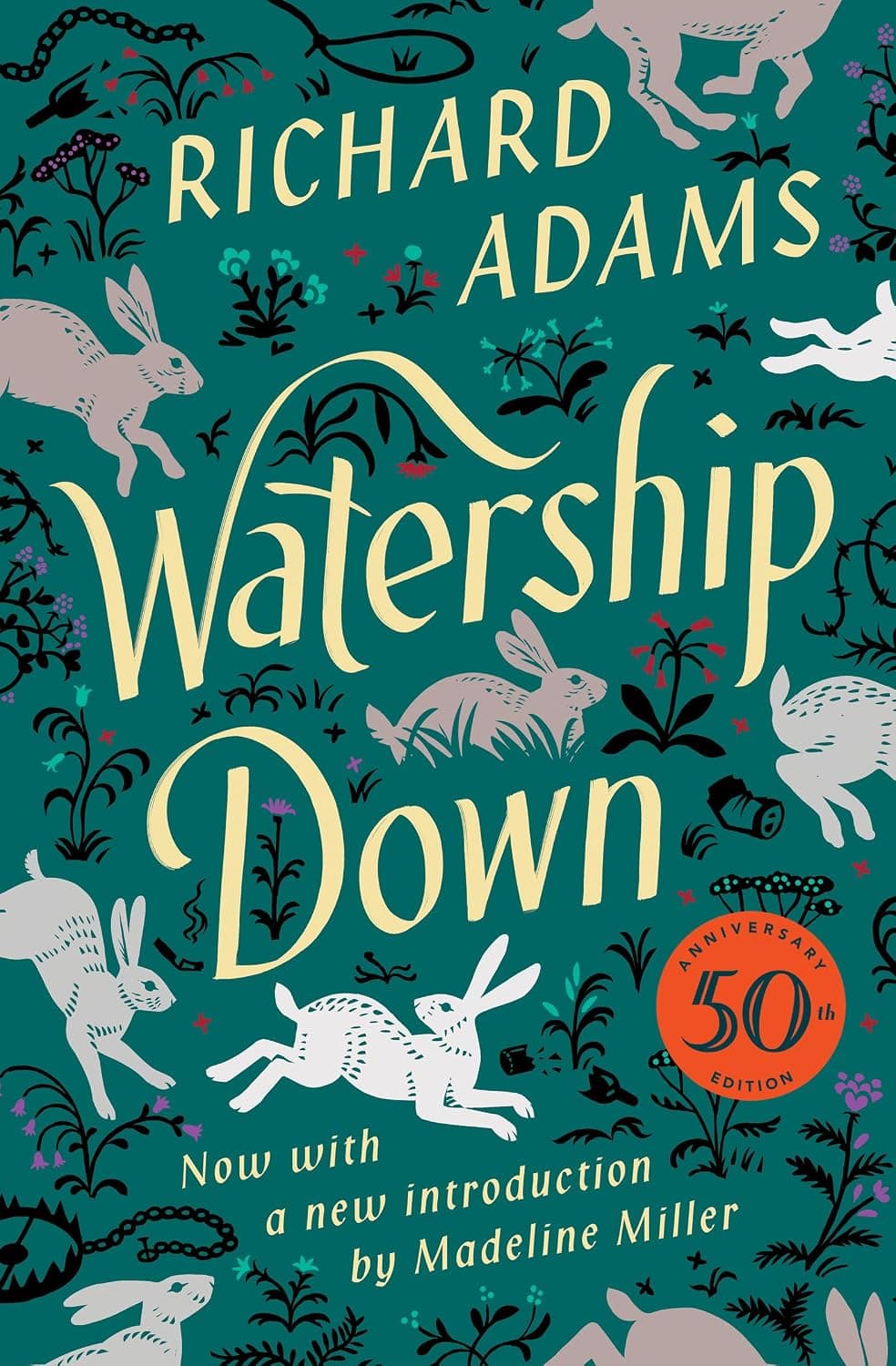
Fiver the rabbit senses blood covering the field, and others follow him out before the bulldozers come. Adams gives them their own language and mythology, then sets them against a rabbit police state.
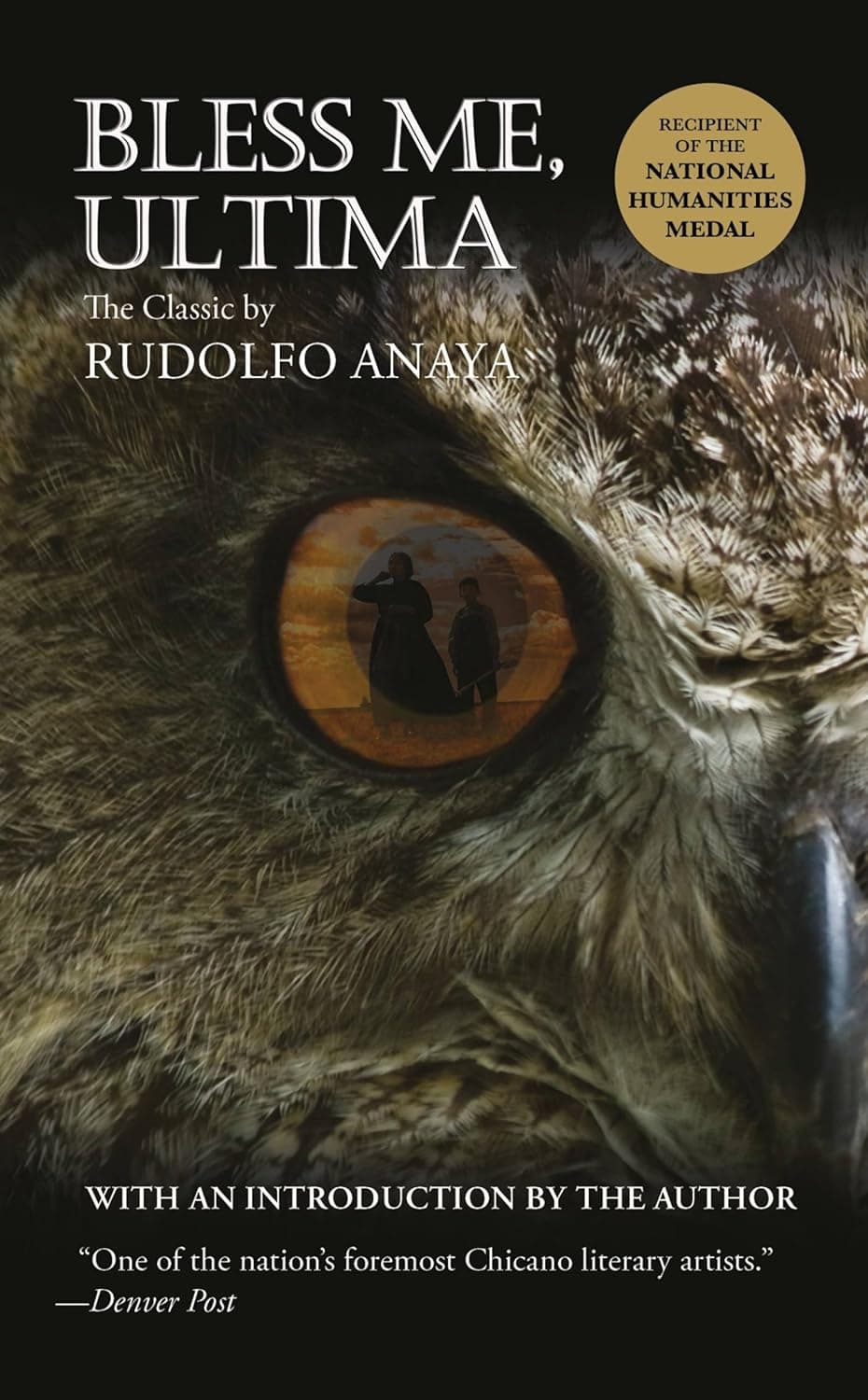
Ultima, a folk healer, joins Antonio's family in wartime New Mexico, and the boy is pulled between his mother's church and his father's plains. Schools have taught it and banned it ever since.
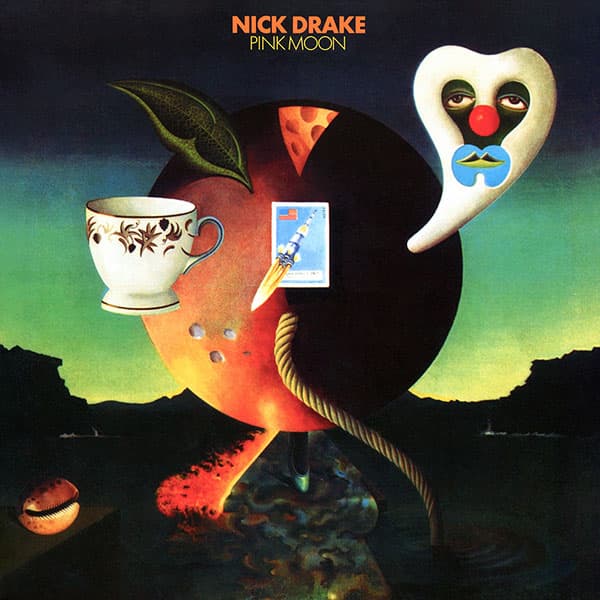
Twenty-eight minutes, recorded in two late-night sessions with nobody else playing. Drake left the tapes at his label's reception desk and walked out.

Americans in Vietnam were fighting a country they never tried to understand, FitzGerald argues, explaining Confucian village order and the mandate of heaven to readers whose sons were still being sent there.
Willie Mitchell let a Bee Gees ballad run past six minutes at Royal Studios, and Green sings the whole ache.
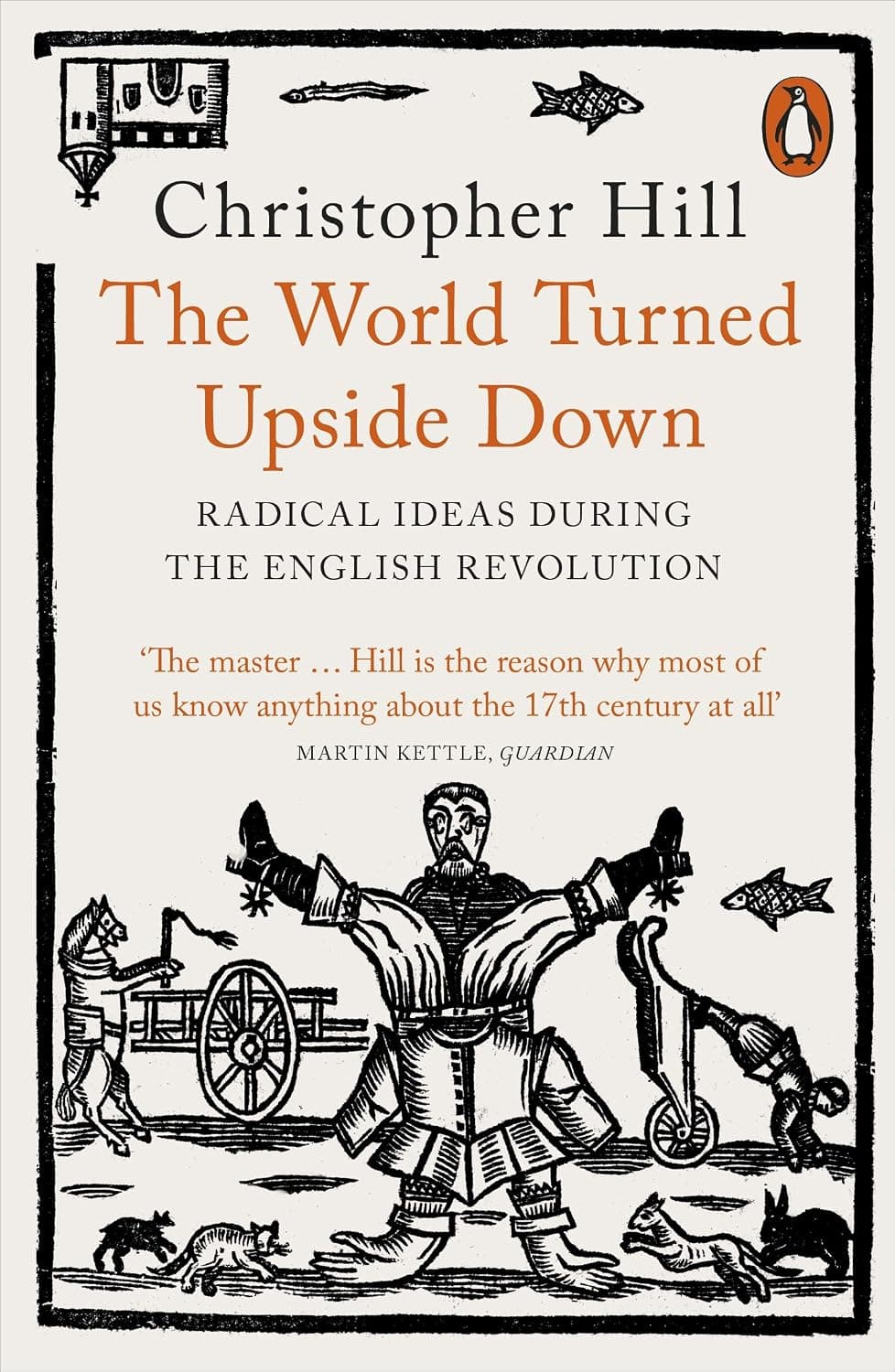
While Parliament fought the king, tinkers and soldiers were arguing for common land, free love, and no clergy. Hill recovers the Diggers, Levellers and Ranters, and the revolution that never came off.
Norman Harris's octave guitar riff, a B-side that DJs flipped, and five weeks atop the R&B chart.
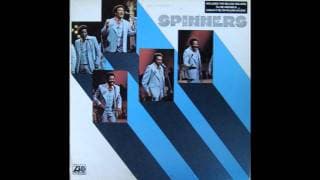
Thom Bell's arrangement at Sigma Sound, MFSB behind him, and Bobby Smith singing soft where anyone else would push.
A slave trader's sales pitch set to strings and Newman's warmest melody; Bobby Darin later sang it straight.

Duane Allman died halfway through making it, so the band finished the rest as a five-piece. One jam runs thirty-three minutes.
Tempchin wrote it on a poster back while sleeping on a club floor; Leadon's B-bender guitar does the rest.

Duane heard Betts's song, told him to sing it himself, and traded solos on one of his last sessions.
Every successful revolution puts on in time the robes of the tyrant it has deposed.
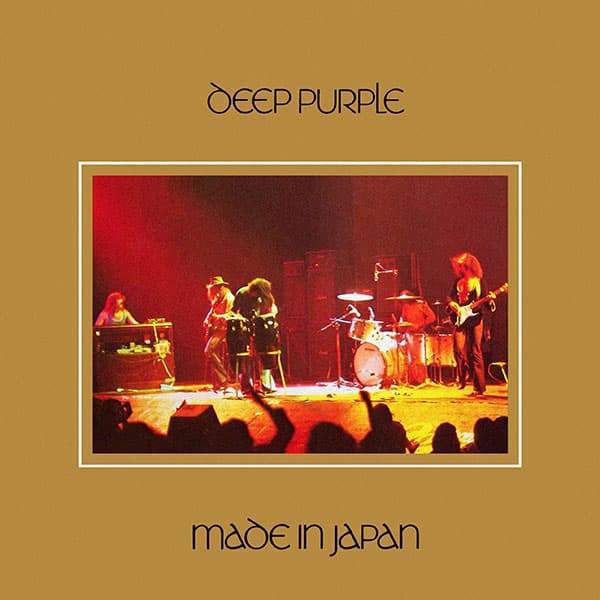
The band thought a live album was a waste of time and only agreed because it was for the Japanese market alone.
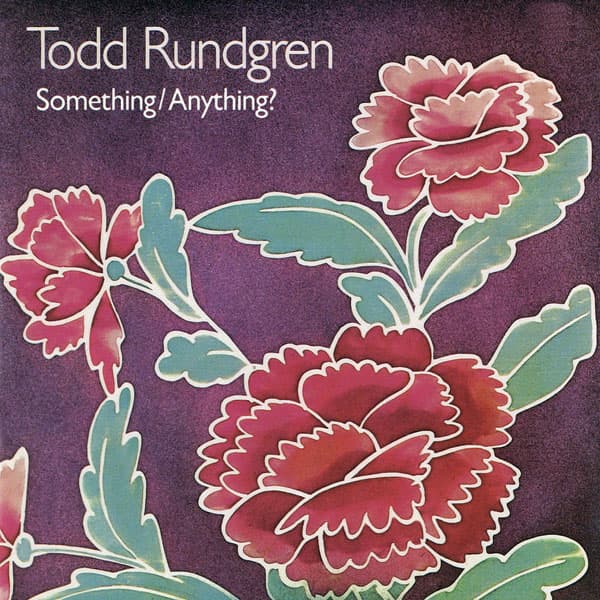
Rundgren played every instrument himself on three of the four sides, then used an actual band for the fourth, just to show the difference.
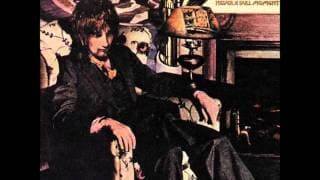
A letter to an ex, sung over acoustic guitar, fiddle and McLagan's Hammond, and another UK number one.
Cuba Gooding Sr. stepped up after Donald McPherson's death and turned heartbreak into the warmest consolation soul ever offered.
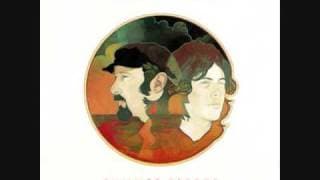
Larry Knechtel on piano, Jim Gordon on drums, and a chorus that arrives like the evening it describes.
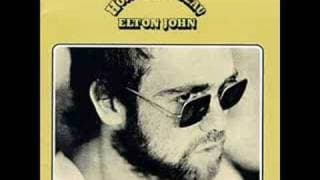
Taupin's first New York, gunfire outside the hotel window, a rose borrowed from Spanish Harlem, all cut in France.
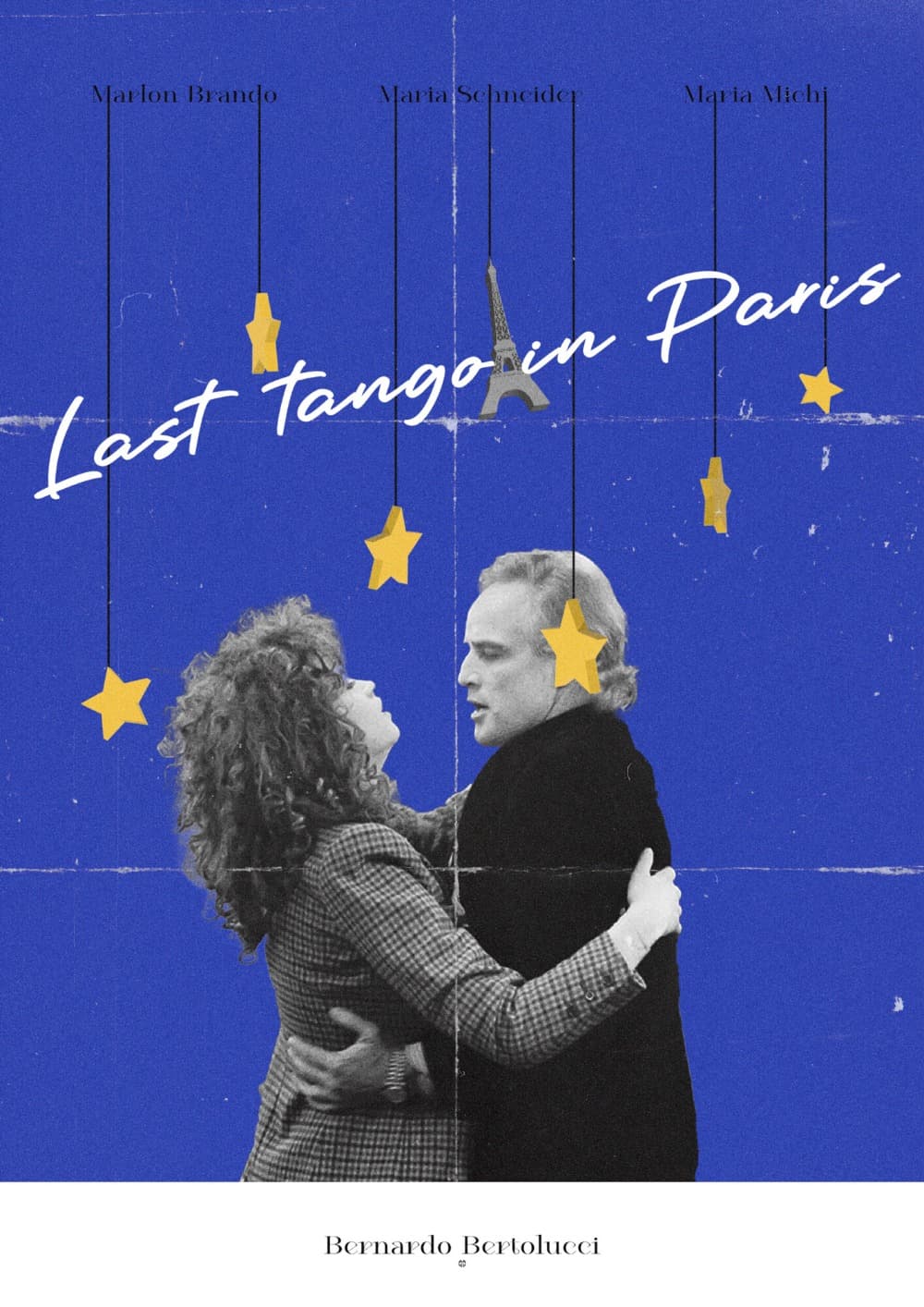
Pauline Kael called the premiere a landmark comparable to the Rite of Spring, and the reputation has since collapsed: Maria Schneider was nineteen and was not told the scene had been changed.
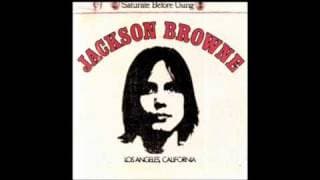
Clarence White on acoustic guitar, and the demo that led David Geffen to found Asylum Records and sign Browne.
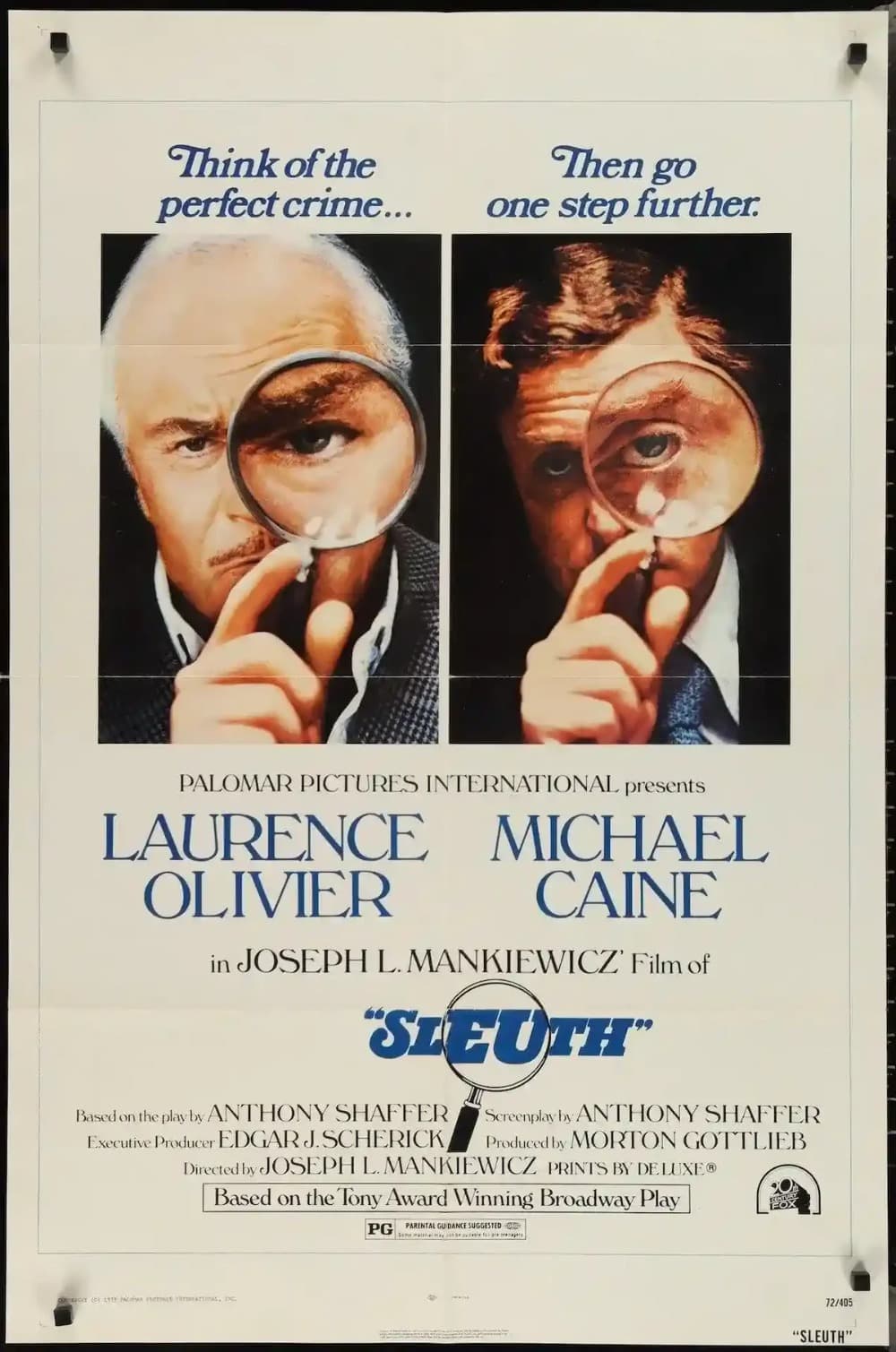
Laurence Olivier and Michael Caine were both up for Best Actor, which has happened only a handful of times: a mystery writer invites his wife's lover to a country house full of games.
The only substitute for an experience we ourselves have never lived through is art, literature.
You’ll never get anywhere if you go about what-iffing like that.
Anybody that goes to see a psychiatrist ought to have his head examined!