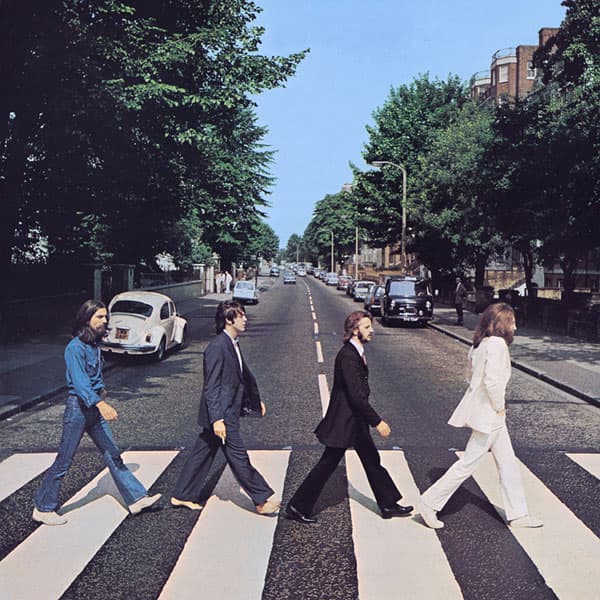
Abbey Road
1969
The last album they recorded together, with side two stitched out of songs nobody had finished. The cover shoot took about ten minutes.
★ 9.7
 skopia
The last album they recorded together, with side two stitched out of songs nobody had finished. The cover shoot took about ten minutes.
Page's riff, Plant's howl, and a theremin freakout in the middle that still sounds like the roof coming off.
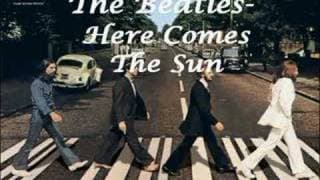
Harrison wrote it in Clapton's garden while skipping a business meeting, and it sounds exactly like that relief.
Merry Clayton's voice cracking on "murder" is the sound of the sixties ending, mid-take, in one syllable.
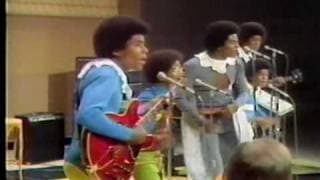
A child singing about regret over the springiest bassline Motown ever cut, and selling it completely.

Merry Clayton was called in at midnight, heavily pregnant, to sing on Gimme Shelter. Her voice cracks on the third take and Jagger whoops.
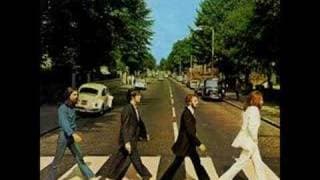
Lennon started it as a campaign song for Timothy Leary, then Ringo muffled his drums with tea towels.
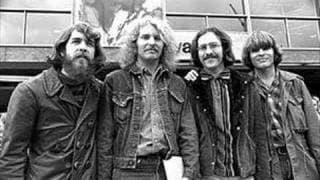
Twenty minutes of writing, and Fogerty had the sound of every draft board sending someone else's son.
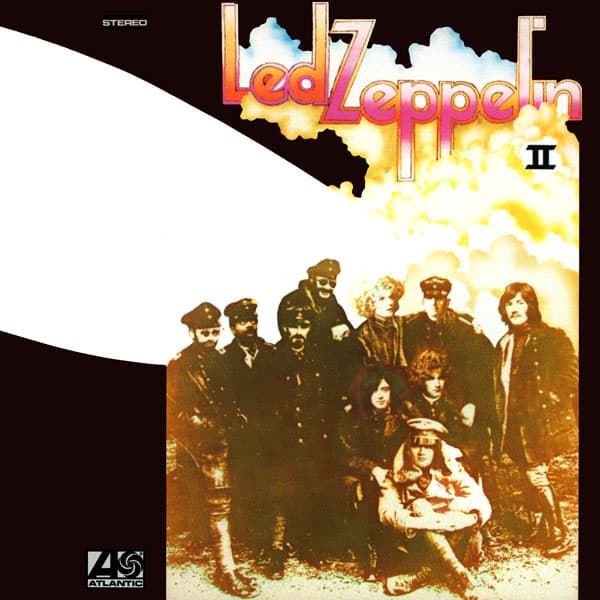
Written and recorded in snatched hours in studios across two continents while touring. Willie Dixon later sued over the words to Whole Lotta Love.
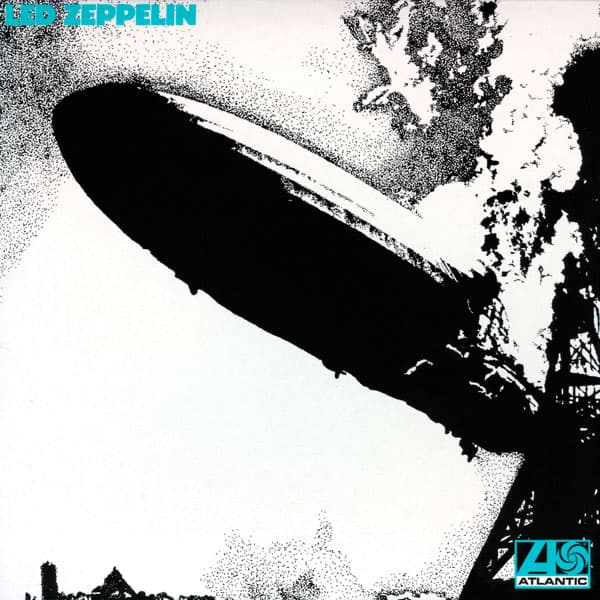
Guitarist Jimmy Page paid for the sessions himself and the record took about thirty-six hours of studio time. Nobody had heard drums recorded like that.
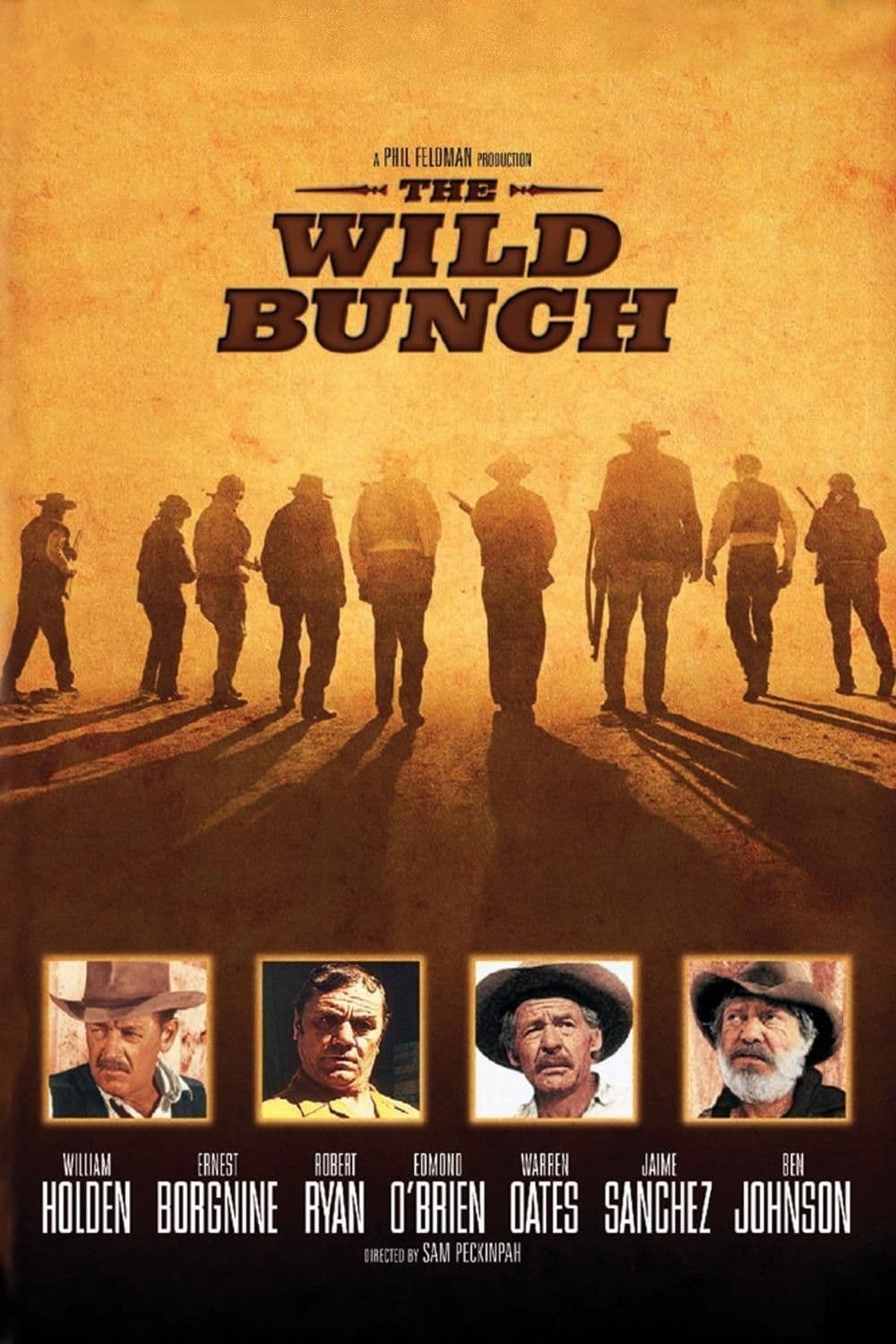
Peckinpah showed at once what the new ratings system had licensed: slow motion, six cameras firing together, and a body count that made every western before it look polite.
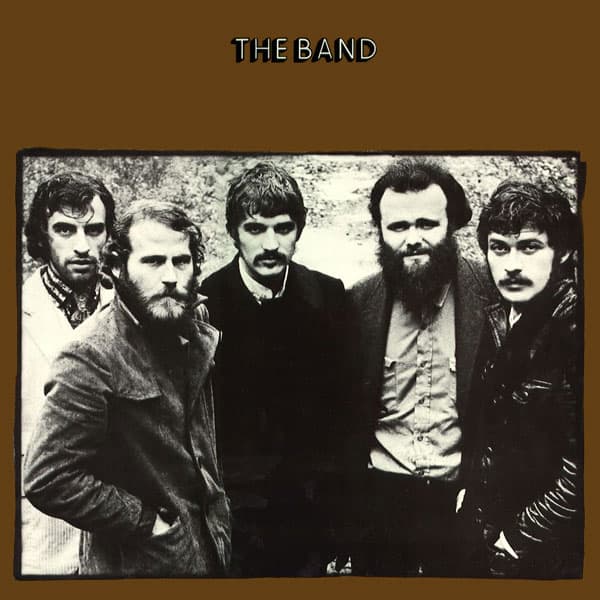
They converted the pool house of a rented Hollywood home into a studio. Most of these songs about the American South were written by a Canadian.
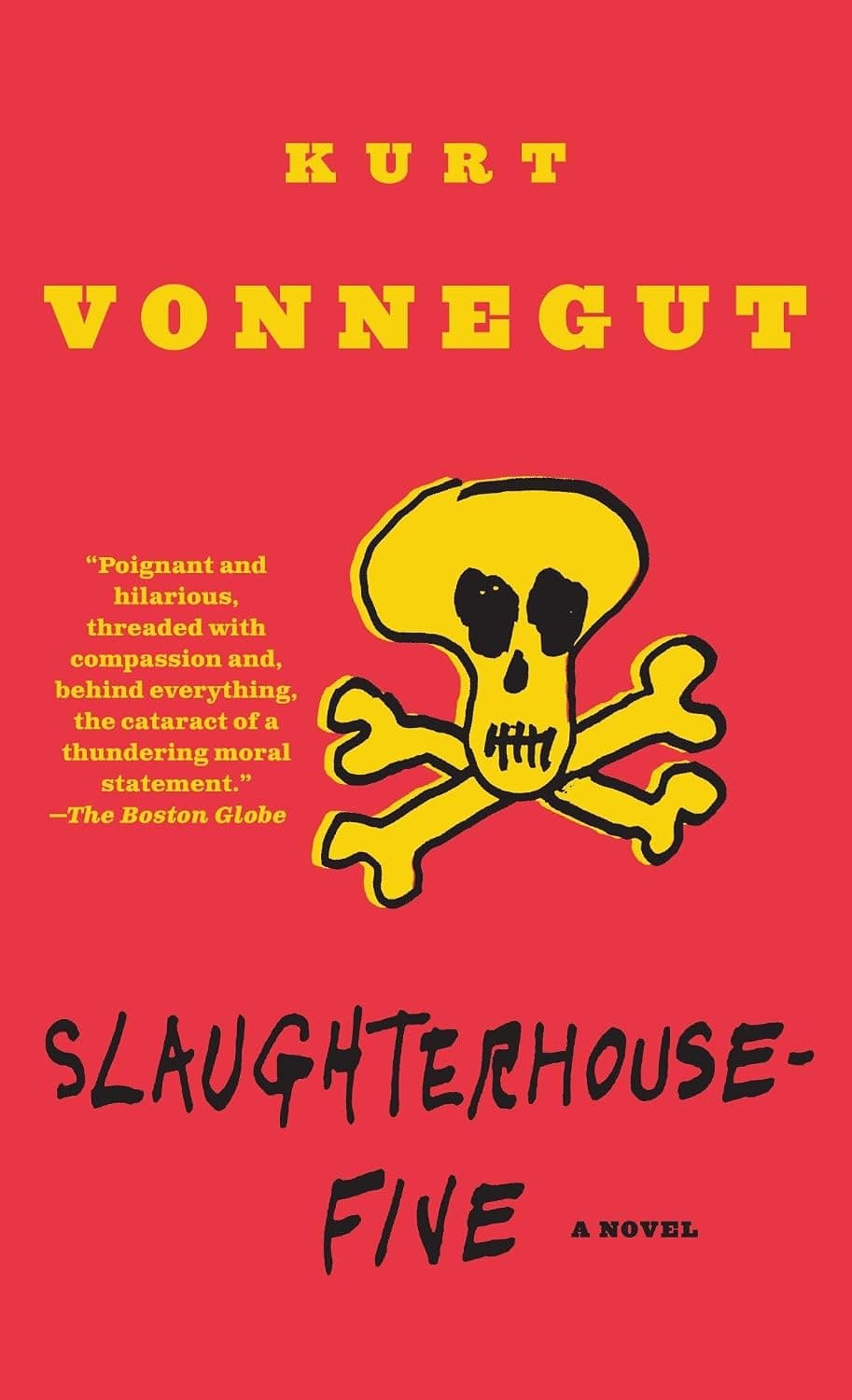
Billy Pilgrim comes unstuck in time, between a Dresden meat locker during the firebombing and a zoo on another planet. Vonnegut was in that cellar, and writes "So it goes" after every death.
Anka typed the lyric overnight in New York asking what Sinatra would say, then handed him a life's summing-up.
Mark James flopped with it first, in the same Memphis studio; Moman then handed Presley his last American number one.
Harrison lifted the opening line from James Taylor and wrote the first Beatles A-side that wasn't Lennon or McCartney.
Released five days before Apollo 11 launched, with a children's Stylophone buzzing under an astronaut who never comes home.
A choral intro from the London Bach Choir, Al Kooper on French horn, and producer Jimmy Miller on drums.
Fogerty came out of the National Guard and wrote it in two days, Beethoven's Fifth hiding in the intro.
Larry Graham slapping and popping the bass line credited with inventing the technique, and a verse quoting their own hits.
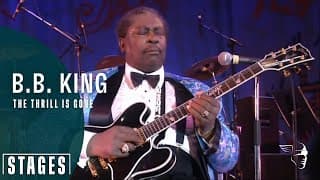
Bert de Coteaux's twelve-piece string section, overdubbed a week later, carried King's minor-key blues onto pop radio.
Producer Jimmy Miller opens it on cowbell, and the single arrived in Britain the day after Brian Jones died.
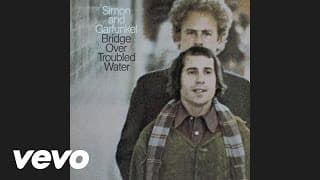
Over a hundred hours of work, and that cannon-shot snare is Hal Blaine playing beside a Columbia elevator shaft.
Three chords, sleigh bells, and Cale leaning on a single piano note throughout. Punk starts here.
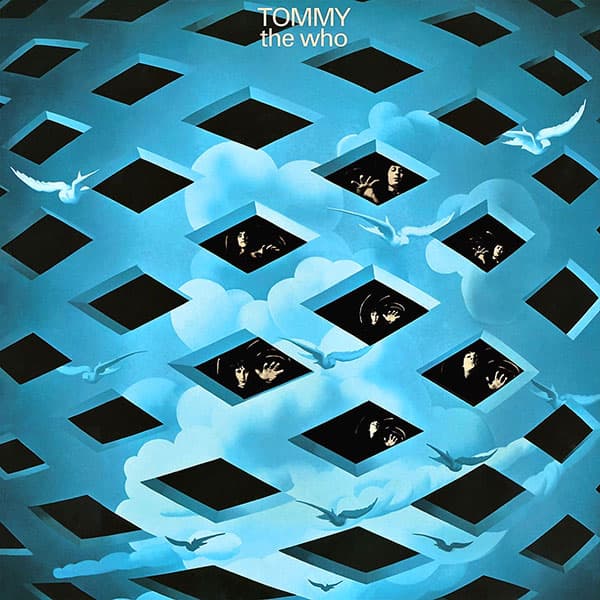
Townshend wrote it to flatter a pinball-obsessed critic, then called it the clumsiest thing he ever wrote.
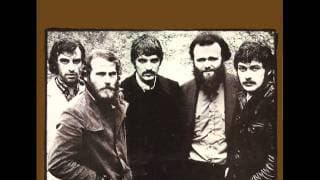
Eight months on one lyric, Helm doing the library research, and a drummer from Arkansas singing the defeat.

One track runs thirteen minutes and another uses a talk box to make the two singers argue through their instruments about race.
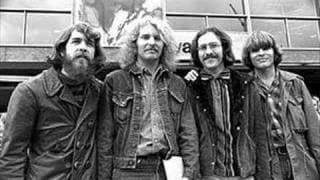
Fogerty wrote it after a hurricane scene in a 1941 film, then set the apocalypse to a cheerful rockabilly stomp.

Two men have never been better company on screen: Newman and Redford spend the film running out of frontier and enjoying each other far too much to panic.
Jake Holmes wrote it in 1967, the Yardbirds absorbed it, Page cut it at Olympic with a violin bow.
Young wrote it in bed with a 103-degree fever, and Crazy Horse stretched it to nine ragged minutes.

Freud sits on a wooden chair in three panels, wrenched out of shape and still unmistakably himself. Bacon painted his friend and rival.
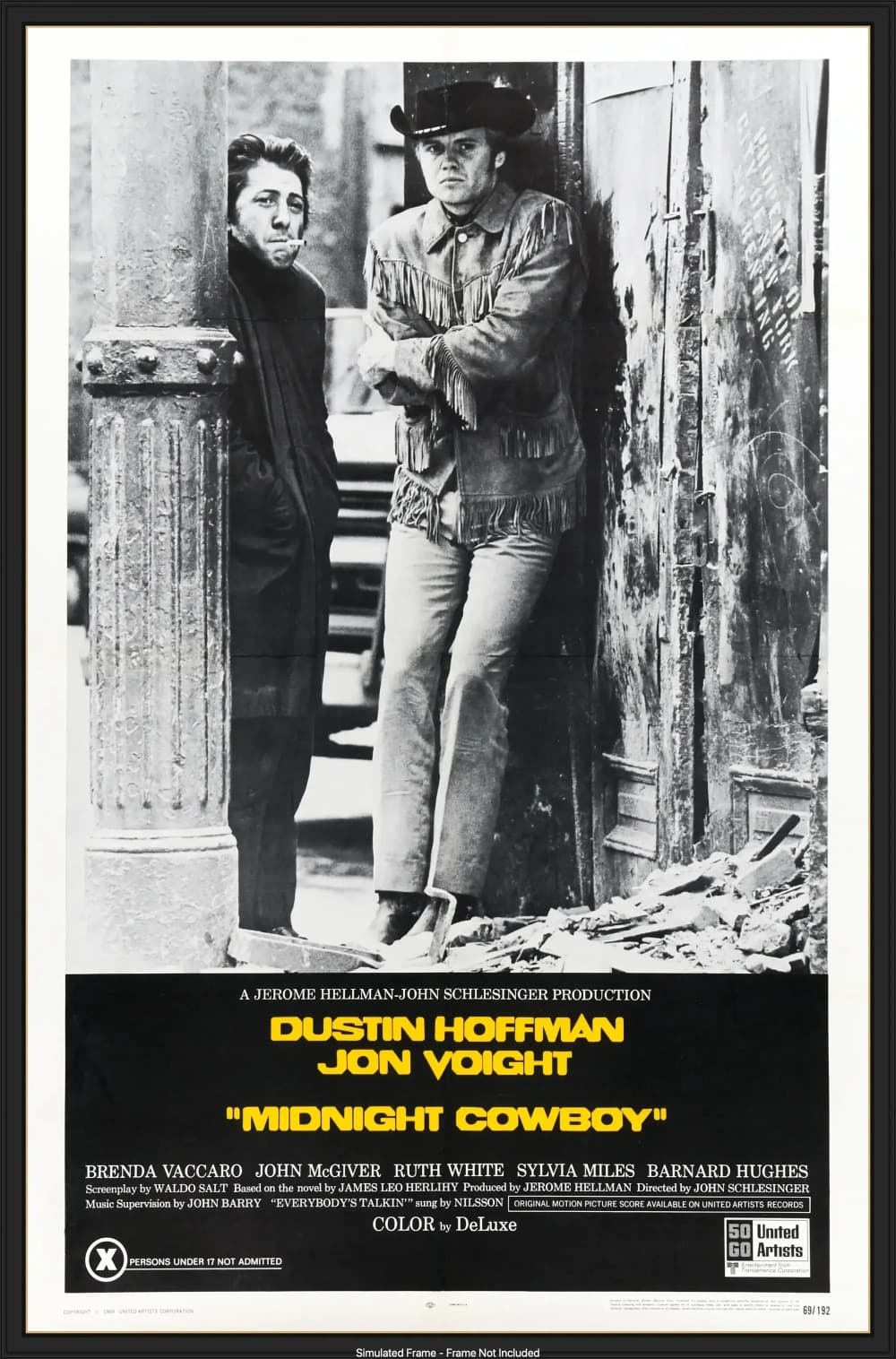
The only X-rated film that ever took Best Picture: a Texas hustler and an ailing con man share a condemned New York apartment, and the friendship is the whole thing.
Stills nailed the seven-minute basic track in one take, then all three sang into a single microphone.
An ironing board cover, charcoal from spent matches, and Berry Oakley's bass counting the intro in eleven menacing beats.
Written in Topanga during a 103-degree fever, double drop D tuning, and a solo that stays on one note.

The three of them first sang together in a living room and knew immediately. The house on the cover was demolished before they could reshoot it.

Springfield was so intimidated by the Memphis players that she could not sing in front of them. Her vocals were added later in New York.

At what moment did Peru screw itself up? A newspaperman and his father's chauffeur drink through an afternoon in a Lima bar called the Cathedral, and their talk rebuilds a country under dictatorship.
Fifteen minutes on foot to a New York studio was all the writing time, and Blackwell approved it instantly.

Le Guin removed gender from a civilization and followed every consequence. Her envoy lands on an ice planet where nobody has a fixed sex and survives by crossing a glacier with one ally.
Freddie Stone's bluesy riff, the band trading vocal lines, and a B-side that Woodstock turned into a Top 40 A-side.
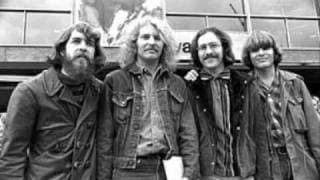
Fogerty wrote it in a California apartment, never having set foot in Louisiana, and still summoned the swamp.
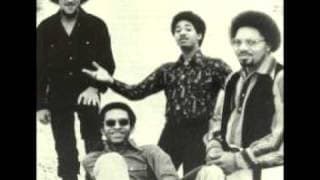
Toussaint and Sehorn produced it, Nocentelli's guitar answers Modeliste's snare, and the space between them became funk's template.
Hibbert's prison number for a title, eighteen months served on a charge he disputed, Leslie Kong producing.
Cut at American Sound in Memphis with Charles Calello's horns, and every Fenway eighth inning has belonged to it since 2002.
Cut in two New York studios in June 1969, with Mordor and Gollum folded into a restless road song.
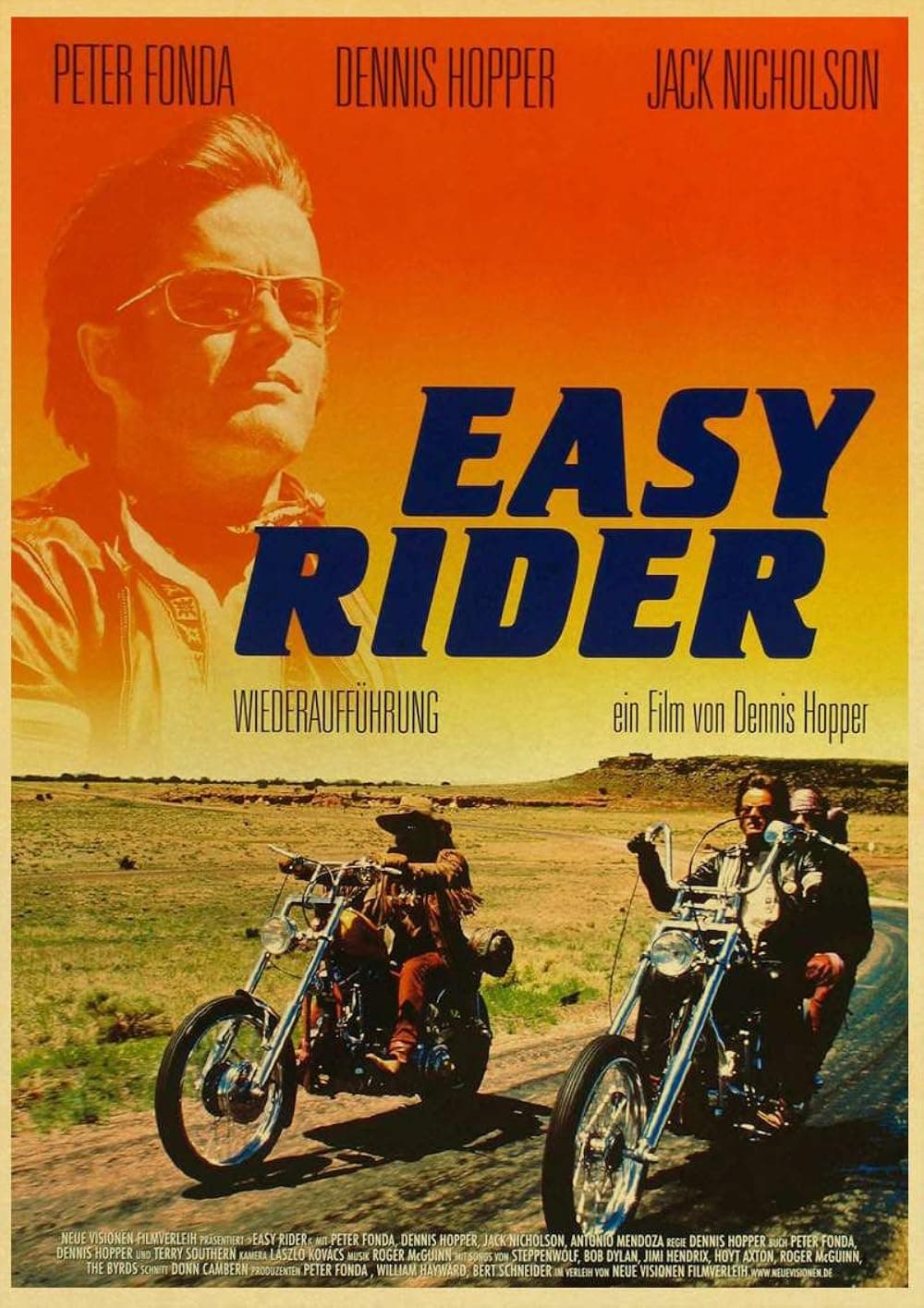
New Hollywood found its proof here: two bikers ride east on drug money, a four-hundred-thousand-dollar film outgrossed studio pictures, and the men who had run the studios for forty years lost the argument.
Hudson ran a clavinet through a wah-wah pedal, Helm sang lead, and the single reached number twenty-five.
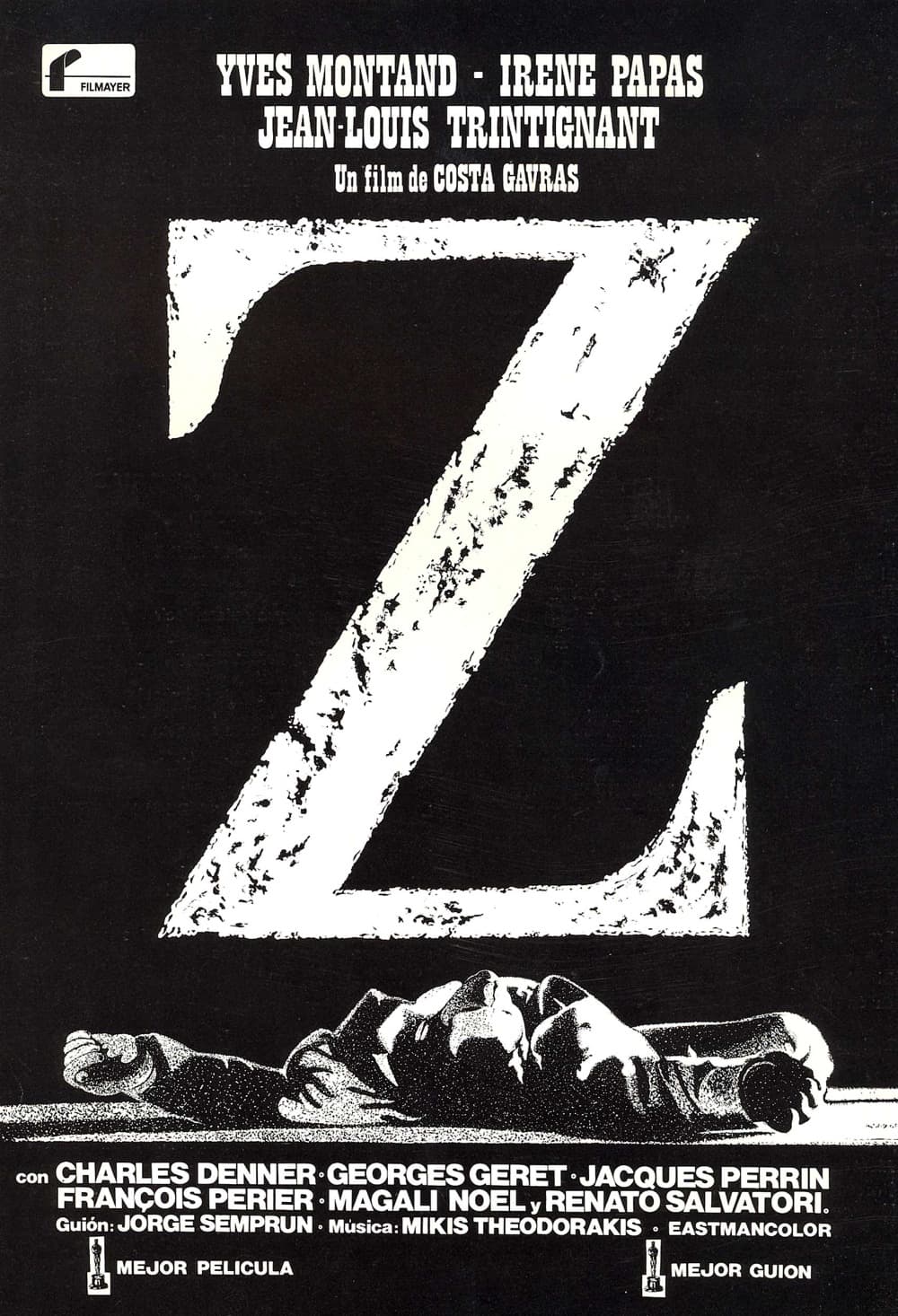
Banned by the Greek junta it was made to indict: Costa-Gavras films a political assassination and its cover-up as a procedural thriller, and the pace never lets the outrage go abstract.
Cut live at Winterland in March 1968, Robert Johnson's blues sped up under two of Clapton's most copied solos.
Violins in the upper register, rare for Sly, on a single released weeks before the band played Woodstock.
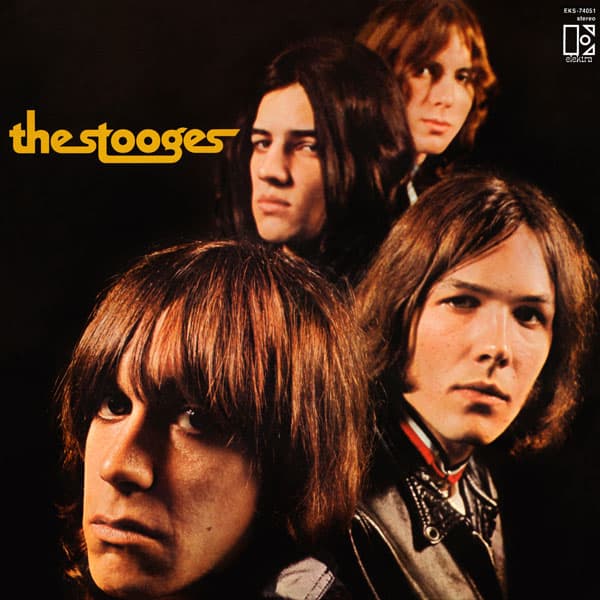
John Cale of the Velvet Underground produced it, and the band arrived in New York with only five songs, writing the rest overnight.

The band rehearsed in a rented house for months while Van Vliet dictated every part to them by ear. Frank Zappa paid for it.
Sixteen-year-old Ernie Isley's bass on his first session, cut for the brothers' own T-Neck label, funk built on a shrug.
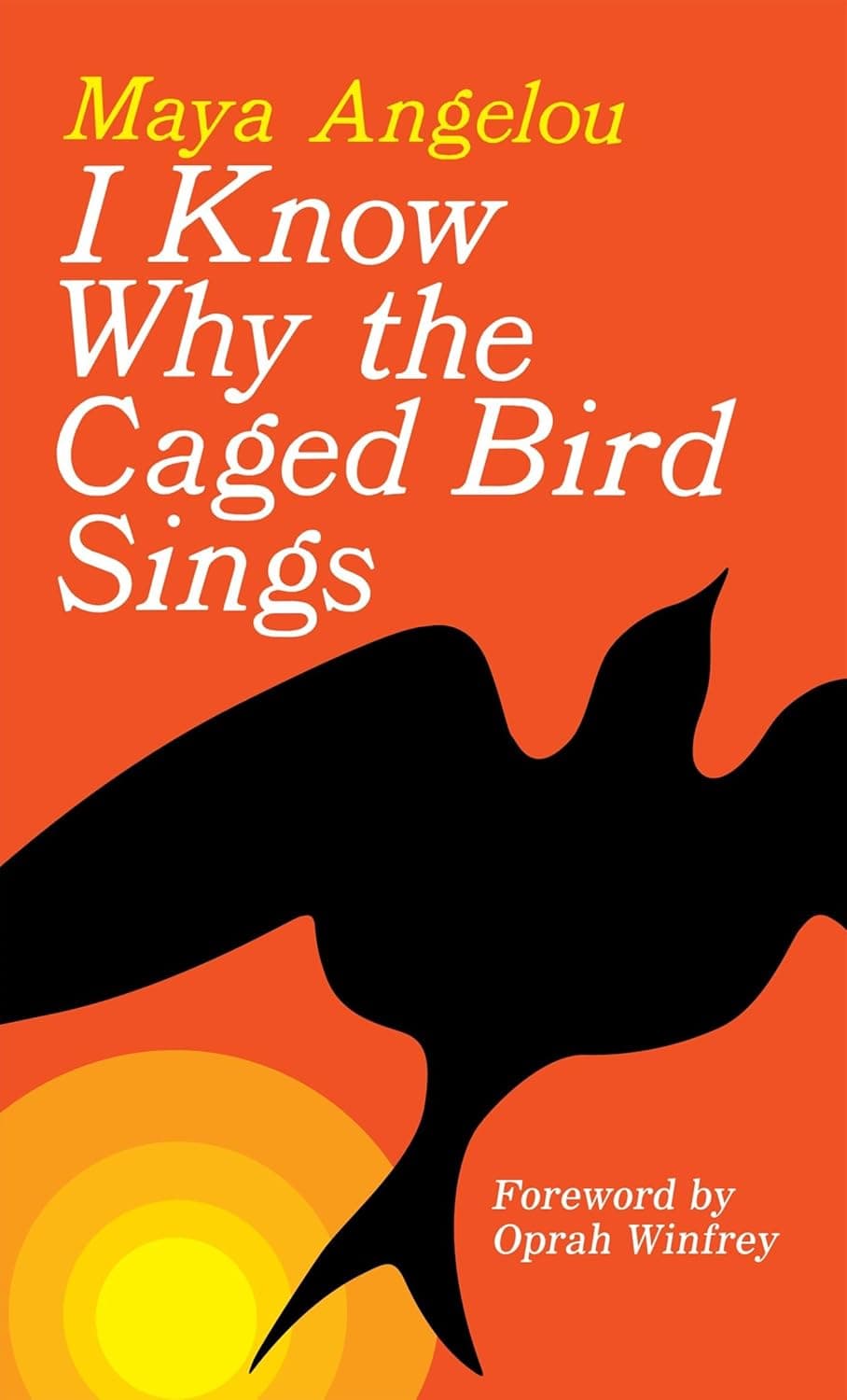
Angelou grows up in Stamps, Arkansas, under Jim Crow and behind her grandmother's store counter. Raped at eight by her mother's boyfriend, she stops speaking for five years and reads her way back.
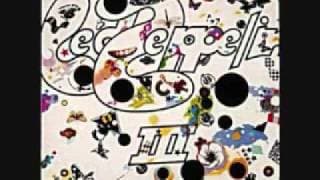
Page cut the unaccompanied solo at Atlantic while the rest of the track was taped across town at A&R.
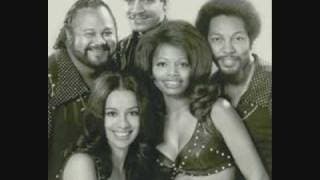
A wallet lost in a New York cab sent the group to Hair; Bones Howe spliced two songs into one.
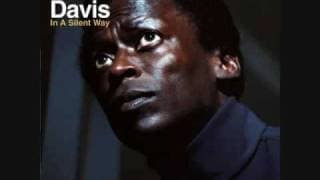
Three electric pianos over a single February 1969 session, and Macero's edit brings the opening back to close it.
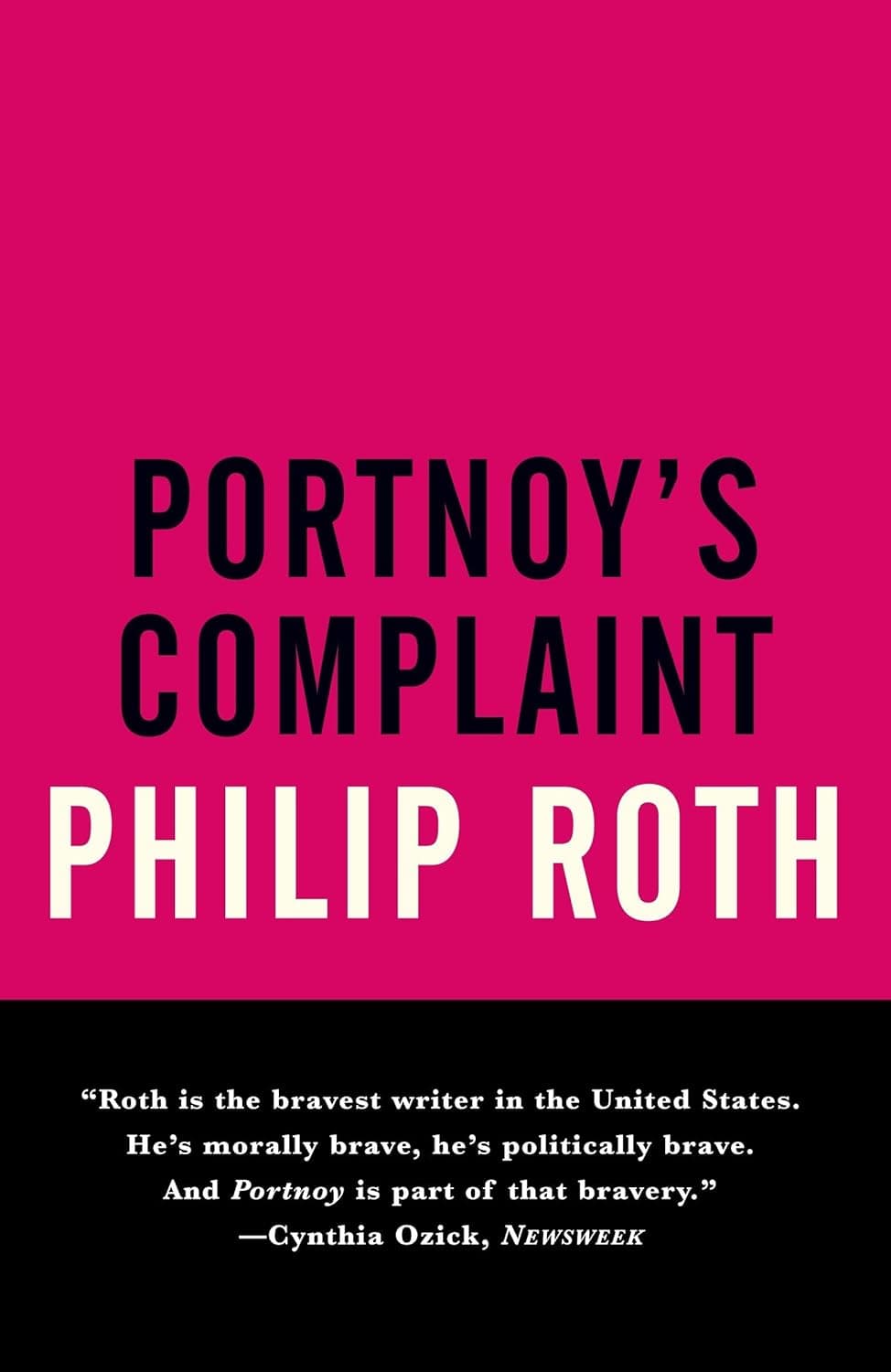
Alexander Portnoy lies on his analyst's couch and confesses everything: a Jewish son's rage at his mother and an appetite he cannot govern. Four hundred thousand copies sold in the first year.
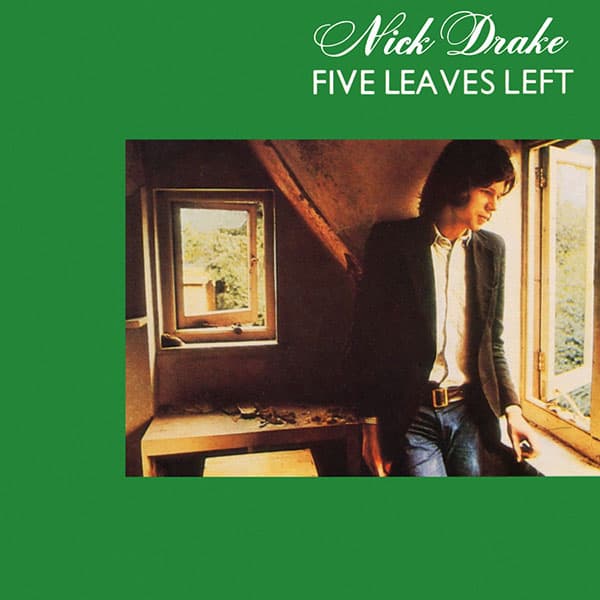
The title comes from the warning near the end of a packet of cigarette papers. A college friend with no professional credits wrote the string parts.

His first proper studio album in eight years of films, cut with a Memphis house band who treated him like any other singer.
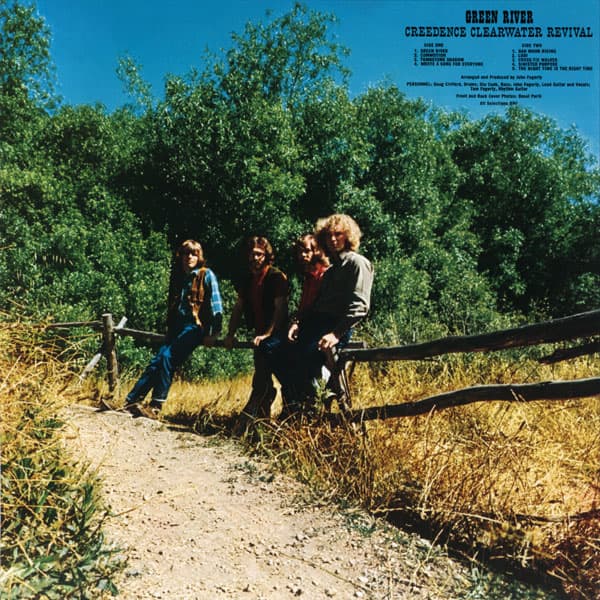
Singer John Fogerty had never been to the Louisiana bayou he sings about. He wrote all of it in northern California, in his early twenties.
The album's opening shot, cut with Cale at the Hit Factory, and Iggy making boredom sound like a threat.

Forty-nine Suffolk villagers talk about horse teams, hunger and the Great War. Blythe caught a rural England that machinery was erasing as he wrote, and English country life has had no better witness.
Washboard, kazoo and a gut bass in the lyrics, Fogerty's imaginary jug band playing for nickels.
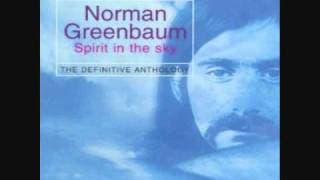
A Jewish songwriter watching Porter Wagoner sing gospel on television, a Telecaster with the fuzz built in, and heaven.
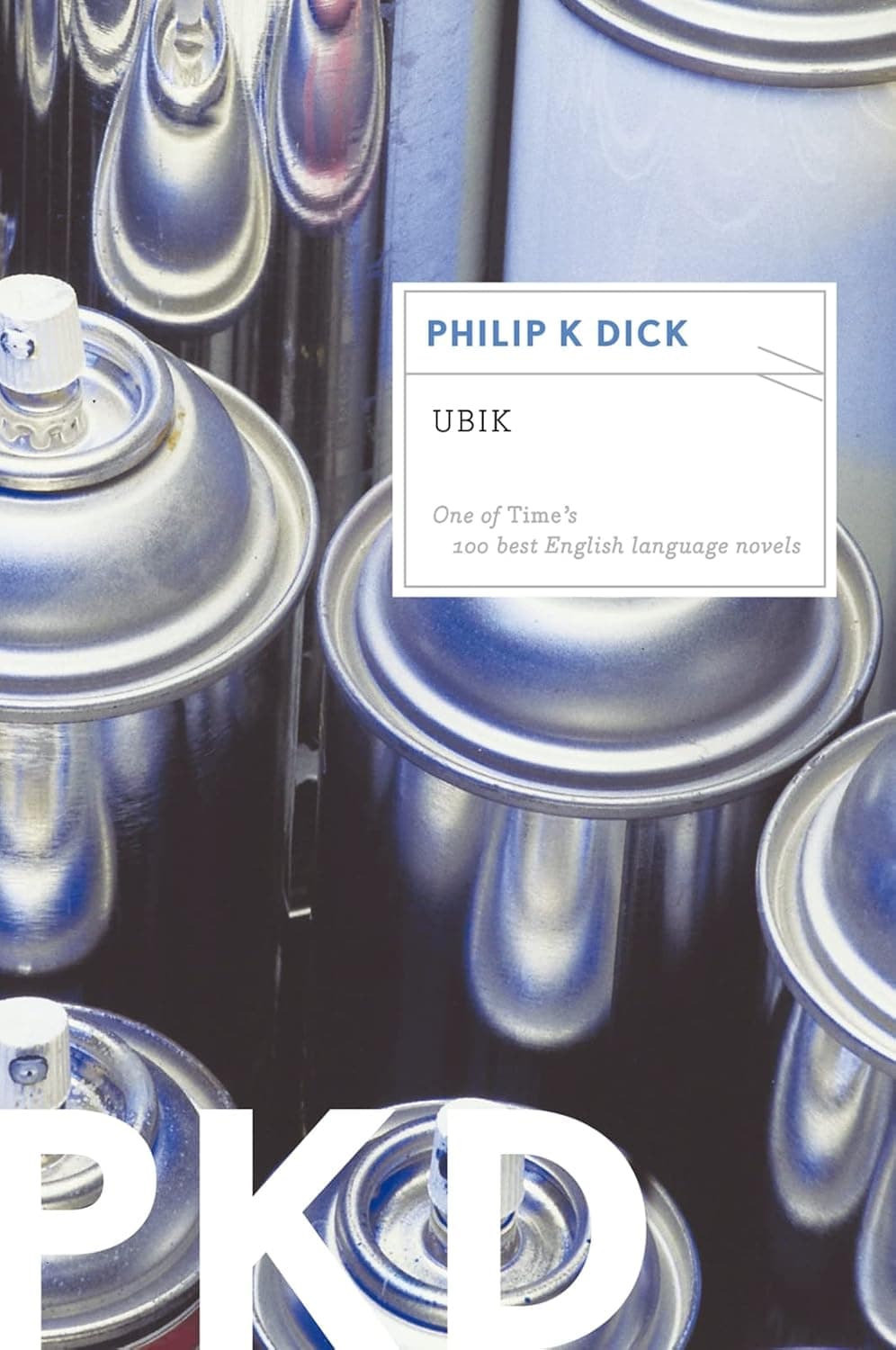
Dick's most vertiginous novel. After a bomb on the Moon, Joe Chip's world rots and slides back toward 1939, and nobody can say who died. An aerosol called Ubik holds it off.
Davies wrote it after seeing his sister's house on an Australian housing estate, turning suburban comfort into a cage.
Among Plant's first songwriting credits, a CBS contract having blocked him on the debut, over guitars panning across both channels.
A busy signal on Nilsson's telephone became the repeating note, and Chuck Negron sings loneliness to number five.
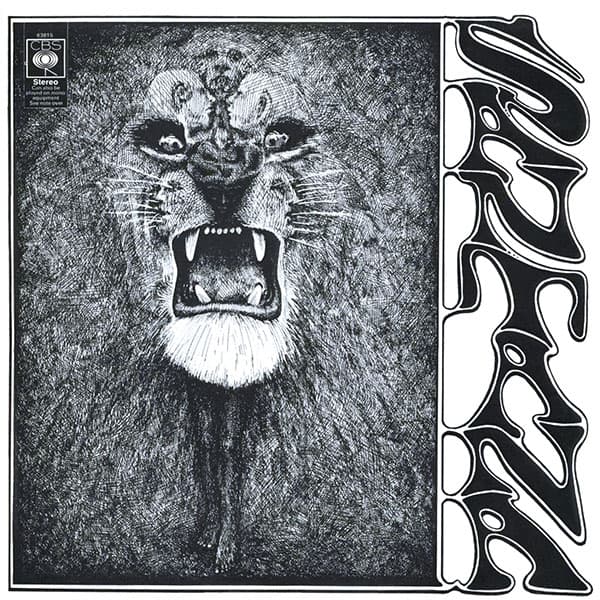
Santana played Woodstock before this was even released, reportedly on mescaline, and the film of it made the band famous overnight.
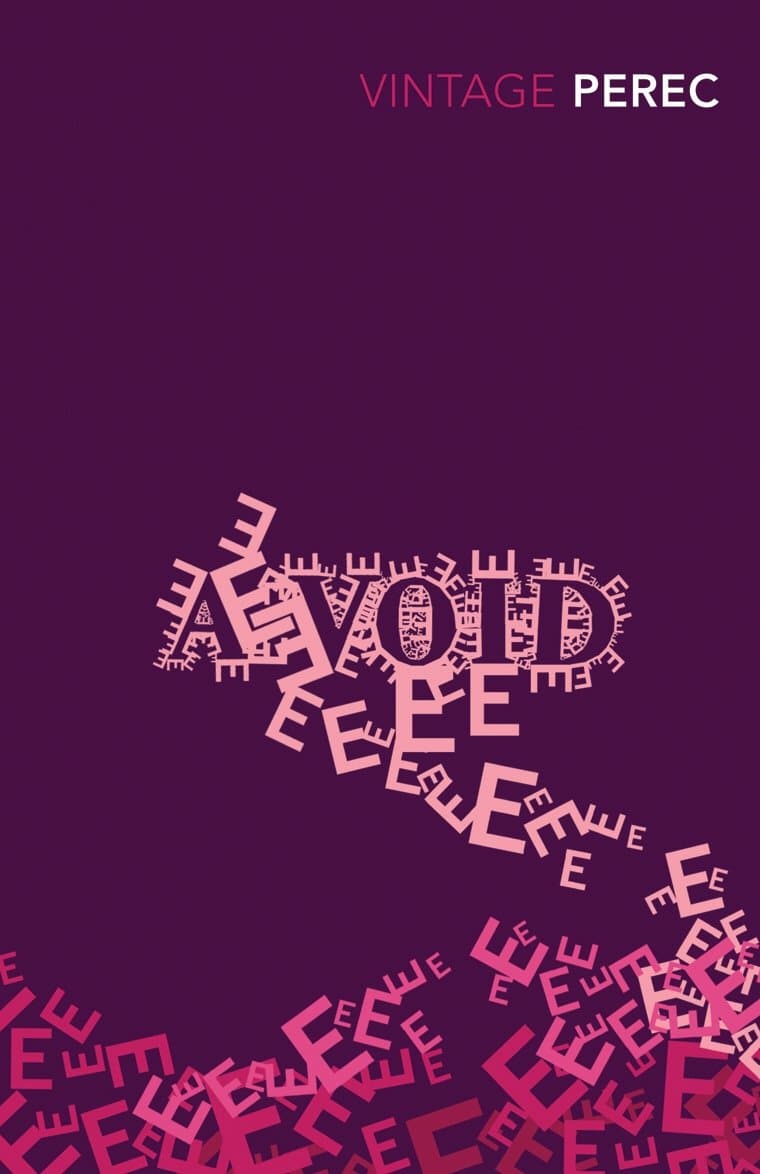
Perec lost both parents to the war, then wrote a novel in French without the letter e: Anton Vowl vanishes, friends hunt him, and no one can name what is missing.