God Only KnowsThe Beach Boys
God Only Knows
1966 · From Pet Sounds
It opens by admitting doubt and spends the next two minutes refuting it; McCartney still calls it the greatest.
★ 9.7
 skopia
It opens by admitting doubt and spends the next two minutes refuting it; McCartney still calls it the greatest.
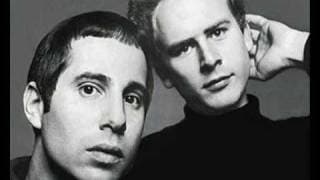
Garfunkel's voice climbing a gospel staircase, the last verse arriving like the cavalry.
That four-note bassline, a gospel hymn turned into a promise, and one of the warmest vocals ever recorded.
Lennon's first draft listed bus stops in Liverpool; Martin's piano solo, taped at half speed, sounds baroque.
Smokey Robinson wrote it for his wife Claudette, then handed David Ruffin his first Temptations lead vocal.
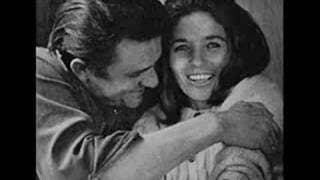
Cash slipped paper under his guitar strings for that snare tick, and hums to find each new key.
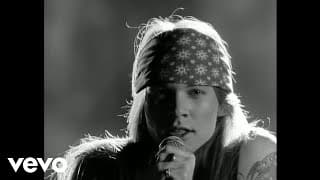
Slash was goofing through a warm-up he called a circus melody; an hour later the band had this.
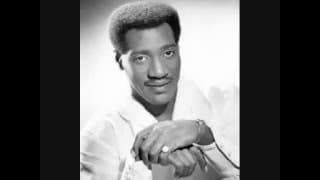
A 1932 Tin Pan Alley ballad, rearranged by Isaac Hayes, until Redding and Al Jackson tear the roof off.
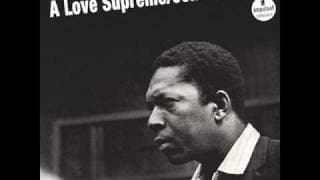
Garrison's four notes, then Coltrane overdubbing the chant nineteen times, one December day at Van Gelder's.
Willie Mitchell and Al Jackson handed Green a track; he reportedly had the lyric in five minutes.
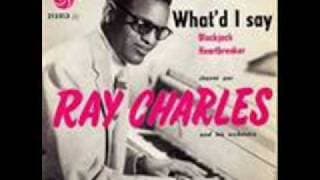
Charles took a gospel record he heard on tour, swapped the subject, and cut soul music's blueprint in Atlanta.
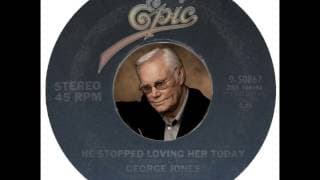
Jones thought nobody would play something so morbid; Sherrill spent eighteen months coaxing the vocal onto tape.
Harrison lifted the opening line from James Taylor and wrote the first Beatles A-side that wasn't Lennon or McCartney.
Parton wrote it to leave Porter Wagoner; Houston opened a cappella and held the Hot 100 for fourteen weeks.
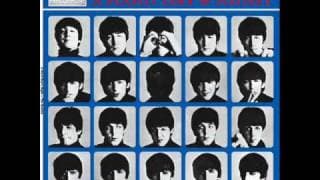
Starr's slip of the tongue supplied the title, and the opening chord is still argued over by musicologists.
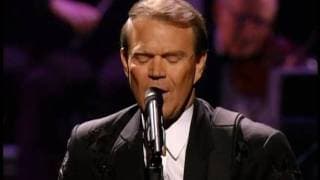
Webb sent it over unfinished, one verse short, and Campbell cut the loneliest three minutes in country music.
Sledge gave the writing credits away to two bandmates, and Atlantic pressed the take with the out-of-tune horns.
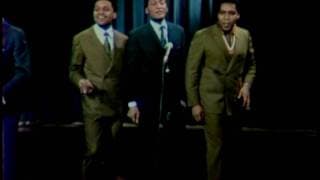
Holland-Dozier-Holland pitched Stubbs at the very top of his range, and Paul Riser opened it with piccolo and flute.
Taupin scribbled the lyric over breakfast at a kitchen table, and Buckmaster's strings turned it into John's first Top 10.
Cooke credited it to his brother L.C. to dodge his publisher, then carried it to number one on both charts.
Cut at Muscle Shoals in December 1969, with Jim Dickinson on tack piano after Ian Stewart refused the minor chords.
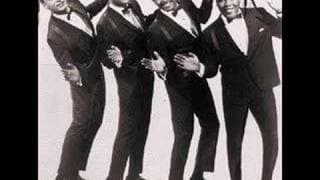
Dozier lifted the title from his grandfather flirting in a beauty shop, and Stubbs sings it like a plea.
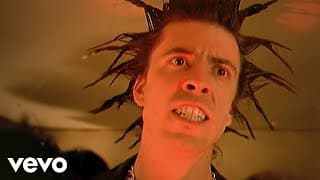
Drums by Grohl, Hawkins not yet in the band, and Louise Post's backing vocals sung down a phone from Chicago.
Howard wrote a waltz; Quincy Jones swung it into four for Basie, and Apollo crews played it in orbit.
Written for a 1955 prison film, buried on a B-side, and Hatfield sang the whole thing alone.
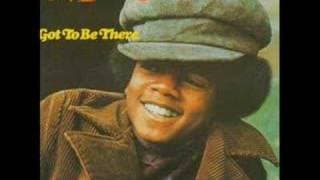
Hal Davis cut it at Hitsville West in June 1970, and Michael, eleven years old, made the ballad sound lived-in.
A 1784 French melody rewritten for Blue Hawaii, and the song Presley chose to close his shows for a decade.
A Willie Hutch loop left alone at the top, and Andre 3000's verse reportedly returned with the drums stripped off.
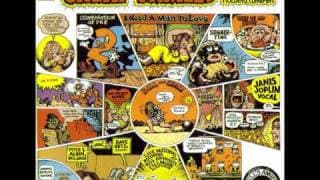
Erma Franklin had it first in 1967, then Joplin tore the same Ragovoy and Berns song wide open.
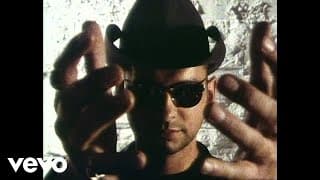
Priscilla Presley's memoir gave Gore the idea, Flood cut it in Milan, and Cash later called it evangelical.
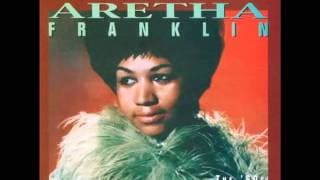
Muscle Shoals, January 1967, Oldham on Wurlitzer, and a session that fell apart in an argument right after it.
Gore wrote it as a harmonium ballad; Wilder and Flood put a dance beat under it over his objections.
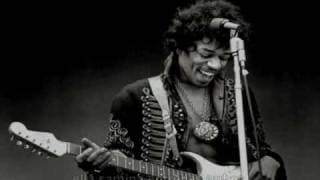
A glockenspiel, a Leslie speaker meant for organs, and Hendrix fading out after two minutes and twenty-five seconds.
Cissy Houston's version turned Weatherly's midnight plane to Houston into a train to Georgia.
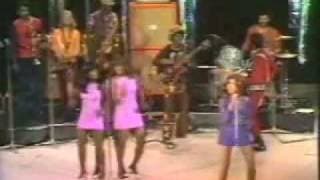
Twenty-one musicians at Gold Star, Turner singing until she was drenched, and a US peak of eighty-eight that broke Spector.
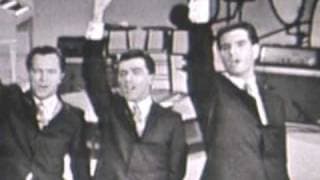
Two quiet verses, then Artie Schroeck's brass kicks the door in, and Valli's solo single stalled one place from number one.
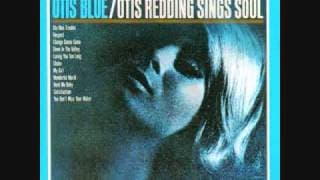
Butler handed Redding a fragment in a Buffalo motel room; two weeks later Stax had the ultimate slow dance.
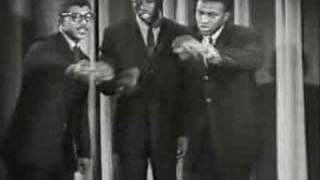
February 1956, a New Haven church basement, and a song Parris had written on Army guard duty.
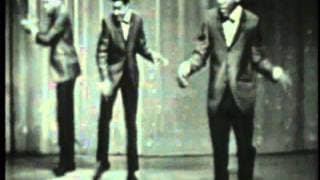
Ronald Isley improvised the call and response onstage extending Lonely Teardrops, and RCA packed the room with friends answering.
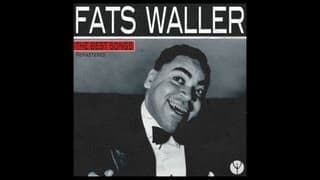
Waller sold every song in Hot Chocolates for five hundred dollars, then cut this one alone for Victor.
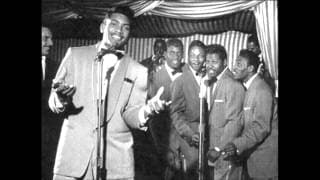
Cut as a demo in Ted Brinson's garage, pillows on the drums, then three weeks atop the R&B chart.
Harrison started it backstage in Copenhagen, gave it to Billy Preston first, then took the first ex-Beatle number one.
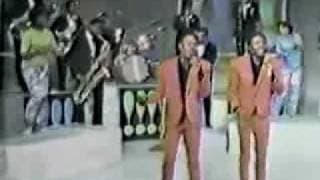
A shout through a Stax restroom door became the title, and Booker T.'s band made it an R&B number one.
Booked into Abbey Road as Billy Martin, McCartney played every instrument in a day and declined to release a single.
Ken Nelson pointed at the stars outside Rockfield, and Martin sang the melody in his worst Neil Young impression.
Mushroom sent the demo to Madonna, got outvoted, and Elizabeth Fraser sang it over harpsichord and a Les McCann loop.
Cohen thought Simon's orchestration overblown, but the four-track master wouldn't let him strip it; Judy Collins recorded it first.
Youssou N'Dour improvising in Wolof, and a bassline so deep it had to move up the vinyl.
Owen Morris showed Bonehead the root notes for a Mellotron cello, and the track was largely done in a day.
Zinner's looped riff, twenty minutes of writing from Karen O, and a video where the tears are real.
Terry Johnson dreamed the arrangement, called the group to rehearse at 4 a.m., and Goldner drowned it in reverb.
Lauper lifted the title from a TV Guide film listing, and Rob Hyman's harmony makes the chorus ache.
Cut at Cheiron in Stockholm with a chorus that contradicts its verses; the coherent version got shelved.
The band laughed at Sambora's talk box until it opened the record. The last chorus climbs a minor third.
James Jamerson's bass, cut in Chicago with Funk Brothers moonlighting for cash, and Wilson sounding weightless above it.
Jill Scott's hook, re-sung by Badu at the label's request, and Questlove driving the outro into drum and bass.
Jerry Allison pounded the beat out on a cardboard box, and a B-side that never charted outlived nearly everything.
Drake wanted a record that weddings would still play in ten years, and Majid Jordan's synths delivered exactly that.
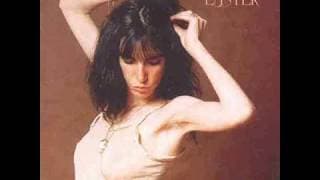
Springsteen abandoned the demo, Iovine passed Smith the cassette, and she wrote the verses waiting on a phone call.
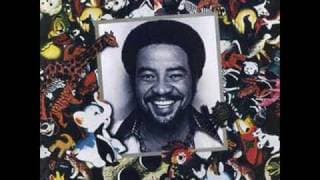
Withers holds the last note for eighteen seconds, Ray Parker Jr. plays guitar, and morning suddenly looks survivable.
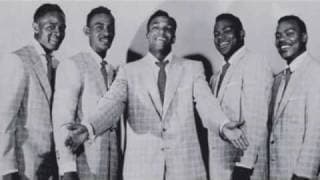
Pomus, who had polio, wrote the lyric on the back of his own wedding invitation, remembering his bride dancing.
Seventeen weeks in the American top ten, and a ballad Stigwood refused to let them hand to Yvonne Elliman.
Hal David wrote it about a woman whose man is in Vietnam; Bacharach thought the finished take too rushed.
Holland-Dozier-Holland gave Gaye a rare uncomplicated love song, and that rolling piano and the Andantes carried it to number six.
Kenny's tenor floats, Jones talks the lyric back in bass, and doo-wop inherited that top-and-bottom trick wholesale.
Too weird for radio, not clubby enough for clubs, by the duo's own reckoning; Sam Smith's falsetto settled it.
Wolinski's synth loop, his threat to hand the song to Quincy Jones instead, and Khan sailing clean over it.
Tinnitus from the Ragged Glory tour pushed Young back to acoustic guitars, and Ronstadt shadows him line for line.
A bass line Clayton stumbled on while decoding Visage's Fade to Grey, then Bono aimed the words at Poland's Solidarity.
Aaliyah's death in 2001 clarified what mattered, and Keys answered with piano, gospel restraint and a Grammy-winning vocal.
MacDonald's track came first, Withers added the words, and Washington's saxophone carried it to number two in 1981.
Cut at American Sound in Memphis with Charles Calello's horns, and every Fenway eighth inning has belonged to it since 2002.
Tamborello sent instrumental DATs to Gibbard, who added vocals and shipped them back; his first happy love song.
Charles Trenet wrote it about the sea; Jack Lawrence's English lyric made it a love song, and Darin swung it.
"Get Ready" stalled at 29, so Gordy handed the Temptations to Whitfield, and Ruffin tore into the result.
Syd Nathan hated it and fired Ralph Bass for cutting it, then rehired him when it reached R&B's top five.

By Hetfield's account the open-string intro came one-handed during a phone call, and Kamen's strings did the rest.
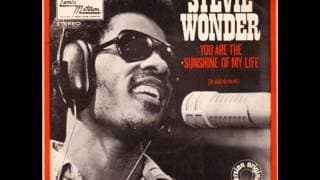
Wonder hands the first four lines to Jim Gilstrap and Lani Groves, then walks in over his own Fender Rhodes.
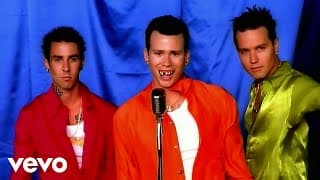
Palm-muted C major at 150 beats a minute, Roger Manning's synth on top, and a boy-band parody video.
Dozier had three Bernadettes in mind, and Levi Stubbs shouts the name at the false ending like a man drowning.
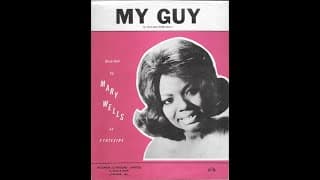
Three days after Wells turned twenty-one, Smokey Robinson's tune gave the Motown label its first number one.
A wordless hum to open, then distortion flooding the chorus; lead single from the Mercury-winning Overgrown.
Cut in New York with Sy Oliver's orchestra in 1950, Piaf's song rebuilt around a trumpet and a rasp.
Kaya's warmest track went top ten in Britain, and its London video gave a young Naomi Campbell her debut.
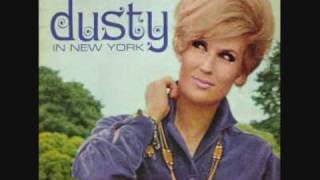
Two people who had never written a lyric rewrote a Sanremo ballad, and Springfield cut her vocal in a stairwell.
Thirteen weeks at number one, a record until Whitney broke it in early 1993, on Babyface's Boomerang ballad.
One microphone, mono, caught during a studio break when the headphones failed, and Gibbard's breath before the first chord.
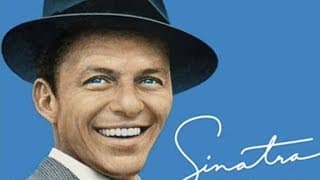
Kern's melody took the 1936 Academy Award; Nelson Riddle's 1964 arrangement made Sinatra's the most imitated reading.
Cameron resisted a pop song entirely, then kept Dion's demo vocal, one take, in the finished film.
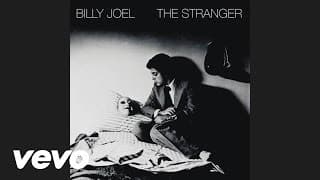
Bebop alto player Phil Woods takes the solo, and the melody Joel dreamed won Record and Song of the Year.
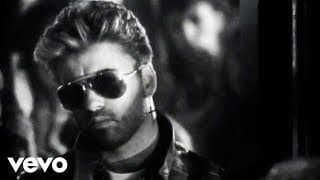
Michael muted the snare while mixing a mid-tempo dance track and, by his account, suddenly had a gospel record.
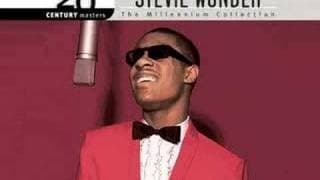
Jamerson's bass line runs like a lead melody, and Wonder co-wrote it with his mother, Lula Mae Hardaway.
A Ponderosa Twins Plus One loop, Charlie Wilson singing the bridge, and Yeezus ending on chipmunk soul.
Rzeznik tuned every string but one to D, wrote it for City of Angels, and owned airplay for eighteen weeks.
Wadge was playing chords while Sheeran showered; twenty minutes later they had a Song of the Year.
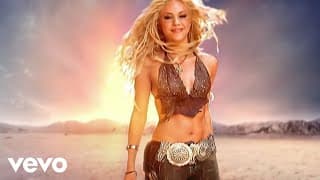
Panpipes, a charango, and Gloria Estefan rewriting Shakira's Spanish lyric in English; it hit number one in twenty-two countries.
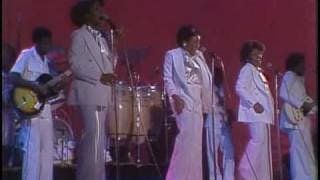
Maurice White and Al McKay wrote it, Earth Wind and Fire's rhythm section played it, and the Hutchinson sisters soared.
Piaf wrote these words for boxer Marcel Cerdan months before his plane went down, and recorded them the following May.
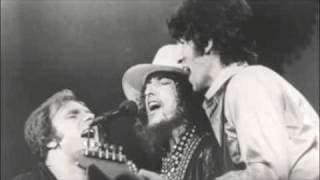
Written in Woodstock, cut in San Francisco with Modern Jazz Quartet drummer Connie Kay behind Morrison's warmest melody.
Babyface wrote it and the group nearly turned it down; fourteen weeks at number one settled that argument.

Nels Cline's lead guitar turns a quiet Tweedy song into the twin-guitar epic Rolling Stone compared to Television.
Take four, June 1967 at EMI, with a trumpet added later onto the mono mix and nowhere else.
Bonnie Tyler recorded it first; Turner asked Holly Knight for the bridge and key change it lacked.
Camille Yarbrough's 1975 vocal over a lo-fi piano loop, and a Spike Jonze video reportedly shot for eight hundred dollars.
That hook is an oboe, not an ocarina, and Cher disliked the song Bono wrote for them in their basement.
Boyd handed Cale the demo and he improvised celeste, piano and organ around Drake's most openly loving song.
Carey stacked her own harmonies with Kelly Price behind them, and Jermaine Dupri's shuffle carried her eleventh number one.
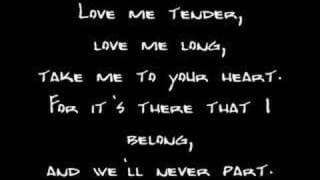
A Civil War ballad from 1861, reworked by Ken Darby and sung on Ed Sullivan weeks before the single arrived.
Ronnie sang it alone at Gold Star while the group toured, so Spector stacked Cher and the Blossoms behind her.
Norman Harris's octave guitar riff, a B-side that DJs flipped, and five weeks atop the R&B chart.
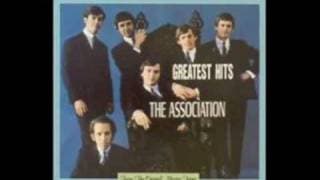
Written by the Addrisi brothers, cut by the Wrecking Crew, and named by BMI the twentieth century's second most-played song.
Butler's baritone over a doo-wop crawl; the billing change to his name split the group and handed Mayfield the lead.
Every instrument played by Mars and Ari Levine at Levcon Studios, and a Grammy for male pop vocal followed.
Clapton wrote it on a Martin D-28 while Pattie Boyd got ready for a Buddy Holly party, by his account.
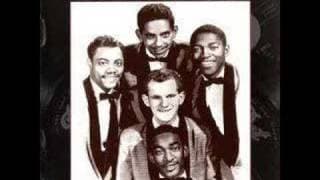
Airmen stationed in Pittsburgh, a demo cut in a DJ's basement, and bass singer Clarence Quick's nonsense-syllable hook.
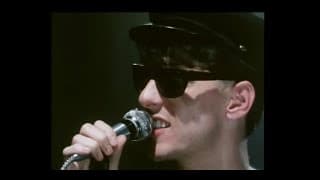
Producer Hugh Jones talked Grey out of shouting, and the nuclear-apocalypse lyric arrives as the warmest chorus of 1982.
Gordy demanded better after "Nothing but Heartaches" stalled, and Holland-Dozier-Holland came back with modulations and Mike Terry's baritone sax.
Mike d'Abo co-wrote it and played piano, and new lead singer Colin Young sang it into the American top three.
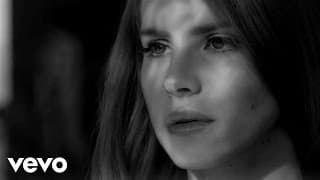
Del Rey wrote it with Emile Haynie and Dan Heath, then sings a doomed vow over surf guitar and strings.
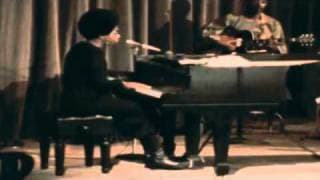
Sharp and Karpeles collected this Scottish ballad in the Appalachians in 1916; Simone slows it to near-stillness at Town Hall.
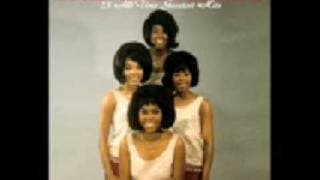
Doris Coley's lead flopped on Scepter in 1959; the label reissued it in 1961 and the tenderness finally landed.
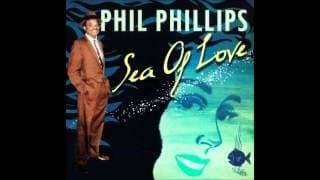
A Lake Charles bellhop wrote it for a woman, and Khoury's tiny label carried the swooning triplets to number two.
Two Frenchmen, an American singer they shared Montmartre with, and the softest thing on Moon Safari.
Jam and Lewis wrote and produced it for Johnny Gill's first New Edition album, and it topped the R&B chart.
Craig and Charlie Reid wrote it in an Edinburgh flat, sang it in undisguised Scottish accents, America followed in 1993.
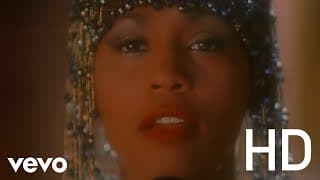
Cut at Encore Studios in 1991, a year before the film, Houston riding a modulation most singers would refuse.
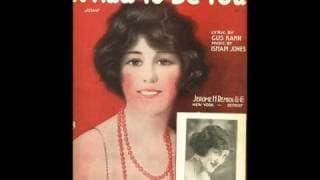
Gus Kahn's lyric prefers the flaws to the virtues, and Jones's 1924 record held number one for five weeks.
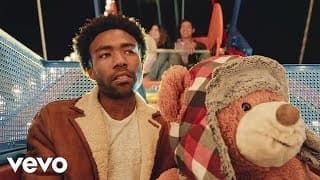
Ludwig Goransson's synths under a hook everyone reads as romance; Glover insists it is really about fearing solitude.
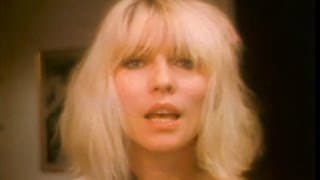
A Paragons rocksteady tune from 1967, Jimmie Haskell's horns and strings on top, and Harry strolling to number one.
Beam slowed Gibbard's synth-pop into hushed acoustic guitar for a Sub Pop B-side, then Garden State put it everywhere.
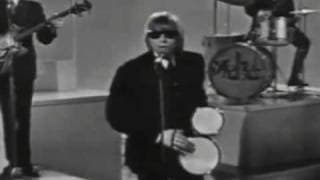
Brian Auger's harpsichord and Denny Piercy's bongos on a pop single, with Clapton confined to the middle break before quitting.
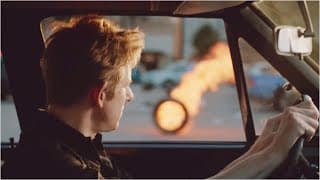
Spoon's eighth album brought in Dave Fridmann and Alex Fischel, and Daniel spends the chorus asking to be understood.
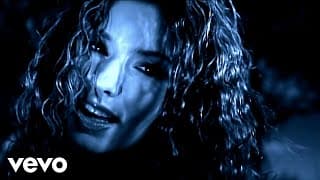
Written as a reply to everyone who doubted her marriage to Mutt Lange, and it won two country Grammys.
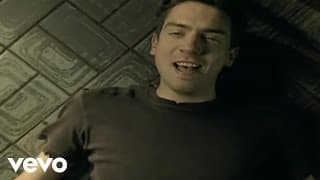
Lightbody's father compared him to a dog chasing a car; a Grey's Anatomy finale sent it worldwide.
Brian Alexander Morgan wrote it; the remix laid it over Michael Jackson's Human Nature, and the group initially disliked it.