God Only KnowsThe Beach Boys
God Only Knows
1966 · From Pet Sounds
It opens by admitting doubt and spends the next two minutes refuting it; McCartney still calls it the greatest.
★ 9.7
 skopia
It opens by admitting doubt and spends the next two minutes refuting it; McCartney still calls it the greatest.
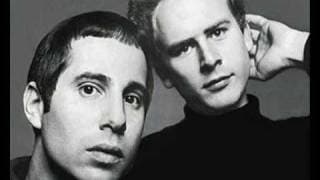
Garfunkel's voice climbing a gospel staircase, the last verse arriving like the cavalry.
That four-note bassline, a gospel hymn turned into a promise, and one of the warmest vocals ever recorded.
Lennon's first draft listed bus stops in Liverpool; Martin's piano solo, taped at half speed, sounds baroque.
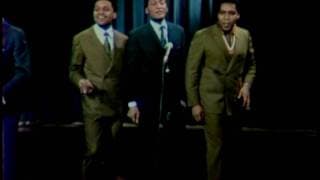
Smokey Robinson wrote it for his wife Claudette, then handed David Ruffin his first Temptations lead vocal.
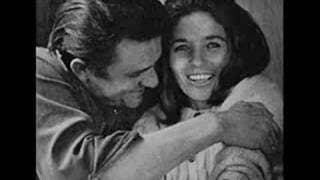
Cash slipped paper under his guitar strings for that snare tick, and hums to find each new key.
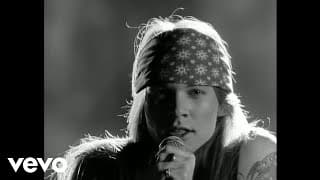
Slash was goofing through a warm-up he called a circus melody; an hour later the band had this.
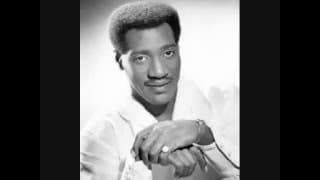
A 1932 Tin Pan Alley ballad, rearranged by Isaac Hayes, until Redding and Al Jackson tear the roof off.
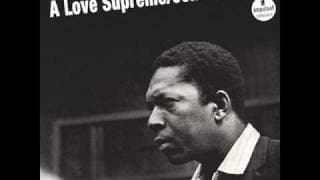
Garrison's four notes, then Coltrane overdubbing the chant nineteen times, one December day at Van Gelder's.
Willie Mitchell and Al Jackson handed Green a track; he reportedly had the lyric in five minutes.
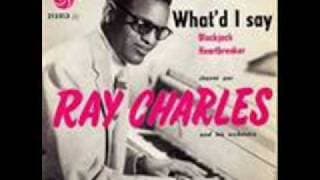
Charles took a gospel record he heard on tour, swapped the subject, and cut soul music's blueprint in Atlanta.
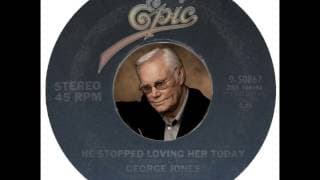
Jones thought nobody would play something so morbid; Sherrill spent eighteen months coaxing the vocal onto tape.
Harrison lifted the opening line from James Taylor and wrote the first Beatles A-side that wasn't Lennon or McCartney.
Parton wrote it to leave Porter Wagoner; Houston opened a cappella and held the Hot 100 for fourteen weeks.
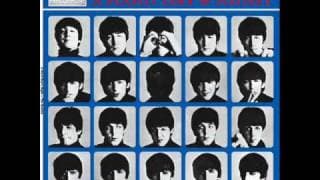
Starr's slip of the tongue supplied the title, and the opening chord is still argued over by musicologists.
Webb sent it over unfinished, one verse short, and Campbell cut the loneliest three minutes in country music.
Sledge gave the writing credits away to two bandmates, and Atlantic pressed the take with the out-of-tune horns.
Holland-Dozier-Holland pitched Stubbs at the very top of his range, and Paul Riser opened it with piccolo and flute.
Taupin scribbled the lyric over breakfast at a kitchen table, and Buckmaster's strings turned it into John's first Top 10.
Cooke credited it to his brother L.C. to dodge his publisher, then carried it to number one on both charts.